

One of the largest studies ever conducted on biodiversity loss worldwide has revealed that humans are having a severely detrimental impact on global wildlife.
The number of species is declining, as well as the composition of populations.
“Biological diversity is under threat. More and more plant and animal species are disappearing worldwide, and humans are responsible. Until now, however, there has been no synthesis of the extent of human intervention in nature and whether the effects can be found everywhere in the world and in all groups of organisms,” a press release from University of Zurich (UZH) said. “This is because most of the studies conducted to date have only looked at individual aspects. They either examined changes in species diversity over time or were limited to a single location or to specific human impacts.”
To fill in the gaps, a team of scientists from UZH and the Swiss Federal Institute of Aquatic Science and Technology (Eawag) collected data from roughly 2,100 studies comparing biodiversity at nearly 50,000 sites that had been impacted by humans with an equal number of reference locations that remained unaffected.
The studies covered freshwater, marine and terrestrial habitats worldwide, with all groups of organisms — microbes, fungi, plants, invertebrates, birds, fish and mammals — represented.
“It is one of the largest syntheses of the human impacts on biodiversity ever conducted worldwide,” said Florian Altermatt, a UZH professor of aquatic ecology and head of an Eawag research group, in the press release.
The findings, “The global human impact on biodiversity,” were published in the journal Nature and leave no doubt as to the devastation humans are imposing on global biodiversity.
“We analyzed the effects of the five main human impacts on biodiversity: habitat changes, direct exploitation such as hunting or fishing, climate change, pollution and invasive species,” said lead author François Keck, a postdoctoral researcher at Eawag, in the press release. “Our findings show that all five factors have a strong impact on biodiversity worldwide, in all groups of organisms and in all ecosystems.”

Pollution is one of the five most important drivers of biodiversity loss globally – especially when untreated wastewater pollutes natural waters. Florian Altermatt
The average number of species at affected sites was nearly one-fifth lower than at those that were unaffected. Vertebrates such as amphibians, reptiles and mammals were found that have experienced especially dramatic species loss across all biogeographic regions. These populations have a tendency to be significantly smaller than those of invertebrates, which makes them more vulnerable to extinction.
“Biodiversity change poses a critical threat to human societies from local to global scales, highlighting the urgent need for understanding the complex relationship between human pressures and their effects on ecosystems,” the authors wrote in the findings. “Human pressures, broadly classified in five main types — land-use change, resource exploitation, pollution, climate change and invasive species — can enhance or reduce species diversity locally. Crucially, by impacting biodiversity at local scales, effects of human pressures can similarly impact biodiversity patterns among communities at broader spatial scales.”
In addition to population numbers, species composition is another key aspect of biodiversity. Keck said human pressure is causing a decline in species numbers, as well as a shift in the composition of their communities.
“In high mountain regions, for example, specialized plants are at risk of being displaced by species from lower altitudes as the climate warms. In some circumstances, the number of species at a particular site may remain the same; nevertheless, biodiversity and its ecosystem functions will be affected if, for example, a plant species disappears that has particularly good root systems to protect the soil from erosion,” the press release said.
The largest shifts in the composition of species communities are among microbes and fungi.
“This could be because these organisms have short life cycles and high dispersion rates and therefore respond more quickly,” Keck explained.
The study found that habitat changes and environmental pollution had an exceptionally negative impact on species numbers and composition.
Altermatt said that wasn’t surprising, as habitat changes can often be drastic, as when humans raze a meadow or cut down a forest. Pollution, whether it is accidental, as with an oil spill, or deliberate, as in the spraying of pesticides, introduces destructive substances into habitats that weaken or destroy their organisms.
A third aspect of biodiversity investigated by the team was homogeneity — the similarity of species communities at different sites.
“For example, large-scale, intensive agriculture tends to make landscapes more homogeneous, and the species communities they contain more similar. The effects were mixed, with some studies showing a very strong tendency towards homogenization, and others showing a tendency for species communities to become more diverse, especially at the local level,” the press release said.
The researchers expressed doubt in the latter being a positive sign. They speculated that an uptick in dissimilarities could be a temporary result in severely impacted habitats.
“The human influence that we find is sometimes so strong that there are even signs that could indicate a complete collapse of the species communities,” Altermatt said.
The authors said the findings can serve as benchmarks for conservation efforts and biodiversity research going forward.
“Our findings provide clear indications of which human influences are having the greatest impact on biodiversity,” Keck said. “This also shows what goals need to be set if these trends are to be reversed.”
The post Wide-Ranging Biodiversity Study Highlights Destructive Global Impact of Humans appeared first on EcoWatch.
https://www.ecowatch.com/global-biodiversity-loss-human-impact.html

The ethical and sustainable furniture companies featured below offer everything from sustainable office chairs and desks to bed frames and storage furniture (with a whole lot in between)!
I’ve curated this selection of ethical and environmentally friendly furniture companies to bring you everything you’d need to furnish your space consciously, whether you need sustainable bedroom furniture, living room furniture, dining room furniture, or outdoor furniture.
This is your ultimate guide to finding the very best in sustainable furniture.
Note that this guide does include affiliate links, which means we may earn a commission if you choose to purchase via these links at no additional cost to you. As always, brands we curate meet strict standards for sustainability and design, and are brands we love that we think you’ll love too.
What is Sustainable Furniture Anyway?
Just as with anything with the word sustainable in front of it: there’s a lot to consider when it comes to sustainable furniture! Below is a list of elements to get started with.
Secondhand Furniture
The most sustainable furniture is the furniture that already exists! Shopping for used furniture prevents that piece from being landfilled and reduces the need to produce new furniture. Looking secondhand is also a way to get affordable sustainable furniture.
I shop for secondhand furniture quite a bit so I have an entire guide to the best places to buy and sell used furniture if this is something you’re interested in. You might also enjoy listening to my podcast episode with secondhand interior designer Nina Verduin.
Some easy options to get started with our Facebook Marketplace, Craigslist, OfferUp, or Buy Nothing Groups on Facebook. Local furniture resale shops, garage sales, and estate sales are also good options if you have a bit more flexibility in what you’re looking for and would rather shop in person.
Personally I’ve had the best luck with Facebook Marketplace and secondarily with estate sales. Or even grabbing a few furniture pieces I couldn’t believe my fellow apartment dwellers were dumping out!
For more curated selections of secondhand furniture, this is what I’d suggest after an embarrassing amount of hours spent browsing furniture resale marketplaces!
AptDeco
AptDeco is a mecca for buying and re-selling furniture in nearly every category from various brands—including West Elm, Pottery Barn and Crate & Barrel. There’s also often quite a few beautiful vintage furniture available on the site.
Chairish
Chairish is an online destination to sell and buy used furniture, mostly vintage furniture. The secondhand furniture site has a massive collection of furniture in every category, no matter how specific, that you may be looking for. However, it tends to be more expensive than other secondhand marketplaces since they have more of a focus on vintage furniture, including some collectible or high-demand items.
Eco-Friendly Furniture Materials
Below is a list of eco-friendly furniture materials that a sustainable furniture company might use:
- Reclaimed or sustainably harvested wood (look for labels like FSC-Certified)
- Recycled steel or recycled aluminum for metal furniture
- Natural fabrics like organic cotton, hemp, and linen or recycled fabrics for upholstery
- Natural Dunlop latex, Talalay latex, or CertiPUR-US® certified foam
- Recycled or natural fiber fills for pillows and cushions
- Low to zero-VOC finishes and stains, such as linseed oil
Interested in non-toxic furniture specifically? Check out our Non-Toxic Furniture Brands Guide.
You’ll see a few certifications throughout this guide. Here’s what each one actually covers:
- FSC Certified = the wood sourcing was responsibly managed (not a finish, foam, or textile guarantee)
- GOTS Certified = the fabric meets strict organic and safety standards, including labor protections throughout the supply chain (a textile-specific certification, not a wood or foam guarantee)
- GOLS Certified = verifies that latex foam is made from certified organic latex, meeting strict environmental and safety standards throughout production (a latex-specific certification)
- CertiPUR-US® = the foam is made without ozone depleters, PBDE flame retardants, mercury, lead, or formaldehyde, and meets low VOC emission standards (a synthetic foam certification, not a claim that the foam is natural or organic)
- GREENGUARD / GREENGUARD Gold Certified = the finished product was tested for low chemical emissions, with Gold representing the stricter tier
- MADE SAFE® = one of the more comprehensive certifications available, screening against a list of thousands of chemicals known or suspected to harm human health; assessed at the product level, though it’s still worth checking which specific products a brand has certified rather than assuming it covers their entire catalog
Responsible and Locally-Made Furniture
An ethical furniture company should be considering their workers, ensuring safe conditions and fair wages.
Ideally, the brand would produce their furniture domestically to minimize emissions and increase transparency of their supply chain. Some of the furniture brands in this guide even own their own manufacturing facility, which is a major bonus!
Since I am based in the US, a lot of the brands in this guide are USA Made furniture companies.
Check the furniture company’s About or Sustainability pages to see if they include any information about the factories they source from or the craftspeople and furniture artisans that they partner with to produce their pieces.
Other Sustainability Efforts
In addition to environmentally-friendly materials and fair production standards, sustainable furniture brands likely have several other sustainability initaitives.
These might include:
- A take-back, resale program, or secondhand marketplace
- A repair program or ability to buy replacement components
- Reforestation projects that replenish forests beyond the trees sourced for their furniture
- Donation initiatives to environmental or social justice organizations
The Best Sustainable Furniture Companies
I know that there is a lot to sort through when it comes to sustainable furniture, so my goal is to make that search easier.
Below are my top picks for sustainable furniture stores, environmentally friendly furniture companies, and secondhand furniture marketplaces that are doing things better.
That might mean they are sourcing eco-friendly materials, using safer finishes and fabrics, producing locally and ethically, considering the full lifecycle of their products, or all of the above!
For more on what we consider “sustainable furniture” scroll down to the bottom below the brands!
1. Urban Natural
Best for: finding all of your furniture and decor in one place
Responsible furniture retailer Urban Natural curates a variety of furniture brands that meet at least three of their five sustainable sourcing criterion: Ethically Sourced, Handcrafted, Organic Materials, Made Sustainably, and Made in the USA.
That said, as a multi-brand retailer, sustainability standards vary somewhat by which specific brand or maker you land on within their catalog, so you may want to check each individual brand’s credentials. My top picks are Copeland, Ethnicraft, and GRAYN.
Furniture Categories: Seating, Beds, Tables, Storage, Outdoor Furniture
Price Range: $256 (shelf nightstand) – $6,865 (storage bed)
Shipping: Ships within contiguous U.S. (contact for overseas logistics)

2. Medley
Best for: a full range of sustainable furniture across rooms
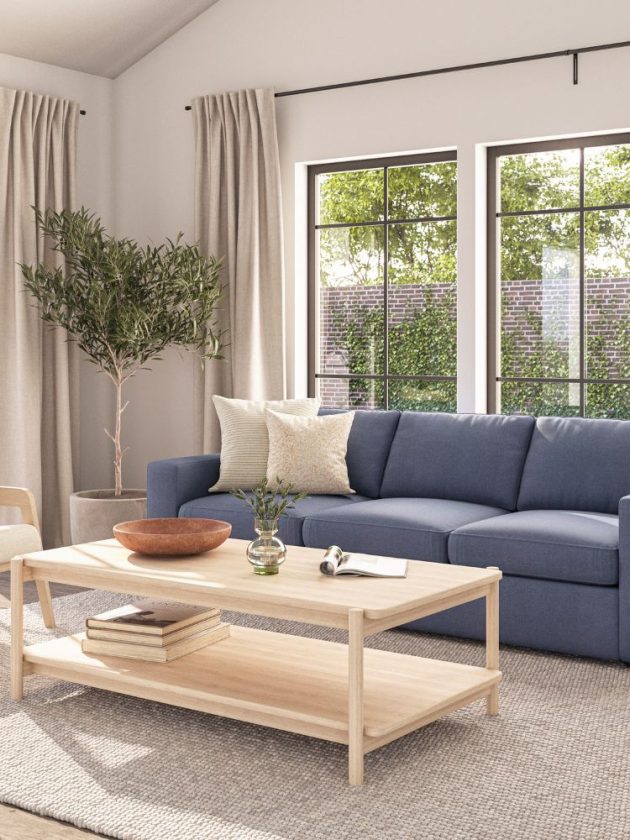
Medley Home is an eco-friendly furniture company that handcrafts their pieces in California with sustainably-sourced materials. The company uses domestically-sourced hardwoods from FSC-certified forests. Medley Home’s wood pieces are finished naturally with a blend of beeswax, carnauba wax, and olive oil.
For sofas and chairs, you can choose between CertiPUR-US® certified foam (less expensive but synthetic) or certified organic natural latex (natural but more expensive).
And for upholstery choose from natural fibers like OEKO-TEX Standard 100 certified linen or GREENGUARD Gold certified cotton (my recommendation) or GREENGUARD Gold certified polyester (not my pick sustainability-wise, but you may prefer a performance fabric).
Furniture Categories: Seating, Tables, Beds, Storage, Accent Furniture
Price Range: $595 (poufs) – $10,290 (sectionals)
Shipping: Contiguous U.S. (or contact Medley for a quote)
3. Savvy Rest
Best for: furniture with top of the line organic materials
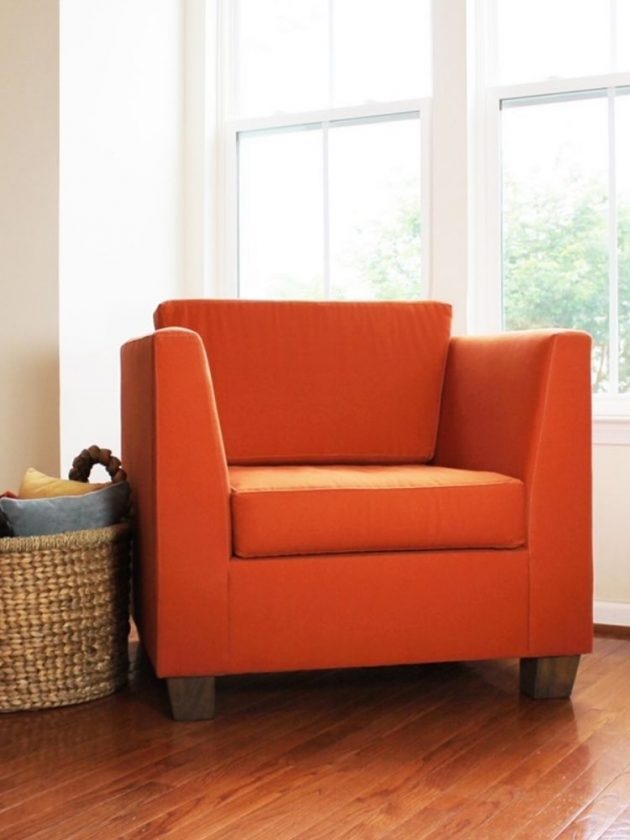
Savvy Rest creates functional, sustainable furniture with your health and the planet’s health in mind. The eco-friendly furniture brand sources only the best natural and organic materials for their furnishings, like hemp and certified organic cotton fabric, natural Talalay latex, and responsibly sourced solid hardwood. You can also choose between a variety of zero-VOC stains or no finish for their wood furniture.
Since the pieces are made to order by a small business, they don’t accept returns, but reviewers rave about the product quality and service.
Furniture Categories: Seating, Beds, Tables, Accent Furniture
Price Range: $400 (bedside table) – $3,999 (sofa) | Use code CONSCIOUSSTYLE20 for 20% off!
Shipping: Contiguous U.S. (Or contact for quote)
4. Avocado
Best for: furniture meeting high sustainability standards without compromise
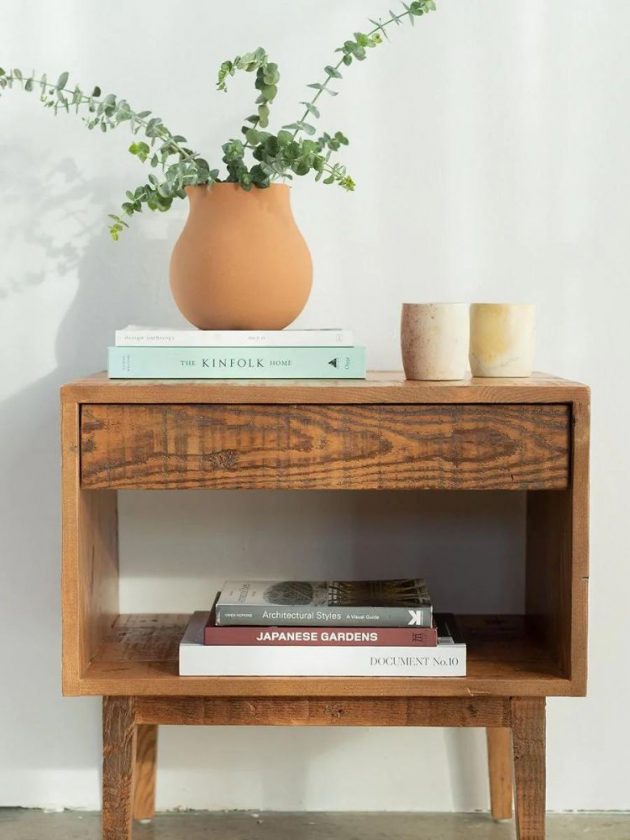
The Certified B-Corporation crafts both their furniture in a FSC-certified facility in Los Angeles and uses materials like 100% reclaimed wood and responsibly-harvested American timber. Additionally, the majority of Avocado’s offerings have certifications like GREENGUARD Gold and the MADE SAFE® seal.
Avocado has fewer options than some of the other companies on this list, but what they do carry is beautifully designed. And I’m all for quality over quantity!
Furniture Categories: Beds, Side Tables, Storage, Accent Furniture
Price Range: $349 (side table) – $3,999 (full bed frame)
Shipping: Contiguous U.S
5. Thuma
Best for: minimalist, modular GREENGUARD-certified furniture
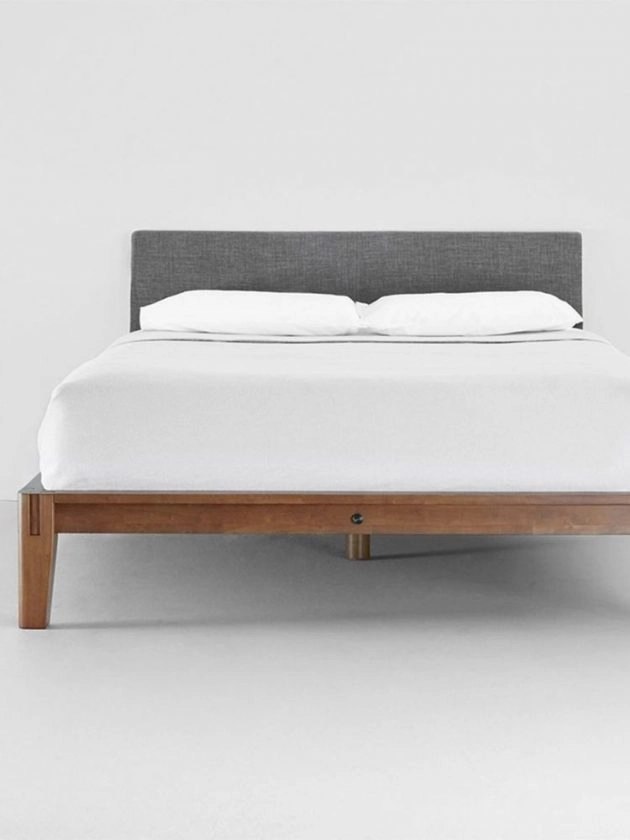
Thuma first started with their simple platform bed frame, made from repurposed rubberwood, and has since expanded into categories like tables, storage, and seating, all keeping their minimalist aesthetic and commitment to sustainability.
The highlight for me is their modular storage system — mix and match open shelf and closed drawer modules as you need to create a nightstand, bookshelf, credenza, dresser, or media console.
Furniture Categories: Beds, Storage, Tables, Seating
Price Range: $495 (nightstand) – $6,675 (corner sectional)
Shipping: Ships within U.S. and Canada (international customers can use freight forwarder)
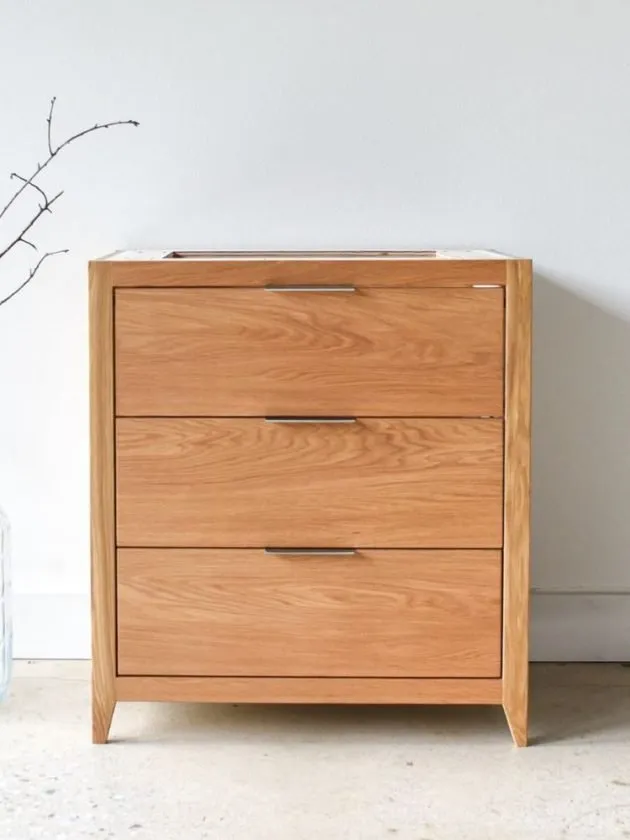
6. WHAT WE MAKE
Best for: truly reclaimed wood furniture
Based in Chicago, WHAT WE MAKE is an environmentally friendly furniture company that crafts modern furniture from reclaimed materials.
While this is a claim others make without much to back it up, I appreciate that the brand is transparent around where they source their wood — it comes from old Midwestern barns being torn down. The small business also makes the furniture start to finish themselves in Chicagoland and each piece is completed with zero-VOC finishes.
Furniture Categories: Bathroom Vanities, Tables, Storage, Seating
Price Range: $425 (bar stools) – $6,425 (bathroom vanities)
Shipping: Contiguous U.S.
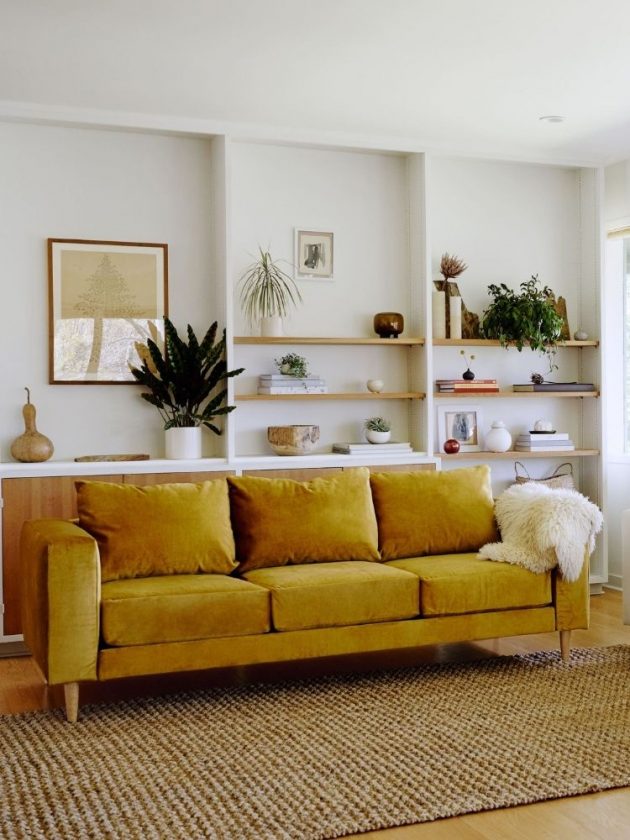
7. Sabai
Best for: repairable furniture that considers the full lifecycle
Sustainable by design, my favorite part about Sabai isn’t just their use of responsible materials, but that their seating is actually repairable and adjustable. You can also purchase replacement parts, slipcovers, or expansion kits.
Not to say their materials aren’t great — you can choose between recycled velvet, upcycled poly, cactus leather (a vegan leather made partially from cactus leaves; be mindful this contains polyurethane) or a natural blend of organic cotton and hemp (my personal top pick).
The frames are made from FSC-certified wood and Sabai uses mechanical fasteners in it’s upholstery process instead of glue, low-VOC stains for their domestic maple legs, recycled fiber fills, and CertiPUR-US® certified foam.
Furniture Categories: Seating, Tables, Accent Furniture
Price Range: $495 (side table) – $6,295 (sectional)
Shipping: Contiguous U.S.; ships to HI & AK for fee
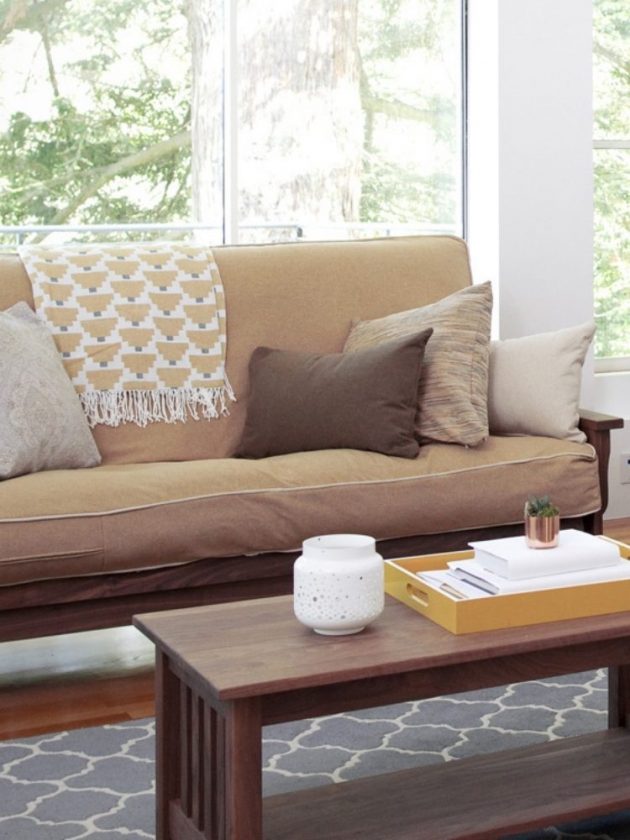
8. Natural Home by The Futon Shop
Best for: futons and Japanese-style beds
As you might guess, The Futon Shop makes sustainable futons, but they also have other furniture like bed frames, including Tatami beds, and sofas (modular, sectionals, and sofa beds).
The woman-founded furniture and mattress company uses eco-friendly materials such as certified organic cotton, organic wool, organic Dunlop latex, OEKO-Tex 100 certified coconut coir and hemp, as well as solid domestically sourced hardwood — all made in the US.
Furniture Categories: Futons, Beds, Sofas
Price Range: $699 (ottomans) – $5,449 (custom sofa)
Shipping: Contiguous U.S. (custom quotes elsewhere) | also offers free in-store pickup
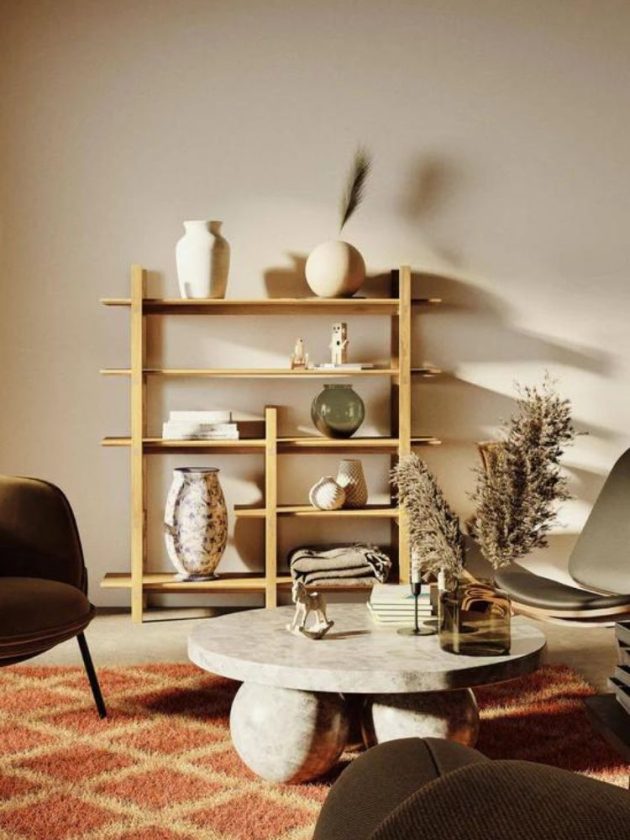
9. Greenington
Best for: sustainable bamboo furniture
Greenington is a bamboo furniture company with sustainably-crafted pieces for every room: from the office to the bedroom. Each piece is made from mature Moso bamboo — one of the fastest growing plants on the planet — that was hand-harvested instead of clearcut. Greenington also uses 100% of the bamboo material, down to the sawdust.
Greenington’s classic line uses laminated solid bamboo strips, while their exotic line uses bamboo fiber bonded with adhesive under heat and pressure, which is a more composite-like process. They don’t specify the adhesive’s VOC or formaldehyde content for either line, so I’d ask directly if that matters to you, especially for the exotic collection.
Furniture Categories: Beds, Seating, Storage, Tables
Price Range: $329 (side table) – $4,139 (dresser)
Shipping: Free contiguous U.S. shipping; HI, AK, PR + Canada shipping available for a fee

10. MasayaCo
Best for: supporting reforestation projects with each purchase
With origins as a reforestation project, MasayaCo is deeply committed to (beyond) sustainable sourcing. They’ve planted 1.2 million trees to date and on average, leave 40% of their reforestation projects completely untouched.
The elegant furniture from MasayaCo is crafted by artisans using teak, and many of their pieces are outdoor friendly too. Something to note though is that the woven elements on some of their stools and chairs is polyester cord.
Furniture Categories: Seating, Storage, Tables, Accents, Outdoor Furniture
Price Range: $295 (stool) – $7,850 (sectional)
Shipping: Ships to U.S.
11. Green Row
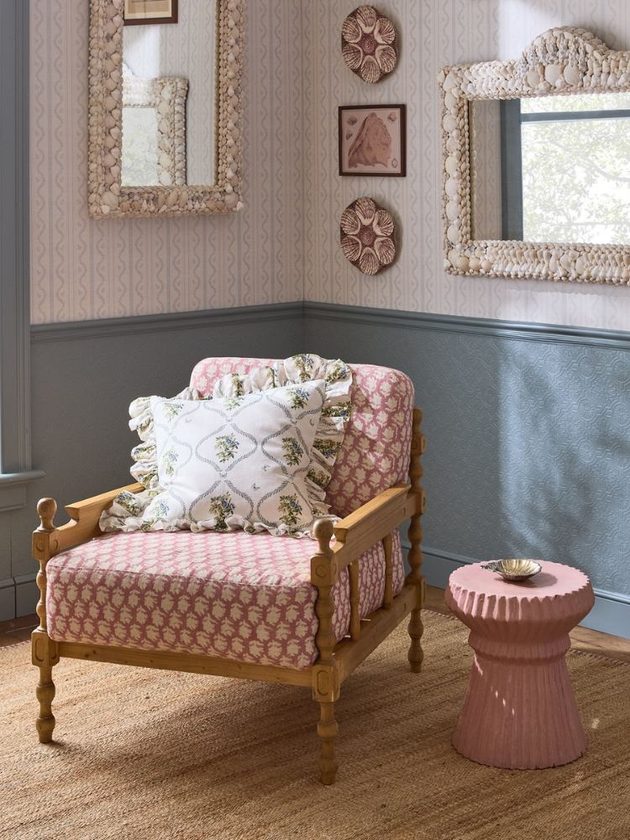
Best for: sustainable furniture with a vibrant cottagecore vibe
With wooden furniture featuring elements like scalloped edges and spindle legs alongside upholstery with floral or gingham prints and ruffle edges, Green Row’s sustainably crafted pieces are designed to fit right in amidst your vintage finds.
Part of the Williams Sonoma family, Green Row blends decades of furniture know-how with a commitment to social and environmental standards built from the ground up. Products are made with materials like FSC-Certified wood, natural latex and organic natural fibers.
Furniture Categories: Seating, Tables, Beds, Accents, Outdoor Furniture
Price Range: $299 (stool) – $10,199 (large sofa)
Shipping: Contiguous U.S.
12. Healthier Homes
Best for: natural material seating, storage, and accents
Founded by expert healthy home builders, Jen and Rusty Stout, Healthier Homes is committed to helping you curate a healthier indoor space. And they’ve recently made some great design improvements with their furniture selection too.
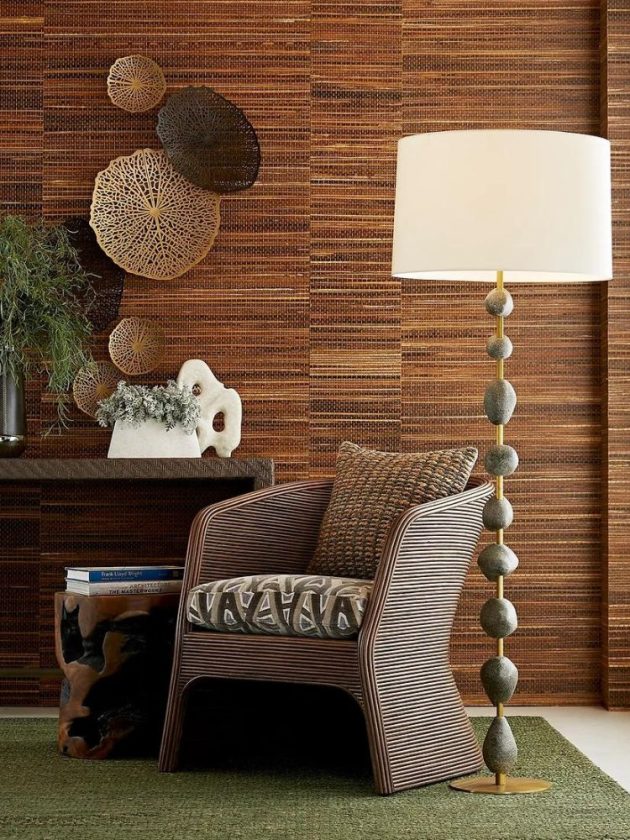
On their site, you’ll find furniture — largely seating, storage, and accent tables — made from materials like teak, acacia, mango wood, and jute. Some of their furniture is also “paint it yourself” (not for me, but if you love DIYs, don’t forget to take a look at their selection of zero VOC paints too!)
Furniture Categories: Seating, Small Tables, Storage
Price Range: $185 (bench) – $4,799 (dining table)
Shipping: Contiguous U.S.
Honorable Mentions:
- Saatva: mostly a mattress company, but they have beds as well. Saatva is a member of the Sustainable Furnishings Council and sources responsibly-managed wood and has an option for linen upholstery (other upholstery options are plastic fibers), however the exact fiber content of the linen option isn’t disclosed. Due to their limited selection of furniture and the lack of information on their upholstery, they didn’t make it into the full guide.
- West Elm: Furniture company West Elm has some more sustainable collections to their offerings. The company defines “sustainably sourced” as furniture made either from reclaimed wood or FSC-certified wood from responsibly harvested sources. This doesn’t mean that all of the materials were sustainably sourced, or that every product was made with sustainable practices, which is why this is an honorable mention, and not part of our main guide.
Looking For More Eco-Friendly Furniture Guides?
Sustainable Storage: Dressers, Media Consoles, and Sideboards
9 Eco-Friendly Bookcases to Showcase Your Latest Reads
The Best Sustainable Tables To Gather Around
Questions You Might Have:
Is “sustainably sourced” a meaningful claim, or just marketing language?
Good question!  It depends on what backs it up. As West Elm’s honorable mention shows, “sustainably sourced” can mean anything from FSC-certified wood to a much looser internal standard like quality. The term itself isn’t regulated, unfortunately. Look for a specific certification (FSC-certified for wood, GOTS-certified for organic fabrics, GREENGUARD Gold for testing against harmful chemical emissions) and specific practices and materials, rather than the phrase alone.
What’s the difference between “sustainable” and “non-toxic” furniture?
The short version is they can overlap but they aren’t the same thing.
Sustainable furniture focuses on how materials are sourced and how long a piece lasts — think FSC-certified wood or reclaimed materials. Non-toxic furniture focuses on the impact to human health (usually the consumer’s health, not the maker’s health, though those things can also be interconnected) — like VOCs, formaldehyde, flame retardants. A piece can be one without being the other. For a deeper breakdown of non-toxic-specific criteria, see our Non-Toxic Furniture Brands guide.
The post 12 Best Sustainable Furniture Companies Worth The Investment (2026) appeared first on Conscious Life & Style.
12 Best Sustainable Furniture Companies Worth The Investment (2026)
Fall is already such a magical time – leaves changing colors, crisp air, apple orchards, pumpkin patches. Unfortunately, it’s also one of the most marketed times of the year.
And they just keep trying to push it on us sooner. I’ve seen fall drinks and decor marketed as early as July.
Truth is, you don’t need a new sweater or pumpkin spice everything to enjoy fall. You need to embrace the season’s magic. Dare I say, whimsy.
Whimsy has been trending, and while I love the idea of it, I’ve also noticed it being repackaged into something brands can sell. Which kind of defeats the purpose?
By definition, whimsy is something ‘freaky, odd, off-beat’ – not exactly something you can buy en masse. True whimsy isn’t performative or sellable. It’s a state of being, a feeling.
Being whimsical should come from your own imagination. Learning new hobbies, being ok with being bad at things, infusing more fun into your days in ways that make you slow down. Even better if it gets you out of the house, into nature, and socializing with friends, family or community.
Here are some whimsical fall activities that will get you off your phone and into the world.

take a nature walk – but with a twist
Going leaf peeping around your neighborhood is a simple way to connect with the outdoors. But if you want to add some whimsy into it, why not challenge yourself to find certain colors, patterns or textures?
It’s fun to take a little journal with you and sketch items of interest you find – maybe it’s a beautiful tree, a squirrel burying their nuts, a field of asters and goldenrod. Taking time to notice is pure magic.
Plant blindness is real – challenge yourself to get familiar with the flora around you. Check out a library book all about native plants and see if you can spot any on your walk.
You may be surprised to learn how many plants are invasive (burning bush is a big one here in Maine!).
Having a fall scavenger hunt is also a fun idea you can get your friends involved in. Challenge them to find an oak leaf, acorns, crabapples – whatever type of fall flora is in your area – and see who can find them first!
write gratitude letters to your loved ones
Snail mail is making a comeback, so why not write to those you care most about? Sometimes it can be hard to say the things we mean in person. But writing helps us sit with our feelings and work through them.
If you need ideas, why not write them:
- Reasons why you love them
- Your best memory together
- How much you appreciate them
- Plans you’re excited to do together
- What you admire about them
Who wouldn’t want to receive a heart-felt letter in the mail? You can make it extra special by slipping in a small little trinket – like a bird feather, a pressed flower, your favorite tea, or a packet of seeds.
And no – you don’t need any fancy stationery to do this. Make it your own by simply using some computer or scrap paper and upcycling an empty envelope. You can decorate it with colored pencils and markers if you like.
join a knitting circle
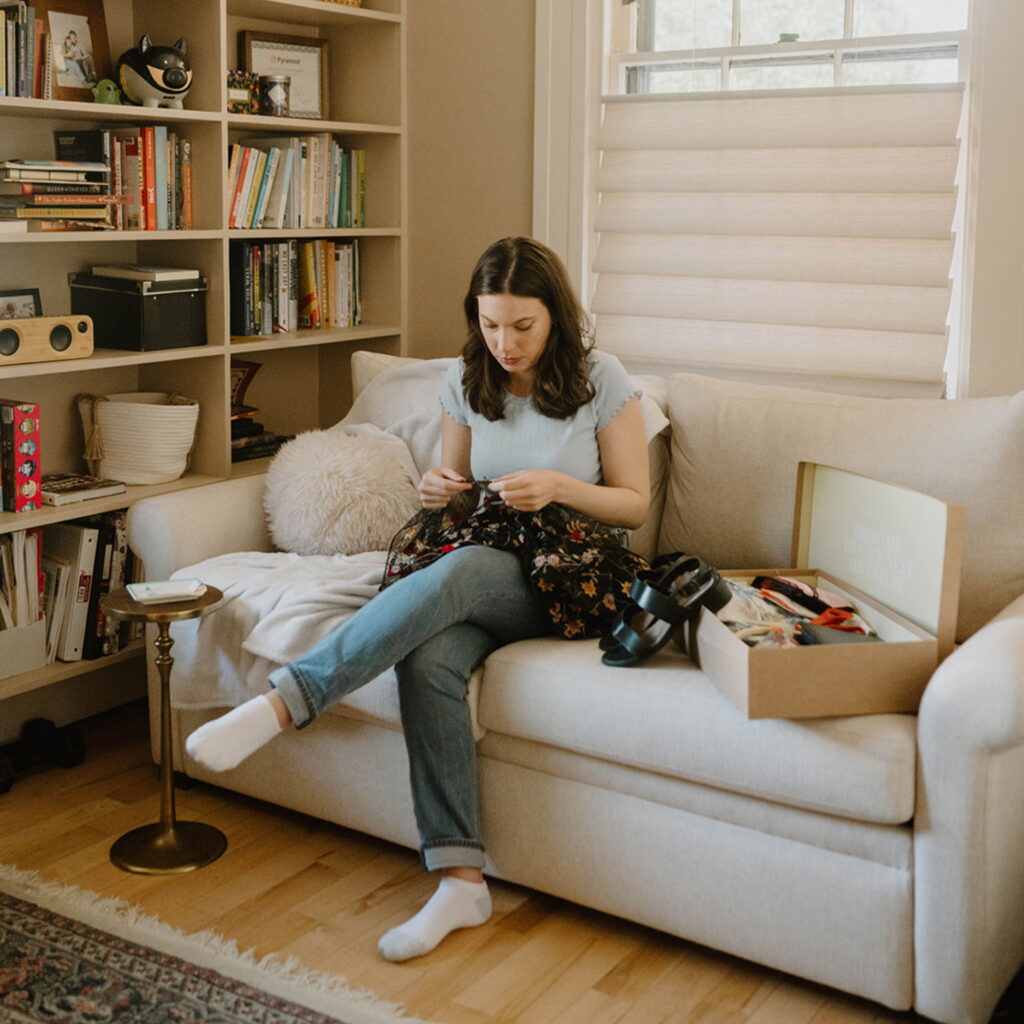
Who needs to buy a fall sweater when you can knit one? Consider finding a knitting (or crocheting) community in your town you can join. Often times they’ll meet up to exchange supplies and knit together.
Challenge yourself to knit something that pays homage to fall. Whether that be a pretty fall color (think gem-tones like ruby red, golden yellow, etc.), or knitting leaves and/or mushroom patterns, the choices are endless.
Yarn swaps are also growing in popularity – if you can’t find one, create one yourself!
All you have to do is encourage people to meet up at a public place (a park is nice) and bring any yarn supplies they’d like to donate.
And when all else fails – ask your grandmother! She may know a thing or two about knitting, crocheting, sewing, or embroidery. And how fun and cozy would it be to knit something together?
RELATED: Sewing Machine For Beginners: How to Get Started (And Why It’s a Sustainable Skill to Learn)
host a fall-themed cafe at home
Does your friend group love to visit cafes? Why not host a little cafe at home? Put your baking skills to the test and make some cozy fall inspired recipes.
Some drink and recipe ideas:
- Pumpkin spice cinnamon rolls
- Apple cider donuts
- Mulled apple cider
- Chai lattes
- Pumpkin spice coffee
Of course, if you’re not a baker you can still participate by asking your friends to bake some goodies to bring. Or grabbing some fresh pastries from your local farmers market.
You can display the goodies on your dining room table, countertops, or island. Just make sure you have to-go boxes at the ready (or encourage your friends to bring their own)! You don’t want anything going to waste.
Leftovers? Eat them yourself or share with your community. Your neighbors might appreciate a fresh cinnamon roll – and it’s a great way to start a conversation.

host a fall-themed craft night
Whether you make fairy homes, carved pumpkins, or leaf garlands – it’ll be a night to remember! Gather your friends and choose a theme for the night that revolves around fall.
Even better if you’re able to find all your materials locally (aka through foraging or from a farm stand) or thrift them. Thrift stores have tons of decorations, art supplies, and fabrics on hand at much cheaper prices.
Last fall I decorated a pumpkin with leaves and compostable glue (pictured above). I thought the glue would dry clear…but hey, it was a fun experiment. Just goes to show – don’t be afraid to be bad at something or make mistakes! That’s part of the fun.
The craft you pick will depend on your interests and skill levels, but you can’t go wrong with a paint and sip night.
The challenge? Paint a fall scene (be it an autumnal forest, an apple orchard or a pumpkin patch). Best painting wins something that fits with the theme – homemade apple sauce or an apple pie scented candle works.

go on a spontaneous adventure
Why not go on an unplanned day trip and see where it takes you? Maybe you’ll find a cute cafe to stop inside? A cozy locally owned bookstore? A family farm selling homemade apple pies?
Walking or biking around town will help you slow down and see spots you might’ve missed while driving. Plus it’s a great way to admire any changing leaves.
If you prefer a little more structure to your adventure, make a whole day of it. Even better if you gather a few friends or family to join in on the fun.
Here are some fun fall activities you can do as a group:
- Go or apple and/or pumpkin picking
- Visit a corn maze
- Go on a ghost tour
- Tour old mansions or graveyards (if your city allows it)
- Have a cozy fall picnic
- Take a hike
- Tell spooky stories around a bonfire
- Go stargazing (take a blanket and thermos!)
RELATED: Ultimate Fall Bucket List: Budget Friendly + Printable Bingo Card
What are some ways you’re bringing whimsy into your life this fall? Let me know in the comments below!
The post 6 Whimsical Fall Activities To Get You Off Your Screen appeared first on Going Zero Waste.
These brands have all types of sustainable socks for just about all of your footwear or around-the-house needs, from no-shows and performance-ready ankle socks to comfy crew-length and cozy knee-high socks.
I originally wrote this guide about four years ago, and I must say that sustainable socks have upped their game since then. We’ve been able to raise the bar on what it takes to get included in this guide.
What Qualifies as (More) Sustainable Socks?
There are several criterion I’ve used to determine the brands in this guide. Some brands meet several of these criteria and some even meet all of the criteria below.
- Use of at least 70% natural and organic materials, like organic cotton, hemp, and organic wool
- Uses certified organic materials and sources from certified GOTS (Global Organic Textile Standard) factories and/or Fair Trade factories
- Minimal to no use of synthetic fibers, preferring recycled when there are some synthetics used
- Use of either no dyes, natural dyes or low impact dyes
- Responsibly manufactured, ideally locally made or produced in fair trade environments
You’ll find that most of the sustainable socks in this guide do have a small percentage of synthetics for some stretch. (Though there are three brands with 100% organic cotton socks — check them out below!) I like to use a Guppyfriend Washing Bag to prevent the microplastics from synthetic textiles from being released into our waterways.
In case you have sensitive skin or want a pair of organic socks with an even lower environmental impact, there are also several brands with dye-free sock options.
As mentioned, the brands featured in this guide have all types of socks whether you’re looking for breathable moisture-wicking socks to play tennis in or comfy socks to cuddle up and say warm with. However if you’re looking for more substantial slippers, my guide to eco-friendly and ethical slippers will be a better bet.
The guide features affiliate links. As always, we only feature brands that meet high standards for sustainability that we love — and that we think you’ll love too!
Where to Find Sustainable and Organic Socks
1. Cottonique
Best for: latex-free organic cotton socks for sensitive skin
Materials: 100% GOTS-Certified Organic Cotton
Price: $18 for Kids (3 pairs) | $23-$28 for Adults (2 pairs)
Categories: Quarter, Crew, Ankle, Kids
Cottonique is the only brand I’ve found so far that sells exclusively 100% organic cotton socks. Founded by and designed for individuals with skin sensitivities, Cottonique’s socks are free of latex, spandex, or any other synthetic stretch.
The socks are also OEKO-TEX Standard 100 certified and sewn in the brand’s owned GOTS- and B Corp-certified factory in the Philippines.
I tried out the brand’s crew-length socks and found them to be quite comfortable, and I appreciated the ribbed detail. Without elastic for stretch, they fit snug in order to stay in place, so it’s important to get the right size! I wear a shoe size 7.5-8 and the medium was perfect.

2. Q for Quinn
Best for: soft, dye-free organic cotton socks
Materials: 98 – 100% Organic Cotton
Price: Kids’ from $10 | Adults from $15 / Pair
Categories: Ankle, Crew, and Trouser Socks
Made from 98% GOTS-certified organic cotton (with one pair of socks made of 100% cotton), Q for Quinn’s socks are breathable and super soft. One reviewer calls them the “softest socks I’ve ever worn!” and hundreds of other customers giving five-star reviews seem to agree.
Q for Quinn also has organic dye-free adult and kids’ socks perfect for sensitive skin.

3. Maggie’s Organics
Best for: 100% merino wool socks
Materials: 73% – 99.8% Organic Cotton | 60 – 100% Organic Merino Wool
Price: From $8.50 / Pair
Categories: Footie, Ankle and Crew Socks; plus Allergy, Recovery, and Diabetic
Sourcing GOTS-certified organic fibers and knitting all of their socks in the US, Maggie’s Organics is the real deal when it comes to sustainably-made socks.
The company is also committed to “Real Fair Trade” — they invest in the wellbeing of their farmers and suppliers and are on a journey to become employee-owned.

4. Rawganique
Best for: 100% natural fiber socks (cotton, linen, and wool)
Materials: 100% Organic Cotton, 100% Hemp, and 100% Wool Options
Price: From $12 / Pair
Categories: Anklet, Crew, Knee-High, and Dress Socks
If you’re looking for plastic-free socks, you will love Rawganique. The brand has several options of 100% natural fiber socks that are free of polyester, spandex, or nylon. Select from breathable 100% organic cotton socks, temperature-regulating 100% linen socks, or cozy 100% wool socks.
There are also several options of organic socks blended with a bit of synthetics for some stretch. These options will likely be more suitable for sport and hiking use.

5. Organic Basics
Best for: core-color basics with recycled synthetic blends
Materials: 70 – 75% Organic Cotton
Price: From $14 for 2-Pack
Categories: No-Show, Ankle, Crew, and Knee-High Socks
Focused on only the essentials — and doing them well — Organic Basics creates a range of quality organic socks in core colors like black, gray, blue and white. While these (more) sustainable socks do contain a percentage of synthetics, the majority of the synthetic content is recycled. I also appreciate that the product pages suggest a cooler washing temperature of 30C since clothing care and cleaning can make up a significant portion of a product’s total impact.

6. PACT
Best for: GOTS-certified organic no-show socks
Materials: 75 – 83% Organic Cotton
Price: From $14 for 2-Pack
Categories: No-Show and Crew Socks
PACT’s organic cotton no-show socks are made in a Global Organic Textile Standard certified factory. The no-show pairs come in basic black, white, and tan as well as some cute prints. They feature a new design and silicone grips to make sure they stay in place. That said, the socks unfortunately only come in one size — some of the reviewers who wear a shoe size 9 note that they are a bit too small for them.

7. Harvest & Mill
Best for: Naturally-colored dye-free cotton socks
Materials: 88% Organic Cotton
Price: $10 – $12 / Pair
Categories: Ankle and Crew Socks
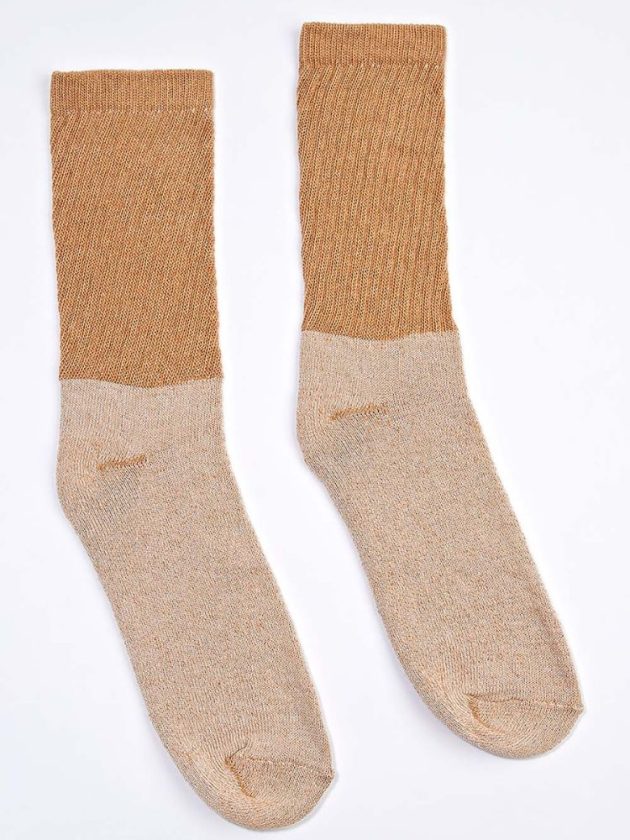
Sustainable basics brand Harvest & Mill uses USA-grown and spun cotton for their ankle and crew organic socks. While these socks might look dyed with their earthy colors, they are actually completely dye-free — the natural color cotton varieties Harvest & Mill uses are naturally a muted brown or green.
8. tentree
Best for: hemp-blend white socks that plant trees
Materials: 71% Hemp and TENCEL Lyocell
Price: $10 – $14 for 2-Pack
Categories: Ankle, Quarter, and Crew Socks
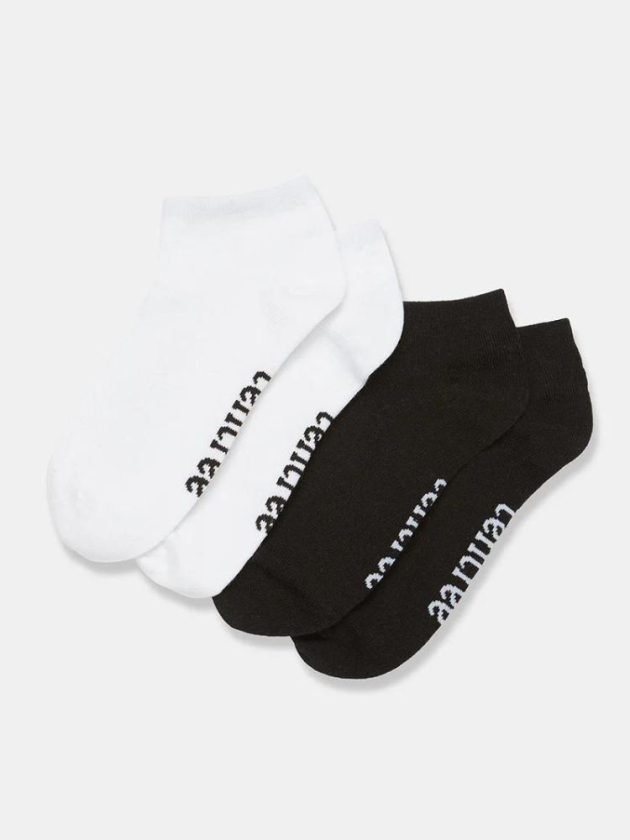
Socks are the crucial foundation of any closed-toe shoe and tentree’s basics are here to ensure you’re always putting your best foot forward. Crafted from a comfortable blend of hemp, TENCEL Lyocell, recycled polyester, their socks come in several lengths in basic pairs.
Plus, every pair plants 10 trees (the reason for their namesake ten-tree).
9. Conscious Step
Best for: giftable cause-driven organic socks
Materials: 75% Organic Cotton
Price: $15.95 / pair
Categories: Ankle and Crew Socks
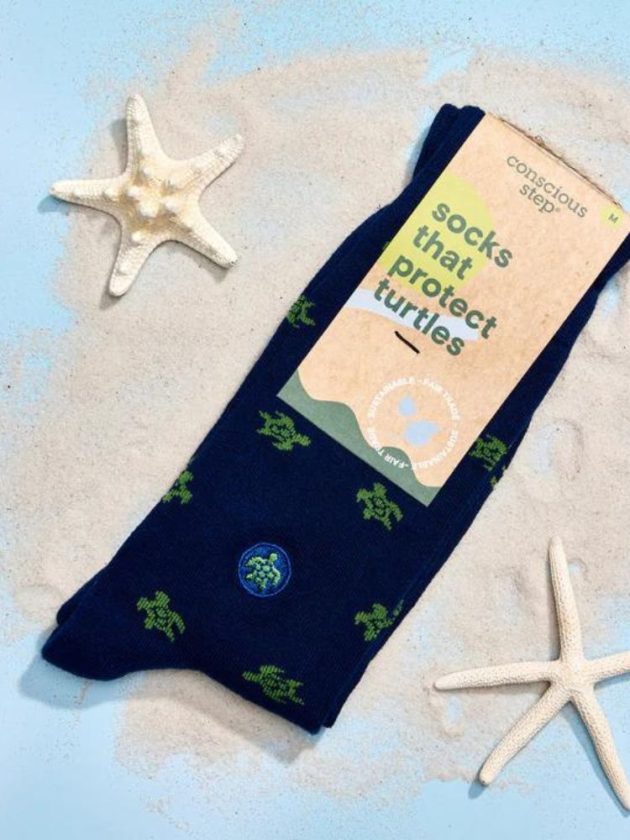
Conscious Step’s socks are made with Fairtrade and GOTS-certified organic cotton and recycled polyester. The brand’s organic cotton socks are made with an exceptional quality too — with some even featuring a cushioned insole and arch support. But perhaps what this brand is really known for is that each design is associated with a different cause where a portion of your purchase goes.
10. Kind Socks
Best for: organic socks with fun prints
Materials: 80% Organic Cotton
Price: $12 – $14 / pair
Categories: Crew and Ankle Socks
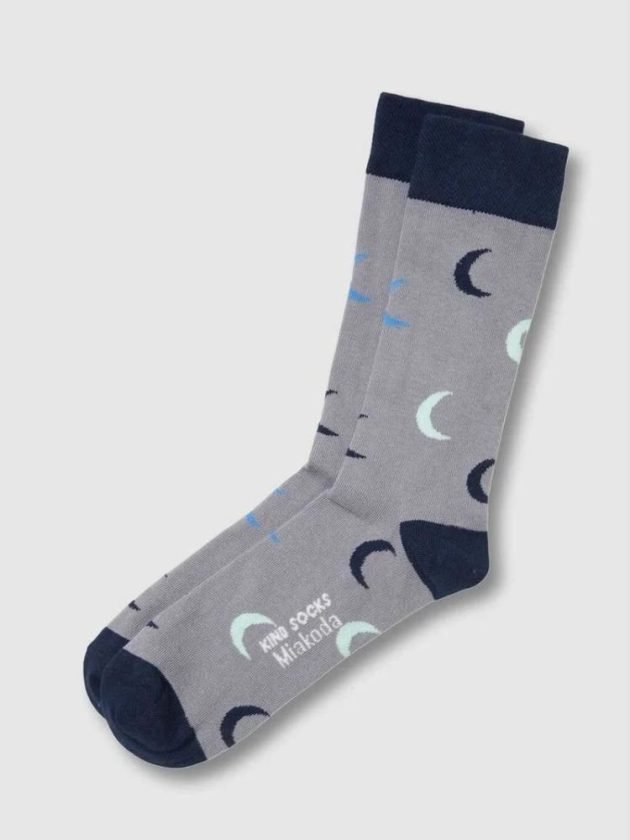
KIND Socks is a Black-owned sustainable sock brand using GOTS-certified organic cotton for their vibrant collections. With prints like monstera leaves, watermelons, and bumblebees, KIND Socks will bring a touch of whimsy to any outfit.
The post 10 Sustainable Socks Made with Organic Fabrics appeared first on Conscious Life & Style.



-
Climate Change1 year ago
Guest post: Why China is still building new coal – and when it might stop
-

 Greenhouse Gases2 years ago
嘉宾来稿:满足中国增长的用电需求 光伏加储能“比新建煤电更实惠”
-
Greenhouse Gases1 year ago
Guest post: Why China is still building new coal – and when it might stop
-

 Climate Change2 years ago
嘉宾来稿:满足中国增长的用电需求 光伏加储能“比新建煤电更实惠”
-
Climate Change2 years ago
Bill Discounting Climate Change in Florida’s Energy Policy Awaits DeSantis’ Approval
-

 Renewable Energy11 months ago
Sending Progressive Philanthropist George Soros to Prison?
-
Greenhouse Gases1 year ago
嘉宾来稿:探究火山喷发如何影响气候预测
-

 Carbon Footprint2 years ago
US SEC’s Climate Disclosure Rules Spur Renewed Interest in Carbon Credits