

Utsira Nord Will Lead Offshore Wind
Mads Arild Vedøy and Anders Nash explore the Utsira Nord project and Norway’s bid to lead in floating offshore wind technology. They discuss the strategic transition from oil and gas, the unique tender process, and the global implications of a successful execution. Learn more about the Utsira Nord bidding process!
Sign up now for Uptime Tech News, our weekly email update on all things wind technology. This episode is sponsored by Weather Guard Lightning Tech. Learn more about Weather Guard’s StrikeTape Wind Turbine LPS retrofit. Follow the show on Facebook, YouTube, Twitter, Linkedin and visit Weather Guard on the web. And subscribe to Rosemary Barnes’ YouTube channel here. Have a question we can answer on the show? Email us!
Welcome to Uptime Spotlight, shining Light on Wind. Energy’s brightest innovators. This is the Progress Powering Tomorrow.
Allen Hall 2025: Mads and Anders, welcome to the program.
Anders Nash: Thank you. Thanks Allen, for having us. And, uh, it’s a show we listen to a lot. So a pleasure to be with you today.
Allen Hall 2025: Well, we, we have a really interesting subject here, and I want to pick. Both your brains a about the, some of the complexities of floating wind in Norway. And, uh, we know that the floating offshore wind industry is still relatively new and it’s actually at a critical juncture.
And even though we have proven that technology works at scale, it’s, we, we don’t have large development yet. And that is where Norway is stepping in and changing that equation quite radically. Uh. Let’s just back up a minute. The project’s called OSU Nord, and [00:01:00] if you haven’t been paying attention, you’ve been missing a lot because, uh, floating wind is gonna be the way of the future.
But ultimately, what is the fundamental problem that OSU Nord is trying to solve?
Mads Arild Vedøy: So, of course, uh, node has been kind of on the verge. I, I would say, since the, the, since, at least since 2020, but also even before that with, uh, EOR, uh, launching their, uh, high wind, uh, demo turbine, right? The first world’s first floating wind turbine.
And Norway really kind of saw itself as a front runner in, in floating wind. Um, fast forward to 2020. The then government opened these areas for offshore wind in Norway with, um, with uja, nor as one of the bigger floating one, right, one and a half gigawatt of floating wind. And what Norway kind of wants to do is to take a position within this market.[00:02:00]
It and, and more kind of this industrial perspective rather than for the energy production. Right? Because Norway has, uh, we are self-sufficient for now at least. Uh, but with the electrification going on. We will soon run enough that as well. But, but for now, and the predictions going on to, to 2030, we are Okay.
Looking a bit further. It should be, well, the, the surplus is gonna diminish or, or at least be far less than we have. So, yeah. That, that’s the, I guess the problem we are trying to solve is, is more the transition from being an. Oil and gas community to, um, also secure the industry for the next phase of energy production, right?
And not only only gas, but also electricity. With Norway, then being this maritime nation and, and seeing ourselves as, as, uh, one of the leaders in, in, [00:03:00] in offshore installations, we, we see that we can take a position as a leading developer of, uh, of floating wind as well.
Joel Saxum: I think it’s very interesting, right?
That we, you, we come along this, this train, right? Because like you said, Norway is, you’re rife with renewable energies. You guys have a lot of hydro, you’re, you’re, you’re good there. And the PPA prices for that reason are fairly low. Um, comparatively so you, but you have this industrial, marine, industrial complex that a lot of places don’t have.
Allen and I have talked about on the podcast many times in the US we have a lot of coastline. The really only marine industrial complex we have is in the Gulf of Mexico, to be honest with you. Right. Otherwise, it’s just kind of port cities and stuff like that. So you guys have, and, and we, we talked about this a little bit off air.
You know, my, my, my past in the oil and gas offshore world, it was like, we need to solve something, bring in the Norwegians because we know they’re gonna get it done. We know they’re gonna do it. Right. So there’s a lot of [00:04:00] technology companies that already exist. For sub sea things up there, you have like, you know, one of the biggest ones, if you’re offshore, anywhere, you know about Kongsberg, they’re there, right?
So that they create all kinds of amazing instrumentation and tools for, for the marine environment. So you guys have that, that pedigree, that know-how. So I think it’s really cool that you take, the idea is to take that, that in industrial complex and turn it into something that can really turn the economy on for the future.
Right. As you guys start to, like you said, like you start to pivot away from oil and gas. You have this skill sets, you have all of these amazing workers and technicians and professionals there that can do things that other places may not have. So it puts you guys in the, kind of the driver’s seat for something like offshore floating wind.
I think it’s really interesting.
Anders Nash: Obviously I’m, I’m sitting in Copenhagen. I’m not in, uh, in, in Norway with mass, but, uh. I was fortunate enough to work on some of the, um, the offshore bids, uh, during my time with RW with eor, for example, and it’s, it’s pronounced, it’s very clear those strengths that you speak about in [00:05:00]Norway.
Those opportunities, they have that deep rooted ONG knowhow, very unique, um, in to some extent potentially an easy transition, something they can capitalize on in the in, in the wind sector as well. Curiously, we’ve seen recently NVE in Norway trying to push the government in the direction of fixed bottom offshore wind.
But clearly the government sees that their opportunity there deviates from the, should we say, tried and proven technology and can they leverage their know-how in that ONG sector, whether it’s through platforms, whatever else it is, it’s all there. I suppose the key question, mark, Allen and Joel, uh, and Mass and I reflect on this a lot.
Is Norway gonna be a nation of exporters of that knowledge? Will it be developed elsewhere or are they actually, do they have the appetite to develop that in their backyard as well? And that’s, that’s the sort of juncture that we sit at now.
Allen Hall 2025: Yeah. Because it really comes down to if [00:06:00] Sarah Norty isn’t completed, and if there’s not enough participation in the, uh, system that’s been set up.
And we’ll talk about that in a moment. The industry on, on the floating side is really gonna be in trouble. Uh, we need that leadership and the technology and the knowledge, as Joel has pointed out of, uh, of all the nor Norwegian offshore expertise to go ahead and do a floating project of that. It was relatively complicated.
It, these floating projects are not easy, particularly way up north. Uh, this is a big problem, right? And if, if, if nobody can pull this off, then pretty much the rest of the world. We’ll just follow suit, right?
Mads Arild Vedøy: Yes. But, but I mean, there, there’s also a competition here, right? We, we see all of, so we see France, we see uk, we see everyone’s trying to take this position as the leading country for, well develop being the first making large scale commercial, uh, floating wind farm.
So, um, [00:07:00] it, it, it’s just a, as much, uh, uh, an industrial endeavor. For, for, for Norway and for the, for the rest of the countries. But we, we also already see, um, Norwegian competencies, right? We see Norwegian ships, we, we and, and, um, anchor handlers and everything all over the world. Also in, in offshore wind projects.
So this is, well, depending on what kind of industry you’re looking at, of course, but, uh, except for the yards and so on, the, the industry is already, already moving in that direction. And what this UJA North can do is just kind of strengthening that, um, that effort we see. I, I would say,
Anders Nash: I think, and there’s a curious thing there isn’t there, mass, because there’s, there’s two elements to this.
The first is, as Allen had touched upon a moment ago. Um, is it about, uh, Norway leveraging this in their own backyard? Um, is it something that we just develop [00:08:00] elsewhere? The danger, the juncture that we’re at now we’re seeing is with, with the UK floating projects, with what’s going on in France with what’s going on in Japan.
Does Norway now just start sending that knowledge elsewhere? Or is it something that they can actually develop locally and keep that local knowhow? And I think. Allen alluded to it a moment ago. This is a key juncture. Um, when we come back from our Nordic summer holidays, uh, we should hopefully start to see some bidders in the mix.
Um, but it’s really crunch time. And the Norwegian government, I think they recognize that. So, um, let’s see where we land.
Joel Saxum: Let’s put it in sports context, right? We’ll try, try to do this. We can be going go and be coaches on, on a soccer team or, you know, a soccer team anywhere and help out. However, we have an awesome practice pitch right out our back door.
Why don’t we practice there as well and refine these things and then take it around the world. Because at the end of the day, 70% ish of the continental shelf of Norway is too deep for fixed bottom floating. And it’s difficult too, right? [00:09:00] You’re, it’s very rocky. There’s a lot of the complexities in o and m complexities, um, around that Norwegian coast.
So if, and that’s kind of, I think where Allen was going before is if you can, if you can get it there, you have the practice field there to get it right. This project, this u Nord is, it’s, it’s a shining light right now. The people are focused on it, right? As we’ve seen tenders moving around the world, there’s a lot of people focused on this one, um, in the wind world.
And if they can get this one moving, get it nailed. I think that the export of floating wind technology, because your entire value chain is bought into it, can go a big way from from Norway going forward to the world.
Allen Hall 2025: I think we ought to talk about what this tender framework looks like because it’s different than things that I have seen, particularly in the United States for offshore.
Norway is taking a really different approach to it. Uh, Andres, maybe you can walk us through what this process looks like because it’s a two stage process.
Anders Nash: Happy to do so. Allen and I think [00:10:00] in part what’s intriguing about this is this, uh, the three 500 megawatt sites, but ultimately with only one. Winner of the overall subsidy and that that’s a real game changer.
So I think what Mass and I have typically seen through, should we call it the boom years, uh, for lack of a better term in the offshore sector, was companies trying to execute what we called optionality. So we’d have our boardrooms behind us saying, okay, um, let’s have a look at these sites, uh, particularly in an auction that looks resembles something like a a two-step auction.
We’re familiar with from, from the UK and elsewhere. Give us some optionality in that. Where this deviates substantially, I think is the new, should we call it macro outlook, uh, in the global economy. Um, those companies are reticent, I think, to make those kind of, uh, those kind of bets. Um, and I think with the, uh, the one subsidy winner in this model, um, the stakes are very high.
So the question is, do we see people go in. [00:11:00] With a slightly more aggressive attitude as they have in the past, or are people playing the safe game? And some of the announcements that we’ve seen, um, in the industry of late, perhaps lean a little bit to the latter. Um, what I would say, uh, added to the mix is of course, Norway did have a fixed bottom auction not long ago, um, that did have bidders.
Um, which perhaps, uh, was, was, was to the boon of, um, of, of the Norwegian government. I think this is, this is an intriguing thing. And, and you had mentioned, uh, what’s at stake in terms of subsidy. I mean, one might still argue. Does it really go far enough? Look at some of the, uh, the megawatt hour prices that went forward in the uk.
It’s still a nascent technology, as you’d alluded to before. Um, the L-C-E-L-C-O-E needs to be driven down substantially as a long maturation journey. Um, and I think a lot of the sector players know that. So Mass has got his finger on the pulse locally. He’s talking to these people in [00:12:00] hallways. Let’s see who’s ready to act.
Joel Saxum: I think, I think something really important that I like to see in this, uh, the tender framework is the scoring. A lot of the scoring is focused on like cost, realism, the ability to execute, and it’s more pragmatic. It’s like, okay, let’s put something real down here. Do you have the port facilities? Are you gonna be able to do this rather than.
Aspirational visions. I like to see things that are down to brass tacks. Okay, how are you gonna do this? Do you have the vessels? Do you have the manpower? Do you have the, the a HT knowledge to be able to mow these things off? How are we gonna do this? And I think that that’s, that’s a also, again, a very Norwegian point of view, and I like that.
Anders Nash: I would also say, um, so we have a, we have an industry, uh, term, which is speculative bids. They’re trying to kill off those speculative bids. Those have undermined the sector as a whole. Substantially. Um, with that said and done, all the things you just mentioned are fantastic aspirations to have, but the reality of the situation, I’ll revert to my [00:13:00] term earlier, this is a nascent technology.
Um, there is not a plug and play, uh, WTG out there that, um, they can just drop and, and get to work. So, um. It’s the right way to go about things. Pragmatism, as you said. Um, and the move away from very highly qualitative criteria, which was in place, uh, in the last, uh, failed round or the stopped round is now taken off the table.
So I think that’s positive and I’d agree with there, there, Joel clamped down on the speculative bids. My main concern is the macro. Situation and the nascency of, of the sector. So those are things that we, the Norwegian government has to recognize and tackle as well.
Mads Arild Vedøy: What you kind of alluded to here is for, you mentioned briefly, is that there was a failed round, right?
So U Nod was actually announced first in, in 2023, and then we saw a delay, delay and then the government said, well, we’ll get back to you. Right? Um. When they came back, now [00:14:00] they had just tightened all the screws and, and kind of made this framework even tighter than it was because it, well, when we were looking at it, uh, when we were in, in RWE, we, this wasn’t the easiest way forward, but, but at least, um.
Um, it was easier than it is now because now you have these, uh, uh, qua qualification, um, requirements, right? With, with, you have to have at least 20% of every stage of your development in, of a wind farm. So development, construction, and operation. And that wind farm needs to have been more than 200 megawatts and has been, uh, and.
Become online no later than, or no earlier than 2015. So I mean, that also kind of shrinks down the participants that kid could actually bid here.
Anders Nash: I totally agree, mass. If you look at the, the [00:15:00] basic criteria, cost level and realism, which you alluded to there, Joel. Innovation and technological development, but less speculative than it used to be.
And the key I think here is, is the ex execution capability, uh, which Mass had alluded to. So that sort of takes the speculative bidders out of the game. Um, proven projects in operation really slims the field. So I think I hear where you’re going with your next question, Joel and Allen. Um, I’ll throw that back over to you guys and let mass field that one.
Allen Hall 2025: Well, how many. Potential bidders are there. If they have to have 200 megawatts of offshore winds already deployed, what does that list look like?
Mads Arild Vedøy: Well, it, it, it’s, it’s become shorter, right? And, and it, it kind of, uh, just, just after the, the announcement, it kind of grew shorter by the hour we watched it dwindle through the press, right?
So, so now I think, well the, the, at least the, what the media and everyone’s saying is that we are [00:16:00] potentially looking at the, the three players that it’s expected to bid. None has confirmed, but of course, uh, three, uh, three might. Um, but also the, this kind of strict requirements has also made somewhat of a turmoil or also the, because the smaller operators.
Doesn’t of, of course, doesn’t like this. Right. Or, or the one that has, has this, uh, business model of, of developing and, and building, but not operating.
Joel Saxum: Yep. Flipping. Yeah.
Mads Arild Vedøy: Yeah. So that is, I mean, is do they have less of an experience compared to an investor who has been in all the phases? Um, I would say no, but, but I mean, so, so you get these questions about who really qualifies is, is it the right qualifications?
Joel Saxum: Is there space for a consortium in there? Like, like if there is one of these smaller players that’s kind of like [00:17:00] aggressive and they wanna really get something done, but they don’t necessarily have the track record, they go and grab an RWE or someone of that sort. To say like, Hey, we, we really want to do this, but we’ve got, we, we brought big brother in to, to be our, uh, our facilitator.
Anders Nash: But that’s as much as bringing down the risk profile on these projects. Right. So, um, I, I think what we’re gonna see, I would like to think one of the, the maturation journeys we see through this sort of. Challenge that the sector’s facing at the moment is a proliferation of consortia that can carry these sort of projects.
And I think it, and it’s necessary in terms of capital, it’s necessary to drive down risk. It’s necessary to leverage each other’s know-how. I think we’re gonna see that more and more. But going back to something, uh, Joel and Allen mentioned a moment ago, uh, I think Mass and I, from our, uh, experience on, on the Norwegian markets, um, has shown that.
You might not hear too many, too many murmurings from individual players. [00:18:00] But what you do see in Norway is highly active, uh, industry organizations. And I would expect if there’s an element of pushback, whether it’s related to the subsidy, whether it’s related to the criteria, it will usually be channeled through those groups because none of the critical, particularly Norwegian players.
Want to be seen giving direct pushback. So I wouldn’t be surprised if we see more announcements coming from those angles.
Mads Arild Vedøy: At the same time, man, we, we saw the same thing with SN two, right? We, we saw more and more players saying, well, no thanks, not this time. Right? Um, and, and ended up with a very few number of, of, uh, of bidders.
Anders Nash: I’ve had much the same experience in. Norway I felt through our regulatory teams as we had in Denmark. So the, the public side of the equation does tend to be relatively open to dialogue. It doesn’t necessarily move the needle sufficiently, but we are, um, we are in, involved in [00:19:00] markets where that dialogue is relatively open.
We’re getting to a late stage in Norway. Um, but, but there is somebody on the other side of the table willing to discuss and, and let’s see where that takes us.
Joel Saxum: So there is an inherent risk here, right? We’ve talked with some other people that are developing some offshore floating platform, and there’s this, there’s a risk, but there is an appetite in certain ways, right?
Like I said, one of the leading insurance companies that, and the, and the insurers are the ones who are gonna, are gonna underwrite the whole thing. That’s a Norwegian based company. They want to be the head of, or the, you know, that, that lead, that lead boat, uh, pun intended, I guess, uh, for offshore floating wind insurance.
So you have that appetite there. How, what are they, what do this does the, okay, we have the subsidy that’s gonna be in place. What other mechanisms are they putting in place to possibly reduce the risk so that Norway can jump ahead of the line and prove there might, in this sector,
Mads Arild Vedøy: it’s, it’s the subsidy that, that’s kind of, it is the, the tool that the, the government uses to drive this.
And of [00:20:00] course favorable politics and so on, right? But, but apart from that, we really don’t see This is so, so the floating wind endeavor for Norway is gonna be developed as close to a market condition as, as as possible. Realizing that for a few years now, or for the first project, there will be a need for, for state support in, in some way or the other, but.
Um, the government will not step in and kind of do a, um, a direct market intervention. That’s not the, what they want to do. That, that’s also a problem when it comes kind of, because now it’s a, it’s, it’s a labor government. They are very, uh, very positive to, to floating wind. Offshore wind kind of driving this, the conservative opposition is somewhat more.
Reluctant to take that, uh, position. They are [00:21:00] pointing to market conditions and, and saying, well, if it can’t pay for itself, why should we pay for it? Right.
Anders Nash: All sounds very familiar in the Norwegian context.
Mads Arild Vedøy: Yeah. Yeah. Uh, so, so, so it it’s kind of, that doesn’t mean that when or if they come to power, they will not su give the, the state support because.
Well in, I think they will because I see this, uh, industrial effort that we need to take sooner or later.
Anders Nash: So I think Ma Mass has alluded to a few of the challenges there actually. So, um, again, I’ll, I’ll, I’ll go back to that point. Appetite. Where does the Norwegian government’s appetite, how far can that take us?
Because they need to play a very prominent role if this is to succeed. Energy prices in Norway are extremely low, so the potential fee, PPA market question marks, um, you asked about risk mitigation. I think, um, great with if the insurance companies are on this, but project finance now, [00:22:00] we’re, we’re in a whole different ball game than we were three years ago.
Um, so can, can any companies come on this on an equity basis, the project finances? So it’s, it’s a challenging market and again, I would say. The Norwegian government, they’re in the hot seat. Can they deliver? Can they carry this over the line? That’s very much about if they want it in their own backyard or if they expect, export that knowledge.
And, um, it’s, uh, it’s an exciting time.
Allen Hall 2025: What does the winner of this process do differently than the companies that don’t win this process? What does that look like? What are they probably gonna do that makes them the winning bid? So
Anders Nash: if I’d, if I’d been looking at this again, uh. In the rear view mirror some time ago, I would be looking at companies that have a specific strategic interest there.
So, um, are they looking to future market opportunities in the near area? Are they looking to tie up certain supply, supply chain and knowledge upsides, uh, by being a first mover? Um, again, the, the sort of moves in the [00:23:00]markets, uh, the macroeconomic situation probably pushes back against that a little bit.
Um, I think mass and I probably going back some months would’ve said you’d very much be looking at the Norwegian players here. This should be in their interest to push forward on this, but they’ve been some of the most vocal about coming out and casting a bit of doubt on it. So again, um, I think the macroeconomic situation is slowly improving.
That’s gonna be a big player. Does it come too soon? Um, but again, we have seen in recent auctions there’s still an appetite for some strategic interest. Which players might come forward there and surprise us, or are they just gonna look at leveraging, uh, progress from the uk, from France and other markets
Mads Arild Vedøy: and that kind of strategic view.
Right. That’s, that’s, uh, also very interesting to look at because you see, so who are the, who are the expected say, right? So it’s Equin and, and V and it’s EDF, deep [00:24:00] wind, offshore at least, right? So. Eor having led the, the, uh, the floating wind market now for, uh, almost two decades volume stepping in on, on, um, green Volt.
You’ve got EDF right? With, uh, the, the projects in France. So it seems like these big players taking the, uh, strategic position or wanting to keep that strategic position. I would expect them to be there. But we also see the likes of Japanese companies, right? With, with Sai we see Tapco, we see kind of everyone kind of looking what to learn from the Norwegian, uh, process here because, uh, we talked about, um, so each known is kind of walk.
Unfortunately it’s not gonna be the first anymore without, like we [00:25:00]here in Norway hope for We see the French projects. Yeah, so see the French projects, we see UK projects and so on, but is maybe the stepping stone projects you need for alternative waters right at around 200 meters. Depth it. It kind of doubles what we see for the other other projects.
And then moving to, uh, west Coast, the US or, or, or, uh, Japan. Right. Uh, it, it becomes really deep. So I think that is also kind of, uh, uh, makes this attractive for a lot of, uh, operators or developers, uh, taking that strategic view of it.
Anders Nash: I think that’s an interesting one as well. That’s an interesting one there, mass.
And it could be, I mean, are we gonna see, as we’ve seen in. Some, some other markets local to me, where large Japanese investors have come in and invested directly in renewable energy projects. I mean, we’re talking big, big money. Are they gonna step [00:26:00] in and take a, a vested interest in this? Um, are we gonna see, um, some of the o and g um, discussions going on in the background that we might not be anticipating?
I think, uh, it had either been, uh. Joel or Allen, or even Phil who’d alluded to it in a past podcast, is there something going on in the background? It just seems to defy rationale that that’s not already happening. Um, so could there be moves going on in the background that help to elevate this and then the Norwegian government, they’re not in any shortage of, of strategizing.
Where do they take it? So there could be a, there could be a joker in the hand somewhere there.
Allen Hall 2025: Exactly. Which of the companies we’ve talked about, maybe a a, a company we haven’t mentioned yet, has the. Best access to capital to pull off a project like this and then pull off subsequent projects? I would say eor.
Anders Nash: Yeah, I, yeah, I would say so. And, and I think it’s companies that have been able to leverage their, their work in o and g, um, that is kind of paying the renewables business at the moment. So how, [00:27:00] on the flip side, a lot of those big players we, we see have divested or showed less appetite for renewables of late due to the, the boom in the ONG sector.
Um, I would say some of the big developers, not necessarily ONG, some of the bigger developers we know they’re looking for more bankable projects. So again, they may be reticence, throw a huge amount of capital, uh, into projects along these lines. So I think going back to what Mass said, it might be one of the more expected players.
Uh, it might be someone leaning on their ONG, um, finance. But again, all of that’s highly speculative. And, and this is one of those auctions I look at. As a bid manager, and I’d say, uh, this is a tough one to call.
Joel Saxum: Why I, why I would say EOR is you see a lot of the oil and gas majors divesting from offshore wind, bp, shell, repsol.
You’ve seen that happen. However, what we just saw, what, six months ago, Allen Eor stuck 10% of cash into stead. [00:28:00]
Anders Nash: We know it well here in Copenhagen. We know it well.
Joel Saxum: They still have that taste in their mouth for like, you know. And eor and EOR there, EOR as a company, mirrors the Norwegian transition goals.
Anders Nash: But I challenge that.
I’d challenge that, Joel, because I would say, um, so I would challenge that and say, great EOR is bought into it. And I’ve, I’ve had the pleasure of working with eor, great company to work together with great people, fantastic knowhow there. Thoroughly enjoyed my time working together with them. I would say that acquisition, what it tells me is that they are more keen to invest in mature.
Or developed opportunities. So if you look at certain auctions coming up and how much, uh, operational capacity you need to have, they might be excluded from things that suddenly they’re in the game with by virtue of being with ur. Still on the flip side, there might not be the same appetite for development because.
What you do see in a lot of these players is saying, okay, we’ll take a sit back and watch attitude say, might be the case in, in [00:29:00] floating. We’ll take a sit back and watch, and then we’ll buy in because we’re, you know, capital heavy at a later stage. So I’m speculating. It was great for Ursula, it was great for Denmark, it’s great for eor, but what their motives are, no one really knows.
Joel Saxum: I can, I can, I can completely see that.
Mads Arild Vedøy: Yep. They invest in right big player in in bottom fix. Uh, they have the, the projects in the US and so on and so on. The floating projects, they’re really chasing on their own, it seems, and it, it, it’s more kind of bringing that, uh, legacy from the high wind demo and high wind Scotland, high wind temple, right?
Just bringing that forward building on that knowhow that, that, that legacy. Um, but also people are telling me they are not. They don’t need to use the, the high wind concept. They’re looking at different types of floater as well. Right. So just using that knowledge u leveraging that and, and, and moving [00:30:00] from, um, yeah, as I said, high wind Scotland to, to high wind pump and the, the cost reduction.
There was, was it 36% or something like that. So, so I mean, yeah. Seeing that progress, it, it’s really good.
Joel Saxum: We can, we can sit and. Have conjecture until we’re blue in the face here, what we need to do is get this thing going and then once it’s, once someone wins this thing, the three or four of the four of us get back on and talk about it, then I think that’s a good plan.
Anders Nash: No, absolutely, Joel, and I think, you know, if, if we want to look at the, the upsides here, I mean, you’re talking about a technology with capacity factors that are unheard of. I mean, even offshore wind, people are out there talking about, we’re talking. 40% plus, you know, exceptional sites and now we’re talking about something that’s over 60.
Okay. The cost. The cost curve has to come down substantially. We we’re talking for our good friends in the NIMBY world, not in my backyard. Well, this is a long way off your backyard, and I doubt anyone’s out at 800 meters of depth. Right. Except for the
Mads Arild Vedøy: people living on [00:31:00] Uzi.
Anders Nash: But from what people say they, they’ll, they’re some of the more open people to having something in their backyard in any case.
Um, but then, then there’s sort of, again, there’s the longer term strategic opportunities that some of those deep water markets, and as you said, um. The opportunity there is massive. I mean, fixed is well established, but the good sites in a lot of countries actually, there’s something to dry up a little bit.
Um, and you’re looking at substantial markets. You’re looking at, uh, markets in the far East that have deep water, very close to China, but are a little bit. Dubious about whether they want to dip into that market. So great opportunities there. So floating. It is the future. It will come. It’s about driving the cost down.
It’s about making it competitive. The macroeconomic climate is against it right now. Um, but I think we’re in little doubt about where that’s going longer term.
Allen Hall 2025: So the next big stage for Nord is in September when, uh, all the bids will be reviewed and. The, the process really starts then, which is gonna [00:32:00] be an exciting time.
In order to follow this process, one of the things everybody should do is listening to the podcast is go download the document that Mads and Andres put together. Mads, how do you go find that document that talks about naura nor and, and the, and the process that Norway has set up?
Mads Arild Vedøy: Well, it is quite easy, I would say.
So go to, uh, this website of my, my advisory, uh, called MA vdo, so M-A-V-E-D-O-Y dot nano. There, there’s a, there’s a link to, to the, um, to the report. It, it’s no 2025, so should be quite easy to find. It’s a great report. Yeah. And of course we, as, as we, um, have posted on, on, on LinkedIn as well, we, we are not tied to anyone, so we, we, but we really like this project and, and, and.
Was thinking to myself or I was thinking to myself, uh, I know something about this that I want to share. And, and then, [00:33:00] uh, I reached out to, to Annas, uh, and, uh, another colleague of ours, uh, Nikolai, uh, knik of, to, to say, well, could we make something together to, to share what we know, what we have learned, how we see this, and.
Hopefully it’s for, uh, someone can use it, right? If it’s a developer, if it’s a supplier, anyone. And, and we just, uh, at least where we, where when we made that was kind of, let’s share what we know. Let’s make this project as good as we can do. Let’s contribute, uh, in our way. Because, uh, it’s, it’s not always about making money, it’s also about doing things you love.
So, um, yeah,
Anders Nash: as Asmas said, the, the element of impartiality is key in this. So for the first time, we saw an opportunity that we could go into a market that we were passionate about, a technology that we were passionate about, um, something that, that, that is coming, uh, not too far down line in the future.
And [00:34:00] how could we chip into that from our own perspectives and from experience. Um. Again, together with our colleague Nikolai, who also brings a vast amount of, uh, substation and cabling experience. Um, I think we had a pretty thorough package. Um, and if I go back to, to having sat all of us within large developers, uh, we covered things from a number of angles, so I.
Um, we’re fortunate enough to have discussions with some of the big developers still in hallways here, where they’re going. They hold their cards close to their chest. Um, but I think probably this report would reflect a lot of their take on things as well.
Allen Hall 2025: This has been a great discussion and I need everybody who’s listening to the podcast to go download this report about sewer Nord.
It’s going to be one of the big projects to, to watch going forward. And you can do that by going to the website and I’m gonna go to spell it out. It’s M-A-V-E-D-O y.no Norway and download it. There’s free, and the framework is great. The discussion is great in the document. It’s very simple to understand, even for an [00:35:00] electrical engineer like me.
But it also lays out the sort of the pathway that this process will take and. Gives you an idea of like who’s gonna participate, which is fascinating. So, unders eds, thank you so much for being on the podcast. We’re gonna have to have you back in September, October when everything settles out to see who’s participating.
It’ll be really interesting to see. That’s
Anders Nash: the deal. That’s the deal. And, uh, perhaps, uh, from my side mess, before we, we sign off, I could just throw in a little, uh, a little sign off from my side. Um, so to sort of. Break the tension a little bit because we’ve got some exciting times coming up and people sweating behind the scenes, developing bids.
But, um. Question for you. Why did the floating wind turbine bring a suitcase to the conference?
Mads Arild Vedøy: Hmm.
Anders Nash: Because it knew it wasn’t going anywhere fast. But when it does, it’s taking the whole energy transition with it.
Allen Hall 2025: Alright, well, well, Matt and Andres, thank you so much for being on the podcast. I love having you on.
It’s been a great discussion.
Mads Arild Vedøy: Thank you for having
Anders Nash: us. Thanks so much, gentlemen, and look forward to hearing more podcasts over the uh, the summer period. Thanks a [00:36:00] lot.
https://weatherguardwind.com/utsira-nord-norway-offshore/

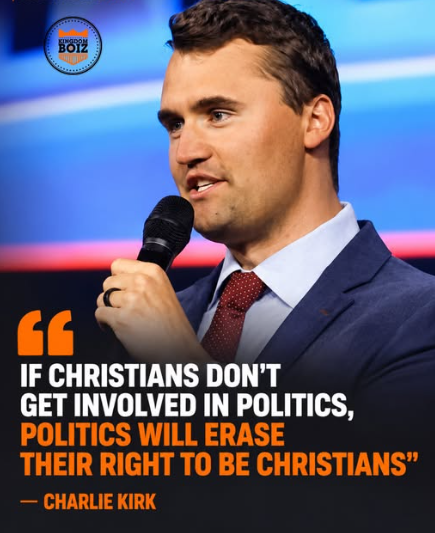 I suppose there are people who believe that the radical left is on a path to make Christianity illegal, and perhaps to install Islam as the official religion of the United States. This is remarkable for two reasons:
a) Every schoolchild in America learns about the First Amendment’s guarantee of freedom of religion at a very young age, and
b) This country made it successfully though 250 years with no one being ignorant enough to bring up this ridiculous concern.
One would hope that this figure of near 60% would indirectly translate into Trump’s ouster before he can take full control of the U.S. government.
We vote Trump’s stooges out of office in November and replace them people of honor. Trump is impeached, convicted and removed. From there, justice takes its course.
Nordex Q3 Orders Jump 30%, Vestas Bets on Australia
Nordex Q3 orders jump 30% and Vestas lands about a gigawatt in Australia. Plus why turbine factories skip Australia, high project costs, and whether batteries can replace coal.
The Uptime Wind Energy Podcast is brought to you by Weather Guard Lightning Tech, creators of the StrikeTape Ultra LPS retrofit. Subscribe to Uptime’s Substack newsletter. And check out Rosemary’s “Engineering with Rosie” Youtube channel. Have a question we can answer on the show? Email us!
