


Introduction Sustainable Energy Solutions for Rural Communities with Limited Resources
Access to reliable and affordable energy is crucial for the development and well-being of rural communities.
However, many of these communities often face challenges in accessing traditional energy sources due to limited resources and infrastructure.
Sustainable energy solutions offer a viable pathway to meet their energy needs while minimizing environmental impact.
This article explores various sustainable energy options that can empower rural communities with limited resources, providing them with clean, reliable, and affordable energy.
Outlook Sustainable Energy Solutions for Rural Communities with Limited Resources
1. Solar Power:
Solar energy is a renewable resource that can be harnessed in even the most remote areas. Solar panels can be installed on rooftops or in open spaces to capture sunlight and convert it into electricity. These systems can power homes, schools, healthcare facilities, and small businesses. Additionally, solar-powered water pumps can be used for irrigation, improving agricultural productivity. With decreasing costs and advancements in solar technology, such as microgrids and solar-powered appliances, solar energy presents an accessible and sustainable solution for rural communities.
2. Micro-hydro Power:
Micro-hydro power utilizes the energy of flowing water to generate electricity. In rural areas with access to rivers or streams, small-scale hydroelectric systems can be installed. These systems are cost-effective, have low environmental impact, and provide a reliable source of electricity. Micro-hydro power can be used for lighting, running small machinery, and powering community infrastructure, contributing to the overall development of rural communities.
3. Biomass Energy:
Biomass energy involves using organic materials, such as agricultural residues, animal waste, or wood pellets, as a source of fuel for cooking, heating, and electricity generation. Biomass systems, such as biogas digesters and biomass gasifiers, can convert organic waste into biogas or combustible gases that can be used for cooking or generating electricity. Biomass energy solutions offer rural communities a sustainable way to manage organic waste, reduce indoor air pollution from traditional cooking methods, and provide clean energy for their daily needs.
4. Improved Cookstoves:
Traditional cooking methods, such as open fires or inefficient stoves, contribute to deforestation, indoor air pollution, and adverse health effects. Improved cookstoves are designed to be more fuel-efficient and produce less smoke, reducing the environmental impact and health risks associated with cooking. These stoves can be powered by various sustainable energy sources, including biogas, biomass pellets, or solar power, providing rural communities with a safer and more sustainable cooking solution.
5. Community-Based Energy Systems:
In resource-constrained rural areas, community-based energy systems can be established to pool resources and share energy generation infrastructure. This approach enables communities to collectively invest in sustainable energy solutions, such as mini-grids or shared solar systems. By sharing the costs and benefits, rural communities can overcome financial barriers and ensure access to clean and reliable energy.
6. Capacity Building and Financing:
To implement sustainable energy solutions, capacity building and access to financing are essential. Governments, NGOs, and international organizations can support rural communities by providing technical training, knowledge sharing, and financial assistance for the installation and maintenance of sustainable energy systems. Empowering local communities through capacity building initiatives ensures long-term sustainability and ownership of the implemented solutions.
Conclusion Sustainable Energy Solutions for Rural Communities with Limited Resources
Sustainable energy solutions offer rural communities with limited resources a path towards improved living conditions, economic opportunities, and environmental sustainability.
By leveraging solar power, micro-hydro systems, biomass energy, improved cookstoves, and community-based energy approaches, rural communities can overcome energy poverty and achieve access to clean, reliable, and affordable energy. It is crucial for stakeholders to collaborate, invest in capacity building, and provide financial support to empower these communities on their journey towards sustainable energy, contributing to their overall development and well-being.
https://www.exaputra.com/2023/07/sustainable-energy-solutions-for-rural.html


The lifecycle of someone like Tucker Carlson and the others mentioned at left:
a) They’re on Fox News or maybe they have their own podcast, spouting pro-Trump crap.
b) They see what they should have seen from the start, i.e., that Trump is criminally insane, and the say so publicly.
c) Trump calls them “low IQ.”
Doesn’t this garbage have a limited shelf-life? Are voters going to buy this indefinitely?
At left see we what it’s like when a formerly great country is being led be a moron.
Will “they better stop now!” lay this issue, the precursor to World War III, to rest?
A World Superpower Pays Heavy Costs to Be Led by a Spoiled Child
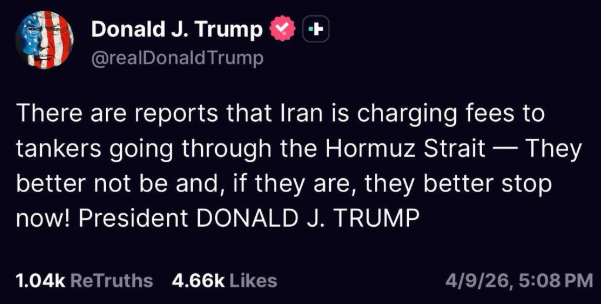 At left see we what it’s like when a formerly great country is being led be a moron.
Will “they better stop now!” lay this issue, the precursor to World War III, to rest?
https://www.2greenenergy.com/2026/04/10/there-are-costs-for-a-world-superpower-to-be-led-by-a-spoiled-child/


-
Climate Change8 months ago
Guest post: Why China is still building new coal – and when it might stop
-
Greenhouse Gases8 months ago
Guest post: Why China is still building new coal – and when it might stop
-

 Greenhouse Gases2 years ago
嘉宾来稿:满足中国增长的用电需求 光伏加储能“比新建煤电更实惠”
-
Climate Change2 years ago
Bill Discounting Climate Change in Florida’s Energy Policy Awaits DeSantis’ Approval
-

 Climate Change2 years ago
嘉宾来稿:满足中国增长的用电需求 光伏加储能“比新建煤电更实惠”
-
Climate Change Videos2 years ago
The toxic gas flares fuelling Nigeria’s climate change – BBC News
-

 Renewable Energy6 months ago
Sending Progressive Philanthropist George Soros to Prison?
-

 Carbon Footprint2 years ago
US SEC’s Climate Disclosure Rules Spur Renewed Interest in Carbon Credits