


Introduction Social Equity and Inclusivity
As the world focuses on transitioning to sustainable energy systems, it is essential to address the social dimensions of energy access and distribution.
Social equity and inclusivity are crucial factors in ensuring that the benefits of sustainable energy reach all segments of society, particularly those who are marginalized or disadvantaged.
This article explores the importance of social equity and inclusivity in sustainable energy, highlighting the challenges and potential solutions for achieving equitable and inclusive energy access and distribution.
Outlook Social Equity and Inclusivity
1. Understanding Energy Poverty and Social Inequality:
Energy poverty is a multidimensional issue that encompasses not only the lack of access to modern energy services but also the affordability, reliability, and quality of energy available. It disproportionately affects marginalized communities, including low-income households, rural populations, and disadvantaged urban areas. Social inequality further exacerbates energy poverty, as certain groups face barriers such as limited financial resources, inadequate infrastructure, and discrimination. Recognizing the intersectionality of social and energy issues is crucial for designing inclusive and equitable sustainable energy solutions.
2. Community Engagement and Empowerment:
Promoting social equity and inclusivity in sustainable energy requires active community engagement and empowerment. Communities should be involved in the decision-making processes, ensuring their perspectives, needs, and priorities are considered. Engaging with local stakeholders fosters a sense of ownership, enhances the cultural appropriateness of energy interventions, and increases the likelihood of successful implementation. Empowering communities through capacity-building, education, and training also enables them to actively participate in energy-related activities and benefit from sustainable energy initiatives.
3. Targeted Policies and Financing Mechanisms:
Governments and policymakers play a critical role in promoting social equity and inclusivity in sustainable energy. Developing targeted policies that prioritize energy access for marginalized communities and incentivize private sector participation can help bridge the energy gap. This can include measures such as subsidies, grants, or concessional financing for low-income households and off-grid areas. Implementing progressive tariff structures that consider income levels and providing support for energy-efficient technologies can also enhance affordability and accessibility.
4. Gender Equality and Women’s Empowerment:
Gender equality is an integral aspect of social equity and inclusivity in sustainable energy. Women often face specific energy challenges and have distinct roles and needs concerning energy access. Ensuring women’s participation in decision-making processes, promoting women’s entrepreneurship in the energy sector, and providing targeted support for women-led energy initiatives can contribute to more inclusive and gender-responsive sustainable energy solutions. Gender mainstreaming in policies and programs can help address gender disparities and empower women as agents of change.
5. Renewable Energy for Productive Uses:
Expanding sustainable energy access beyond basic household needs to productive uses can have a transformative impact on communities, particularly in rural and underserved areas. Promoting renewable energy solutions for income-generating activities, such as small-scale agriculture, agro-processing, and small businesses, can enhance economic opportunities and improve livelihoods. Creating enabling environments for entrepreneurial activities, including access to credit, technical support, and market linkages, can unlock the potential of sustainable energy for poverty reduction and social empowerment.
6. Data and Monitoring:
Effective monitoring and data collection are vital for understanding the energy needs and challenges of marginalized communities and tracking progress towards social equity and inclusivity in sustainable energy. Robust data can inform evidence-based decision-making, target interventions, and ensure accountability. Monitoring frameworks should include disaggregated data on energy access, socio-economic indicators, gender, and other relevant dimensions to identify gaps and inform targeted interventions.
Achieving social equity and inclusivity
Achieving social equity and inclusivity sustainable energy access and distribution is a complex and multifaceted task. It requires recognizing the unique needs and challenges faced by marginalized communities, engaging them as active participants, and implementing targeted policies and financing mechanisms. Gender equality, women’s empowerment, and the promotion of renewable energy for productive uses are crucial components of inclusive sustainable energy strategies. Additionally, robust data collection and monitoring mechanisms are necessary to track progress, identify gaps, and inform evidence-based decision-making.
By prioritizing social equity and inclusivity in sustainable energy initiatives, we can create a more just and sustainable energy future. Access to clean and reliable energy services empowers communities, improves livelihoods, and enhances overall well-being. Moreover, inclusive energy access contributes to achieving other sustainable development goals, such as poverty reduction, gender equality, and climate action.
Collaboration among governments, civil society organizations, private sector entities, and local communities is essential to drive forward the agenda of social equity and inclusivity in sustainable energy. This collaboration can facilitate knowledge sharing, resource mobilization, and the implementation of comprehensive and context-specific solutions. Multistakeholder partnerships can leverage expertise, resources, and innovative approaches to overcome barriers and promote equitable and inclusive energy systems.
Conclusion Social Equity and Inclusivity
Ultimately, the transition to sustainable energy should prioritize the needs and aspirations of all individuals and communities, leaving no one behind.
By embedding social equity and inclusivity principles into the fabric of sustainable energy policies, programs, and investments, we can create a more equitable, resilient, and sustainable energy landscape that benefits society as a whole.
https://www.exaputra.com/2023/07/social-equity-and-inclusivity-in.html

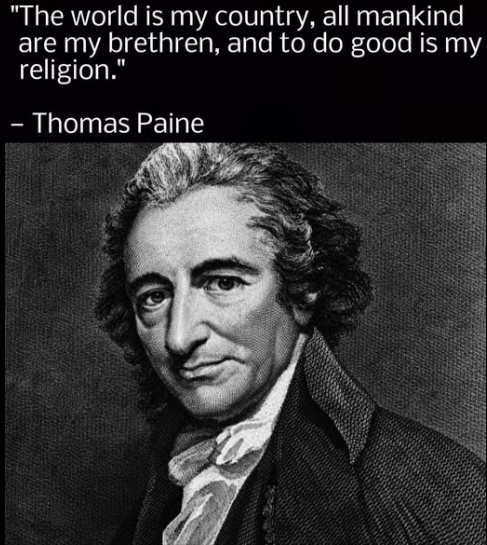 Sure, there have been many other people who have lived according to the beliefs expressed here by philosopher and American revolutionary Thomas Paine, but their numbers don’t begin to compare with those who think of themselves as patriots of the country of their birth and adherents to the religion they were assigned by their parents.
What a terrible shame. It’s easy to imagine a world of peace and harmony, but it sure seems an incredible challenge to get there. This is especially true today, on a planet that is increasingly led by fascist dictators, and a population where ignorance, nationalism, and hate is heating up by the day.
Weather Guard Lightning Tech
China Barred Vestas Software, Ørsted Buys Chinese Monopiles
Vestas CEO Henrik Andersen says China barred Vestas from monitoring its own turbines. Plus Ørsted takes heat for Chinese monopiles, India’s blade design gap, and tents that beat weather delays.
The Uptime Wind Energy Podcast is brought to you by Weather Guard Lightning Tech, creators of the StrikeTape Ultra LPS retrofit. Subscribe to Uptime’s Substack newsletter. And check out Rosemary’s “Engineering with Rosie” Youtube channel. Have a question we can answer on the show? Email us!
 Virtually all top-ranking retired military brass view Trump as shown at left. On top of that, Hegseth has publicly fired all current generals and admirals who are not loyal to Trump, as the entire world watched the purge.
Doesn’t this affect the way the psychopath’s command of our nation is ultimately determined?



-
Climate Change1 year ago
Guest post: Why China is still building new coal – and when it might stop
-

 Greenhouse Gases2 years ago
嘉宾来稿:满足中国增长的用电需求 光伏加储能“比新建煤电更实惠”
-
Greenhouse Gases1 year ago
Guest post: Why China is still building new coal – and when it might stop
-

 Climate Change2 years ago
嘉宾来稿:满足中国增长的用电需求 光伏加储能“比新建煤电更实惠”
-

 Renewable Energy12 months ago
Sending Progressive Philanthropist George Soros to Prison?
-
Climate Change2 years ago
Bill Discounting Climate Change in Florida’s Energy Policy Awaits DeSantis’ Approval
-
Greenhouse Gases1 year ago
嘉宾来稿:探究火山喷发如何影响气候预测
-

 Climate Change2 years ago
Analysis: China’s CO2 falls 1% in Q2 2024 in first quarterly drop since Covid-19