Connect with us

Published

on

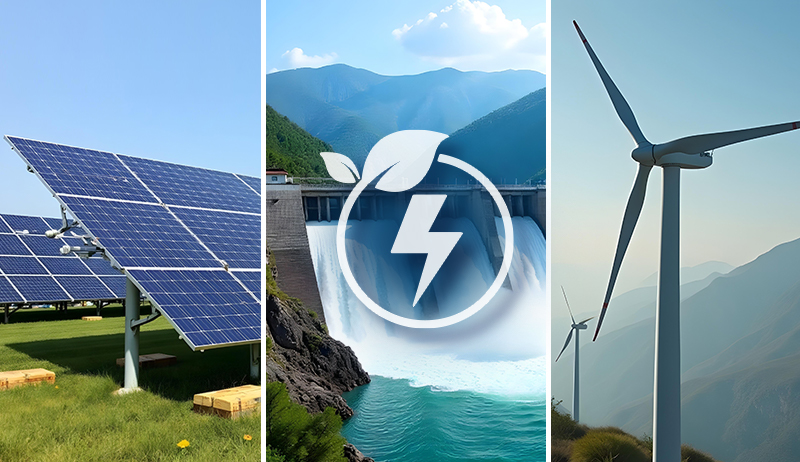
Solar and wind, two of the most powerful renewable energy sources, have surged across the Australian landscape, powering households, industries, and the country’s ambitious climate goals.  

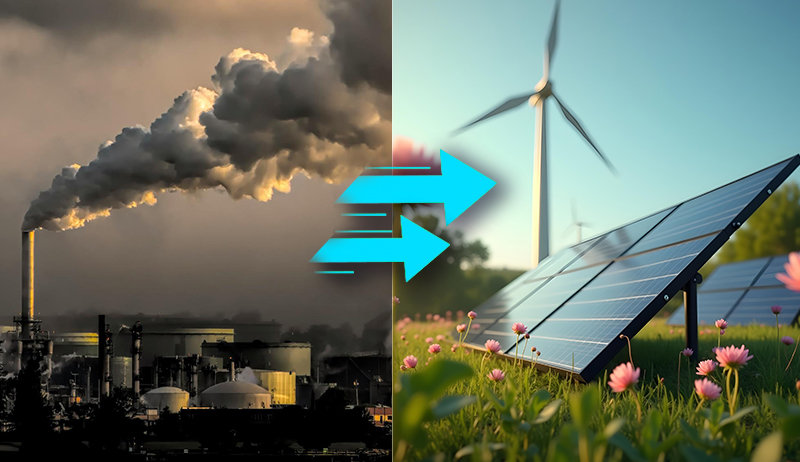
The reason is simple: they provide a fantastic source of clean, carbon-free electricity. 

According to recent data, renewable sources, including rooftop solar, large-scale solar, wind, and battery storage, supplied 43% of the electricity on Australia’s main grid between January and March 2025.  

That’s up from 39% during the same period last year, marking a clear shift away from fossil fuels. Impressive, right? 

This rapid transformation has been fueled not just by necessity, but also by continuous innovation. Therefore, the debate naturally arises as Australia moves ahead in its clean energy transition:  

Solar vs Wind: Which is the better renewable energy source? 

Well, both technologies bring unique advantages, yet their effectiveness varies by region, cost, and environment. Each plays a crucial role in the Australian broader energy mix. 

So, in the great energy showdown, Solar vs Wind, who wins the battle? Let’s break it down together!  

Australia’s Renewable Landscape: Building the Future!

Yes, it’s evident that Australia is rapidly reshaping its energy future through a bold shift toward renewables. With abundant sunshine, vast open spaces, and strong wind corridors, the country is perfectly positioned to harness clean energy at scale. 

Moreover, the country is already working efficiently to reach 82% renewable energy target by 2035 while keeping its steady focus on achieving net-zero emissions by 2050. 

Why This Energy Transition Matters? 

From rooftop solar panels in suburban neighborhoods to large-scale wind farms in rural regions, renewable energy is no longer just a simple solution; it’s becoming the backbone of Australia’s electricity supply.  

Besides cutting carbon emissions and reducing grid pressure, this evolving landscape is also driving innovation and investment, offering energy independence for generations to come. 

In essence, Australia’s journey toward this cleaner, more resilient energy system is gaining momentum, and the following data tell a compelling story.  

So, now let’s have a deeper insight into some statistical data: 

  • In 2023, renewables accounted for 39.4% of Australia’s total electricity supply, nearly double the share measured in 2017, when renewables made up just 17%.
  • That same year saw a remarkable 5.9 GW of new renewable generation capacity added, including 2.8 GW of large-scale projects and 3.1 GW of rooftop solar installations across 337,498 homes and businesses.
  • Battery storage also showed a rapid escalation, with 27 utility-scale battery projects (5 GW / 11 GWh capacity) under construction by the end of 2023.
  • In the 2022–23 financial year, renewables provided 33% of domestic electricity use, comprising 151 PJ of solar, 114 PJ of wind, and 60 PJ of hydro, with solar growing by 21% and wind by 9%.
  • In the National Electricity Market (NEM), renewables averaged 39 to 40% of electricity generation in 2023–2024, with Q4 2024 reaching a quarterly record of 46%, and at times exceeding 75% instantaneous contribution.

So, Solar Vs Wind, Which Renewable Energy Source is Better?

solar and wind

Currently, solar and wind energy are Australia’s most widely used types of renewable energy. The scenario is quite similar worldwide, too.  

Therefore, one may automatically wonder which energy source is more efficient. The most efficient option is heavily influenced by the environment in which you live.  

For example: 

Solar power will be much easier to produce in some areas, but wind energy will be more readily available in others. We will examine factors influencing wind and solar energy efficiency, but first, we need to understand what wind and solar energy are.  

Wind Energy 

Wind energy harnesses the power of moving air to generate electricity using wind turbines.  

When the wind blows around the turbine’s blades, it converts the rotating blades’ energy into mechanical power. It is then converted into energy to pump water, grind grain, or power homes, businesses, schools, and even power plants. 

It’s one of the fastest-growing sources of clean energy, especially effective in open, windy areas. Wind farms can be built on land or offshore, producing large-scale, zero-emission power with minimal ongoing costs. 

Solar Energy 

Solar energy captures sunlight and converts it into electricity using photovoltaic (PV) panels.  

It’s ideal for residential rooftops, remote areas, and large solar farms. With Australia’s abundant sunshine, solar is a cost-effective, scalable, and increasingly popular choice for clean energy generation. 

Clean and Green Energy 

Clean and green energy refers to power sources that produce little to no pollution or carbon emissions. Unlike fossil fuels, clean energy helps reduce climate change impacts, improve air quality, and support a sustainable future. 

These energy sources include solar, wind, hydro, and most importantly, reliable and robust battery storage. 

However, wind and solar power systems are the most popular green energy alternatives to fossil fuels among the various renewable energy sources. They contribute significantly to reducing our dependence on fossil fuels. 

It has the potential to improve local infrastructure and economies by creating jobs. Because of its low operating costs, it can supply power even to the most remote parts of the world.  

In Australia, solar panels and wind turbines are expensive to manufacture, install, and maintain, but nowadays, with government rebates, energy-saving schemes, and other financial incentives, most people can afford them.  

Do Solar and Wind Power Outshine Each Other? | Let’s Compare!

When it comes to clean energy, undoubtedly, solar and wind power are the reigning champions. But which one truly takes the lead?  

The truth is both have unique advantages and shine in different scenarios.  

Whether you’re a homeowner considering renewable energy, a business exploring sustainable options, or simply curious about the future of power, understanding how these energy sources stack up is key. 

So, is one better than the other? Or do they work best hand in hand?  

Let’s dive in and find out! 

Solar Energy in Australia: Explore the Strengths & Challenges 

Advantages of Solar Power 

  • Solar has Unmatched popularity 

With over 4 million installations across urban and rural areas, solar energy is making Australia the global leader in rooftop solar per capita.

  • Cost-effective & fast ROI 

In solar, the installed system costs are relatively low, with payback typically within 5–7 years. Everything is made possible due to government incentives and dropping technology prices.

  • Ensure Residential convenience 

Solar reliably converts sunlight into electricity, works silently, involves minimal maintenance, and can be installed on rooftops or small land. This makes solar an attractive option for Australian homeowners.

  • Offers Grid stability and Feed In Tariff 

Solar exports surplus energy to the grid, restoring grid stability during peak demand hours.  

Residents can also earn credit by selling extra power, fostering economic growth. Rooftop solar growth has also reduced energy bills and cut emissions.

  • Achieved Real-world milestones 

South Australia achieved over 100% daytime electricity demand via rooftop solar, and at times, rooftop PV alone delivered over 80% of regional demand.

Challenges of Solar Energy 

  • Dependency on daylight 

Solar generates power only during the day or in good weather. That puts stored or backup power systems at the center of full-day energy strategies.

  • Degradation over time 

Solar panels degrade by roughly 0.5% annually, reducing output slightly year over year.

  • High upfront costs for equipment 

Though affordable, installing panels and potentially battery storage still has a significant upfront cost depending on roof type and system size.

  • Environmental footprint 

Although low during operation, the environmental impact of panel manufacturing and disposal raises significant concerns. However, advancements in recycling are helping to mitigate this issue. 

Advantages and Challenges of Wind Energy

Advantages and Challenges of Wind Energy in Australia 

Advantages of Wind Power 

  • High conversion efficiency 

Wind turbines can capture up to 60% of wind energy, compared to 22% for residential solar PV.

  • Day-and-night output 

Wind can operate continuously if wind speeds are adequate, complementing solar’s daylight-only generation.

  • Scale and impact 

Major wind farms deliver substantial power that’s enough for hundreds of thousands of Aussie homes.

  • Cost-effective when scaled 

Integrated with solar and storage, wind is among the cheapest new electricity sources even at high renewable proportions.

Disadvantages of Wind Power 

  • High capital & complexity 

Wind farms have higher setup costs and require technical wind assessments and suitable large landscapes.

  • Intermittency 

Energy generation depends on wind patterns. If the wind is too weak, the output drops, and too strong winds can cause turbines to shut down. This creates variability like solar does.

  • Impacts on the Environmental & social concerns 

Wind farms may disrupt bird/bat habitats and create visual or noise issues, limiting site feasibility in populated zones.

  • Current State 

In early 2025, no new wind farms started construction due to high turbine costs and market uncertainties. Also, the Government schemes currently favor solar over wind energy. 

Solar vs Wind Energy: Which Offers Better Value for Money?

Based on daily electricity consumption, average sunlight received, and individual panel output, an average household of six would require approximately 24 solar panels to meet its energy needs.  

Solar panel prices will typically range between $11,000 and $15,000. It will produce 6,000 to 10,000 kWh per year. The cost of installation varies depending on a variety of factors. It can cost 4.6 cents per kWh.  

Similarly, the annual average wind speed of an area and a house’s size and energy consumption pattern determine whether a wind turbine can power a house.   

A 5kW wind turbine will provide enough energy to power a 6-person household. It would be equivalent to the energy generated by 24 solar panels.  

Moreover, wind turbine installation costs will range between $50,000 and $70,000. It will depend on the size and height of the turbine and the equipment used.

Australia’s 100% Renewable Energy Shift: Is Solar or Wind More Effective?

Australia Renewable Energy Shift

Now you already know all the advantages and disadvantages of solar and wind energy from the above parts. So, when comparing effectiveness, it all comes down to how well each technology converts natural energy into usable electricity.  

Solar panels, while incredibly convenient and easy to install on rooftops or open land, typically converts only around 20 to 22% of sunlight into electricity.  

Their efficiency depends heavily on weather conditions, time of day, and your geographic location. 

Wind turbines, on the other hand, are more impressive in terms of conversion. They can capture and convert up to 45 to 60% of the wind’s kinetic energy into electrical power, making them significantly more efficient on paper.  

However, wind energy comes with its own set of challenges. Turbines require large, open spaces with consistent and strong wind flow, which makes them less practical for urban or residential use.  

So, even though wind power may be more efficient in theory, solar energy remains more accessible and adaptable for everyday users.  

Therefore, solar energy is playing a more effective role in contributing to Australia’s 100% transition to renewable energy, significantly shaping the future of the country. 

Want more informative content like this? Keep your eyes on Cyanergy. Also, don’t forget to check out our solar packages and win a free solar quote today!  

Your Solution Is Just a Click Away

The post Solar VS Wind Which Renewable Energy Source Is Better? appeared first on Cyanergy.

Solar VS Wind Which Renewable Energy Source Is Better?

Continue Reading

Renewable Energy

Boycott Amazon

Published

on

At left are a few good reasons not to shop from Amazon.

I use eBay, so as not to make this world an even worse place than it is now.

Boycott Amazon

Continue Reading

Renewable Energy

Vineyard Wind’s $69.50 PPA, Two Offshore Lease Exits

Published

on

Weather Guard Lightning Tech

Vineyard Wind’s $69.50 PPA, Two Offshore Lease Exits

Rosemary reports back on her visit to multiple Chinese renewable energy companies, Vineyard Wind activates a $69.50/MWh PPA with Massachusetts utilities, and Bronze Age jewelry halts a German wind project.

Sign up now for Uptime Tech News, our weekly newsletter on all things wind technology. This episode is sponsored by Weather Guard Lightning Tech. Learn more about Weather Guard’s StrikeTape Wind Turbine LPS retrofit. Follow the show on YouTube, Linkedin and visit Weather Guard on the web. And subscribe to Rosemary’s “Engineering with Rosie” YouTube channel here. Have a question we can answer on the show? Email us!

[00:00:00] The Uptime Wind Energy Podcast brought to you by Strike Tape protecting thousands of wind turbines from lightning damage worldwide. Visit strike tape.com and now your hosts.

Allen Hall 2025: Welcome to the Uptime Wind Energy Podcast. I’m your host, Allen Hall. I’m here with Yolanda Padron in Austin, Texas, who is back from the massive wedding event. Everybody’s super happy about that, and Rosemary Barnes had her own adventures. She just got back from China and Rosemary. You visited a a lot of different places inside of China.

Saw some cool factories. What all happened?

Rosemary Barnes: Yeah, it was really cool. I went over for an influencer event. So if you are maybe, you know, in the middle of your career, not, not particularly attractive or anything you might have thought influencer was ruled out for you as a career. No one, no one needs engineering influencers in their [00:01:00] forties.

It’s incorrect. It turns out that’s, that’s where, that’s where I, I found myself. It was pretty cool. I, I did get the red carpet rolled out for me. Many gifts. I had to buy a second bag to bring home the gifts, and when I say I had to buy a second bag, I had to mention. Oh, I have so many gifts, I’m gonna need another bag.

And then there was a new bag presented to me about half an hour later. But, so yeah, what did I do? I got to, um, as I was over there for a Sun Grow event. Huge, huge event. They, um, it’s for, it’s for their staff a lot, but it’s also, they also bring over partners. They also bring over international experts to talk about topics that are relevant to them.

Yeah. They gave everybody factory tours in, um, yeah, in, in shifts. Um, I got to see a module assembly factory, so where they take cells, which are like, I don’t know, the size of a small cereal box, um, and assemble them into a whole module. Then the warehouse, warehouse was [00:02:00] gigantic. It, um, was, yeah, 1.8 gigawatt hours worth of cells that couldn’t hold in that one building.

They’re totally obsessed with fire safety there in everything related to batterie, like in the design of the product, but also in, in the warehouse. And they do, yeah, fire drills all the, all the time. Some of them quite big and impressive. Um, I saw inverter manufacturing facility that was really cool.

Heaps of robots. Sw incredibly fast. Saw a test facility.

Allen Hall 2025: So was most of the manufacturing, robotics, or humans?

Rosemary Barnes: Yeah. So at the factory it was like anything that needed to be done really fast or with really good quality was done by robots. So they had, um, you know, pick and place machines putting in. Um, you know, components in the circuit board, like just insane, insane rate.

I’m sure it’s quite, quite normal, but, um, just very fast. Everything lined up in a row. Most of their quality control is done by robots. Um, so it does well it’s done by ai, I should say. [00:03:00] Taking photos of, of things and then, um, AI’s interpreting that. Repairs, I think were done by humans. There were humans doing, um, like custom components as well.

Like not every product is exactly the same. So the custom stuff was done by humans.

Allen H: So that’s the Sun Grove facility, right? You, but you went to a couple of different places within China?

Rosemary Barnes: Yeah, I went to another, a factory, a solar panel, a factory, um, from Longie. That was really cool too. I got to see a bit more probably of the, um, interesting, interesting stuff there, like, uh, a bit more.

Um, yeah, I don’t, I dunno, processes that aren’t, aren’t so obvious. Not just assembly, but um, you know, like printing on, um, bus bars and, you know, all of the different connections and yeah, it was a bit, a bit more to it in what I saw. Um, so that was, but it, it’s the same, you know, as humans are only involved when it’s a little bit out of the.

Norm or, um, where they’re doing repairs, actual actually re [00:04:00]repairing. You know, the robots or the AI is identifying which components don’t meet the standard and then they’ll go somewhere where a human will come and, um, fix them.

Allen H: Being the engineer there. Did you notice where the robots are made? Was everything made in China that was inside the factory or were they bringing in outside?

Technology.

Rosemary Barnes: I didn’t think to look for that, but I would assume that it was Chinese made, also

Allen H: all built in country

Rosemary Barnes: 20 years ago that wouldn’t have been the case, but I think that China has had a long, a long time to, to learn that. Again, it’s not like, it’s not, it’s not rocket science. These are, these are pick and place machines, you know, like I remember working on a project very early in my career, so.

Literally 20 years ago, um, I was working with pick and place machines. It’s the same, it’s the same thing. Um, some of them are bigger ’cause they’re, you know, hauling whole, um, battery packs around. It’s just the, um, the way that it’s set up, but then also the scale that they can achieve. You just, you can’t make things that cheap if you don’t have the [00:05:00] scale to utilize everything.

A hundred percent. Like I said, wind turbine towers is a really good example. ’cause anyone, any steel fabricating

Allen H: shop

Rosemary Barnes: could make a wind turbine tower. Right? They, they could, they could do that. You know, the Chinese, um, wind turbine tower factories have the exact right machine. They don’t have a welder that they also use for welding bits of bridges or whatever.

Uh, they have the one that does the exact kind of world that they need, um, for the tower. They, you know, they do that precisely. Robotically, uh, exactly the same. And, you know, a, a tower section comes on, they weld it, it moves off to the next thing, and then a new one comes on. They’re not trying to move things around to then do another weld in the same machine.

You know, like they’re, um, but the exact right. Super expensive machine for the job costs a whole bunch to set up a factory. And then you need to be making multiple towers every single day out of that factory to be able to recoup on your cost. And so that is [00:06:00] the. The, um, bar that is just incredibly hard slash impossible for, um, other countries to clear.

Allen H: Can I ask you about that? Because I was watching a YouTube video about Tesla early on Tesla, where they wanted to bring in a lot of robotics to make vehicles and that they felt like that was the wrong thing to do. In fact, they, they, they kinda locked robots in and realized that this is not the right way to do it.

We need to change the whole process. It was a big deal to kind of pull those. Specialized piece of equipment, robots out and to put something else in its place in that they learned, you know, the first time, instead of deciding on a process, putting it in place and then trying to turn it on, see if it works, was to sort of gradually do it.

But don’t bolt anything down. Don’t lock it in place such that it doesn’t feel like it’s permanent. So you engineer can think about removing it if it’s not working. But it sounds like this is sort of the opposite approach of. A highly specialized [00:07:00] machine set in place permanently to produce. Infinite amounts of this particular product, does that then restrict future changes and what they can make or, I, I, how do they see that?

Did, did you talk about that? Because I think that’s one of an interesting approaches.

Rosemary Barnes: I didn’t actually get as much chances I would’ve liked to speak to engineers. Um, I was talking mostly to salespeople and installers. Um, so they know a lot, but I couldn’t, um, like in the factory tours, I was asking questions.

Um. That kind of question and, and they could answer all, all that. Um, but outside of that, and I couldn’t record in the factory obviously. Um, but I did, I did take notes, but what I would say is that they would have a separate facility where they would be working out the details of new products and new manufacturing processes and testing them out thoroughly before they went and, you know, um, installed everything correctly.

But what I do hear is that, you know, especially with solar power. Maybe to [00:08:00] batteries to a lesser extent. You, you know, you like, you have these kind of waves of technology. Um, so you know, like everyone’s making whatever certain type of solar cell and then five years later, um, there’s a new more efficient configuration and everybody’s making that.

And I know that there are a lot of factories that kind of get scrapped. Um, and the way that China’s set up their, like, you know, their economy around all this sort of thing is set up is that it’s not that, like every company doesn’t succeed. Right. They SGO was a big exception because they’ve been going since 1997, I think it was.

It was started by a professor quid his job and hired a room across the, across the road from his old university and, you know, built his first inverter and, um, you know, ’cause he, he could see that. Uh, the grid was gonna have to change to incorporate all of the solar power that was coming, which to be honest, in 1997, that was like pretty, pretty farsighted.

That was not obvious to me when I started working in solar in mid two thousands. And it was not obvious to me that this was a winner.

Allen H: Well, has sun grow evolved then quite a bit? ’cause if you’re [00:09:00] saying that they’ve minimized the cost to produce any of their products by the use of robotics, they have been through an evolutionary process.

You didn’t see any of the previous generations of. Factories. You, you were just seeing the most modern factory that that’s actually producing parts today. So is that a, is that a, is that just a cost mindset that’s going on in China? Like, we’re just gonna produce the lowest cost thing as fast as we can, or is it a market penetration approach?

What are, what were, were the engineers in management saying about that?

Rosemary Barnes: I think there’s a few different aspects to that, like within China. So Sun Grow is the big company with a long track record and they’re not making the cheapest product out of China. So I think that they are still trying to make the cheapest product, but they’re not thinking about it just in the purchase price.

Right. They’re thinking more in terms of the long, long term. You know, they’ve been around for 30 years and probably expect to be around for another 30 years. They don’t wanna be having [00:10:00] recalls of their products and you know, like having to, um. Installers in particular are probably working with them because they know that they won’t have to go back and do rework and the support is good and all that sort of thing.

So they’re spending so much money on testing and you know, just getting everything exactly right. But I don’t think that that’s the only way that China is doing it. There’s, you know, dozens, probably hundreds of companies. Um. Doing similar stuff between Yeah, like solar panels and associated stuff like inverters and, and batteries.

So many companies and all of them won’t succeed. You know, sun Girls Facility in, I was in her and it’s huge, you know, it’s like a, a medium sized country town. Just their, um, their campus there, they’re not, they’re not scrapping that and moving to a new site, you know, they’re gonna be. Rejiggering and I would expect that, you know, like everything’s set up exactly the way it needs to be, but it’s not like gigantic machines.[00:11:00]

It’s not like setting up a wind turbine blade factory where it’s hard if you designed it for 40 meter blades, you can’t suddenly start making 120 meter blades. Like it’s, they will be able to be sliding machines in and out as they need to. Um, so I, I, yeah, I guess that it’s some, some flexibility. But not at the cost of making the product correctly.

Allen H: Did you see wind turbines while you were in China?

Rosemary Barnes: I, the only winter I saw, I actually, I saw, because I caught the train from Shanghai, I actually caught the fast train from Shanghai to, which is about, it depends which one you get between like an hour 40 or three hours if it stops everywhere. Um, and I did see a couple of wind turbines on the way there, out the window, just randomly like a wind turbine in the middle of a, a town.

Um, so that was a bit, a bit interesting. But then in the plane, on the way back, the plane from Shanghai to Hong Kong, I, at the window I saw a cooling tower of some sort. So either like a, yeah, some kind of thermal [00:12:00] power plant. And then. Around all around, well, wind turbines, so onshore wind turbines. So I don’t know.

Um, yeah, I, I don’t know the story behind that, but it’s also not a particularly windy area, right? Like most of the wind in China is, um, to the west where, uh, I wasn’t

Allen H: as wind energy professionals, staying informed is crucial, and let’s face it. That’s why the Uptime podcast recommends PES Wind Magazine. PES Wind offers a diverse range of in-depth articles and expert insights that dive into the most pressing issues facing our energy future.

Whether you’re an industry veteran or new to wind, PES Wind has the high quality content you need. Don’t miss out. Visit PS win.com today. So there are two stories out of the US at the minute that really paint a picture of the industry. It was just being pulled in opposite directions. The Department of Interior announced agreements to terminate two more.

Offshore wind leases, uh, [00:13:00] Bluepoint wind and Golden State wind have agreed to walk away from their projects. Global Infrastructure Partners, which is part of BlackRock, will invest up to $765 million in a liquified natural gas facility instead of developing blue point wind. Ah. And Golden State Wind will recover approximately $120 million in lease fees after redirecting investment to oil and gas projects along the Gulf Coast, and both companies say they will not pursue further offshore wind development in the United States.

Well, we’ll see how that plays out. Right? Meanwhile. In Massachusetts Vineyard Wind, which has been fighting with GE Renova recently has activated its long awaited power purchase agreement with three utilities. The contract set a fixed electricity price of drum roll please. [00:14:00] $69 and 50 cents per megawatt hour for the first year and a two and a half percent annual increase.

Uh, state officials say the agreements will save rate payers $1.4 billion over 20 years. So $69 and 50 cents per megawatt hour is a really low PPA price for offshore wind. A lot of the New York projects that. Renegotiated we’re somewhere in the realm of 120 to $130 a megawatt hour, and there’s been a lot of discussion in Congress about the, the usefulness of offshore wind.

It’s intermittent blahdi, blahdi, blah. Uh, but the, the big driver is what costs too much. In fact, it doesn’t cost too much. And because it’s consistent, particularly in the wintertime, uh, electricity prices in Massachusetts in the surrounding area are really high. ’cause of the demand and ’cause how cold it is that this offshore wind project, vineyard wind would be a huge rate saving.

And [00:15:00] actually the math works out the math. Math everybody. Do you think this is, when we go back five years from now, look back at this. This vineyard wind project really makes sense for Massachusetts.

Yolanda Padron: I think it really makes sense for Massachusetts. I’m really interested to know what the asset managers are thinking on the vineyard wind side, um, and if they’re scared at all to take this on.

I mean, it’s great and I’m sure they can absolutely deliver. Like generation I don’t think should be an issue. Um. I just don’t know. It’s, it sounds like they’re leaving a lot of money on the table.

Allen H: I would say so, yeah. But remember, the vineyard win was one of the early, uh, agreements made when things were, this is pre Ukraine war, pre Iran conflict on a lot of other, a lot of other things.

It was pre, so I remember at the time when this was going on that. P. PA prices were higher than obviously a lot of other [00:16:00] things. Onshore solar, onshore wind, it would, offshore is always more expensive, but I don’t remember $69 popping up anywhere in any filing that I remember seeing. So even if they had said $69 five years ago, I think that would’ve still been like, wow, that’s pretty good for an offshore wind project.

And now it looks fantastic for the state of Massachusetts

Yolanda Padron: because I know that there’s sometimes, and we’ve talked about this in the past, right? There are sometimes projects where, you know, you think you, you’ve got a really good price and you’re really excited about it, and then it goes into operation and then like a couple years down the road, prices increase quite a bit and it’s not the worst thing in the world.

But you do just kind of think a little bit like, I wish I could. Renegotiate this or you know, just to get, to get our team a bit of a better deal or to get a bit more money in operations and everything.

Allen H: Does this play into Vineyard wind claiming $850 [00:17:00] million in dispute with GE Renova that at $69 PPA, there’s not a lot of profit at the end of this and need to get the money out of GE Renova right now, and maybe why GE Renova wants to get out of this because they realize.

The conflict that is coming that they need to separate the, the themselves from this project. It’s, it’s very, as an asset manager, Yoland, as you have done this in the past, would you be concerned about the viability of the project going forward, or is all the upfront costs. Pretty much done in that operationally year to year.

It’s, it’s not that big of a deal.

Yolanda Padron: As an asset manager taking this on, I’d probably have started preparation on this project a lot earlier than other of my projects like I do. I know that usually there’s, you know, we’ve talked about the different teams, right, throughout the stages of the project until it goes into operations, [00:18:00] but.

And usually you don’t have a lot of time to prepare to, to make sure all of your i’s are dotted and t’s are crossed, um, by the time you take the project and operations from a commercial standpoint. But this project, I think would absolutely, like you, you would need to make sure that a lot of the, of the things that you’re, that might be issues for some of your projects like aren’t issues for this project.

Just to make sure at least the first few years you can. You can avoid a lot of, a lot of turmoil that the pricing and the disputes and the technical issues are gonna cause you, because I feel like it’s just, there’s, there’s just so many things that just keep this side, just keeps on getting hit, you know?

Allen H: Well, I, I guess the question is from my side, Yolanda, is obviously inflation, when this project started was pretty consistent, like one point half, 2%. It was very flat for a long time. And interest rates, if you remember when this project started, were very, very low. Almost [00:19:00] nonexistent, some interest rates.

Now that’s hugely different. How does a contract get set up where a vineyard can’t raise prices? It would just seem to me like you would have to tie some of the price increase to whatever the inflation rate is for the country, maybe even locally, so that if there were a, a war in Ukraine or some conflict in the Middle East.

That you, you would at least be able to, to generate some revenue out of this project because at some point it becomes untenable, right? You just can’t afford to operate it anymore. And,

Yolanda Padron: and I think, um, I, I haven’t, I obviously haven’t read the, the contracts themselves, but I know that there’s sometimes there, it’s pretty common for a PPA to have some sort of step up year by year.

And it’s usually, it can be tied to, um, the CPI for. Like the, the change in CPI for the year to year. So you’re [00:20:00] absolutely like, right, like maybe, I mean, hopefully they’re, they’re not just tied to the fixed 69 bucks per megawatt hour. Um, but, but yeah, to, to your point like that, that price increase could, could really save them.

Now that we’re, we’re talking the, the increase in, in inflation right now and foreseeable future,

Allen H: if you think about what electricity rates are up in the northeast. I think I was paying 30 cents a kilowatt hour, which is 300. Does that sound right? $300 a megawatt hour. Delivered at the house, something like that.

Right? So

Yolanda Padron: prices in the northeast are crazy to me,

Allen H: right? They’re like double what they are in North Carolina. Yeah.

Delamination and bottom line failures and blades are difficult problems to detect early. These hidden issues can cost you millions in repairs and lost energy production. C-I-C-N-D-T are specialists to detect these critical flaws [00:21:00]before they become expensive burdens. Their non-destructive test technology penetrates deep dip blade materials to find voids and cracks.

Traditional inspections completely. Miss C-I-C-N-D-T Maps Every critical defect, delivers actionable reports and provides support to get your blades. Back in service, so visit cic ndt.com because catching blade problems early will save

Yolanda Padron: you millions.

Allen H: Well, sometimes building a wind farm turns out more than expected construction workers at a 19 turbine wind project in lower Saxony Germany under Earth. What experts call the largest Bronze age Amber Horde ever found? The region, the very first scoop of an excavator brought up bronze and amber artifacts that stopped construction and brought archeologists back to the site.

Uh, the hoard has been dated between [00:22:00] 1500 and 1300 DCE and is believed to have belonged to at least three. Status women possibly buried as a religious offering. Now as we push further and further across Germany with wind turbines and solar panels for, for that matter, uh, we’re coming across older sites, uh, older pieces of ground that haven’t been touched in a long time and we’re, we’re gonna find more and more, uh, historically significant things buried in the soil.

What is the obligation? Of the constructor of this project and maybe across Europe. I, I would assume in the United States too, if we came across something that old and America’s just not that old to, to have anything of, of that kind of, um, maybe value or historically significant. What is the process here?

Rosemary Barnes: I assume that they’ve gotta stop, stop work. Um, yeah, that’s my, my understanding and I don’t think, do you have [00:23:00] grand designs in America?

Allen H: I don’t know what that is. Yes.

Rosemary Barnes: So missing out by not having that chat. It’s a TV show about people who are building houses or doing, um, ambitious renovations, and it just, it follows, it follows them.

You can learn a lot about project management or. The consequences if you decide that you don’t need to, project management isn’t a thing that you need to do. Um, anyway. I’m sure that in some of those ones I’ve seen they have had work stop because in their excavation they found a, um, yeah, some, some kind of relic, um, from the, from the past.

So based on that very well-credentialed experience that I have, I can confidently say that they would be stopping stopping work on that site. I mean, it’s so bad, bad for the developer, I guess, but it’s cool, right? That they’re, you know, uncovering, uh, new archeology and we can learn more about, you know, people that lived thousands of years ago.

Allen H: It, it does seem [00:24:00] like, obviously. Do push into places where humans have lived for thousands of years. We’re going to stumble across these things. Does that mean from a project standpoint, there’s, there’s some sort of financial consequence, like does the lower Saxony government contribute to the wind turbine fund to to pay the workers for a while?

’cause it seems like if they’re gonna do an archeological dig. That that’s gonna take months at a minimum, may, maybe not, but it usually, having watched these things go on it, it’s. It’s long.

Rosemary Barnes: But wouldn’t that be something that you’d have insurance for?

Allen H: Oh, maybe that’s it.

Rosemary Barnes: You know, it seems to me like an insurable, an insurable thing, like not so hard to, it would’ve affected plenty of other, like any project that involves excavation in Europe would come with a risk of, um, finding Yeah.

An archeological find. And having work stopped, I would assume.

Allen H: Yolanda, how does that work in the United States do, is there some insurance policy towards finding [00:25:00] a. Ancient burial ground and what happens to your project?

Yolanda Padron: I don’t know. I, um, the most I’ve heard has been, it’s just talking to like the government and like the local government and making sure that you have all your permits in place and making sure, you know, you might need to, to have certain studies so you know, you might not have to get rid of the whole wind farm or remove the hole wind farm, but at least a section.

Of it has to be displaced from what you originally had thought. I don’t know. I know it happens a lot in Mexico where you get a lot of changes to construction plans because you find historical artifacts or obviously not everybody does this, but like. Tales of construction workers who will like, find, they’re so jaded from finding historical artifacts that they just kind of like take and then dump them to the next plot over to not deal with it right now.

Not that it’s anything ethical, uh, or done by everybody, [00:26:00] uh, but it’s, but, but it’s a common occurrence, a relatively common occurrence.

Allen H: You would think it where a lot of wind turbines are in the United States, which is mostly Texas and kind of that. Midwest, uh, wind corridor that they would’ve stumbled across something somewhere.

But I did just a quick search. I really hadn’t found anything that there wasn’t like a Native American burial ground or something of that sort, which they previously knew. For the most part. It’s, so, it’s rare that, that you find something significant besides, well, maybe used some woolly mammoths tusks or something of that sort.

Uh, in the Midwest, it’s, it’s, so, it’s an odd thing, but is there a. A finder’s fee? Like do does the wind company get to take some of the proceeds of, of this? Trove of jewelry.

Rosemary Barnes: I, I would be highly surprised.

Allen H: Well, how does that work then? Rosemary?

Rosemary Barnes: I’d be highly surprised if that’s the case in Europe. I bet it would happen like that in America.

Allen H: Sounds like pirate bounty in a sense.

Rosemary Barnes: In, in Australia it wouldn’t be like that because [00:27:00]you, when you own land, you don’t actually. You, you own the right to do things from surface level and above, basically. I don’t know how excavation works. So you don’t generally have a a right to anything you find like that?

I mean, you shouldn’t either. It’s not, it’s not yours. It’s a, it belongs to the, I don’t know, the people that, that were buried. When you then to the, the land, like, I guess. The government in some way. I mean, in Australia it’s, um, like we don’t have so many archeological fines that you would find from digging.

I mean, it’s not that there’s none, but there’s not so many like that. But it is pretty common that, you know, there are special trees, um, you know, some old trees that predate, uh, white people arriving in Australia. And, um, you know, that have been used for, you know, like it might have a, a shield that’s been, um.

Carved out of it. Or, uh, hunting. Hunting things, ceremonial things, baskets, canoes, canoe like things, stuff like that. They call ’em a scar [00:28:00] tree ’cause they would cut it out of a living, living tree. And you know, so when you see a tree with those scars and that’s got, um, cultural significance. There’s also, you know, just trees that were, um.

That that was significant for cultural reasons and so you wouldn’t be able to cut down those trees if you were building any, doing any kind of development in Australia and a wind farm would be no different. I know that they are, there are guidelines for, if you do come across any kind of thing like that or you find any anything of cultural significance, then you have to report it and hopefully you don’t just move it onto the neighboring property.

Allen H: I know one of the things about watching, um. Some crazy Canadian shows is that. Uh, you have to have a Treasure Hunter’s license in Canada. So if you’re involved in that process, like you can’t dig, you can’t shovel things, only certain people can shovel. ’cause if they were to find something of value, you.

You’ll get taxed on it. So there’s just a lot of rules [00:29:00] about it. Even in Canada,

Rosemary Barnes: if I was an indigenous Australian and you know, some Europe person of European descent came and found some artifacts, uh, aboriginal. Artifacts. I would be pissed if they just took it and sold it. Like that’s just clearly inappropriate right.

To, to do that. So you, I don’t think it should be a free for all. If you find artifacts of cultural significance and you just, it’s, you find its keepers that, that doesn’t sound right to me at all.

Allen H: Can we talk about King Charles II’s visit to the United States for a brief moment?

Uh, he is a really good ambassador, just like, uh, the queen was forever. He’s, he does take it very seriously and the way that he interacted with the US delegation was remarkable at times in, in terms of knowing how to deal with somebody that there’s a war going on right now. So there’s a lot [00:30:00] happening in the United States that, uh, not only could it be.

Uh, respecting both sides of the UK and the United States’ position in a, in a number of different areas, but at the same time being humorous, trying to build bridges. Uh, king Charles, uh, had the scotch whiskey tariffs removed just by negotiating with President Trump, and sometimes that’s what it takes.

It’s a little bit of, uh. Being a good ambassador.

Allen H: Yeah. The very polished you would expect that. Right? But this is the first visit of. The king to the United States, I believe. ’cause he, he’s been obviously as a prince many, many, many times to the United States. [00:31:00]But this time as, as a, the representative of the country, the former representative or head of the country, which was unique.

I think he did a really good job. And I wish he, they would’ve talked about offshore wind. Maybe he could’ve calmed down the administration on offshore wind.

Rosemary Barnes: I bet that’s one of the, the goals. I mean, that’s an industry that’s important to. So

Allen H: I wonder if that happened actually. ’cause that’s not gonna be reported in, in the news, but how the UK is going on its own way in terms of electrification and I guarantee offshore wind had to come up it.

Although I have been not seen any article about it, I, I find it hard to believe that King Charles being the environmentalist that he is, and a proponent of offshore wind for a long time. Didn’t bring it up and try to mend some fences.

Rosemary Barnes: Maybe he’s playing the long game though. I mean, Trump is pretty, he’s transactional, but he also, you know, he has people that he really likes and you know, will act in their interests.

So maybe it’s enough to just be [00:32:00] really liked by Trump, and then that’s the smartest way you can go about it.

Allen H: Did you see the gift that King Charles presented to, uh, the US this past week?

It was a be from, uh, world War II submarine, which was the British, I dunno what the British called their submarines, but it was, the name of it was Trump. So they had the bell from. The submarine when it had been commissioned and they, they gave that to the United States, or give to the president. It goes to the United States.

The president doesn’t get to keep those things, but it was such a smart, it’s a great president. It’s such a smart gift, and somebody had to think about it and the king had to deliver it in a way that got rid of all the noise between the United States and the uk. Brought it back to, Hey, we have a lot in common [00:33:00] here.

We shouldn’t be bickering as much as we are. And I thought that was a really smart, tactful, sensible way to try to men some fences. That was really good. That wraps up another episode of the Uptime Wind Energy Podcast. If today’s discussion sparked any questions or ideas, we’d love to hear from you. Reach out to us on LinkedIn.

Don’t forget to subscribe, so you never miss this episode. And if you found value in today’s conversation, please leave us a review. It really helps other wind energy professionals discover the show. For Rosie and Yolanda, I’m Allen Hall and we with. See you’re here next week on the Uptime Wind Energy Podcast.

Vineyard Wind’s $69.50 PPA, Two Offshore Lease Exits

Continue Reading

Renewable Energy

America Is a Gun

Published

on

I’ve enjoyed quite a few works from the poet whose work appears at left, but this one speaks to me most clearly.

Money means everything, and the value we put on the lives of our children pale in comparison.

America Is a Gun

Continue Reading

Trending

Copyright © 2022 BreakingClimateChange.com