

Weather Guard Lightning Tech

Ørsted CEO Change, Shell Leaves Atlantic Shores
This week on Uptime, we discuss Ørsted CEO Mads Nipper stepping down, Shell withdrawing from the Atlantic Shores offshore wind project, and a study showing only 15% of employees feel their managers are transparent about challenges in the workplace.
Fill out our Uptime listener survey and enter to win an Uptime mug!
Sign up now for Uptime Tech News, our weekly email update on all things wind technology. This episode is sponsored by Weather Guard Lightning Tech. Learn more about Weather Guard’s StrikeTape Wind Turbine LPS retrofit. Follow the show on Facebook, YouTube, Twitter, Linkedin and visit Weather Guard on the web. And subscribe to Rosemary Barnes’ YouTube channel here. Have a question we can answer on the show? Email us!
You’re listening to the Uptime Wind Energy Podcast, brought to you by BuildTurbines. com. Learn, train, and be a part of the clean energy revolution. Visit BuildTurbines. com today. Now here’s your hosts, Allen Hall, Joel Saxom, Phil Totaro, and Rosemary Barnes.
Allen Hall: Danish Renewable Energy Company, Ørsted, announced a leadership change, with CEO Mad Snipper stepping down after four years at the helm.
Rasmus Erbo. Uh, the company’s deputy CEO and chief commercial officer will take over as group president and CEO, uh, in February. Uh, the transition comes as Orsted adapts to evolving market conditions in the offshore wind sector. Now this, uh, I guess around the industry was expected news. Uh, if you had talked to somebody, uh, about offshore in the US, uh, they felt like what had happened over the last year or so was really rough on the leadership at Oersted, part of this too, guys, is that some of it is just happenstance, interest rates rising, the supply chain nightmares that were happening and Mads Knipper would just happen to be there at that specific time.
Is, is that the feeling like it was just bad timing, uh, for Mads?
Phil Totaro: Yeah, it’s, it’s part of it, but the, the reality I think is you, you’ve got a scenario where he, he was there and the buck stops here and all that sort of stuff, um, if you’re the boss, but he also was one kind of overseeing a lot of the deals that got him put in place that led to all those impairments that they ended up having.
It’s like, yeah, okay. Interest rates are high, but. It’s like he, he, you know, was there signing off on these, these deals with, uh, PSEG in New Jersey and, uh, Eversource in, in Connecticut, uh, and Rhode Island that were just frankly terrible deals. I mean, it just, they, they ended up, Orsted ended up having to pay.
for whatever the utility companies had invested time and money and effort and et cetera, uh, into, you know, the development work on these deals, um, in case they decided to pull out plus, you know, uh, a little extra. And it’s like, that’s, that’s the way it is. You know, you might think that that’s typical, but when you get into a deal like this for an offshore wind farm, uh, I mean, we’re starting to talk in the hundreds of millions of dollars, and it led to this, this multi billion dollar impairment that they had, you know, last year.
So, you know, I think I said on the show six months ago that he was likely to be gone, and guess what? He is.
Allen Hall: My feeling about it is there’s just a little bit of happenstance, but that’s the problem at being in leadership You don’t get to choose the economic times in which you’re running the company and you have to play what the cards are dealt right, I Wouldn’t say any offshore wind developer in the United States.
This has great numbers at the minute So it isn’t like Orsted has is in a different bucket at the minute it but I I I think the, my contention at the time was New Jersey really screwed Orsted. Not the, the government in New Jersey was just negotiating in bad faith. And they wanted to take all the federal tax credits, which Orsted agreed to, and then they needed them back.
And then it just went back and forth there. And it just felt like it was unnatural for a Scandinavian country. Like an organization in Scandinavia like Orsted is, which is, you know, the national, uh, energy source for Denmark to deal with such kind of shady characters. It’s, it wouldn’t happen if they were dealing with Norway or Finland or Germany, those things wouldn’t have happened like that, but it just felt like, uh, they were a little bit out of the elements in terms of how they could get screwed.
And they, and they did. I
Joel Saxum: think if you look at the, like what the background with Mad Snippers was, is he was there for four years and they grew their portfolio big time, right? They went from 11, about 11 gigawatts. That’s seven gigawatts of growth in four years of installed capacity is huge. So he has a skillset of scaling up, moving, making things go fast.
Uh, and if you read his like a little letter that he wrote on LinkedIn, thanks for all the time with the colleagues, the standard stuff you read, right? Um, but he did in that letter, he said, you know, look at the, the, you know, leadership’s looking for someone with a little bit of a different skill set. And if you look at Rasmus, Airbo’s skill set, he was a, he was lead, leading the IPO.
He was a part of divesting in the oil and gas business. So he has, it looks like he has a bit more of a financial or commercial mind than say Mads was just like, blow and go, let’s, let’s develop as much as we can is what it looks like from the numbers. Right?
Allen Hall: Yeah. But Orsted financially is doing just fine.
It didn’t look great, but Orsted is doing quite well. But the stock, the, the stock price is the, is the one, right? That’s the one you can’t really walk away from, but you don’t have any control over the stock price. In a sense, he delivered EBITDA numbers that were true, and it wasn’t like he was trying to deceive the market, but no one ever accused Mads of that.
He, he was really straightforward When bad stuff happened, he’d get out in front of it and tell you bad stuff’s about to happen, which is great. However, the market just moved away from Orsted and from renewables from that sense, uh, does that sound something he can really control, right?
Phil Totaro: No, uh, from, from that perspective, but, and, and look again, to, to, you know, not beat up on him too much, like what Joel said, you know, he oversaw the expansion of the company.
Orsted acquires, uh, Lincoln Electric under his, um, you know, watchful eye. Uh, and, and they moved into a lot of new, new markets, including, you know, developing offshore in Taiwan, um, you know, growing their portfolio in Europe and pioneering a lot of what got, you know, built and, and, you know, is still being built here with, With revolution wind, uh, in, in the US, you know, I mean, he, he caused the company a certain amount of frustration and embarrassment.
And, you know, typically in Europe, like they, they don’t just like, unless it’s like egregious, like you won’t see an executive get, you know, heave hoed, right. Immediately after, you know, something happens, they’ll usually give it six months and then they’ll, they’ll just shift in a new direction, which is basically what they’re saying.
So again, unsurprising that this happened, there were plenty of good things to talk about, but also some, some concerns that I’m sure the company had as to how things were being handled and bringing in somebody else. That’s probably going to handle them in a, in a bit of a different way is what we’re going to talk about.
Um, you know, something that, uh, frankly needs to happen sometimes at a company to, to, you know, stabilize, especially for a publicly traded company, like you need to, to provide investors with confidence and, and stabilize the situation.
Allen Hall: Is Oristed going to structurally change from what it is now?
Phil Totaro: That’s a interesting question because they don’t actually have a whole lot.
That they could, you know, like lump off and. Right. I think they can lean a little bit, but not much. Yeah. I mean, but it’s also, you know, if you made it a point to acquire an onshore renewable portfolio, I mean, maybe they sell that off, but that could also just be like, What a lot of other companies do with an asset rotation, just like, Hey, let’s get some cash by divesting some, some older assets, um, and reinvest the proceeds in new greenfield projects.
That could, and it is probably, if anything were to happen, that’s the likeliest thing to happen, but it’s not like you can take and split the company up. Or anything any more than it already was, they already got rid of the oil and gas stuff and they already got rid of the utility, um, retail business over in Denmark as well, a year or two or three ago.
So, you know, that this is it, like, you know, Orsted’s, uh, uh, pretty much an offshore wind and a little bit of onshore renewable development company.
Joel Saxum: Well, you have other, other people investing in Orsted too. So, so you have, you know, Econor’s, they, they’re 10%. Now from, from the Norwegian side, getting into this thing to kind of drive their goals, of course, towards, um, you know, investing in renewable energies, but what does it look like there, right?
Is what’s the, what does the fly on the wall say at Econor’s office looking at this thing there? I mean, in my mind, probably happy about this change because there’s a, it looks like there could be a way forward.
Allen Hall: Well, did they drive it, Joel? I think the question is how much influence did Equinor have in the boardroom to make this swap and to, to put more focus on the sort of day to day finances?
I think with
Joel Saxum: their, with their 10 percent investment, they actually didn’t get a board seat. That doesn’t mean they don’t have influence over what happens at the board level, right? But from a, from a legal standpoint, I think they, they didn’t have that. Yeah, but there’s, there’s, there’s a lot of coffee being drank on the streets in
Allen Hall: Copenhagen.
There’s always a voice if that kind of percentage of a company. And I think that’s probably the, the, you know, if you look at the straw that broke the camel’s back here, it was probably that it just feels like it. Maybe it wasn’t, but it does feel like it when you talk to people. It’s Denmark itself is very proud of.
Ørsted. They should be. It’s an amazing company. It’s done wonderful things, uh, but to have the Norwegians come in and acquire 10 percent of it to write the company at the time just didn’t feel good.
Joel Saxum: Merit with a Danish offshore wind auction, and the Danish government owns part of Ørsted, and they couldn’t even, they didn’t even solicit a bid for any of the projects there.
So there’s like some weird Yeah, there’s some weird stuff going on in Offshore Wind over there, so it demands a little change.
Phil Totaro: You know, developers are changing their tune pretty quick here, saying, oh, well, we wanted subsidies, and it’s like, well, no, now we don’t want subsidies. Uh, we want, you know, whatever we want, and it just, like, let the government Just let us go do our thing.
But it’s, it’s kind of strange because I, you know, the, the Orsted is still, you know, in terms of, well, with the exception of China, the, the number one global, um, you know, offshore wind project developer and asset owner. They are are still in a position where they can, you know, take advantage of a lot of emerging markets if they choose to do so.
So it’ll be interesting to see if some of those plans, you know, given again, we’ve still got a high interest rate environment right now. But is that going to be the case in 9 months or 10 months? Um, you know, now that we’re already in in February here, Uh, you know, by the end of 2025, what’s the market really going to look like?
And I, I think it’s going to change up quite a bit. Um, and, and it could be an environment where a lot more investment is poised to flow. And, you know, Orsted still knows how to develop a project or two. So it’s not like they’re not going to be well positioned.
As busy wind energy professionals, staying informed is crucial.
And let’s face it, difficult. That’s why the Uptime Podcast recommends P. E. S. Wind magazine. P. E. S. Wind offers a diverse range of in depth articles and expert insights that dive into the most pressing issues facing our energy future. Whether you’re an industry veteran or new to wind, P. E. S. Wind has the high quality content you need.
Don’t miss out. Visit peswind. com today.
Allen Hall: Shell has announced its withdrawal from Atlantic Shores offshore wind project off the coast of New Jersey, much like everything that happened in Orsted. This decision comes amid regulatory changes and follows a recent executive order that placed new restrictions on offshore wind development.
Now, the project, which had secured most of its permits, was designed to power approximately one million homes across two phases of development. In the press, In the United States, it’s being seen as a Trump win. But a billion dollars is still a billion dollars. A shell, which would obviously indicate a shell loss.
So it’s like this, somebody wins, somebody loses scenario. I’m not sure that’s actually true. Obviously there was going to be some slowdown because of the Current administration. Wiping this away and just saying it’s a complete write off, Phil, seems a little unusual right now. And maybe they just wanted to get out of the project altogether, and it has really nothing to do with, with the administration.
Phil Totaro: Yeah, but, uh, look, at the end of the day, that was just the nail in the coffin, because it, it, they were certainly looking at, you don’t just make a decision like this to divest, and take an impairment of, you know, 996 million, although, again, most of it wasn’t necessarily, uh, fully attributed to the Atlantic Shores Project, but a large chunk of it was, um, because of, A, everything they had already invested in the project development, and B, what they were, you know, future revenues, etc.,
etc., that they were expecting. You know, you’re, you’re still in an environment where they’ve spent You know, tens, if not hundreds of millions of dollars on leases, they’ve spent hundreds of millions of dollars on project development expenses up until now, trying to cultivate the project as well as the supply chain around the project that they’re going to need to, to build.
They’ve also invested heavily into developing the concept for the interconnection and, and, you know, the, the Atlantic shores interconnection wasn’t just going to be fed in. You know, from one project, there were other projects and, you know, adjacent to that, that we’re also going to be fed into New Jersey.
And now New Jersey’s saying, you know, the governor is basically saying, well, that’s it for offshore wind for a while. Uh, so, you know, I, I consider this to be a failure on. Uh, the part of, of the current administration to not foster an environment where people feel comfortable investing.
Allen Hall: So that’s a good point, Phil.
I want to flip that on its head a little bit. Isn’t a large part of this, the New Jersey governor, the reason that Orsted is not there is because of the New Jersey governor, the reason that Shell’s pulling out is because of the New Jersey governor. You can’t have it both ways. When the election was kind of around and renewables weren’t as in favor.
It’s like, Oh, I think we ought to just take our time, slow it down. We’ll develop it over time. Like when you have billions of dollars on the line, that’s the last thing you want to hear from the government. Like make your freaking mind up and let’s go. Trump had nothing to do with that. That was, that was New Jersey.
Phil Totaro: I mean, let’s, let’s be fair though. It’s, it’s both of them because at the end of the day, again, you can’t, you know, if I’m, if I’m looking at trying to do, and again, to be clear, Trump’s order. really applies to leases for new leases that weren’t already allocated. The problem, however, is that for leases that already have been allocated, they’re also talking about slowing down or stopping any additional permitting for, for those existing leases.
So if I’ve come into the market, particularly from abroad, and I’ve spent 400 million combined on a lease, development costs, and supply chain costs, expecting to see some kind of a return, and I get both the governor of the state that I’m trying to do the project in and now the new president trying to preclude me from doing it, I’m Yeah, I’m frankly going to be pissed and I’m going to be, you know, I’m going to want to either pull out.
I’m going to want my money back. I’m going to be, I mean, he’s making people’s wallets lighter and it’s affecting people here. You know, if you are the leader of anything, if you’re the governor of a state, if you’re the president of the United States, if you’re, you know, the leader of a company, your responsibility is to foster an environment where whatever it is you’re responsible for, And I don’t see the people in positions of power doing that.
That’s what my problem is.
Joel Saxum: I think three words here that may not be very common to our wind brethren and sisters. Veto. Whale. Ardo. Those are the three platforms that Shell has been developing and is developing in the offshore oil and gas plays in the Gulf of Mexico right now. They’re the, they’re one of the top producers out there, right?
So as soon as Trump goes, drill, baby, drill, drill, baby, drill, we don’t know what we’re going to do to win. And you’re looking at it going, I don’t know what we’re going to do, maybe this, maybe that. And you look at the margins that can be had in offshore oil and gas versus offshore wind. You say, you know what?
We’re I’ve had enough of this problem. I’m done with it. I’m going back to where I know I can make money for my stakeholders and my company. And, and they’re one of the top producers in the Gulf of Gulf of Mexico, Gulf of America, whatever you want to call it. And they’re going to, they’re going to continue to push that way.
But they just got, but, but they’ve, they’ve optimized what they’re doing out there with these three plat, these three new platforms are the first platforms of their kind that are built. They almost exactly the same. They’re replicas of each other. That has, that doesn’t happen in offshore oil and gas.
Usually everything is bespoke and custom. These are replicas of each other and they plan to be. Operations and maintenance, smart platforms, a lot of tech out there, a lot of AI on these platforms. And they’re going to make, that’s going to make margins increase and increase and increase in offshore oil and gas.
And that’s where they’re going to make money. That’s where they’re going to put their money to make money.
Lightning is an act of God, but lightning damage is not, actually is very predictable and very preventable. StrikeTape is a lightning protection system upgrade for wind turbines made by WeatherGuard.
It dramatically improves the effectiveness of the factory LPS, so you can stop worrying about lightning damage. Visit weatherguardwind. com to learn more, read a case study, and schedule a call today.
Allen Hall: Well, I wish Rosie was here because she provides some good feedback because this is an interesting news item that’s popped up.
A recent leadership IQ poll has revealed concerning trends in workplace communication with only 15 percent of employees feeling their organizations are transparent about challenges in the workplace. Uh, the phenomenon known as glossing occurs when managers downplay workplace issues in an attempt to maintain positivity, potentially creating disconnects between leadership and staff.
Now, uh, that study found that only 24 percent of respondents reported their leaders consistently encourage and acknowledge suggestions for improvement, while 16 percent said their leaders never do this. So this has a lot to do with, I think, the economic times. In order to keep an office running and headed towards some direction, you have to downplay the horrible scenarios you watch as there may be layoffs next door and the company down the street.
You may see closing of businesses as you drive home. That starts to worry everybody. And so what happens is Managers tend to downplay and say, no, no, no, we’re fine. We’re fine. We’re fine. We’re going to work 80 hour weeks, but we’re fine. And that doesn’t feel right to a lot of people. And I think, you know, people, a lot of employees know, they, they see the writing on the wall, they read the newspaper, they read the, uh, The internet, they see it.
It’s there. Uh, and I see this a lot in renewables, actually. Uh, some of the names we talked about earlier in this episode, I think we’re in that moat, like we’re going to be fine. It’s going to be fine. It’s going to be fine. And then it’s not, it’s one of those, uh, it’s, it’s, it’s slowly changes, slowly changes, and then there’s an abrupt stop and everybody’s waiting for that abrupt stop.
It’s that’s hard thing to manage for the low level managers though. And Phil, you’ve been there. I mean, you’ve been in some real tough situations in your career. How do you handle that? Do you just ignore what the management’s saying? You just say, I’m going to pay more attention to what’s happening on the outside, no matter what management’s saying?
Phil Totaro: It depends on what level of influence, I guess, you feel like you have within the company and, you know, cause ultimately you are. If you’re in a position where you’re interacting with customers, especially, they need a certain perception, um, of your company and, and your company’s health and success and everything in order to feel comfortable working with you and, and frankly, allocating, you know, tens of thousands, if not, you know, hundreds of thousands or millions of dollars, uh, on, on projects and, and whatnot that they, they work with you on.
So that’s, that’s, that’s That’s a part of it. The other part is, you know, how does that reflect back internally? Um, you know, at the end of the day, I mean, look, I’ve been in a company where, you know, it was Clipper Windpower. I’ll, I’ll, um, name names because it’s been, you know, 15 years since any of us have been there.
Um, but we couldn’t. We suffered from a dearth of talent, but a leadership that couldn’t pull the trigger on me, you know, and, and just make a decision and say, this is what we’re doing and we’re going forward. I left Clipper in 2010 because I felt like I was in an environment where we weren’t going to change.
We, we were not going to, it was a sinking ship and I could see it. And I didn’t want to be on the Titanic as it went down. You know, people can look at me however they want to look at me for making that decision, but, I mean, I’ve now been running a consultancy that’s lasted longer than Clipper did. I mean, my company’s been around for 15 years, not for nothing, but hey, you know, we, we made it, we made it longer than Clipper did, so I guess I must be doing something right, uh, over here.
So, you know, I guess that’s my, my two cents on, on the whole matter.
Joel Saxum: I think there’s a little bit of something else in play here. That’s a, like a cultural change, right? So with the newer generations of workers coming into place, I think it’s, everybody’s a little bit more, Oh, you gotta be a little nice, got to dance around a little bit and kind of, um, make sure their feelings aren’t hurting at the, where the older generations of workers were just kind of like, you could lay it to people bluntly and they would just kind of carry on.
Um, so I think that there’s a little bit of a difference with the younger workforce coming into play where they’re intermixing with everybody and working great and bringing new ideas. Cool. But you know, some, some people you got to handle more with like kid gloves versus being able to, um, you know, really say what you want to say, I think is the difference.
I guess I like it to like, my brother was, my brother was HR in the military and he retired after 20 years. Uh, and I was like, oh man, you’re a shoo in for any kind of position you want. He’s like, no, I’m not because he can’t do HR in the real world like you do it in the military. Um, so he’s like, yeah, you kind of get, you know, it’s not going to work.
And I think it’s kind of the same thing. You have, uh, you’ve got these different dynamics in play in the workplace that, uh, a little bit more care of people’s feelings, uh, these days than there used to be.
Allen Hall: Yeah, I think as an employee in those situations, I’m much more on Phil’s side on this than, than I typically see out in the rest of the world.
Protect your backside all the time. Always be looking behind you to make sure, uh, it’s going like you think it’s going and always generally have an out plan. Maybe because I worked in aerospace so long that airplane programs were notoriously, um, going to run out of money much sooner than they thought.
And you could feel it, because the amount of work hours would increase. So it was generally 40, and then it became 44, then it was 50, then it becomes 60, and you’re like, all right, now I’m approaching 70. Okay, this is, we’re not, nothing is progressing any faster for us working all these extra hours. What’s about to happen?
Well, what’s about to happen is they’re not going to pay you, and then all those hours will just go poof. Uh, that was always the downside of that. In today’s world, I do think. Mostly because of the pandemic, that there’s, uh, it’s a, it’s a hard place to be. Everybody was sort of laid off for a little while because of the pandemic, and they don’t want to be laid off again, so they’re pretty sensitive about it.
And they’re trying to figure out a way to navigate that. I always, for engineers, I always recommend, like Phil said, have a plan B. Whether you re enact it or not. Always have a plan B. Always be making a plan B. If your plan B is so so, then have a plan C and a D. Always, because things change. And as Phil pointed out, Clipper was a great company.
I remember working with Clipper back in the day. And early on, it was like, wow, this is cool. This is good stuff. And then all of a sudden, it just didn’t. You don’t want to be there. And Phil’s not, right? So that’s a good example of pay attention to what’s going on. This week’s Wind
Joel Saxum: Farm of the Week is Red Barn Wind.
It’s an elite clean energy site down in southern Wisconsin and it has 28 GE 3. 4 140 kilowatts. Turbines. So it’s 92 megawatts. There’s enough to power about 32, 000 homes. And one of the things to touch on here is during construction of this site, they used slag cement and slag cement is an interesting product because it’s actually.
Partially recycled. So when they’d use slag cement, it’s uh, it actually increases some of the performance of the product. But it, uh, they take it from industrial usage and they pulverize the powder and they supplement it for cement. So this one actually had about 50 percent, 50 percent slag cement, 50 percent regular cement.
But it is a recycled product that went into the bases of these turbines. So that’s pretty cool. Uh, they employ 250 people during construction and about 10 people during full on operation and the power goes, stays right in there in Wisconsin. So Madison Gas and Electric is getting some of it. Wisconsin Public Service is getting some of it.
WEC Energy Group gets the rest. So, uh, it’s a pretty cool project that they use some recycled materials for there in Wisconsin. So, um, and Red Barn Wind
Allen Hall: from Elite Clean Energy, you are the wind farm of the week. That’s going to do it for this week’s Uptime Wind Energy Podcast. Thanks for listening. And please give us a five star rating on your podcast platform and subscribe in the show notes below to Uptime Tech News, our substack newsletter.
And we’ll see you here next week on the Uptime Wind Energy Podcast.
https://weatherguardwind.com/orsted-ceo-shell-atlantic-shores/

Weather Guard Lightning Tech
Nordex Outsells Vestas, GE Vernova Rebuilds Wind Team
Nordex closes in on Vestas in onshore orders, GE Vernova rebuilds its wind team, Nexxis buys BladeBug, and wooden blades draw doubts.
The Uptime Wind Energy Podcast is brought to you by Weather Guard Lightning Tech, creators of the StrikeTape Ultra LPS retrofit. Subscribe to Uptime’s Substack newsletter. And check out Rosemary’s “Engineering with Rosie” Youtube channel. Have a question we can answer on the show? Email us!
Weather Guard Lightning Tech
Siemens Gamesa Builds Hornsea Blades, NEMS Invests in Perth
Siemens Gamesa starts Hornsea 3 blade production in Hull, Germany approves an Offshore Wind Act amendment, and Nexxis buys BladeBUG.
The Uptime Wind Energy Podcast is brought to you by Weather Guard Lightning Tech, creators of the StrikeTape Ultra LPS retrofit. Subscribe to Uptime’s Substack newsletter. And check out Rosemary’s “Engineering with Rosie” Youtube channel. Have a question we can answer on the show? Email us!
Episode Transcript
Uptime News Flash
September 7, 2026
Happy Monday, everyone. Well, let’s talk about the biggest wind farm on earth. It doesn’t exist yet, but its blades are being built right now. Over in Hull, England, Siemens Gamesa just started making blades for Ørsted’s Hornsea 3 offshore wind farm. That’s two point nine gigawatts, one hundred and ninety-seven turbines. Each blade is longer than a football pitch. Fourteen hundred workers build blades in that factory, turning raw materials into finished product. When complete, Hornsea 3 will power more than three million British homes. It’s the single largest offshore wind farm in the world.
And if we slide over to Germany for a moment, the German cabinet just approved an amendment to the Offshore Wind Act, the WindSeeG. It’s headed to the Bundestag next. The goal? New rules by January first, twenty twenty-seven. But the Offshore Wind Energy Foundation says the draft does not go far enough. Sixteen gigawatts of awarded projects are still waiting on final investment decisions. Sixteen — that’s quite a few. The foundation wants a new way for developers to hand back sites they can’t build, so those sites can be re-tendered quickly under conditions that actually work. Sort of a use-it-or-lose-it approach. That’s the idea.
We’ll head a little further east to India. India ranks fourth in the world for installed wind power, but probably not for long. A government official said this week that India will overtake Germany and become the world’s third-largest wind energy nation by twenty thirty — one hundred seven gigawatts of installed capacity. India added a record six gigawatts last year alone, shattering their previous record of a little over four gigawatts. And twenty-eight more gigawatts are under construction right now. Impressive.
Let’s head down to Western Australia, because a company called National Electric Motor Services, NEMS for short, is building a one million dollar facility in Perth to test and repair wind turbine generators. Right now, Australian wind farm operators ship their broken generators overseas for repairs, and that takes months. NEMS is the only authorized service center for ELIN Motoren in all of Western Australia. This is the fifth project funded through Australia’s Wind Energy Manufacturing Co-investment program. Local repair, faster turnaround, and homegrown capability — that’s all good.
And staying in Australia, Perth-based Nexxis Technology just bought a British robotics company, BladeBUG. BladeBUG is a robot that uses suction cups to crawl across wind turbine blades. Nexxis already has a robot called Magneto that uses electromagnetic adhesion to climb steel structures. If you put the two together, you can inspect almost any surface on a turbine, or about anything else. Add AI and machine vision, and you have robots that can see what human eyes might miss, from places human hands shouldn’t have to reach. It’s safer, faster, and it’s going to be a lot smarter.
One more story before we finish today. Siemens Gamesa has now installed more than 300 recyclable blades in six countries. The secret is a new resin. Unlike conventional resins, this one lets you separate the blade components at end of life, so you can separate the fabric from the resin. Cool stuff. Jonas Pagh Jensen, head of sustainability at Siemens Gamesa, says the technology is ready for full-scale use. And Siemens Gamesa has already installed 36 GreenerTower units — steel towers with 63% lower carbon emissions. So although sustainability may have faded from the headlines, it’s still in tender documents, and it’s showing up more than ever. In Denmark, the Netherlands, and France, buyers are all asking about recyclability and decarbonization before they award contracts.
So what should you be watching this week? Recyclability is no longer a nice-to-have — it’s a must-have, and it’s showing up in tender scoring. If your blades can’t be recycled at end of life, you may not win the contract to begin with. And a lot of supply chains are going local. Australia doesn’t want to ship generators overseas anymore. India is building its own turbine factories. The countries buying wind power want it built at home. For professionals in the wind industry, the competitive edge is shifting — it’s not just who can build the best turbine, it’s who can build it locally, recycle it fully, and inspect it without putting a person in a harness.
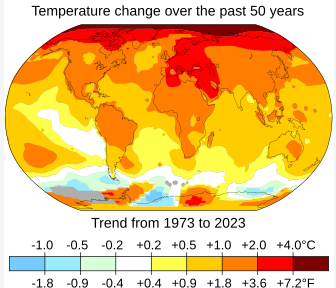 A judge has ruled that New York State’s climate “superfund,” modeled after laws that provide money to clean up toxic waste, runs counter to federal law and is therefore invalid.
Eventually, we will have laws that force companies whose actions are ruining the planet to pay for the remediation that must happen to avert environmental collapse. In the meanwhile, we need to expect the fossil fuel industry to continue its ruthless legal attack such legislation.
Climate “Superfund” Will Require Legislation at the Federal Level


Q&A: What can – and cannot – be said about global warming’s role in the 2026 Himalayan floods
China’s industrial engine starts to break its fossil fuel habit
Industry and NGOs lobby to weaken UN carbon credit rules in “coordinated” push
-
Climate Change1 year ago
Guest post: Why China is still building new coal – and when it might stop
-

 Greenhouse Gases2 years ago
嘉宾来稿:满足中国增长的用电需求 光伏加储能“比新建煤电更实惠”
-
Greenhouse Gases1 year ago
Guest post: Why China is still building new coal – and when it might stop
-

 Climate Change2 years ago
嘉宾来稿:满足中国增长的用电需求 光伏加储能“比新建煤电更实惠”
-

 Renewable Energy11 months ago
Sending Progressive Philanthropist George Soros to Prison?
-
Climate Change2 years ago
Bill Discounting Climate Change in Florida’s Energy Policy Awaits DeSantis’ Approval
-
Greenhouse Gases1 year ago
嘉宾来稿:探究火山喷发如何影响气候预测
-

 Carbon Footprint2 years ago
US SEC’s Climate Disclosure Rules Spur Renewed Interest in Carbon Credits