

Weather Guard Lightning Tech
Revolution Wind Cancelled, Section 232 Investigation
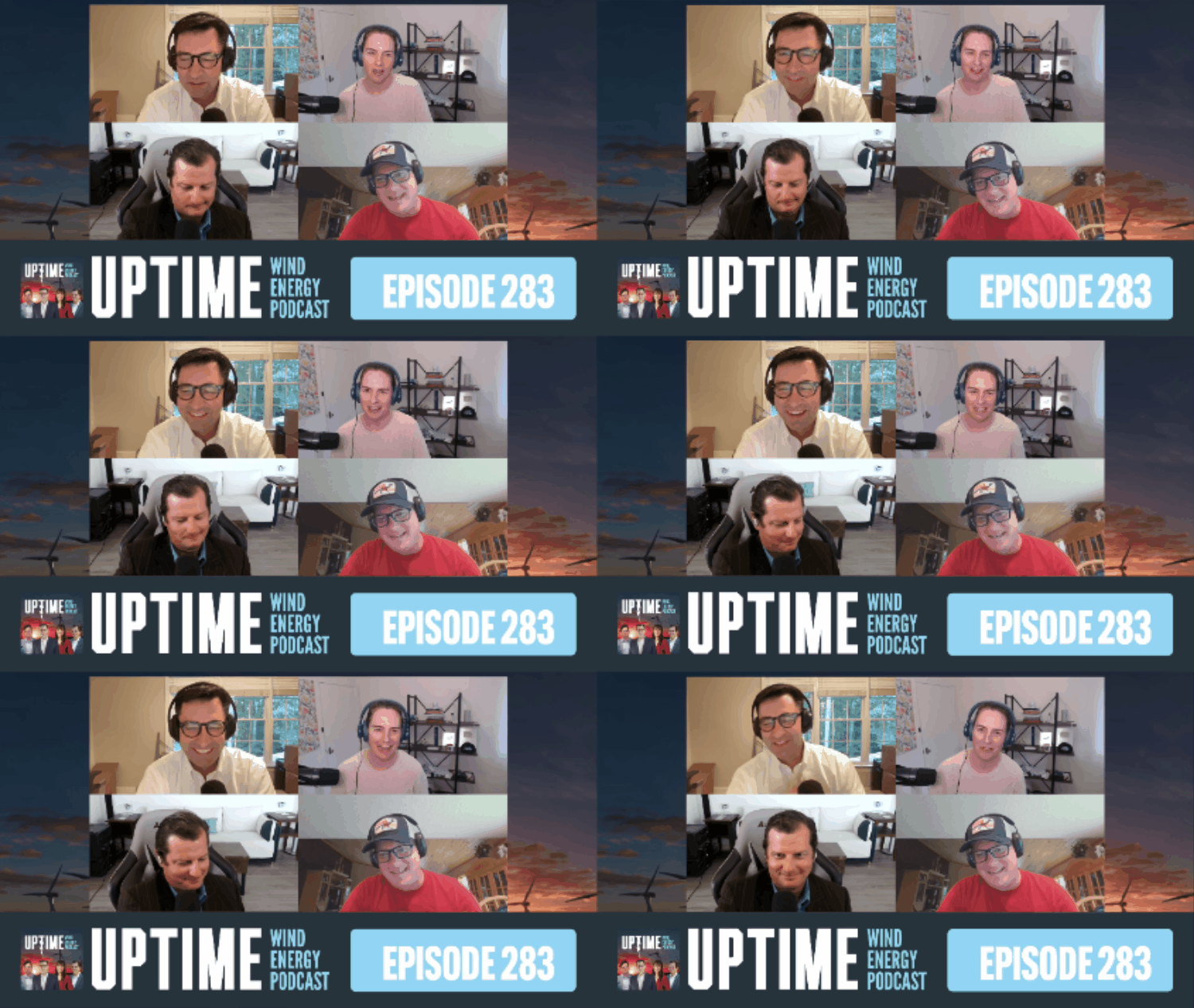
The crew discusses the Trump administration’s cancellation of Revolution Wind and US Wind, despite billions already invested. They analyze the Commerce Department’s Section 232 national security investigation into wind energy and new tariffs on steel and aluminum. State governors are responding differently to federal pressure, with Connecticut negotiating while Maryland pushes back against the coordinated assault on offshore wind projects.
Sign up now for Uptime Tech News, our weekly email update on all things wind technology. This episode is sponsored by Weather Guard Lightning Tech. Learn more about Weather Guard’s StrikeTape Wind Turbine LPS retrofit. Follow the show on Facebook, YouTube, Twitter, Linkedin and visit Weather Guard on the web. And subscribe to Rosemary Barnes’ YouTube channel here. Have a question we can answer on the show? Email us!
You are listening to the Uptime Wind Energy Podcast brought to you by build turbines.com. Learn, train, and be a part of the Clean Energy Revolution. Visit build turbines.com today. Now, here’s your hosts. Alan Hall, Joel Saxon, Phil Totaro, and Rosemary Barnes.
Allen Hall: Well, welcome to the Uptime Wind Energy Podcast.
Rosemary Barnes is in Australia. Joel Saxo is in the great north of America of land we call Wisconsin. And Phil Totaro is in lovely California, and as we’ve been talking off air before the show started. There’s a lot of news this week. We are not going to get to all of it in this episode. There is no chance of that.
But I wanted to start off first with what’s happening off the coast of Connecticut with Revolution Wind and Ted and the stoppage there, and also the more recent news about US Wind, which is a project off the coast of, of [00:01:00]Maryland and uh, the administration. A couple of days ago decided that, uh, they’re gonna pull the permits from US Wind.
And, and that has created quite a, a firestorm within the states because if you think about revolution wind, that was gonna power like 350,000 homes up in Connecticut and Rhode Island and US Wind, which was nearly as far down the line, was also gonna power a great number of homes off the coast of Maryland.
Now both of those have stopped. Uh, and as I pointed out in a recent Substack article and on and also on LinkedIn, and I think everybody has seen this, that pay attention to what the governors had done. ’cause this is the same thing that happened to Empire Wind and Ecuador a couple of months ago. Where, uh, empire Wind got shut down.
The governor of New York went to the administration and said, Hey, what’s, what gives they negotiated an out, which is that New York was gonna allow more gas capacity and gas lines [00:02:00] into the state. That same thing is, I think is happening in Connecticut and the governor of Connecticut is, uh, has vowed to work with the administration to.
Get revolution back up and running. In fact, there was a interview today, we’re recording on a Wednesday where he was on television basically saying that, that there’s, uh, the art of the deal still exists. You can’t cancel a deal after the art of the deal has been signed. Which that’s a good point. Right.
Uh. Connecticut is trying to negotiate this, and they have been talking to the state of New York, Maryland has taken a different approach and Maryland’s governors, Westmore is saying, quote, canceling a project set to bring in $1 billion in investment, create thousands of good paying jobs in manufacturing and generate more Maryland made electrical supply is utterly shortsighted.
All right, so Maryland’s taking a different approach and is, is sort of punching back hard instead of going to the negotiation table. [00:03:00] Is there more to this than what we can see outwardly? Or is there a lot more, uh, to it in terms of what the administration is trying to do? Or is this all about expanding the role of gas in Democrat LED states?
I
Joel Saxum: think you’re on it there, Alan. I think it’s not even Democrat led states. It’s globally because it’s the same rhetoric that the administration pushed to the eu. Hey, tariffs, tariffs, tariffs, or you’re gonna accept our LNG. Um, and it was a part of the promises made on the campaign trails as well. And, and I, this is tough, difficult for the Uptime podcast here for me at least, because we try to stay away from political stuff on the show.
We want to talk about innovation and technology and what’s moving forward, but this is such a. A paramount issue within the industry right now. We have to talk about it, but I, I, I’m with you. Like, I think it’s, it’s, it’s just furthering the, the hydrocarbon agenda there. Uh, drill, baby drill, these kind of things.
Except for it’s, it, it [00:04:00] ignores some basic economic principles. It’s difficult. Is the US drilling more now than it was six weeks ago, Joel? I doubt it. You know what? As we read this, I don’t know, Phil, let me get your opinion here, but as we read this, I’m gonna look at the rig counts and see what they look like right now in the States.
Phil Totaro: Yeah. I would concur that this is mostly about wanting to, um. Promote gas. They’re, they’re trying very hard to come up with these clever ways of, of hiding or obfuscating why they’re really doing it. Um, in that they’re, they’re doing this under the guise of it being a national security concern, but. That doesn’t actually really exist.
Um, you know, as I’ve pointed out, everybody involved, all the contractors involved are either US European or one, you know, Australian headquartered company. Um, it’s been suggested that maybe this is because of, uh, the Coast Guard has, you know, some, some issues with [00:05:00] being able to, uh, conduct their operations that frankly doesn’t.
Well, pardon the pun, I guess, but that doesn’t hold water. It’s also been suggested that this was potentially, uh, due to cybersecurity issues, which even if that’s true, the reality of that is that’s an operational issue and has nothing to do with the construction of a project. This time, they’re putting more of the onus on, um, you know, BOEM and the Department of the Interior.
Uh, to say, oh, well there’s a national security concern. By the way. We can’t tell you what it is, but it’s very serious. So, you know, it’s just a way for them to avoid transparency and, and avoid accountability. That
Allen Hall: same issue happened, Phil, with EOR and Empire Wind. I think it was Politico or the Hill. Went after the order that shut down Empire Wind to see what the details were.
And basically they got a [00:06:00] page of redacted text or they couldn’t discern anything. 27 pages of redacted text. What is the point of that? Like if, if you’re gonna be so bold to do it, then just write down why you’re doing it. And I don’t know why they would redact it unless Ecuador asked for it. I mean, there’s only, there’s, there’s two ways to.
Have redaction happen. It’s, it’s pri it, it’s private information. It’s commercial information. They don’t want it out. Ecuador could say, I don’t want you to share that information. The other side is the more nefarious of the two is the federal government is unwilling to tell you why they shut the project off, which is not what is supposed to happen.
There’s supposed to be some, a little bit of visibility of why they’re making the decisions or not so much why they made a decision. What went into the decision? Like what were the, the, the pieces of information that let them, uh, make the final de decision to shut off Empire Wind for a couple of weeks?
Phil Totaro: And think about it this way as well, if, if we [00:07:00] don’t have, I mean, regardless of anybody’s personal politics or, you know, a dislike for a particular form of technology or, or power generation, you know, the reality is. Y the government of the day has to be able to provide citizens and, you know, corporations that operate in that, that country with guarantees.
You know, this is why I got so fired up about the whole Empire Wind thing in the first place was because you, you, these guys have spent billions of dollars on leases that they now are being precluded from being able to go build. Nobody’s offered to give them their money back on the lease. They’re just saying, oh, well that permit that you got issued, that we spent either seven years or 10 years, or however many years it was, and however many, you know, compromises had to be made and how many decisions had to be taken.
Uh, you know, at the end of the day, the government has to be able to provide people with certainty. And if you don’t do that, [00:08:00] then we don’t have a functioning government anymore. That’s scary because then the government’s out for its own interests and not the interests of the people and who is gonna end up paying the price for all this us as, as electricity consumers.
We’re gonna now end up in a scenario where you’re gonna get brownouts and rolling blackouts and, you know, within a few years, yeah, maybe they negotiate these deals to, to do gas. You know, off take or whatever. And, and Connecticut’s gotta put up with that, and Maryland’s gotta put up with that. But they need power.
And there’s power, literally right there. The project revolution was 80% complete corn to sted. The power’s right there just take it and they need it
Joel Saxum: now. They, they don’t need it. Five, six years down the line, when we were finally able to get some thermal generation plants built and some transmission built out, they need it now.
And that’s, that’s there. So like even Alan, like you say, is it, or like you asked, what’s the rig count? What does it look like for [00:09:00] production? Okay. Production right now, to be honest with you, doesn’t matter that much. Where are you gonna send it? Like when you’re, when you’re talking about LNG, you talk about Alan, you and I read this report the other day, um, about they, they measure it in billions of cubic feet is how they, like, this is how much we use to empower generation in the United States.
So right now, if we look at the LNG rig count in the states. It’s sitting at 122 as of a couple days ago, 122 rigs drilling gas wells and it was 103 at at inauguration. So we’re up 19 rigs, big drop in oil rigs and a small spike in gas rigs in the field. But at the end of the day, where are you gonna send all this?
Production.
Allen Hall: Well, you’re gonna send it to Europe. Right? That was the agreement between the European Union and the administration was just to send a bunch of gas over there, or for, or forget you to commit to buying what? Uh, $750 [00:10:00] billion worth of, uh, l and g and other energy products over three years, $250 billion a year.
That’s where they hope to send it. But you, you go back to, can they even burn it? They can’t. There’s no way they could burn it tomorrow. So the, the whole. Equation. It doesn’t equate the left hand side and the right hand side. Don’t match. Don’t let blade damage catch you off guard. Theologic Ping sensors detect issues before they become expensive, time consuming problems from ice buildup and lightning strikes to pitch misalignment and internal blade cracks.
Theologic Ping has you covered The cutting edge sensors are easy to install, giving you the power to stop damage before it’s too late. Visit eLog ping.com and take control of your turbine’s health today.
Phil Totaro: What’s the Australian perspective here? Like how are people around the world perceiving this scenario?
Rosemary Barnes: Yeah, uh, it’s actually interesting, um, ’cause you know, [00:11:00] obviously I pay a lot of attention to what’s going on in Wind Energy and the US specifically. ’cause, you know, you guys and other podcasts I listen to. But even in conversations that I’m having with people who don’t work in wind or even don’t work in energy.
Uh, they’re aware of, of what’s happened and just a bit shocked, I think. Um, I talked to a couple of business owners and they’re just imagining what would happen if my business, you know, was halfway through a huge project and then it just got canceled for, um, maybe non-transparent reasons or at least something that you could never have predicted, and it would obviously.
Kill any of small or medium sized businesses that had something like this happen to them. So it just feels a bit, um, a bit chilling and makes you just think how you can think that you’ve done everything right, but nothing is certain in business. And Black Swan can always come, come at you,
Allen Hall: you know who’s on your side, Phil, about, uh, getting reimbursed for these projects if they get canceled.[00:12:00]
Is the Secretary of the Interior, Doug Bergham because he was screaming bloody murder when the XL Pipeline was canceled in North Dakota when he was governor. He said that if there’s an executive order or legislation that kills a project where you’ve already invested hundreds of millions of dollars, then they need to reimburse you for that project.
When they do that. And now he’s on the opposite. He actually has the ability to do that, and he is sticking it to wind and solar and everybody else, and it’s like, oh, you know, you put a bunch of money in. Well, tough luck.
Rosemary Barnes: But did that happen for Keystone? What, what? What was the evangel outcome of that? They, they did get reimbursed or not?
Phil Totaro: No. The government never gives money back. When has that ever happened in the history of the universe? But the, here’s the real scary thing, and this is actually why, you know, I, I’m saying like, who’s gonna reimburse them? Nobody’s gonna do that, but I don’t want them to get reimbursed because here’s what happens if they do.
Right now, these guys, even though they’re not being allowed [00:13:00] to construct, they still own leases. If the interior department. Pulls back those leases and gives the money back. They can release that to oil and gas companies, even if they don’t go do anything. And then that those sites that were intended for wind are no longer available.
They can sign a 99 year lease and then we’re screwed. And, and that was actually my big concern with them terminating all the other lease auctions. Um, you know, the ones in Maine, Oregon, Washington, you know, north, South Carolina, et cetera. The Gulf, uh, that’s the real issue here is if, if they decide, oh, well, we’re not gonna allocate those areas for offshore wind, we’re gonna give leases to, you know, for a, a dollar an acre or whatever, to, to oil and gas companies out there.
You know, that’s gonna screw the industry even more because we’re never gonna be able to build anything.
Joel Saxum: Has anybody checked in with any of the companies that are off the coast over by you, Phil? [00:14:00] Oh, you right. Because there’s four or five lease zones off the, off the West coast. Now we knew those were gonna be long-term developments floating and all this stuff, but what’s going on at the boardrooms of those companies?
Do we know anybody that’s a fly the wall there? Because it would be interesting to see what they’re doing. Are they just fi, are they fire sailing employees? ’cause they’re like, oh, what are we gonna do here? Like, are we just gonna sit and burn money?
Phil Totaro: No. Uh, those, all those projects, especially the ones out here in California, they were all long-term prospects anyway.
We were not even gonna start construction during the rest of, of the president’s term. So it, it wasn’t really gonna be that much of an issue to not get issued a, a federal permit. Um, we’ve got. The state level permitting that needs to happen for the transmission infrastructure that hasn’t even started really yet.
Um, they’re still having studies and conversations about it. Uh, so the project development companies, um, there’s really only one that got kind of screwed by this. And it was a, a small company that [00:15:00] was doing a floating demonstration project off the coast of Vandenberg where they are sending up all these, um.
You know, Elon missiles or whatever, uh, that project was supposed to have started construction and in a couple of years, uh, and hook into the electrical infrastructure in Lompoc, where the, um, BEWA project is, uh, a wind farm. Um, uh, Strauss Wind Farm, the, that is unlikely to move forward. Um, but that was being done under kind of a special permit anyway.
It wasn’t actually in federal waters, it was state, uh, but they were also still dependent on, you know, different, um, approvals, uh, given the proximity to the, the, um, space.
Joel Saxum: Space at the same time that we, that these offshore wind projects that are. Uh, it’s like that book how you, uh, Rosemary the guy, you know how big things get done, these mega capital projects, right?
The other one that was not [00:16:00] under construction yet but had gone through 10, 15 years of permitting and is a massive blow to, I’m not even saying renewable energy. It’s a massive blow to the energy grid in the United States Is the grain belt express. That that just got the, all the federal funding pulled from it.
It was, and it was big time that that federal loan was like a four and a half billion dollars guarantee or something like that.
Allen Hall: Right.
Joel Saxum: Why? What is the point of that?
Phil Totaro: They’re gonna move forward with private funding, but they’re also, I believe in energy is still contemplating a legal challenge to that because once.
The, and this is actually was according to the guy who’s heading the, the doe’s loan office, once the DOE issues, that loan guarantee, they can’t pull it back. It’s, they’re, they’re not supposed to be allowed to be able to pull it back. So that’s gonna, that. Probably end up in litigation. But the problem, see, this is the, the real thing, you know, and I was even being interviewed by somebody and, and they were asking, well, what do the states do?
What kinda leverage do they have? [00:17:00] And the reality is they can, you know, make all these legal challenges and then negotiate gas deals and all that other crap. But even if they, they. Proceed with a legal challenge. Nothing’s getting built right now. Nothing’s getting done at a point in time when we need the power.
And even if the state wins, they’re gonna win the legal battle like two or three years from now when it doesn’t matter anymore anyway. And new administration’s gonna come in, presumably whatever administration comes in, Republican or Democrat, they’re gonna be more favorable than this administration regardless.
Um, because by that point in time, they’re gonna see the picture that, you know. Gas and nuclear and whatever else isn’t getting the job done. You need renewables. So we’re gonna have to, you know, soften the, soften the deal
Joel Saxum: a little bit. Well, we’re, we’re legislating ourselves into a energy hole, right? And it doesn’t make sense and go backwards and just cancel off the idea that it’s renewables or traditional power gen.
Energy generation sources and energy [00:18:00] generation, the ability to move electrons across the grid, and we’re just cutting the lines and just like, no, we don’t need that. We don’t need that as, as looking and going, like at the same breath, we’re gonna be an AI data center powerhouse, and we we’re gonna do, this is gonna be the new thing.
And it’s like, you need power for all that.
Allen Hall: Why you, you have two things going on simultaneously, Joel. You have the demand for power from AI data centers, and then on top of it you have. Wider fluctuations in energy usage. So base load is the opposite of what you want there. Uh, you can’t sustain it, right?
So if you put more coal generation, more gas generation on the grid, and Elon or Zuckerberg decides to turn on and off their AI data center, it’s gonna cause massive problems. The way the grid is established today, you have to install battery. And a lot of it to support those kind of loads. And going back to your earlier [00:19:00] point, if no administration is willing to do that, then there will obviously be problems on the grid.
And when the average consumer has a brown out or blackout and multiples of them, they will lose elections. It will be over very quickly because, uh, it doesn’t take long,
Phil Totaro: not for nothing. How do you think Arnold Schwarzenegger became governor of California? That’s literally what happened under Gray Davis.
We had, we had brownouts and blackouts and people got so upset about it. They literally did a recall election, got the existing governor out, and Arne got in kindergarten. Cop the Terminator. Kindergarten cop out of every movie that he’s ever been in. That’s the one you’re gonna, yeah, I just
Allen Hall: watched it
Phil Totaro: the other day.
Allen Hall: Are you worried about unexpected blade root failures and the high cost of repairs? Meet Eco Pitch by Onyx Insight, the standard in blade root monitoring. [00:20:00] Onyx state-of-the-art sensor tracks blade root movement in real time, delivering continuous data to keep your wind farm running smoothly and efficiently.
With eco Pitch, you can catch problems early, saving hundreds of thousands of dollars. Field tested on over 3000 blades. It’s proven reliability at your fingertips. Choose eco Pitch for peace of mind. Contact Onyx Insight today. To schedule your demo of Eco Pitch and experience the future of blade monitoring.
So there’s an old saying in Washington when you want to kill something, you just don’t shoot it once. You gotta shoot it multiple times. And this week. The administration proved that by launching a coordinated two front assault on America’s wind energy industry, uh, by combining national security fears with protectionist trade policies.
So it started about a week or two ago. With the Commerce Department, which initiated Section 2 32 [00:21:00] investigation, Phil, which means that there’s national security risks involved in wind. And, uh, I, I don’t know who was after us, but somehow they’re controlling the wind turbines with their minds. And, uh, that was the first thing.
So section 2 32, that can impose a lot of, um, restraints on particular items that are coming into the United States. And the second one. One is the Commerce department, uh, published a list, uh, making 400 and what about 407 categories of imported products? Uh, 50% more expensive with a tariff. And in that list is a.
Raw steel and raw aluminum, which a lot of wind turbines have those, those two materials. Uh, there was a big push by some of the steel producers and aluminum producers in the United States for those terrorists to be applied and they, they won, right? So now you have a section 2 32 investigation, national security, and you have tariffs [00:22:00] on the raw materials that pretty much make up a good bit of wind turbines.
Where do we go from here? Because to me, we’ve had the department of interior attacking wind, department of Commerce attacking wind, department of transportation attacking wind with the the trains crashing trains bit. Uh, so pretty much every department wants to chime in and show that they are anti win.
So, uh, they can be on, I don’t know, some news channel I suppose, but is this smart? Is this, because in in my head, when one administration does this, the next administration boomerangs it back even harder. And if one thing we’ve learned over the last 20 plus years in politics is that the other side must outdo the previous administration, this is not gonna go well.
Joel Saxum: It’s a pendulum, and the pendulum just is getting more and more power and it’s going a little further and further and further. We need [00:23:00]that pendulum to set to. To settle down, but it shows that it paints the pic picture of the political world in the United States where it used to be, eh, you know, it used to be 15% extreme on either side, 15%, extreme on either side, and 70% where you could have a conversation in the middle.
Now it’s like. 20% that you can have a conversation in the middle and 40% on either side that are so extreme you can’t get anything done or have a conversation.
Allen Hall: But also, Joel, don’t you think because of the population in the United States has grown significantly over the last a hundred years, it gets harder to make the pendulum move.
So even if you’re the federal government, if you want to really try to take out something, you have to work hard at it because there’s so. Many people and so much activity economically in the United States, it’s hard to move the needle, so they have to take extreme measures to try to move the needle. I don’t think it’s, I don’t
Joel Saxum: think it’s as much, this is a very broad topic, but I don’t think it’s as much population growth.
I think it’s the last 20 years in access to communications and access to information. I think we’re in a different, we’re in a such a different place [00:24:00] now with social media and the availability of, not even social media, it’s cancel social media. That’s a huge thing, but like how I can easily get news in my phone, just boom, boom, boom, boom, boom, boom.
Just fed into me.
Allen Hall: Yeah. How is TikTok still alive?
Joel Saxum: Yeah, but I mean, fed, I mean, I got a little thing in my corner, my computer that pops up and tells me news. I got thing in my phone that pops up to tell me news. I got the TV pop up. Tell me news. It’s, it’s, there’s so many, so much access to information that it’s starts to easy to start.
Everybody’s starting to develop opinions, and then it’s like, oh, it feeds this algorithm. So if you have an opinion, you start clicking on things, it starts to drive you further down that path and further down that line. So people become a bit more extreme than they were in the past, whereas you didn’t have algorithm based news input before and it was just like what was on the tv?
Uh, it was the A, B, C or whatever the hell, Fox News, whatever it was just on the TV at 6:00 PM or 9:00 PM So. You have the, the, the way our society, the way our, and this is a, this is a dig a little bit, but the way our society is moving towards this capitalistic way of wanting to make money, why are [00:25:00]algorithms there in social media and news?
Well, they’re there to drive people to ads. We’re to make money and do things. So the, like, the, like capitalism is poisoning itself in some of these things. And why the pendulum’s swinging so far? It’s all the same thing in Australia, honestly. Yeah. It’s just, but it’s the same, it’s the same thing
Phil Totaro: globally.
But to go back to the, the whole tariff question, the, the reality of this is that it, it, it drives up cost. And what people don’t seem to understand about tariffs, a lot of people think, oh, we’re applying tariffs on some foreign country or foreign company. We pay the tariffs people, we pay them because even if we’re put applying a tariff on a foreign company or country, they raise their price by the amount of the tariff because they can’t just absorb that cost.
Even when the administration and the White House was trying to tell companies like Walmart, oh, you’re going eat the cost of that tariff. No, they’re not. You know, Apple’s not gonna eat the cost of that tariff. Walmart’s not going to eat the cost of tariffs. The prices are gonna go [00:26:00] up, we’re gonna pay for it, and that means that tariffs end up being a tax.
So my supposedly fiscally conservative government is now suggesting that I pay even more than what I already do to, you know, ensure that they can, you know, continue to demolish the industry that I make money off of. I mean, this is, this is not good times
Allen Hall: if they weren’t $37 trillion in debt. This may not be happening.
This is the rationale behind all of it is that, well, the US is in huge federal debt, so we’re gonna make some money. And if you’ve watched the discussion over the last couple of days about how much money the terrorists are gonna bring in in 2025, the number banty about is like a trillion dollars. Yeah.
Okay. Let’s say it’s a trillion dollars. Uh, what is the effect on the economy? Back to Phil’s point, you take a trillion dollars and put it into the federal government that didn’t have before. Does that make everybody better off? [00:27:00] Good question. Uh. We’re gonna find, you know what, what’s gonna happen? We’re gonna find out.
We have no idea what’s gonna happen. ’cause we haven’t been down this road before, not like this. Uh, here
Phil Totaro: is a positive thing. So while all this is happening, there are people that have been proactive and we’ve spoken a little bit about it on the show in the past few months, that have safe harbored turbines or they’ve already got, you know, projects under development and repowering projects that they’re already working on.
There’s gonna be at least a short term boom here, uh, where, you know, even though it’s, it’s kind of hysterical to me because for the last nine quarters in a row, wind and solar have actually combined in net capacity additions that outpace, you know, natural gas or coal or anything else. And that’s gonna actually continue for the next like year and a half.
And everybody’s gonna sit there and scratch the heads because they don’t understand how the momentum of all these, you know, the project development process [00:28:00] works. And, you know, so a year from now we’re gonna be having the conversation where, you know, wind and solar are still like number one in capacity additions, you know, for, for the second quarter of 2026.
And everybody’s gonna be like, didn’t we kill wind and solar? What happened? And, and they’re not gonna get it. Um. You know, so the reality is we’ve, we’ve got at least a, a something positive to look forward to where repowering is gonna still happen. Some, you know, greenfield project development still happening.
People who are proactive to take advantage of safe harbors under the old IRS rules are gonna still be able to build PPA prices are going up, which actually helps companies offset the, the lost production tax credit revenue, and that, you know, with a high enough. PPA that they could renegotiate. They may be able to repower, afford to repower even without the production tax credit.
Uh, so, you know, there is some, some hope and some optimism and, you know, let’s see how this
Allen Hall: goes. [00:29:00] It’s gonna be a fight. Bring it. It’s better that we fight it out now because it, it’s could be the laster off for LNG for a while. And coal. I mean this, this will be the death blow to coal really will be in the us, not elsewhere, but in the US it will be.
Phil Totaro: And talking about Joel’s pendulum concept, it’s like what? If, if it’s Democrats that go into a majority in Congress in 2029 and or come into the White House in 2029, the pendulum’s gonna swing pretty hard in the opposite direction of where we are right now. And a lot of these, you know, I mean, tariffs are gonna go away.
These mandates to buy LNG are gonna go away, uh, before they’ve even had a chance to really gain enough momentum. And we’re still gonna be at a point where wind and solar are cheaper than anything else to build as they already are today. And they have been for the last eight years. Uh, so. [00:30:00] Let’s, let’s get on with it.
Allen Hall: That wraps up another episode of the Uptime Wind Energy podcast. Thanks for joining us as we explore the latest in wind energy technology and industry insights and nonsense politics. If today’s discussion sparked any questions or ideas, we’d love to hear from you. Reach out to us on LinkedIn and don’t forget to subscribe so you never miss an episode.
And if you found value. In today’s conversation, please leave us a review. It really helps other wind energy professionals discover the show and we’ll catch you here next week on the Uptime Wind Energy Podcast.
https://weatherguardwind.com/revolution-section-232/

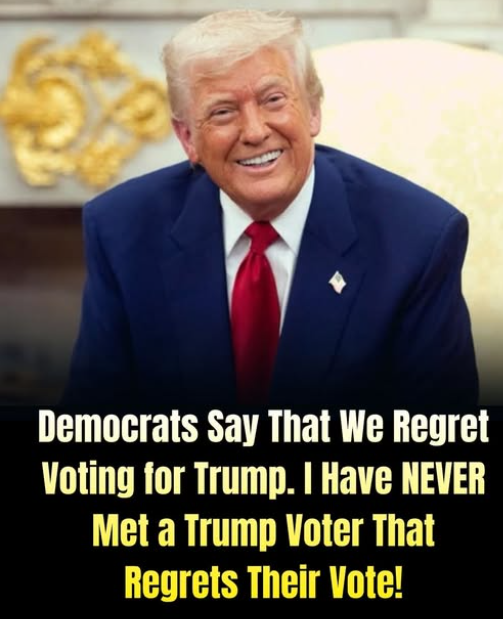 For those who struggle with elementary school arithmetic, Trump won the election (50%+ approval) out of more than 150 million votes cast, and now his approval rating is in the low 30s.
That’s ~30 million voters who regret their choices, out of the common American.
Add in the Tucker Carlsons of the world.
Absolutely.
It must be done, because our country is home to some hateful morons who want to see honest, hardworking, taxpaying people with brown skin deported, and their families torn apart.
It wasn’t the American way until recently, but it sure is now.
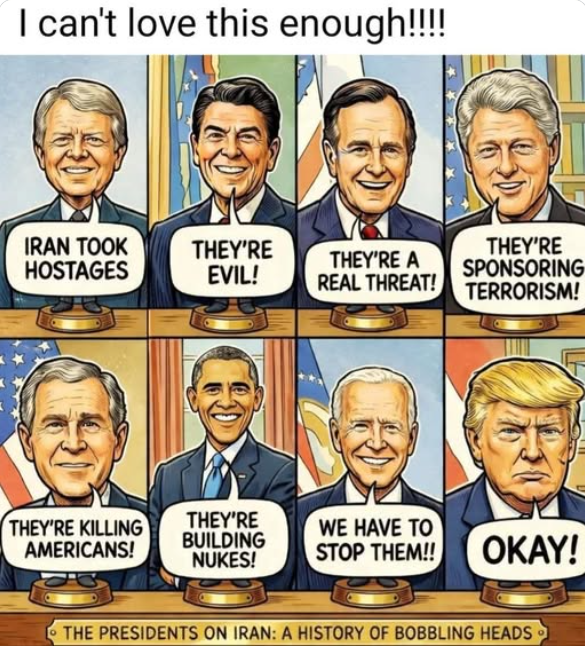 As shown at left, the United States is loaded with people who twist the facts to their liking.

After a Slow Start on Climate, Zohran Mamdani Faces Scrutiny Over Parks Budget and Environmental Promises
Who Loses in the Trump Administration’s $1 Billion ‘Deal’ to Abandon Offshore Wind?
Minneapolis Activists Launch Hunger Strike to Protest Polluting Trash Incinerator
-
Climate Change8 months ago
Guest post: Why China is still building new coal – and when it might stop
-
Greenhouse Gases8 months ago
Guest post: Why China is still building new coal – and when it might stop
-

 Greenhouse Gases2 years ago
嘉宾来稿:满足中国增长的用电需求 光伏加储能“比新建煤电更实惠”
-
Climate Change2 years ago
Bill Discounting Climate Change in Florida’s Energy Policy Awaits DeSantis’ Approval
-

 Climate Change2 years ago
嘉宾来稿:满足中国增长的用电需求 光伏加储能“比新建煤电更实惠”
-
Climate Change Videos2 years ago
The toxic gas flares fuelling Nigeria’s climate change – BBC News
-

 Renewable Energy6 months ago
Sending Progressive Philanthropist George Soros to Prison?
-

 Carbon Footprint2 years ago
US SEC’s Climate Disclosure Rules Spur Renewed Interest in Carbon Credits