

Last Updated on March 11, 2026
This post was sponsored by Casamera. All thoughts and opinions are my own; for more information, please see my disclosure policy.
Have you ever seen those ‘everything shower’ videos trying to convince you to use 12+ products on your skin and hair? Including plastic poufs destined for landfill in 2 months time?

All you really need is a bar of soap, shampoo/conditioner, safety razor, and something natural to lather with. Enter Casamera, a sustainable brand who creates konjac sponges for face and body (aka all-natural shower sponges).
But what exactly is a konjac sponge? And are they all created equal? Here’s everything you need to know so you can ditch plastic poufs for good.
What Is a Konjac Sponge?
A konjac sponge is a natural skin exfoliant made from the konjac plant, a root vegetable. To make konjac sponges, the konjac tubers are harvested and fiber (glucomannan) is extracted from the root.
The fiber is mixed with water and various other natural ingredients to form a gel-like mixture. This mixture is poured into molds to create the desired shape and size. It’s then steamed to solidify and stabilize the structure.
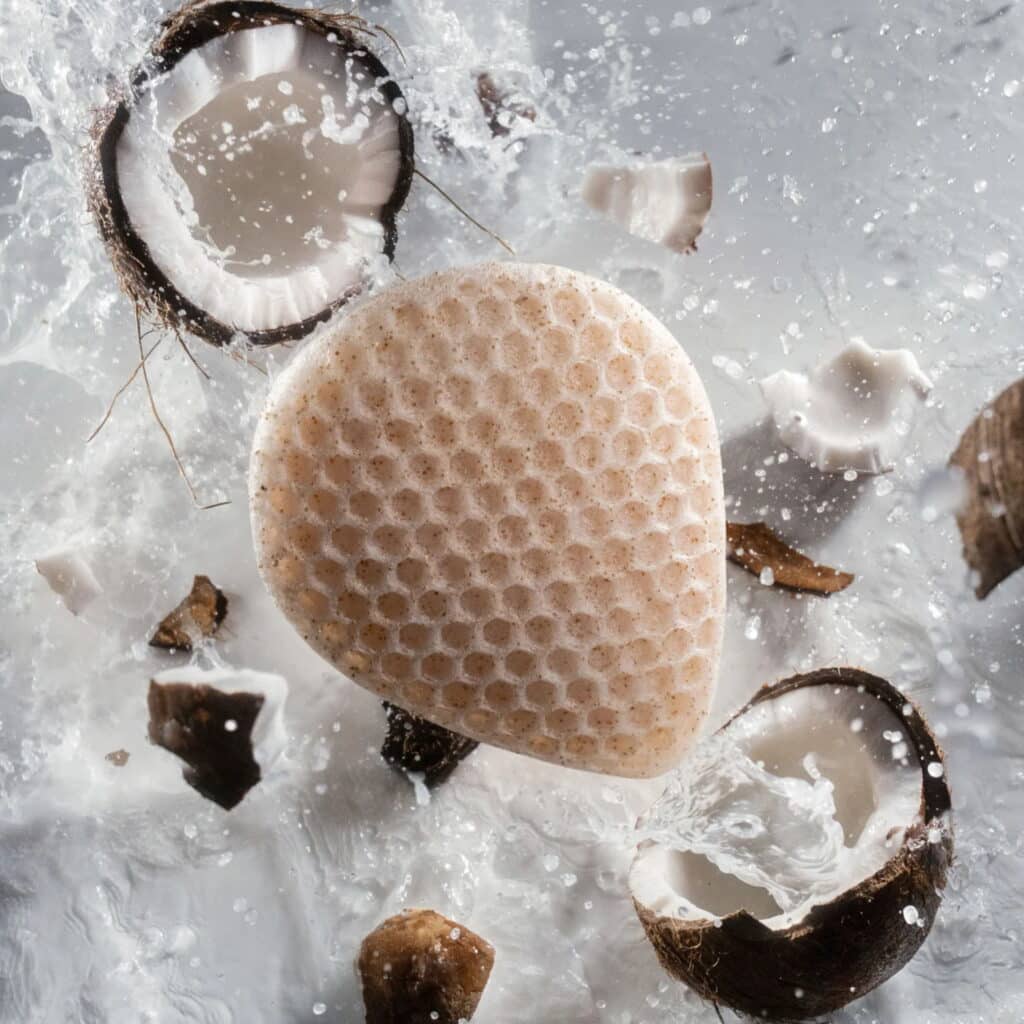
Casamera makes all-natural shower sponges that include konjac powder as one of the four natural ingredients it takes to make one. Their scrubbers come in a variety of infusions, such as charcoal (best for oily/acne-prone skin), matcha, volcanic mud, peppermint, and walnut.
But not all konjac sponges are the same: Casamera’s dual-sided design has one soft side and one exfoliating side (powered by natural walnut shells), making it suitable for both face and body.
Most conventional konjac sponges are for facial skincare only, making Casamera’s a perfect replacement for plastic poufs. The ergonomic handle fits perfectly in your hand, and you can easily hang it up to dry after use.

Konjac Sponge Benefits
The best known benefits of using a konjac sponge are cleansing and gently exfoliating skin. It’s extremely gentle, so it can help unclog pores, especially helpful to those with oily or acne-prone skin.
Casamera’s sponges are also 100% compostable, unlike plastic poufs destined for landfills. It’s also dual sided: The honeycomb side is perfect for washing up whereas the other side exfoliates for deep cleaning.
Plastic poufs can also smell moldy after just a week. Casamera’s scrubbers don’t have that problem because they’re antimicrobial and fast-drying. Which means less replacements and more money saving!
You’re also not scrubbing microplastics onto your body and down the drain. Casamera’s sponges are plastic-free, even down to their low-waste shipping materials. Plus they plant trees to offset their carbon footprint from manufacturing and shipping!
There’s three different sizes: The OG, the XL and the mini. The mini is great for the face, OG works as an ideal body scrubber, and XL is perfect for smothering your body (and backside) in soapy suds.

How to Use a Konjac Sponge (Step-by-Step)
To use Casamera’s scrubbers, here’s a simple step by step routine that’s easy to remember:
- Presoak the scrubber with water
- Apply body wash to it (I love Plaine Products refillable body wash)
- Scrub away!
- Rinse it out (make sure there’s no suds or water left)
- Hang it dry (ideally in a well-ventilated area)
How Long Do Konjac Sponges Last?
If properly maintained, a konjac sponge can last 2-3 months or longer depending on use. To sanitize it, once a week, add the sponge to a bowl of boiling water for a couple of minutes.
If you’re using the sponge daily, be mindful it may deteriorate faster. If you see a difference in color, texture, or a strange smell, replace it.
Getting the scrubber pack is ideal because you’ll get three sponges in one pack, enough to last months!

Konjac Sponge vs Face Wipes
While makeup wipes may be considered easy and convenient, they also tend to be saturated in harsh chemicals that can irritate your skin (some may even contain PFAs).
Plus face wipes are single-use, meaning they’ll end up in a landfill somewhere or worse – fatbergs. Fatbergs are massive, solidified blockages in sewer systems made up of oils, grease, fats, and non-biodegradable items (like wet wipes).
Whatever you choose to use, never flush face wipes down the toilet – even if it says flushable.
Konjac sponges are reusable and capable of removing your makeup without the use of questionable ingredients. Just soak it in water, add your favorite cleanser, and watch the grime and makeup come right off!
And when they’re at the end of their life, they can be composted, instead of polluting our sewers.
Is a Konjac Sponge Worth It?
Yes, a konjac sponge is worth it (specifically Casamera’s) and here’s a quick recap as to why:
- Made using 4 clean ingredients (konjac powder, water, walnut shells, + infusion)
- Gently exfoliates + washes skin
- 100% compostable, doesn’t shed microplastics
- Easy to use in 5 steps
- Comes in a variety of infusions for every skin type
- Will last 2–3 months or longer depending on use
- Ships plastic-free
- OneTreePlanted partner
So, would you give konjac sponges a try? Let me know in the comments!
And, a huge thank you to Casamera for sponsoring this post. Be sure to visit Casamera.com to get your hands on their rejuvenating scrubber pack!
The post Ditch the Plastic Pouf: Try This All-Natural Shower Sponge Instead appeared first on Going Zero Waste.
Ditch the Plastic Pouf: Try This All-Natural Shower Sponge Instead

There’s something undeniably special about wearing uniquely handcrafted, fair trade jewelry that you can know was made slowly and thoughtfully with care. Equally special is wearing an elevated set of jewelry crafted with recycled materials and sustainable processes.
Whether you’re looking for an investment piece or more affordable pieces, there are options for any budget on this list. The aesthetics of these fair trade and sustainable jewelry brands also vary, so you’ll also be able to discover an ethical brand that matches your unique style.
What is Fair Trade Jewelry?
Fair trade can both be a general term used to describe a brand’s sourcing practices — like direct relationships with artisan cooperatives, wages above local standard rates, and safe working conditions — or a third-party “Fair Trade” verification through an organization like Fair Trade Federation, Fair Trade USA, or World Fair Trade Organization. When a brand doesn’t have a certification, we verify a brand’s practices by their own published information.
In the cases where brands do go the extra mile and get a third-party verification for their fair trade practices, we’ve noted it directly in their entries.
Note that this guide includes affiliate links and partners. As always, we only feature brands that meet high standards for responsibility we love, and that we think you’ll love too!
2. Ana Luisa
Best for: affordable everyday jewelry
Conscious Qualities: Recycled Gold, Lab-Grown Diamonds, Small-Batch Production, Direct-to-Consumer
Ana Luisa creates stunning, elegant jewelry from responsibly-sourced materials including 100% recycled gold and lab-grown diamonds. The sustainable jewelry brand also produces in small batches to minimize waste.
By using a direct-to-consumer model, Ana Luisa is able to provide luxury, high-quality jewelry at accessible prices.

3. Monica Vinader
Best for: recycled demi-fine jewelry
Conscious Qualities: Woman-Founded, Recycled Silver & Gold Vermeil, Traceable Gemstones, Lab-Grown & Conflict-Free Diamonds, Supply Chain Transparency
Price Range: $85 (studs) – $2,495 (diamond ring)
British jewelry brand Monica Vinader was one of the first brands to meet the gap between fashion jewelry and fine jewelry with their “demi fine” jewelry. The women-founded brand has necklaces, earrings, bracelets, and rings crafted from 100% recycled sterling silver and gold vermeil, fully traceable gemstones, and lab-grown or conflict-free diamonds. Monica Vinader also launched Product Passports, taking an active effort towards full supply chain transparency.

4. WorldFinds
Best for: unique statement jewelry with a story
Conscious Qualities: Fair Trade Verified, Upcycled Materials, Artisan-Made
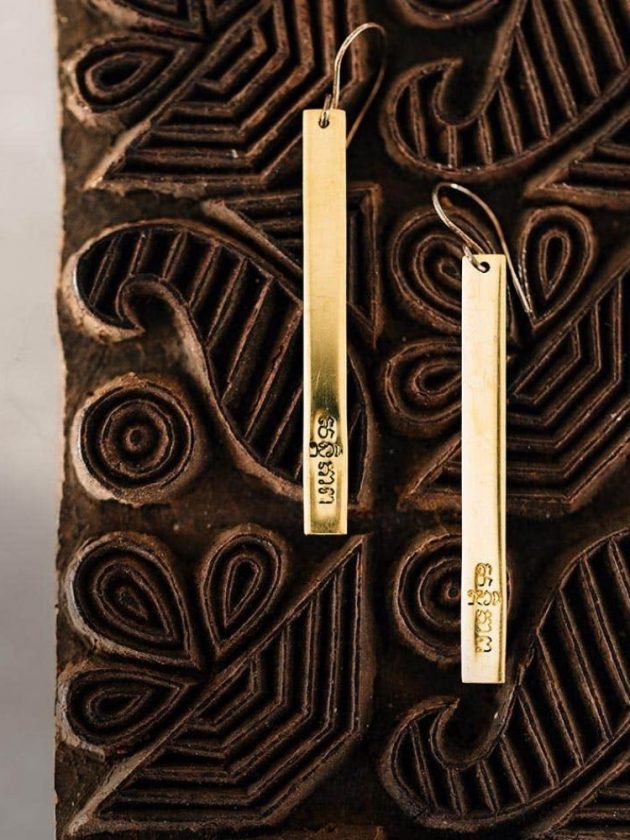
WorldFinds provides sustainable employment and just wages for hundreds of women artisans in India and Bali. These artisans handcraft both sleek metal fair trade jewelry and unique recycled Kantha pieces. WorldFinds is Verified by the Fair Trade Federation, which assesses members against fair trade principles including fair wages, safe conditions, and transparent supply chains.
Plus WorldFinds’ signature Kantha jewelry is made from upcycling materials: wood scraps from a furniture factory and locally sourced Kantha fabric remnants.

5. Astor + Orion
Best for: drop earrings and charm necklaces with symbolism
Conscious Qualities: Certified Ethical Factory, Recycled Materials, Designed for Recyclability, Repair Program
Ethical jewelry brand Astor + Orion sources their jewelry from a factory with multiple certifications ensuring worker safety, fair production practices, and responsible environmental management. Astor + Orion’s stunning jewelry is made from recycled materials and designed in a way to make it easily recyclable! Their pieces also come with a quality assurance — the brand will repair any piece within 6 months of purchase.

6. Laura Elizabeth
Best for: non-toxic jewelry in organic shapes
Conscious Qualities: Locally Sourced Recycled Metals, Woman-Owned, Fair Wages, Safe Working Conditions
Price Range: $45 – $330
Crafted from recycled metals sourced locally in LA, Laura Elizabeth creates stand-out sustainable jewelry. All of the brand’s jewelry is sourced ethically from a small, woman-owned studio in Los Angeles that ensures reasonable working hours (35 hr/week), fair wages, and safe working conditions (such as proper ventilation). Check out more on Laura Elizabeth in this post!
The jewelry is also non-toxic, free of cadmium or lead.

7. Ten Thousand Villages
Best for: giftable fair trade jewelry
Conscious Qualities: Fair Trade Production, Artisan-Made
Price Range: $6 – $175
Founded in 1946, Ten Thousand Villages is one of the fair trade pioneers and a founding member of the World Fair Trade Organization (WFTO), the global network that verifies fair trade practices across its member organizations.
They’ve developed relationships with artisans around the world, providing valuable economic opportunities for thousands of makers in 30 countries around the world. Their marketplace has handmade necklaces, earrings, bracelets, and rings, along with a variety of other fair trade goods.
8. Edge of Ember
Best for: gemstone jewelry
Conscious Qualities: Recycled Gold & Silver, Artisan-Made, Ethical Production
Price Range: $49 (ear cuff) – $2,730 (diamond tennis bracelet)
Edge of Ember’s timeless jewelry is responsibly crafted by makers working in artisan groups and small-scale factories. Their delicate necklaces, bracelets, rings, and other pieces are crafted by skilled artisans in India, Hong Kong, Germany, and Thailand. The brand carries out independent social audits to ensure ethical working conditions and environmental responsibility.
Edge of Ember has a wide selection of recycled gold and silver rings, bracelets, and necklaces adorned with stunning gemstones, including many birthstone jewelry options perfect for gifting.

9. Aurate
Best for: ethical diamond fine jewelry
Conscious Qualities: 100% Recycled Gold, Lab-Grown & Conflict-Free Diamonds, Vintage Collection
Price Range: $18 (stainless steel chain) – $19,000 (diamond tennis necklace)
Responsibly-sourced quality jewelry — that’s Aurate’s promise. The jewelry brand’s sleek, timeless pieces are thoughtfully made by seventh-generation craftspeople using 100% recycled gold and lab-grown or conflict-free diamonds.
Aurate also has a curated collection of vintage fine jewelry from cocktail watches to signet rings up to 50% off.

10. SOKO
Best for: modern, minimalist artisan-made jewelry
Conscious Qualities: Above-Market Artisan Wages, Black-Owned
Price Range: $78 – $298
SOKO is an innovative Black-owned ethical jewelry brand using mobile tools to bridge the barriers for artisan entrepreneurs in Kenya. In partnership with SOKO, independent artisans can operate a “virtual factory”, earning 5x more than an average artisan workshop in their local areas.
The jewelry is made with 24K gold or silver-plated brass — an affordable metal that also happens to consist of 90% recycled content on average. Other materials include reclaimed horn and bone, locally-sourced teak wood offcuts, and ceramic beads made by a fair trade women’s collective in Kenya.

10. Raven + Lily
Best for: affordable artisan jewelry
Conscious Qualities: Fair Trade Verified, Artisan-Made, Women-Led
Price Range: $40 – $240
Raven + Lily is an ethical fashion and jewelry brand verified Fair Trade by the Fair Trade Federation. The women-led brand partners with artisan women around the world who use natural materials to craft both classic, elegant pieces and statement jewelry.

11. NAKIIT
Best for: one-of-a-kind, solo-handcrafted pieces
Conscious Qualities: Made-to-Order, Recycled Silver & Gold, Zero-Waste Scrap Recycling
Price Range: $21 – $485
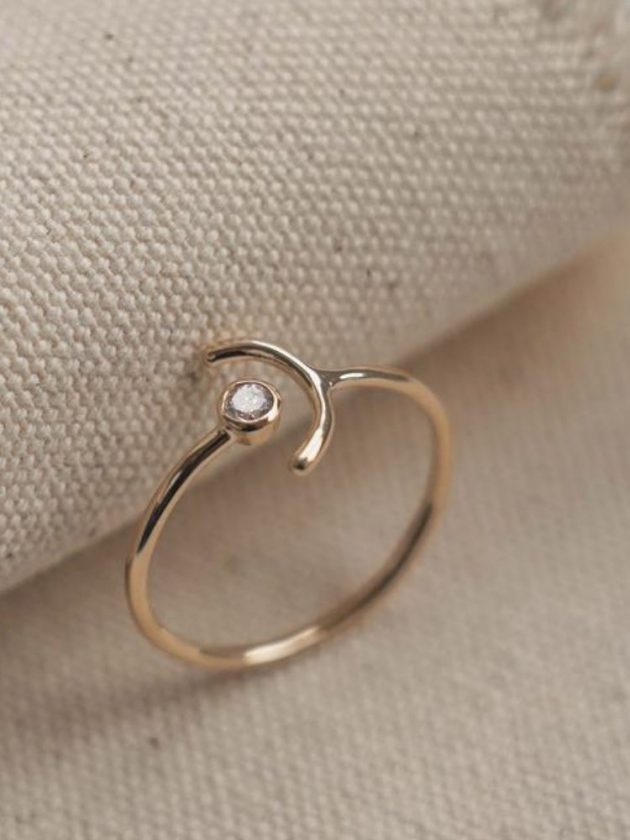
As a small, slow-minded jewelry brand, NAKIIT’s founder + owner handcrafts each piece with intention. In fact, every piece of jewelry the brand sells is made by the founder herself!
Nearly all of NAKIIT’s ethically-made jewelry is either made-to-order or one-of-a-kind, ensuring a minimal ecological impact and the highest attention to quality.
As if we could love this brand even more, NAKIIT also sources recycled sterling silver and gold, plus recycles any remaining metal scraps or dust after production.
You May Also Want to Check Out:
Best Fair Trade Fashion Brands With Style and Heart
Affordable Ethical Fashion Brands
Consciously Curated Marketplaces for One-Stop Ethical Shopping
The post 11 Best Fair Trade and Sustainable Jewelry Brands That Shine appeared first on Conscious Life & Style.
11 Best Fair Trade and Sustainable Jewelry Brands That Shine
It’s time to leave fast fashion in the dust — with one-of-a-kind designs, quality fabrics, and the assurance your dollars are supporting a more responsible fashion industry, these slow fashion brands are sure to win you over.
Before we go any further, though, I think we need to clarify what exactly slow fashion is…
What Do I Mean By “Slow Fashion?”
Slow fashion is about being more mindful and thoughtful about how clothing (and other fashion items) are being produced, how they’re being purchased, and how they’re being used/worn.
Instead of mass-producing trend-driven garments cheaply and quickly, slow fashion production is about creating a piece to last by using high-quality materials, transitional designs (i