

Platte River Power Authority and turnkey solutions partner Qcells USA Corp. broke ground July 10 on northern Colorado’s largest solar generation project.
“Black Hollow Solar represents a major milestone in our journey of working toward our noncarbon energy goals as outlined in the board-approved Resource Diversification Policy,” says Jason Frisbie, Platte River general manager/CEO. “We are proud that Black Hollow Solar, when completed, will bring the total amount of solar capacity in our portfolio to 309 MW, help replace the coal-fired generation we will be shutting down before the end of the decade and is by far the largest solar generation project in northern Colorado.”
The first phase of the project is expected to be complete in May 2025 and will deliver approximately 367,000 megawatt-hours (MWh) of energy annually to Platte River’s owner communities of Estes Park, Fort Collins, Longmont and Loveland. Phase two of Black Hollow Solar will add another 107 MW of capacity in 2026, totaling 257 MW for this project. This is enough to power over 63,000 homes and will increase Platte River’s total solar capacity to 309 MW.
“Colorado is a national leader in low-cost, renewable energy, and we remain focused on protecting our air quality and environment while saving people money,” says Gov. Jared Polis. “This project will help us do that by expanding solar capacity in our state and helping Colorado reach our goal of 100% renewable energy by 2040 while strengthening northern Colorado communities like Severance.”
Per the agreement with Platte River, Qcells will provide turnkey solutions including project development, engineering, procurement and constructions services and will supply over 540,000 Qcells modules on the Black Hollow Solar project. The electricity generated will be sold to Platte River beginning in May 2025 under a long-term power purchase agreement.
Energy will be delivered to Platte River’s owner communities in Colorado’s north Front Range through a substation currently under construction, adjacent to Platte River’s existing transmission system.
The site is located northeast of Black Hollow Reservoir, near the town of Severance, and the infrastructure will utilize nearly 1,400 acres. To identify this site, Platte River and Qcells engaged with local authorities and stakeholders including neighbors, state agencies, town councils and county leaders. The location was selected after careful review of physical and environmental impacts, land-use constraints and stakeholder feedback.
The addition of Black Hollow Solar along with existing renewable resources will increase Platte River’s total noncarbon energy generation to 58% annually, serving almost 75% of the utility’s four owner communities’ energy needs. Platte River is evaluating its next round of renewable energy projects including wind and battery storage to continue the pursuit of the utility’s and its owner communities’ noncarbon energy goals.
The post Platte River, Qcells Partnership Brings Massive Solar Project to Colorado appeared first on Solar Industry.
Platte River, Qcells Partnership Brings Massive Solar Project to Colorado

 At left see we what it’s like when a formerly great country is being led be a moron.
Will “they better stop now!” lay this issue, the precursor to World War III, to rest?
https://www.2greenenergy.com/2026/04/10/there-are-costs-for-a-world-superpower-to-be-led-by-a-spoiled-child/
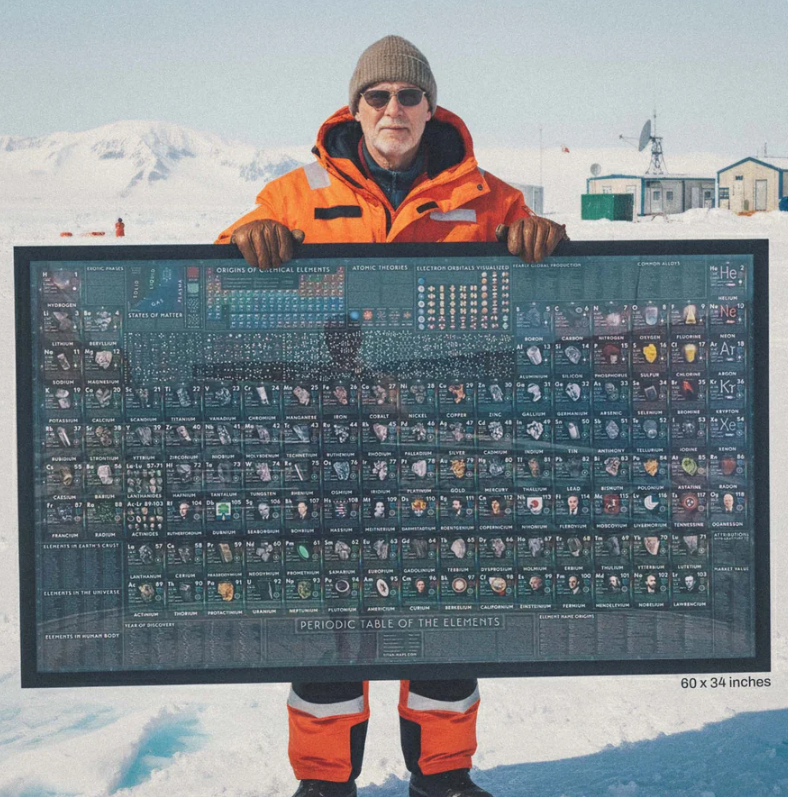
 In their ad, the folks offering “The Most Complete Periodic Table Ever” claim that, if your kid is struggling with chemistry, she can improve with this product, which is essentially tons of useless information.
Who discovered molybdenum? In what year? What is its market value?
We are a society in which our facility with science is now in free-fall. If you think that blunting whatever may remain of your child’s natural curiosity with crap like this a good idea, here’s where to shop.
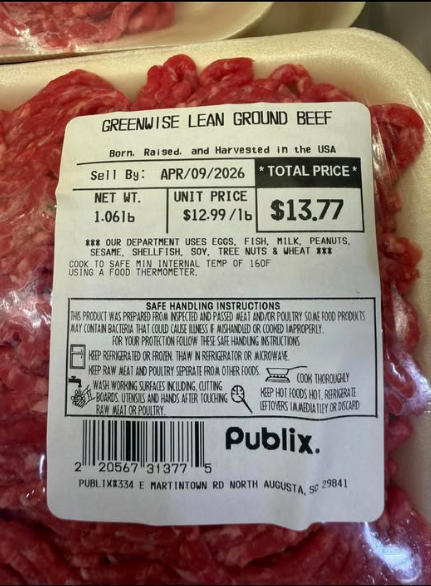 Poor and working-class Americans are struggling with the current economy.
The MAGA base must be going insane. Trump’s telling them that the economy is great while they’re paying $6/gallon of gas and $12.99 for a pound of hamburger.



-
Climate Change8 months ago
Guest post: Why China is still building new coal – and when it might stop
-
Greenhouse Gases8 months ago
Guest post: Why China is still building new coal – and when it might stop
-

 Greenhouse Gases2 years ago
嘉宾来稿:满足中国增长的用电需求 光伏加储能“比新建煤电更实惠”
-
Climate Change2 years ago
Bill Discounting Climate Change in Florida’s Energy Policy Awaits DeSantis’ Approval
-

 Climate Change2 years ago
嘉宾来稿:满足中国增长的用电需求 光伏加储能“比新建煤电更实惠”
-
Climate Change Videos2 years ago
The toxic gas flares fuelling Nigeria’s climate change – BBC News
-

 Renewable Energy6 months ago
Sending Progressive Philanthropist George Soros to Prison?
-

 Carbon Footprint2 years ago
US SEC’s Climate Disclosure Rules Spur Renewed Interest in Carbon Credits