


Gevo, Inc. (NASDAQ: GEVO) expands in the carbon market by selling its first carbon removal credits. A global financial and tech company purchased Puro.earth-certified CO₂ Removal Certificates (CORCs) to offset corporate travel emissions and is ready to retire immediately. These CORCs promise real and permanent CO₂ removal from the atmosphere. They also help buyers achieve their climate goals with measurable and trustworthy results.
The company’s innovative technology makes it a pioneer in sustainable aviation fuel (SAF), renewable gasoline, chemicals, and materials with low-carbon methods. Notably, it operates one of the largest dairy-based Renewable Natural Gas (RNG) facilities in the U.S. These efforts support a clean energy future and also benefit farming communities.
Gevo: Pioneering Carbon Removals with Verified Results
The press release highlights that Gevo’s CORCs provide genuine carbon abatement. Each credit corresponds to actual tons of CO₂ removed through Carbon Capture and Storage (CCS). With these credits ready for retirement, buyers can claim climate benefits right away.
This sale addresses the growing demand for reliable, verifiable carbon removals. As companies want to reduce their carbon footprints, Gevo’s CORCs will provide a strong method to offset emissions, particularly from hard-to-reduce sources like travel.
The next-generation energy company is focused on renewable fuels and chemicals. Its mission has three main goals: energy security, carbon reduction, and rural economic growth.
Significantly, in Q1, Gevo recorded over 100,000 metric tons of carbon abatement, now viewed as a marketable product. This includes captured and sequestered carbon, plus emissions avoided from using low-carbon fuels.
Alex Clayton, Chief Business Development Officer for Gevo, says,
“These are real sales of credits for carbon dioxide removal that are being generated right now. Customers should feel confident in the CORCs we provide due to the rigor Gevo and Puro.earth are putting into every step of the process. We previously said that after our purchase of Gevo North Dakota that we would be selling carbon and that’s what we’re doing.”
North Dakota Ethanol Facility: A Hub for Clean Energy and Carbon Capture
Gevo’s North Dakota ethanol production facility plays a crucial role in capturing and storing CO₂. This plant produces 65 million gallons of low-carbon ethanol annually from 500 acres. Its clean fuels meet demand in areas with strict emissions targets, like Oregon, Washington, British Columbia, and Alberta.
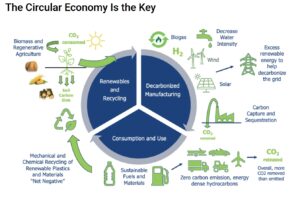
Besides ethanol, the facility generates over 200,000 tons annually of co-products, such as distillers’ grains and vegetable oils, supporting a circular economy.
Permanent CO₂ Storage with Massive Potential
Gevo North Dakota has a Class VI CCS well and lease rights for 5,800 acres in the Broom Creek geological formation. This formation can store up to 1 million metric tons of CO₂ each year. Currently, it sequesters about 180,000 metric tons per year, but Gevo aims to significantly increase this amount.

The geology allows carbon to stay underground for over 1,000 years, meeting top permanence standards in the carbon removal market. With ample pore space and wellhead capacity, the facility offers long-term growth for sequestered carbon-based credits.
As already mentioned, these CORCs are certified under Puro.earth’s strict standards, ensuring they meet key criteria for permanence, additionality, and traceability. The credits are available now and can be retired immediately for verified decarbonization today—not decades from now.
Fueling the Future with Renewable Products
Gevo’s North Dakota ethanol facility is part of a bigger vision. Ethanol serves as the feedstock for many of Gevo’s downstream products, including alcohol-to-jet (ATJ) fuels and renewable chemicals. These drop-in fuels fit directly into existing infrastructure, speeding up the shift to clean energy.
By producing renewable fuel from regeneratively grown crops, Gevo seeks to change agricultural practices while enhancing the global food supply. The company supports low-carbon farming methods, sourcing feedstocks from sustainable farmers.
Instead of choosing between food or fuel, Gevo uses a “nutrition-first approach”—extracting proteins for food and using starch for fuel. This system maximizes crop value and supports health for both people and the environment.
A Systems Approach to Sustainability
Gevo’s strategy stands out due to its “systems thinking” model. Everything—from feedstock sourcing to production and carbon tracking—is designed for efficiency and transparency. It provides end-to-end monitoring through its Verity subsidiary. This ensures accurate measurement, reporting, and verification (MRV) of sustainability attributes across the supply chain.
This focus on carbon intensity and life cycle impact gives the SAF giant a competitive edge in renewable energy. It also bolsters rural economies by creating jobs, enhancing infrastructure, and attracting long-term investments.
Gevo Leads the Shift: Carbon Capture as a Market Opportunity
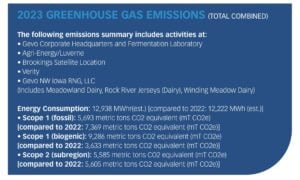
The first sale of CORCs is a big step for Gevo. However, it’s just the beginning. The company aims to grow its CCS operations and increase carbon abatement. With strong geological resources, modern infrastructure, and proven technology, it is set to lead in carbon removal and clean fuels.
Traditionally, CO₂ has been seen as waste or used in industries like enhanced oil recovery (EOR). Gevo captures biogenic CO₂ from its operations and then stores the gas underground, keeping it safe and harmless. This method prevents emissions and turns carbon into a valuable asset through CORCs.
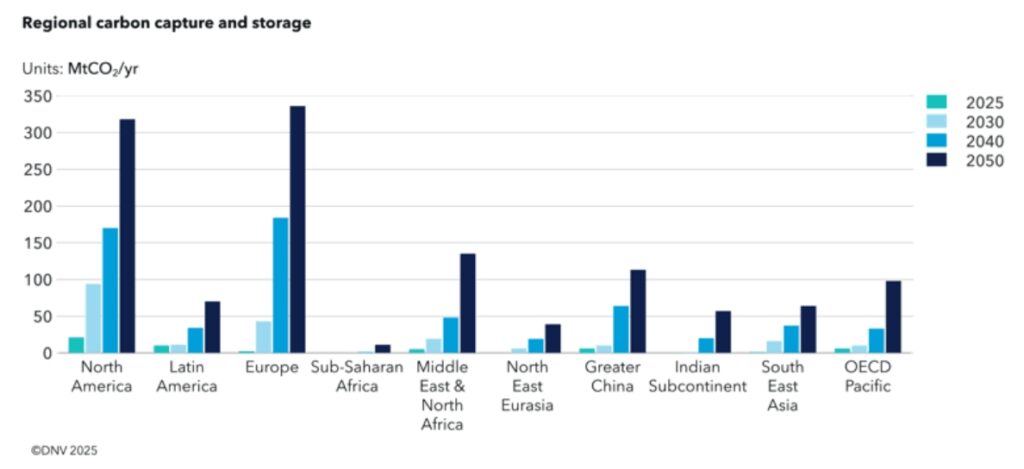
As per industry reports, right now, North America and Europe lead the world in CCS development. Together, they make up about 80% of all upcoming capture and storage capacity. However, other regions are beginning to catch up.
And Gevo is now helping companies offset emissions by monetizing permanent CO₂ removal. This creates a practical market solution and supports clean energy production in the U.S.
In conclusion, Gevo’s entry into the carbon removal market with CORCs underscores its commitment to decarbonization and innovation. By linking renewable fuels with certified carbon capture, Gevo delivers a reliable solution that supports both climate goals and community growth.
The post Gevo Launches Carbon Removal Credit Sales, Scales CCS in North Dakota appeared first on Carbon Credits.

EU carbon credit claims changed on 27 September 2026, the day the Directive (EU) 2024/825 began to apply across the European Union. The change is narrow. It changes how a company can talk about the credits it buys. A product can no longer be called neutral on the strength of compensation alone; however, every specific, evidenced statement about what a company measured, reduced, and funded stays fully available.

The post Promoting Improved Cooking Practices in Nigeria appeared first on Terrapass.



-
Climate Change1 year ago
Guest post: Why China is still building new coal – and when it might stop
-

 Greenhouse Gases2 years ago
嘉宾来稿:满足中国增长的用电需求 光伏加储能“比新建煤电更实惠”
-
Greenhouse Gases1 year ago
Guest post: Why China is still building new coal – and when it might stop
-

 Climate Change2 years ago
嘉宾来稿:满足中国增长的用电需求 光伏加储能“比新建煤电更实惠”
-

 Renewable Energy12 months ago
Sending Progressive Philanthropist George Soros to Prison?
-
Climate Change2 years ago
Bill Discounting Climate Change in Florida’s Energy Policy Awaits DeSantis’ Approval
-
Greenhouse Gases1 year ago
嘉宾来稿:探究火山喷发如何影响气候预测
-

 Climate Change2 years ago
Analysis: China’s CO2 falls 1% in Q2 2024 in first quarterly drop since Covid-19