

The ICYMARE conference in Bremen
Hi, my name is Josephine, I am a student in the Master’s program Biological Oceanography at Geomar Helmholtz-Center for Ocean Research. I am currently writing my Master’s thesis at the Research and Technology Center (FTZ) in Büsum, which is part of Kiel University. My research focuses on the diversity and composition of fish communities in tidal creeks of the German Wadden Sea. My thesis is part of a project that consists of a field survey where fish and benthic communities were sampled at two locations in the Wadden Sea between May and November 2024.
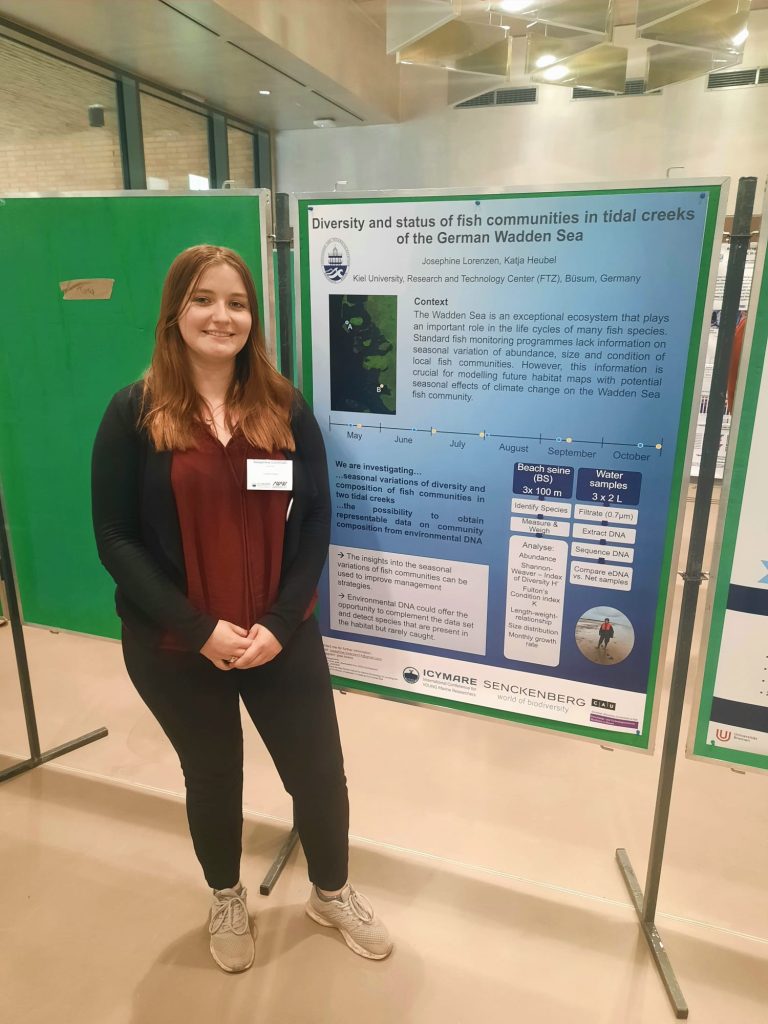
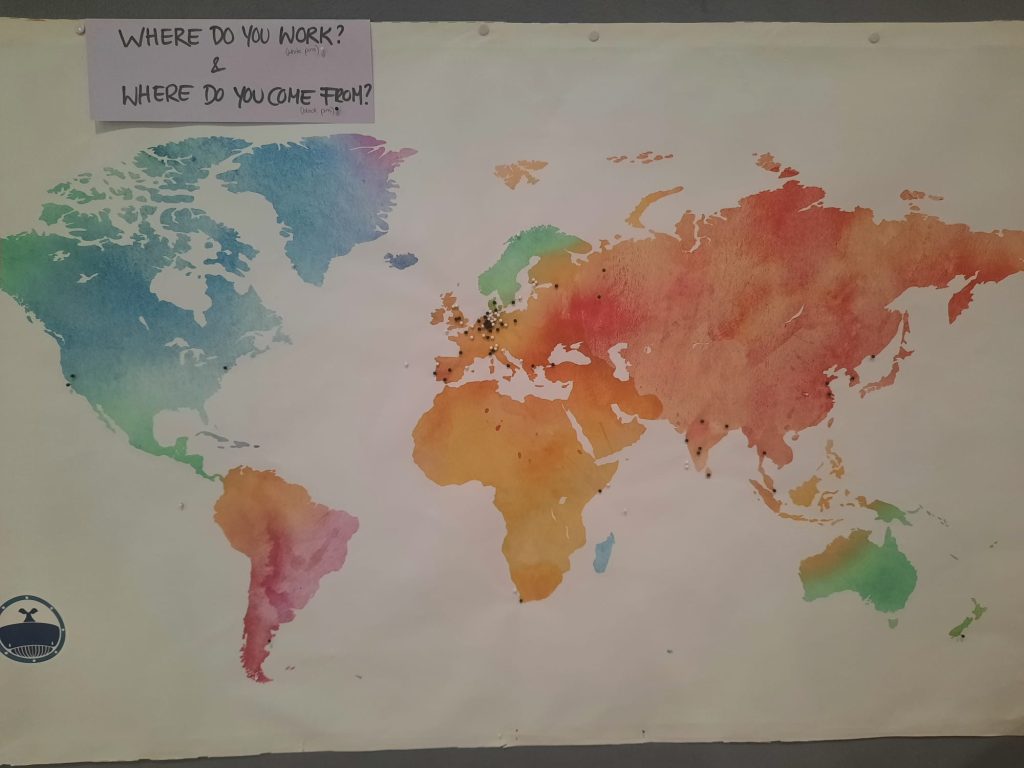
The FYORD travel grant made it possible for me to attend the ICYMARE conference in Bremen, where I presented my research plan in a poster session. The conference took place from September 15th to 20th and generally addresses early career researchers in the field of marine sciences. Most of the participants were PhD students, some recently graduated Postdocs and some master students. The conference started with a get-together for drinks and snacks at the Bremen Overseas Museum and was followed by four days full of interesting talks, a poster session, excursions and ended with a big party. Each day started with a keynote talk held by experienced scientists. What I really enjoyed about this was that most of the talks were interactive and presented a range of career options following a degree in marine sciences. I really had the impression that all these talks were conceptualized to provide guidance, valuable insights and reassurance to young researchers like me. My favorite keynote talk was about merging “Constructive Journalism” and Research for the Greater Good by Christoph Sodemann from the company Constructify.Media, mostly because I have never heard of the concept of “Constructive Journalism”, and I feel like that is exactly what the world needs more of right now. The rest of the day was filled with a variety of presentations, always in two parallel sessions, so that there was always an interesting talk to listen to. There were coffee breaks and a lunch break each day, where you could network or take a look at the posters or enjoy some time in the creative corner, where you could express your passion for marine science and more in little artworks for everyone to see or for you to take home. Every day after lunch, there was a so-called “round table”, where we could hear and talk about topics that are important to us, for example, mental health during a PhD or how to handle conflicts at your workplace.
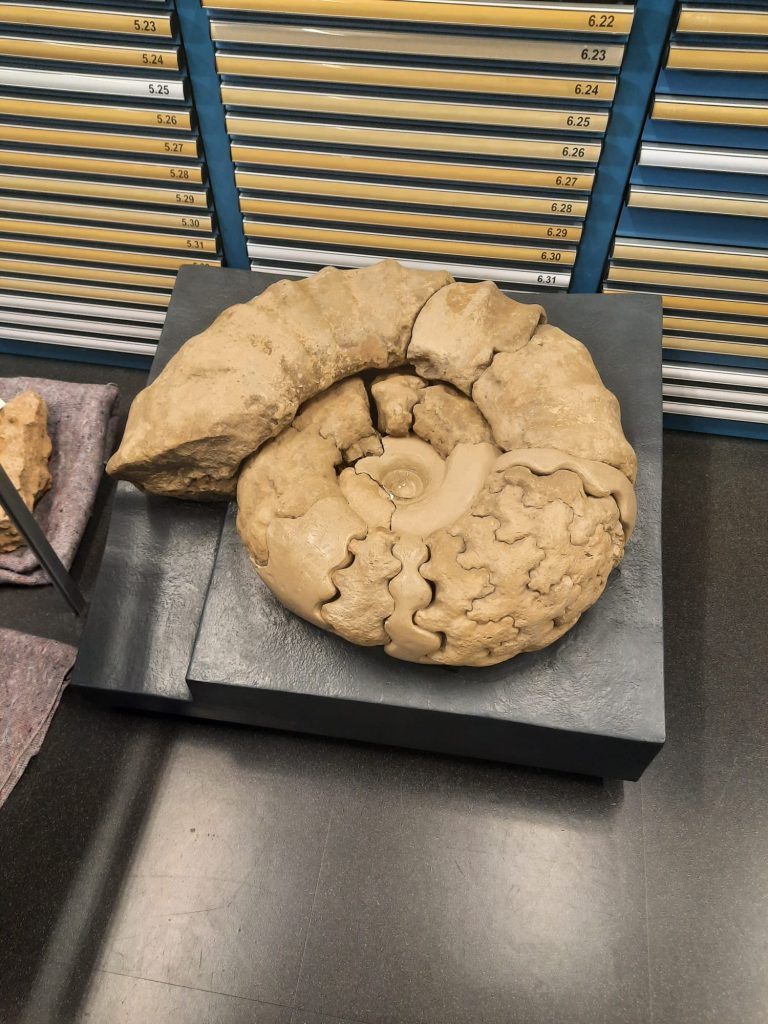
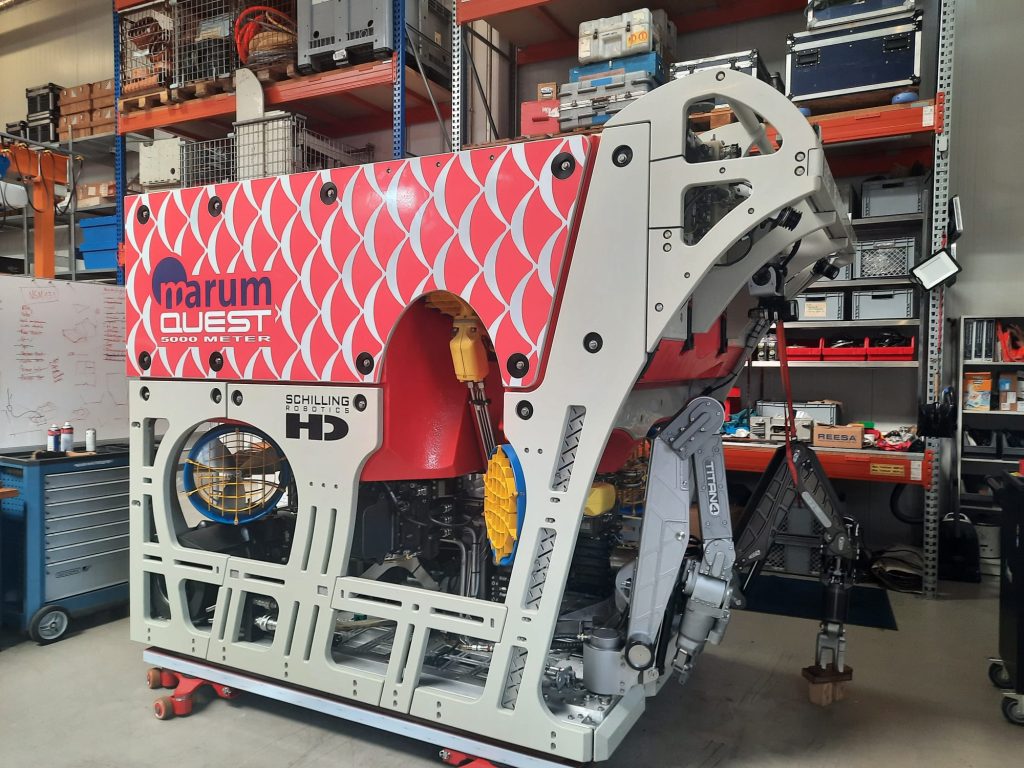
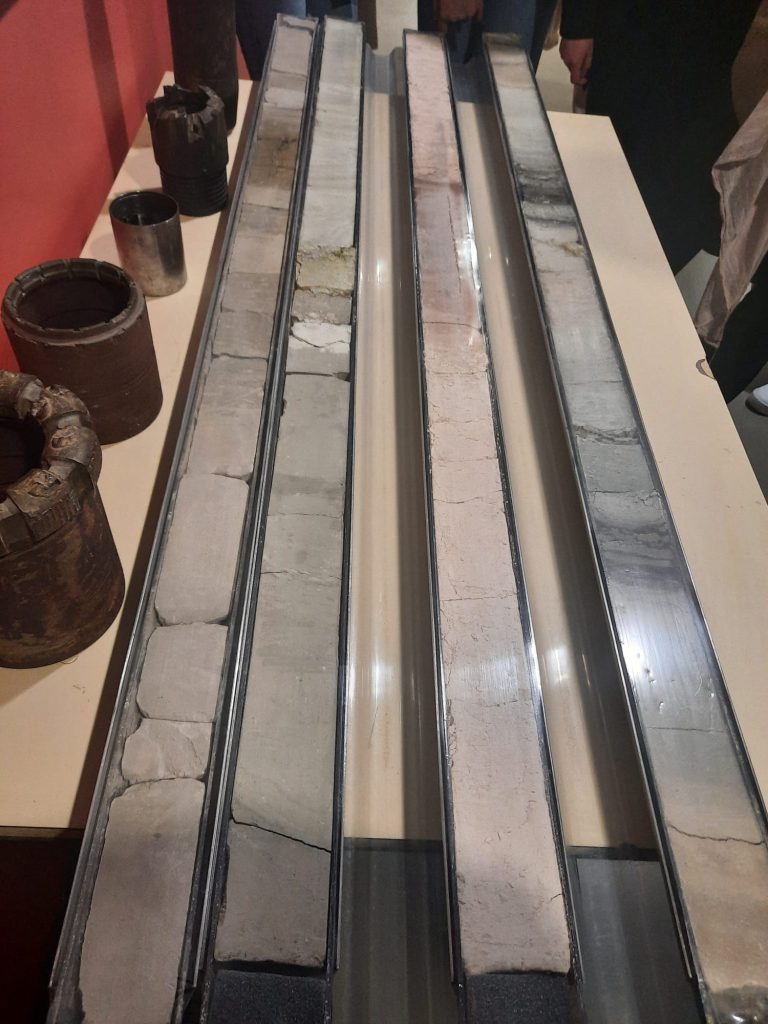
On the second day of the conference, the evening was reserved for the poster session, where I got to present my research for the first time alongside approximately 30 other young scientists. Each presenter was standing next to their poster, ready to answer questions or guide you through the poster. It was a great experience and made me feel more confident about my research. I got to talk to many people, some who work on similar projects, or some who come from a completely different background. This way, I learned how to adjust my presentation to the person who is listening based on what questions they ask. And while it was very exciting, I was also telling the same story over and over again to different people until after two hours of talking, my throat hurt, and I decided to take a look at the other posters and presenters before I headed back to my hostel. The afternoon of the third day was reserved for workshops and excursions. The workshops introduced either technologies, for example for pCO2, pH or acoustic measurements, or aimed to improve skills such as navigating peer review processes or introduced different paths, for example as a data scientist or scientific journalist. I decided to go on one of the excursions that was highly recommended to me, the guided tour through the MARUM, the Bremen core repository of the International Ocean Discovery Program (IODP) and the Geosciences Collection of the University of Bremen. For the evening, a Science Speed Meeting was organized where you could meet other scientists and possibly make some new friends. On Friday evening, the conference was then closed with a Farewell and a Post-Conference Party.

Overall, this was a great experience that increased my confidence in my research and career choice, gave me the opportunity to meet many great people and to gain insights into what is possible after I graduate. What makes this conference so special is that it is mostly organized by young scientists for young scientists, which is reflected in the structure of the conference and the price tag, making it accessible to students. I am definitely going to be in Bremerhaven for the ICYMARE 2025. If you, the reader, are standing at the beginning of your career in marine research, I would highly recommend you come, too.
Josephine Lorenzen
Sea-Level Rise and Vulnerability in Seychelles
My name is Kim Nierobisch. During my studies, I developed a focus on interdisciplinary marine science, completing a Bachelor of Arts in Political Science/Sociology and a Bachelor of Science in Geography, both with a strong emphasis on marine topics. Currently, I am pursuing my Master’s degree in Practical Philosophy of Economy and Environment.
Climate and coastal adaptation planning often operate within a more technical framework, while social, political, cultural, and normative dimensions tend to be sidelined. Beyond the question of who decides where and to what extent adaptation occurs, the normative dimension plays a fundamental role – namely, the essential question of what coastal communities define as worth protecting. My master’s thesis explores the intersection of sea-level rise and vulnerability in Seychelles. Specifically, I analyze how normative values shape coastal adaptation priorities by examining government documents to identify both explicit and implicit strategies. In this context, normative values are understood as collectively held beliefs about what should be prioritized, preserved, or pursued. They reflect societal judgments about what is considered good, just, or desirable. During the workshop, I had the opportunity to reflect on these findings. As part of a focus group discussion, I explored the normative dimension of coastal adaptation priorities more deeply, allowing me to better understand and contextualize normative values, which resonate in decision-making but remain underexamined.
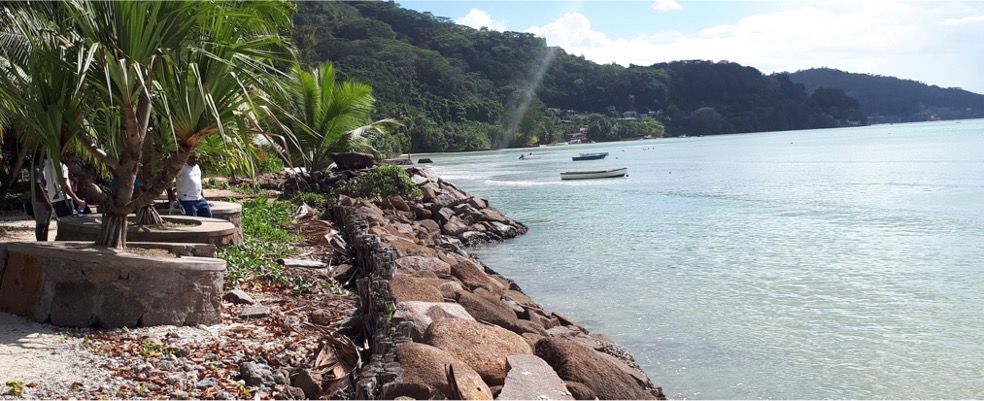
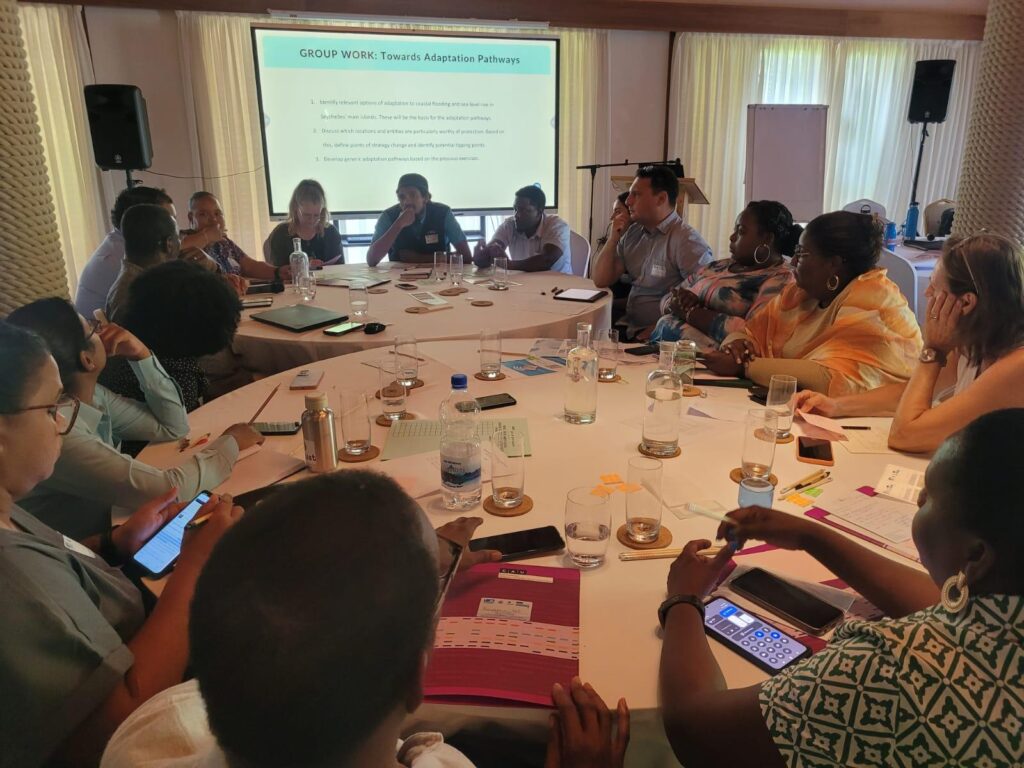
The workshop on Sea-Level Rise Impacts in Seychelles 2024 was organized by the adjust team from Kiel University, the Ministry of Agriculture, Climate Change and Environment (Seychelles), and Sustainability for Seychelles. It brought together stakeholders mainly representing government organizations, environmental consultants, and nature conservation groups. The workshop combined inter- and transdisciplinary approaches to analyze the impacts of sea-level rise in Seychelles, assess coastal adaptation options, and discuss various strategies and priorities.
The process of analyzing and extracting normative values was quite challenging. Although normative values were not explicitly named or fully recognized within a technical dominant framework, they were clearly present and influenced coastal adaptation planning. This underscores the importance of more deeply integrating social, political, cultural, and normative dimensions into research and planning processes. Inter- and transdisciplinary formats have their limits (which should always be defined), but they remain valuable approaches because they provide a more holistic understanding of complex issues. A key takeaway from my experience was understanding that such collaboration requires continuous dialogue and exchange to overcome barriers between different perspectives. It takes a lot of time, effort, and persistence, especially due to the different epistemologies – different ways of knowing and understanding the world, which are shaped by different disciplines, cultures, and experiences – involved.
Additionally, I had the opportunity to strengthen dialogue and cooperation within the UN Ocean Decade framework. The initiative was officially endorsed as an UN Ocean Decade activity, focusing on research and planning that promotes sustainable ocean governance through interdisciplinary, transdisciplinary, and integrative approaches. As the youngest member of the German UN Ocean Decade Committee, I recognize the urgency of addressing current challenges, such as the 1.5°C target (which is at risk of failing) and the limited progress on the Sustainable Development Goals (with only around 16% expected to be achieved by 2030). Dialogue, particularly among young ocean enthusiasts and early career ocean professionals, is necessary to tackle these challenges and build a sustainable future together. These conversations offered an important opportunity to promote solidarity, mutual support, and shared motivation in a time of uncertainty regarding global climate and ocean-related goals.
THANK YOU! I am deeply grateful for the many meaningful encounters with incredible people, inspiring moments, and the fruitful, critical exchanges that took place in Seychelles. I would like to sincerely thank the FYORD team and the OceanVoices blog for their long-standing support and collaboration.
Kim Nierobisch
The ASLO Aquatic Sciences Meeting
My name is Mariana Hill, and I work at the Biogeochemical Modelling group at GEOMAR. I’ve been at GEOMAR since 2016, when I started my Master’s degree. Currently, I do my own research in collaboration with other members of GEOMAR and institutes overseas. I am interested in modelling higher trophic levels, such as fish, sharks and whales, and their interactions with the environment. For this, I use diverse tools, for example, dynamic models such as the individual-based multispecies model OSMOSE, as well as habitat niche models using statistical and machine learning algorithms. I work with regional models, allowing me to study in detail local ecosystems. For my doctorate, I focused on the northern Humboldt Current System, which hosts the most productive fishery on the planet. During the postdoc, I have expanded my expertise to other ecosystems such as the western Baltic Sea, the North Atlantic Ocean and the Mexican Pacific.
I attended the ASLO Aquatic Sciences Meeting in Charlotte, USA, from the 26th to the 31st of March. I presented our latest work modelling the habitat of Peruvian anchovies in the northern Humboldt Current System. This conference gathers every two years researchers working on ocean sciences and limnology from all over the world. While there’s room in the conference for scientists working in all kinds of aquatic fields, biogeochemistry and marine biology are especially well covered. I presented at the “Leveraging Modelling Approaches to Understand and Mitigate Global Change Impacts on Aquatic Ecosystems” session, which was one of the largest in the conference, spanning a whole day. This session brought together modellers from several disciplines, so I got the chance to learn about new ecological models that I had not heard of, such as the structural casual models. I was also impressed by the level of expertise of some really young scientists, even in their Bachelor’s. I found it an interesting experience that, despite being an early career scientist, in this conference, I took more of a mentoring role for younger scientists in contrast to my previous conferences when I was still a student.
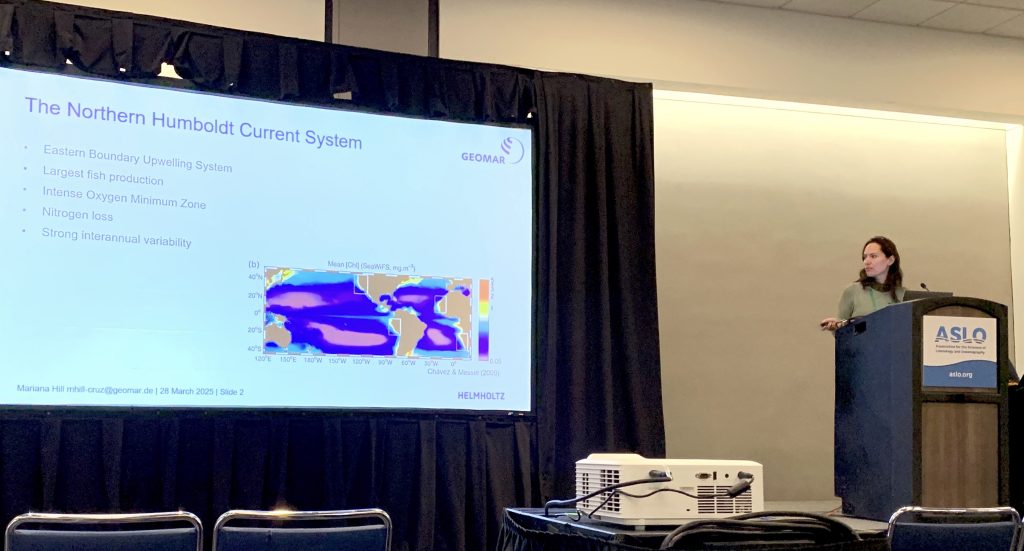
The ASLO conference is very friendly with students and early career researchers, providing plenty of opportunities for these groups, such as workshops on science communication and career development, social events, mentoring and even a mailing list for searching for shared accommodation. I got the chance to reconnect with another Master’s student from GEOMAR who is now working as a postdoc in Arizona and went for a hike in the Appalachian Mountains with some of her friends. The whole experience ended up with being invited to a new working group on Nitrogen. Another non-conventional exchange happened at the parking lot of our accommodation when everyone had to evacuate due to a false fire alarm, and my roommate and I met a senior scientist working in Texas who reminded us of the most basic questions of why we do science. Don’t just write proposals on the hot topics, “do what you love and your time will come”.
ASLO 2019 was the first conference that I attended when I started my doctorate. Back then, I found the possibility of chairing a session at a future conference attractive. Later on, I learnt that this is not such an easy task since you have to look for co-hosts and write a session proposal. However, this year, when I got my letter of acceptance to present at ASLO, I also got an invitation to chair one of the sessions that had been proposed by the organisers but did not have a host yet. I expressed my interest and became the chair of the “Fish and Fisheries” session! This was a very rewarding experience since I got to know the speakers of the session, as well as my co-chair, and I learnt what it is to be “on the other side of the table” during a session. I learnt some useful practices that I will apply from now on whenever I present at a conference session. For example, something I did not use to do but now I consider important is to introduce yourself to the session chair before the session starts. As a chair, I really appreciated this since I could identify the speakers and know if anyone was missing.


Keep an open mind when going to ASLO and step out of your comfort zone to visit not only the sessions related to your main research interest but also other sessions and workshops; you might get nice surprises. It is also a great setting for getting career advice from people who are not so close to you or are not involved in your work. Don’t be scared of talking to senior researchers, I have never encountered a person who is not happy to talk to me during a conference; in the worst-case scenario, you might just need to line up for a couple of minutes, but the time spent waiting is totally worth it! I have got some of the best ideas for my science communication strategies at conferences, from a scientist who was not very comfortable speaking English bringing a buffet of questions about his talk for the audience to pick from, to an improv workshop on how to speak freely and engage with the audience through a positive attitude hosted by a Hollywood actor. Always have a notebook for taking notes with you because your brain will be boiling with new ideas during the whole conference.
I recommend attending the ASLO conference, especially to early career researchers, to biologists and biogeochemists and to anyone looking for collaborations in the USA. A special recommendation for shy scientists is to try different ways of networking, not just the typical chats during the coffee breaks. For example, the icebreakers and mixers usually have specific formats to integrate everyone into small groups. Talking to the person sitting next to you during the plenary session might just get you to meet a top scientist in your field. This is how I got to know about a new project on whale monitoring in the Virgin Islands! Furthermore, asking questions one-to-one to the presenter after the session or plenary is also a great way to start a conversation. And, finally, I totally recommend any early career scientist to host a session; it is a lot of fun and, at least in ASLO, the format is so friendly that it will cost you barely any effort.
Mariana Hill

Ocean Acidification
Dr Heidarzadeh’s TV interview with SkyNews on the massive M7.7 Panama earthquake on 9 October 2026
Dr Heidarzadeh’s TV interview with SkyNews on the massive M7.7 Panama earthquake on 9 October 2026. Click here for the full story.
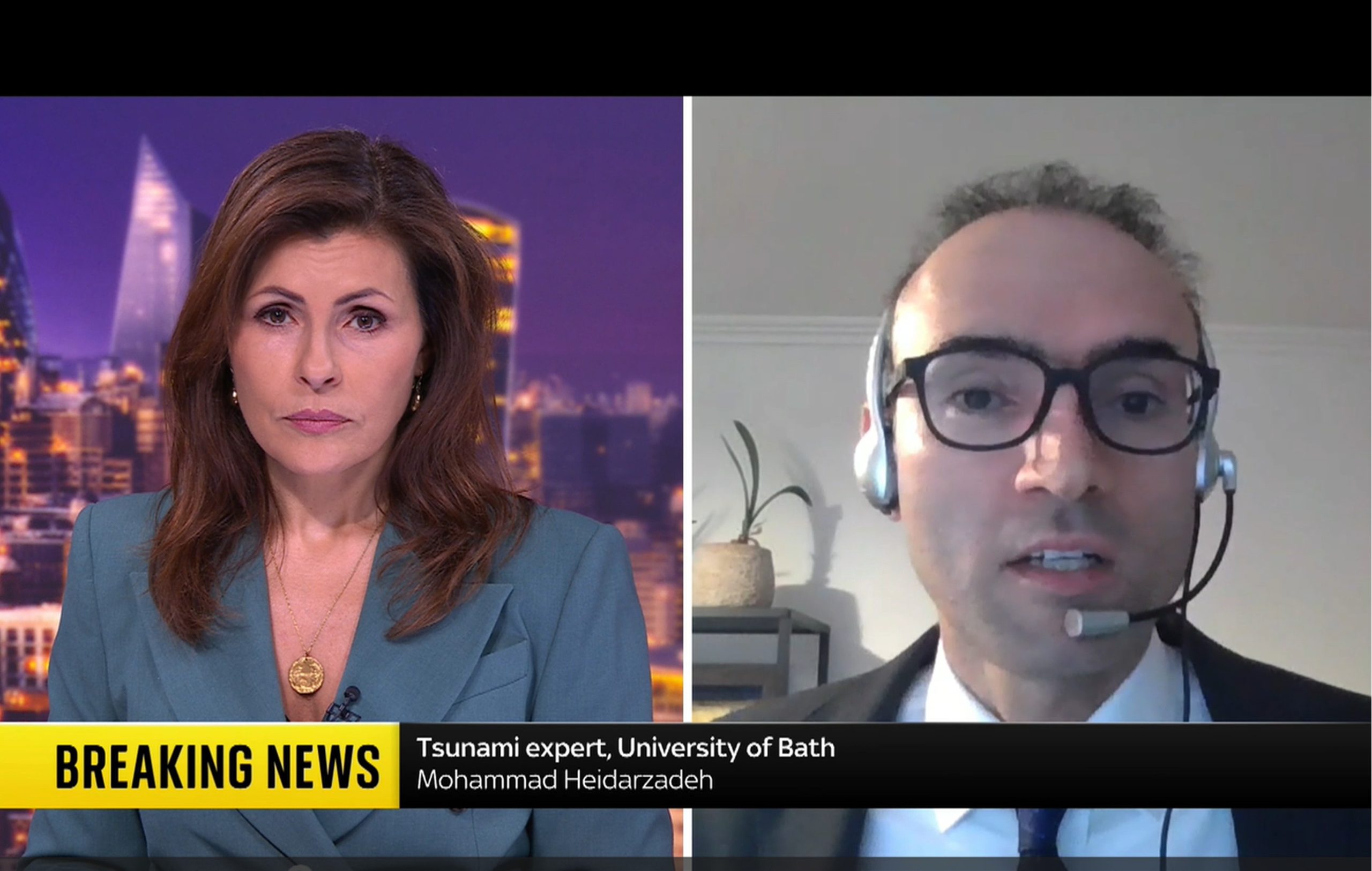
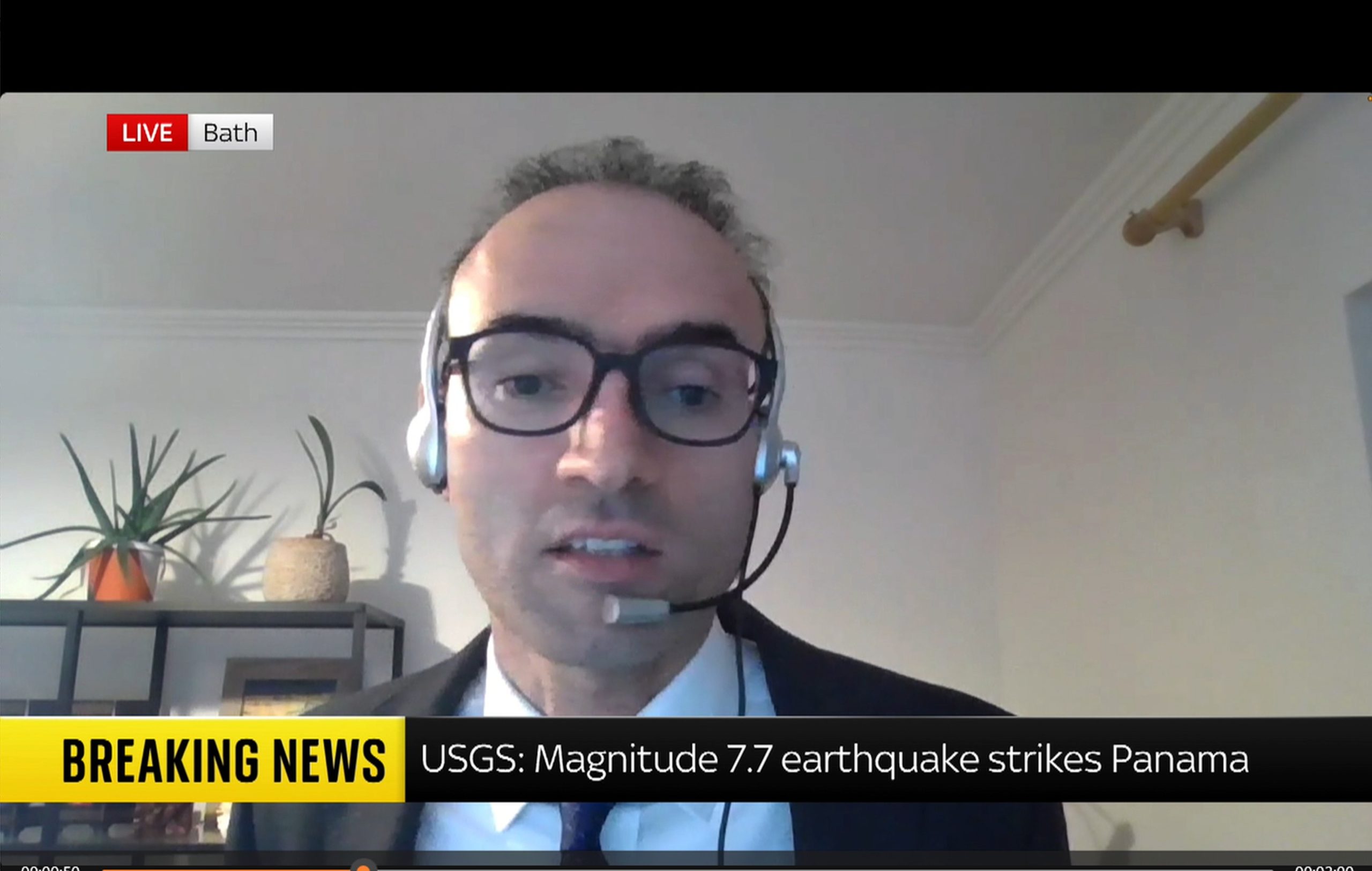
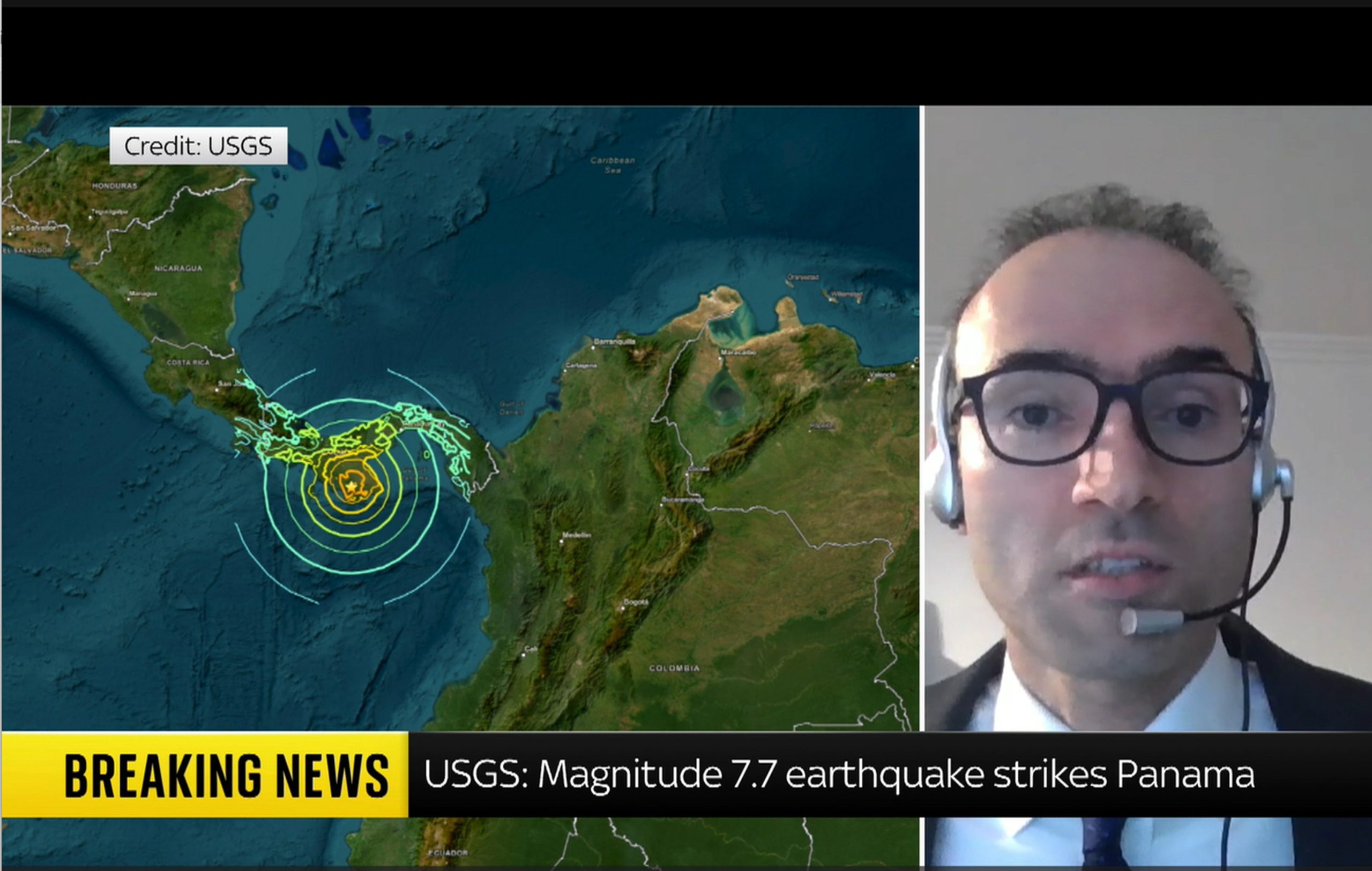
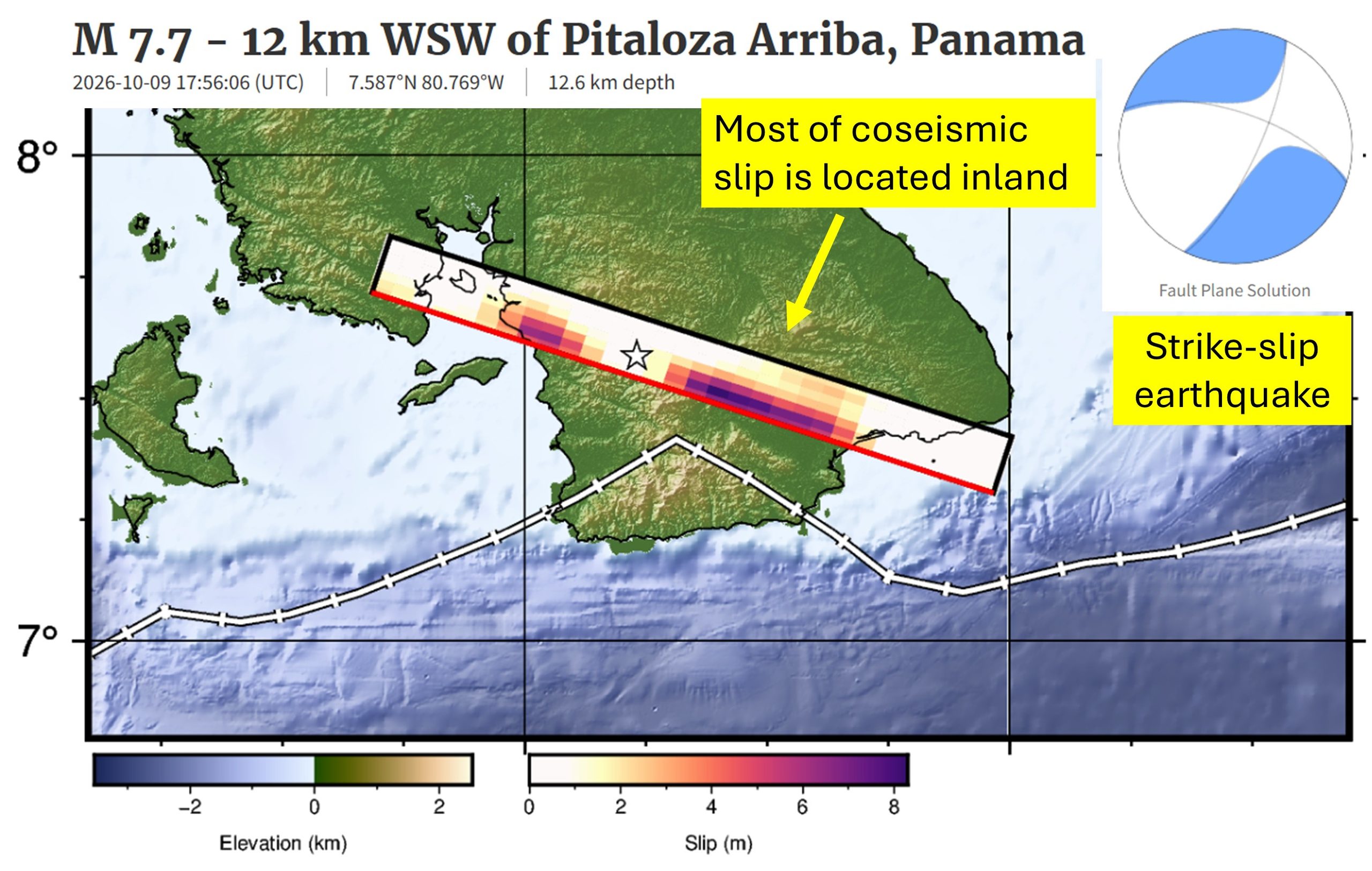
Dr Heidarzadeh’s TV interview with SkyNews on the massive M7.7 Panama earthquake on 9 October 2026
Our ocean is an incredibly vast and mysterious place. And there is no place where that is more evident than the deepest ocean area in the world: the legendary Mariana Trench. Located east of the Philippines, the Mariana Trench lies in the Mariana Archipelago in the western portion of the North Pacific. The greater area of the Mariana Trench Marine National Monument is made up of more than 95,000 square miles of ocean. Beneath these waters lie incredibly complex aggregations of submerged islands and volcanoes … and of course, an astoundingly massive trench.
Dive in with us to have your biggest questions answered about the famed Mariana Trench.
How deep is the Mariana Trench?
The deepest part of the Mariana Trench, known as Challenger Deep, is almost 36,000 feet below the ocean’s surface. For context, Mount Everest is about 29,000 feet above sea level, so the Mariana Trench is about 7,000 feet deeper than Mount Everest is tall. For one more comparison, the RMS Titanic lies at a depth of about 12,500 feet below sea level. The Challenger Deep is in waters nearly three times deeper than this ship’s final resting place.
Due to its enormous size, the Mariana Trench has at times been affectionately nicknamed the Grand Canyon of the ocean. This is certainly a picturesque image, but don’t let the mammoth size of this U.S. national terrestrial park fool you into thinking the Mariana Trench matches its size. The trench’s footprint is estimated to be 120 times larger than the Grand Canyon’s, and to reach the bottom of Challenger Deep, you’d need to descend through almost six Grand Canyons stacked on top of each other before you’d reach the seafloor.
Oh … and did we mention it’s five times wider than it is deep? It’s about 43 miles wide!
What is Challenger Deep, and how long would it take to reach it?
Challenger Deep is the deepest point of the Mariana Trench. Fewer than 30 people have ever journeyed to this area. The trek below the surface is long, dark and time-consuming, and it’s not an expedition considered lightly by scientists and explorers.
The first people to descend into the depths of this area in 1960 were oceanographers Jacques Piccard and Don Walsh, and it took them close to five hours to reach Challenger Deep. Since then, more advanced submersibles have been created, but it still takes two to four hours for modern vessels to reach such depths. For example, explorer and filmmaker James Cameron reached the seafloor in a little more than 2.5 hours in the first documented solo submarine dive to the area, and it took oceanographer Dr. Dawn Wright about four hours in 2022. It is crucial that these submersibles descend slowly and steadily beneath the surface, as the immense water pressure compounds with every mile a submersible descends. Speaking of pressure …
Get Ocean Updates in Your Inbox
Sign up with your email and never miss an update.
What is the water pressure at the bottom of the Mariana Trench?
If you thought the depth of the Mariana Trench was its only jaw-dropping feature, think again. Water pressure is one of the most important factors affecting deep-sea life. In the ocean, pressure increases by one atmosphere for every 33 feet (10 meters) of depth. One atmosphere (a unit of measurement for pressure equivalent to average air pressure at sea level) is equal to about 14.7 pounds per square inch (PSI), which is the approximate standard atmospheric pressure at sea level. If you were to convert atmospheric pressure into weight, one atmosphere is about the weight of a bowling ball. Stay with me, friends.
If a vessel were to dive 2,000 feet below the surface, the pressure would equal that of 60 bowling balls stacked atop every square inch of that submersible. But 60 bowling balls is simply nothing compared to the pressure in the Mariana Trench. The atmospheric pressure at the depths of Challenger Deep is equal to about 16,000 PSI. That pressure is about the same as the weight of an entire full-grown elephant on every square inch of a submersible!
Need a more extreme comparison? If a human were to be placed at the bottom of the Mariana Trench, the pressure would be equal to that of 50 jumbo jets piled on top of a person!
Do any animals live in the Mariana Trench?
The depths of the Mariana Trench come with immense pressure and extreme darkness, but somehow, life finds a way to survive. Organisms that live at an extreme depth, like that of Challenger Deep, have to be highly adapted to low temperatures (typically just above freezing), high pressure and virtually no light at all.
Species found in the depths of the Mariana Trench might look vastly different from animals from other ocean depths because their anatomy has been refined to thrive in harsh conditions. At such great depths, these animals typically depend on chemosynthesis (using nutrient-rich waters being pumped out of hydrothermal vents) or descending detritus (dead matter that has fallen from higher parts of the ocean) for food, such as whale falls. Just a handful of these animals include species of octopuses and squids, sea cucumbers, amphipods, sea jellies, shrimp, sea worms and some wild-looking fish!
In 2025, more than 7,000 new species were discovered in the Mariana Trench, including the hadal snailfish (Pseudoliparis swirei). This is the deepest-dwelling fish currently known to science. Now, the fish has been dubbed “the Mariana snailfish.”