

Welcome to Carbon Brief’s DeBriefed.
An essential guide to the week’s key developments relating to climate change.
This week
Deadly floods in Asia
MOUNTING DEVASTATION: The Associated Press reported that the death toll from catastrophic floods in south-east Asia had reached 1,500, with Indonesia, Sri Lanka and Thailand most affected and hundreds still missing. The newswire said “thousands” more face “severe” food and clean-water shortages. Heavy rains and thunderstorms are expected this weekend, it added, with “saturated soil and swollen rivers leaving communities on edge”. Earlier in the week, Bloomberg said the floods had caused “at least $20bn in losses”.
CLIMATE CHANGE LINKS: A number of outlets have investigated the links between the floods and human-caused climate change. Agence France-Presse explained that climate change was “producing more intense rain events because a warmer atmosphere holds more moisture and warmer oceans can turbocharge storms”. Meanwhile, environmental groups told the Associated Press the situation had been exacerbated by “decades of deforestation”, which had “stripped away natural defenses that once absorbed rainfall and stabilised soil”.
‘NEW NORMAL’: The Associated Press quoted Malaysian researcher Dr Jemilah Mahmood saying: “South-east Asia should brace for a likely continuation and potential worsening of extreme weather in 2026 and for many years.” Al Jazeera reported that the International Federation of Red Cross and Red Crescent Societies had called for “stronger legal and policy frameworks to protect people in disasters”. The organisation’s Asia-Pacific director said the floods were a “stark reminder that climate-driven disasters are becoming the new normal”, the outlet said.
Around the world
- REVOKED: The UK and Netherlands withdrew $2.2bn of financial backing from a controversial liquified natural gas (LNG) project in Mozambique, Reuters reported. The Guardian noted that TotalEnergies’ “giant” project stood accused of “fuelling the climate crisis and deadly terror attacks”.
- REVERSED: US president Donald Trump announced plans to “significantly weaken” Biden-era fuel efficiency requirements for cars, the New York Times said.
- RESTRICTED: EU leaders agreed to ban the import of Russian gas from autumn 2027, the Financial Times reported. Meanwhile, Reuters said it is “likely” the European Commission will delay announcing a plan on auto sector climate targets next week, following pressure to “weaken” a 2035 cut-off for combustion engines.
- RETRACTED: An influential Nature study that looked at the economic consequences of climate change has been withdrawn after “criticism from peers”, according to Bloomberg. [The research came second in Carbon Brief’s ranking of the climate papers most covered by the media in 2024.]
- REBUKED: The federal government of Canada faced a backlash over an oil pipeline deal struck last week with the province of Alberta. CBC News noted that First Nations chiefs voted “unanimously” to demand the withdrawal of the deal and Canada’s National Observer quoted author Naomi Klein as saying that the prime minister was “completely trashing Canada’s climate commitments”.
- RESCHEDULED: The Indonesian government has cancelled plans to close a coal plant seven years early, Bloomberg reported. Meanwhile, Bloomberg separately reported that India is mulling an “unprecedented increase” in coal-power capacity that could see plants built “until at least 2047”.
$518 billion a year
The projected coastal flood damages for the Asia-Pacific region by 2100 if current policies continue, according to a Scientific Reports study covered this week by Carbon Brief.
Latest climate research
- More than 100 “climate-sensitive rivers” worldwide are experiencing “large and severe changes in streamflow volume and timing” | Environmental Research Letters
- Africa’s forests have switched from a carbon sink into a source | Scientific Reports
- Increasing urbanisation can “substantially intensify warming”, contributing up to 0.44C of additional temperature rise per year through 2060 | Communications Earth & Environment
(For more, see Carbon Brief’s in-depth daily summaries of the top climate news stories on Monday, Tuesday, Wednesday, Thursday and Friday.)
Captured
A new target for developed nations to triple adaptation finance by 2035, agreed at the COP30 climate summit, would not cover more than a third of developing countries’ estimated needs, Carbon Brief analysis showed. The chart above compares a straight line to meeting the adaptation finance target (blue), alongside an estimate of countries’ adaptation needs (grey), which was calculated using figures from the latest UN Environmental Programme adaptation gap report, based on countries’ UN climate plans (called “nationally determined contributions” or NDCs) and national adaptation plans (NAPs).
Spotlight
Inclusivity at the IPCC
This week, Carbon Brief speaks to an IPCC lead author researching ways to improve the experience of global south scientists taking part in producing the UN climate body’s assessments.
Hundreds of climate scientists from around the world met in Paris this week to start work on the Intergovernmental Panel on Climate Change’s (IPCC’s) newest set of climate reports.
The IPCC is the UN body responsible for producing the world’s most authoritative climate science reports. Hundreds of scientists from across the globe contribute to each “assessment cycle”, which sees researchers aim to condense all published climate science over several years into three “working group” reports.
The reports inform the decisions of governments – including at UN climate talks – as well as the public understanding of climate change.
The experts gathering in Paris are the most diverse group ever convened by the IPCC.
Earlier this year, Carbon Brief analysis found that – for the first time in an IPCC cycle – citizens of the global south make up 50% of authors of the three working group reports. The IPCC has celebrated this milestone, with IPCC chair Prof Jim Skea touting the seventh assessment report’s (AR7’s) “increased diversity” in August.
But some IPCC scientists have cautioned that the growing involvement of global south scientists does not translate into an inclusive process.
“What happens behind closed doors in these meeting rooms doesn’t necessarily mirror what the diversity numbers say,” Dr Shobha Maharaj, a Trinidadian climate scientist who is a coordinating lead author for working group two (WG2) of AR7, told Carbon Brief.
Global south perspective
Motivated by conversations with colleagues and her own “uncomfortable” experience working on the small-islands chapter of the sixth assessment cycle (AR6) WG2 report, Maharaj – an adjunct professor at the University of Fiji – reached out to dozens of fellow contributors to understand their experience.
The exercise, she said, revealed a “dominance of thinking and opinions from global north scientists, whereas the global south scientists – the scientists who were people of colour – were generally suppressed”.
The perspectives of scientists who took part in the survey and future recommendations for the IPCC are set out in a peer-reviewed essay – co-authored by 20 researchers – slated for publication in the journal PLOS Climate. (Maharaj also presented the findings to the IPCC in September.)
The draft version of the essay notes that global south scientists working on WG2 in AR6 said they confronted a number of diversity, equity and inclusion (DEI) issues, including “skewed” author selection, “unequal” power dynamics and a “lack of respect and trust”. The researchers also pointed to logistical constraints faced by global south authors, such as visa issues and limited access to journals.
The anonymous quotations from more than 30 scientists included in the essay, Maharaj said, are “clear data points” that she believes can advance a discussion about how to make academia more inclusive.
“The literature is full of the problems that people of colour or global south authors have in academia, but what you don’t find very often is quotations – especially from climate scientists,” she said. “We tend to be quite a conservative bunch.”
Road to ‘improvement’
Among the recommendations set out in the essay are for DEI training, the appointment of a “diversity and inclusion ombudsman” and for updated codes of conduct.
Marharaj said that these “tactical measures” need to occur alongside “transformative approaches” that help “address value systems, dismantle power structures [and] change the rules of participation”.
With drafting of the AR7 reports now underway, Maharaj said she is “hopeful” the new cycle can be an improvement on the last, pointing to a number of “welcome” steps from the IPCC.
This includes holding the first-ever expert meeting on DEI this autumn, new mechanisms where authors can flag concerns and the recruitment of a “science and capacity officer” to support WG2 authors.
The hope, Maharaj explained, is to enhance – not undermine – climate science.
“The idea here was to move forward and to improve the IPCC, rather than attack it,” she said. “Because we all love the science – and we really value what the IPCC brings to the world.”
Watch, read, listen
BROKEN PROMISES: Climate Home News spoke to communities in Nigeria let down by the government’s failure to clean up oil spills by foreign companies.
‘WHEN A ROAD GOES WRONG’: Inside Climate News looked at how a new road from Brazil’s western Amazon to Peru has become a “conduit for rampant deforestation and illegal gold mining”.
SHADOWY COURTS: In the Guardian, George Monbiot lamented the rise of investor-state dispute settlements, which he described as “undemocratic offshore tribunals” that are already having a “chilling effect” on countries’ climate ambitions.
Coming up
- 1-12 December: UN Environment Assembly 7, Nairobi, Kenya
- 7 December: Hong Kong legislative elections
- 11 December: Falkland Islands legislative assembly elections
Pick of the jobs
- Greenpeace International, engagement manager – climate and energy | Salary: Unknown. Location: Various
- The Energy, newsletter editor | Salary: Unknown. Location: Australia (remote)
- University of Groningen, PhD position in motivating people to contribute to societal transitions | Salary: €3,059-€3,881 per month. Location: Groningen, the Netherlands
DeBriefed is edited by Daisy Dunne. Please send any tips or feedback to debriefed@carbonbrief.org.
This is an online version of Carbon Brief’s weekly DeBriefed email newsletter. Subscribe for free here.


The post DeBriefed 5 December: Deadly Asia floods; Adaptation finance target examined; Global south IPCC scientists speak out appeared first on Carbon Brief.

Next week, diplomats from around the world will descend on Yerevan, Armenia, to negotiate a series of decisions under the UN Convention on Biological Diversity (CBD).
Between 19 and 30 October, 196 parties will gather to hammer out the precise wording of the dozens of legal texts that make up the decisions under the Conference of the Parties (COP) to the CBD.
This year’s summit is particularly significant, as it marks the halfway point between the agreement of the Kunming-Montreal Global Biodiversity Framework and the deadline for achieving its targets.
The CBD has found that countries are currently not on track to meet 22 out of the framework’s 23 targets.
During the fortnight, delegates will also be negotiating decisions relating to the two supplemental protocols to the CBD: the Cartagena Protocol, which covers biosafety; and the Nagoya Protocol, which covers access and benefit-sharing for the use of genetic resources.
(The Cartagena and Nagoya Protocols, which are each governed by a “meeting of the parties”, or “MOP”, have fewer parties than the CBD as a whole, with 173 and 141, respectively.)
Carbon Brief is tracking the progress of countries towards consensus on dozens of negotiating texts using the interactive table below.
The tracker includes texts from the COP, as well as the MOPs for the Cartagena and Nagoya protocols. It also includes draft decisions from the most recent subsidiary body meetings, as these form the starting point for the negotiations in Yerevan.
The CBD has three subsidiary bodies: the subsidiary body on scientific, technical and technological advice (SBSTTA), the subsidiary body on implementation (SBI) and the subsidiary body on article 8(j) and other provisions (SB8J).
SB8J focuses on issues related to the Indigenous peoples and local communities. It was established at COP16 in Cali, Colombia, in 2024.
The first two columns of the interactive tracker list the topic of each agenda item and the relevant body, with subsequent columns including dates, page counts and links to the original documents.
The table is searchable and can be sorted using the arrows in the header.
Areas of disagreement in UN draft texts are denoted by square brackets. Counting the brackets in a particular iteration of a text therefore gives a sense of how far parties are from reaching consensus.
The bracket column is colour-coded, with dark green indicating a low number of brackets and red indicating a high number of brackets remaining.
Texts can also present parties with choices using “options” or alternatives (“alt”), which are counted together in the sixth column of the table.
The key discussions in Yerevan will centre around two agenda items in particular. The first is the global review, which will assess progress towards the GBF and make recommendations for accelerating action.
The second is finance, which can be separated into two parts: resource mobilisation and the financial mechanism. On resource mobilisation, biodiverse global south countries are likely to push for an increased amount of international finance for conservation.
Disagreement over the creation of the financial mechanism led to the suspension of COP16 in Cali in October 2024, as parties failed to find agreement on the mobilisation of finance before the end of the summit.
Global south countries want the establishment of a separate financial mechanism under the control of the CBD; global north countries largely prefer to maintain the existing mechanism, which sits under the Global Environment Facility.
At the resumed session of COP16 in Rome in early 2025, countries agreed on a roadmap that would lead to the establishment of a permanent mechanism.
related
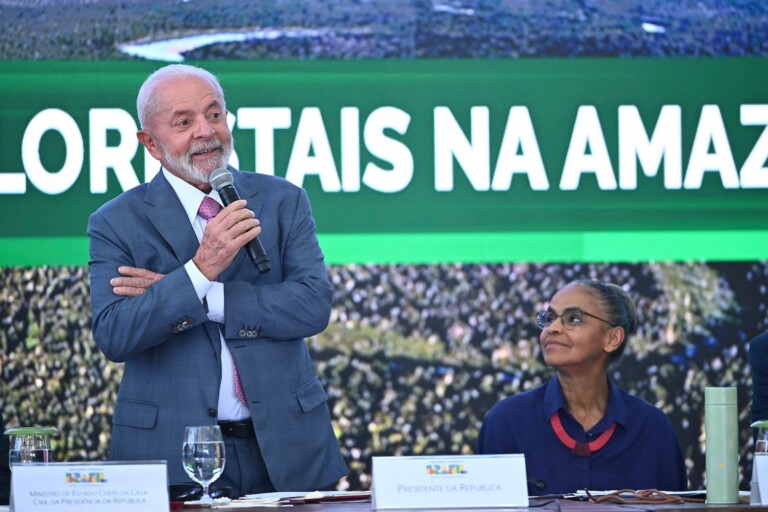
Analysis: Lula presidency saved at least 20,000km2 of Brazilian Amazon since 2022
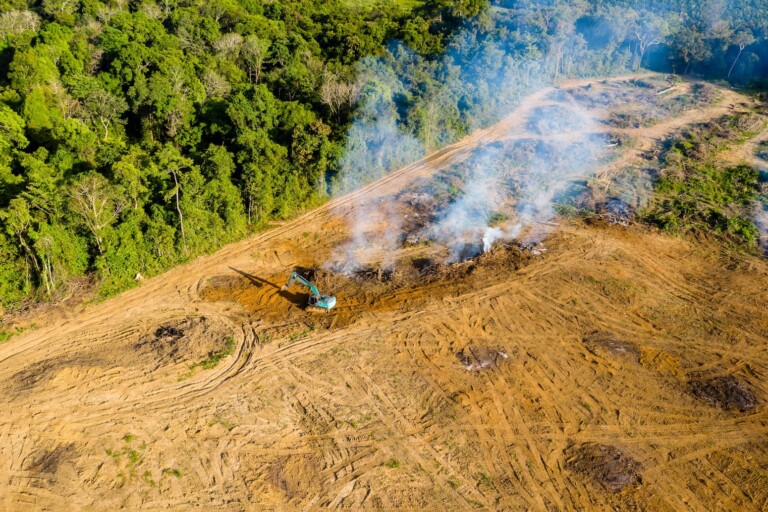
Why land-use emissions have fallen by a third this century – in six charts
Analysis: 84% of nations miss deadline to identify ‘nature-harming’ subsidies by 2025
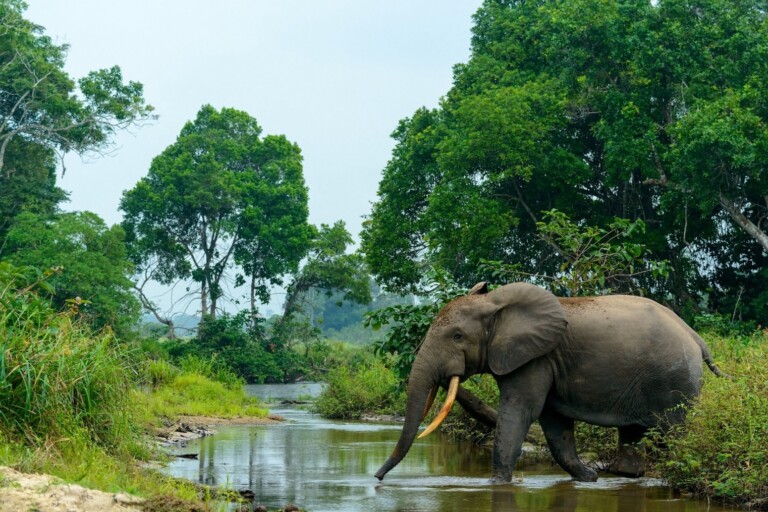
UK withdraws millions in funding from world’s second-largest rainforest in Congo
The post Interactive: Tracking negotiating texts at the COP17 biodiversity summit appeared first on Carbon Brief.
Interactive: Tracking negotiating texts at the COP17 biodiversity summit
A beacon of love
On an outer island of Fiji, two thousand nautical miles from Sydney, is a shining light of hope and resilience for our troubled world.
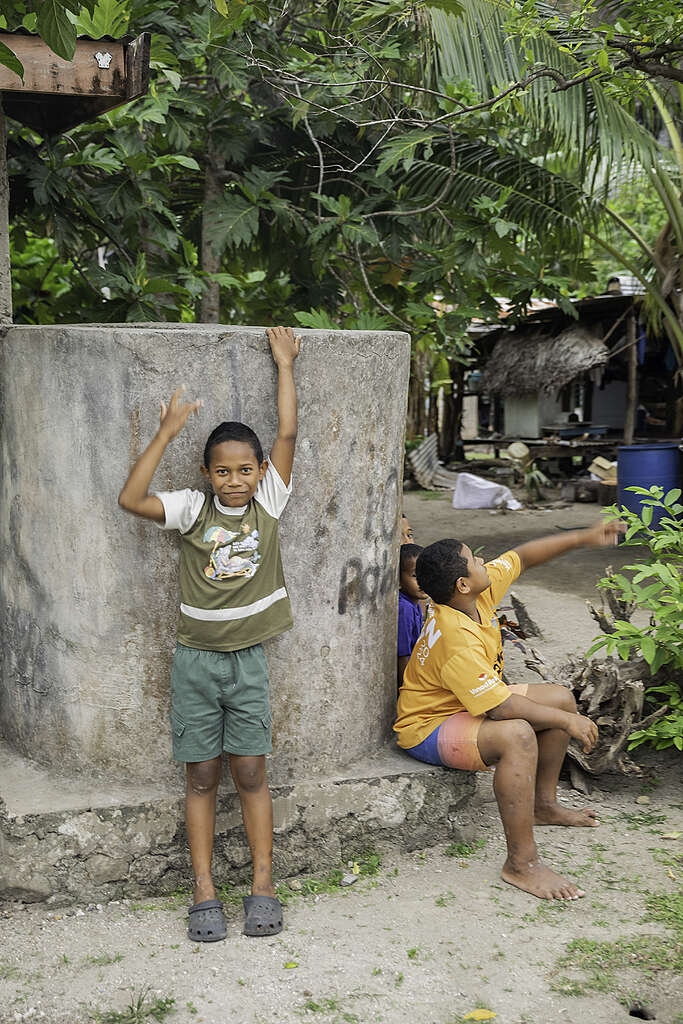
The island of Kioa is home to a Tuvaluan community who migrated from their atoll of Vaitupu in the late 1940s. It is a land of warm hearts, big smiles, and deep cultural roots; a place where the sound of a conch still summons the island together, where islanders paddle out to fish in carved outrigger canoes, and healthy happy children walk barefoot to school.
Here, culture is life. Kioans live sustainably through their traditional knowledge and practices. The island is alive with song, dance and the rhythms of a life tied to the tides, the winds, and the seasons.
Facing the future
Greenpeace has been lucky to have a relationship with Kioa for a number of years now, and we are continually learning from this remarkable community.
Last week, as part of our Voyaging Oceania project, we returned to the island. Our purpose was twofold —- to carry messages from the island to leaders gathering in Nadi this week for the Pacific Pre-COP, and to support the Kioa community in their efforts to improve water security for the island.
Unlike Tuvalu itself, with its eight atolls, Kioa is a mountainous, forested and richly fertile island. It will remain habitable far into the future. Kioans did not initially migrate from Vaitupu due to climate change, but the move was prophetic. They now have a lifeboat.
However, even Kioa faces challenges on our rapidly warming planet, in particular when it comes to water. Climate change is shifting once reliable rainfall patterns. On top of this, the island is already feeling the effect of this year’s intensifying El Niño event, which for Fiji means reduced rainfall and prolonged dry spells.
Right now, fresh water has to be carefully rationed, and is only available for a few hours a day. During last week’s visit aboard our campaigning ship Oceania, Greenpeace was privi