

This Election Day, November 5, 2024, Nashville voters have the chance to vote for a new transit program which will make it easier to get around and enjoy Music City. The transit ballot measure is a big opportunity to bring environmental and economic benefits to the city, not to mention saving drivers time spent in traffic. SACE encourages Nashvillians to vote FOR the measure.
Nashville is one of four of the largest metropolitan areas in the United States without dedicated funding for transit. The lack of funding shows: ask just about any Nashvillian how much time they waste stuck in traffic, and the response is resounding. In fact, a recent study found that Nashville, Tennesee has the worst commute in the entire nation, due in large part to the lack of investment in transportation infrastructure. The lack of dedicated funding is a self-perpetuating cycle as it has also prevented Nashville from being a competitive applicant for state and federal grants to help with the cost of implementing much needed transportation improvements.
As an influx of people continue to move into the area, the need for better transit infrastructure is extremely apparent.
According to Imagine Nashville’s public research, 90% of respondents in Davidson County want the city to prioritize investing in citywide public transportation.
Securing a dedicated funding source ensures that Nashville’s government won’t have to do it alone. If Nashville brings its own money to the table, the city can access $1.4 billion in matching funds from the federal government.
Upon taking office last year, Nashville Mayor Freddie O’Connell prioritized addressing the city’s transportation issues. The mayor and his team have produced an in-depth plan for improving how quickly Nashville residents can make their way around town, called Choose How You Move: Nashville’s Transportation Improvement Program. In developing the plan, Mayor O’Connell’s transit team considered recommendations from over 70 different plans proposed by local groups in the last 15 years, including neighborhood, citywide, and regional plans for improvements to transportation and mobility infrastructure; in addition to input from a technical and community advisory committee.
Plan Highlights:
The program focuses on improvements to “Sidewalks, Signals, Service, and Safety.” Some of the highlights include:
- Sidewalks: Building 86 miles of sidewalks and walkable paths, which will give people more travel choices and safer connections to school, work, and transit
- Signals: Updating close to 600 traffic lights in Nashville to include smart signal technology, which will reduce time spent at stop lights, fuel consumption, and dirty vehicle emissions, by managing traffic flow in real time
- Service: Expanding to 24-hour public transportation service 365 days a year and adding 12 new Transit Centers and 17 new Park & Ride facilities, which will give riders faster connections to Nashville neighborhoods and events without stopping downtown
- Safety: Improvements on 78 miles of the Vision Zero High-Injury Network, which will make Nashville’s most dangerous streets safer with additional sidewalks, lighting, and enhanced crossings

Proposed Transportation Improvement Locations. Source: “Choose How You Move: Nashville’s Transportation Improvement Program
Who Benefits:
If passed, the program will reduce transportation costs and make the city more accessible for everyone. Those who wish to see shorter commutes, more reliable public transportation, safer biking routes, and less pollution, will all benefit.
The largest share of Nashville’s climate-warming greenhouse gas emissions come from the transportation sector and passenger vehicles make up almost 59% of Nashville’s transportation emissions.
Reducing vehicle idling time with smarter traffic lights and providing everyone with a safe alternative to driving will improve the city’s air quality. With the addition of 39 miles of Green and Complete Streets, more street trees and green stormwater infrastructure will combat urban heat island effect, reduce flooding, and make Nashville more resilient, which is becoming ever more important as our climate changes.
Mayor O’Connell’s plan aims to make getting around all parts of the city easier for everyone who lives or commutes here. Nashville residents have felt the burden of rising housing costs in recent years, as housing becomes less affordable, residents move farther from the city core to lower their housing cost burden. The flip side of this is that as people move farther away, they end up needing to spend more on transportation to get to their jobs, go shopping, and go about their lives. Living in places farther away from the city core also reduces access to public transportation. Amazingly, the cost of transportation in Nashville is now nearly equal to the rising cost of housing. The mayor believes no one should have to choose between attainable housing and access to transit and opportunity.
The program includes development and deployment of innovative fare structures to incentivize transit use and make taking the bus more affordable for those who need it most.
The Ballot Referendum:
The next big step to realizing the benefits of the transportation improvement program is to secure a funding source to bring it about. That’s where the ballot measure comes in. The measure voters are asked to consider is a raise of one-half cent sales tax on every dollar spent in Nashville, bringing Davidson county’s combined state and local tax on par with surrounding counties.

Current sales tax rate for Davidson and surrounding counties. Raising the half-cent sales tax would bring Davidson County in line with most other nearby counties. Source: “Choose How You Move: Nashville’s Transportation Improvement Program
The half-cent sales tax increase would generate about $150 million per year to put toward the transportation improvement program, but equally importantly, this new revenue source enables the city to leverage additional funding to make the money go much further. Between potential grants and funding that the city could leverage and the 60% of sales tax in Nashville paid by out-of-town visitors, Nashville residents would actually only be paying 28 cents in sales tax for every dollar the city gets to invest into transportation. Put another way, Nashville residents receive almost $3-4 of benefits for every $1 invested. Even better, they will not have to wait years to see these ideas implemented. If voters approve the sales tax increase, revenue collection will begin February 1, 2025 and safety, sidewalk, and traffic improvements will follow within Year 1.

A breakdown of how Nashville residents’ sales tax revenue will be leveraged 3-4 times over. Source: “Choose How You Move: Nashville’s Transportation Improvement Program
SACE Encourages Nashvillians To Vote FOR The Measure
The transportation improvement program would reclaim hours of our lives taken up by traffic and reduce harmful tailpipe emissions that cause health problems and worsen the climate crisis. We at the Southern Alliance for Clean Energy see the transit referendum as a huge opportunity for Nashville residents to claim a better, healthier future and we urge voters to vote “FOR” the transportation improvement program.
To learn more about how the plan will be implemented in your neighborhood visit transit.nashville.gov
The post Cleaner Air and Less Traffic: Why We Are FOR the Nashville Transit Referendum appeared first on SACE | Southern Alliance for Clean Energy.
Cleaner Air and Less Traffic: Why We Are FOR the Nashville Transit Referendum

 Have you ever wondered why every dictator in human history follows the exact same playbook? Check this out
Plato nailed this 2400 years ago, and it’s been on “rinse/repeat” ever since.
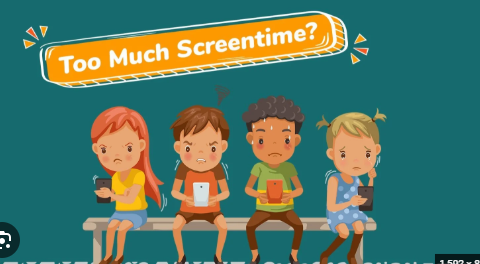 On average, I meet perhaps 50 K-12 teachers each year, and I often ask them: What is the biggest challenge you face that impacts your ability to connect with and educate your students?
Here’s a rough tabulation:
Screen time, how it robs kids of their ability to pay attention, impedes social interaction, and makes parenting more difficult: 80%
Everything else combined: 20%
Maybe this is a cynical viewpoint, but it seems like that world of today revolves around the mega-corporations profiting by punishing their customers.
In this case, we have the tech giants ruining the lives of our children. Elsewhere, we have healthcare industry driving people into bankruptcy, Big Oil ruining our planet, the gun lobby murdering our kids, and, of course, an ultra-corrupt government looting our treasury to pay off billionaire donors.
Note that this wasn’t the case when we boomers were growing up 60 years ago. This is a distinctive shift from the 1960s when corporate America was focused on things like color TVs and the Ford Mustang.
Renewable Energy
Is a Team of Is a Bunch of MAGA Thugs Beating the Snot Out of a Woman a New Low, or Is it What We Now Need to Expect?
 Just when we think there is a bottom, the United States sinks just a bit lower. It’s our brand nowadays.
That’s quite a left cross this thug delivered to this helpless female protestor.
It wasn’t too long ago that beating up women was taboo in America. My 11-year-old, sixth-grade son saw a male classmate of his badly bruise a girl by pushing her hard down to the ground–and proceeded to punch him in the mouth. A fellow father witnessed the scene and told me, “Your son’s fist was in that kid’s teeth within a fraction of a second.”
I had brought him up to avoid violence and achieve peaceful resolutions to conflicts, but I couldn’t fault him here.
What a disgusting bunch of turds we’ve become.

Greenpeace delivers 47 metre-long petition with half a million signatures to Woodside HQ following major gas protest

Dictators
Greenpeace Australia Pacific activists in police custody after two-day protest against Woodside’s Browse gas project at Scott Reef
-
Climate Change1 year ago
Guest post: Why China is still building new coal – and when it might stop
-

 Greenhouse Gases2 years ago
嘉宾来稿:满足中国增长的用电需求 光伏加储能“比新建煤电更实惠”
-
Greenhouse Gases1 year ago
Guest post: Why China is still building new coal – and when it might stop
-

 Climate Change2 years ago
嘉宾来稿:满足中国增长的用电需求 光伏加储能“比新建煤电更实惠”
-

 Renewable Energy12 months ago
Sending Progressive Philanthropist George Soros to Prison?
-
Climate Change2 years ago
Bill Discounting Climate Change in Florida’s Energy Policy Awaits DeSantis’ Approval
-
Greenhouse Gases1 year ago
嘉宾来稿:探究火山喷发如何影响气候预测
-

 Climate Change2 years ago
Analysis: China’s CO2 falls 1% in Q2 2024 in first quarterly drop since Covid-19