

In Georgia, numerous residents grapple with unaffordable utility costs, exacerbated further in June when state regulators approved a 12% rate hike for Georgia Power customers, resulting in almost $200 per year in extra fees on the typical power bill. Disadvantaged groups, particularly seniors and disabled residents relying on fixed incomes and those living paycheck to paycheck, bear the brunt of this economic challenge. As energy expenses climb, the economic vulnerability of these individuals intensifies, emphasizing the urgent need for solutions that alleviate the mounting burden of utility bills.
The Georgia BRIGHT program stands out as a vital initiative in response to this pressing need. The program helps participating households and nonprofits reduce power bills by installing rooftop solar energy systems. By making solar installations more affordable through strategically leveraging federal tax credits, grants, and discount bulk purchase opportunities, Georgia BRIGHT helps reduce power bills while at the same time envisioning a more sustainable and equitable energy future for marginalized communities, including low-income earners, families of color, and senior citizens. The program launched in September and is currently in a pilot phase, installing solar for around 200 households whose yearly income is less than $100,0000, with availability statewide.
The advantages solar power can provide for underserved communities are immense. By harnessing Georgia’s abundant sunlight, these communities can substantially reduce their power bills, freeing up much-needed funds for other vital expenses. In addition to economic relief, solar energy also contributes to environmental sustainability, reducing dependence on pollution-heavy fossil fuel power sources and promoting a cleaner, greener future.

The Georgia BRIGHT program primarily utilizes a leasing model for solar, in which participants pay a monthly fee to lease their panels from the Georgia BRIGHT program. Georgia BRIGHT retains the actual ownership of the panels and is responsible for all installation and maintenance. In this model, the participant pays no upfront cost and begins saving money on their power bills on the first day their solar system is operational. Program participants have the option to buy out the lease after the sixth year so that they can then own the solar system. For customers who would prefer not to lease at all and would prefer to purchase their solar system from the get-go outright, Georgia BRIGHT has options available to install resident-owned systems as well.
For residences to qualify for the program: 1) participants must own their home; 2) their roof needs to be relatively new (no more than 10-15 years old) and in good condition; and 3) the household must make less than $100,000 in annual income. Approval for homeowners to participate in the program is not based on credit score but instead on the ability of homeowners to pay.
Georgia BRIGHT also has offerings for nonprofit organizations, including houses of worship and schools.
Georgia BRIGHT is a project of Capital Good Fund, a nonprofit Community Development Financial Institution (CDFI) that uses financial services to tackle poverty and climate change. Capital Good Fund has contracted three Georgia-based solar installation companies for Georgia BRIGHT, and some local governments around the state are supporting the program, including the City of Savannah and the City of Atlanta.
If you want to see if Georgia BRIGHT can help you lower your utility bills, check out the program details here. Do you know someone who might benefit from the program? Please spread the word to them and send them this blog post.
The Georgia BRIGHT project is not just about installing solar panels; it’s a mission to generate economic resilience, environmental sustainability, and social equity. It offers hope to some of those affected by unaffordable energy costs and prioritizes areas that traditionally lack access to clean energy technologies. This strategic focus underscores a commitment to empowering communities historically deprived of clean energy investments. By addressing the specific challenges disadvantaged communities face, this initiative aims to create a tangible impact, providing a pathway to a brighter and more inclusive energy future for all.
The post Brightening Georgia With Solar For Lower-Income Households and Nonprofits appeared first on SACE | Southern Alliance for Clean Energy.
Brightening Georgia With Solar For Lower-Income Households and Nonprofits

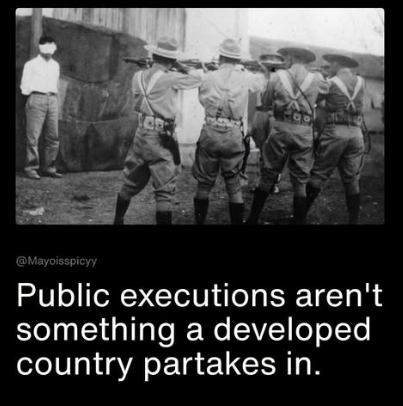 The United States seems set on propelling itself backwards.
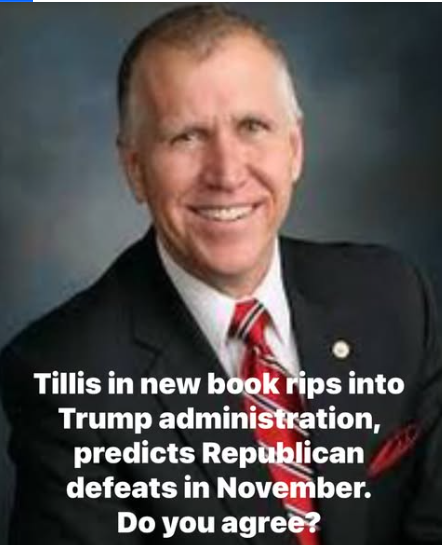 Maybe, as they say, “Hell has a special place reserved in it” for people like Thom Tillis, Republican Senator from North Carolina, who enabled Trump to rape and destroy the United States.
That was until it became clear to Tillis that he could jump ship, write a scathing book about the president, get all over mainstream news promoting it, and go on to enjoy another chapter of political success.
That we Americans are so stupid that we accept this blatant hypocrisy and criminality is sad proof that we’re not the people we were 20 years ago. Maybe what many people are saying are correct: we deserved what we got.
Here’s a short video from Elle Cordova that reminds us that science is something of a rarity in human history.
The great tyrants of history have done their best to cause the people they ruled to reject science, simply to ensure the masses are ignorant, terrified, superstitious, and thus easily controlled.
The current political administration is particularly engrossed in the rejection of science. I wonder why.



-
Climate Change1 year ago
Guest post: Why China is still building new coal – and when it might stop
-

 Greenhouse Gases2 years ago
嘉宾来稿:满足中国增长的用电需求 光伏加储能“比新建煤电更实惠”
-
Greenhouse Gases1 year ago
Guest post: Why China is still building new coal – and when it might stop
-

 Climate Change2 years ago
嘉宾来稿:满足中国增长的用电需求 光伏加储能“比新建煤电更实惠”
-

 Renewable Energy12 months ago
Sending Progressive Philanthropist George Soros to Prison?
-
Climate Change2 years ago
Bill Discounting Climate Change in Florida’s Energy Policy Awaits DeSantis’ Approval
-
Greenhouse Gases1 year ago
嘉宾来稿:探究火山喷发如何影响气候预测
-

 Climate Change2 years ago
Analysis: China’s CO2 falls 1% in Q2 2024 in first quarterly drop since Covid-19