

Gevo, Inc., a renewable fuels and carbon solutions company, has reported its first-ever profitable quarter in Q2 2025, marking a major shift in its financial performance. This is all thanks to its carbon credit sales of around $22 million and other low-carbon product sales.
The company posted net income of $2.1 million, a sharp turnaround from previous losses. Adjusted earnings reached $17 million, and earnings per share came in at $0.01. That is well above analyst forecasts of a loss of $0.07.
Revenue for the quarter totaled $43.41 million. This was about $14 million higher than the previous quarter, though slightly below some market expectations. This earnings surprise drove a dramatic reaction in the stock market.
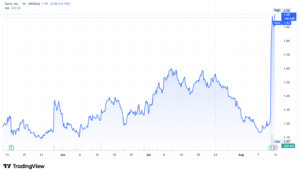
Gevo shares surged 65% in after-hours trading following the announcement. It has continued to climb about 46% in pre-market trading the next day.
This milestone is significant for Gevo. The company has been working to diversify revenue streams and build a sustainable business model that integrates renewable fuel production with carbon reduction initiatives.
Carbon Credits: The Secret Sauce Behind Gevo’s First-Ever Profit
A major factor behind Gevo’s profitability was its revenue from carbon credits. This segment has become an important part of its business model. The company benefits from two main types of credits:
Clean Fuel Production Credits (CFPCs):
These credits contributed roughly $21 million to net income during the first half of 2025. They reward low-carbon fuel producers for displacing fossil fuel use.
Carbon Dioxide Removal (CDR) credits:
In Q2, Gevo generated over $1 million from selling high-integrity carbon removal credits. The company expects to earn $3–5 million a year from CDR credits soon. In the long run, this could grow to over $30 million each year.
In addition, Gevo completed its first sale of carbon removal credits certified by Puro.earth. It is a leading registry for engineered carbon removal. These credits are backed by carbon capture and storage (CCS) at Gevo’s planned North Dakota ethanol facility. The plant is designed to sequester up to 1 million metric tonnes of CO₂ per year.
By monetizing its carbon abatement efforts, Gevo is tapping into a rapidly growing market. This strategy reduces its reliance on volatile biofuel margins. Also, it positions the company to benefit from both regulatory programs and voluntary corporate climate commitments.
Dr. Patrick Gruber, Gevo’s Chief Executive Officer, remarked:
“This was a landmark quarter for us…I really like these results regarding carbon sales. It’s outstanding that companies are willing to step up and pay for what they believe in–carbon reduction. It’s a new product; and for us, it’s a co-product. Our fuel manufacturing systems are designed end-to-end to abate carbon. The result is that we can manufacture cost-competitive renewable liquid fuels, while abating carbon.”
Turning CO₂ into Cash: CCS, Carbon Removal, and Net Zero
Gevo’s business is built on producing renewable fuels such as sustainable aviation fuel (SAF) and renewable natural gas (RNG. These are while integrating carbon reduction technologies to maximize climate benefits.
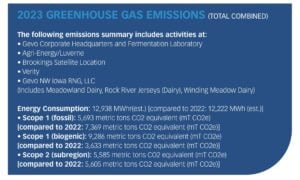
In the first quarter of 2025, the company reported over 100,000 metric tons of carbon abatement. This combines CO₂ captured through CCS and emissions avoided through renewable fuel production.
The company’s CCS operations in North Dakota could play a critical role in scaling these achievements. Once it starts working, the facility can remove and store CO₂. This amount equals the yearly emissions of over 200,000 cars.
These milestones help Gevo reach its goal of providing clean fuels and real carbon reductions. This aligns with the needs of airlines, shipping companies, and other sectors under increasing pressure to cut emissions.
Gevo aims to reach net-zero greenhouse gas emissions by 2050. The company’s strategy focuses on producing low-carbon fuels and removing CO₂ from the atmosphere.
Carbon credits are a key part of Gevo’s plan. By selling high-quality credits from CCS and renewable fuel projects, the company earns revenue while helping other businesses offset their emissions. These efforts cut Gevo’s own carbon footprint and support wider climate goals.
Carbon Markets: Opportunities and Challenges
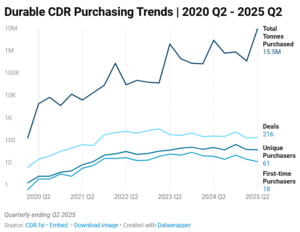
Gevo’s success underscores the growing influence of carbon markets in the clean energy economy. The voluntary carbon market, valued at about $2 billion in 2024, is projected to grow to $50 billion or more by 2030, according to industry forecasts. Demand for high-quality, verifiable credits is rising as corporations seek to meet net-zero targets.

High-integrity carbon removal credits, like those sold by Gevo, are particularly short in supply. This allows sellers to command premium prices. However, the market is also facing scrutiny over credit quality and transparency.
For Gevo, selling credits backed by measurable and permanent CO₂ storage offers a competitive advantage in a market where buyers are increasingly selective.
With the global push for decarbonization growing stronger, companies that blend renewable energy and carbon removal could attract long-term buyers. This is true for both compliance and voluntary markets.
Why Investors Are Suddenly Paying Attention
The market’s strong response to Gevo’s Q2 results reflects investor confidence in the company’s shift toward profitability and diversified revenue sources. The surge in trading volume—over 71 million shares traded on the day of the earnings release. This signals that both institutional and retail investors are paying attention to its growth story.
If Gevo keeps making money from carbon credit sales and grows its clean fuel production, it could attract climate-focused funds and ESG investors with a strong track record. However, market volatility in both fuel prices and carbon credits could still present some challenges.
Scaling the Model: Can Gevo Keep the Momentum?
Gevo will expand its production of sustainable fuels. It also plans to grow its CCS capabilities and carbon credit sales. This strategy aligns with global climate policies that reward low-carbon energy solutions and penalize heavy emitters.
The company is combining renewable fuel production and measurable carbon removal. This strategy places it in a fast-growing area that connects energy and environmental sectors. If it keeps showing strong results and clear credit checks, it could set a standard for blending clean energy and carbon markets.
Gevo’s first profitable quarter shows the financial promise of combining renewable fuel production with carbon credit sales. The company is responding to the rising demand for high-quality carbon removal credits. Their effective operations help them stand out in the new clean energy and carbon economy.
Gevo’s ability to sustain profitability will depend on scaling production, securing long-term credit buyers, and navigating the fast-evolving landscape of carbon markets.
The post Gevo Stock Surges 65% as Carbon Credits Bring in First-Ever Profits appeared first on Carbon Credits.

EU carbon credit claims changed on 27 September 2026, the day the Directive (EU) 2024/825 began to apply across the European Union. The change is narrow. It changes how a company can talk about the credits it buys. A product can no longer be called neutral on the strength of compensation alone; however, every specific, evidenced statement about what a company measured, reduced, and funded stays fully available.

The post Promoting Improved Cooking Practices in Nigeria appeared first on Terrapass.



-
Climate Change1 year ago
Guest post: Why China is still building new coal – and when it might stop
-

 Greenhouse Gases2 years ago
嘉宾来稿:满足中国增长的用电需求 光伏加储能“比新建煤电更实惠”
-
Greenhouse Gases1 year ago
Guest post: Why China is still building new coal – and when it might stop
-

 Climate Change2 years ago
嘉宾来稿:满足中国增长的用电需求 光伏加储能“比新建煤电更实惠”
-

 Renewable Energy12 months ago
Sending Progressive Philanthropist George Soros to Prison?
-
Climate Change2 years ago
Bill Discounting Climate Change in Florida’s Energy Policy Awaits DeSantis’ Approval
-
Greenhouse Gases1 year ago
嘉宾来稿:探究火山喷发如何影响气候预测
-

 Climate Change2 years ago
Analysis: China’s CO2 falls 1% in Q2 2024 in first quarterly drop since Covid-19