

In 2021, the Eastern Band of Cherokee Indians (EBCI) Tribal Council promised that the tribe would prioritize renewable energy and electric vehicles, committing to plan for the next seven generations of Cherokee descendants. The next Spring, the EBCI celebrated its achievement of receiving North Carolina’s first electric school bus.
The North Carolina Department of Environmental Quality’s Volkswagen Settlement Mitigation Plan funded the first electric bus. The application was a collaboration between the EBCI Air Quality Program and the Cherokee Boys Club, which operates the school buses for the Cherokee School System. Katie Tiger, the EBCI Air Quality Program Supervisor, and Donnie Owle, Service Manager for the Cherokee Boys Club, were instrumental in the process.
“The Eastern Band of Cherokee Indians is really focused on the future and what that looks like in terms of climate change and climate resilience,” Tiger said. “So we’re really trying to incorporate all these alternative energy projects now, so we’ll be ready for the future.”
Now, in 2024, the EBCI continues to lead North Carolina and the nation in clean transportation efforts. In September, the EBCI received $4.99 million from the Inflation Reduction Act (IRA) to further electrify transportation and integrate renewables. These funds will allow the EBCI to electrify its entire school bus fleet with 15 more electric buses.
Federal Funding Every Step of the Way
“Federal funding has really been key,” Tiger said. “Being able to get 15 additional school buses to make our fleet 100% electric is an amazing accomplishment.”
The school bus depot will have a 400-kW solar microgrid and an 80-kW diesel energy storage system to charge the buses. Funds will also be allocated to construct a 52-kW solar array on the Tribal Council House Complex and a 121-kW solar array on the New Kituwah Academy rooftop. In additional electric transportation upgrades, the EBCI will purchase one heavy-duty electric dump truck to run the 103-mile route hauling trash to Homer, GA, six days a week and install 20 publically accessible Level 2 EV charging stations for the community.
“Grants like the IRA are helpful in that we can make a difference in other ways that we might be limited in if we were only using our strict funding dollars.” – Consie Girty, Superintendent, Cherokee Central Schools
These projects are projected to reduce emissions by 151,000 metric tons of CO2 equivalent by 2050, contributing to both local and large-scale public health, environmental health, and climate resilience. In addition to these long-term health and community resilience benefits, switching to electric buses also has immediate and tangible economic benefits for the community.
“Our diesel buses were costing us about $800 a month. Now, with electric and the charging, we’re paying about $400 probably in a year’s time. They’ve saved us probably $50,000 to $60,000.” – Donnie Owle, Service Manager, Cherokee Boys Club
The Cherokee Boys Club also recently received a $229,050 grant from the USDA’s Renewable Energy and Energy Efficiency Program (REAP) to install a 132.4-kW solar array with battery storage. This project is projected to save the Boys Club $15,328 annually and generate 178,368 kWh annually — enough electricity to power 16 homes.
These clean energy investments represent more than just the power of federal funding — they represent cultural preservation, economic resilience, and sustainable leadership. The Cherokee legacy of environmental stewardship is visible in the solar trees surrounding tribal monuments and buildings.
“We live in the most beautiful place on earth right here in the Great Smoky Mountains, our traditional homeland…. Maintaining that beauty and maintaining this culture and where we’re at and taking care of it is a sacred obligation of our people.” – Perry M. Shell, Tribal Council Representative, Eastern Band of Cherokee Indians
Resources
Read Cherokee Central High School’s Green Fact Sheet
Apply for the Clean School Bus Rebate Program
Read more clean energy success stories at Energy for All Y’all
Join the Clean Energy Generation
The post “A Sacred Obligation of Our People:” The Eastern Band of Cherokee Indians Leads North Carolina in Environmental Stewardship With IRA Funding appeared first on SACE | Southern Alliance for Clean Energy.

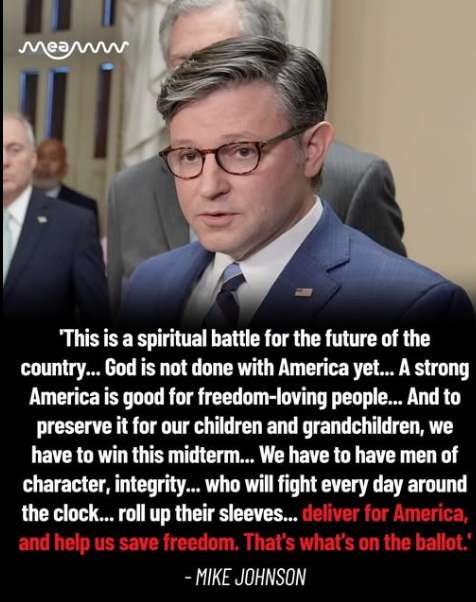 Sadly, a significant number of U.S. voters believe what House Speaker Mike Johnson says here, i.e., that “God isn’t finished with America yet,” and that “We need people (from the Republican party) of character and integrity,” as if there are any.
But what is that number, roughly?
After living through the first 18 month of Trump’s second term, with all the lies, the incompetence, and the corruption, this number has dwindled to a point that the Republicans are bracing themselves for the worst.
Republicans Manipulate American’s Ignorance — and it Doesn’t Take Too Much Skill
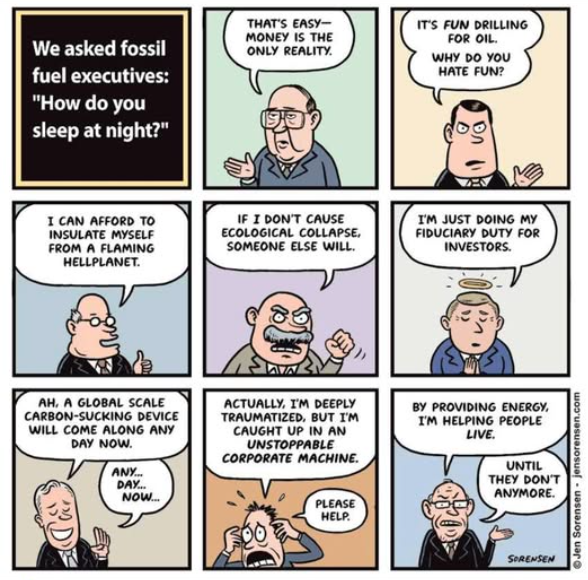
 I’m sure some of these excuses are extremely common in the minds of those making huge profits by destroying our planet.



-
Climate Change1 year ago
Guest post: Why China is still building new coal – and when it might stop
-
Greenhouse Gases1 year ago
Guest post: Why China is still building new coal – and when it might stop
-

 Greenhouse Gases2 years ago
嘉宾来稿:满足中国增长的用电需求 光伏加储能“比新建煤电更实惠”
-

 Climate Change2 years ago
嘉宾来稿:满足中国增长的用电需求 光伏加储能“比新建煤电更实惠”
-
Climate Change2 years ago
Bill Discounting Climate Change in Florida’s Energy Policy Awaits DeSantis’ Approval
-

 Renewable Energy10 months ago
Sending Progressive Philanthropist George Soros to Prison?
-
Greenhouse Gases1 year ago
嘉宾来稿:探究火山喷发如何影响气候预测
-

 Carbon Footprint2 years ago
US SEC’s Climate Disclosure Rules Spur Renewed Interest in Carbon Credits