

NeoVolta has completed phase one of its loan application for $250 million from the U.S. Department of Energy (DOE) Title 17 Loan Program and has been approved to proceed with phase two technical due diligence.
To meet domestic content requirements for commercial grade Battery Electric Storage Systems (BESS) and other components, the company will establish a manufacturing facility that can accommodate 150 employees.
Additionally, NeoVolta will establish regional deployment and support centers to meet growing demand nationwide. The company will vertically integrate the manufacturing supply chain, primarily producing its battery cell technology, both cylindrical and prismatic. A percent of that production will be utilized for third party sales, with the aim of enabling more manufacturers to participate with domestic content. The company will also expand into inverter production and assembly.
“Strengthening U.S. manufacturing and increasing vital domestic content is a bi-partisan issue that transcends national elections, and we are proud to be part of this national effort,” says Ardes Johnson, CEO of NeoVolta.
“Given the renewed focus on U.S. manufacturing and componentry, combined with the need for grid resilience and stability, NeoVolta is preparing to launch and expand U.S. manufacturing, while completing the development of our commercial grade products. We are pleased to hear the president-elect’s multiple pro-solar energy statements throughout the campaign and look forward to providing American-made solar technology storage solutions that will strengthen our grid and efforts to achieve energy independence.”
NeoVolta says it has received offers for the establishment of a headquarters, manufacturing facility and regional offices from state economic development agencies, and is reviewing them.
The post NeoVolta $250M Loan Application Part One Approved by DOE Program appeared first on Solar Industry.

 Sadly, a significant number of U.S. voters believe what House Speaker Mike Johnson says here, i.e., that “God isn’t finished with America yet,” and that “We need people (from the Republican party) of character and integrity,” as if there are any.
But what is that number, roughly?
After living through the first 18 month of Trump’s second term, with all the lies, the incompetence, and the corruption, this number has dwindled to a point that the Republicans are bracing themselves for the worst.
Republicans Manipulate American’s Ignorance — and it Doesn’t Take Too Much Skill
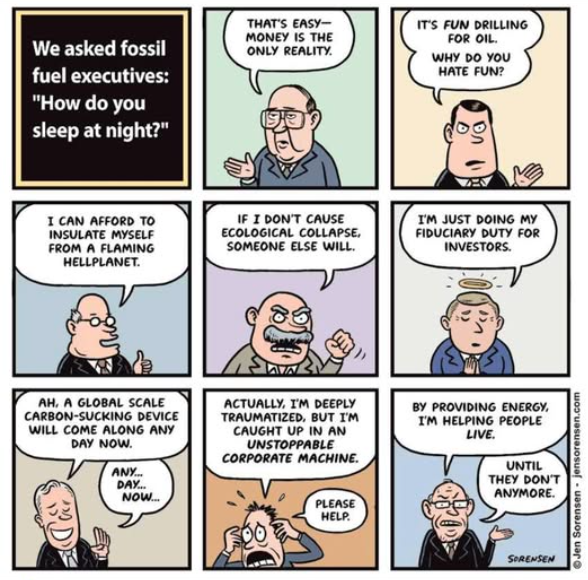
 I’m sure some of these excuses are extremely common in the minds of those making huge profits by destroying our planet.



-
Climate Change1 year ago
Guest post: Why China is still building new coal – and when it might stop
-
Greenhouse Gases1 year ago
Guest post: Why China is still building new coal – and when it might stop
-

 Greenhouse Gases2 years ago
嘉宾来稿:满足中国增长的用电需求 光伏加储能“比新建煤电更实惠”
-

 Climate Change2 years ago
嘉宾来稿:满足中国增长的用电需求 光伏加储能“比新建煤电更实惠”
-
Climate Change2 years ago
Bill Discounting Climate Change in Florida’s Energy Policy Awaits DeSantis’ Approval
-

 Renewable Energy10 months ago
Sending Progressive Philanthropist George Soros to Prison?
-
Greenhouse Gases1 year ago
嘉宾来稿:探究火山喷发如何影响气候预测
-

 Carbon Footprint2 years ago
US SEC’s Climate Disclosure Rules Spur Renewed Interest in Carbon Credits