Connect with us

Published

on

Last Updated on November 13, 2024

Stockings were always my absolute favorite part about the holiday season so I had to create a guide for this year’s hottest zero waste and eco friendly stocking stuffers.

I love small gifts; they have always been my favorite. What can I say? I love the little things like socks, bars of soap, the occasional gift card, and chocolate! Lots of chocolate.

30 zero waste, eco friendly, stocking stuffers from small businesses

This post was sponsored. Many of the links below are affiliate links for more information please see my disclosure policy.

So, I wanted to create an easy guide so you can find a few perfect gifts that will easily slide into a stocking on Christmas morning, and so you can avoid Amazon.

If you’re looking forward to stuffing stockings this year, I’ve rounded up some zero waste and eco friendly stocking stuffers so you can ditch plastic trinkets and gadgets for some of these zero waste, ethical alternatives.

relaxing at home:

I think my favorite part of winter is getting cozy inside so I hope this holiday season, you’ll find some time to get snuggly.

Slip on your favorite jam-jams, light a few candles, snuggle with a thick blanket, sip some hot cocoa, eat a few cookies, and watch a bad holiday movie or a board game – whatever you’re into.

for movie and tv show marathons:

Love flipping through channels and watching a good movie? Then you also know how annoying it is when your remote controller batteries conk out.

That’s why Coast Portland’s zithion-X USB-C rechargeable batteries are so convenient: You’ll always have batteries ready, because you can recharge them!

These batteries quickly recharge in roughly 2.5 hours using USB-C charging cables. They have long-lasting run times, with 2-6x longer than other batteries.

You can easily check the status of your battery’s charge level with a built-in charge level indicator too. It’ll be solid red when charging and solid green when fully charged.

Best of all, these zithion-C batteries are a carbon neutral certified product. Their production and use result in zero increase in CO2 levels in the atmosphere. Plus, being reusable, they help keep batteries out of landfills.

unwinding on your phone:

Know someone who loves to scroll on their phone after a long day? Consider gifting them a compostable phone case as a stocking stuffer!

Pela Case offers compostable phone cases for android and iphones alike with a wide array of styles and designs to choose from.

They even have compostable accessories like phone grips and card holders.

Everything is delivered plastic-free.

Plus they offer Pela360, a recycling program that lets you return your old case when you buy a new one.

stay comfy:

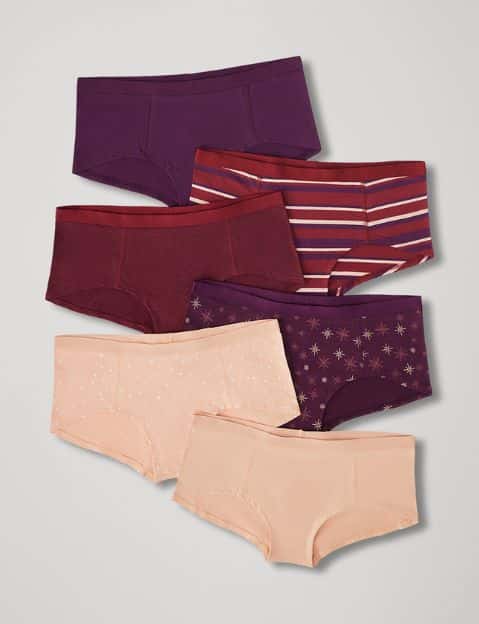
Pact creates underwear made from 95% GOTS certified organic cotton. Plus, they’re so comfy!

A pair or two should easily fit into a Christmas stocking! I love how cozy this 6-pack of boy shorts look.

Plus, all of Pact’s clothes are made in a fair trade certified factory, shipped carbon neutral, and have plastic-free recyclable packaging.

sip something warm:

Arbor Teas offers organic, fair-trade, loose-leaf tea in backyard compostable packaging.

It’s made from a cellulose material, and even their labels on the package are made from sugar cane waste and compostable too.

I love their green tea, but if you want to keep the holiday theme going, you need to try their Holiday Spice Black Tea!


add some ambiance:

P.F. Candle Co makes 100% vegan and non-toxic soy wax candles hand-poured into apothecary inspired glass amber jars. Vegan candles are amazing and I love that it has a kraft paper label and brass lid!

This plastic-free candle is paraben-free, phthalate-free and never tested on animals. It’s homemade in California with 100% domestically grown soy wax and has a cotton core wick.

worth waking up for:

Looking for something to look forward to? All these gifts will make mornings in the winter more bearable.

So whether you’re getting ready for the day, or just trying to get your mojo going, these are my top picks!

perfect curls:

A Simple Planet is a sustainable haircare brand that focuses on refillable, plant-based products. They use organic, natural ingredients and offer refills.

Their curl cream hydrates and enhances curls using biodegradable, organic ingredients in reusable and refillable packaging.

It’s free from harsh chemicals too, such as silicones, parabens, or artificial additives.

Use the code goingzerowaste for 15% off.
for fresh breath:

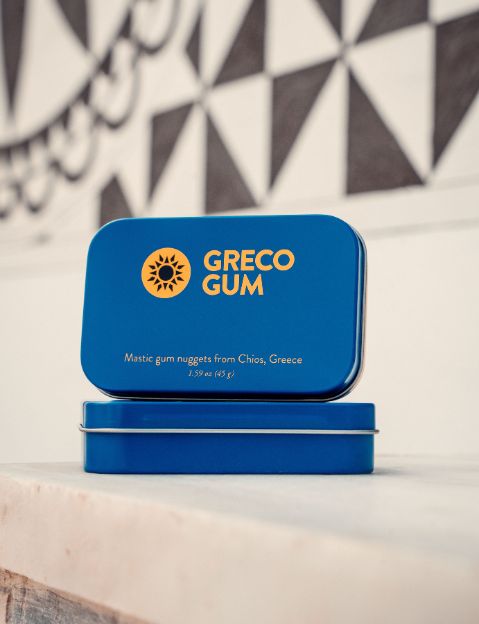
Greco Gum’s Mastic Gum is an ancient, natural chewing gum with unique health benefits.

This plastic-free all-natural gum is made with 100% pure Chios mastic, sustainably harvested on the island of Chios in eastern Greece.

Chewing this gum supports dental health by naturally cleansing the mouth and strengthening the jaw muscles.

It also promotes gut health by balancing stomach acids and supporting digestion.

The first 100 people to claim KATHRYN15 will receive an additional 15% off their first order.

floss those teeth:

Don’t just brush those pearly whites – floss them too! Cocofloss gets chompers jolly clean with its patented, loofah-like weave of 500+ scrubby threads spun from recycled water bottles.

This eco floss is infused with coconut oil, vegan wax, and irresistible scents. The floss is free from BPA, parabens, SLS, and PFAs.

The Cocofloss Holiday Collection includes Elf-Care Samplers, Cocofloss Holiday Sets, Cocobrush Holiday Sets, Sea-Life Conservation Sets, and Minty Mistletoe Duos.

for fashion lovers:

ThredUp is an online consignment and thrift store that sells over 55k brands from Gap to Gucci.

You can find everything from women to kid’s clothing, all up to 90% off retail price.

Purchasing a ThredUp gift card makes a great stocking stuffer!

There’s the option to buy a physical or digital gift card too, making it ideal for last minute gifting.

glam up:

Get ready for the day with Billion Dollar Beauty’s Babe Bundle. This kit comes with a beauty box, blush, brow powder, brow pomade, eyeshadow, highlighter, lip balm and tweezers – and it’s all vegan, cruelty-free and paraben-free.

Better yet, you only have to buy it once – because it’s refillable for life! The box it comes in is reusable and made from 30% PCR plastic. You can refill it with any colors you want, which helps reduce waste because you’ll pick shades you desire.

to brighten your day (and skin):

Kiss dull skin in the morning goodbye with Aurahïa’s Glass Face brightening serum. This EWG verified serum is vegan, cruelty-free and made with natural, gently exfoliating ingredients.

Apply it twice daily for best results, once in the morning and once at night. Use it before moisturizing or after cleansing for soft glowing skin.

Aurahïa uses packaging materials that are recycled, reusable or zero waste. Their labeling ink is non-toxic and water-based.

for the skincare fanatics:

If you’re a skincare fanatic, I love you. No, really! I have sensitive acne prone skin and no matter what I do I always seem to have texture on my face.

For the first time in years, I’ve come prettyyyy close to fixing it. I mean it’s still textured but it’s better than it was last year! And, that’s thanks to skincare fanatics and the geniuses behind some of my favorite products.

Check out my blog post 20 Organic Zero Waste Skincare Brands for even more recommendations!

for smoother skin:

Know someone who suffers from dry skin in the winter? Why not gift them Brondell’s Nebia Self Care Kit? Dry brushing helps exfoliate and safely remove dry skin.

The kit includes a long-handled bamboo loofah, a boar-hair bristle brush with pumice stone, and a bamboo cotton shower cloth complete with its own cotton storage bag.

Everything is sustainably sourced, and it’s all made using plastic-free materials. The cotton storage bag is also ideal for travel!

The self care kit is BOGO free with purchase of Yuba HaloNetic.

refills on refills:

Activist Skincare is refillable, vegan, cruelty-free, and 5% for the planet. The Sample Kit, Sea to Skin Cleansing Gel and Calming Force Clear Skin Serum for acne-prone skin are perfect stocking stuffers.

You can keep your empty glass bottles and refill them at home. The pouches are recyclable through TerraCycle and the ingredients are super-effective actives and botanicals.

You can keep your empty glass bottles and refill them at home. Activist’s pouches are recyclable through TerraCycle and the ingredients are super-effective actives and botanicals.

sustainably harvested:

Josie Maran is a woman owned beauty brand that packages most of their products in glass bottles and has partnered with Terracycle to take back empties.

Their 100% Pure Argan Oil (their whipped version is my absolute favorite! ) is vegan, cruelty-free and completely pure – it’s intensely hydrating.

Josie Maran’s argan oil comes from a UNESCO-protected region to help prevent deforestation and over-harvesting.

A single argan tree can live for more than 600 years and produce fruit throughout its entire lifecycle!

they got it ALL:

BLK + GRN is an all natural marketplace by all Black artisans. They have everything ranging from nail polish to hair care.

Their Carib Lime Body Soap is made from 100% plant essences, cold-processed and has a revitalizing citrus scent that’ll make any Christmas stocking smell great.

Justin and I have a tradition of gifting each other multiple bars of soap in our stockings! It’s an in expensive treat that we get to use all year long!

getting active in the new year:

Know someone who enjoys barre, spin, and orange theory classes? Here are a few of my favorite workout companions!

for washing all those work out clothes:

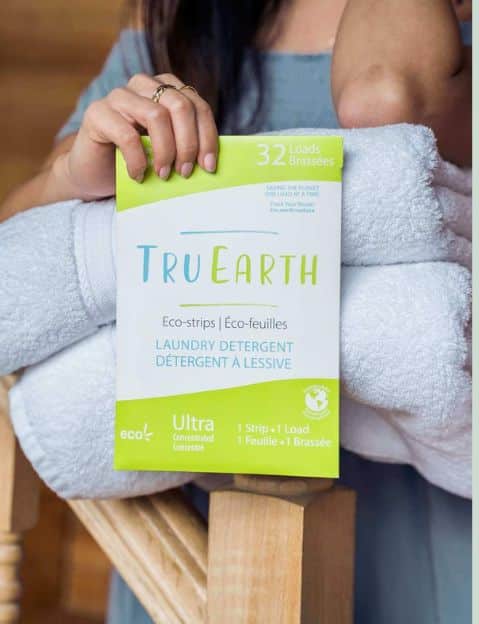
Tru earth is a certified B Corporation that creates sustainable laundry detergent strips.

Their eco strips are completely plastic free. They come in a compostable cardboard sleeve that doubles as a shipping envelope.

1 strip equals 1 load, making each pack good for 32 loads. These are perfect stocking stuffers for fitness lovers because when you work out frequently (take it from me) you’re ALWAYS doing laundry.
boosting energy levels:

MegaFood is a certified B Corporation that formulates sustainable vitamins and supplements.

They’re non-GMO project verified, 1% For The Planet, Plastic Neutral, and certified glyphosate residue free. They test for over 150 pesticides and herbicides.

For stocking stuffers, check out their mushroom focus support. Formulated with lion’s mane, this will help support a sense of alertness. Perfect for supporting energy levels as you exercise.

for outdoor runs:

EarthHero is an online marketplace for thousands of sustainable goods!

They’re a B Corp, 1% for the Planet, and uses plastic-free and carbon-neutral shipping.

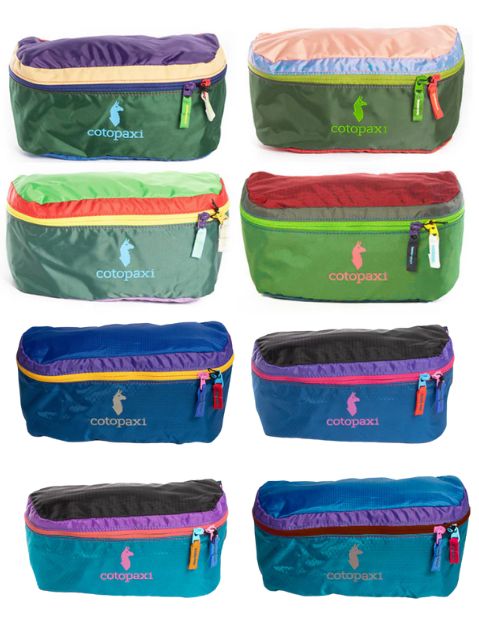
For stocking stuffers, check out their Hip Pack from Cotopaxi. It’s made from 100% repurposed nylon. Plus, this 3L fanny pack donates 1% towards world-changing nonprofits worldwide!
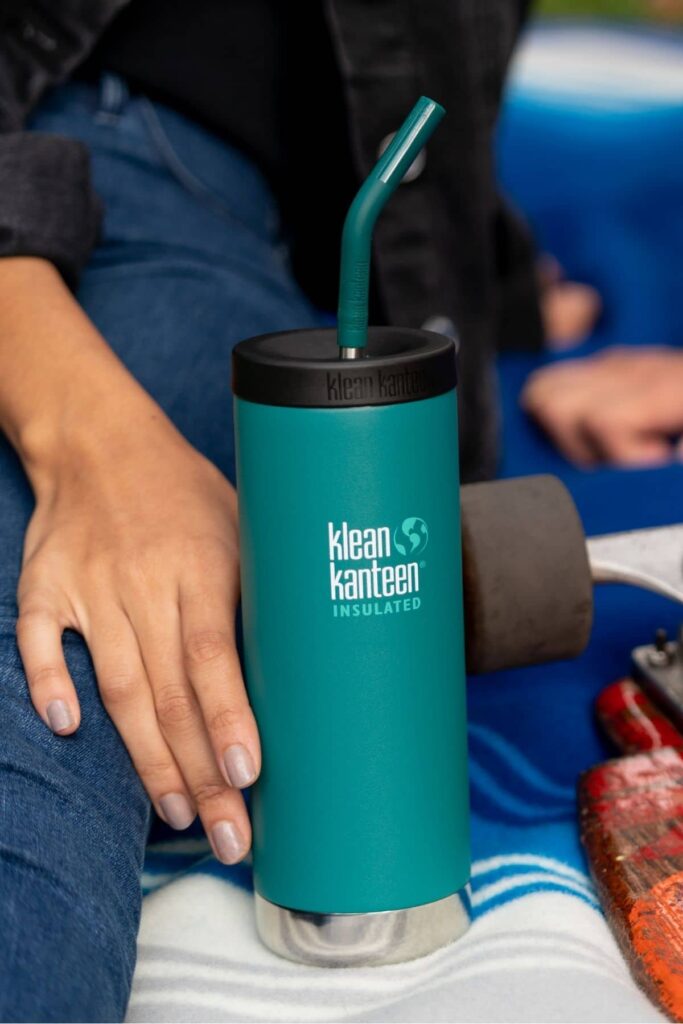
stay hydrated:

Klean Kanteen’s Stainless Steel Straws are perfect stocking stuffers!

They are a family owned, B corp that’s completely plastic-free. And, they’re members of 1% For The Planet so they donate portions of each sale to environmental organizations, and are certified climate neutral!

for book lovers:

Know someone whose always got their nose in a book? Here are a few of our favorites reads that would fit in perfectly with your eco-friendly stocking stuffers!

zero waste newbie:

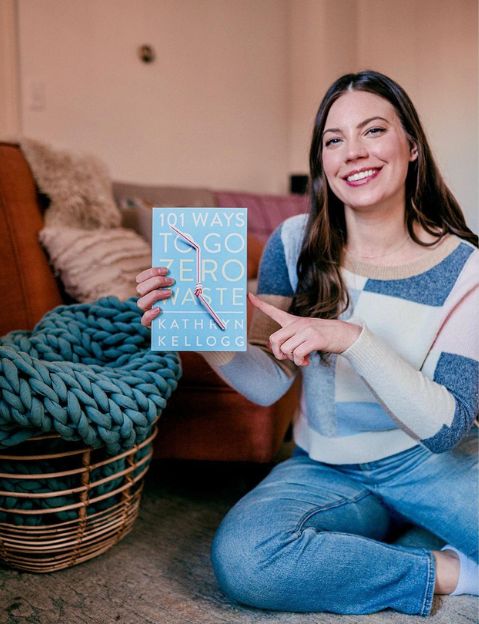
Shameless plug, but 101 Ways to Go Zero Waste is my book! It would make a great addition to any stocking stuffer.

In 101 Ways to Go Zero Waste, I share low waste tips, DIY recipes for beauty and home; advice for responsible consumption; and even secrets for how to go waste free at the airport.
plant parents guidebook:

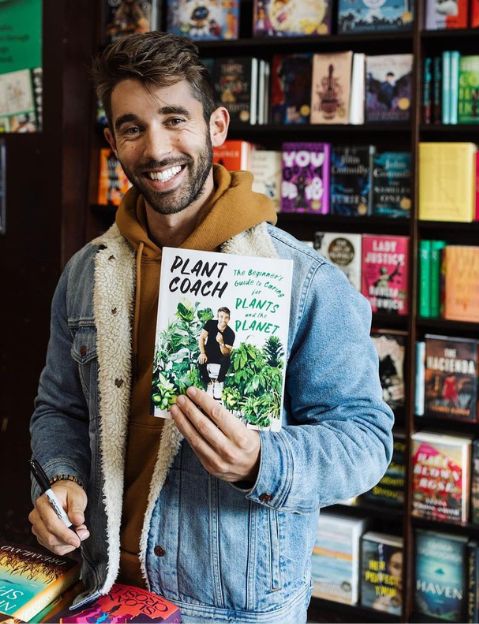
Farmer Nick, aka Nick Cutsumpas’ new book Plant Coach, is a plant lover’s dream.

Plant Coach is his comprehensive guide for the everyday plant owner who wants to alleviate the stress of plant ownership while doing the best for their plants and the planet.

Cutsumpas reframes what it means to be a plant parent by viewing the home as an ecosystem, introducing unconventional and sustainable plant tactics.

climate optimists rejoice:

Know a climate optimist? Be sure to stuff this into their stocking: Saving Us by Katharine Hayhoe is a climate scientist’s case for hope and healing in a divided world.

This is not another doomsday narrative about a planet on fire. It is a multilayered look at science, faith, and human psychology, from an icon in her field—recently named chief scientist at The Nature Conservancy.

kickin’ it in the kitchen:

Whether you know an aspiring chef, love to meal prep, or generally dislike cooking, these eco friendly stocking stuffers will help reduce food waste and get dinner on the table fast! Plus, an extra treat for the kitchen’s number one fan – your dog.

freezer prep:

Stasher Bag sells reusable silicone bags that are versatile, plastic-free and BPA-free.

The assorted 4 piece pack includes 1 snack size, 2 sandwich sizes, and 1 half gallon size.

These silicone food storage bags can be used in the freezer, microwave, oven or dishwasher. They’re designed to replace plastic zip lock bags.

for recycling your food scraps:

Know someone who loves cooking with fresh produce? They probably end up with a lot of food scrap waste!

Lomi food composter is a solution that takes all your food scraps (yes, even animal products) and transforms them into valuable nutrients in under 24 hours.

Purchasing a Lomi gift card makes a great stocking stuffer! It’s completely paperless and delivered by email. And it never expires!

keep it fresh:

Usually, we eat avocados one half at a time, right? Avocado Huggers were created to reduce food waste by keeping the leftover half fresher longer!

These huggers are BPA and phthalate free, and come in two sizes with a unique pit pocket that can be pushed in or out so you won’t need any more disposable plastic wrap, baggies or foil!

survive the cold weather:

Cold weather can be brutal on the skin and body so make sure your loved ones are stocked up on all the essentials! These gifts will get them through the winter in more ways than one.

keep dry skin at bay:

Dry winter skin? Plaine Products body lotion can help. This lightweight, palm-oil free, vegan and cruelty-free lotion is fast-absorbing and will hydrate the skin.

Plaine Products specializes in refillable products – you can ship back your empties and they’ll send you a refill. They sanitize and reuse all the bottles they get back too, creating a more circular economy.

All the bottles are made from aluminum which is easy to recycle. You can also request “no pump” if you already have some to further avoid waste.

keep those hands moisturized:

Dry, cracked hands? Superzero’s hand treatments will deliver luxurious hydration on the go all winter long, minus the plastic packaging. These vegan, cruelty-free plant-based hand balm bars will activate by gently massaging the bar between dry hands.

The hand balm bars come wrapped in compostable wrapper that can be re-used to store the bar. It’s otherwise packaged in recycled and recyclable cardboard boxes. You can also gift it with the balm storage case for easy travel. Bars are TSA and portable.

sweaters for your legs:

I tested it just to make sure, but these leggings will fit into a stocking! They’re also super cozy and will keep your legs very warm.

Icebreaker is made mostly from merino which is anti-bacterial, anti-microbial and rockstar for temperature regulation. They produce a transparency report every year that covers everything from social responsibility, worker safety, animal welfare, and environmental integrity. Read the Report

don’t forget your ears:

Tentree plants ten trees for every single purchase!

They specialize in using eco-friendly and recycled materials, and offer a number of great stocking stuffers like their mittens and adorable beanies.

when you need to unwind:

I can’t figure out if the holidays are more stressful this year or less? I attend a lot of gatherings so I’m completely wiped out at the end of the day.

Here are a few small ways I like to relax and unwind. All of these eco-friendly stocking stuffers are perfect for your friend, parent, or spouse who needs to carve out some time for themselves to recharge!

take a nap:

Olive + Crate creates sustainable bedding made from certified Tencel fiber, which is grown free of pesticides and insecticides.

Their vegan eucalyptus silk eye mask is a perfect stocking stuffer! If you know someone who enjoys napping, this will be their new best friend. It’s moisture wicking, breathable, and blocks out light so you can nap any time of day.

light a candle:

Candleholic Shop makes adorable soy candles in recycled liquor and wine bottles. This process saves bottles from going to the landfill, and also creates truly unique gifts.

They carefully cut each bottle by hand, sand it to perfection, and then pour their premium natural soy wax.

These candles are cruelty-free, paraben-free and PETA-approved!

Here are 30+ eco friendly stocking stuffers! Of course, this is only the tip of the iceberg so be sure to check out my guide for consumable gifts and experience gifts.

I’m also working on a post about handmade gifts this year! I love to do a mix of all of these so I’m reducing consumerism as well as supporting sustainable brands who are doing good things for our planet.

Do you have a favorite sustainable brand that’s perfect as a stocking filler?

The post 30 Zero Waste, Eco Friendly Stocking Stuffers appeared first on Going Zero Waste.

30+ Zero Waste, Eco Friendly, and Vegan Stocking Stuffers

Continue Reading

Green Living

Earth911 Inspiration: A Serious Look at Modern Lifestyle

Published

on

Today’s quote comes from Pope John Paul II’s message for the celebration of the World Day of Peace, 1990. He wrote, “Modern society will find no solution to the ecological problem unless it takes a serious look at its lifestyle.”

Earth911 inspirations. Post them, share your desire to help people think of the planet first, every day.

Pope John Paul II quote from World Day of Peace message

The post Earth911 Inspiration: A Serious Look at Modern Lifestyle appeared first on Earth911.

https://earth911.com/inspire/earth911-inspiration-take-serious-look-lifestyle/

Continue Reading

Green Living

Best of Sustainability In Your Ear: Making Billions of Square Feet of Commercial Space Sustainable with CBRE’s Rob Bernard

Published

on

The built environment, particularly office buildings other urban facilities, are responsible for 39% of the global energy-related emissions, according to the World Green Building Council. About a third of that impact comes from the initial construction of a building and the other two-thirds is produced over the lifetime of a building by heating, cooling, and providing power to the occupants. Our guest today is leading a key battle to reduce the impact of the built environment. Tune in for a wide-ranging conversation with Rob Bernard, Chief Sustainability Officer at CBRE Group Inc., which manages more than $145 billion of commercial buildings, providing logistics, retail, and corporate office services across more than than 100 countries.

Rob Bernard, Chief Sustainability Officer at the commercial real estate giant CBRE, is our guest on Sustainability In Your Ear.

Rob cut his sustainability teeth at Microsoft, as its Chief Environmental Strategist for 11 years, as the company was developing its world-leading approach and collaborating with other tech giants to lobby for policy and funding to accelerate progress. He discusses CBRE’s Sustainability Solutions & Services for commercial building owners, as well as the accelerating progress for renewables, carbon tracking, and economic, health, and lifestyle benefits of living lightly on the planet. You can learn more about CBRE and its sustainability services at cbre.com

Take a few minutes to learn more about making construction and building operations more sustainable:

Editor’s Note: This podcast originally aired on April 15, 2024.

The post Best of Sustainability In Your Ear: Making Billions of Square Feet of Commercial Space Sustainable with CBRE’s Rob Bernard appeared first on Earth911.

https://earth911.com/podcast/earth911-podcast-making-billions-of-square-feet-of-commercial-space-sustainable-with-cbres-rob-bernard/

Continue Reading

Green Living

Sustainability In Your Ear: Zena Harris Brings a Green Spark to Hollywood

Published

on

An average big-budget movie creates about 3,370 metric tons of CO₂, according to the Sustainable Production Alliance’s 2021 report. That’s like driving over 700 gas-powered cars for a year, or about 33 metric tons of CO₂ for each day of filming. A single TV season can have the same impact as 108 cars. With thousands of productions happening every year in North America, Hollywood’s environmental impact is hard to overlook. Zena Harris, founder and president of Green Spark Group, has spent more than ten years helping the industry turn sustainability goals into practical steps that productions can track. On this episode of Sustainability In Your Ear, she shares how to build sustainable practices into film and TV projects from the very start, instead of adding them at the end when most waste has already been created. Zena started Green Spark Group in 2014 after earning a master’s in sustainability and environmental management at Harvard. She pitched Vancouver’s major studios on a simple idea: sustainability can save money. Her first big project, the X-Files reboot, managed to divert 81% of its waste across 40 filming locations. Since then, her certified B Corp consultancy has worked with Disney, NBCUniversal, Amazon, and other major studios, and she founded the Sustainable Production Forum, which is now in its tenth year.

Zena Harris, founder and president of Green Spark Group, is our guest on Sustainability In Your Ear.

This conversation comes at an important time. Soon, California’s climate disclosure laws will require studios to report emissions from every vendor in their production supply chain, both before and after filming. Zena points out that while studios are getting ready, most of their suppliers—like small companies that rent generators, handle waste, or provide lumber on tight schedules—are not prepared. The Sustainable Entertainment Alliance has released Scope 3 guidance for productions, and updated Scope 1 and 2 guidance came out in August 2025, but there is still no single tool that everyone uses. The real challenge over the next two years will be closing the gap between what studios must report and what their suppliers can provide. Zena also makes a bigger point about culture. After 12 years in the industry, she sees sustainability experts facing the same obstacles again and again because the way content is made hasn’t changed. The day-to-day work is important, but the bigger opportunity is in climate storytelling. Only about 13% of recent top-rated films mention climate change at all. Tracking the carbon footprint of a TV season is important, but what really matters is how a billion viewers see what’s normal on screen. That’s the influence Hollywood hasn’t fully used yet.

To follow Zena’s work, visit greensparkgroup.com. You can also learn more about the conference she started at sustainableproductionforum.com, or listen to her podcast, The Tie-In, which she co-hosts with Mark Rabin.

Interview Transcript

Mitch Ratcliffe  0:00

Hello, good morning, good afternoon, or good evening, wherever you are on this beautiful planet of ours. Welcome to Sustainability In Your Ear. This is the podcast conversation about accelerating the transition to a sustainable, carbon-neutral society, and I’m your host, Mitch Ratcliffe. Thanks for joining the conversation today.

We’re going to talk about film and television, because every film and TV production starts the same way: with a creative vision, a budget, a shooting schedule, and a huge amount of stuff. Generators burn diesel all day and night at shooting locations. Trucks idle as they wait to move between locations. Sets are built from raw materials only to end up in the landfill when filming ends. Craft services rely on single-use items for literally everything that’s placed on the table for the production team.

Now multiply that by the thousands of productions happening in North America each year, and the scale of the problem becomes clear. The average feature film emits 3,370 metric tons of carbon dioxide, which is like driving more than 700 gas-powered cars for a full year. And a single season of a TV show can match the emissions of 108 cars — and that’s not even counting the supply chain, everything that comes onto a set and everything that leaves. Hollywood has promised to be more sustainable many times, and our guest today has spent the last 10 years figuring out what it really takes to make these promises come to life in practice.

Zena Harris is the founder and president of Green Spark Group, a certified B Corp sustainability consultancy that she launched in 2014 with a mission to change the environmental impact of entertainment. She holds a master’s degree from Harvard in sustainability and environmental management, and she came to this work not as an environmentalist, but as a systems thinker — someone who spent her early career in engineering and HR identifying where organizations were leaking efficiency and money. But when she moved to Vancouver and discovered that nobody was focused on sustainability in what had become one of North America’s largest film production hubs, she saw a gap and filled it.

For more than a decade, she’s worked with major studios — including Disney, NBCUniversal, and Amazon — helping them embed sustainable practices in video production projects, and she’s developed measurable goals and built cross-industry collaborations that make lasting change possible.

She also founded the Sustainable Production Forum, which is now in its 10th year and has become the industry’s premier gathering place for turning sustainability talk into coordinated action.

We’ll talk with Zena about what it looks like when a production plans for sustainability from the very beginning, instead of adding it on at the end of the process like we usually do with all of our waste. And she’ll explain her idea of radical collaboration and why making real progress in Hollywood requires everyone — that includes unions, guilds, city governments, power companies, and those top-talent stars — to work together. We’ll also discuss how she uses the circular economy on set, the accountability gap that remains even as California’s new climate disclosure laws start to roll out, and whether the same systems-thinking approach can help business outside the film world.

To find out more about Zena’s work and Green Spark Group, visit greensparkgroup.com — that’s all one word, no space, no dash. Hollywood has the power to change how people think about sustainability, but can it also change how it works behind the scenes? Zena Harris is tackling both challenges at the same time. Let’s see what she’s discovered, right after this brief commercial break.

Mitch Ratcliffe  3:49

Welcome to the show, Zena. How you doing today?

Zena Harris  3:50

Hi. Thanks for having me. I’m doing great. The sun is shining in Tacoma, Washington, and I’m happy to be talking with you.

Mitch Ratcliffe  3:59

Well, I’m so happy to hear that you live in Tacoma. I lived there for almost 50 years. It’s a beautiful place, and I’m glad you’ve inherited it. I really like it. But you started your sustainability career in Vancouver, and you had no entertainment experience, and your first project was helping The X-Files reboot series divert material at 40 shooting locations — and you reduced their waste by 81%. What gave you the confidence to, you know, just call and say, ‘Hey, can I make you more sustainable?’

Zena Harris  4:31

It was a little more than that. You know, there was a lead-up to it. I had studied the film and TV industry in graduate school — I did my master’s thesis on it — so I had a little bit of a background. And the reason I studied it in grad school: I was in a sustainability master’s program, and I wanted to figure out how to shift culture. The first thing I thought of was, okay, people watch TV, we all love movies — that’s where I should start digging in to see what they’re doing. And they weren’t doing a ton. They were doing a little bit, but not too much.

So I talked to all the studio reps and found out what was going on and created a whole framework, like you do in graduate school, and wrote it all up. And then I pitched it to every studio. I sent out a white paper, essentially, to all the studios, and I was like, ‘Hey, let’s talk about this.’ Flew to LA, met with people in person. And I’m like, ‘I’m in Vancouver. I know it’s a major film hub. Put me to work.’ And one person did. She said, ‘Hey, you know, The X-Files is coming. It’s a big show. We have room in the budget to make this great. Let’s see what we can do.’ And that’s what really got me going.

One of the first people I met in the industry was Kelsey Evans. She is the owner of Keep It Green Recycling, which is a local vendor in Vancouver. Now, I had studied the film and TV industry, I know management practices and sustainability and the science, and she knew — like, really knew — the industry. So we worked together on that production, and we still work together today. She’s a friend of mine. She’s fantastic.

We got a lot of stuff done on that show, and that was my introduction into the film industry in practical terms. Vancouver, because it’s a major film hub, has — let’s just say — 20 shows filming at any given time. Sometimes it’s a lot more. But I knew that the work I was doing on that one show could scale. We needed to do it on all the shows. We needed to engage the industry. We needed to train people. So I started Green Spark Group as a vehicle to do this in the industry more broadly.

I think my past experience — prior to even going to grad school — in HR for a multinational company, and I was also an executive director at an international nonprofit where we had working groups and people from all over the world coming together to solve problems and create programs, all that gave me confidence to step into the film industry, look around, learn from others, apply my skills, and build this momentum locally. The company, locally, ended up — now we work across North America and even in other countries. So it’s been a journey.

Mitch Ratcliffe  7:52

Well, you point out that they said, ‘We’ve got room in the budget to make this great,’ but that isn’t always the case. So what’s the pitch to a new client?

Zena Harris  8:00

Yeah, yeah. Well, those are the magic words: ‘We can save you money.’ That is it. That’s it. I mean, look, this has been a movement over the last, let’s say, 12 years — that’s how long I’ve been working in this space. And it’s rare for folks to say, ‘Yeah, we can figure this out in the budget.’ Sometimes it happens, but most people want to know how they can save money. So if you can show them very clearly that they can save money, that pushes the door open. And then you can talk about lots of other things too.

Mitch Ratcliffe  8:43

So tell us about The Amazing Spider-Man 2. You saved them a lot of money. How’d you do it, and how much did you save them?

Zena Harris  8:48

I did not work on that. A colleague of mine, Emellie O’Brien, worked on that. That was actually one of the first productions publicized for saving a lot of money. I think they saved something like — well, I have the number here — $400,000. The cool thing about what happened with that, and also what happened with The X-Files and some others shortly thereafter, is that the studio recorded behind the scenes. They interviewed crew members to talk about what they had done. Then they published some of the stats in a case study and a video.

People in our industry love watching videos, right? So we did a behind-the-scenes for The X-Files, which caught lightning in a bottle — really created a whole movement in Vancouver. We showed that little five-minute behind-the-scenes video to everyone, and they saw their peers in that video because they were crew members speaking about what they had done. Things like that really sparked action in people and this excitement that, ‘Wow, things I have seen and kind of felt uncomfortable with — like waste, nobody likes seeing waste — people saw solutions in those videos. People saw themselves, saw their peers, and that inspired action, awareness, intrigue — like all the stuff you would want to create a movement. I can’t say enough about those early videos. They really helped kind of put us on a trajectory for more awareness and more action.

Mitch Ratcliffe  10:42

A set is kind of like a microcosm of a city. A lot of stuff comes together and then disperses again. We actually did some consulting a few years ago with Hollywood about recycling the material on site — they use the PCs for the first time and then send them to recycling. It’s amazing how wasteful it could be. Tell us about what happens on a set. What’s the input, and what’s the output?

Zena Harris  11:10

Yeah, you are right. It is definitely akin to a city. I mean, if you think about it, for a large film or TV series, there can be 20 different departments working together to make that project happen. Each of those departments brings in some kind of material, some kind of input. The production office will have lots of office supplies, equipment, office equipment, furniture for the office — that kind of thing. Those things are coming in, and then you use them, and then they go out.

Then you can think of production design and construction. These two departments work really closely together, and they’re the ones creating and then building the sets in the sound stage. You can think about all the materials that might be associated with that. Construction is a big input department, where we’re bringing in lots of wood — and other types of material. It’s not just wood, but essentially we’re building a village inside a sound stage to shoot. And it’s all the wood and any other material that goes into that: wallpaper, paint, all sorts of props, set dressing that will go into that space.

So all that’s coming in, and then we use it for a short period of time, and then we have to do something with it. A lot of times, set walls are kind of standard — they can be reused. These are things that, if we recognize the patterns here, we’re using these things all the time. We’re breaking them down, and then we do something with them. A lot of times the breakdown is fast. You don’t have a ton of opportunity to really think. But if we know that there’s a pattern associated — prep, production, and wrap every single show — we know that we can disrupt that pattern. We can plan for it.

This is where thinking ahead and planning like, ‘Hey, we can reuse these walls. Got a lot of doors here — we’re going to reuse these doors. We’re going to send them to a place that will hold them temporarily, like a reuse center, and then those can be redistributed back into the industry.’ Some productions will store this stuff on their own if they have reshoots they think they might have, or another series they might come along. So all of these are options.

The default historically has been — because this is a dynamic industry, because timelines are short, people need to get out of their stage space — to use it, break it down, put it in the dumpster, get that thing out of here, and move on. So we’re saying there’s another way to do it, and just that alone saves the production a lot of money, because those big dumpsters at the end of it all are expensive to haul away. If we can reduce even a few of those, that is a cost savings, and then that material can be diverted and reused. So everything coming in — food, big material like construction material that people think a lot about, anything coming in — has an opportunity to be diverted, redistributed on the back end. And then that action saves money.

Mitch Ratcliffe  14:59

Well, you describe what’s needed as radical collaboration. I’m wondering if you can explain what that means, because Hollywood’s going through a lot of changes right now, and it sounds like sustainability may be the keystone of some new talent or new careers during the production process. So what are the hardest stakeholders in that radical collaboration to get to move from where they are today?

Zena Harris  15:22

Yeah. I think, like I said, I’ve been doing this for a really long time, and one of the things that I’ve picked up over the years is that people in the industry have been conditioned to point fingers. There are different stakeholders in the industry. Crew will point to the union or the studio, for example, and say, ‘You know, those folks need to do something so that I can integrate sustainable practices.’ The unions will point to crew or studios. The studios will point to production or unions. And so at the end of the day, that doesn’t get us anywhere. We’re kind of swirling in this finger-pointing. And nobody really knows what to do. They’re waiting for something. So progress is slow when you do that.

In order to move the needle, I think one of the things we need to do is actually work together in ways that might seem unconventional or radical. I keep reminding myself of the saying, ‘What got us here won’t take us forward.’ So we have to get over ourselves and do something differently. We know that there’s no single organization that’s going to solve all the problems or change the existing system. We need a different approach, a different narrative around all of this — not just kind of deferring to another stakeholder.

This is what I call radical collaboration, because it’s different. Collaboration between crew and unions and studios and creatives and suppliers and industry organizations — in ways that have been different than we’ve tried before, that really haven’t worked so well, or not to the degree we wanted them to work. So instead of reinventing the wheel on that, we need a whole different tack. I think that in order to see success, we need positive reinforcement for people. We need to actually say, ‘Yes, this worked,’ and in increments too — not just the big things. When people see that positive reinforcement, they actually lean in. They actually have more confidence in what they’re doing. And then this increases momentum. That’s kind of my view of radical collaboration and what I think is needed to keep the ball rolling.

Mitch Ratcliffe  18:07

Well, you’re making a really interesting point, which is that people don’t dislike change. They may be a little afraid of it, but they want to see that the extra effort involved in making the change actually is paying off. As the orchestrator of the sustainability activities on set, how do you communicate that to them so that the Teamsters and the members of the Screen Actors Guild all say, ‘Oh, I’m in’?

Zena Harris  18:37

Yeah, yeah. Well, you know, it’s interesting. You mentioned a couple of different positions there — Teamsters and actors and these sorts of things. Everybody is coming to the production with a different perspective, a different viewpoint, kind of a different mandate within their department. Like, their job is to do this. So everybody sees sustainability in a slightly different way.

One of the things we really strive to do — and I would say this is kind of a standard practice, but what we’re trying to do as a team at Green Spark Group — is go beyond surface-level conversations. Not just say, ‘Here are a few things you could do,’ but really try to have a deeper conversation with people in each of these departments and ask them what they see, what they need to be successful in doing any one of the things that they might want to do differently, and really help them get there. If they’re afraid to talk to someone, well, we’ll help them do that. We will have their back. We will go with them and be a backstop for anything they may not know or feel confident talking about. If it is finding a vendor and they don’t have time to look around, we’ll help them do that.

You know, people say, ‘Meet you where you are.’ But it’s really going beyond surface-level conversations. It’s really tapping into people’s wants, needs, level of confidence, and helping them grow that and helping them shine in their role — whatever it is. I think that sort of human-centric approach is really helpful, and what really moves the needle, or actually builds trust. Because at the end of the day, we can go in there and talk about all sorts of gear. There’s a lot of gear out there. There’s a lot of batteries out there that are going to save emissions. But I have seen multiple times where batteries have been rented, they sit in the gear truck, and people are afraid to use them. Why is that? Let’s talk about that. Let’s really unpack it, and let’s find a safe space to do it. Maybe it’s that lightweight one over there, and we want to just test it out. Totally cool. Let’s make that happen. What’s it going to take to get there?

Mitch Ratcliffe  21:24

This very meta moment — talking about telling stories to storytellers to get them to change their behavior — is a great place to take a quick commercial break. Folks, we’re going to be right back to continue this really interesting conversation.

Welcome back to Sustainability In Your Ear. Let’s get back to my conversation with Zena Harris, founder and president of the Hollywood sustainability consultancy — although Vancouver, too — Green Spark Group. Zena, your mission is to change the climate of entertainment, and that has a double meaning that clearly was deliberate. But I’m wondering, in the current environment and thinking about the stories we tell about why we do things, with all the whiplashing political winds of the last couple of years, how has that changed your message and your perception of what Hollywood’s trying to accomplish?

Zena Harris  22:16

Yeah, I mean, I’ve said this a few times. We have a lot of momentum. Right now, in 2026, there are more organizations, there are more people thinking about sustainability, there are more tools out there for people to use. There’s a lot of momentum in the industry. So for us at Green Spark Group, we are on a mission to change the climate of entertainment, and it’s incremental, year over year, year over year — and so we’re still working on it. It’s very relevant for us today.

We have had a hand in changing a lot in the entertainment industry over the last 12 years. We started programs, we’ve created strategic plans for industry organizations and training in the C-suite, and started the industry’s first conference. We’re uplifting people and trying to give a platform to people to collaborate and share their ideas. But there’s a lot of opportunity out there. There are still a lot of people who are new to sustainability, and they need someone to help them make sense of it all. It’s taking all this wonderful information that’s been created by various organizations — and we’ve contributed as well — and distilling it and helping them make sense of it all, make decisions that are in line with their values, and implement the things that they want to implement. Save the money that they can save, that they know they can, when they start doing the math.

Mitch Ratcliffe  24:11

Is the money the key thing right now? Is it the sustainable savings, or is it still a commitment to the climate, in the context of, again, all the backlash against the idea of environmentalism?

Zena Harris  24:24

Yeah, I mean, the idea of environmentalism, I think, is kind of in the broader ethos. I think when you get down to talking to people one on one, they want solutions to things — waste they’ve seen, or emissions they’ve encountered on production, or food waste, or whatever it is. Whether they call themselves an environmentalist or they just are a caring and concerned person, everybody wants a positive working experience. And they don’t want that tension internally between, ‘I’m doing this great, creative, wonderful thing in my job, and then I look over here and some negative thing is happening environmentally or whatever.’ People want a holistic, positive work experience. So I think that’s core at the end of the day — to tap into that, and, like I said, just go beyond surface-level conversations and really help people figure that out.

Mitch Ratcliffe  25:35

Let me ask about the other side of that equation, about changing the climate of entertainment. Hollywood has enormous cultural reach, but we did a little research and found that only about 10%, 13% was the number we came up with, of recent top-rated films even acknowledge the idea of climate change on screen. Do you hear creatives on the content side talking about climate? Do they ask you? Do they say, ‘You know, this is interesting, I’d like to learn more, and I might tell a story about it someday’?

Zena Harris  26:05

Yeah. I mean, this idea that the industry reach is certainly enormous — the cultural influence of the industry, wherever you’re interacting with it, whether you love a character on screen, whether you follow an actor in real life and kind of just like what they do, whether you follow — like, I’m an operations kind of person, I like looking at how things work and trying to improve that. But this idea of climate storytelling, a lot of people are thinking about it right now. It’s a huge lever. You will hear that batted around a lot. A lot of industry organizations are doing research on it and trying to get into writers’ rooms and in film schools.

There’s a lot of momentum in that space. We have been engaged a few times in that effort, and it’s proven beneficial. So I would say that 13% — there’s a lot of momentum around this subject, and I can see that number increasing over time. People want stories that reflect the current reality they’re feeling in real life. There are a lot of people working in environmental jobs, or in some shape or form, and I think those kinds of professions will be reflected on screen a lot more in the future. So, yeah, I think there’s a lot of momentum in that space.

Mitch Ratcliffe  27:52

I can see a film about a ranger saving a family from a fire.

Zena Harris  27:57

You can think it, they can do it.

Mitch Ratcliffe  28:00

Let’s turn back to the operational question, as you pointed out you focus on that. One of the common problems that production has, along with every other business, is trying to fully measure what’s going on. Like we were talking about, this set is this midpoint in a very complex supply chain where stuff has flowed in, now it needs to go somewhere in order to either be reused or appropriately recycled, but we can’t fully measure all that. What’s still in the invisible category of information? In the same sense that Scope 3 emissions are hard for a typical corporation to measure, is there a comparable issue with production sustainability?

Zena Harris  28:36

Oh yeah, 100%. Look, there are always more things to measure. As an industry, we have focused a lot on carbon emissions from things like utilities, fuel, air travel, and accommodations. We have a really good handle on that. But those are, like, four categories, right? And, as you said earlier, materials are coming onto production — food, wood, office supplies, you name it, it comes onto production. So those are the things we don’t have a solid handle on. There’s embedded carbon and all that stuff.

There are also lots of industry tools, industry carbon calculators out there — some measure more than others.

Mitch Ratcliffe  (interjects)

Are any of them any good?

Zena Harris  (continues)

Yeah, yeah, they’re good. But some have more inputs than others. Some will only measure those four categories that I mentioned. For years, for example, everybody in the industry wants to know the waste diversion rate, right? But nobody focuses on the carbon emissions associated with that material. We just get a diversion rate, and we call it good. So you have to choose: if you want to know all of that, you have to choose a tool that will allow you to input more of that information. And we don’t have a standard tool yet in the industry that everybody uses, so we can compare apples to apples.

We have guidance in the industry, and that’s really helpful. The Sustainable Entertainment Alliance, which is an industry consortium, has put out guidance on Scope 1, Scope 2, and Scope 3. Their Scope 3 guidance is the most recent, and with new information, new methodology, a lot of people don’t really know what to do with that, and maybe aren’t sure which tool to use to capture some of that stuff. So there’s a lot of uncertainty even around the guidance that’s out there. That’s where you can seek out professionals to help you understand all that stuff.

Mitch Ratcliffe  31:11

One of the characteristics of the change we’re undergoing right now is the recognition of externalities. And in Hollywood production generally — I have some friends who are in the industry — it seems to me that they focused almost entirely on who was in front of the camera and who was behind the camera, and only now are starting to recognize that they’re part of this deeper supply chain. And now California’s new climate disclosure laws are going to require studios to report indirect, upstream and downstream emissions from every vendor by this year. How’s that going to change? And is the industry actually getting the traction on trying to respond to that requirement?

Zena Harris  31:47

The studios are very aware of this. They’ve been preparing for this. The suppliers upstream, downstream are not as [prepared].

Mitch Ratcliffe  31:58

So how are they not prepared? What do we need to do?

Zena Harris  32:00

Well, they haven’t been tracking.

Mitch Ratcliffe  32:10

So they’re the typical company.

Zena Harris  32:13

They are a typical company. These are small companies servicing these projects, these productions. And we’ve been so focused in the industry on pre-production and production — that piece of the content creation process. So if you think of a book that has 10 chapters, we’ve been essentially focusing on one chapter. So you’ve got all of the other ones, and all of the service companies and suppliers and all of that that still incorporates the book, and all of those are contributing in some way.

Now we’ve been collecting data from waste haulers. We’ve been collecting data from people who supply equipment, and even those folks are still trying to get organized with their data. So you can imagine, like every other company, they all have their own operations. So that’s one thing. You can incorporate sustainability into your own company operations, and then you can provide data associated with the product or service that you are providing. And that’s going to matter. Those things roll up into this production reporting, and that production reporting rolls up into the larger studio, who’s going to have to incorporate that into their corporate reporting.

Mitch Ratcliffe  33:54

So do you see this regulation as catalyzing the potential for sustainability at scale in entertainment production?

Zena Harris  34:05

Yeah. I mean, I think it provides people a solid talking point to go up and shake the tree a little bit and say, ‘Hey, we’re going to have to be doing this.’ Look, they’re not going to have all the information they need, probably, in year one. So they’re going to take what they do have, and they’re going to estimate probably across their slate. And then they’re going to work really hard to make that better, more accurate in the coming years. So if you’re not asked in year one as a supplier for certain information, you might be in year two and three. It would be wise, I think, to kind of get your house in order and be able to start reporting on these things, even if you’re never asked. It’s good for you as a company, because you start to understand where your waste is, where your emissions lie, and then you can start making changes accordingly. And yes, that stuff saves money. So it’s good for everyone to be thinking about this, whether you’re asked by a studio or not.

Mitch Ratcliffe  35:16

Well, that’s really the key — that it’s also rewarding to make that kind of additional positive impact, as well as save some money and make more profit in the long run. I mean, that’s what’s rewarding about progress in general.

Zena Harris  35:30

Totally, totally. It’s a ripple effect, right? And then we just get better as an industry, and then an industry that contributes to broader society.

Mitch Ratcliffe  35:40

So after 10 years, how far has the industry come toward the vision that you had when you started Green Spark Group?

Zena Harris  35:50

Oh, gosh. Well, there’s a lot that has happened over these years. Like I said, more people are aware, more people are engaged. But I think that we are swirling within the existing system. Sustainability practitioners that started working on production like I did years ago — we just entered this existing content creation system. And what I’m noticing now is that we’re swirling within the same system. We’re all running up against similar challenges around the world with regard to implementing sustainable practices. So we’re coming up against consistent hurdles, barriers within this system.

For me, that’s an opportunity to look a little bit bigger and say, ‘Okay, well, if we keep running into the same barriers, what if the system shifted? What if the entire system shifted? What are the incentives involved in the system to keep it the way it is?’ And there’s a lot — that’s a whole separate podcast — but all to say, this is where we need to be thinking: how we shift the system, how we have that radical collaboration, how we shift the needle on what suppliers are doing and reporting, and these sorts of things. And that’s what’s going to take us to the next level. We’re going to get over the hump.

Mitch Ratcliffe  37:34

So, given that, imagine that you are Zena, goddess of sustainability, and can put your finger on one thing and change it. What would it be, in order to drive much more rapid transition to a more sustainable production environment?

Zena Harris  37:51

I mean, I think it all comes down to the people — the people in the system that are either allowing or not allowing, either making excuses or open to possibility. It all comes down to that. There are some core elements associated with people, behavior change, these sorts of things. I think mindset is core, absolutely core. I think courage — even to talk about this stuff within your small team or your department, or even in a larger conversation — is pretty critical, to voice some things you’re noticing, or what ideas you have for doing things differently. I think that collective confidence — once you do that, people get on board. They come together. Confidence is critical as well. If you don’t have it, you’re not going to take the next step, right? So there are fundamental human elements that need to be developed, to be encouraged, to be demonstrated. And I think that is going to shift the needle.

Mitch Ratcliffe  39:08

It’s a storytelling challenge in a lot of ways. There’s some carrot, there’s some stick, there’s a lot of nuance to that tale that we need to really make embedded into everybody’s approach to thinking about the work. Zena, thanks so much for your time today. How can folks follow both Green Spark Group and the work you’ve done with the Sustainable Production Forum?

Zena Harris  39:28

Sure. You’re always welcome to check out our website, greensparkgroup.com. We post insights there monthly and have a lot of great information for folks. Also on social media at @greensparkgroup — pick a platform, we’re probably on it. And then the Sustainable Production Forum is online as well, sustainableproductionforum.com, and from there you can get to all of their content, videos, anything you want to know is there too.

And I’ll also just give a quick plug for my podcast that I co-host with my longtime friend Mark Rabin. It’s called The Tie-In, and so folks can also check out stories from crew members, from people doing amazing work behind the scenes. We talk to them all there.

Mitch Ratcliffe  40:21

Zena, thanks so much. It’s been a fascinating conversation. Really enjoyed it.

Zena Harris 

Thank you.

Mitch Ratcliffe  40:31

Welcome back to Sustainability In Your Ear. You’ve been listening to my conversation with Zena Harris, founder and president of Green Spark Group, the certified B Corp sustainability consultancy she launched in 2014 to change the climate of entertainment. You can find Zena and her team’s work at greensparkgroup.com — that’s all one word, no space, no dash. And check out their conference, the Sustainable Production Forum, now in its 10th year, at sustainableproductionforum.com, also all one word, no space, no dash.

I think the headline from Zena’s work is a pitch, not a principle: ‘We can save you money.’ That’s how she opens a conversation with a studio, and it’s why The Amazing Spider-Man 2 became an early case study, based on the work of a colleague of hers at Green Spark who helped that production save roughly $400,000 through sustainable practices. The implications of these savings are clear when you stand next to the dumpster at the end of a chute and watch a village’s worth of lumber, furniture, wallpaper, and props get hauled away to a landfill because the stage needs to be empty by Monday.

The sustainability opportunity in film and TV isn’t a values problem — the industry’s values are already stated on the record. It’s an operational capacity problem, and Zena’s work is translating aspiration into line items a production accountant can track. And that’s to the benefit of the environment, even if it’s not visible on the bottom line.

California’s new climate disclosure laws are about to change the equation, too. Beginning this year, studios will have to report upstream and downstream emissions from every vendor in their production supply chain. That’s the chapter of the book, as Zena put it, that the industry has never actually opened. The studios knew that this is coming, and they’ve been preparing for it. Their suppliers — the small companies servicing productions on short timelines — mostly haven’t. That gap is the real story over the next 24 months in the entertainment sustainability business.

Zena’s advice to suppliers is the same advice my recent guest Steve Wilhite, who leads Schneider Electric’s power management division, offered corporate energy buyers just a few weeks ago: get your house in order now, because even if you’re not asked for data today, you will be in two or three years. The companies that can report cleanly will win work, while those that can’t will become a balance sheet burden to the studios.

A digital nervous system is arriving now in Hollywood, and every waste hauler, every generator rental company, every lumber supplier is becoming a data-producing node in a network that didn’t exist just one or two production cycles ago. California’s environmental policy is forcing that network into being, and once it exists, it will not unbuild itself, because people are going to see the benefits. They’re going to see the savings that we’ve been talking about throughout this conversation.

And after 12 years in the business, I think Zena’s comment near the end of our conversation — that sustainability practitioners in entertainment are ‘swirling within the existing system’ — is important to note. The hurdles they hit on one production look identical to the hurdles they hit on the next, because the content creation system itself hasn’t changed. That’s the green living myth problem I discussed recently with author Michael Maniates, but with a Hollywood accent: individual actors are doing the right thing inside a structure that continues to produce the same outputs by default. And that can easily become disenchanting. On-set greening is necessary and it’s real, but the industry’s deepest cultural lever is the one that we discussed in passing.

Only about 13% of recent top-rated films even acknowledge climate change on screen. The carbon accounting for a single TV season matters, but the cultural accounting — for what a billion viewers see, what they feel is normal, and what film and television characters drive and eat and care about — that’s the lever that this industry hasn’t yet pulled. Production sustainability builds the operational muscle and the credibility, but climate storytelling is where that credibility will be built at scale, because it will spread these ideas, changing not only Hollywood’s practices, but the practices of an entire world. One without the other leaves the most influential narrative engine on the planet running on the old script, and it’s time for a change.

So stay tuned. We’re going to keep talking with people rewriting what’s possible on set and on screen. And could you take a moment to help spread the word about the sustainable future we can build together? You are the amplifier that can spread more ideas to create less waste. So please take a look at any of the more than 550 episodes of Sustainability In Your Ear in our archives. Writing a review on your favorite podcast platform will help your neighbors find us. So please tell your friends, family, and co-workers they can find Sustainability In Your Ear on Apple Podcasts, Spotify, iHeartRadio, Audible, or whatever purveyor of podcast goodness they prefer.

Thank you, folks, for your support. I’m Mitch Ratcliffe. This is Sustainability In Your Ear, and we will be back with another innovator interview soon. In the meantime, take care of yourself, take care of one another, and let’s all take care of this beautiful planet of ours. Have a green day.

The post Sustainability In Your Ear: Zena Harris Brings a Green Spark to Hollywood appeared first on Earth911.

https://earth911.com/podcast/sustainability-in-your-ear-zena-harris-brings-a-green-spark-to-hollywood/

Continue Reading

Trending

Copyright © 2022 BreakingClimateChange.com