Connect with us

Published

on

The amount of carbon your home produces can greatly influence how efficiently you use energy at home.  

Are you aware of the impact your emissions have on the environment and climate change? Many people are not.  

Taking steps to decrease your CO2 emissions is a responsible way to manage your consumption habits. 

Even small efforts can make a difference in reducing your carbon emissions. That’s why we are here today with the 10 most effective ways to reduce your carbon footprint as a homeowner.  

It is the ultimate guide to reducing your household’s carbon footprint. It is for Homeowners who wish to become more conscious to minimize their environmental impact.

Overview of Our Carbon Footprint

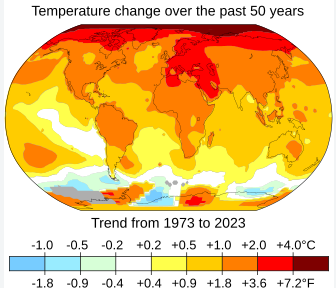
Increasing emissions is a big problem for our planet. Did you know that the things you do every day can affect the climate and make global warming worse?  

You might be doing things that are bad for the environment or making more emissions without knowing it.  

Your lifestyle, what you buy, how you use energy and other things can all impact the amount of carbon you produce. 

Data from the World Bank shows that, on average, each person in Australia produces about 15 tonnes of a gas called CO2 every year.  

This is a lot compared to the rest of the world, about three times more than what people globally produce on average. 

Climate Analytics, warns that if Australia continues like this, it could become one of the biggest sources of pollution in the world, causing up to 17% of the world’s pollution by 2030.  

Australian homes contribute a big part to this problem, making up one-fifth of the pollution caused by the whole country. 

The United Nations says that if we don’t reduce the amount of CO2 we produce, the world won’t be able to achieve the goal set in the Paris Agreement.  

This goal is to limit the increase in the Earth’s temperature to only 1.5 degrees Celsius. The UN warns that countries, like Australia, need to bring down the amount of CO2 each person produces to 2-2.5 tonnes per year by 2030. 

To understand better, let’s look at some basics-

What is A Carbon Footprint?

A carbon footprint is the total amount of greenhouse gases, specifically carbon dioxide (CO2) and other carbon compounds, that an individual, organization, event, or product is responsible for emitting into the atmosphere.  

Greenhouse gases trap heat in the Earth’s atmosphere, contributing to the warming of the planet and resulting in climate change. 

It is expressed as the total amount of CO2e emissions produced, usually measured in metric tons, associated with a particular activity, entity, or product. 

Common sources of carbon footprints include: 

Energy Use: Emissions from the use of fossil fuels for electricity, heating, and transportation contribute significantly to carbon footprints. 

Transportation: The type of vehicles used, frequency of travel, and the fuel efficiency of transportation modes affect the carbon footprint. 

Food Production and Consumption: The production, transportation, and disposal of food contribute to carbon footprints, especially if they involve energy-intensive processes. 

Waste Generation: The decomposition of organic waste in landfills produces methane, a potent greenhouse gas, contributing to carbon footprints. 

Manufacturing and Industry: The production of goods and services, especially those reliant on energy-intensive processes and materials, contributes to carbon footprints. 

Understanding and reducing one’s carbon footprint is essential for mitigating climate change. Individuals, businesses, and governments can take steps to lower emissions.  

Initiatives such as using renewable energy, improving energy efficiency, adopting sustainable transportation, and making environmentally conscious choices in consumption and waste management.

Importance of Reducing Our Carbon Footprint

carbon footprint

Australians can significantly reduce their impact on the earth by understanding and addressing some simple issues.  

Here’s why it’s essential:  

Environmental Impact:

Australia is known for its unique and diverse ecosystems, including the Great Barrier Reef and various wildlife habitats.  

A large carbon footprint contributes to climate change, affecting these environments through rising temperatures, altered rainfall patterns, and more frequent extreme weather events.

Vulnerable to Climate Change:

Australians are particularly vulnerable to the impacts of climate change, such as heatwaves, droughts, and bushfires.  

Addressing your carbon footprint helps mitigate these climate-related risks and protects communities from the adverse effects of a changing climate.

Global Responsibility:

Despite having a smaller population compared to some countries, Australia has one of the highest per capita carbon footprints globally.  

Taking responsibility for our individual and collective carbon emissions is essential for global efforts to combat climate change and fulfill international commitments like the Paris Agreement.

Economic Considerations:

Climate change can have significant economic impacts on industries such as agriculture, tourism, and infrastructure. By reducing our carbon footprint, we contribute to building a more sustainable and resilient economy. 

Energy Transition:

Australia has abundant renewable energy resources, and transitioning to cleaner energy sources is crucial for reducing carbon emissions.  

Individuals can play a role by supporting and adopting renewable energy sources, contributing to the country’s overall shift towards a more sustainable energy system.

Health and Well-being:

Climate change can affect public health, with increased risks of heat-related illnesses, vector-borne diseases, and respiratory problems. Lowering carbon footprints can contribute to a healthier environment, benefiting the well-being of individuals and communities.

Government Initiatives:

Governments at various levels in Australia are implementing policies and initiatives to address climate change.  

By actively reducing our carbon footprints, we align ourselves with these efforts and support the broader goals of creating a more sustainable and resilient nation. 

In summary, being mindful of and reducing your carbon footprint is essential for protecting the environment, and climate change.  

It also works to fulfill global responsibilities, supporting the economy, and safeguarding the health and well-being of the population.

10 Most Effective Ways To Reduce Carbon Footprint As A Homeowner

Australians can very easily reduce their carbon footprint. Just by changing their energy usage patterns, they can have a significant change. 

Let’s look at some effective ways to reduce your carbon footprint as a guide-

Do an Energy Audit

To make sure we use energy wisely and help the environment, the first thing we need to do is an energy audit. It’s like checking how we use energy at home. Look at things like lights, appliances, and heating.  

An energy audit can determine your energy usage and how to reduce it. We can switch to energy-efficient light bulbs, turn off things when we’re not using them, and maybe use the sun to heat our water. Doing this helps us use less energy, and that’s good for our planet. 

Shift to Energy-Efficient Cooling Systems and Heating Systems

Using cooling and heating systems like our aircon and heat pump can have an impactful effect on our environment. Go to Cyanergy and get a free quote 

These systems work well to keep us cool in the summer and warm in the winter, but they don’t use as much electricity. 

Get Smart Kitchen Appliances

Technology is getting smarter every day. Smart appliances are better than traditional ones, and they’re more efficient. These products are convenient and use less energy because they can do things on their own. 

Solar Power Integration

Get electricity from the sun at home. This helps you reduce your carbon footprint significantly. Solar hot water systems also help you avoid using gas and paying extra for it. 

Learn more about solar energy and how small changes can help our environment. Find out about incentives, installation, and energy providers.

Avoid Using Appliances During Peak Hours

As a homeowner, you control your energy use. In Australia, officials say that from 10 pm to 7 am is not peak hours. Do your chores like laundry and cooking during these times to save energy and money. 

Turn Off Devices When Not Using Them

It’s a simple trick but very effective. Turn off all devices and appliances when you’re not using them to save on energy bills. 

Keep Track of Your Energy Usage

Managing your energy use is important, especially in Australia, where energy bills can be high. Keep track of your habits and be aware of your energy use. Get a Free Energy Monitor to help you keep track. 

Find Your Main Energy Hot Spots

Figure out where you use the most energy. For example, check if you use too much hot water or if the TV is on all night. Change these habits to save energy. 

Compare Your Energy Use in Your Area

If you’re following tips to save energy but not seeing a change in your bills, your area might be a factor. Ask your local government for advice. With these tips, you can make your home more efficient and reduce energy costs. 

Reducing, Reusing, and Recycling

When we reduce, reuse, and recycle, we’re being helpful to the Earth. First, we try not to buy too much stuff that we don’t need.  

If we do buy things, it’s good to choose stuff that can be used again or things made from recycled materials. Some things can be used again, like packaging or old boxes. And when we recycle, we’re giving old things a new life instead of just throwing them away.  

Reducing your carbon footprint is easier than we think. Program your behavior and keep track of what you use. It helps whether you’re heating or cooling your home or when you’re away. Contact us for easy energy solutions. 

Your Solution Is Just a Click Away

The post 10 Most Effective Ways To Reduce Carbon Footprint As A Homeowner appeared first on Cyanergy.

10 Most Effective Ways To Reduce Carbon Footprint As A Homeowner

Continue Reading

Renewable Energy

BladeBUG Tackles Serial Blade Defects with Robotics

Published

on

Weather Guard Lightning Tech

BladeBUG Tackles Serial Blade Defects with Robotics

Chris Cieslak, CEO of BladeBug, joins the show to discuss how their walking robot is making ultrasonic blade inspections faster and more accessible. They cover new horizontal scanning capabilities for lay down yards, blade root inspections for bushing defects, and plans to expand into North America in 2026.

Sign up now for Uptime Tech News, our weekly newsletter on all things wind technology. This episode is sponsored by Weather Guard Lightning Tech. Learn more about Weather Guard’s StrikeTape Wind Turbine LPS retrofit. Follow the show on YouTubeLinkedin and visit Weather Guard on the web. And subscribe to Rosemary’s “Engineering with Rosie” YouTube channel here. Have a question we can answer on the show? Email us!

Welcome to Uptime Spotlight, shining Light on Wind. Energy’s brightest innovators. This is the Progress Powering Tomorrow.

Allen Hall: Chris, welcome back to the show.

Chris Cieslak: It’s great to be back. Thank you very much for having me on again.

Allen Hall: It’s great to see you in person, and a lot has been happening at Blade Bugs since the last time I saw Blade Bug in person. Yeah, the robot. It looks a lot different and it has really new capabilities.

Chris Cieslak: So we’ve continued to develop our ultrasonic, non-destructive testing capabilities of the blade bug robot.

Um, but what we’ve now added to its capabilities is to do horizontal blade scans as well. So we’re able to do blades that are in lay down yards or blades that have come down for inspections as well as up tower. So we can do up tower, down tower inspections. We’re trying to capture. I guess the opportunity to inspect blades after transportation when they get delivered to site, to look [00:01:00] for any transport damage or anything that might have been missed in the factory inspections.

And then we can do subsequent installation inspections as well to make sure there’s no mishandling damage on those blades. So yeah, we’ve been just refining what we can do with the NDT side of things and improving its capabilities

Joel Saxum: was that need driven from like market response and people say, Hey, we need, we need.

We like the blade blood product. We like what you’re doing, but we need it here. Or do you guys just say like, Hey, this is the next, this is the next thing we can do. Why not?

Chris Cieslak: It was very much market response. We had a lot of inquiries this year from, um, OEMs, blade manufacturers across the board with issues within their blades that need to be inspected on the ground, up the tap, any which way they can.

There there was no, um, rhyme or reason, which was better, but the fact that he wanted to improve the ability of it horizontally has led the. Sort of modifications that you’ve seen and now we’re doing like down tower, right? Blade scans. Yeah. A really fast breed. So

Joel Saxum: I think the, the important thing there is too is that because of the way the robot is built [00:02:00] now, when you see NDT in a factory, it’s this robot rolls along this perfectly flat concrete floor and it does this and it does that.

But the way the robot is built, if a blade is sitting in a chair trailing edge up, or if it’s flap wise, any which way the robot can adapt to, right? And the idea is. We, we looked at it today and kind of the new cage and the new things you have around it with all the different encoders and for the heads and everything is you can collect data however is needed.

If it’s rasterized, if there’s a vector, if there’s a line, if we go down a bond line, if we need to scan a two foot wide path down the middle of the top of the spa cap, we can do all those different things and all kinds of orientations. That’s a fantastic capability.

Chris Cieslak: Yeah, absolutely. And it, that’s again for the market needs.

So we are able to scan maybe a meter wide in one sort of cord wise. Pass of that probe whilst walking in the span-wise direction. So we’re able to do that raster scan at various spacing. So if you’ve got a defect that you wanna find that maximum 20 mil, we’ll just have a 20 mil step [00:03:00] size between each scan.

If you’ve got a bigger tolerance, we can have 50 mil, a hundred mil it, it’s so tuneable and it removes any of the variability that you get from a human to human operator doing that scanning. And this is all about. Repeatable, consistent high quality data that you can then use to make real informed decisions about the state of those blades and act upon it.

So this is not about, um, an alternative to humans. It’s just a better, it’s just an evolution of how humans do it. We can just do it really quick and it’s probably, we, we say it’s like six times faster than a human, but actually we’re 10 times faster. We don’t need to do any of the mapping out of the blade, but it’s all encoded all that data.

We know where the robot is as we walk. That’s all captured. And then you end up with really. Consistent data. It doesn’t matter who’s operating a robot, the robot will have those settings preset and you just walk down the blade, get that data, and then our subject matter experts, they’re offline, you know, they are in their offices, warm, cozy offices, reviewing data from multiple sources of robots.

And it’s about, you know, improving that [00:04:00] efficiency of getting that report out to the customer and letting ’em know what’s wrong with their blades, actually,

Allen Hall: because that’s always been the drawback of, with NDT. Is that I think the engineers have always wanted to go do it. There’s been crush core transportation damage, which is sometimes hard to see.

You can maybe see a little bit of a wobble on the blade service, but you’re not sure what’s underneath. Bond line’s always an issue for engineering, but the cost to take a person, fly them out to look at a spot on a blade is really expensive, especially someone who is qualified. Yeah, so the, the difference now with play bug is you can have the technology to do the scan.

Much faster and do a lot of blades, which is what the de market demand is right now to do a lot of blades simultaneously and get the same level of data by the review, by the same expert just sitting somewhere else.

Chris Cieslak: Absolutely.

Joel Saxum: I think that the quality of data is a, it’s something to touch on here because when you send someone out to the field, it’s like if, if, if I go, if I go to the wall here and you go to the wall here and we both take a paintbrush, we paint a little bit [00:05:00] different, you’re probably gonna be better.

You’re gonna be able to reach higher spots than I can.

Allen Hall: This is true.

Joel Saxum: That’s true. It’s the same thing with like an NDT process. Now you’re taking the variability of the technician out of it as well. So the data quality collection at the source, that’s what played bug ducts.

Allen Hall: Yeah,

Joel Saxum: that’s the robotic processes.

That is making sure that if I scan this, whatever it may be, LM 48.7 and I do another one and another one and another one, I’m gonna get a consistent set of quality data and then it’s goes to analysis. We can make real decisions off.

Allen Hall: Well, I, I think in today’s world now, especially with transportation damage and warranties, that they’re trying to pick up a lot of things at two years in that they could have picked up free installation.

Yeah. Or lifting of the blades. That world is changing very rapidly. I think a lot of operators are getting smarter about this, but they haven’t thought about where do we go find the tool.

Speaker: Yeah.

Allen Hall: And, and I know Joel knows that, Hey, it, it’s Chris at Blade Bug. You need to call him and get to the technology.

But I think for a lot of [00:06:00] operators around the world, they haven’t thought about the cost They’re paying the warranty costs, they’re paying the insurance costs they’re paying because they don’t have the set of data. And it’s not tremendously expensive to go do. But now the capability is here. What is the market saying?

Is it, is it coming back to you now and saying, okay, let’s go. We gotta, we gotta mobilize. We need 10 of these blade bugs out here to go, go take a scan. Where, where, where are we at today?

Chris Cieslak: We’ve hads. Validation this year that this is needed. And it’s a case of we just need to be around for when they come back round for that because the, the issues that we’re looking for, you know, it solves the problem of these new big 80 a hundred meter plus blades that have issues, which shouldn’t.

Frankly exist like process manufacturer issues, but they are there. They need to be investigated. If you’re an asset only, you wanna know that. Do I have a blade that’s likely to fail compared to one which is, which is okay? And sort of focus on that and not essentially remove any uncertainty or worry that you have about your assets.

’cause you can see other [00:07:00] turbine blades falling. Um, so we are trying to solve that problem. But at the same time, end of warranty claims, if you’re gonna be taken over these blades and doing the maintenance yourself, you wanna know that what you are being given. It hasn’t gotten any nasties lurking inside that’s gonna bite you.

Joel Saxum: Yeah.

Chris Cieslak: Very expensively in a few years down the line. And so you wanna be able to, you know, tick a box, go, actually these are fine. Well actually these are problems. I, you need to give me some money so I can perform remedial work on these blades. And then you end of life, you know, how hard have they lived?

Can you do an assessment to go, actually you can sweat these assets for longer. So we, we kind of see ourselves being, you know, useful right now for the new blades, but actually throughout the value chain of a life of a blade. People need to start seeing that NDT ultrasonic being one of them. We are working on other forms of NDT as well, but there are ways of using it to just really remove a lot of uncertainty and potential risk for that.

You’re gonna end up paying through the, you know, through the, the roof wall because you’ve underestimated something or you’ve missed something, which you could have captured with a, with a quick inspection.

Joel Saxum: To [00:08:00] me, NDT has been floating around there, but it just hasn’t been as accessible or easy. The knowledge hasn’t been there about it, but the what it can do for an operator.

In de-risking their fleet is amazing. They just need to understand it and know it. But you guys with the robotic technology to me, are bringing NDT to the masses

Chris Cieslak: Yeah.

Joel Saxum: In a way that hasn’t been able to be done, done before

Chris Cieslak: that. And that that’s, we, we are trying to really just be able to roll it out at a way that you’re not limited to those limited experts in the composite NDT world.

So we wanna work with them, with the C-N-C-C-I-C NDTs of this world because they are the expertise in composite. So being able to interpret those, those scams. Is not a quick thing to become proficient at. So we are like, okay, let’s work with these people, but let’s give them the best quality data, consistent data that we possibly can and let’s remove those barriers of those limited people so we can roll it out to the masses.

Yeah, and we are that sort of next level of information where it isn’t just seen as like a nice to have, it’s like an essential to have, but just how [00:09:00] we see it now. It’s not NDT is no longer like, it’s the last thing that we would look at. It should be just part of the drones. It should inspection, be part of the internal crawlers regimes.

Yeah, it’s just part of it. ’cause there isn’t one type of inspection that ticks all the boxes. There isn’t silver bullet of NDT. And so it’s just making sure that you use the right system for the right inspection type. And so it’s complementary to drones, it’s complimentary to the internal drones, uh, crawlers.

It’s just the next level to give you certainty. Remove any, you know, if you see something indicated on a a on a photograph. That doesn’t tell you the true picture of what’s going on with the structure. So this is really about, okay, I’ve got an indication of something there. Let’s find out what that really is.

And then with that information you can go, right, I know a repair schedule is gonna take this long. The downtime of that turbine’s gonna be this long and you can plan it in. ’cause everyone’s already got limited budgets, which I think why NDT hasn’t taken off as it should have done because nobody’s got money for more inspections.

Right. Even though there is a money saving to be had long term, everyone is fighting [00:10:00] fires and you know, they’ve really got a limited inspection budget. Drone prices or drone inspections have come down. It’s sort, sort of rise to the bottom. But with that next value add to really add certainty to what you’re trying to inspect without, you know, you go to do a day repair and it ends up being three months or something like, well

Allen Hall: that’s the lightning,

Joel Saxum: right?

Allen Hall: Yeah. Lightning is the, the one case where every time you start to scarf. The exterior of the blade, you’re not sure how deep that’s going and how expensive it is. Yeah, and it always amazes me when we talk to a customer and they’re started like, well, you know, it’s gonna be a foot wide scarf, and now we’re into 10 meters and now we’re on the inside.

Yeah. And the outside. Why did you not do an NDT? It seems like money well spent Yeah. To do, especially if you have a, a quantity of them. And I think the quantity is a key now because in the US there’s 75,000 turbines worldwide, several hundred thousand turbines. The number of turbines is there. The number of problems is there.

It makes more financial sense today than ever because drone [00:11:00]information has come down on cost. And the internal rovers though expensive has also come down on cost. NDT has also come down where it’s now available to the masses. Yeah. But it has been such a mental barrier. That barrier has to go away. If we’re going going to keep blades in operation for 25, 30 years, I

Joel Saxum: mean, we’re seeing no

Allen Hall: way you can do it

Joel Saxum: otherwise.

We’re seeing serial defects. But the only way that you can inspect and or control them is with NDT now.

Allen Hall: Sure.

Joel Saxum: And if we would’ve been on this years ago, we wouldn’t have so many, what is our term? Blade liberations liberating

Chris Cieslak: blades.

Joel Saxum: Right, right.

Allen Hall: What about blade route? Can the robot get around the blade route and see for the bushings and the insert issues?

Chris Cieslak: Yeah, so the robot can, we can walk circumferentially around that blade route and we can look for issues which are affecting thousands of blades. Especially in North America. Yeah.

Allen Hall: Oh yeah.

Chris Cieslak: So that is an area that is. You know, we are lucky that we’ve got, um, a warehouse full of blade samples or route down to tip, and we were able to sort of calibrate, verify, prove everything in our facility to [00:12:00] then take out to the field because that is just, you know, NDT of bushings is great, whether it’s ultrasonic or whether we’re using like CMS, uh, type systems as well.

But we can really just say, okay, this is the area where the problem is. This needs to be resolved. And then, you know, we go to some of the companies that can resolve those issues with it. And this is really about played by being part of a group of technologies working together to give overall solutions

Allen Hall: because the robot’s not that big.

It could be taken up tower relatively easily, put on the root of the blade, told to walk around it. You gotta scan now, you know. It’s a lot easier than trying to put a technician on ropes out there for sure.

Chris Cieslak: Yeah.

Allen Hall: And the speed up it.

Joel Saxum: So let’s talk about execution then for a second. When that goes to the field from you, someone says, Chris needs some help, what does it look like?

How does it work?

Chris Cieslak: Once we get a call out, um, we’ll do a site assessment. We’ve got all our rams, everything in place. You know, we’ve been on turbines. We know the process of getting out there. We’re all GWO qualified and go to site and do their work. Um, for us, we can [00:13:00] turn up on site, unload the van, the robot is on a blade in less than an hour.

Ready to inspect? Yep. Typically half an hour. You know, if we’ve been on that same turbine a number of times, it’s somewhere just like clockwork. You know, muscle memory comes in, you’ve got all those processes down, um, and then it’s just scanning. Our robot operator just presses a button and we just watch it perform scans.

And as I said, you know, we are not necessarily the NDT experts. We obviously are very mindful of NDT and know what scans look like. But if there’s any issues, we have a styling, we dial in remote to our supplement expert, they can actually remotely take control, change the settings, parameters.

Allen Hall: Wow.

Chris Cieslak: And so they’re virtually present and that’s one of the beauties, you know, you don’t need to have people on site.

You can have our general, um, robot techs to do the work, but you still have that comfort of knowing that the data is being overlooked if need be by those experts.

Joel Saxum: The next level, um, commercial evolution would be being able to lease the kit to someone and or have ISPs do it for [00:14:00] you guys kinda globally, or what is the thought

Chris Cieslak: there?

Absolutely. So. Yeah, so we to, to really roll this out, we just wanna have people operate in the robots as if it’s like a drone. So drone inspection companies are a classic company that we see perfectly aligned with. You’ve got the sky specs of this world, you know, you’ve got drone operator, they do a scan, they can find something, put the robot up there and get that next level of information always straight away and feed that into their systems to give that insight into that customer.

Um, you know, be it an OEM who’s got a small service team, they can all be trained up. You’ve got general turbine technicians. They’ve all got G We working at height. That’s all you need to operate the bay by road, but you don’t need to have the RAA level qualified people, which are in short supply anyway.

Let them do the jobs that we are not gonna solve. They can do the big repairs we are taking away, you know, another problem for them, but giving them insights that make their job easier and more successful by removing any of those surprises when they’re gonna do that work.

Allen Hall: So what’s the plans for 2026 then?

Chris Cieslak: 2026 for us is to pick up where 2025 should have ended. [00:15:00] So we were, we were meant to be in the States. Yeah. On some projects that got postponed until 26. So it’s really, for us North America is, um, what we’re really, as you said, there’s seven, 5,000 turbines there, but there’s also a lot of, um, turbines with known issues that we can help determine which blades are affected.

And that involves blades on the ground, that involves blades, uh, that are flying. So. For us, we wanna get out to the states as soon as possible, so we’re working with some of the OEMs and, and essentially some of the asset owners.

Allen Hall: Chris, it’s so great to meet you in person and talk about the latest that’s happening.

Thank you. With Blade Bug, if people need to get ahold of you or Blade Bug, how do they do that?

Chris Cieslak: I, I would say LinkedIn is probably the best place to find myself and also Blade Bug and contact us, um, through that.

Allen Hall: Alright, great. Thanks Chris for joining us and we will see you at the next. So hopefully in America, come to America sometime.

We’d love to see you there.

Chris Cieslak: Thank you very [00:16:00] much.

BladeBUG Tackles Serial Blade Defects with Robotics

Continue Reading

Renewable Energy

Understanding the U.S. Constitution

Published

on

Hillsdale College is a rightwing Christian extremist organization that ostensibly honors the United States Constitution.

Here’s their quiz, which should be called the “Constitutional Trivia Quiz.”, whose purpose is obviously to convince Americans of their ignorance.

When I teach, I’m going for understanding of the topic, not the memorization of useless information.

Understanding the U.S. Constitution

Continue Reading

Renewable Energy

Bravery Meets Tragedy: An Unending Story

Published

on

Here’s a story:

He had 3 days left until graduation.

STEM School Highlands Ranch. May 7, 2019.

Kendrick Castillo was 18. A robotics student. College bound. Accepted into an engineering program. The final week of school felt like countdown, not crisis.

Then a weapon appeared inside a classroom.

Students froze.

Kendrick did not.

Witnesses say he moved instantly. He lunged toward the attacker. No hesitation. No calculation.

Two other students followed his lead.

Gunfire erupted.

Kendrick was fatally sh*t.

But his movement changed the room.

Classmates were able to tackle and restrain the attacker until authorities arrived. Investigators later stated that the confrontation disrupted the attack and likely prevented additional casualties.

In seconds, an 18-year-old made a decision most adults pray they never face.

Afterward, the silence was heavier than the noise.

At graduation, his name was called.

His diploma was awarded posthumously. The arena stood in collective applause. An empty seat. A cap and gown without the student inside it.

His robotics teammates remembered him as curious. Competitive. Kind. Someone who solved problems instead of avoiding them.

He had planned to build machines.

Instead, he built a moment.

A moment that classmates say gave them time.

Time to escape.

Two points:

If you can read this without tears welling up in your eyes, you’re a far more stoic person than I.

Since Big Money has made it impossible for the United States to implement the same common-sense gun laws that exist in the rest of the planet, this story will reduplicate itself into perpetuity.

Bravery Meets Tragedy: An Unending Story

Continue Reading

Trending

Copyright © 2022 BreakingClimateChange.com