

Published
1 year agoon
By
Alice RushIn Australia, electricity generation is the leading source of industrial air pollution. Most of our electricity still comes from coal, gas, and other non-renewable sources.
Producing energy from these resources has a significant environmental impact, polluting our air, land, and water. That alone is a strong reason to shift toward renewable energy from fossil fuels.
While the country long relied on coal and gas to keep the lights on, the world is changing, and so must we. Climate pressures are rising, fossil fuels are fading, and the chance to lead the global green energy revolution is right on our doorstep.
But why do we need renewable energy now more than ever?
Let’s discover why Australia needs renewable energy now more than ever, from cutting pollution to lowering energy bills. This blog explores the top benefits, rebates, and programs driving the green transition.
In this blog post:
What is Renewable Energy? | Why It Matters?
Before knowing the importance of renewable energy, we need to know what renewable energy is.
Renewable energy is clean energy derived from natural resources such as sunlight, wind, water or geothermal heat. Most forms of renewable energy are sustainable, which means they won’t run out easily and have a much lower environmental impact.
In Australia, the renewable sector currently accounts for approximately 40% of the country’s total electricity generation, a significant increase from 35% in 2023.
This rapid growth was driven by the government’s significant investments in solar and wind energy and residents’ strong commitment to sustainability.
In the December 2024 quarter, renewable energy contributed a record 46% to the National Electricity Market (NEM), with periods where it supplied up to 75.6% of the market’s electricity.
Altogether, the country is making substantial progress by setting ambitious renewable energy targets of generating 82% of its power from clean natural sources and working collaboratively to reach net-zero emissions by 2050.
Common Forms of Renewable Energy in Australia
Australia harnesses various renewable energy sources to meet its growing energy needs and reduce carbon emissions.
However, Australia’s most common types of renewable energy can be classified into two forms. This includes:
Primary Energy Sources in Australia:
In primary sources, energy is obtained directly from natural resources before any transformation. For example:
- Coal: Burning coal is still a major source, especially for electricity generation in Australia.
- Natural Gas: Largely used for generating electricity and running industrial processes.
- Common Renewable energy sources:
- Solar: Solar energy is captured via solar PV or solar thermal systems.
- Wind: Captured using wind turbines to generate mechanical or electrical energy.
- Hydropower: Flowing water from dams or rivers is used to spin turbines and generate power.
- Bioenergy: This energy comes from organic materials like crop waste, wood, or landfill gas.
- Ocean Energy: Energy generated from Wave and tidal movements.
- Geothermal: Extract heat from beneath the Earth’s surface.
Secondary Renewable Energy Sources:
Secondary sources are those that have been transformed from primary energy into a usable form, typically electricity or refined fuels.
- Electricity
- Generated from coal, gas, and renewables.
- Supplied through the National Electricity Market (NEM).
- Used to power homes, businesses, and infrastructure.
- Refined BioFuels
- They are produced from processed biomass such as petrol, diesel, and aviation fuel. They are mostly imported or refined locally from imported crude oil, which is later used for transportation.
- Green Hydrogen
- Secondary energy is produced from electrolysis or gas reforming.
- Made using renewable electricity via electrolysis
- They can be used for industrial purposes, storage, and transport.
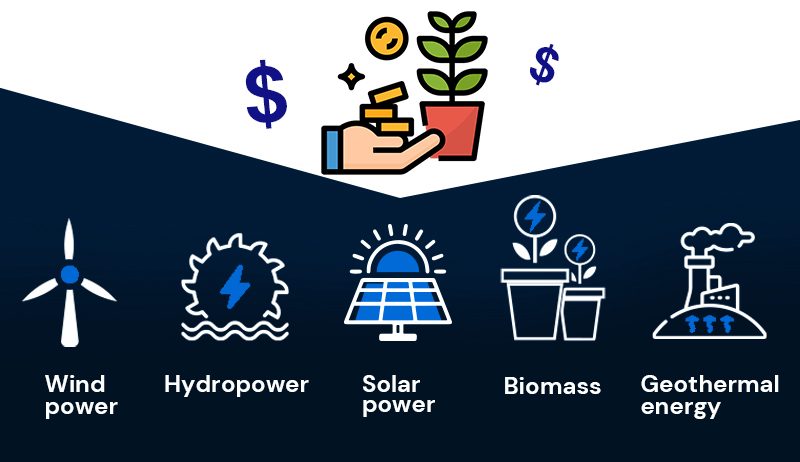
Why Do We Need Renewable Energy?
People often ask: Can renewable energy solve the environmental struggle we are facing? Why do we need this energy transition?
As previously mentioned, renewable energy is clean and healthier for the environment. But there’s more than meets the eye.
Every year, traditional energy sources like burning coal, oil, and natural gas release large amounts of greenhouse gases into the atmosphere, contributing to global warming and extreme weather events.
Only renewable power holds the key to reversing this damage, lighting the path to a greener, cleaner, and more resilient planet.
It also diversifies the energy sector and its supply and reduces dependence on imported fuels. Wondering how?
Many countries are vulnerable to global oil price fluctuations and geopolitical tensions. But by investing in local, renewable resources, they can create a more stable and self-sufficient energy system.
Moreover, once the infrastructure is in place, renewable energy systems typically have lower operating costs and offer more predictable energy prices compared to fossil fuels.
Overall, renewable energy is not just an alternative but a necessity for a cleaner, safer, and more resilient future. So, for Australian residents, it is the perfect time to invest in renewable energy.
The Diverse Role of Renewable Energy: Powering a Safer Future!
According to the UK-based think tank Ember, Australia is the second most dependent country on power generation. In 2021, Australia’s greenhouse gas pollution from coal was higher than that of any other developed country.
However, the boost in solar and wind energy usage has reduced pollution significantly in the past few years.
From reducing our dependence on fossil fuels to lowering our carbon footprint, these clean energy sources like solar, wind, and hydro play a vital and multifaceted role in transforming how we power our homes and businesses sustainably.
Well, that’s just the beginning! In Australia, renewable energy has even more to offer!
Let’s discuss the benefits in detail in the next section of this article.
Benefits of Renewable Energy in Australia
So, here we’ve outlined additional benefits of renewable energy that go beyond just environmental impact:
- Reduce electricity bills by installing solar panels with battery storage
- Enhances energy security, offering greater energy independence
- Ensure economic growth by creating new markets and many exciting job opportunities in research, manufacturing, and installation sites.
- Offers technological innovation to increase energy efficiency and reliability in the Australian electric sector.
- Renewable energy’s diverse energy portfolio reduces dependency on a single source, creating flexibility and resilience.
- Supports rural electrification, which develops the local economy.
- Reduce health risk by improving air quality and lowering greenhouse gas emissions.
- Empowers communities, encouraging greater adoption of electrification and sustainable living.
- Strengthen grid stability by reducing congestion during peak demand hours.
- Provide sustainability for upcoming generations, ensuring a more resilient future.
- Renewable energy cuts down waste by recycling.
Empowering Households Through Small-Scale Renewable Energy Scheme
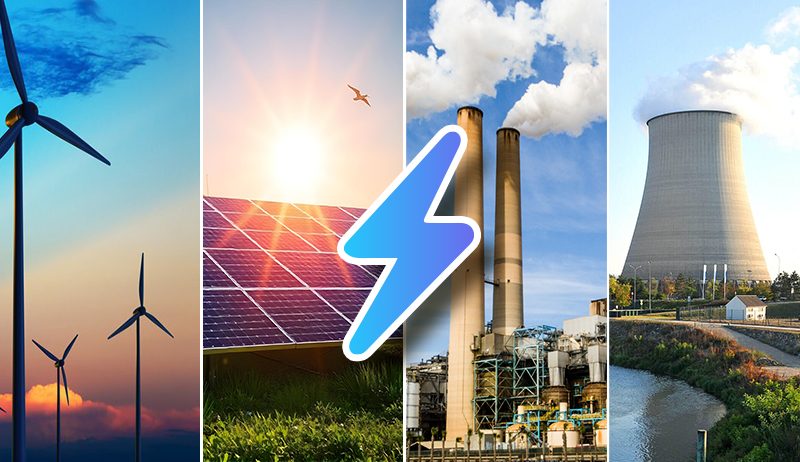
So, what initiatives has the Australian government introduced to promote renewable energy in recent years?
The government has implemented several initiatives to promote renewable energy adoption among its residents to support a 100% transition to renewable energy, creating a low-emission economy.
Here are the key rebates and incentive programs:
Australian Federal Incentives and Rebates on Renewable Energy
- Small-scale Renewable Energy Scheme (SRES)
Small-scale renewable energy scheme programs provide financial incentives for households and small businesses to install renewable energy systems. This includes rooftop solar, hot water heat pumps and other energy efficiency systems.
In this scheme, participants receive small-scale technology certificates (STCs) that can be either sold or traded for upfront discounts.
- Household Energy Upgrades Fund
According to the 2023–24 Australian Budget, homes and businesses can access energy upgrades with a $1.6 billion savings plan.
This package includes:
- A $1.3 billion investment is made to create the Household Energy Upgrades Fund, which supports over 110,000 households in upgrading to energy-efficient technologies.
- The fund also includes $300 million for social housing upgrades, jointly planned with states and territories. With this upgrade, about 60,000 homes could cut energy use by up to one-third annually.
- Moreover, this fund also provides a $310 million Small Business Energy Incentive, which offers a 20% bonus tax deduction on up to $100,000 spent on electrification and energy efficiency.
- Community Solar Banks Initiative
Not having your own property is no longer a barrier to adopting solar panels in Australia. With a $100 million investment, the community solar projects target renters, apartment dwellers, and low-income households who cannot install their own solar systems.
It supports the development of shared solar installations, enabling the entire community to benefit from renewable energy.
State-Based Rebate Programs in Australia
New South Wales
- Solar for Low-Income Households: This program provides free solar systems to eligible low-income households, helping them reduce their electricity bills by up to $600 annually.
- Regional Community Energy Program: Offers funding for renewable energy projects in regional communities to improve energy reliability and reduce costs.
Victoria
- Solar Homes Program: Expands access to solar energy by offering rebates for solar panel installations, solar hot water systems, and battery storage.
Additional Support Measures: Accelerating the shift towards Renewables
Feed-in Tariffs
Households with solar systems can receive payments for excess electricity exported to the grid. Rates vary by state and time of export. For example, Western Australia offers up to 10 cents per kWh for electricity exported during peak hours.
Energy Savings Scheme (New South Wales)
Provides financial incentives for energy-saving activities, including installing renewable energy systems and energy-efficient appliances in homes and businesses.
Is Energy Transition Really Worth It?

Even though renewable power is abundant and has many visible benefits, people still need to be convinced to use it.
Opponents of renewable energy enjoy emphasizing the sun’s and wind’s variability to increase support for coal, gas, and nuclear plants.
This argument is used to undermine large investments in renewable energy, posing a rhetorical barrier to increased wind and solar adoption rates.
On the contrary, renewable sources can be more easily operated on demand or provide continuous power. So, the reality is much more favorable to clean energy. Solar and wind are highly predictable when distributed over a large enough geographic area.
They are highly reliable and modern grid technologies, such as advanced batteries, real-time pricing, and smart appliances, that can also assist solar and wind. These can be essential components of a high-performing grid.
All in all, if we put things into perspective, YES! Renewable energy and energy transition is worth it for our atmosphere and people. So, it’s high time for Australians to participate in this positive change and switch to renewables with Cyanergy.
At Cyanergy, you can also get a free solar quote and talk to an expert today for any of your needs in Australia!
Your Solution Is Just a Click Away
The post Why Do We Need Renewable Energy in Australia? appeared first on Cyanergy.
