Connect with us

Published

on

In recent years, sustainability has become a key focus in the global real estate industry, and Australia is no different. People are increasingly looking for eco-friendly buildings.  

Innovative projects that upgrade old buildings and create sustainable designs are popping up all over Australia to meet this demand. These efforts highlight the possibilities for a greener future 

And this is the ultimate guide to sustainable energy in commercial spaces.  

What are commercial buildings?

Commercial buildings are non-residential places like shops, restaurants, offices, factories, hotels, schools, and hospitals. In Australia, they use about 25% of all electricity and produce 10% of the country’s total carbon emissions.

What is Commercial Sustainability?

Commercial sustainability means how businesses plan and act to lessen the harmful effects of their operations on the environment and society. Companies often use environmental, social, and governance (ESG) standards to judge their sustainability efforts.   

As the Earth faces severe and lasting changes, the risks from climate change are becoming too big to ignore.  

Crossing environmental limits raises worries about chain reactions that could harm natural systems and societies worldwide. Businesses are feeling the push to set sustainability goals, seeing it as both a responsibility and an opportunity.   

Examples of sustainability in business:   

  • Building systems that cut greenhouse gas emissions saves water and reduces waste.   
  • Creating supply chains that promote recycling, reduce waste, support sustainable consumption, and protect resources.   
  • Preparing for future challenges by managing risks, improving resilience, and following regulations for sustainable development.  

How Carbon and Climate Change Are Affecting Australia and its Businesses

Australia is highly vulnerable to the impacts of climate change, and rising carbon emissions are creating severe environmental and economic challenges. These changes are already affecting businesses across the country in many ways.   

The environment is experiencing more extreme weather, including droughts, bushfires, and floods. These events disrupt industries like farming, tourism, and insurance. Heatwaves and rising temperatures are also putting pressure on infrastructure and energy systems.  

Coastal cities face the threat of rising sea levels, which could lead to expensive repairs and changes to protect buildings and roads. Additionally, ecosystems like the Great Barrier Reef are suffering, which hurts industries such as fishing and tourism.   

Businesses are feeling the effects of these environmental changes. Extreme weather can damage facilities, delay production, and disrupt supply chains, leading to higher costs.  

Energy prices are rising, and stricter rules regarding carbon emissions mean businesses must spend more on cleaner technologies.  

At the same time, customers and investors are increasingly looking for companies that offer sustainable products and practices, pushing businesses to make changes.   

The government and international markets also enforce stricter targets to reduce carbon emissions. Companies must invest in renewable energy and sustainable practices to meet these regulations.  

However, this shift also creates opportunities. Businesses that embrace green technologies, like solar power, electric vehicles, and sustainable farming, can benefit from the growing demand for eco-friendly solutions.   

To succeed, Australian businesses must adapt to climate change by reducing their carbon footprint and managing climate risks. Those who lead the way in sustainability can avoid penalties and gain an advantage in a world where sustainability is becoming more important. 

How the Tesla Heat Pump Works

The mechanics behind the Tesla heat pump are both fascinating and efficient. Instead of creating heat (as traditional systems do), the heat pump transfers heat from one area to another.  

It uses refrigerant to absorb heat from the environment or the vehicle’s components, then channels it where needed most—whether to warm the cabin or regulate the battery’s temperature.   

This process is exceptionally energy-efficient, especially compared to conventional systems. By reclaiming heat that would otherwise go to waste, Tesla’s heat pump minimises energy loss and enhances overall performance.   

Managing Cold Weather with Tesla’s Heat Pump

One of the biggest challenges for EVs is maintaining range in cold weather. Traditional heating methods can significantly drain a vehicle’s battery, reducing its range. Tesla’s heat pump system uses energy more efficiently to address this issue.   

Tesla’s heat pump provides peace of mind for Australian EV drivers navigating cold climates. It keeps the cabin cozy and preserves battery life, ensuring you can travel longer distances without frequent recharging.   

Tesla also provides best practices for cold weather, like pre-conditioning your car while it’s plugged in. This ensures the heat pump works at peak efficiency without affecting the battery’s charge.   

Boosting Winter EV Range with Heat Pump Technology

A standout feature of the heat pump is its ability to enhance winter performance. Managing thermal energy effectively helps extend an EV’s range during colder months.  

For instance, Tesla owners in Australia who experience chilly winters will notice a marked improvement in energy conservation, allowing for longer, uninterrupted drives.   

The Broader Impact of Tesla’s Heat Pump Technology

Tesla’s focus on heat pump innovation goes beyond individual comfort. It’s a testament to the company’s dedication to advancing electric vehicle technology while minimising environmental impact.  

The system reduces reliance on fossil fuels and sets a benchmark for other automakers.   

Moreover, Tesla’s heat pump is a versatile system. It could inspire applications beyond EVs, such as in hot water heat pumps and other energy-efficient systems for homes or industries.    

How to Become a Carbon-Neutral Business?

solar panels

Becoming carbon-neutral means balancing the carbon dioxide (CO2) your business emits. Here’s how you can do it in simple steps:   

1. Understand Your Carbon Footprint

Start by calculating your business’s carbon footprint. It includes energy use, transportation, production processes, and employee travel. You can use online tools or hire experts to help with this.   

2. Find Ways to Reduce Emissions

Look at your operations and figure out where you can cut down on emissions. This could mean:   

  • Switching to renewable energy sources like solar or wind.   
  • Using energy-efficient appliances and lighting.   
  • Reducing waste by reusing and recycling materials.   
  • Encouraging employees to work remotely or use public transport.   

3. Offset the Remaining Emissions

Some emissions are hard to avoid altogether. You can offset these by investing in projects that reduce or remove carbon elsewhere, such as planting trees, supporting clean energy projects, or funding programs that capture carbon from the air.   

4. Get Certified

You can get certified as a carbon-neutral business once you’ve reduced and offset your emissions. Certification shows customers and stakeholders that you’re committed to sustainability.  

Government Organisations like the Department of Climate Change, Energy, the Environment, and Water in Australia can help with this process.   

5. Monitor and Improve 

Becoming carbon-neutral isn’t a one-time thing. Regularly review your carbon footprint, track progress, and keep finding new ways to reduce emissions.   

These steps will help the environment, attract eco-conscious customers, reduce long-term costs, and build a positive reputation for your business. 

Renewable Energy Scenario in Australia, 2024

Australia’s renewable energy sector grew significantly in 2024, with several factors contributing to this growth:  

Investment

There is a surge in investment in renewable energy projects, creating new green jobs and invigorating the sector. In 2023, investment in large-scale storage increased by 157.9% from 2022.  

Government policies

The Australian government is fast-tracking the Guarantee of Origin Scheme, which will allow renewable energy to be certified from 2025.  

The government has also signed the Renewable Energy Transformation Agreement (RETA) with the ACT Government to secure the ACT’s 100% renewable energy future.  

Technological advances

Technological strides are helping to accelerate the transition to renewable energy.  

Environmental awareness

The public is becoming more aware of fossil fuels’ environmental impact, driving the shift to renewable energy.  

Corporate sustainability

Businesses are increasingly adopting green energy solutions to reduce their carbon footprint.  

Solar Energy

Australia‘s abundant sunshine is used to generate energy, with rooftop solar installations becoming more common.  

Storage

Batteries and pumped hydro store energy when it’s abundant and make it available later.  

In 2023, renewables accounted for 39.4% of Australia’s total electricity supply. In 2024, the country added over 7GW of new renewable capacity, including 3.1GW of small-scale capacity. 

Improving Energy Efficiency Through Commercial Sustainability

Energy efficiency is a vital part of commercial sustainability. By using energy more effectively, businesses can lower operating costs, reduce their environmental impact, and meet sustainability goals. Here’s how energy efficiency can be achieved:  

Switch to Renewable Energy

Renewable energy sources like solar, wind, or hydropower can significantly reduce carbon emissions. Installing solar panels or signing up for green energy plans are great ways to start.   

Upgrade Equipment and Appliances

Replacing outdated equipment with energy-efficient options saves energy and money in the long run. LED lighting, energy-saving HVAC systems, and efficient machinery are all smart investments.   

Implement Smart Technology

Smart systems can monitor and optimise energy use in real time. For example, motion sensors can control lights, and automated systems can adjust heating and cooling based on occupancy.   

Improve Building Design

Sustainable building designs make better use of natural light and ventilation. Features like insulated windows, energy-efficient roofing, and green walls can reduce the need for artificial lighting and temperature control.   

Engage Employees

Educating employees about energy-saving habits can make a big difference. Simple actions like turning off unused lights and equipment or using energy during off-peak hours add up over time.   

Regular Maintenance

Keeping systems like air conditioning units and machinery well-maintained ensures they run efficiently, saving energy and extending their lifespan.   

Track and Optimise Energy Use

Regular energy audits should be conducted to find areas where energy is wasted. Set clear energy reduction goals and measure progress over time.   

By prioritising energy efficiency, businesses cut costs and enhance their reputation as responsible and forward-thinking organisations committed to sustainability. 

How Sustainable Buildings Are Leading the Way in Australia? Expert Guide by Cyanergy
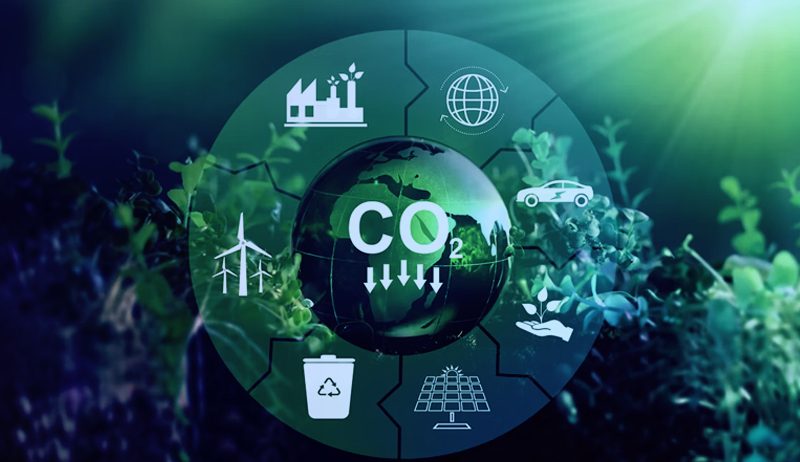
sustainability

Sustainable commercial buildings are becoming essential to Australia’s move towards a greener future. These buildings are designed to be environmentally friendly and energy-efficient, reducing their impact on the planet while saving money for owners and tenants.   

One of the main ways sustainable buildings make a difference is by using less energy. They often rely on renewable energy sources like solar panels, built with materials that keep the temperature comfortable, reducing the need for heating and cooling. This helps lower electricity bills and carbon emissions.   

Water-saving features are another big focus. Sustainable buildings use systems to collect and reuse rainwater and install efficient fixtures to reduce water waste. These practices are essential in Australia, where droughts are common.   

Sustainable buildings also minimise waste. Many use recycled or locally sourced materials during construction and have systems to manage and recycle waste during their lifetime.   

In Australia, there are now many examples of buildings that lead the way in sustainability. Green roofs, smart technology, and designs that maximise natural light and airflow are just a few innovations helping Australia meet its climate goals.   

By showing that environmentally friendly practices are both possible and beneficial, sustainable buildings are setting an excellent example for other industries. They prove that businesses and communities can grow while protecting the planet for future generations.  

Talk to an expert from Cyanergy for any sustainability and renewable energy needs.  

Your Solution Is Just a Click Away

The post Ultimate Guide to Sustainable Energy in Commercial Spaces appeared first on Cyanergy.

https://cyanergy.com.au/blog/ultimate-guide-to-sustainable-energy-in-commercial-spaces/

Continue Reading

Renewable Energy

Raw Stupidity: Yet One More Reason that Trump Must Go

Published

on

From the Huffington Post:

A senior FBI officer struggled to answer basic questions about antifa, despite characterizing the organization as “the most immediate violent threat” the US faces.

At a House Committee on Homeland Security hearing on Thursday, Michael Glasheen, operations director of the national security branch of the FBI, said he agreed with President Donald Trump that antifa is one of the greatest national security threats to the country.

The answer, of course, is that “Antifa” is a concept, not an organization.  It refers to anyone who is against fascism. It has no headquarters, no leaders, and no members.

Now, it is true that people with these views can be violent.  When my father led a crew of his fellow anti-fascists, flying a B-17 bomber in World War 2, they completed 29 successful missions, destroying Nazi oil refineries.   Were Nazi soldiers killed in the process?  I never asked him that, and he probably didn’t know, as they were flying at 29,000 feet, but it seems extremely unlikely that no one died.

In peacetime, we antifa people are non-violent.  We may be marching for BLM, or encouraging the use of science in policymaking, or expressing our view that the United States should not have a king.

The FBI must understand this; they must be saying this purely to placate Trump.  No one can be that stupid.

Raw Stupidity: Yet One More Reason that Trump Must Go

Continue Reading

Renewable Energy

Hydrokinetics Gone Awry

Published

on

When I came across the meme at left, I was instantly reminded of a guy who called me from Baltimore, MD about 15 years ago, anxious for me to hunt up investors in an invention he had created.  I was having a hard time understanding the concept he was describing, and so he told me, “Think of it as a river in a box.”

“Ah! Now I get it. You have a box full of standing water. You add energy to it to get it moving, and then our extract energy from the moving water.  And you think that you can extract more energy than you put into it.”

“Yes!” he said excitedly.

I calmly told him that this violates the laws of physics, specifically the first and second laws of thermodynamics, but he wasn’t “having it.” I wished him a pleasant good night and asked him to let me know when he had built a working prototype.

I’m still hoping to hear from him again.

Hydrokinetics Gone Awry

Continue Reading

Renewable Energy

Benefits of Solar Power Solution in Manufacturing Facilities 

Published

on

In today’s dynamic manufacturing world, energy is more than just a utility; it’s the spark that keeps production running. Industrial facilities, powered by massive engines and heavy machinery, often operate 24/7, driving output but also consuming enormous amounts of electricity.

The issues? Soaring energy costs and a growing environmental footprint.

Sometimes it’s like a cycle that often feels impossible to break, but what if your facility could draw energy from a cleaner, more reliable, and cost-effective energy source?

Yes, you heard it right, and that’s where solar power comes in!

As electricity prices continue to rise and corporate sustainability goals become more pressing, manufacturers are rethinking how they power their commercial operations.

Therefore, solar energy is emerging as a game-changing solution, offering reliability, long-term savings, and a sustainable path forward for the Australian manufacturing industry.

In this blog, we’ll explore how manufacturers are successfully implementing solar power, featuring real-world case studies from Cyanergy that highlight both the business advantages and environmental impact.

So, let’s explore how solar energy can help your manufacturing facility reduce costs and enhance efficiency, achieving long-term sustainability.

Why Solar Energy Is Essential for Modern Manufacturing Facilities?

In Australia, manufacturing facilities typically have large roof or yard footprints, significant and relatively
stable electrical loads, including lighting, motors, HVAC, and other machinery. So, the energy used every day is
enormous.

By harnessing the sun’s energy, factories can significantly cut operating
costs
, reduce carbon emissions, and gain greater control over long-term energy stability.

Beyond the environmental benefits, solar power also strengthens a company’s competitive edge and brand reputation in
an increasingly eco-conscious market.

Here we’ve penned down the importance of solar power in the manufacturing industry:

  1. Energy cost mitigation 
  2. So, how solar energy reduces manufacturing costs in Australia?

    With electricity prices rising and energy market volatility increasing, incorporating solar energy offers a
    way to
    reduce grid dependency and lower utility costs in the long term.

  3. Ensure Operational Continuity & Resilience
  4. Solar panel systems, when paired
    with
    battery storage, can help smooth peak energy demand, reduce grid dependence, and improve functioning
    time.

  5. Promote Sustainability and Brand Value
  6. In larger industries, many manufacturers are under pressure from customers, regulators, investors, and
    internal
    stakeholders to reduce
    their carbon footprint
    .

    Solar helps them to achieve energy freedom, powering businesses with a sustainable energy source.

  7. Increase Asset value & ROI
  8. Solar systems, when sized appropriately and properly optimised, can deliver payback in a few years and
    continue to
    provide savings thereafter.

According to Cyanergy’s capability statement, we delivered a 490
kW system
that generated 752 MWh for a manufacturing client, with a 37-month payback period.

This shows that industrial-scale solar can deliver real, practical results for manufacturers.

Now, let’s examine solar power solutions for manufacturing facilities, case studies, and best practices to ensure a
clear understanding.

Case Studies from Cyanergy: Real-World Manufacturing Success in Australia!

In this part of the blog, we have selected three examples from Cyanergy to illustrate how manufacturing facilities are utilising solar energy.

These are not generic installations; these are production-oriented businesses taking real steps across different states of Australia.

1. Uniplas Mouldings International – Wetherill Park, NSW

Project Overview

  • System size: 490 kW solar system installed in staged phases
  • Investment: AUD $591,823.71.
  • Annual generation: 752 MWh
  • Yearly energy costs before solar: approximately $647,000.
  • After solar: $456K, which is approximately 55% of the previous
  • Payback period: 37 months

Why it matters

For Uniplas, a large industrial manufacturer, the solar system not only significantly reduces their operating energy
costs, but the payback of just over 3 years means that the return on investment is also attractive for the
business.

The staged approach also allowed them to access multiple subsidies and implement the project rapidly; for example,
the first stage of 200 kW was completed in four weeks.

This clearly shows how manufacturing operations can incorporate
solar
without any significant disruption.

2. AC Laser – Thomastown, VIC

Project Overview

  • System size: 99.45 kW
  • Annual generation: 141.75 MWh
  • Annual electricity cost before solar: $79,000.
  • After solar: $38,160, a reduction of more than 50%
  • Payback period: 26 months

Why it matters

This is a smaller-scale manufacturing facility compared to Uniplas, yet the results are impressive: a more than 50%
cost reduction and a shorter payback period.

This shows that not only large-scale commercial properties but also mid-sized manufacturing operations can benefit
from solar, not just large ones.

Insights Gained from the Case

  • Don’t wait until your business is huge, as size is scalable.
  • The solar system’s size aligned well with the manufacturing load, saving thousands of dollars.
  • Rapid ROI shows manufacturing facilities can justify solar as a capital investment for their business.

3. Specialised (Cycling-Industry manufacturer) – Port Melbourne, VIC

Project Overview

  • System size: 39.6 kW
  • Annual generation: 47.32 MWh
  • Electricity cost before solar: $26,720; after solar: $17,770
  • Payback period: 45 months

Why it matters

Although smaller, this project depicts that solar energy is a viable option for manufacturing across various sizes
and sectors, even in facilities with a relatively small carbon footprint.

The case emphasises sustainability as a business value and how solar can support brand positioning as well as cost
savings.

Major Takeaways

  • Solar supports both cost and branding sustainability
    goals
    .

  • Even medium-sized systems can provide meaningful savings.
  • The ROI
    generated
    must be viewed in terms of both financial and reputational benefits for any
    business, whether it’s large or small.

Is Now the Right Time for Manufacturers to Transition to Solar Energy?

After knowing the numerous benefits of solar solutions, you may be tempted to go solar. However, transitioning from
traditional energy sources to solar energy comes with a cost. 

From government
incentives
to long-term cost savings, the financial case for solar energy is compelling.

Still wondering, is it time for businesses to go solar? Here’s why you should act now:

  • Electricity prices continue to rise in many markets, strengthening the return on investment for solar
    energy.

  • Many governments and utilities offer incentives, favourable tariffs, or rebates
    for industrial solar projects.

  • Day by day, the pressure for sustainability reporting and corporate social responsibility (CSR) is
    intensifying. Manufacturing facilities with high energy loads are often subject to inspection.

  • Technology costs have fallen recently, making solar panels and inverters
    more affordable than ever and reducing payback time.

  • With the right sizing and execution, the solar system becomes a long-term asset that pays for itself,
    releasing capital for other manufacturing investments.

Best Practices for Manufacturing Facilities Considering Solar

Solar can be a powerful game-changer for manufacturing companies and large commercial buildings when implemented correctly.

But that doesn’t mean it’s as easy as flipping the switch.

Therefore, before investing in Solar power, ensure you understand every step that leads to real savings and sustainable success for your business.

1. Conduct a detailed energy assessment & align solar to load

Before installation, it is essential to understand your manufacturing facility’s energy usage patterns, including the peak usage limit, daily load curves, and seasonal variations.

The better the match between system size, orientation, and actual usage, the higher the yield and the quicker the payback.

At Cyanergy, we provide a customised design based on site analysis.

2. Use staging or modular deployment

If you have a large manufacturing site, you may benefit from staging the solar solution in phases.

For example, in Uniplas’s case, the installation was divided into three stages. This enables access to multiple subsidies, enhances cash flow, and mitigates the risk of disruption.

3. Optimise your system size & measure consumption rate

Over-sizing or under-sizing can both cause significant loss in a business. Therefore, the design should minimise waste and maximise the use of solar energy on-site.

As in AC Laser’s mid-sized facility, a 99 kW system fits their load and delivers huge savings.

4. Check your rooftop or plant infrastructure

Is your rooftop compatible with solar panel installation?

For manufacturing facilities, factors such as roof strength, shading, orientation, structural constraints, and maintenance access are crucial.

Ensure the facility can support panels, inverters, wiring, and monitoring systems without compromising building aesthetics.

5. Perform regular monitoring & performance tracking

Everything requires a certain amount of care and maintenance to function properly over time. The story is the same for a solar panel system.

Real-time monitoring allows you to spot performance issues, shading effects, degradation, and inverter downtime.

Cyanergy emphasises continuous monitoring post-installation.

6. Research on financial modelling & payback analysis

When going for solar, always calculate realistic payback periods, ensure system cost fits within capital budgets,

You should also check the available incentives, tax benefits, payback time, and how to stack several rebates for maximum savings.

For example, many Cyanergy projects offer a 2–4 year payback, with several solar rebates that can be combined with the VEU Rebate.

7. Align with sustainability and your brand strategy

In manufacturing factories, incorporating solar energy can be a substantial component of a broader sustainability strategy. Why?

Solar reduces your dependency on harmful fossil fuels, cutting greenhouse gas emissions.

It positions your brand and promotes your business, demonstrating corporate responsibility and improving stakeholder perception.

8. Maintenance & lifecycle planning

Solar systems require periodic maintenance, inverter replacements, cleaning, and monitoring.

So, manufacturing facilities should incorporate service arrangements into their design. Plan for system longevity, degradation, and eventual replacement or upgrade to ensure optimal performance.

9. Consider adding Battery storage

Even though optional, integrating battery storage or demand management can enhance value by enabling peak shaving, reducing demand charges, and storing excess energy for nighttime use or during grid outages.

10. Engage stakeholders and minimise disruption

In manufacturing, you can’t easily stop production. Plan your solar installation during low-production periods, coordinate with your team, and prioritise safety to minimise downtime.

Final Notes: Ready To Take The Next Step?

For manufacturing facilities, solar power isn’t just about being eco-friendly; it’s a smart business move for Australians. Cyanergy’s case studies showed that even large manufacturers can achieve paybacks of 2–4 years, reduce costs, lower emissions, and enhance brand value.

With proper planning, energy assessment, correct system sizing, phased installation, and active monitoring, solar can deliver lasting benefits.

So, if rising energy bills or sustainability goals are on your radar, it’s time to view solar energy as an innovative manufacturing solution, apart from just a renewable energy source.

Reach out to Cyanergy, conduct an energy audit, and engage a solar specialist with manufacturing experience today. Cyanergy is here to help!

Your Solution Is Just a Click Away

The post Benefits of Solar Power Solution in Manufacturing Facilities  appeared first on Cyanergy.

Benefits of Solar Power Solution in Manufacturing Facilities 

Continue Reading

Trending

Copyright © 2022 BreakingClimateChange.com