


The Environmental Protection Agency (EPA), under the Trump administration, canceled $20 billion in climate grants that were part of the Greenhouse Gas Reduction Fund (GGRF). This program was created under a previous administration’s climate law to support clean energy projects. The money was meant for community organizations, nonprofits, credit unions, housing agencies, and solar energy initiatives across the country.
How does this cancellation impact clean energy projects, emission reductions, and economic growth in affected areas? Let’s find out.
What Was the Greenhouse Gas Reduction Fund?
The GGRF was set up in 2022 as part of the Inflation Reduction Act. It was made to be a national green bank. It allocated $27 billion to the EPA for clean energy projects. These projects aim to lower greenhouse gas emissions.
The goal was to bring together public and private money to invest in clean energy, especially in low-income areas that are most affected by climate change.
The fund aimed to reduce pollution, boost energy efficiency, and create jobs. It focused on building clean energy infrastructure. It supported projects like installing residential heat pumps, improving home energy efficiency, setting up electric vehicle charging stations, and creating cooling centers in communities.

The “Solar for All” program aims to help over 900,000 low-income households access solar energy. This could save these families about $350 million each year on energy bills.
EPA Pulls the Plug—But Why?
EPA Administrator Lee Zeldin announced the decision to cancel the grants, saying there were concerns about fraud, waste, and misuse of funds. He said the money went to nonprofits linked to politics. There wasn’t enough oversight, which raised questions about the program’s management.
Zeldin said in a video:
“This termination is based on substantial concerns regarding program integrity, objections to the award process, programmatic fraud, waste and abuse and misalignment with the agency’s priorities, which collectively undermine the fundamental goals and statutory objectives of the awards.”
The EPA had already put a freeze on the funds due to these concerns. After a review, the agency said it found “serious problems” that made it too risky to continue with the grants, so they decided to cancel them entirely.
Legal and Political Firestorms
The decision has led to legal action and political controversy. Three nonprofit groups, including the Climate United Fund, have sued the EPA and Citibank. They claim that stopping the payments breaks legal agreements.
Democrats have pushed back against the move, saying the EPA does not have the legal authority to cancel funding that was approved by Congress. Senator Sheldon Whitehouse said there was no real evidence of fraud and accused Zeldin of blocking money that was meant to help lower energy costs, create jobs, and reduce pollution.
The Justice Department and FBI are also looking into the program. A federal investigation into possible fraud has added to the debate over whether the EPA was justified in canceling the grants.
Impact on Emission Reductions and Net-Zero Goals: A Setback for Climate Progress?
Canceling these grants could slow down efforts to cut pollution and meet net-zero goals. The GGRF was supposed to help fund projects that reduce greenhouse gas emissions. Without this money, some of those projects may not happen, making it harder for the U.S. to move toward a cleaner energy future.
Who Loses the Most?
The GGRF aimed to support disadvantaged communities. These areas often face high pollution levels and lack resources for clean energy. Many areas will get funding for projects. This includes solar panel installations, home energy upgrades, and new transportation options. Without this money, these communities might find it hard to cut emissions and lower energy costs.
Clean Energy Takes a Hit
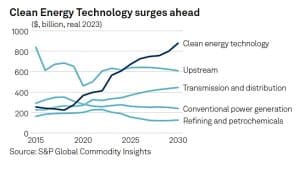
Withdrawing $20 billion in funding could slow the growth of clean energy infrastructure. Many projects, such as expanding electric vehicle charging networks and installing energy-efficient systems in homes and businesses, depend on federal support.
Billions Lost, Jobs at Risk
Beyond environmental concerns, canceling the grants could have economic effects. The GGRF-backed clean energy projects aimed to create jobs, boost local economies, and lower energy costs for consumers.
Without funding, some benefits might vanish. This could harm jobs and slow economic growth in communities that needed support.
Pulling back these grants could also make investors hesitant to put money into clean energy projects. Private companies often get government help to lower risks in big infrastructure projects.
The sudden policy change might make investors uncertain about future government commitments, which could reduce financial backing for renewable energy projects.
Judge to EPA: Show the Receipts
A U.S. judge has demanded that the Trump administration provide evidence of fraud, waste, and abuse to justify terminating the $20 billion in climate grants from the Greenhouse Gas Reduction Fund.
U.S. District Judge Tanya Chutkan ordered the administration to submit a sworn statement by Monday detailing the alleged wrongdoing. During a hearing, she criticized government lawyers for failing to present any proof of misconduct.
The Climate United Fund seeks an emergency order to release the funds, warning that it may run out of money by Friday. EPA Administrator Lee Zeldin has defended the decision, stating that the program did not align with the agency’s priorities.
In a separate move, the EPA announced plans to shut down its Office of Environmental Justice and Civil Rights, which advocates say could harm minority and low-income communities affected by pollution.
What’s Next?
The EPA’s decision to cancel $20 billion in climate grants from the Greenhouse Gas Reduction Fund has major consequences. It disrupts funding for key clean energy projects, especially in low-income areas. This could slow progress in cutting pollution and achieving net-zero emissions.
The legal battles, economic effects, and delays in clean energy projects highlight the challenges of this decision. As the situation unfolds, both government and private organizations will have to find ways to move forward and ensure that clean energy goals remain a priority if the country seeks to achieve its climate goals.
The post Trump’s EPA Cancels $20 Billion in Climate Funding: What It Means for Clean Energy appeared first on Carbon Credits.

EU carbon credit claims changed on 27 September 2026, the day the Directive (EU) 2024/825 began to apply across the European Union. The change is narrow. It changes how a company can talk about the credits it buys. A product can no longer be called neutral on the strength of compensation alone; however, every specific, evidenced statement about what a company measured, reduced, and funded stays fully available.

The post Promoting Improved Cooking Practices in Nigeria appeared first on Terrapass.



-
Climate Change1 year ago
Guest post: Why China is still building new coal – and when it might stop
-

 Greenhouse Gases2 years ago
嘉宾来稿:满足中国增长的用电需求 光伏加储能“比新建煤电更实惠”
-
Greenhouse Gases1 year ago
Guest post: Why China is still building new coal – and when it might stop
-

 Climate Change2 years ago
嘉宾来稿:满足中国增长的用电需求 光伏加储能“比新建煤电更实惠”
-

 Renewable Energy12 months ago
Sending Progressive Philanthropist George Soros to Prison?
-
Climate Change2 years ago
Bill Discounting Climate Change in Florida’s Energy Policy Awaits DeSantis’ Approval
-
Greenhouse Gases1 year ago
嘉宾来稿:探究火山喷发如何影响气候预测
-

 Climate Change2 years ago
Analysis: China’s CO2 falls 1% in Q2 2024 in first quarterly drop since Covid-19