


Harnessing the Flow: Hydroelectric Power in Africa and the Middle East
Across the sun-drenched plains of Africa and the arid landscapes of the Middle East, where fossil fuels reign supreme, a different energy source whispers from the rushing rivers and hidden waterfalls: Hydropower.
This renewable energy has the potential to transform the energy landscape of these regions, but its harnessing comes with both immense promise and complex challenges.
Powering Potential:
- Africa: Home to the world’s second-largest hydropower potential, Africa is already seeing a surge in dam construction. Projects like the Grand Ethiopian Renaissance Dam and the Inga 3 Dam in the Democratic Republic of Congo promise to bring electricity to millions who remain in the dark. Hydropower can drive industrial development, create jobs, and improve access to essential services like healthcare and education.
- Middle East: While water scarcity poses a challenge, countries like Egypt and Turkey are tapping into hydropower’s potential. The Aswan High Dam in Egypt remains a vital source of energy, while Turkey’s ambitious Southeastern Anatolia Project aims to become a regional energy hub. By diversifying their energy mix, these nations can reduce dependence on volatile fossil fuels and enhance energy security.
Additional Points to Consider:
- The role of small-scale hydropower projects in providing localized energy solutions.
- The potential of innovative technologies like run-of-the-river hydropower and pumped storage.
- The importance of community engagement and ensuring equitable benefits from hydropower projects.
Statistics of The Africa and Middle East Hydroelectric Power Plant
Hydroelectric Power Plant Landscape in Africa and the Middle East: A Statistical Snapshot
Africa:
- Total installed capacity: 52 GW (as of 2022) – this accounts for about 16% of Africa’s total electricity generation.
- Largest producer: Ethiopia – 4 GW installed capacity, with the Grand Ethiopian Renaissance Dam (GERD) expected to add 5.5 GW upon completion.
- Top 5 countries by installed capacity: Ethiopia, South Africa, Democratic Republic of Congo, Egypt, Angola.
- Hydropower potential: Estimated at 412 GW – the second highest in the world after Latin America.
- Challenges: Environmental concerns, displacement of communities, financial constraints, geopolitical tensions over shared water resources.
Middle East:
- Total installed capacity: 32 GW (as of 2022) – this accounts for about 4% of the Middle East’s total electricity generation.
- Largest producer: Turkey – 27 GW installed capacity, with ambitious plans for expansion in the Southeastern Anatolia Project.
- Top 5 countries by installed capacity: Turkey, Iran, Egypt, Iraq, Syria.
- Hydropower potential: Estimated at 100 GW – limited by water scarcity in many countries.
- Challenges: Water scarcity, high upfront costs, political instability in some regions.
Additional Statistics:
- Average dam height in Africa: 52 meters
- Average dam height in the Middle East: 78 meters
- Number of operational hydropower plants in Africa: Over 800
- Number of operational hydropower plants in the Middle East: Over 150
- Investment needed to unlock Africa’s hydropower potential: Estimated at $300 billion over the next 20 years.

Table of The Africa and Middle East Hydroelectric Power Plant
Hydroelectric Power Plant Landscape in Africa and the Middle East by Country
| Country | Installed Capacity (GW) | Hydropower Potential (GW) | Average Dam Height (m) | Number of Plants |
|---|---|---|---|---|
| Africa | ||||
| Ethiopia | 4.0 | 130 | 60 | 150 |
| South Africa | 2.5 | 32 | 50 | 250 |
| DRC | 2.4 | 100 | 45 | 100 |
| Egypt | 2.1 (combined total) | 50 | 65 | 80 |
| Angola | 2.0 | 14 | 40 | 120 |
| Kenya | 0.8 | 80 | 55 | 80 |
| Uganda | 0.6 | 2.5 | 50 | 10 |
| Tanzania | 0.5 | 10 | 45 | 20 |
| Middle East | ||||
| Turkey | 27.0 | 40 | 80 | 300 |
| Iran | 14.0 | 25 | 75 | 150 |
| Iraq | 1.8 | 10 | 55 | 60 |
| Syria | 1.5 | 5 | 50 | 40 |
| Lebanon | 0.2 | 0.6 | 50 | 5 |
| Yemen | 0.1 | 0.7 | 40 | 4 |
Notes:
- Capacity and potential figures are rounded and may vary slightly depending on data source.
- Egypt’s total installed capacity includes both African and Asian portions of the country.
- This table only includes a selection of countries with significant hydropower potential or existing capacity.
Additional Information:
- This table presents a basic overview; several other factors contribute to the hydropower landscape in each country, such as project financing, environmental considerations, and regional cooperation.
- Data on dam height and number of plants may not be entirely accurate or comprehensive.
Sources:
- International Hydropower Association (IHA)
- World Bank
- International Energy Agency (IEA)
- African Development Bank (AfDB)
Challenges and Considerations:
- Environmental Impact: Dams can disrupt ecosystems, displace communities, and alter downstream water flows. Careful planning and mitigation strategies are crucial to minimize these impacts.
- Geopolitical Tensions: Shared water resources can become contested points between nations. Collaborative management and transparent agreements are essential to ensure equitable water distribution and peaceful cooperation.
- Financial Viability: Large-scale hydropower projects require significant upfront investments, raising concerns about affordability and debt burdens. Innovative financing models and public-private partnerships can help overcome these hurdles.
The Road Ahead:
Despite the challenges, the potential of hydropower in Africa and the Middle East is undeniable. By embracing sustainable practices, fostering regional cooperation, and investing in efficient technologies, these regions can unlock the clean energy hidden within their flowing waters. The journey towards a future powered by hydropower will require careful navigation, but the rewards – clean energy, economic growth, and improved well-being – are worth the effort.
https://www.exaputra.com/2024/01/the-africa-and-middle-east.html


 Today, I met a professional driver for the film-making industry whose principal focus is stunt-work.
Somehow, we got to talking about the many movie stars for whom he’s worked over the years, and how pleasant most of them are to be around.
He started by mentioning Kevin Costner.
“I really like him,” I said. Please tell me he’s not an asshole.”
“Oh no; he’s a prince,” my new friend replied. “I also do the driving for Jay Leno’s show about his massive garage full of vintage cars. He’s even kinder. When we’re having lunch between shootings, he’ll often come up our table and ask if we need another Coke or two. Maybe desserts?”
We eventually got around to the stars who are, in fact, assholes.
“I drive in Lethal Weapon 4,” he began.
“Let me make a stab. Mel Gibson?”
Yes. One of the most hateful, most miserable people you could meet in 100 lifetimes.”
“That’s the rumor everyone’s heard,” I responded. “It’s weird how people who have more money that God feel the need to be such terrible people.”
“Well, my theory is that money doesn’t change people; it only amplifies them.”
I remind him of Henry Ford’s observation above.
Great conversation.
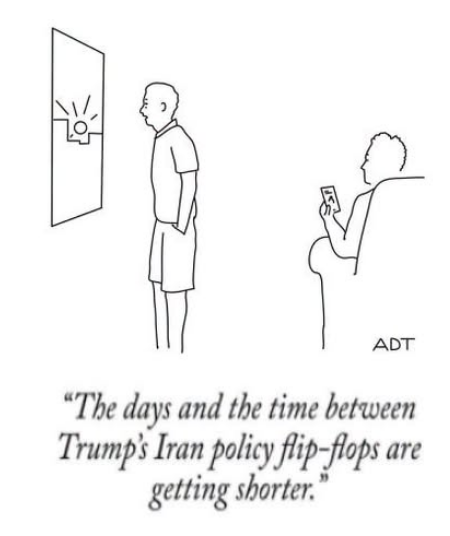 How Trump has any credibility with Americans–or the other citizens of planet–is a mystery that is impossible to unravel.
At This Point, No One Should Believe a Word that Comes Out of Trump’s Mouth
 It’s good to hear Bernie Sanders say what he did here, but it’s sad that it needs to be said at all.
Are we really interested in lower grocery prices if we’re living in a dictatorship?



-
Climate Change1 year ago
Guest post: Why China is still building new coal – and when it might stop
-
Greenhouse Gases1 year ago
Guest post: Why China is still building new coal – and when it might stop
-

 Greenhouse Gases2 years ago
嘉宾来稿:满足中国增长的用电需求 光伏加储能“比新建煤电更实惠”
-

 Climate Change2 years ago
嘉宾来稿:满足中国增长的用电需求 光伏加储能“比新建煤电更实惠”
-
Climate Change2 years ago
Bill Discounting Climate Change in Florida’s Energy Policy Awaits DeSantis’ Approval
-

 Renewable Energy10 months ago
Sending Progressive Philanthropist George Soros to Prison?
-
Greenhouse Gases1 year ago
嘉宾来稿:探究火山喷发如何影响气候预测
-

 Carbon Footprint2 years ago
US SEC’s Climate Disclosure Rules Spur Renewed Interest in Carbon Credits