

Whether you’re looking for sustainable accent chairs, desk chairs, or dining chairs, this guide will help you find just what you’re looking for.
What Are Sustainable Chairs?
Before we get into the brands, let’s talk about the criteria for a “sustainable chair”. As with anything in sustainability, there isn’t necessarily a black-or-white definition, but here are some general guidelines to keep in mind.
Eco-Friendly Materials
Recycled and low impact natural materials are ideal when it comes to searching for that perfect eco-friendly chair.
Some materials you may want to look for are recycled aluminum (which is naturally rust-resistant) and reclaimed or sustainably-harvested hardwood.
For upholstered chairs, look for fabrics like organic cotton, hemp, linen, and recycled fabrics. And for the foam, some alternatives to synthetic foam include natural organic latex, coconut fiber, and organic wool.
Non-Toxic Finishes
When looking for wood furniture, check to see if the furnishes are free of toxic chemicals. Zero-VOC (Volatile Organic Compounds) is best and there are also many low-VOC options. Just try to leave any low-VOC furniture outside for a bit before taking it into your home if you can! [Check out more non-toxic home tips in this post.]
Responsible and Sustainable Production Practices
Given how heavy and bulky furniture is, local production is particularly important since the emissions from shipping can really add up.
Searching for domestic production is great, and local production within the area/state of the company can allow for even better transparency.
Where to Find Sustainable Chairs
Now, let’s get into where you can find eco-friendly chairs that meet some or all of this criteria! We’ll start off with some options to find used chairs and then get into the brands with sustainably-made chairs.
Note that this guide includes partners and affiliates. As always, all brands featured meet strict criteria for sustainability and are brands we truly love — and that we think you’ll love too!
Secondhand Sources for Eco-Friendly Chairs
Facebook Marketplace and Craigslist are two classic options when it comes to finding used furniture! Here are some others to know:
OfferUp (buy and sell locally)
AptDeco (available in New York metro, Philadelphia metro, and Bay Area)
Chairish (vintage)
EBTH (like an online estate sale)
EstateSales.net (for finding in-person estate sales!)
Places to Find New Eco-Friendly Chairs
If you can’t find what you’re looking for secondhand, check out these brands and retailers with eco-friendly office chairs, dining chairs, armchairs, and more.
Looking for outdoor chairs? Check out this guide to outdoor furniture.
Best Non-Toxic: Savvy Rest
Savvy Rest is a seriously impressive non-toxic furniture brand that has every single element covered when it comes to sustainable chairs! The Verona Organic Armchair is made using GOTS-certified organic cotton and/or hemp upholstery, organic wool batting, sustainably-sourced solid hardwood maple, Cradle-to-Cradle Gold Certified Natural Talalay latex foam, natural coir, jute webbing, and zero-VOC finishes.
Conscious Qualities: Organic & Eco Materials, Sustainable Wood, Non-Toxic Finishes, Locally Made
Price Range: $2,699-$2,999
Use Code CONSCIOUSSTYLE20 for 20% off!
Shipping: White Glove delivery within continental U.S. Contact their team for shipping quotes outside of the 48 contiguous states.

Best Luxury: Maiden Home
Proving that furniture can be both beautiful and responsibly made, Maiden Home’s sustainable accent chairs and dining chairs are handcrafted in North Carolina from premium quality, eco-minded materials like 100% pure linen, recycled steel springs, and soy-based foam.
The woman-founded brand partners directly with artisans to bring you the best quality at affordable prices — and ensure transparent production.
Conscious Qualities: Made-to-Order in North Carolina, Non-Toxic, Responsibly Sourced Hardwood
Price Range: $1,325 – $2,250
Shipping: Free white glove delivery within contiguous U.S. + some locations in Canada

Best Outdoor Chairs: Made Trade
Sustainable retailer Made Trade has a variety of eco-friendly dining chairs, office chairs, and accent chairs made from thoughtful materials like sustainably sourced hardwood and recycled aluminum.
Conscious Qualities: Sustainable Materials & Practices, Carbon Neutral Certified Company
Price Range: $420-$1,150
Shipping: Ships furniture within the US only

Best Circularity Practices: Sabai
In addition to using recycled & upcycled fibers for their sofas, Sabai has two circularity programs: Repair Don’t Replace — where you can find individual parts — and Sabai Revive where you can sell back your Sabai furniture or buy previously owned furniture for a lower cost.
Conscious Qualities: Recycled and Sustainably-Sourced Materials, Repair Program, Resale Program
Price Range: $745 – $795
Shipping: Ships within U.S. and Canada

Best Fair Trade: The Citizenry
Handcrafted and made-to-order with the finest materials like solid walnut and performance fabrics to withstand the test of time, The Citizenry’s sustainable chairs are well-positioned to become heirloom pieces.
The Citizenry partners with artisans around the world for all of their pieces, ensuring fair trade conditions and wages for the makers behind their products. Their fair trade chairs are made in Indonesia (teak and rattan chairs) and Northern California (upholstered chairs).
Price Range: $399 – $1,799
Shipping: Ships furniture within the U.S. only

Best Office Chairs: noho
The sustainable office chair meets dining chair from noho is not only designed to maximize ergonomic comfort, but it’s made using ECONYL regenerated nylon sourced from ocean waste. And, the chair is made in a production facility that uses 80%+ renewable energy.
Conscious Qualities: Recycled Materials, Made with Renewable Energy
Price: $375
Shipping: Free shipping within the contiguous U.S.

Most Options: Burrow
Out to transform the way furniture is made and sold, Burrow makes modular furniture that can expand and grow as your needs change. You can easily combine many of their armchairs and ottomans with sofas for a sectional!
The eco-friendly armchairs are made with responsibly-forested wood and non-toxic upcycled fabric upholstery.
Conscious Qualities: Responsibly-Sourced Wood, Eco-Conscious Fabric, Modular & Adaptable
Price Range: $425- $1,790
Shipping: Free shipping within the continental U.S.

Best Sustainability Practices: Medley
Non-toxic furniture brand Medley creates quality non-toxic and eco-minded furnishings, and their armchair collection is no exception. You’ll find sustainable chairs crafted just for you in LA using materials like FSC-certified hardwood, CertiPUR-US® certified foam, and organic natural latex.
Conscious Qualities: Non-Toxic and Eco Materials, Domestic Production
Price Range: $1,060-$1,940
Shipping: Ships internationally; contact to get quotes for shipping outside of the US

Best Design: West Elm
A large furniture brand making some significant strides in implementing sustainable options, West Elm lets you filter by elements like Green Guard Certified and Sustainably Sourced. The Sustainably Sourced collection includes eco-friendly chairs made with materials like FSC-Certified wood and linen fabric.
Our favorite pick? The Mara Hoffman chair made in collaboration with the sustainable fashion brand of the same name.
Conscious Qualities: Options with FSC-Certified Wood, Natural Fabric, Contract Grade Quality, Green Guard Certified
Price Range: $699 – $3,197
Shipping: Ships within U.S. to home or local West Elm store

Best Dining Chairs: Urban Natural
Urban Natural has many eco-minded options in their vast selection of furnishings. They have eco-friendly dining chairs made from sustainably sourced hardwood and armchairs from brands like Environment by Cisco Home made with organic materials.
Conscious Qualities: Eco-Minded Natural Materials & Processes
Price Range: $450-$7,000
Shipping: White Glove delivery in the contiguous U.S. for $250 flat rate (free for orders $2,500+)

And that wraps it up! I hope you found this guide to sustainable chairs useful, whether you were looking for desk chairs, upholstered chairs, or dining chairs. For outdoor chairs, check out this sustainable outdoor furniture guide.
Liked this guide to sustainable chairs? Check out these other furniture guides:
The Best Non-Toxic Sofas for Truly Restful Relaxation
Gorgeous Sustainable Tables to Gather Around
Ethical Home Decor Brands for Your Conscious Space
The post The 10 Best Eco-Friendly Chairs for Sustainable Seating (2024) appeared first on Conscious Life & Style.
The 10 Best Eco-Friendly Chairs for Sustainable Seating (2024)

Last winter, we kept our house at 60 degrees and our electric bill was STILL $280. I’ve been interested in solar for a long time, but on the long list of house projects (especially when you’re restoring a 200 year old house on the historic registry) some are more pressing than others.
But with a few of those major projects wrapping up, and a daunting bill before me, I figured now was the time for a quick google search on solar panels, and let me tell you….. It can be very overwhelming.
Figuring out the rules (cough, cough, historic society), incentives or rebates if applicable, how much it would cost, how much we could save, etc. felt a little like a part-time job. But, one website made it really easy to compare things, and I am happy to be partnering with Aurora Solar to share that site with you.
Because I think you should be able to easily run the numbers on your house without a lot of hassle!

This post is sponsored by Aurora Solar, but all thoughts and opinions are my own.
If you’ve ever gotten a solar quote, there’s a good chance that Aurora Solar was involved. Aurora was founded in 2013 after its co-founders spent seven months trying to design a solar energy system using a patchwork of different tools.
Afterall, designing a solar system shouldn’t be harder than actually installing one. So they built software specifically for solar professionals. Today, more than 7,000 solar organizations use Aurora, and more than 20 million solar projects have been designed using the platform. They are also the largest solar software provider in the world. Their software is used by roughly 80% of the top 75 residential solar companies in the U.S.
All of this tech has been primarily used by professional installers to map your roof and then create a proposal, but now Aurora is offering this tech to us to help compare quotes.
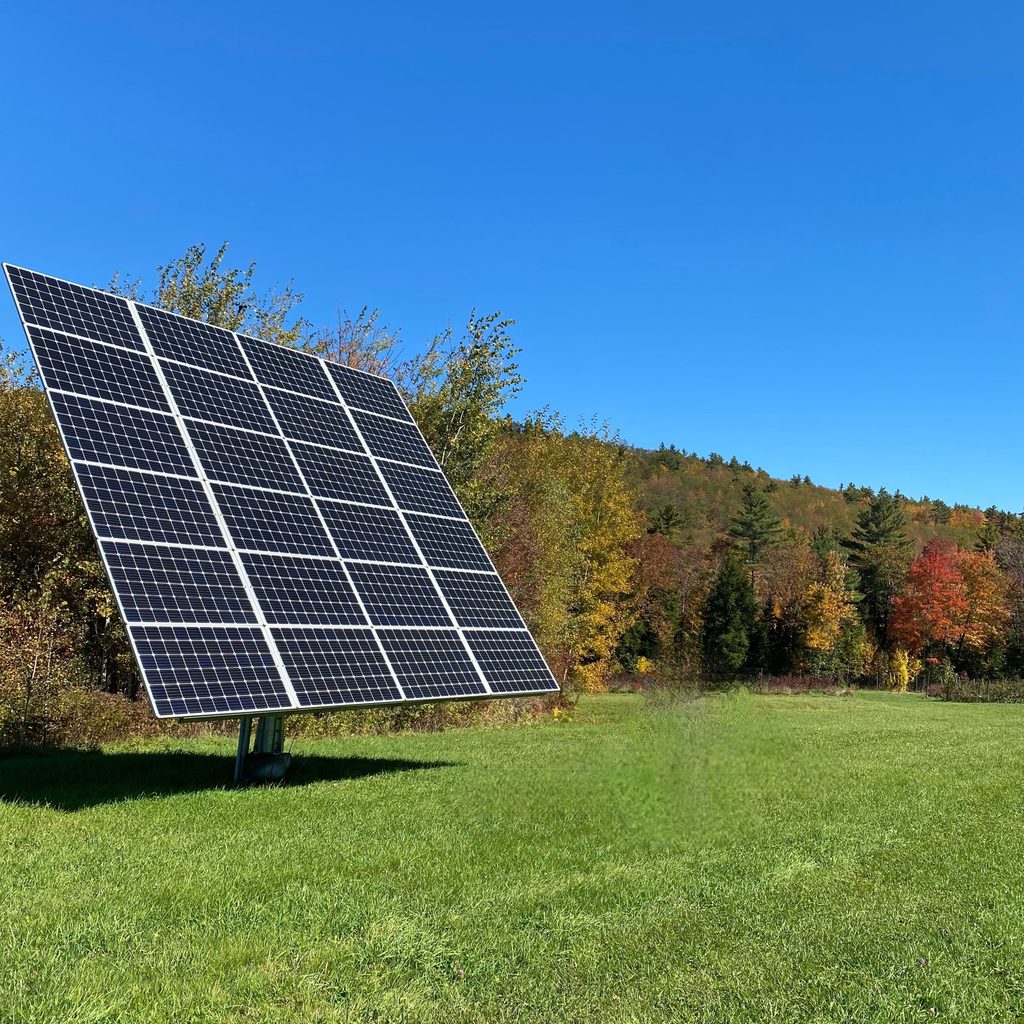
So instead of having to call a bunch of different installers, I could use the Aurora Solar Marketplace to understand my solar potential, compare estimates, understand my possible savings, look into battery storage and other home electrification incentives, and map out different financing options.
1. know how much electricity the system will actually produce
Before you even get into the price, make sure you understand what you’re actually being quoted.
Two solar systems can have very different prices because they may not be the same size or produce the same amount of electricity. A cheaper system might simply have fewer panels and offset less of your electric bill.
With Aurora, you can compare solar estimates and see the system size, energy production, and how much electricity the system should offset.
You can also upload your utility bill to get a solar estimate based more closely on your actual energy usage, to make the quote accurate for you instead of a ‘generic household’.
2. understand the solar payback period
Aurora calculates things like payback period and lifetime savings, which makes it much easier to understand the long-term finances.
The solar payback period is basically how long it takes for your estimated savings to make up for what you spent on the system, and this is the number that surprised me most!
One estimate had a payback period of around 7 years, and another was closer to 11 years! Over 25 years, two of the estimates I looked at had almost a $13,000 difference in projected savings.
Of course, these are still projections as electricity rates can change (HELLO 2026) but when you’re trying to compare two options for the same house, knowing that one is projected to pay for itself four years sooner is pretty useful information.
3. look beyond the monthly payment
Depending on the installer, you may be looking at a cash purchase, solar loan, lease, or power purchase agreement.
But thankfully with Aurora you can compare the different financing options side-by-side which makes it a lot easier to see the trade-offs. One option may have a lower upfront cost, another may have a lower monthly payment, and another may give you better long-term savings.
4. find out which solar incentives actually apply to you
The minute you start Googling solar, you can find federal incentives, state incentives, utility programs, rebates, net metering, and a whole bunch of information that may or may not even apply to where you live.
And some of the articles ranking at the top of Google are several years old! (RIP to the federal incentives canceled at the end of 2025.) But, Aurora can account for solar incentives when calculating the cost and savings of a system, including state, local, and utility-specific programs.
I would still double check any incentive or tax benefit you’re planning to use before signing a contract, especially because programs and eligibility can change, but having all the relevant information in the same place makes the research process much less overwhelming.
5. research the installer, equipment, and warranties
Aurora lets you compare solar installers based on things like reviews, reputation, pricing, and financing options, which I think is just as important as the actual quote.
I’d also look closely at what equipment is included. What panels are they using? What kind of inverter? How long are the equipment warranties? Is there also a workmanship warranty from the installer? Who handles repairs if something goes wrong five or ten years from now?
And, I know I’ve said it a million times, but it’s nice to see it side-by-side without having to fill out a bunch of forms and be hounded on the phone just to get an idea of what solar may look like.
The post How to Compare Solar Quotes: What to Look For Before You Choose appeared first on Going Zero Waste.
How to Compare Solar Quotes: What to Look For Before You Choose
Green Living
Sustainability In Your Ear: XPRIZE’s David Babson on Why Climate Grand Challenges Need Buyers, Too
Buyers contracted nearly 30 million tons of durable carbon removal in 2025, more than triple the 2024 total, according to CDR.fyi data reported by Heatmap. About 90% of those purchases came from a single company, Microsoft, and suppliers delivered only about 450,000 tons during the year. That is a sliver of the six to 10 billion tons of removal a year that climate scenarios suggest the world will need by 2050. The technology to pull carbon out of the air works, but the customers needed to scale it remain scarce.
Our guest today, David Babson, is executive vice president of the Energy, Climate, and Nature domain at the XPRIZE Foundation. He calls the slow progress a market failure, because the technology is progressing faster than it is being adopted. Babson previously led MIT’s Climate Grand Challenges initiative and was a program director at the U.S. Department of Energy’s ARPA-E. His portfolio includes XPRIZE Carbon Removal, which drew 1,334 teams and whose participants have raised more than $3.3 billion. In April 2025, Mati Carbon won its $50 million grand prize for spreading crushed basalt on smallholder farms in India, where the rock locks away carbon dioxide. “If people could make money taking carbon out of the air and putting it underground, as opposed to only being able to make money taking it from underground and putting it in the air, we would be in a better place,” Babson says. Mati is weathering the slump in part because its rock dust also improves soil health and crop yields, giving farmers a reason to participate that doesn’t depend on carbon credit prices.

XPRIZE’s answer is to change what winners receive. Babson describes “mixed purses” that pair a cash award with a guaranteed buyer through an advance market commitment, a power purchase agreement, or an offtake contract. In one thought experiment, a carbon removal prize would come with a separate $1 billion fund raised from credit buyers, which qualified teams could draw on as they deliver verified tons. XPRIZE is applying the same thinking to a planned series of fusion energy prizes, pairing technical milestones with market mechanisms to build the supply chain that commercial fusion will require. The same gap between invention and adoption shows up in other XPRIZE competitions. On September 23, XPRIZE Wildfire awarded about $4.55 million from its $11 million purse, with defense contractor Anduril Industries taking first place in autonomous fire response along with a $1 million Lockheed Martin bonus. Babson expects costs to fall as fire agencies adopt the tools and as startups license individual components into cheaper platforms, though underfunded agencies will need a way to buy the first systems. He also notes that the competition left fuel management and ground-based autonomy for future prizes. Earlier this year, program director Andrea Santy told us that field testing had moved ahead of drone regulations. In biodiversity, Limelight Rainforest won $5 million for surveying 100 hectares of tropical forest in under 24 hours and identifying more than 250 species. Biodiversity still lacks a price, but Babson argues that once ecosystems can be measured, slow-walking policy becomes “a dereliction of what they should be doing.”
We also discuss the tension inside XPRIZE’s vision of “equitable abundance,” including a $101 million Healthspan prize that could add years of consumption to longer lives. Babson argues that abundant, cheap clean energy would let society move beyond efficiency as its organizing principle, powering uses such as indoor vertical farms that could return millions of acres of farmland to nature. You can follow XPRIZE’s new competitions and get involved in its prize ideation workshops at xprize.org.
- Subscribe to Sustainability In Your Ear on <