


Introduction Sustainable Transportation: Building a Greener and Smarter Mobility System
Sustainable transportation is a concept that focuses on creating efficient and eco-friendly transportation systems to minimize environmental impact, improve public health, and enhance overall quality of life.
It encompasses various strategies and initiatives aimed at reducing greenhouse gas emissions, promoting energy efficiency, and providing equitable and accessible transportation options. By prioritizing sustainable transportation, communities can create more livable, resilient, and environmentally conscious urban environments.
Public Transportation
Public transportation plays a central role in sustainable transportation systems. Well-planned and efficient public transit networks, including buses, trams, subways, and light rail, can significantly reduce private vehicle usage and associated emissions.
By offering affordable, reliable, and accessible transportation options, public transit encourages people to choose greener alternatives, reducing traffic congestion and improving air quality. Additionally, advancements in technology, such as real-time information systems and contactless payment methods, enhance the convenience and appeal of public transportation, making it an attractive choice for commuters.
Promoting active transportation, such as walking and cycling, is another key component of sustainable transportation.
Designing cities and communities with safe and well-connected walking and cycling infrastructure encourages people to choose these modes of transportation for short trips, reducing the reliance on cars. By investing in pedestrian-friendly infrastructure, dedicated cycling lanes, and bike-sharing programs, cities can improve public health, reduce carbon emissions, and enhance the overall livability of urban areas. Encouraging active transportation also fosters a sense of community, reduces traffic congestion, and supports local businesses.
The transition to electric and low-emission vehicles is a crucial step towards achieving sustainable transportation systems. Electric vehicles (EVs) offer a clean and energy-efficient alternative to traditional gasoline-powered cars, as they produce zero tailpipe emissions. By expanding charging infrastructure, offering incentives for EV adoption, and supporting research and development in battery technology, governments and communities can accelerate the shift towards a greener transportation future. Additionally, promoting the use of low-emission vehicles, such as hybrid cars and vehicles powered by alternative fuels, further contributes to reducing carbon emissions and air pollution.
Transportation Demand Management
Transportation demand management strategies aim to optimize existing transportation systems by reducing the need for travel and managing travel demand effectively. These strategies include carpooling and ridesharing programs, congestion pricing, flexible work arrangements, and telecommuting.
By incentivizing shared mobility and reducing unnecessary trips, transportation demand management initiatives can help alleviate traffic congestion, lower emissions, and improve the overall efficiency of transportation networks.
Technological advancements and innovative solutions are transforming the landscape of sustainable transportation. Intelligent transportation systems, data analytics, and smart mobility platforms enable more efficient transportation planning and operation. These technologies provide real-time information on transit schedules, traffic conditions, and alternative routes, helping travelers make informed choices and optimize their travel patterns. Furthermore, the integration of shared mobility services, such as car-sharing and bike-sharing, with public transit systems creates seamless and multimodal travel experiences, enhancing convenience and reducing the need for private vehicle ownership.
Sustainable transportation is a fundamental aspect of building greener and smarter cities. By prioritizing public transportation, promoting active transportation, encouraging the adoption of electric and low-emission vehicles, implementing transportation demand management strategies, and leveraging technology and innovation, communities can create more sustainable, efficient, and inclusive transportation systems.
Embracing sustainable transportation not only helps mitigate climate change and reduce pollution but also improves public health, enhances accessibility, and fosters more vibrant and livable urban environments.
https://www.exaputra.com/2023/06/sustainable-transportation-building.html


Weather Guard Lightning Tech

Trump Targets Revolution Wind, Nordex Q3 EBITDA Doubles
Allen covers the Trump administration’s bid to reopen Revolution Wind’s permit, a bipartisan Senate permitting deal, Nordex’s doubled third-quarter profit, and GE Vernova’s new wind chief.
The Uptime Wind Energy Podcast is brought to you by Weather Guard Lightning Tech, creators of the StrikeTape Ultra LPS retrofit. Subscribe to Uptime’s Substack newsletter. And check out Rosemary’s “Engineering with Rosie” Youtube channel. Have a question we can answer on the show? Email us!
 Have you ever wondered why every dictator in human history follows the exact same playbook? Check this out
Plato nailed this 2400 years ago, and it’s been on “rinse/repeat” ever since.
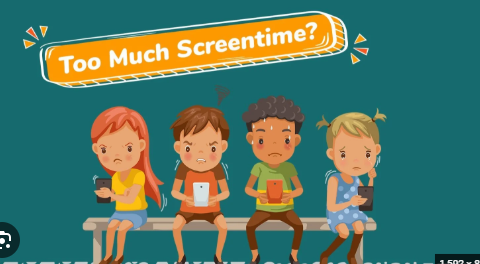 On average, I meet perhaps 50 K-12 teachers each year, and I often ask them: What is the biggest challenge you face that impacts your ability to connect with and educate your students?
Here’s a rough tabulation:
Screen time, how it robs kids of their ability to pay attention, impedes social interaction, and makes parenting more difficult: 80%
Everything else combined: 20%
Maybe this is a cynical viewpoint, but it seems like that world of today revolves around the mega-corporations profiting by punishing their customers.
In this case, we have the tech giants ruining the lives of our children. Elsewhere, we have healthcare industry driving people into bankruptcy, Big Oil ruining our planet, the gun lobby murdering our kids, and, of course, an ultra-corrupt government looting our treasury to pay off billionaire donors.
Note that this wasn’t the case when we boomers were growing up 60 years ago. This is a distinctive shift from the 1960s when corporate America was focused on things like color TVs and the Ford Mustang.

IPCC scientists vow to press on with climate reports despite political deadlock

Sustainability In Your Ear: XPRIZE’s David Babson on Why Climate Grand Challenges Need Buyers, Too
Trump Targets Revolution Wind, Nordex Q3 EBITDA Doubles
-
Climate Change1 year ago
Guest post: Why China is still building new coal – and when it might stop
-

 Greenhouse Gases2 years ago
嘉宾来稿:满足中国增长的用电需求 光伏加储能“比新建煤电更实惠”
-
Greenhouse Gases1 year ago
Guest post: Why China is still building new coal – and when it might stop
-

 Climate Change2 years ago
嘉宾来稿:满足中国增长的用电需求 光伏加储能“比新建煤电更实惠”
-

 Renewable Energy12 months ago
Sending Progressive Philanthropist George Soros to Prison?
-
Climate Change2 years ago
Bill Discounting Climate Change in Florida’s Energy Policy Awaits DeSantis’ Approval
-
Greenhouse Gases1 year ago
嘉宾来稿:探究火山喷发如何影响气候预测
-

 Climate Change2 years ago
Analysis: China’s CO2 falls 1% in Q2 2024 in first quarterly drop since Covid-19