


Sustainable Transportation
Introduction Green Mobility in Freiburg
Freiburg, a picturesque city nestled in southwestern Germany, has gained international recognition for its pioneering efforts in sustainable transportation.
With a strong commitment to environmental conservation and quality of life, Freiburg has become a model for green mobility. By prioritizing public transport, promoting cycling and walking, adopting renewable energy solutions, and implementing innovative policies, the city has transformed its transportation system into a shining example of sustainability.
Green amd sustainability Transportation System
1. Efficient Public Transportation:
Freiburg’s efficient and well-integrated public transportation network plays a central role in its sustainable transportation initiatives. The Freiburg Verkehrs AG (VAG) operates an extensive tram and bus network, connecting the city and its surrounding regions.
The comprehensive coverage, frequent services, and seamless ticketing systems encourage residents and visitors to opt for public transport over private cars, reducing traffic congestion and carbon emissions.
2. Cycling and Pedestrian-Friendly Infrastructure:
Freiburg has long been hailed as a cycling paradise, thanks to its extensive network of cycling paths and pedestrian-friendly infrastructure.
The city has invested in dedicated cycling lanes, bike parking facilities, and traffic-calmed zones, making it safe and convenient for cyclists and pedestrians to navigate the city. Freiburg’s commitment to active transportation has led to a vibrant cycling culture and reduced reliance on cars for short trips.
3. Renewable Energy-Powered Transport:
Freiburg has embraced renewable energy solutions to power its transportation system. The city operates electric buses, trams, and trains, reducing dependence on fossil fuels and minimizing carbon emissions.
Freiburg has also established charging infrastructure for electric vehicles (EVs) and incentivized their adoption through reduced parking fees and tax benefits. By embracing renewable energy in transportation, Freiburg showcases its commitment to a clean and sustainable future.
4. Urban Planning for Sustainable Mobility:
Freiburg’s urban planning approach focuses on creating livable neighborhoods that promote sustainable mobility. The city’s compact and mixed-use developments encourage residents to walk or cycle for daily activities.
Moreover, Freiburg has implemented car-free zones and restricted vehicle access in certain areas, creating pedestrian-friendly spaces and reducing noise and air pollution. By designing neighborhoods that prioritize sustainable mobility, Freiburg enhances the quality of life for its residents.
5. Innovative Policies and Education:
Freiburg has implemented innovative policies to further promote sustainable transportation. The city offers financial incentives for purchasing bicycles, provides subsidies for public transport passes, and implements parking policies that discourage private car use.
Additionally, educational campaigns and initiatives raise awareness about sustainable mobility choices and encourage behavioral changes among residents, reinforcing the city’s commitment to sustainable transportation.

Efficient Public Transportation in Freiburg
Freiburg, Germany, was widely recognized for its efficient and sustainable public transportation system. Freiburg is a city known for its commitment to environmental protection and sustainable urban planning.
Here are some key features of Freiburg’s public transportation system:
1. Trams: Freiburg’s tram network is the backbone of its public transportation system. The city has an extensive network of trams that serve various neighborhoods and connect key areas within the city and its suburbs.
Trams are a reliable, frequent, and efficient mode of transport, making them popular among residents and visitors.
2. Bus Network: In addition to the tram system, Freiburg has a well-developed bus network that complements the tram lines. Buses serve areas that may not be directly accessible by trams and provide connectivity to more remote neighborhoods.
3. Integrated Fare System: Freiburg operates an integrated fare system that allows passengers to use a single ticket for both trams and buses. This makes transfers between different modes of transportation seamless and convenient for passengers.
4. Sustainable Initiatives: Freiburg’s public transportation system aligns with the city’s sustainability goals. The use of electric and energy-efficient vehicles, coupled with eco-friendly practices, contributes to reducing the city’s carbon footprint and promoting cleaner air.
5. Cycling Infrastructure: Freiburg is also known for its bicycle-friendly infrastructure. The city has an extensive network of bike lanes and paths, making cycling a popular and eco-friendly option for commuting and getting around.
6. Pedestrian Zones: Freiburg has designated pedestrian zones in the city center, encouraging people to walk and reduce the use of private vehicles for short trips.
7. Park and Ride (P+R) Facilities: To further encourage public transportation use, Freiburg provides Park and Ride facilities at strategic locations. These facilities allow commuters to park their cars and easily access the tram or bus network.
8. Efficient Timetables: Freiburg’s public transportation system operates on reliable and frequent timetables, making it convenient for passengers to plan their journeys.
9. Student-Friendly: Freiburg’s public transportation system is particularly popular among students, given the city’s status as a university town. Many students rely on public transit for their daily commutes to and from the university campus.
Freiburg’s efficient public transportation system has played a crucial role in reducing traffic congestion, improving air quality, and enhancing the overall quality of life for its residents.
The city’s commitment to sustainability and smart urban planning has made it a model for other cities seeking to develop eco-friendly and efficient public transportation networks.
Conclusion Green Mobility in Freiburg
Freiburg’s unwavering dedication to sustainable transportation has made it a global leader in green mobility.
Through its emphasis on efficient public transport, cycling and pedestrian infrastructure, adoption of renewable energy solutions, urban planning for sustainable mobility, and innovative policies and education,
Freiburg has created a city that prioritizes the environment and the well-being of its residents.
As cities worldwide strive to tackle climate change and improve urban mobility, Freiburg’s success story serves as a valuable source of inspiration and guidance, demonstrating that sustainable transportation is both achievable and essential for building vibrant, livable, and environmentally friendly cities.
https://www.exaputra.com/2023/07/green-mobility-in-freiburg.html




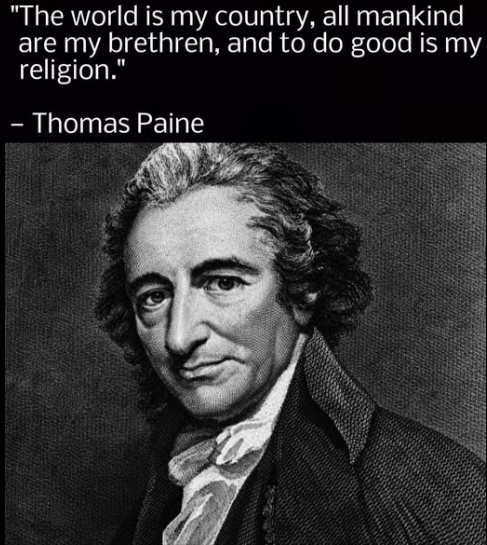 Sure, there have been many other people who have lived according to the beliefs expressed here by philosopher and American revolutionary Thomas Paine, but their numbers don’t begin to compare with those who think of themselves as patriots of the country of their birth and adherents to the religion they were assigned by their parents.
What a terrible shame. It’s easy to imagine a world of peace and harmony, but it sure seems an incredible challenge to get there. This is especially true today, on a planet that is increasingly led by fascist dictators, and a population where ignorance, nationalism, and hate is heating up by the day.
Weather Guard Lightning Tech
China Barred Vestas Software, Ørsted Buys Chinese Monopiles
Vestas CEO Henrik Andersen says China barred Vestas from monitoring its own turbines. Plus Ørsted takes heat for Chinese monopiles, India’s blade design gap, and tents that beat weather delays.
The Uptime Wind Energy Podcast is brought to you by Weather Guard Lightning Tech, creators of the StrikeTape Ultra LPS retrofit. Subscribe to Uptime’s Substack newsletter. And check out Rosemary’s “Engineering with Rosie” Youtube channel. Have a question we can answer on the show? Email us!
 Virtually all top-ranking retired military brass view Trump as shown at left. On top of that, Hegseth has publicly fired all current generals and admirals who are not loyal to Trump, as the entire world watched the purge.
Doesn’t this affect the way the psychopath’s command of our nation is ultimately determined?



-
Climate Change1 year ago
Guest post: Why China is still building new coal – and when it might stop
-

 Greenhouse Gases2 years ago
嘉宾来稿:满足中国增长的用电需求 光伏加储能“比新建煤电更实惠”
-
Greenhouse Gases1 year ago
Guest post: Why China is still building new coal – and when it might stop
-

 Climate Change2 years ago
嘉宾来稿:满足中国增长的用电需求 光伏加储能“比新建煤电更实惠”
-

 Renewable Energy12 months ago
Sending Progressive Philanthropist George Soros to Prison?
-
Climate Change2 years ago
Bill Discounting Climate Change in Florida’s Energy Policy Awaits DeSantis’ Approval
-
Greenhouse Gases1 year ago
嘉宾来稿:探究火山喷发如何影响气候预测
-

 Climate Change2 years ago
Analysis: China’s CO2 falls 1% in Q2 2024 in first quarterly drop since Covid-19