

Most sustainable lingerie is actually just basic undies and bralettes, but we’ve researched high and low to find you a curation of genuinely beautiful, sexy lingerie that’s made from lower impact materials with more responsible practices from small brands.
Why Do We Need Sustainable Lingerie?
It’s no secret that the brand that has dominated the lingerie market is problematic. Between a 2020 Times investigation uncovering Victoria’s Secret “entrenched culture of misogyny, bullying and harassment” to Hulu’s exposing Angels and Demons docuseries to their lack of supply chain environmental impact accountability.
But Victoria’s Secret isn’t alone. Many lingerie brands have their issues when it comes to perpetuating unrealistic beauty standards, relying on synthetic fossil fuel-derived materials like polyester, and lacking supply chain accountability.
While some relatively big name lingerie brands are centering inclusive marketing, we still have to ask questions like: what are their products made from and how are they made? who is making those bras and are they being paid fairly and working in safe conditions?
Because if a lingerie brand is claiming to empower women, they must also consider the women sewing their undergarments.
What Is Sustainable Lingerie?
So enough of the doom and gloom here! Let’s talk about what sustainable lingerie entails and what an ethical alternative to Victoria’s Secret might look like.
Because the fact is that there are a number of incredible eco-minded and ethical lingerie brands out there doing things better! While brands might not meet all of this criteria, these are some general aspects to keep in mind:
Eco-Conscious Materials
Most lingerie is made from polyester and nylon (synthetic plastic fibers). On the other hand, sustainable lingerie materials might include natural fabrics like organic cotton and Tencel or repurposed materials like deadstock fabrics and vintage trims.
Production Size
No matter how eco-conscious the material is, it’s still unsustainable if a brand is overproducing and wasting those garments! An eco-friendly lingerie brand would produce intentionally in small batches, use pre-order or made-to-order models, or have seasonless collections that they won’t toss as soon as the month is over.
Ethical Production
People are part of sustainability too. Look for brands with transparent and socially responsible production practices.
This could include owning their own factory/workshop, developing close relationships with their suppliers, using certified vetted factories, and importantly: paying those supplier factories enough money so that they can pay workers living wages.
Other Sustainability Practices
Some other ways an eco-friendly and ethical lingerie brand might prioritize sustainability include: using renewable energy to power their operations, using zero waste design practices, giving back to their community, and using eco-minded packaging.
Where To Find Sustainable and Ethical Lingerie
From elegant lace bras to bold bodysuits, these ethical and sustainable lingerie labels have it all — and they do it without keeping dirty secrets.
For more basic everyday bras and underwear, check out our Organic Underwear Brands Guide.
For sleepwear, take a look at our Sustainable Loungewear and Pajamas Guide.
This article features affiliates and partners. As always, we only feature brands that meet high standards for sustainability that we love — and that we think you’ll love too!
1. Araks
Araks is a conscious label with a stunning selection of intimates thoughtfully crafted in New York. From pastels to jewel tones, the sustainable lingerie brand has a lovely variety of hues to choose from.
As part of their efforts towards becoming zero waste, Araks selects intentional materials that are evergreen (meaning they can be used in many collections). And their sustainable bralettes, bras, and panties are made from materials like organic cotton, upcycled cotton, plant-dyed organic linen, and RECONYL.
Bralette Sizes: XXS – XL
Underwear Sizes: XXS – XXL

2. Maylyn & Co.
As a slow fashion brand, Maylyn & Co. crafts their timeless sustainable lingerie with intention.
The brand’s romantic slip dresses are made from plant-based Persian Lotus Silk . In other words, the silky fabric is completely vegan and silkworm-free, made instead from Lotus fibers that are sourced from family farms in Persia.
Maylyn & Co.’s vegan lingerie and sleepwear is made in a small factory in Persia (which their team regularly visits) by makers who receive living wages, and have flexible working hours and lunch breaks.
Your eco-friendly lingerie from Maylyn & Co. is also shipped consciously in organic cotton and recycled packaging.
Sizes: M – XL

3. Juliemay
Designed for the ultimate all-day comfort, JulieMay’s feminine bras and briefs are synthetic free. Instead, most pieces are crafted from an all-natural blend of organic pima cotton and fairtrade mulberry peace silk.
The brand is accredited by AllergyUK to be safe for those with allergic reactions and skin sensitivities. (Elastane is a common irritant and is found in most undergarments.) The brand’s organic undergarments even feature a non-itchy soft tag!
Bra Sizes: 30B – 40G/42DD
Underwear Sizes: 8-18 UK
Use code CLS15 for 15% off!

4. Anekdot
Consciously handcrafted in Berlin by artisan sewers, Anekdot’s exquisite lingerie pieces and sets are soft, sophisticated, and come in confidence-boosting fits.
Anekdot uses many upcycled materials for their gorgeous pieces. They source surplus luxury fabrics from production leftovers, deadstock, off-cuts, and vintage materials.
Bra Sizes: XS – XL; AA – D cups
Underwear Sizes: XS – XL

5. Savara Intimates
Savara Intimate’s elegant bras (including a nursing bra!) are made from mindful materials like TENCEL, STANDARD 100 OEKO-TEX® certified cotton, and surplus lace that was leftover from large factories.
All of Savara Intimate’s sustainable lingerie is ethically made in a family atelier in Latvia and a factory in Romania, where women earn fair wages and work in safe conditions.
And for each bra sold, Savara donates €1 to Because We Carry, a nonprofit supporting refugee kids and moms.
Bra Sizes: S – XXL
Underwear (Slip) Sizes: S – XL

6. Aurore Lingerie
Celebrating the strength and independence as well as the femininity and sensuality of women, Aurore Lingerie designs elegant yet comfortable bras, bustiers, and thongs.
The conscious London-based lingerie label primarily uses deadstock lace, silk, and tule fabric (excess leftover stock) from Europe and Japan. Each piece is made by expert ateliers.
Bra Sizes: 32B – 38D (70B – 85D in cm)
Underwear Sizes: S – L

7. Underprotection
This Danish sustainable lingerie brand has bras, bodysuits, and briefs in neutral hues, full-on lace, and fun prints, depending on your preferred aesthetic.
The B-Corp Certified company sources from certified ethical and sustainable factories and uses eco-friendly fabrics like organic cotton, Tencel Lyocell, and Global Recycle Standard (GRS) certified recycled nylon lace.
Additionally, Underprotection works with vetted suppliers within Europe that have Fair Trade, WRAP, BSCI, and/or GOTS certifications.
Bra Sizes: 30A – 40E
Underwear Sizes: XS – XL

8. Torlowei
Torlowei is a Black woman-owned luxury lingerie brand with exceptionally designed bras, briefs, corsets, nightwear and more — most of which are made from natural fibers (they’re working towards finding replacements for the remaining 20%).
The brand sources from responsible suppliers that have sustainability initiatives and follow ethical production standards. And, by using only durable materials and offering repairs, Torlowei’s lingerie is designed to last.
Bra Sizes: 32B – 36E
Underwear Sizes: US2 – US16 / UK6 – UK20

9. Brook There
Proving that beautiful lingerie can still be breathable and comfortable, Brook There has super soft slip dresses, bralettes, and a variety of bottoms ethically made in Massachusetts from GOTS-certified organic cotton.
In their collection you’ll find pieces to suit your aesthetic, from delicate pastels and bold bright colors to a diverse set of neutrals and even undyed options. Brook There’s bralettes are the comfiest I own! And I love that they ship in minimal, recycled packaging too.
Bra Sizes: 32A – 38D
Underwear Sizes: XS-XL
Slip Dress Sizes: XS-XXL

The post 9 Best Ethical Lingerie Brands Not Keeping Any Secrets appeared first on Conscious Life & Style.

Doorframes decorated with fresh pine garlands are downright magical. But they sure cost a pretty penny.
Why spend all that money when you can make your own for free (or at a discount)? Not to mention, you’ll have way more fun getting creative and making it your own.

I’m all about slowing down and getting crafty during the holidays. After all, is it really the gifts we remember every year, or the memories we make with people we love?
Speaking of, it’s even better if you invite friends or family to help make a DIY garland! Put on some Christmas tunes, grab some hot cocoa, and it’s a Christmas memory you’ll be talking about for years.
Pine is also zero waste decor because it’s all compostable at the end of the season. Here’s how to make a DIY garland you’ll never forget.
materials you’ll need:
- Evergreens (you can get these while foraging, at a local nursery, or some from your own tree)
- 22-gauge floral wire (or dyed green twine)
- Heavy duty scissors
- Gloves (to protect your hands)
step 1 – measure your space
Where do you want your garland to hang? Above a doorway? A window? A fireplace? Measure the space so you know how long the garland will need to be. This will give you a better idea of how much pine you’ll need to bring your vision to life.
step 2 – find your pine
Now’s the time to decide if you want to forage or buy your pine. Faser Fir is a great option when it comes to garlands because of how sturdy the pine is, but any Fir will hold up great.
If you’re planning on foraging, try renting a book from the library that identifies the different types of native pine near you. This will help familiarize you on what to look for and what kind of effect different pines will have for your garland.
Generally, pines, firs, boxwoods and cedars make for good indoor decoration because they dry out more slowly.
Fraser fir, red pine, eastern white pine, and western red cedar are some great choices. You can use a mix of them to achieve a whimsical effect.
It’s a good idea to know how to identify different pine if foraging outdoors. Bring a reusable bag, gloves and heavy duty scissors with you while foraging. Be aware some pine trees are spikey and their needles can hurt! And never take too much off one plant.
If foraging isn’t for you, try hitting up a local nursery. They will likely have excess pine they’ll be happy to sell you for your garland. Christmas tree lots will often have a bunch of leftover greens they’ll likely part with for free too.
When in doubt, trimming some off your own tree works too (just be careful not to leave any bald spots).

step 3 – organize
Now’s the fun part – once you have all the evergreens you want, you’ll want to lay it out before you in the style of your choosing. The beauty of foraging for pine is that everything won’t be uniform – so embrace the imperfection.
You’ll want to make sure the sturdiest pieces are in the center. And make sure to pick which pine goes on the end – something with the right drip is always good. And don’t be afraid to prune them as needed.
When you have a structure you like, start layering and lining up your pieces properly. Then use the floral wire to secure them in place. You can also use dyed green twine if you’d like to compost the whole thing without hassle of removing the wire. But note that twine may be less subtle compared to wire.
Also, you’ll want to secure each end with a knot so nothing unravels. To make it easier to mount your garland, create loops with your wire or twine. Do this by simply making a loop and twisting the base until the loop is securely closed.
You can also add decorative elements if you wish, like upcycled ribbons, dried citrus, pinecone, and winter berries. It’s good to add these to any gaps you discover to help fill it in.
step 4 – hanging and display
Now you’ll want to mount your garland. You should set your hooks first (try two for single doorways, three for double, and four for triple width doorways).
Once your hooks are set in place, mount your garland using the loops you created earlier. Or, just by the wire you find – letting things shape naturally.
Don’t be afraid to add to it as needed. If you notice any gaps, this is a good time to fill them with more pine or decorative elements. And if you’d like, you can even entwine some battery operated string lights into the garland for added wow.
Have you ever made a DIY garland before? Drop your tips in the comments!
The post Easy DIY Garland: Step-By-Step Instructions appeared first on Going Zero Waste.
For 15 years, Toronto showed North America what a green roof mandate could build. Its 2009 bylaw, the first on the continent to both require green roofs and set a construction standard for them, produced more than 1,200 green roofs across the city. On November 3, 2025, the Ontario government revoked the provision of the City of Toronto Act that allowed the bylaw, with no advance notice or phase-out period.
That reversal represents the state of green roof policy in 2026. It’s a time of backlash against environment-minded construction practices. Housing-cost pressure is pushing some governments to loosen or drop requirements, while other cities keep adding them, and most of the newer laws let owners choose solar panels, vegetation, or both.
For building owners, advocates, and homeowners, the practical question now is which roof, under which local rule, delivers the most value for a specific building.
What Are Green Roofs?
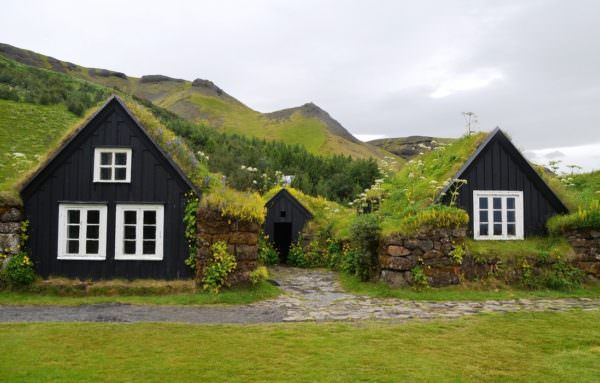
A green roof, also called a living roof or ecoroof, is a roofing system that supports living plants. Sod roofs have existed since at least the Middle Ages. The modern version is engineered: Toronto’s definition calls for, at minimum, a root repellent layer, a drainage system, a filtering layer, a growing medium, and plants, all installed over a waterproof membrane.
Today’s ecoroof systems fall into two broad families. Extensive roofs use a few inches of lightweight media and hardy, drought-tolerant plants such as sedums. Intensive roofs, on the other hand, use deeper soil that can hold grasses, shrubs, and even trees. The difference is the price: the Environmental Protection Agency noted in January 2025 on a page now removed that a simple extensive roof without public access can cost one-tenth to one-third as much as an intensive roof built for public access.
A modern green roof involves more than just plants. It needs high-quality waterproofing and protection against root damage, a drainage system, filter cloth, and a lightweight growing medium. The plants may be small, drought-tolerant ones like sedums, or larger grasses. The system can be modular or site-built, and depending on the planting medium depth, may even resemble a natural meadow or a garden with shrubs and trees.
Project Drawdown ranks green roofs and cool roofs as #73 in their list of solutions to global warming, with an anticipated 0.77 gigaton reduction in carbon dioxide by 2050. If green roofs cover 30% of roof space by 2050 and cool roofs cover 60%, approximately 407 billion square feet of efficient roofing would be in place globally.
A 2024 study published in Nature Cities reports that Seoul’s city-wide green roof implementation could reduce building energy use intensity by up to 7.7%. Another comprehensive 2024 study in Nature Urban Sustainability projected that by 2100, green and cool roofs could reduce HVAC use by up to 71.72% in six cities studied. A 2023 meta-analysis found that green roofs reduce rooftop surface temperatures by an average of 30°C during summer months.
A U.S. General Services Administration study that was removed from its website following the Trump Administration’s anti-green guidance estimated that the heating and cooling savings from green roofs on commercial and public buildings paid back the cost of installation in about 6.2 years.
Residential and Commercial Applications
Green roofs on private residences are very efficient. Despite the high cost of design and installation, which has slowed their adoption as a standard roofing option, they can provide lifetime savings.
Single-family homes accounted for less than 2 percent of green roofs in the U.S. in 2015. Multifamily homes, on the other hand, provide economies of scale that can justify the expense (and sometimes have the square footage to trigger green roof requirements), accounting for 22 percent of green roof projects. That still leaves the vast majority of green roofs to industrial and commercial buildings.
But private homeowners need not despair. Many of the incentives for green roof construction are also available for single-family residences.
Several impressive green roof installations have been completed in recent years:
Will’s Garden at Carle Foundation Hospital is a 2023 Award of Excellence winner that features a therapeutic garden in Urbana, Illinois. The immersive, wheelchair-accessible rooftop included significant technical achievements that allow the plants to grow in only six inches of media.
Construction began on the LXK Office and Residential Campus in Berlin. A designed development, it includes green rooftops and terraces.
Kö-Bogen II, in Düsseldorf, Germany, is a commercial complex features one of Europe’s largest green façades with over 30,000 hornbeam plants that provide a “green heart” and “urban mountain” in the city.
The Vancouver Convention Centre’s six-acre living roof remains the largest in Canada.
The California Academy of Sciences in San Francisco features 1.7 million plants in its living roof.
Chicago City Hall’s green roof remains one of the most studied examples, with more than 20,000 plants from 150 species.