


Introduction Sustainable Bioenergy and Waste Management
The global pursuit of sustainable development has led to the recognition of the importance of transitioning to a circular economy. In this context, sustainable bioenergy plays a significant role by offering a renewable energy solution while simultaneously addressing waste management challenges.
By utilizing organic waste streams and biomass residues as feedstock, bioenergy projects contribute to waste valorization, resource efficiency, and the reduction of greenhouse gas emissions.
In this article, we will explore the concept of sustainable bioenergy within a circular economy framework and highlight its benefits for waste management.
Outlook Sustainable Bioenergy and Waste Management
1. Waste Valorization through Bioenergy
One of the key aspects of a circular economy is the efficient use of resources, including waste materials. Bioenergy projects enable the valorization of organic waste streams that would otherwise end up in landfills or be subjected to inefficient disposal methods. By converting these waste materials into energy, such as biogas or biofuels, bioenergy projects turn waste into a valuable resource, thereby reducing the environmental burden associated with waste disposal and promoting a sustainable waste management approach.
2. Reduction of Greenhouse Gas Emissions
Traditional waste management practices, such as landfilling and open burning, contribute to the emission of greenhouse gases, particularly methane, a potent greenhouse gas with a significant impact on climate change. Bioenergy projects offer an environmentally friendly alternative by capturing and utilizing the methane released during organic waste decomposition. By converting methane into energy, bioenergy projects significantly reduce greenhouse gas emissions, mitigating climate change and contributing to global emission reduction targets.
3. Circular Resource Flow
Sustainable bioenergy projects create a circular resource flow by utilizing biomass residues from various sectors, such as agriculture, forestry, and food processing. Instead of discarding these residues, they are converted into bioenergy, generating renewable power, heat, or biofuels. This circular flow optimizes resource utilization, reduces the reliance on finite fossil fuel resources, and minimizes the need for additional land or raw material extraction. The integration of bioenergy into waste management systems completes the loop by ensuring that resources are continually recycled and put to productive use.
4. Integration of Bioenergy and Waste Management Infrastructure
The successful integration of bioenergy and waste management infrastructure is crucial for maximizing the benefits of a circular economy approach. Bioenergy projects can be integrated into existing waste management facilities, such as anaerobic digestion plants or biomass power generation facilities. This integration allows for the efficient collection, sorting, and processing of organic waste materials, optimizing the bioenergy production process while concurrently managing waste streams. By aligning bioenergy and waste management infrastructure, synergies can be achieved, enhancing resource recovery and energy generation efficiency.
5. Localized and Decentralized Solutions
Sustainable bioenergy offers the advantage of localized and decentralized waste management solutions. By establishing bioenergy projects at or near the waste generation source, transportation costs and associated carbon emissions can be minimized. This localized approach also provides opportunities for communities to actively participate in waste management processes and derive socio-economic benefits from bioenergy production. Additionally, decentralized bioenergy systems contribute to energy security, particularly in remote or off-grid areas, by providing reliable and renewable energy sources.
6. Co-Products and Circular Economy Opportunities
Bioenergy projects generate valuable co-products alongside energy production. For example, anaerobic digestion produces nutrient-rich digestate, which can be used as organic fertilizer, closing the nutrient loop in agriculture. Similarly, biomass power generation can produce heat that can be utilized for district heating or industrial processes, maximizing the energy output and resource efficiency of the system. These co-products and circular economy opportunities further contribute to the sustainability and economic viability of bioenergy projects.
7. Policy Support and Market Incentives
To promote the integration of sustainable bioenergy into waste management and the circular economy, supportive policy frameworks and market incentives are essential. Governments can introduce policies that encourage the development and deployment of bioenergy technologies, such as feed-in tariffs, tax incentives, and renewable energy targets. These policy measures create a favorable market environment for bioenergy projects and incentivize waste management stakeholders to adopt sustainable practices. Furthermore, establishing regulations and standards for the quality and sustainability of bioenergy feedstock ensures that bioenergy projects adhere to environmental and social criteria, further enhancing their role in the circular economy.
8. Research and Innovation
Continued research and innovation are vital for advancing sustainable bioenergy and waste management within a circular economy framework. Research efforts can focus on improving the efficiency of bioenergy conversion technologies, enhancing waste characterization and sorting methods, and exploring new feedstock sources. Additionally, innovation in waste management processes, such as anaerobic digestion, pyrolysis, or gasification, can lead to more efficient resource recovery and higher energy yields. Collaboration between academia, industry, and government institutions can drive technological advancements and knowledge-sharing, accelerating the transition towards a circular bioenergy economy.
9. Stakeholder Collaboration and Public Awareness
Achieving a sustainable bioenergy and waste management system requires collaboration among stakeholders, including waste management companies, energy providers, policymakers, and local communities. Collaboration enables the sharing of best practices, expertise, and resources, fostering innovation and driving the adoption of sustainable approaches. Public awareness campaigns and educational initiatives play a crucial role in promoting the benefits of bioenergy and the circular economy, encouraging individuals to participate in waste segregation, recycling, and support for bioenergy projects.
Conclusion Sustainable Bioenergy and Waste Management
Sustainable bioenergy and waste management are integral components of a circular economy, offering synergistic benefits for resource efficiency, waste valorization, greenhouse gas reduction, and renewable energy production.
By converting organic waste streams and biomass residues into valuable energy sources, bioenergy projects contribute to waste reduction, minimize environmental impacts, and support the transition towards a sustainable and low-carbon future. Policy support, research and innovation, stakeholder collaboration, and public awareness are vital in harnessing the full potential of sustainable bioenergy within a circular economy framework.
By embracing this approach, we can achieve a more sustainable and resilient waste management system while advancing the goals of renewable energy generation, resource conservation, and climate change mitigation.
https://www.exaputra.com/2023/07/sustainable-bioenergy-and-waste.html


 Whoa. Let’s take a step back. Is it really either A or B?
You could on the side of the morons, those incapable of any level of critical thinking, like the author of the meme here.
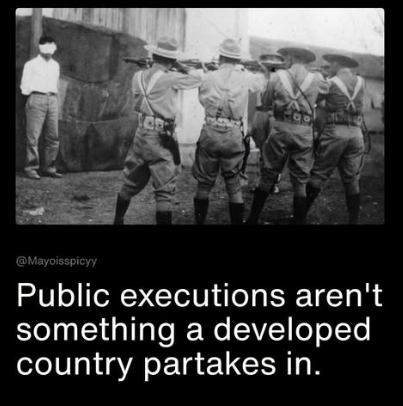 The United States seems set on propelling itself backwards.
 Maybe, as they say, “Hell has a special place reserved in it” for people like Thom Tillis, Republican Senator from North Carolina, who enabled Trump to rape and destroy the United States.
That was until it became clear to Tillis that he could jump ship, write a scathing book about the president, get all over mainstream news promoting it, and go on to enjoy another chapter of political success.
That we Americans are so stupid that we accept this blatant hypocrisy and criminality is sad proof that we’re not the people we were 20 years ago. Maybe what many people are saying are correct: we deserved what we got.



-
Climate Change1 year ago
Guest post: Why China is still building new coal – and when it might stop
-

 Greenhouse Gases2 years ago
嘉宾来稿:满足中国增长的用电需求 光伏加储能“比新建煤电更实惠”
-
Greenhouse Gases1 year ago
Guest post: Why China is still building new coal – and when it might stop
-

 Climate Change2 years ago
嘉宾来稿:满足中国增长的用电需求 光伏加储能“比新建煤电更实惠”
-

 Renewable Energy12 months ago
Sending Progressive Philanthropist George Soros to Prison?
-
Climate Change2 years ago
Bill Discounting Climate Change in Florida’s Energy Policy Awaits DeSantis’ Approval
-
Greenhouse Gases1 year ago
嘉宾来稿:探究火山喷发如何影响气候预测
-

 Climate Change2 years ago
Analysis: China’s CO2 falls 1% in Q2 2024 in first quarterly drop since Covid-19