

Utility load growth projections have dramatically increased for the coming years, based primarily on growth in data center development and the onshoring of U.S. manufacturing. Utilities are using this projected increased load growth to ask state utilities commissions to approve a huge fleet of combined cycle gas plants (on which they can earn a profit).
But what has flown under the radar is that the utilities are simultaneously contracting with pipeline companies for long-term “firm transportation” – guaranteed access to a specified amount of pipeline capacity. These contracts are usually written to guarantee an amount of gas that would be needed to run each plant full blast, 24/7/365, for 20 years. And they are expensive.
The pipeline companies then turn around and use these firm transportation contracts to 1) win approval from the Federal Energy Regulatory Commission (FERC) to build these projects on private property; and 2) raise the capital needed to build the pipeline expansion projects.
But what happens to the gas molecules that are not needed on any given day? And more importantly, what happens to the gas molecules that are increasingly not needed as utilities decarbonize – as solar, wind, and batteries displace fossil gas in the utility fleet because they are less expensive?
The answer is that the utilities will sell excess gas via a third-party market. From there, these gas molecules will increasingly flow to export where they are worth much more than they are domestically.
The infrastructure to move these molecules from north to south – the “highway” leading from the shale gas fields to the LNG export terminals – will already be in place – having been paid for by electricity bills. And as an added bonus, the price we pay for the gas molecules that do wind up in power plants will increase.
LNG exports are making U.S. gas a global commodity that is worth much more abroad, pushing up prices here.
So the gas molecules will flow to where the price is higher (abroad), and profits will flow out of our pockets and into the wallets of utility and gas industry shareholders. They can’t lose.
In SACE’s new paper Southeast Electric Bills Are Paying for a Highway to Export Gas, we further examine this dynamic in depth.
The post Southeastern Ratepayers Are Building a Gas Highway to Export appeared first on SACE | Southern Alliance for Clean Energy.
Southeastern Ratepayers Are Building a Gas Highway to Export

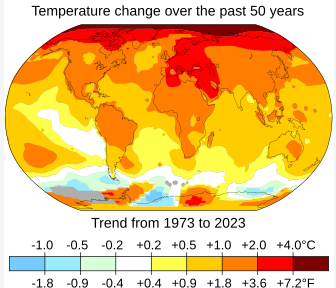 A judge has ruled that New York State’s climate “superfund,” modeled after laws that provide money to clean up toxic waste, runs counter to federal law and is therefore invalid.
Eventually, we will have laws that force companies whose actions are ruining the planet to pay for the remediation that must happen to avert environmental collapse. In the meanwhile, we need to expect the fossil fuel industry to continue its ruthless legal attack such legislation.
Climate “Superfund” Will Require Legislation at the Federal Level
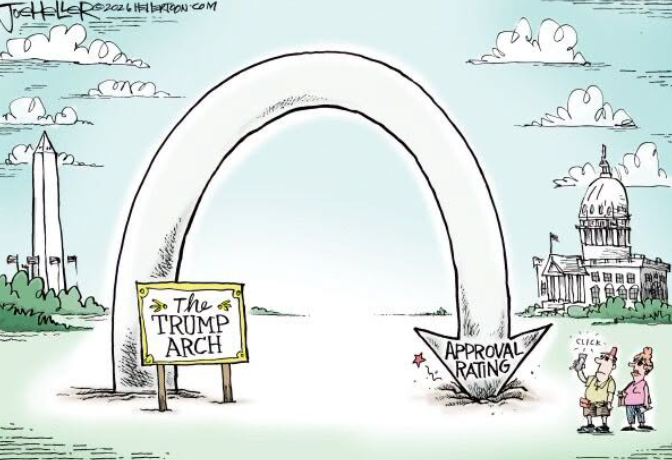 The idea expressed at left, i.e., that Trump’s arch–or any single action Trump has taken towards self-aggrandizement is causing is approval rate to plummet–is fallacious.
Sure, a great many of his similar efforts, e.g., putting his name on the Kennedy Center, or issuing coins with his image on them, rankled our souls as Americans.
But let’s face facts, Trump’s approval rating is hovering at just above 30%, meaning that about one-third of U.S. voters don’t care that he’s a petty, spoiled child, a convicted felon, and one of the most despicable people in the history of humankind.
There Is No Single Act that Would Crash Trump’s Approval Rating
 Here’s proof (as if any were needed) that Trump understands that he’s despised and knows that his claims that he’s “respected around the world” are total bullshit.



-
Climate Change1 year ago
Guest post: Why China is still building new coal – and when it might stop
-

 Greenhouse Gases2 years ago
嘉宾来稿:满足中国增长的用电需求 光伏加储能“比新建煤电更实惠”
-
Greenhouse Gases1 year ago
Guest post: Why China is still building new coal – and when it might stop
-

 Climate Change2 years ago
嘉宾来稿:满足中国增长的用电需求 光伏加储能“比新建煤电更实惠”
-
Climate Change2 years ago
Bill Discounting Climate Change in Florida’s Energy Policy Awaits DeSantis’ Approval
-

 Renewable Energy11 months ago
Sending Progressive Philanthropist George Soros to Prison?
-
Greenhouse Gases1 year ago
嘉宾来稿:探究火山喷发如何影响气候预测
-

 Carbon Footprint2 years ago
US SEC’s Climate Disclosure Rules Spur Renewed Interest in Carbon Credits