

Quick Key Facts
- The United Nations has encouraged governments worldwide to rewild 2.47 billion acres of degraded land in the next several years.
- Rewilding isn’t just about adding back one or two species of plants and animals to an area; it’s about restoring and conserving whole ecosystems, from keystone species to soil, to allow them a chance to thrive.
- One of the greatest rewilding success stories of modern times is the reintroduction of gray wolves in Yellowstone National Park, which restored the balance of the entire ecosystem, from elk and deer to trees, riverbanks and songbirds.
- Of 730 ecoregions studied by scientists globally, less than 6% continue to have the extensive and intact communities of large mammals seen 500 years ago.
- According to researchers, 64% of the planet’s large carnivores that remain are facing extinction, with 80% declining.
- One study found that reintroducing 20 large mammals — 7 predator and 13 herbivore species, such as bison, brown bears, jaguars, wild horses, Eurasian beavers, reindeer, moose, elk, tigers, wolverines and hippos — can help biodiversity regenerate worldwide while also tackling the climate crisis.
- Of the 74 large herbivore species surviving globally that weigh 220 pounds or more, 59% are threatened with extinction.
- Soil that is covered in trees absorbs rainwater 67 times faster than grass-covered soil.
- Encouragingly, according to a 2020 study, 46% of lands that are not permanently covered in snow or ice have been found to have “low human influence.”
- Less than 1% of regions that were once dominated by tropical coniferous forests, temperate grasslands and tropical dry forests are classified as having a “very low” level of human influence.
What Is ‘Rewilding’?

It’s no secret that modern humans have ravaged the planet. We have decimated ecosystems to make way for monocrop agriculture, the raising of beef cattle and development. Ecosystems that had maintained a delicate balance for millions of years have been turned into ecological wastelands with cascading negative effects on biodiversity, humanity and essential biogeochemical processes like Earth’s water cycle.
Rewilding is the reversing of negative impacts on natural environments through the restoration and conservation of ecosystems, wilderness areas and their natural processes, and it is essential for the survival of most life on our planet.
Rewilding involves reintroducing native species and allowing nature to heal and nurture itself. Doing so can not only restore biodiversity, but it can protect endangered species, prevent flooding and help mitigate climate change.

Why Is Rewilding Important? Why Does It Matter?
Rewilding on both small and large scales provides and preserves natural habitats for plant and animal species. It can also mean added lands for wildlife corridors, improve species diversity, lower carbon dioxide emissions, improve air quality and carbon sequestration, help balance the water cycle, protect against excessive runoff and flooding and make environments more climate-change resilient.
Benefits of Rewilding
Restores Native Species and Ecosystems
Rewilding restores ecosystems by reestablishing the habitats of native plants and animals, thereby reinstating their food chains and rebuilding biodiversity.
Rewilding makes ecosystems stronger because those that have been rewilded have a tendency to become more resilient to climate change and environmental changes in general. Their complexity and diversity means they are better protected against invasive species, natural disasters and extreme weather, and tend to bounce back more quickly.

Improves Species Diversity and Protects Threatened and Endangered Species
When an environment is rewilded, keystone species — like wolves, bears, beavers and wildcats — are reintroduced. These animals are essential to the balance of an ecosystem; other animals, as well as plants, rely on them, and if they are removed, drastic ecosystem changes, or even collapse, can occur.
Many keystone species — such as mountain gorillas, jaguars, gray wolves, black rhinos, California condors, humpback whales and ivory tree coral — are threatened or endangered. Reintroducing them through rewilding efforts can boost their numbers and give them a chance to bounce back. And since other plants and animals rely on keystone species, their reintroduction contributes to enhanced species diversity.

A herd of bison at Custer State Park, Black Hills, South Dakota on July 16, 2013. Charles (Chuck) Peterson / Flickr
Rewilding can also involve the reintroduction of species that have been driven out by development or have died off in particular ecosystems due to lack of resources or loss of habitat, thereby effectively “plugging crucial gaps” in particular ecosystems.
Supports Biodiversity
When biodiversity is restored to a region through rewilding, natural ecosystem functions are also reinstated, such as seed dispersal, species predation and nutrient cycling. All of these activities bring back the natural balance to the affected area and beyond.
Improves Trophic Cascades
Trophic cascades occur when top predators in the food chain are lost, leading to indirect interactions between species that can result in powerful effects on whole ecosystems.
Human activities like agriculture, deforestation and poaching, as well as human-caused climate change, have resulted in the decline and sometimes extinction of important predators.
When rewilding efforts reintroduce crucial species like these to a region, they can have positive influences on their habitats, with reverberations throughout the food chain and ecosystem that can help reestablish a natural balance.
Adds to the Patchwork of Lands for Wildlife Corridors

Wildlife corridors are essential for giving species — particularly large mammals like wolves, bears and big cats — the extensive ranges they need to find adequate resources and mates. Rehabilitating and preserving wild spaces through rewilding can add to the network of wildlands these animals need to survive.
Helps Balance the Water Cycle & Improves Water Quality
Earth’s water cycle — which began approximately 3.8 billion years ago — is the process of water evaporating from the planet’s surface, rising into the atmosphere, condensing into precipitation in clouds and falling back onto land or into waterways and the ocean. The water collects in lakes, rivers, porous rock layers and soils, with much of it flowing back into the ocean to evaporate again.
The water cycle is impacted by many forms of human manipulation of the planet, including deforestation, irrigation and global heating, which contributes to marine heat waves, the melting of Arctic sea ice, sea level rise and ocean acidification.
All of these destructive activities can be healed by rewilding. Rewilding can rehabilitate underwater habitats, in addition to deforested landscapes and those that have been scarred or destroyed by human development, while mitigating global heating and climate change.

By rewilding rivers and removing dams, species like salmon can be allowed to recover, which benefits their predators — including bears, a keystone species — as well as the overall balance of the ecosystem. River rewilding can also help prevent the hydrological extremes that can lead to flooding or stresses from low water flow — like abnormal temperature fluctuations — and cause lower oxygen levels and algal blooms, which have the potential to affect species and water quality.
Restores Healthy Ecosystems That Act as Buffers During Natural Disasters
Over time, ecosystems develop a natural balance between their plant and mammal inhabitants and the air, water and soil. When these ecosystems are degraded or destroyed, they lose their ability to protect against natural disasters. Rewilded ecosystems provide a built-in defense against flooding, drought and wildfires.
When it rains, a forest’s tree and plant roots absorb excess rainwater, while the tree canopy keeps the ground from becoming saturated all at once. These actions mitigate runoff and flooding by preventing rainwater from rushing over the land and into streams or rivers. This also prevents soil from washing into waterways and creating sediment buildup. And if the soil contains pesticides or other toxic chemicals, they are less likely to end up in the water supply.
According to Mossy Earth, soil that is covered in trees absorbs rainwater 67 times faster than grass-covered soil. Tree roots also anchor soil in place, preventing severe erosion and landslides during heavy rain.
By contrast, water stored in forest soil can be released during dry periods, providing moisture and clean water in times of drought.

Healthy ecosystems containing bodies of water, snow, ice, broadleaf forest, grassland corridors or sparse plant growth can also provide natural fire breaks or buffers that can slow down or block the spread of wildfires.
Reintroducing large grazing herbivores can also create sparse patches of vegetation in the landscape, providing natural firebreaks.
Helps Mitigate Climate Change
Human activities are directly responsible for climate change because they produce the greenhouse gas emissions — released when humans burn fossil fuels like oil, gas and coal for energy — that are responsible for global warming. Rewilding can rebalance ecosystems, whose plants, trees and soils absorb and sequester carbon emissions, helping to improve air quality and regulate the climate.
Opens Up Opportunities for Rewilding Tourism
Restoring natural ecosystems provides an opportunity for communities that have traditionally relied on the land for agriculture and cattle farming to share their unique environments with others through rewilding and ecotourism.
This allows travelers who are mindful of their impact on the planet to visit places that have been restored, which brings in revenue for the local community while supporting an economy based on living in harmony with nature rather than overusing or destroying it.
Provides Mental and Physical Benefits for Humans
The physical and mental benefits to humans of spending time surrounded by nature have been well documented. By rewilding and preserving natural habitats, we open up more places for us to enjoy their healing rewards.
Challenges to Rewilding
Land Availability
In a 2020 study, three of four spatial assessments found that, of Earth’s land that is not permanently covered in snow or ice, 46% has had “low human influence.” This means that roughly half of Earth’s non-snow- or ice-covered surface remains relatively untouched.
Nations meeting at the COP15 United Nations Biodiversity Conference in 2022 agreed upon the Kunming-Montreal Global biodiversity framework, which included a goal of conserving 30% of the planet’s lands and oceans by 2030.
However, current land use and availability of lands are two of the biggest obstacles to rewilding. Much of developed land is being used for agriculture, housing and commercial and leisure activities. For social, cultural and economic reasons, rewilding these lands faces resistance.
This makes it all the more important to use regenerative agricultural practices — as well as to create urban spaces that are more pollinator and wildlife friendly — in regions that were once dominated by tropical coniferous forests, temperate grasslands and tropical dry forests, as less than 1% of these lands are classified as having a “very low” level of human influence.

Policy Barriers
There are many existing policies that can frustrate rewilding efforts, such as regulations of “dangerous and wild animals”; policies regarding access to the countryside; agricultural policy; and energy policies that find renewable energy developments like wind turbines to be inconsistent with wildlands. In some cases, land that was available for potential rewilding is instead awarded to lucrative wind energy projects.
Public Acceptance
While most people agree that a thriving environment provides benefits for everyone, rewilding is not always readily accepted by farmers, who sometimes have concerns about loss of their traditional practices as well as economic effects. Some farmers are also fearful of how the reintroduction of keystone species like wolves may affect the animals they keep.
However, while some changes and uncertainty may have to be accepted in the short term, rewilding is the best option to mitigate the much broader and longer lasting effects of climate breakdown caused by the removal of keystone species and the degradation of our wildlands.
Funding
The funding of rewilding initiatives involves a host of sometimes creative revenue sources. These can include the use of carbon offset funds; government grants; farmers being paid to rewild their land; businesses providing financing for “biodiversity net gain” — land management or development that has a goal of leaving the environment in a state that is measurably better than before; corporate sponsorships; public donations, including apps that allow people to donate funds to rewilding projects while also informing them as to their progress; ecotourism; and public-private partnerships.
Successful Rewilding Efforts Around the World
There have been many successful rewilding efforts around the world — here are two examples.
Reintroduction of Gray Wolves to Yellowstone National Park

One of the greatest rewilding success stories in history was the reintroduction of gray wolves to Yellowstone National Park after a nearly 70-year absence. As a keystone species, wolves played such a crucial role in the ecosystem that their disappearance was felt in the air, skies, water and trees of the park.
The last of Yellowstone’s wolf packs was eradicated by employees of the massive 3,472-square-mile park in 1926, with the idea of eliminating all its resident predators. Bears and cougars were also removed, and the result was an illustration of just how important every member of an ecosystem — from soil microbes to large mammals — is to its balance.
First, populations of elk exploded, which led to aspens and willows becoming overgrazed. The loss of these trees resulted in beavers being unable to build their dams because of riverbank erosion, a decrease in songbirds and a rise in water temperatures, which affected coldwater fish.
Then, in 1995, Yellowstone welcomed back 14 individual wolves from Canada, who right away began to restore the damaged ecosystem. Elk and deer populations were brought down, which allowed trees to bounce back. This stabilized riverbanks, and songbirds were heard once again. Other animals like eagles, foxes and badgers also returned, further adding to the robust biodiversity of the country’s first national park.
Reintroduction of the Eurasian Beaver to the United Kingdom

Once a familiar sight in Asia and Europe, the Eurasian beaver was hunted to extinction by the 16th century in many countries, including the UK.
Starting in 2021, beavers were reintroduced in the UK’s Isle of Wight, Derbyshire, Dorset, Montgomeryshire, South Down and Nottinghamshire. The results have been tremendous in restoring populations to their native habitats.
Their presence has served to reduce water flow, leading to a decrease in the effects of flooding by as much as 60%. Beaver dams also remove and sequester carbon, as their fashioned wetlands promote new plant growth, creating valuable carbon sinks.
What Can We Do to Support Rewilding?
As a Society?
Rewilding is a set of actions that humans need to embrace in order to restore ecosystems and biodiversity to their once healthy states. The concept of rewilding is unfamiliar to many people, so talking about it more often and in-depth, as well as discussing what we can do as a society to facilitate it, is important for making rewilding a more familiar and frequent reality.
Encourage leaders and policymakers to include rewilding in their agendas and support those who do.
In Our Own Lives?
Each patch of Earth is a microcosm of an ecosystem made up of soil, minerals and nutrients that supports plants and insects and is most likely inhabited by larger species like rodents, birds and mammals. Everyone who has access to any amount of land to the extent that they are able to rewild it can take steps to improve soil quality and plant native flowers — including those that attract pollinators — trees, shrubs and ferns that will be beneficial for a myriad of species.
This relatively small but important act of rewilding will improve and expand the functioning and biodiversity of your local ecosystem, as well as provide habitat, food and shelter for traveling species like birds who may be passing through.
It will also provide you with abundant opportunities to observe native wildlife from your window, porch or garden.
Another way to help with local rewilding efforts is to contact policymakers and encourage them to establish pollinator gardens or rewild unused lands — even land next to or on medians of a highway or road can be rewilded or, at the very least, left alone to grow and replenish itself.
You can also volunteer with a local conservation organization or wildlife trust, help plant native species with a community group or nonprofit or even start a community garden with your neighbors.
Whatever you do to support rewilding efforts in your local area will help rehabilitate habitat and encourage wildlife to return to land that was once theirs too.

Takeaway
Ecosystems are like a beautiful piece of music being played by an orchestra with many instruments, each vital to its harmony. Humans have learned through destructive actions that removing keystone species we have deemed predatory and dangerous leads to trophic cascades with devastating effects to ecosystems and biodiversity. Destroying rainforests to make way for crops like palm oil and soybeans and continuing to burn fossil fuels are just some of the other actions humans continue to take that are tipping the balance against healthy ecosystems and climate stabilization.
Instead, we have a responsibility to restore once-wild lands to their healthy and balanced states through rewilding and conservation. Rewilding is an integral part of the set of actions — including using vastly less land for industrial agriculture and cattle ranching, while changing our diets from meat-based to more plant-based foods and slashing plastics production and waste — that we must take to combat global heating and curb the climate crisis.

The post Rewilding 101: Everything You Need to Know appeared first on EcoWatch.
https://www.ecowatch.com/rewilding-facts-ecowatch.html

Last winter, we kept our house at 60 degrees and our electric bill was STILL $280. I’ve been interested in solar for a long time, but on the long list of house projects (especially when you’re restoring a 200 year old house on the historic registry) some are more pressing than others.
But with a few of those major projects wrapping up, and a daunting bill before me, I figured now was the time for a quick google search on solar panels, and let me tell you….. It can be very overwhelming.
Figuring out the rules (cough, cough, historic society), incentives or rebates if applicable, how much it would cost, how much we could save, etc. felt a little like a part-time job. But, one website made it really easy to compare things, and I am happy to be partnering with Aurora Solar to share that site with you.
Because I think you should be able to easily run the numbers on your house without a lot of hassle!

This post is sponsored by Aurora Solar, but all thoughts and opinions are my own.
If you’ve ever gotten a solar quote, there’s a good chance that Aurora Solar was involved. Aurora was founded in 2013 after its co-founders spent seven months trying to design a solar energy system using a patchwork of different tools.
Afterall, designing a solar system shouldn’t be harder than actually installing one. So they built software specifically for solar professionals. Today, more than 7,000 solar organizations use Aurora, and more than 20 million solar projects have been designed using the platform. They are also the largest solar software provider in the world. Their software is used by roughly 80% of the top 75 residential solar companies in the U.S.
All of this tech has been primarily used by professional installers to map your roof and then create a proposal, but now Aurora is offering this tech to us to help compare quotes.
So instead of having to call a bunch of different installers, I could use the Aurora Solar Marketplace to understand my solar potential, compare estimates, understand my possible savings, look into battery storage and other home electrification incentives, and map out different financing options.
1. know how much electricity the system will actually produce
Before you even get into the price, make sure you understand what you’re actually being quoted.
Two solar systems can have very different prices because they may not be the same size or produce the same amount of electricity. A cheaper system might simply have fewer panels and offset less of your electric bill.
With Aurora, you can compare solar estimates and see the system size, energy production, and how much electricity the system should offset.
You can also upload your utility bill to get a solar estimate based more closely on your actual energy usage, to make the quote accurate for you instead of a ‘generic household’.
2. understand the solar payback period
Aurora calculates things like payback period and lifetime savings, which makes it much easier to understand the long-term finances.
The solar payback period is basically how long it takes for your estimated savings to make up for what you spent on the system, and this is the number that surprised me most!
One estimate had a payback period of around 7 years, and another was closer to 11 years! Over 25 years, two of the estimates I looked at had almost a $13,000 difference in projected savings.
Of course, these are still projections as electricity rates can change (HELLO 2026) but when you’re trying to compare two options for the same house, knowing that one is projected to pay for itself four years sooner is pretty useful information.
3. look beyond the monthly payment
Depending on the installer, you may be looking at a cash purchase, solar loan, lease, or power purchase agreement.
But thankfully with Aurora you can compare the different financing options side-by-side which makes it a lot easier to see the trade-offs. One option may have a lower upfront cost, another may have a lower monthly payment, and another may give you better long-term savings.
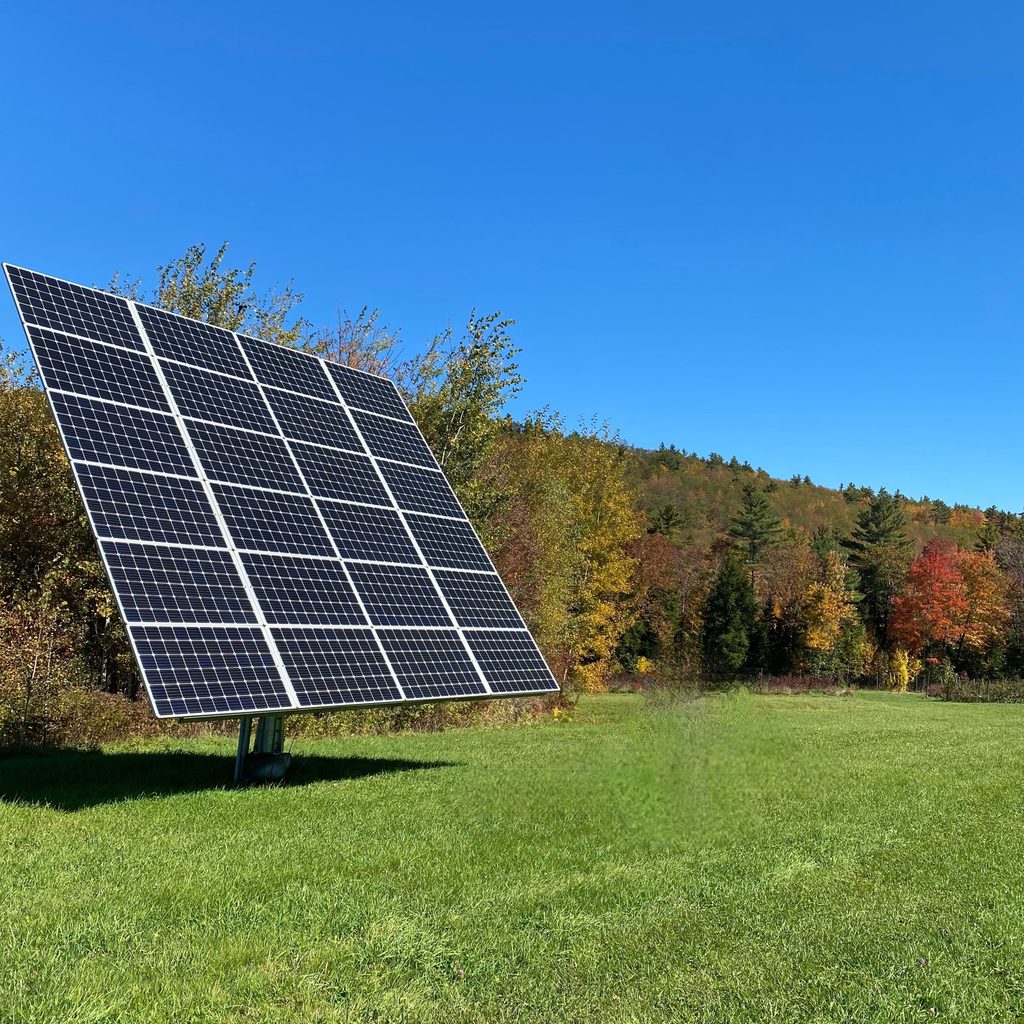
4. find out which solar incentives actually apply to you
The minute you start Googling solar, you can find federal incentives, state incentives, utility programs, rebates, net metering, and a whole bunch of information that may or may not even apply to where you live.
And some of the articles ranking at the top of Google are several years old! (RIP to the federal incentives canceled at the end of 2025.) But, Aurora can account for solar incentives when calculating the cost and savings of a system, including state, local, and utility-specific programs.
I would still double check any incentive or tax benefit you’re planning to use before signing a contract, especially because programs and eligibility can change, but having all the relevant information in the same place makes the research process much less overwhelming.
5. research the installer, equipment, and warranties
Aurora lets you compare solar installers based on things like reviews, reputation, pricing, and financing options, which I think is just as important as the actual quote.
I’d also look closely at what equipment is included. What panels are they using? What kind of inverter? How long are the equipment warranties? Is there also a workmanship warranty from the installer? Who handles repairs if something goes wrong five or ten years from now?
And, I know I’ve said it a million times, but it’s nice to see it side-by-side without having to fill out a bunch of forms and be hounded on the phone just to get an idea of what solar may look like.
The post How to Compare Solar Quotes: What to Look For Before You Choose appeared first on Going Zero Waste.
How to Compare Solar Quotes: What to Look For Before You Choose