

Repsol has completed construction of its Frye Solar project located in Swisher County, Texas, with a total installed capacity of 637 MW and 570 MW currently in operation.
Frye Solar is comprised of nearly one million solar panels, the company says, and its largest PV project to date. Repsol has signed a PPA for 89% of the project’s output.
“Repsol views completion of our largest U.S. renewable facility to date as a major milestone that will contribute to our commitment to become a net-zero emissions company by 2050,” says Repsol’s Federico Toro. “Our growth ambition in this country is significant.”
Repsol entered the U.S. renewable energy market in 2021 with the 40% purchase of Hecate Energy, a domestic company specializing in the renewable development and energy storage projects.
The post Repsol Completes Construction of Frye Solar in Texas appeared first on Solar Industry.

 Does this guy have a solid point?
Is war a bad thing? What about rape and torture?
Do they point to weaknesses that must be strengthened?
Is Bullying a Bad Thing? Not if We Want a Society of Brutality
 Maybe the protestors are less concerned about length of time in office, and more with criminal authoritarianism.
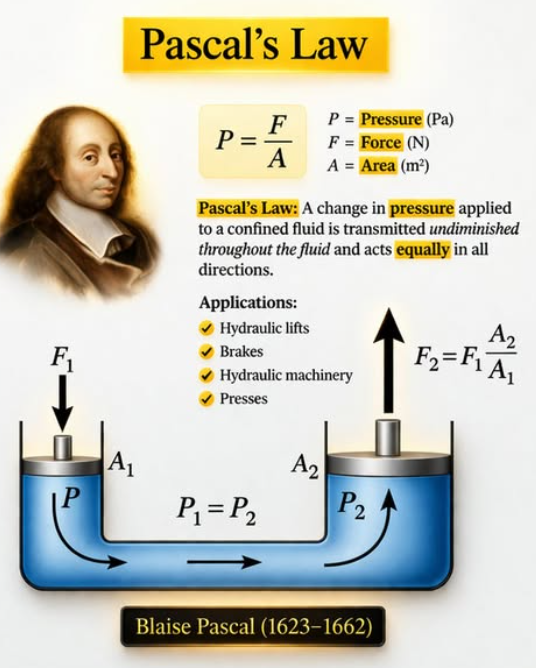 I have such respect for Pascal that I considered naming our son after him. (My wife wasn’t having it. Maybe if we lived in France?)
Pascal made important contributions to both math and physics but he’s perhaps best known for his philosophic “wager,” that it makes sense to believe in God, since if He exists, you’ll be very glad you did, and if He doesn’t, you haven’t lost anything. I counter that this is not how we accept or reject religious tenets.



-
Greenhouse Gases8 months ago
Guest post: Why China is still building new coal – and when it might stop
-
Climate Change8 months ago
Guest post: Why China is still building new coal – and when it might stop
-

 Greenhouse Gases2 years ago
嘉宾来稿:满足中国增长的用电需求 光伏加储能“比新建煤电更实惠”
-
Climate Change2 years ago
Bill Discounting Climate Change in Florida’s Energy Policy Awaits DeSantis’ Approval
-

 Climate Change2 years ago
嘉宾来稿:满足中国增长的用电需求 光伏加储能“比新建煤电更实惠”
-
Climate Change Videos2 years ago
The toxic gas flares fuelling Nigeria’s climate change – BBC News
-

 Carbon Footprint2 years ago
US SEC’s Climate Disclosure Rules Spur Renewed Interest in Carbon Credits
-

 Renewable Energy5 months ago
Sending Progressive Philanthropist George Soros to Prison?