
Connect with us

Published

on

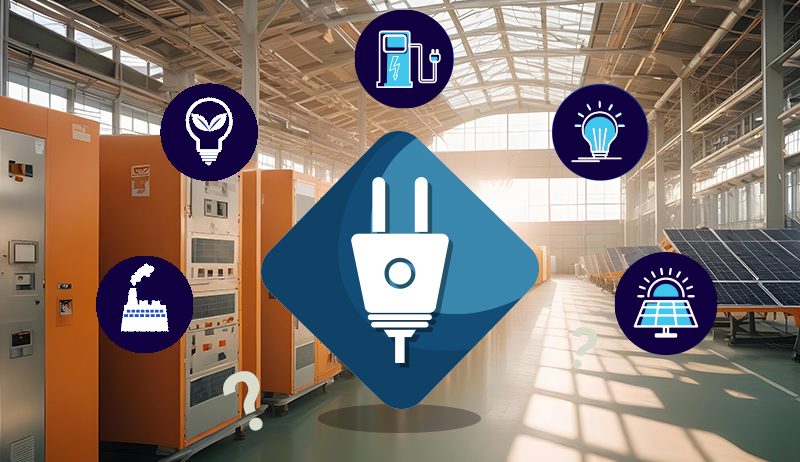
Australia is witnessing a remarkable shift towards cleaner, greener energy. Driven by environmental concerns, government policies, and global commitments, industries across the country are embracing renewable energy solutions 

This transition not only helps reduce carbon emissions but also cuts energy costs and supports sustainability goals. Let’s explore the different renewable energy solutions available in Australia and how industries are leading the charge.  

Go Green with Australia: A Nation Powered by Clean Energy

Australia is uniquely positioned to harness the power of nature. With abundant sunshine, strong winds, and vast open land, it’s no surprise that the country is focusing on clean energy.  

The push to go green with Australia isn’t just an environmental choice—it’s a smart business move. Industries that adopt renewable energy solutions benefit from long-term cost savings, reduced dependence on fossil fuels, and a stronger public image.

Australian Renewable Energy Agency (ARENA)

The Australian Renewable Energy Agency (ARENA) plays a pivotal role in funding and supporting innovative energy projects.  

Since its inception, ARENA has invested in over 600 projects across the country, including large-scale solar farms, wind energy initiatives, and battery storage technologies.  

For industries, partnering with ARENA can mean access to grants, research insights, and collaboration opportunities in the renewable energy sector. 

Clean Energy Council: Renewable Energy Australia

The Clean Energy Council: Renewable Energy Australia is the peak body for clean energy. It advocates for policies that support the renewable energy industry, accredits installers, and maintains product standards. 

For businesses, aligning with Clean Energy Council guidelines ensures high-quality implementation of renewable energy technology and compliance with national standards. 

Renewable Energy Target

The Renewable Energy Target (RET) is a government policy designed to ensure that a significant portion of Australia’s electricity comes from renewable energy generation.  

It encourages industries to invest in renewables by providing financial incentives and promoting the development of new projects.  

By meeting or exceeding the RET, businesses can demonstrate leadership in sustainability and reduce their environmental impact.

Renewable Energy: Wind, Solar, Storage and Transmission

Renewable Energy Wind, Solar, Storage and Transmission

Australia’s energy mix is rapidly evolving. The combination of wind, solar, storage, and transmission offers a reliable and scalable solution for industrial energy needs: 

Solar Energy

Australia has some of the highest solar radiation levels in the world. Industrial rooftops and open land are ideal for installing solar panels, reducing daytime energy costs. 

Wind Energy

Wind farms are thriving in areas with consistent wind speeds. Industries located near these farms can benefit from stable and renewable power sources. 

Energy Storage

Battery storage systems, such as Tesla Powerwall, are revolutionising how energy is stored and used. They ensure energy reliability, especially during peak demand.

Transmission

Modern transmission networks are essential to connect renewable sources to industrial users. Upgrading these systems improves efficiency and ensures a constant renewable energy supply. 

Small-scale Renewable Energy Scheme

The Small-scale Renewable Energy Scheme (SRES) offers financial incentives for businesses that install eligible solar panels, wind turbines, hydro systems, or solar water heaters.  

Under the SRES, companies receive Small-scale Technology Certificates (STCs), which can be sold or traded for discounts.  

This scheme is particularly beneficial for small to medium-sized industries looking to adopt renewable energy solutions without bearing the full upfront cost. 

Renewable Energy Solutions, Australia: Tailored for Industry

Renewable Energy Solutions, Australia, offers a variety of services tailored to industrial needs. These include energy audits, system design, equipment procurement, and installation.  

Companies can choose from grid-tied solar, hybrid systems with battery backup, or off-grid renewable setups. Custom solutions ensure that energy systems are both efficient and aligned with business operations. 

How Australian Companies are Innovating with Solar Energy

How Australian Companies are Innovating with Solar Energy

Innovation lies at the heart of Australia’s push toward a sustainable, low-carbon future, and solar power is one of the country’s most dynamic frontiers in this transformation.  

Across the continent, forward-thinking organisations are pioneering inventive approaches to harnessing the sun’s power—reshaping how energy is generated, stored, and shared. 

One major initiative underway in the remote Northern Territory involves the construction of what is projected to be one of the largest solar farms on the planet.  

This ambitious project aims not only to supply clean electricity domestically but also to establish an intercontinental link by exporting solar-generated power to energy-hungry markets in Asia.  

This bold undertaking represents a new era of energy diplomacy and infrastructure, where sunlight harvested in the Australian outback could illuminate homes and businesses across international borders. 

Elsewhere, a leading energy provider is transforming traditional power distribution by investing in the development of virtual power plants.  

These systems seamlessly integrate thousands of household rooftop solar panels and battery storage units into a coordinated energy network.  

By allowing distributed sources of renewable power to function collectively like a single power plant, these virtual grids enhance reliability, reduce dependence on fossil fuels, and empower everyday Australians to participate directly in the clean energy transition. 

Meanwhile, a solar technology start-up is pushing the boundaries of photovoltaic efficiency by experimenting with innovative solar cell designs.  

Their work focuses on developing affordable, high-performance solar cells using materials that are more readily available than those used in conventional technologies.  

By reducing reliance on rare or expensive inputs, this approach could make solar energy more accessible and scalable across different economic and geographic contexts. 

Together, these initiatives demonstrate how Australian ingenuity is driving the evolution of solar energy. Through large-scale infrastructure, smart grid technology, and advanced materials research, these innovations highlight the country’s leadership in renewable energy.   

It also serves as a blueprint for other sectors and regions seeking to reduce carbon emissions and build resilient energy systems. 

Australia’s Energy Strategies and Frameworks

Australia’s energy strategies and frameworks are designed to balance economic growth with environmental protection.  

Key strategies include: 

National Hydrogen Strategy: Promotes hydrogen as a clean fuel source for industry. 

Low Emissions Technology Statement: Identifies priority technologies such as carbon capture and storage. 

Energy Security Board: Works to ensure a reliable and affordable energy system. 

These frameworks provide a roadmap for industries to invest confidently in renewable energy technology.

Building a Strong Renewable Energy Ecosystem

A robust renewable energy ecosystem involves collaboration among governments, private enterprises, research institutions, and local communities. For industries, this means access to: 

  • Skilled labor trained in clean energy systems 
  • Innovative financing models like power purchase agreements (PPAs) 
  • Cutting-edge technology in solar panels, wind turbines, and storage systems 
  • Supportive policy environment encouraging green investments 

When all parts of the ecosystem work together, the result is a sustainable and scalable energy future. 

Driving Toward Net-zero Emissions by 2050

Australia has committed to achieving net-zero emissions by 2050, and industries play a crucial role in reaching this goal. Transitioning to clean energy is one of the most effective ways to reduce emissions. 

Beyond compliance, companies that lead in sustainability often gain competitive advantages, including brand trust, customer loyalty, and access to new markets. 

By adopting renewable energy solutions, industries contribute to national goals while improving operational resilience and reducing long-term energy costs. 

The future of energy in Australia is renewable. From solar rooftops to large-scale wind farms and advanced storage systems, industries have more options than ever to make the switch. Backed by strong policies, innovative companies, and a growing ecosystem, Australia’s renewable energy industry is thriving. 

By investing in renewable energy technology, aligning with frameworks like the Renewable Energy Target, and collaborating with agencies like ARENA and the Clean Energy Council, industries can lead the charge toward a cleaner, greener, and more prosperous future. 

It’s time to go green with Australia—because sustainability is not just the right thing to do, it’s the smart thing to do. 

How Can Cyanergy Help with Renewable Energy Solutions for Industries in Australia

How Can Cyanergy Help with Renewable Energy Solutions for Industries in Australia?

Cyanergy plays an important role in helping industries across Australia move toward cleaner and more sustainable energy solutions.  

We focus on making renewable energy more practical and affordable for businesses that want to lower their energy bills and reduce their impact on the environment. 

One of the key ways Cyanergy helps is by offering expert advice on how companies can switch from traditional power sources to greener options like solar energy.  

We carefully study a business’s energy use and then design solar systems that match their specific needs.  

This means industries don’t have to guess what will work—they get a clear, tailored solution that makes the most of their roof space, sunlight, and energy goals. 

Cyanergy also provides high-quality solar panels and energy-saving equipment that are built to last.  

We handle the full process, from planning and installation to ongoing support, making it easy for businesses to adopt renewable energy without stress or confusion.  

Our team works closely with each client to make sure everything runs smoothly and the system performs well over time. 

Beyond just solar panels, Cyanergy helps companies improve their energy efficiency in other ways, too.  

We offer products like LED lighting and energy management systems, which help businesses use less power and save more money.  

We also assist with applying for government rebates and incentives, which can significantly reduce the cost of making the switch to renewable energy. 

Cyanergy is a trusted partner for Australian industries that want to be more energy-efficient and environmentally friendly. We bring knowledge, tools, and support to help businesses take real steps toward a cleaner future. 


Your Solution Is Just a Click Away

The post Renewable Energy Solutions for Industries in Australia appeared first on Cyanergy.

Renewable Energy Solutions for Industries in Australia

Continue Reading

Renewable Energy

North Sea Summit Commits to 100 GW Offshore Wind

Published

on

Weather Guard Lightning Tech

North Sea Summit Commits to 100 GW Offshore Wind

Allen covers Equinor’s Hywind Tampen floating wind farm achieving an impressive 51.6% capacity factor in 2025. Plus nine nations commit to 100 GW of offshore wind at the North Sea Summit, Dominion Energy installs its first turbine tower off Virginia, Hawaii renews the Kaheawa Wind Farm lease for 25 years, and India improves its repowering policies.

Sign up now for Uptime Tech News, our weekly newsletter on all things wind technology. This episode is sponsored by Weather Guard Lightning Tech. Learn more about Weather Guard’s StrikeTape Wind Turbine LPS retrofit. Follow the show on YouTubeLinkedin and visit Weather Guard on the web. And subscribe to Rosemary’s “Engineering with Rosie” YouTube channel here. Have a question we can answer on the show? Email us!

There’s a remarkable sight in the North Sea right now. Eleven wind turbines, each one floating on water like enormous ships, generating electricity in some of the roughest seas on Earth.

Norwegian oil giant Equinor operates the Hywind Tampen floating wind farm, and the results from twenty twenty-five are nothing short of extraordinary. These floating giants achieved a capacity factor of fifty-one point six percent throughout the entire year. That means they produced power more than half the time, every single day, despite ocean storms and harsh conditions.

The numbers tell the story. Four hundred twelve gigawatt hours of electricity, enough to power seventeen thousand homes. And perhaps most importantly, the wind farm reduced carbon emissions by more than two hundred thousand tons from nearby oil and gas fields.

Production manager Arild Lithun said he was especially pleased that they achieved these results without any damage or incidents. Not a single one.

But Norway’s success is just one chapter in a much larger story unfolding across the North Sea.

Last week, nine countries gathered in Hamburg, Germany for the North Sea Summit. Belgium, Denmark, France, Britain, Ireland, Luxembourg, the Netherlands, Norway, and their host Germany came together with a shared purpose. They committed to building one hundred gigawatts of collaborative offshore wind projects and pledged to protect their energy infrastructure from sabotage by sharing security data and conducting stress tests on wind turbine components.

Andrew Mitchell, Britain’s ambassador to Germany, explained why this matters now more than ever. Recent geopolitical events, particularly Russia’s weaponization of energy supplies during the Ukraine invasion, have sharpened rather than weakened the case for offshore wind. He said expanding offshore wind enhances long-term security while reducing exposure to volatile global fossil fuel markets.

Mitchell added something that resonates across the entire industry. The more offshore wind capacity these countries build, the more often clean power sets wholesale electricity prices instead of natural gas. The result is lower bills, greater security, and long-term economic stability.

Now let’s cross the Atlantic to Virginia Beach, where Dominion Energy reached a major milestone last week. They installed the first turbine tower at their massive offshore wind farm. It’s the first of one hundred seventy-six turbines that will stand twenty-seven miles off the Virginia coast.

The eleven point two billion dollar project is already seventy percent complete and will generate two hundred ten million dollars in annual economic output.

Meanwhile, halfway across the Pacific Ocean, Hawaii is doubling down on wind energy. The state just renewed the lease for the Kaheawa Wind Farm on Maui for another twenty-five years. Those twenty turbines have been generating electricity for two decades, powering seventeen thousand island homes each year. The new lease requires the operator to pay three hundred thousand dollars annually or three point five percent of gross revenue, whichever is higher. And here’s something smart: the state is requiring a thirty-three million dollar bond to ensure taxpayers never get stuck with the bill for removing those turbines when they’re finally decommissioned.

Even India is accelerating its wind energy development. The Indian Wind Power Association welcomed major amendments to Tamil Nadu’s Repowering Policy last week. The Indian Wind Power Association thanked the government for addressing critical industry concerns. The changes make it significantly easier and cheaper to replace aging turbines with modern, more efficient ones.

So from floating turbines in the North Sea to coastal giants off Virginia, from island power in Hawaii to policy improvements in India, the wind energy revolution is gaining momentum around the world.

And that’s the state of the wind industry for the 26th of January 2026.

Join us tomorrow for the Uptime Wind Industry Podcast.

North Sea Summit Commits to 100 GW Offshore Wind

Continue Reading

Renewable Energy

God’s Proud of Trump?

Published

on

Based on the polls, we can see that most of the American people have a seething hatred of Trump, but at least God thinks he’s done a good job.

God’s Proud of Trump?

Continue Reading

Renewable Energy

Maximise Government Rebates for Commercial Solar in 2026

Published

on

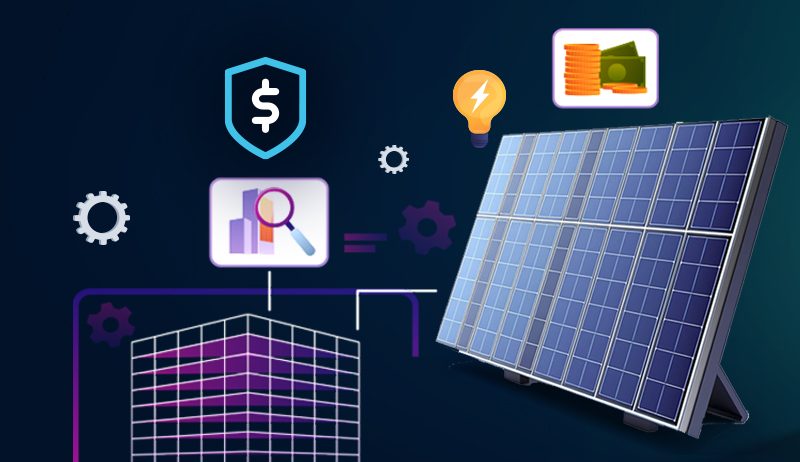
If you live in Australia, you might have heard the rumours that commercial solar rebates are being phased out.

Just got thinking if your business has missed its chance to cash in on government support?

Hold on! Let’s set the record straight: the government rebates and incentives are still active, and in 2026, they’re more strategic than ever.

Australia remains a global leader in rooftop solar, but the rules of the game have evolved. It’s no longer just about covering your roof with solar panels and exporting cheap power to the grid.

In 2026, the smart move is pairing commercial solar with battery storage, demand management, and tax planning to maximise savings and control when and how your business uses energy.

From small cafes and warehouses to large manufacturing facilities and corporate headquarters, businesses of all sizes can still unlock substantial rebates, tax incentives, and funding opportunities.

The main goal is to understand how the current program works and how to stack them correctly before the rebates end.

Therefore, this guide breaks down how to maximise government rebates for commercial solar in 2026 in Australia, so you can slash power bills, boost energy independence, and make every incentive dollar count.

Let’s dive in!

Understand the Federal Government’s Core Incentive Options

At the national level, Australia’s federal government continues to support commercial solar through several key programs. The rebate program includes:

Small-scale Renewable Energy Scheme (SRES)

This is one of the most popular commercial solar rebates across Australia. Under the SRES, eligible solar systems that are up to 100 kW generate Small-scale Technology Certificates.

These certificates are tradable and provide upfront discounts when you install solar. Your installer usually handles the paperwork, and the value is passed as a discount during installation.

Why does this matter for business owners?

STCs can directly reduce your upfront costs by tens of thousands, making solar a much more affordable long-term investment. This might sound exciting to many. But act sooner rather than later.

Why?

Because the value of STCs gradually decreases as we approach the RET (Renewable Energy Target) end date in 2030.

So, planning a 2026 installation can secure more certificates at higher values.

Large-scale Generation Certificates (LGCs)

For bigger commercial solar systems above 100 kW, it’s a different story. These systems fall under the Large-scale Renewable Energy Target and generate LGCs based on the electricity they produce each year.

These certificates are sold in the market, generating ongoing revenue, not just an upfront discount.

Why are LGCs a great option?

  • Provide cash flow over many years.
  • Can often outweigh STC savings for larger systems.

If your roof can support a system over 100 kW, you can easily scale up to access LGCs and create an annual income stream rather than just an upfront rebate.

New Federal Battery Rebate

From mid-2025, the federal government introduced battery rebates under the SRES framework, which continue into 2026.

In this battery home program, systems paired with solar can receive rebates for each usable kWh of storage installed up to 50 kWh.

This helps to:

  • Reduces battery cost by approximately 30%.
  • Enhances the value of your solar by allowing you to use more of the energy you generate rather than exporting it at a discount.

Pair solar with batteries wherever profitable. Solar alone saves you money, but paired with batteries, your business becomes more resilient and less exposed to low grid pricing.

How Can You Stack State & Territory Rebates and Grants?

Federal incentives are powerful, but stacking them with state-level rebates and grants can multiply savings.

Here’s what’s active or expected to continue in 2026:

New South Wales (NSW)

NSW supports commercial solar and batteries with:

  • STC rebates on solar.
  • Reset Peak Demand Reduction Scheme (PDRS) rebates for batteries. $1,600–$2,400 in addition to bonuses for VPP participation.

Here’s a pro tip! If you add a VPP-ready battery to existing or new solar installations, you can claim both state and federal rebates.

Victoria

Victoria continues its Solar for Business initiatives with:

  • Rebates for smaller commercial systems.
  • Interest-free loans and technical support.
  • Extra funding to encourage SME solar adoption.

You can pair your Victorian rebate with federal STCs and depreciation allowances for the best stack.

Queensland

Queensland has regional programs such as:

  • Energy audits for businesses.
  • Co-contribution grants.
  • Targeted agricultural support to reduce daytime energy costs.

Regional businesses often qualify for multiple small grants, so schedule an audit early in your planning to identify all available incentives.

Turn Australian Tax Deductions into Business Advantage: Here’s How!

Government support isn’t just limited to rebates; tax incentives can be just as valuable.

Instant Asset Write-Off & Temporary Full Expensing

Businesses installing solar can often write off the full cost of the system in the year it is installed, resulting in significant reductions in taxable income. This also:

  • Improves cash flow in the year of investment.
  • Can stack with rebates.

Before installing, consult your solar installer to ensure you’re claiming the maximum allowable deduction and that the structure aligns with your business’s tax year.

Standard Depreciation

Even if you don’t qualify for instant write-offs, solar is still a depreciating asset. You can claim deductions over its useful life, typically 20+ years, blending your return through ongoing tax savings.

Let’s Explore Strategic Funding & Innovative Financing Methods

You don’t have to own the system outright to enjoy the benefit:

Environmental Upgrade Agreements (EUAs)

There are councils, such as Environmental Upgrade Agreements (EUAs), that link loans to your property, allowing you to finance energy upgrades through your rates rather than traditional debt, often at better rates and longer terms.

In this method, solar starts saving money immediately, and a new cash-flow strategy makes solar accessible even without large upfront capital.

Power Purchase Agreements (PPAs)

With a PPA, a third party installs and owns the solar system, and you buy the energy at a reduced rate for 7–15 years.

What are the benefits:

  • Zero upfront cost.
  • Consistent electricity pricing.
  • Reduced risk.

A PPA may not generate STCs for you, but it can reduce out-of-pocket costs and be more financially advantageous for smaller businesses or those with constrained budgets.

Plan Your Install with Timing & Market Awareness

If you plan to install solar on your commercial property, timing is very crucial. The reason is simple and straightforward.

  • The rebate values decline over time. The SRES scheme reduces the number of certificates annually as 2030 approaches.
  • The battery rebates also step down periodically.

Therefore, all you need to do is book an appointment early, obtain free quotes, sign contracts, and schedule installations early in the financial year to secure the highest possible rebate.

How To Qualify for Maximum Returns?

In Australia, if you want to qualify for federal incentives, you must follow these two rules:

  • Panels and inverters must be Clean Energy Council (CEC) approved.
  • Installer must be accredited (Solar Accreditation Australia or equivalent).

Be aware! Skipping an accredited installer or choosing low-quality equipment can disqualify you from getting rebates, so always verify credentials and approvals.

Financial Metrics That Matter: Cash Flow, ROI & Payback

Understanding your commercial solar project isn’t just about grabbing rebates; it’s about making them count. Here’s how to approach it:

Build a 10-Year Financial Model

Include:

✔ Upfront costs before rebates
✔ Rebate cash inflows (STCs, state grants, battery subsidies)
✔ Tax deductions
✔ Avoided electricity purchases
✔ Revenue streams (LGCs for large systems)

Then calculate:

  • Payback period
  • Net Present Value (NPV)
  • Internal Rate of Return (IRR)

In most cases, businesses with high daytime usage see paybacks in 3–6 years, which is far better than traditional capital investments.

End Notes

Beyond rebates and tax savings, commercial solar boosts your business in ways that don’t show up on a spreadsheet instantly. It brings:

Brand credibility: Customers increasingly want sustainable partners.

Energy resilience: During peak grid pricing or outages, solar + battery keeps the lights on.

ESG leadership: If you report on environmental goals, solar is a visible, measurable contribution.

By 2026, Australia’s commercial solar incentives will still be robust, but navigating them takes strategy:

Do this first:

  • Understand federal incentives (STCs, LGCs, battery rebate)
  • Explore state rebates and stacking opportunities
  • Talk to your accountant about tax deductions
  • Get multiple quotes and install early in the year
  • Choose an accredited installer and products

And then:

✔ Consider financing alternatives like EUAs or PPAs
✔ Build a financial model before signing on the dotted line
✔ Look beyond dollars to brand and operational resilience

Finally, the clean energy transition isn’t just an environmental choice; it’s a smart commercial move. With thoughtful planning and the right rebate stack, commercial solar in 2026 can be one of the most lucrative sustainability investments your business makes.

Ready to go solar?

Start with a trusted installer like Cyanergy, get a tailored quotation, and lock in every available rebate before they step down.

Your Solution Is Just a Click Away

The post Maximise Government Rebates for Commercial Solar in 2026 appeared first on Cyanergy.

https://cyanergy.com.au/blog/maximise-government-rebates-for-commercial-solar-in-2026/

Continue Reading

Trending

Copyright © 2022 BreakingClimateChange.com