

A new investigative report released by Greenpeace Southeast Asia, in collaboration with the Uniting Church in Australia, Synod of Victoria and Tasmania, has uncovered disturbing links between suspected forced labour in the Indonesian tuna fishing industry and seafood sold in Australia.
The investigation analysed testimonies from 25 fishers working on 17 Indonesian tuna fishing vessels that supply the Australian market. These vessels supply five Indonesian processing companies, which in turn export to 18 Australian seafood companies, including major brands seen on our supermarket shelves.
The findings raise urgent questions about human rights protections at sea and the integrity of seafood supply chains reaching Australian supermarket shelves.
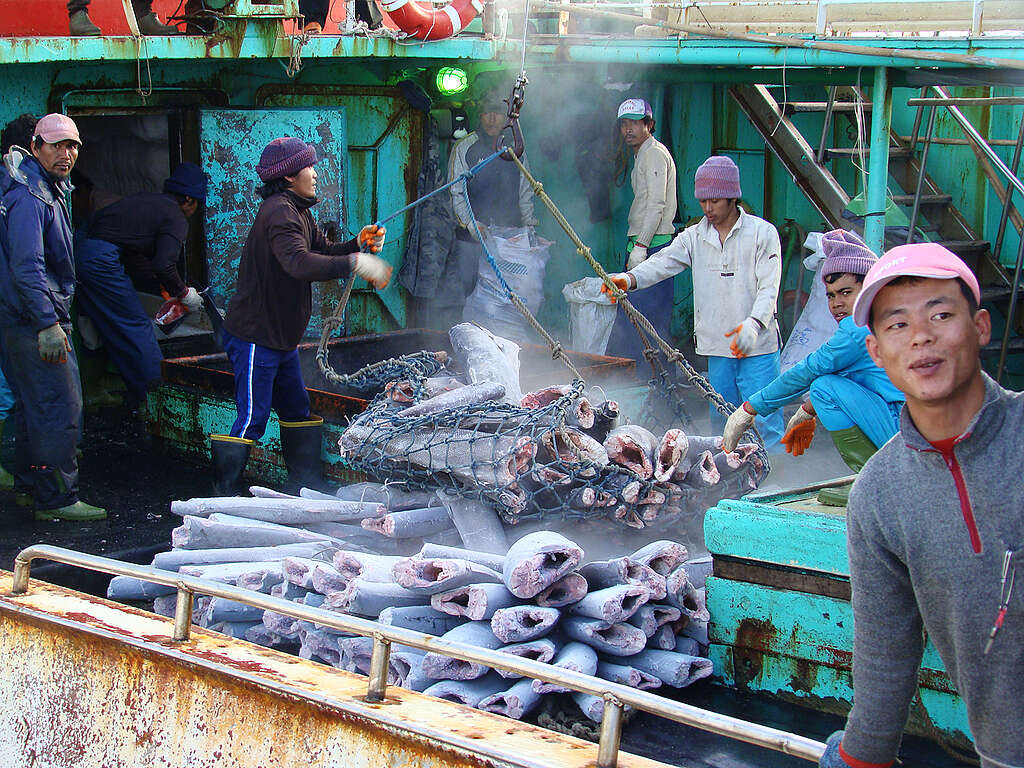
What the Investigation Found
Fishers interviewed described experiencing multiple internationally recognised indicators of forced labour.
Of the 11 forced labour indicators identified by the International Labour Organisation, the most frequently reported were:
- Abuse of vulnerability (56%)
- Debt bondage (56%)
- Deception (40%)
The report reveals a multi-layered recruitment network in Indonesia that channels vulnerable workers from rural areas into exploitative situations. Labour brokers, known locally as calo, collaborate with vessel administrators and manage recruitment. Fishers reported being lured with promises of high salaries and advance loans, only to be charged illegal and inflated fees for travel, training and documentation.
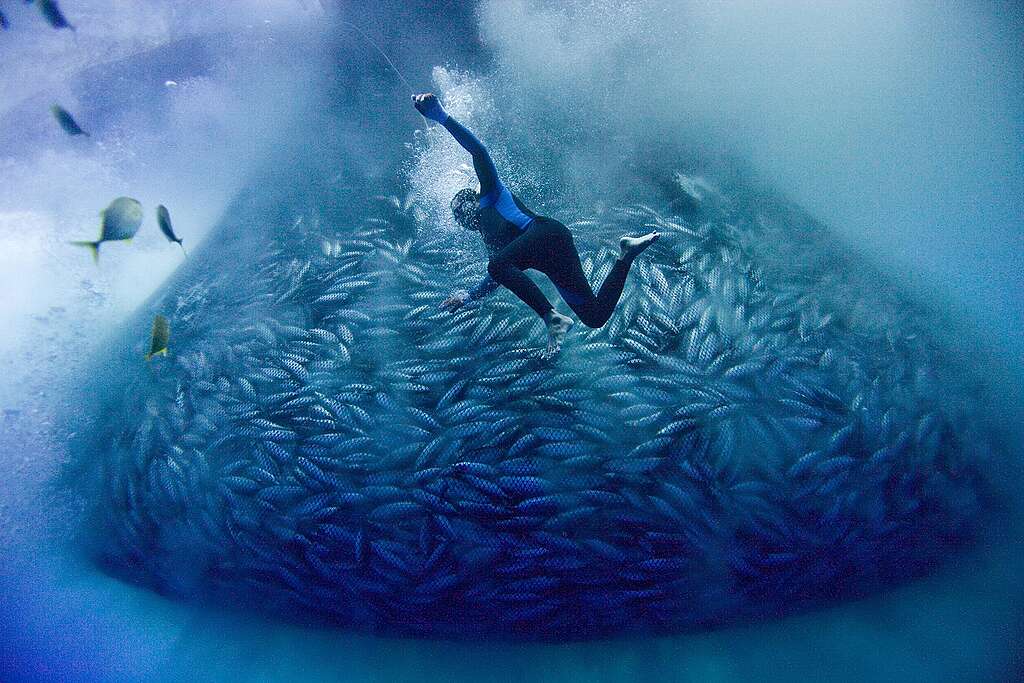
The investigation also found that labour exploitation at sea is intertwined with environmental crime. Companies allegedly pushed vessels and fishers to engage in illegal, unreported and unregulated fishing practices, including shark finning and the deployment of illegal fish aggregating devices.

The link between labour abuse and environmental destruction is not accidental. It reflects an extractive system that externalises both human and ecological costs to sustain profit margins.
Industrial fishing not only exploits vulnerable workers and undermines human rights, it also strips life from our oceans, degrading fragile ecosystems and pushing marine wildlife toward collapse.
What Needs to Happen Now
The report calls for urgent action from both governments and industry.
The Indonesian Government must:
- Enforce decent and effective work at sea policies aligned with international standards.
- Ensure ethical recruitment practices.
- Guarantee fair wages and protections for Indonesian fishers.
The Australian Government must:
- Prohibit seafood products linked to labour exploitation and forced labour from entering Australian markets.
Seafood companies in both countries must:
- Conduct robust human rights and environmental due diligence across their supply chains.
These are not abstract policy fixes. They are necessary steps to prevent modern slavery at sea and to stop environmental crime from being embedded in global seafood trade.
Environmental Justice and Ocean Protection Go Hand in Hand
This investigation highlights something fundamental. Human rights and ocean protection are inseparable.
Environmental justice means the fair treatment and meaningful involvement of everyone in creating a healthy environment. When workers are exploited and forced into dangerous conditions, environmental laws are often ignored too. Abuse at sea and ocean destruction are two sides of the same industrial system.
Destructive industrial fishing methods such as longlining and bottom trawling continue to pillage and industrialise the ocean. They kill wildlife, destroy fragile habitats and undermine the resilience of marine ecosystems.
If we want a thriving ocean, we must protect both the people who work on them and the ecosystems themselves.
Why This Matters for Australia and the Global Ocean Treaty
The Australian Government is on the cusp of ratifying the Global Ocean Treaty, the legal instrument allowing governments to create high seas ocean sanctuaries free from industrial fishing. Once Australia has ratified, it has the critical tool it needs to protect the ocean and safeguard beautiful and endangered species like whales, dolphins and sharks from destructive fishing methods in the high seas.
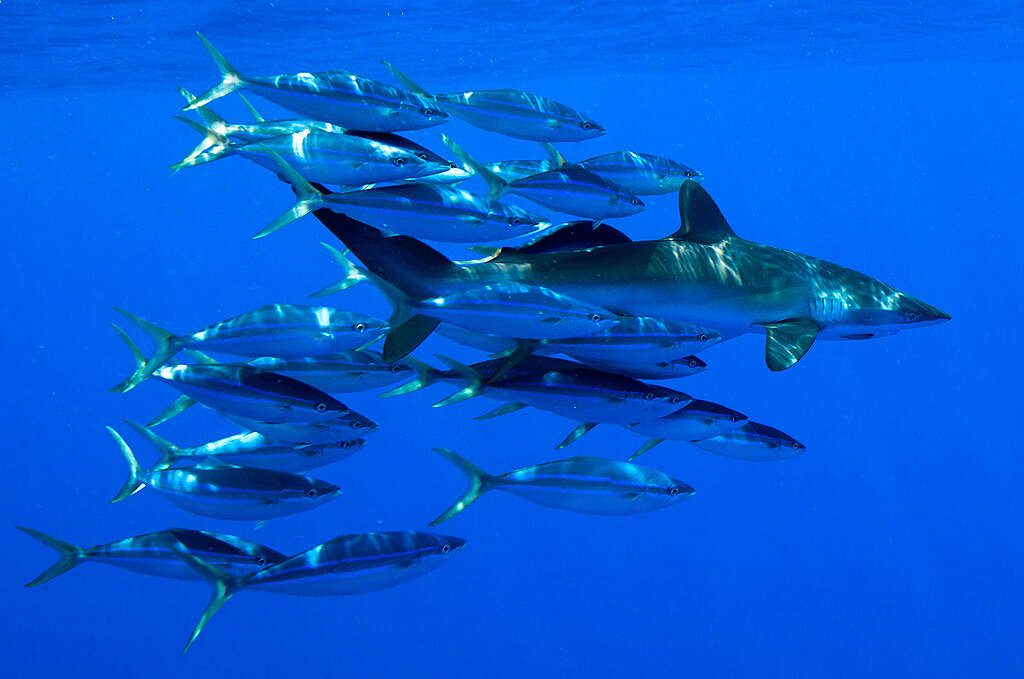
Vast, robust ocean sanctuaries are a crucial solution to the ocean crisis. These high seas sanctuaries will provide a blue haven where wildlife can rest, recover and thrive. Greenpeace Australia Pacific is calling on the Australian government to champion multiple high sea ocean sanctuaries in our region, starting with a first generation ocean sanctuary in the South Tasman Sea between Australia and Aotearoa, free from industrial fishing, whaling and the threat of deep sea mining.
As this investigation shows, the stakes are not only environmental, they are deeply human.
Australia has an opportunity to lead by cleaning up seafood supply chains at home and by championing ambitious ocean protection globally by creating fully protected ocean sanctuaries. Protecting workers’ rights and protecting ocean wildlife must happen together.
https://www.greenpeace.org.au/article/new-investigation-reveals-forced-labour-tied-to-tuna-sold-in-australia/

From the Amazon to the Mekong, migratory freshwater fish underpin food security for millions, but over 300 species need urgent conservation intervention, warns a new UN report.
Beneath the surface of the planet’s rivers and lakes, the historically heaving migrations of freshwater fish are thinning out. The blubbery-lipped Siamese giant carp of Asia’s Mekong River, the mottled brown goonch of India’s Ganges and the ancient-in-appearance beluga sturgeon of Europe’s Danube River are declining.
Climate Change
Border Communities Remain in the Dark About Federal Government’s Billion-Dollar Buoy Project
The industrial-grade buoys, already being installed in Brownsville, Texas, are meant to prevent unauthorized crossings. But experts warn the buoys could intensify flooding and change the river’s course.
Reporting supported by the Water Desk at the University of Colorado, Boulder.
Border Communities Remain in the Dark About Federal Government’s Billion-Dollar Buoy Project
The extraction of minerals needed for the clean energy transition is projected to expand globally in coming years, presenting multiple risks to ecosystems and Indigenous Peoples, necessitating strong global guidelines.
But what are these minerals, what role do they play in our efforts to combat climate change, and how can we source and use them in an environmentally sustainable way? Let’s take a look!
So, what are these key minerals?
Renewable energy and electric vehicle (EV) technologies will play an important role in combating climate change. These technologies rely on key raw materials, such as lithium, cobalt, nickel, copper, manganese, graphite and rare earth elements.
These materials are often referred to as ‘critical minerals’ due to their perceived significance for national interests or ‘transition minerals’ due to their importance in the clean energy transition.
Where are they found?
While these minerals are found globally, some countries have greater reserves than others, based on geology and the economic feasibility of their extraction. The countries listed below have the highest reserves, listed from first to third.
- Lithium: Chile, Australia, Argentina
- Cobalt: Democratic Republic of Congo (DRC), Australia, Indonesia
- Nickel: Indonesia, Australia, Brazil
- Copper: Chile, Peru, Australia
How is mining these minerals a risk to people and the environment?
There are multiple impacts from mining minerals that are considered critical. Here are a few of them:
- In South America, mining for lithium uses millions of litres of water in and around the drought-prone Andes region, impacting Indigenous Peoples in the area.
- Small scale cobalt mining facilities in the DRC can lack safety measures, leading to fatalities, accidents and serious health issues.
- Nickel mining and processing in Indonesia is causing deforestation and coastal water pollution, in addition to Indigenous and labour rights violations and corruption.
- Global copper mining leads to mining waste in tailings dams which need to be managed carefully to avoid disasters and pollution.
So what can we do?
Some studies projecting massive increases to the demand for transition minerals in coming years are used to justify more mining. However, embracing less mineral-intensive solutions can reduce the need for mining, while still ensuring renewable energy growth.
We need to pressure governments and industries to adopt policies, practices and solutions that reduce demand while also minimising mining’s impacts.
These changes require ambition to go beyond climate action, focusing investment toward less mineral-intensive solutions like EV public transportation, advancing technology to use fewer minerals more efficiently, and expanding reuse and recycling.
What are the solutions to reduce the need for mining?
Given the problems associated with the extraction and use of transition minerals, it is important to remember four key solutions that will help limit the need for mining. They are:
- Sufficiency – prioritise a decent living standard for all while reducing the total energy and material needed across the economy,
- Efficiency – investments to help technologies do the same or better with less materials
- Substitution – remove or reduce the need for certain minerals in products by using different types of technology or energy solutions,
- Recycling – can significantly reduce environmental and social impacts compared to mining, and therefore should be maximised.
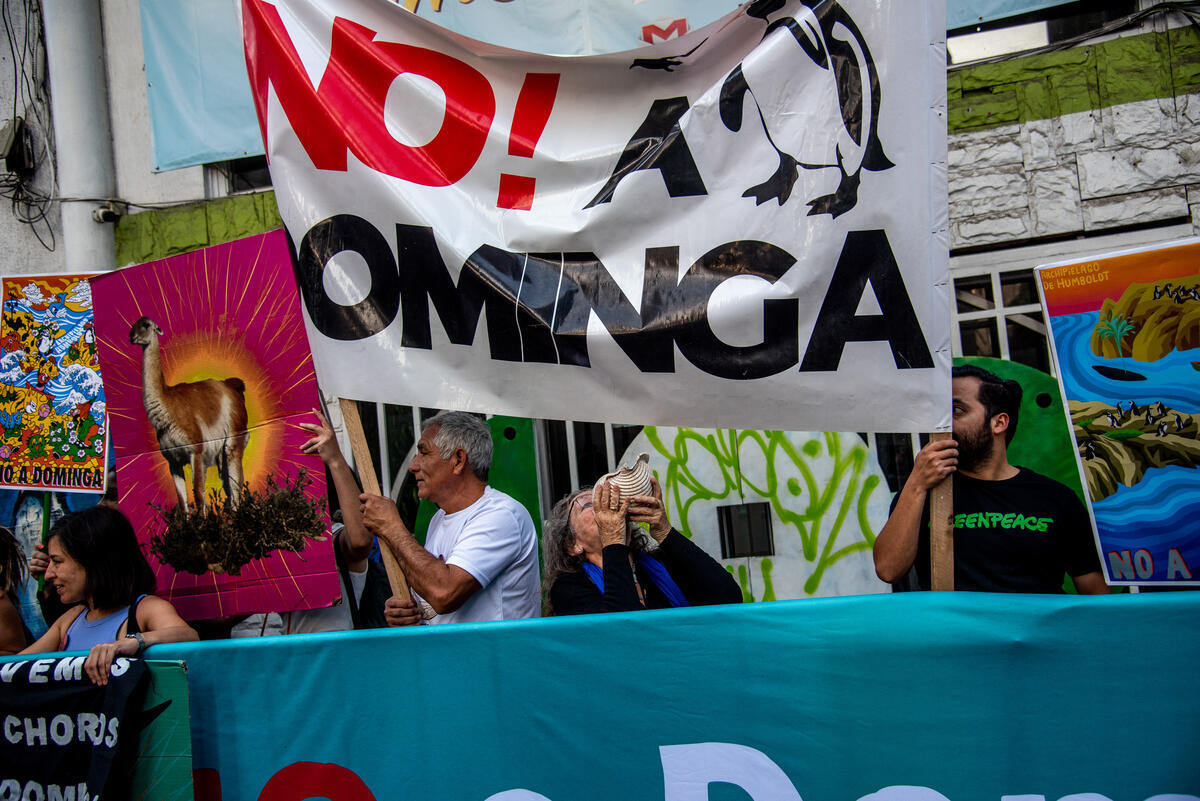
Five guiding principles on minerals for energy transition
Greenpeace has developed five key principles essential for ensuring a just and equitable energy transition that can be adapted into local contexts.
- The 1.5°C Guiding Star: We must achieve the Paris Agreement goal of limiting global warming to no more than 1.5°C. Any use of minerals must be prioritised for a fast and green energy transition above non-essential uses, such as for military purposes.
- Just and Equitable Solutions: Justice and equity for people and the environment must be embedded in every aspect of using and sourcing materials from reducing mineral demand, to recycling and mining.
- Reduce Demand: Slowing mineral demand by adopting the concepts of sufficiency (ie. reducing the need for resources) and efficiency (ie. enhancing the effectiveness of resource use).
- Prioritise ‘Above Ground’ Materials: Recycling can significantly reduce environmental and social impacts compared to mining. Potential sources include spent batteries, production waste, household e-waste and industrial scrap piles.
- Protect Sensitive Areas and the Rights of Indigenous Peoples and Local Communities: While there are many initiatives pushing for improved mining practices, the industry continues to pose serious risks to people and the environment. Three requirements are proposed:
- 5.1 Protect ‘No-Go’ zones, areas where mining should not occur
- 5.2 Respect the rights of Indigenous Peoples and local communities
- 5.3 Companies must act responsibly, preventing and mitigating environmental damage and impacts, and respecting human rights.
Irène Wabiwa is a Biodiversity Programme Manager at Greenpeace International
Read our reports:
Minerals for Energy Transition: Greenpeace’s Guiding Principles
Batteries in Transition: Innovation, Uncertainty, and the Minerals Behind Them

-
Climate Change7 months ago
Guest post: Why China is still building new coal – and when it might stop
-
Greenhouse Gases7 months ago
Guest post: Why China is still building new coal – and when it might stop
-

 Greenhouse Gases2 years ago
嘉宾来稿:满足中国增长的用电需求 光伏加储能“比新建煤电更实惠”
-
Climate Change2 years ago
Bill Discounting Climate Change in Florida’s Energy Policy Awaits DeSantis’ Approval
-

 Climate Change2 years ago
嘉宾来稿:满足中国增长的用电需求 光伏加储能“比新建煤电更实惠”
-
Climate Change Videos2 years ago
The toxic gas flares fuelling Nigeria’s climate change – BBC News
-

 Carbon Footprint2 years ago
US SEC’s Climate Disclosure Rules Spur Renewed Interest in Carbon Credits
-

 Renewable Energy5 months ago
Sending Progressive Philanthropist George Soros to Prison?