

Ever pondered a career that takes you from the vastness of the sea to the stability of land? While the image of a ship’s captain may be the first that comes to mind, the maritime world is teeming with diverse possibilities and even a captain’s journey can be full of adventurous detours.
Meet Rainer Hammacher, one of the seasoned captains steering the course of the research vessel METEOR. His journey is nothing short of intriguing. Post-high school, Rainer embarked on a unique detour—three months in a kibbutz followed by a stint in the German army. Initially aspiring to be a helicopter pilot, fate led him to nautical education in 1977. He learned the job of a navigational officer through the various ranks and eventually started going to sea on container ships. Life’s twists continued as he pivoted back to land to support his wife and young family, while he also ran a successful travel agency for two decades.
As the travel industry landscape shifted with the rise of online platforms, Rainer found himself returning to the sea in 2004 and became captain soon after. In 2013, he assumed the role of Captain on the METEOR. Reflecting on his experiences, Rainer is grateful for the career shift, noting that he spent more quality time with his family during breaks between research voyages than during his travel agency days.
His career at sea hasn’t always been a smooth sail. From a medical evacuation in remote locales like Tristan da Cunha to navigating through pirate-infested waters in the Gulf of Aden, Rainer’s adventures are far from ordinary. What sets his career path apart is the blend of sea life realities—he enjoys the operational intricacies of cargo ships and relishes the perks that come with being on a research vessel, from onboard gyms to buffet meals, internet connectivity and interactions with scientists.
For the upcoming generation eyeing a career on the high seas, Rainer’s advice echoes through the waves: Embrace the adventure. Despite the challenges and declining opportunities, the sea promises a unique and rewarding path for those bold enough to navigate it.
DURCH EIN MEER VON MÖGLICHKEITEN: DIE REISE EINES KAPITÄNS
Hast du jemals darüber nachgedacht, eine Karriere zu wählen, die zwischen der Weite des Meeres und der Stabilität des Landes wechselt?
Obwohl der Gedanke an den Beruf eines Schiffskapitäns vielleicht zuerst kommt, wenn man an die Seefahrt denkt, bietet die maritime Welt zahlreiche vielfältige Möglichkeiten. Und selbst die Reise eines Kapitäns kann voller abenteuerlicher Umwege sein.
Lerne Rainer Hammacher kennen, einen der erfahrenen Kapitäne, die den Kurs des Forschungsschiffs METEOR steuern. Sein Werdegang ist vielfältig und faszinierend. Nach dem Abitur verbrachte Rainer drei Monate in einem Kibbuz. Danach verpflichtete er sich bei der deutschen Bundeswehr, ursprünglich mit dem Wunsch Hubschrauberpilot zu werden. Doch das Schicksal führte ihn 1977 zur nautischen Ausbildung. Er erlernte den Beruf eines Schiffsoffiziers, indem er die verschiedenen Ränge absolvierte und schließlich überwiegend auf Schwergutschiffen zur See zu fuhr. Das Leben nahm weitere Wendungen, als er aus familiären Gründen die Seefahrt zurückließ und an Land wechselte, wo er erfolgreich zwei Jahrzehnte lang ein Reisebüro leitete. Als sich die Reisebranche mit dem Aufkommen von Online-Plattformen veränderte, fand sich Rainer 2004 wieder auf dem Meer, wo er schnell zum Kapitän aufstieg. 2013 übernahm er die Rolle des Kapitäns auf dem Forschungsschiff METEOR. Wenn Rainer auf seine Erfahrungen zurückblickt, ist er dankbar für den beruflichen Wechsel und stellt fest, dass er während der Landgänge zwischen Forschungsreisen mehr Zeit mit seiner Familie verbringen konnte als während seiner Reisebüro-Zeit.
Seine Karriere auf See war nicht immer eine glatte Fahrt. Von einer medizinischen Evakuierung an abgelegenen Orten wie Tristan da Cunha bis zur Navigation durch von Piraten belastete Gewässer im Golf von Aden sind Rainers Abenteuer alles andere als gewöhnlich. Was seine Karriere auszeichnet, ist die Mischung aus den verschiedenen Versionen des Lebens auf See – er schätzt die operativen Feinheiten von Schwergutschiffen und genießt die sozialen Aspekte, die mit der Arbeit auf einem Forschungsschiff einhergehen, angefangen bei Bord-Fitnessstudios bis hin zu Buffet-Mahlzeiten, Internetverbindung und dem Austausch mit Wissenschaftlern. Für die aufstrebende Generation, die eine Karriere auf See ins Auge fasst, hallt Rainers Rat durch die Wellen: Ergreife das Abenteuer. Trotz der Herausforderungen und schwindender Möglichkeiten verspricht das Meer einen einzigartigen und lohnenden Weg für diejenigen, die mutig genug sind, es zu befahren.
ΤΑΞΙΔΕΥΟΝΤΑΣ ΣΕ ΜΙΑ ΘΑΛΑΣΣΑ ΓΕΜΑΤΗ ΕΥΚΑΙΡΙΕΣ: Η ΔΙΑΔΡΟΜΗ ΕΝΟΣ ΚΑΠΕΤΑΝΙΟΥ
Έχετε ποτέ αναλογιστεί μια καριέρα που θα σας πάρει μακριά από την απεραντοσύνη της θάλασσας, στη σταθερότητα της στεριάς; Αν και η εικόνα του καπετάνιου ενός πλοίου είναι ίσως η πρώτη που έρχεται στο νου, ο κόσμος της θάλασσας βρίθει δυνατοτήτων και ακόμα και το ταξίδι ενός καπετάνιου μπορεί να είναι γεμάτο από περιπετειώδεις παρακάμψεις.
Σας συστήνουμε τον Rainer Hammacher, έναν πραγματικό θαλασσόλυκο, έναν από τους έμπειρους καπετάνιους που δίνουν ρότα στο ερευνητικό πλοίο METEOR. ΤΟ ταξίδι του ως εδώ είναι συναρπαστικό. Μετά το λύκειο, ο Rainer πέρασε τρεις μήνες σε ένα κιμπούτς. Στη συνέχεια εντάχθηκε στο γερμανικό στρατό, με την ελπίδα να γίνει πιλότος ελικοπτέρου. Η μοίρα όμως τον οδήγησε στη ναυτική εκπαίδευση το 1977. Έμαθε τη δουλειά του αξιωματικού μέσα από διαφορετικές βαθμίδες και τελικά ξεκίνησε να ταξιδεύει με ποντοπόρα πλοία μεταφοράς κοντέινερ. Τα γυρίσματα της μοίρας όμως συνέχισαν καθώς βγήκε εκ νέου στη στεριά για να υποστηρίξει τη σύζυγο και την οικογένειά του, ενώ έτρεχε και ένα επιτυχημένο ταξιδιωτικό γραφείο για μια εικοσαετία.
Όταν το περιβάλλον της τουριστικής βιομηχανίας άλλαξε με την άνοδο των διαδικτυακών τουριστικών γραφείων, ο Rainer επέστρεψε στη θάλασσα το 2004 και έγινε καπετάνιος λίγο καιρό μετά. Το 2013 ανέλαβε καπετάνιος του ερευνητικού πλοίου METEOR. Κάνοντας την ανασκόπησή του, ο Rainer είναι ευγνώμων για την αλλαγή καριέρας σημειώνοντας ότι πλέον περνάει πιο πολύ ποιοτικό χρόνο με την οικογένειά του κατά τα διαλείμματα ανάμεσα στα ερευνητικά προγράμματα, από όσο περνούσε όταν δούλευε στο τουριστικό γραφείο.
Η καριέρα του δεν ήταν πάντοτε εύκολη. Από επείγουσες ιατρικές ανάγκες σε απομακρυσμένες τοποθεσίες όπως το Tristan da Cunha μέχρι την πλοήγηση σε περιοχές γεμάτες πειρατές όπως ο κόλπος του Άντεν, οι περιπέτειες του Rainer, απέχουν πολύ από το συνηθισμένο. Αυτό που διακρίνει την καριέρα του και τη ζωή του είναι η μίξη από διαφορετικές πραγματικότητες. Απολαμβάνει τις επιχειρησιακές δυσκολίες ενός εμπορικού πλοίου όσο και τα πλεονεκτήματα ενός ερευνητικού πλοίου, όπως το γυμναστήριο, τον πλούσιο μπουφέ, τη σύνδεση στο ίντερνετ και την επαφή με τους επιστήμονες.
Για τις μελλοντικές γενιές που προσβλέπουν σε μια καριέρα στη θάλασσα, η συμβουλή του Rainer, αντηχεί πάνω από τα κύματα: Αγαπήστε την περιπέτεια. Παρά τις δυσκολίες και τις μειωμένες ευκαιρίες η θάλασσα υπόσχεται μοναδικές και ανταποδοτικές εμπειρίες για όσους έχουν το θάρρος να την ταξιδέψουν.

Kapitän Rainer Hammacher auf der Brücke des F/S METEOR.
Ο καπετάνιος Rainer Hammacher στη γέφυρα του ερευνητικού πλοίου METEOR
Credit: Derya Gürer / OceanBlogs


After a slight delay of the Maria S. Merian caused by late-arriving containers our research cruise MSM142 finally got underway. By last Tuesday (24.03.2026), the full scientific team had arrived in Nuuk, the capital of Greenland, and the ship reached port on Wednesday (25.03.2026) morning. That same day, scientists and technicians moved on board and immediately began preparations, assembling and testing our instruments. Although the mornings on Wednesday and Thursday were grey and overcast, the afternoons cleared up beautifully. This gave us valuable time to organize equipment on deck and store empty boxes back into the containers before departure.
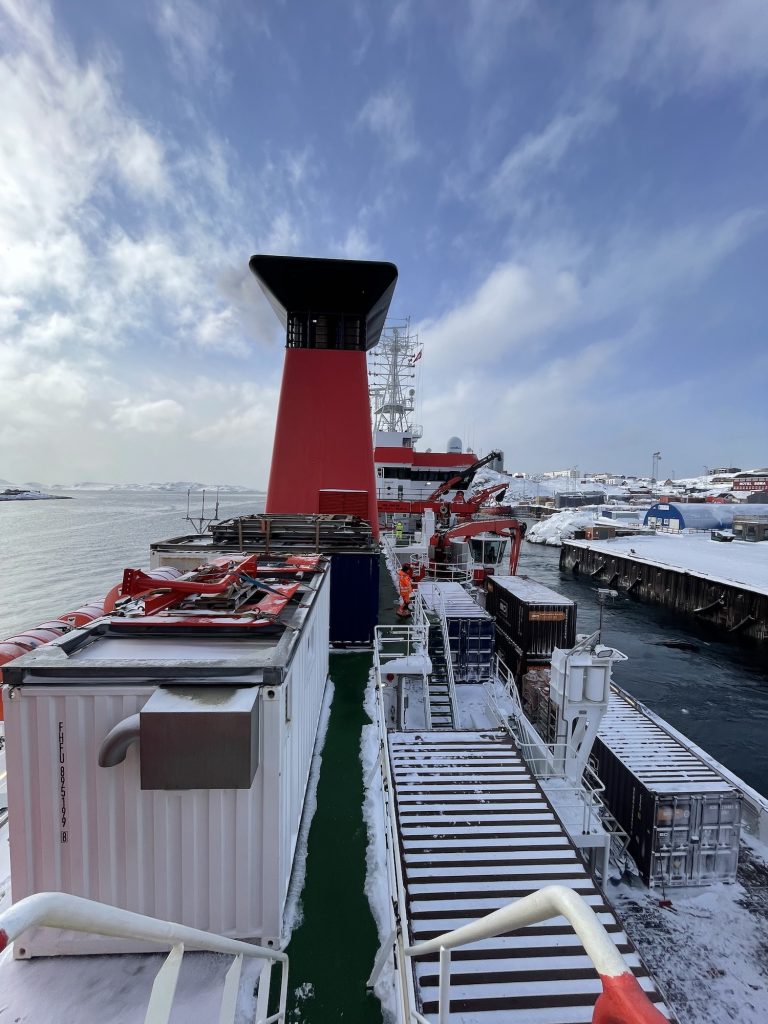
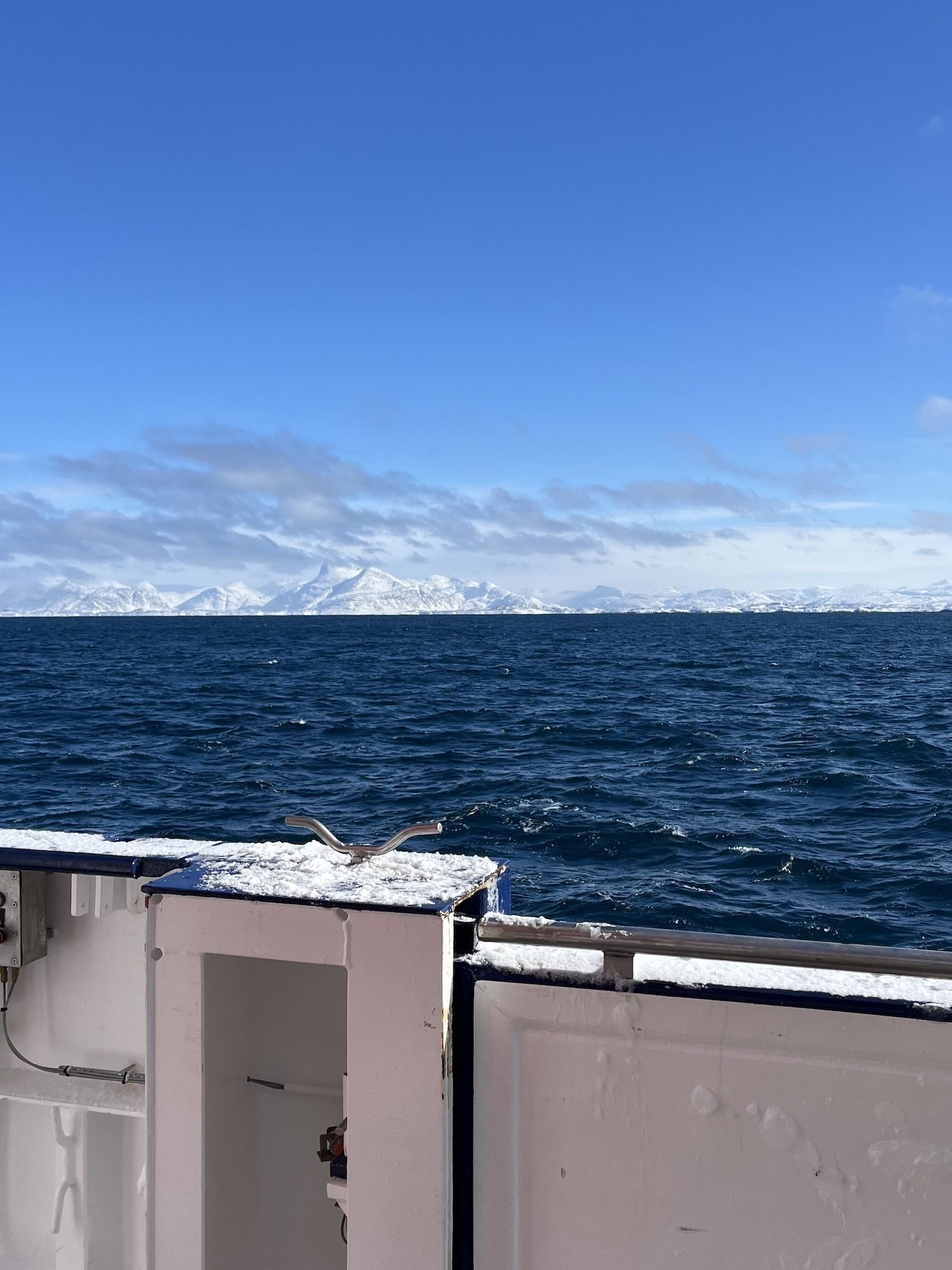
Given the forecast of harsh conditions outside the fjord, we carried out the mandatory safety drill while still in harbour. This included practicing emergency procedures and boarding the lifeboat. After completing border control, we were finally ready to leave Nuuk. We set sail on March 27th, heading into the Labrador Sea to begin our mission. Even before starting scientific operations, we tested the setup for deploying our gliders without releasing them during the transit out of the fjord. Once we reached open waters, we were met by high waves the following morning. For some on board, this was their first experience under such rough sea conditions. Seasickness quickly became a challenge for a few, while scientific work had to be temporarily postponed due to the strong winds and sea conditions. Together with the crew, we discussed how best to adapt our measurement plans to the given weather conditions. On March 29th, we were finally able to begin our scientific program with the first CTD deployment. A CTD is an instrument used to measure conductivity, temperature, and depth, which are key parameters for understanding ocean structure.
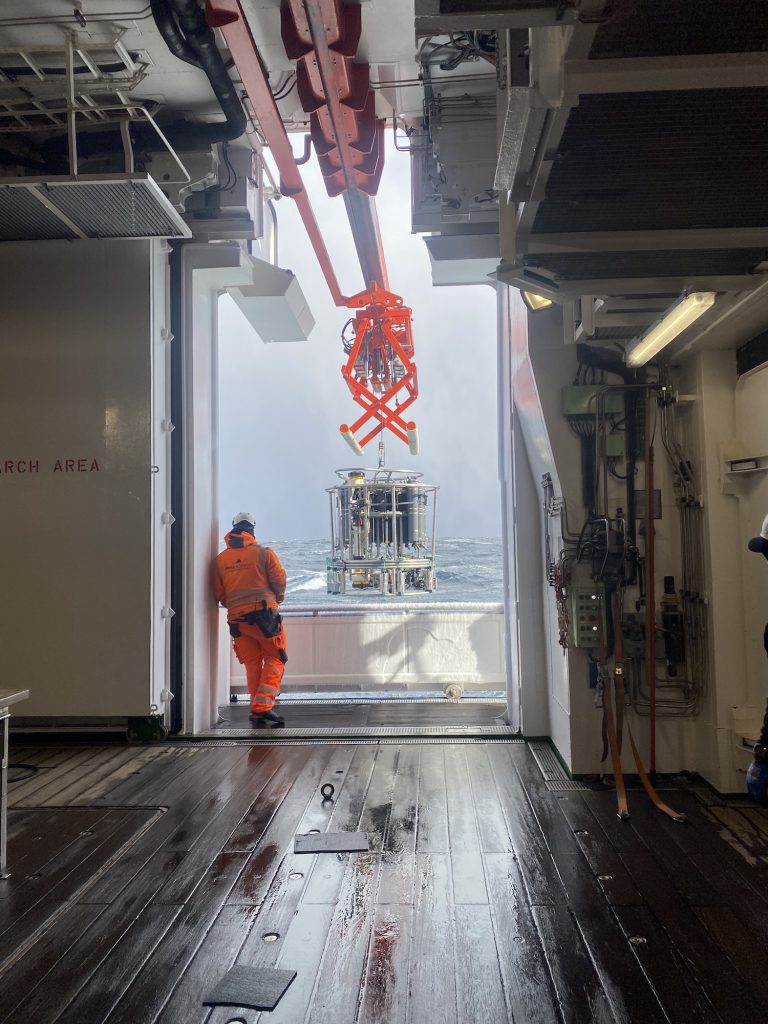
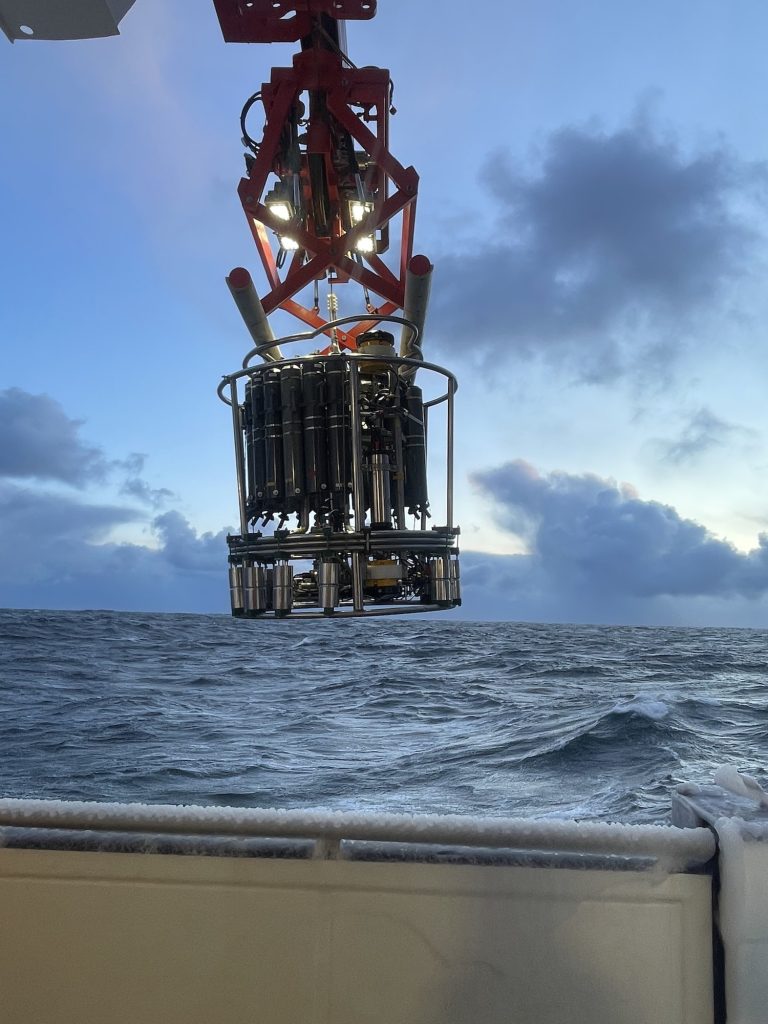
During the following night, we continued with additional CTD stations and successfully recovered two moorings: DSOW 3 and DSOW 4, located south of Greenland. These moorings carry instruments at various depths that measure velocity, temperature, and salinity. DSOW 4 was redeployed on the same day, while DSOW 3 followed the next day. In addition, the bottles attached to the CTD’s rosette can be used to collect water samples from any desired depth. These samples can be used, for example, to determine the oxygen content, nutrient levels, and organic matter.
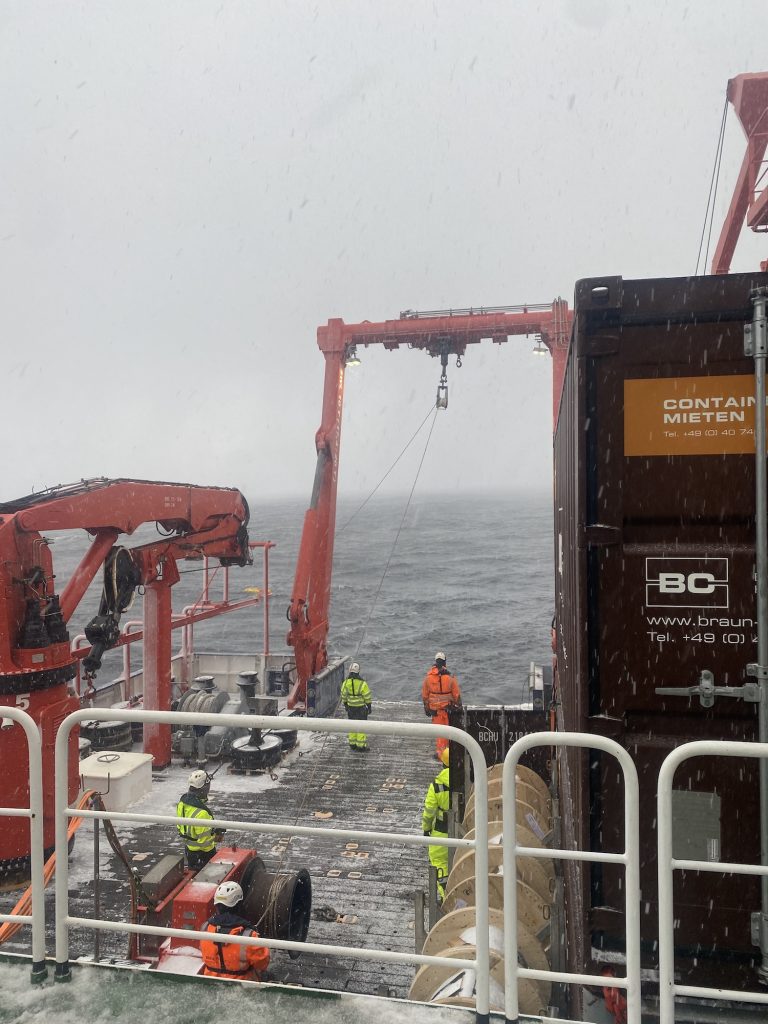
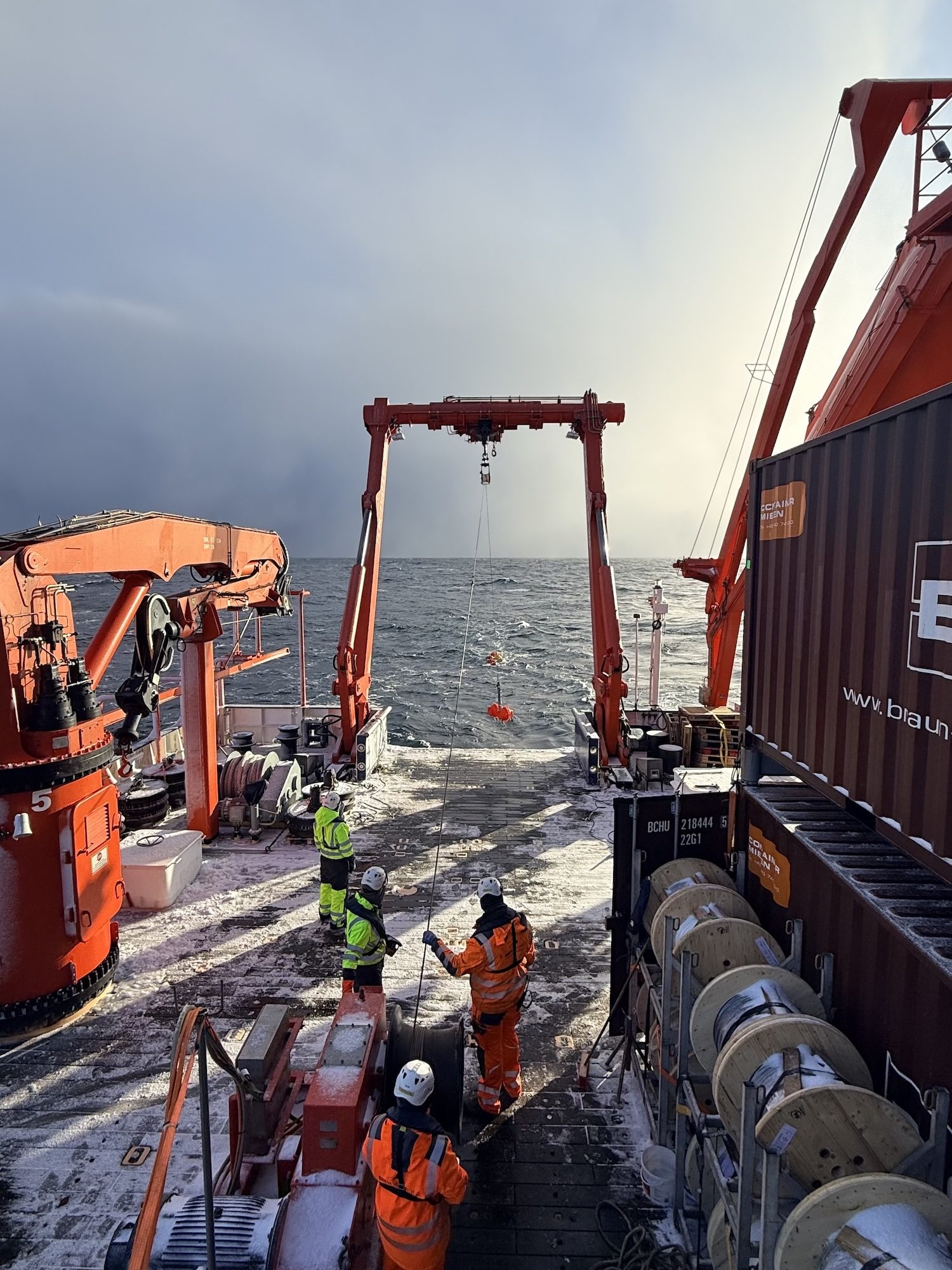
Both are part of the OSNAP array, a network of moorings spanning the subpolar North Atlantic. On these moorings are a few instruments, for example microcats which measure temperature, pressure and salinity.
We then conducted around 25 CTD stations spaced approximately 3 nautical miles apart across an Irminger ring identified from satellite data. This high-resolution sampling was necessary to capture the structure of an Irminger Ring, which had a radius of about 12 km wide.
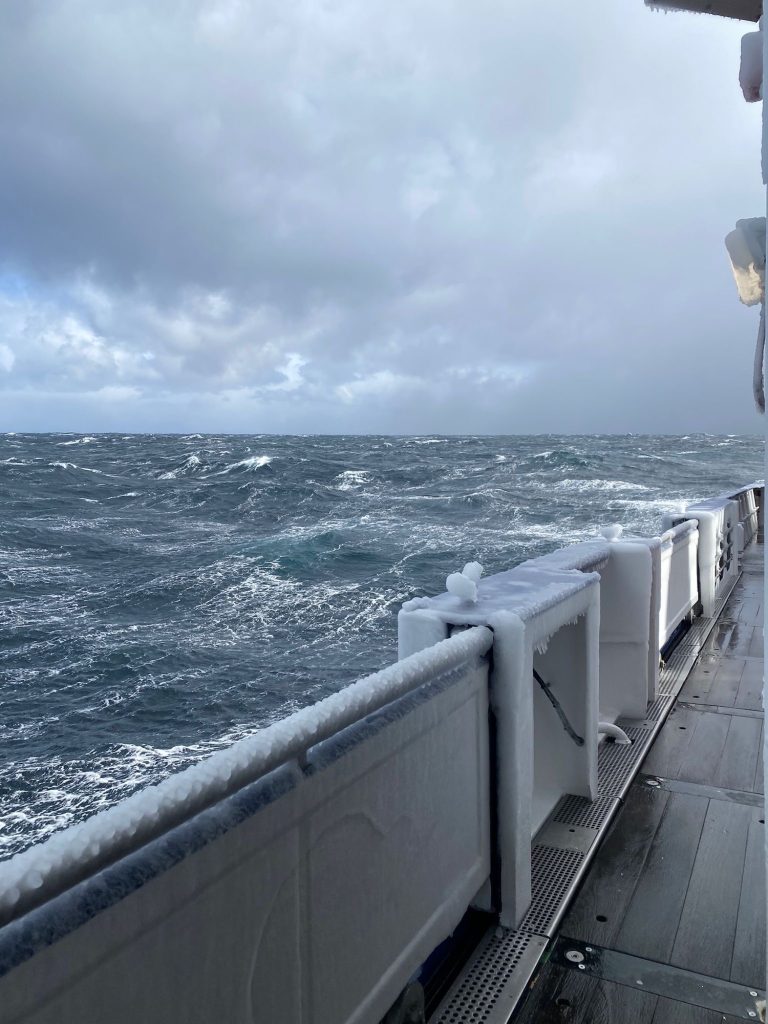
The days leading up to April 2nd were marked by very rough weather conditions. Life on board became both challenging and, at times, unintentionally entertaining sliding chairs were not uncommon. During the night from April 1st to April 2nd, winds reached 11 Beaufort with gusts up to 65 knots, forcing us to pause our measurements. Fortunately, conditions improved by morning, allowing us to resume our work. As well as with the help of the crew we had to adapt to the harsh weather conditions to continue our scientific work. On the 3rd of April, we were able to deploy a few gliders and one float. An ocean glider is an autonomous underwater Vehicle, which you can steer remotely and send to different locations, while it is measuring oceanographic key parameters.
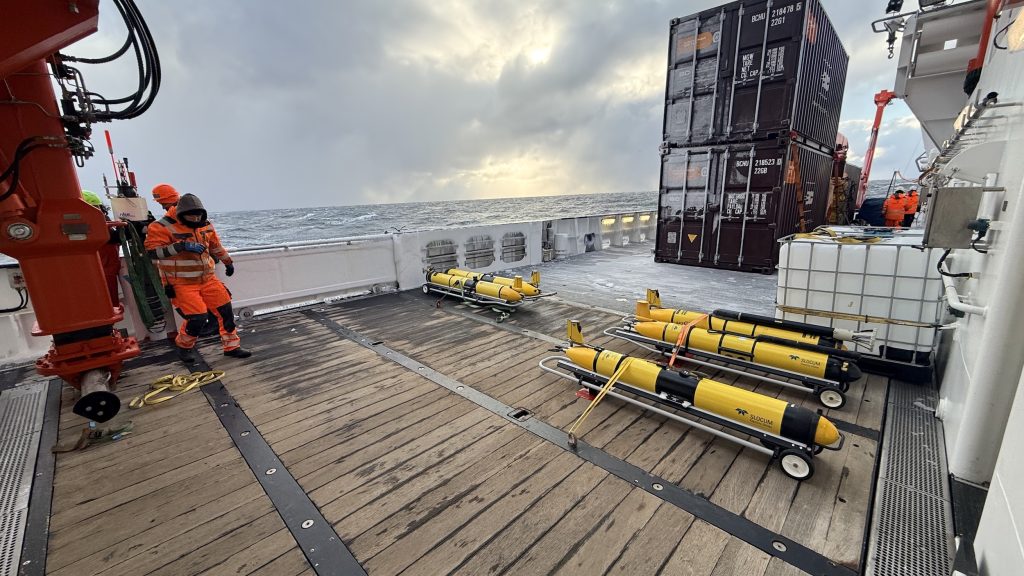
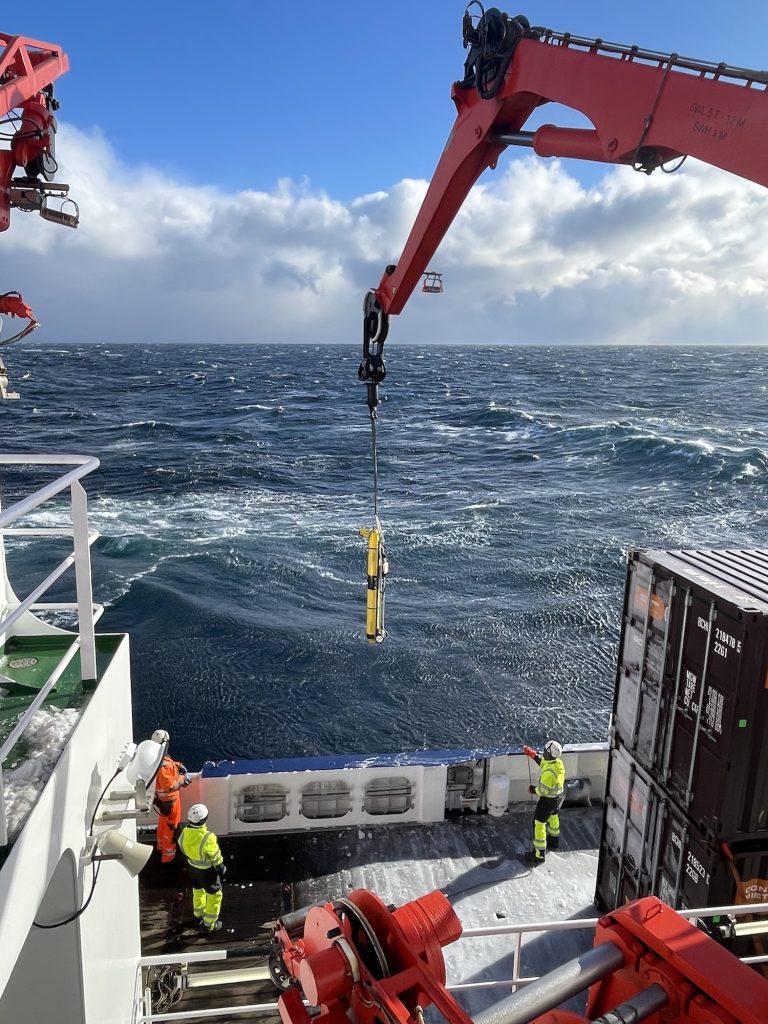
This research cruise focuses on understanding small-scale processes in the ocean and their connection to the spring bloom, an essential phase in marine ecosystem in subpolar regions. Despite the challenging start, we have already gathered valuable data and look forward to the weeks ahead in the Labrador Sea.
Despite their dramatic name, false killer whales aren’t an orca species. These animals are dolphins—members of the same extended family as the iconic “killer whale” (Orcinus orca). Compared to their namesake counterparts, these marine mammals are far less well-known than our ocean’s iconic orcas.
Let’s dive in and take a closer look at false killer whales—one of the ocean’s most social, yet lesser-known dolphin species.
Appearance and anatomy
False killer whales (Pseudorca crassidens) are among the largest members of the dolphin family (Delphinidae). Adults can grow up to 20 feet long and weigh between 1,500 and 3,000 pounds, though some individuals have been recorded weighing even more. For comparison, that’s roughly double the size of a bottlenose dolphin—and slightly larger than a typical sedan.
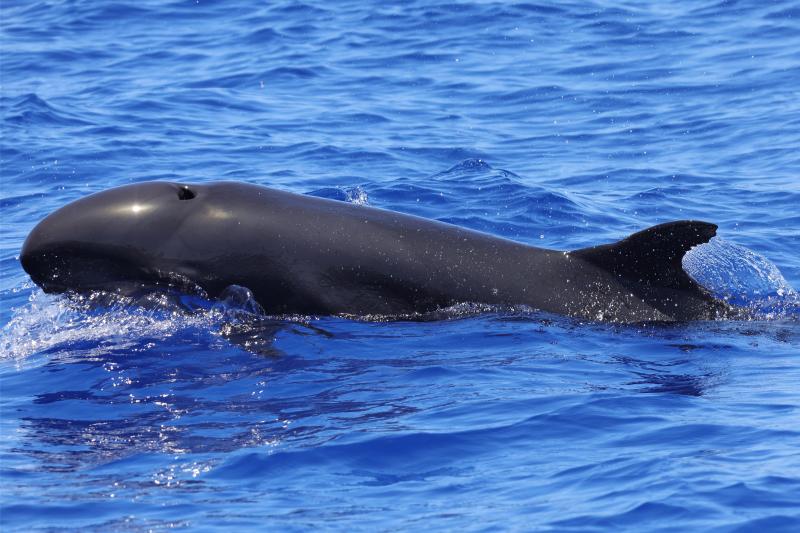
These animals are incredibly powerful swimmers with long, torpedo-shaped bodies that help them move efficiently through the open ocean in search of prey. Their skull structure is what earned them their name, as their head shape closely resembles that of orcas. With broad, rounded heads, muscular jaws and large cone-shaped teeth, early scientists were fascinated by the similarities between these two marine mammal species.
Although their heads may look somewhat like those of orcas, there are several ways to distinguish false killer whales from their larger namesake counterparts.
One of the most noticeable differences has to do with their coloration. While orcas are known for their iconic black-and-white pattern with paler underbellies, alternatively, false killer whales are typically a uniform dark gray to black in color—almost as if a small orca decided to roll around in the dirt. If you’ve ever seen the animated Disney classic 101 Dalmatians, the difference is a bit like when the puppies roll in soot to disguise themselves as labradors instead of showing their usual black-and-white spots.
Their teeth also present a differentiator. The scientific name Pseudorca crassidens translates almost literally to “thick-toothed false orca,” a nod to their sturdy, cone-shaped teeth that help these animals capture prey. Orcas tend to have more robust, bulbous heads, while false killer whales appear slightly narrower and more streamlined.
Behavior and diet
False killer whales are both highly efficient hunters and deeply social animals. It’s not unusual to see them hunting together both in small pods and larger groups as they pursue prey like fish and squid.
Scientists have even observed false killer whales sharing food with each other, a behavior that is very unusual for marine mammals. While some dolphin and whale species work together to pursue prey, they rarely actively share food. The sharing of food among false killer whales spotlights the strong social bonds within their pods. Researchers believe these tight-knit social connections help false killer whales thrive in offshore environments where they’re always on the move.
Maintaining these close bonds and coordinating successful hunts requires constant effective communication, and this is where false killer whales excel. Like other dolphins, they produce a variety of sounds like whistles and clicks to stay connected with their pod and locate prey using echolocation. In the deep offshore waters where they live, sound often becomes more important than sight, since sound travels much farther underwater than light.
Where they live
False killer whales are highly migratory and travel long distances throughout tropical and subtropical waters around the world. They prefer deeper waters far offshore, and this pelagic lifestyle can make them more difficult for scientists to study than many coastal dolphin species.
However, there are a few places where researchers have been able to learn more about them—including the waters surrounding the Hawaiian Islands.
Scientists have identified three distinct groups of false killer whales in and around Hawaii, but one well-studied group stays close to the main Hawaiian Islands year-round. Unfortunately, researchers estimate that only about 140 individuals remained in 2022, with populations expected to decline without action to protect them. This is exactly why this group is listed as endangered under the U.S. Endangered Species Act and is considered one of the most vulnerable marine mammal populations in U.S. waters.
Never Miss An Update
Sign up for Ocean Conservancy text messages today.
Current threats to survival
False killer whales are currently listed as Near Threatened on the IUCN Red List. From climate change-induced ocean acidification and harmful algal blooms to marine debris and fishing bycatch, false killer whales face the same mounting pressures that are impacting marine ecosystems around the world. As their prey becomes scarce due to increasing threats, populations of top predators like these decline, serving as a powerful signal that the ocean’s overall health is in critical need of protection.
Here at Ocean Conservancy, we’re working daily to confront these threats head-on and protect the ecosystems and wildlife we all cherish so dearly. But we can’t do it without you. Support from ocean lovers is what powers our work to protect our ocean, and right now, our planet needs all the help it can get. Visit Ocean Conservancy’s Action Center today and join our movement to create a better future for our ocean, forever and for everyone.
The post All About False Killer Whales appeared first on Ocean Conservancy.
https://oceanconservancy.org/blog/2026/03/31/false-killer-whales/
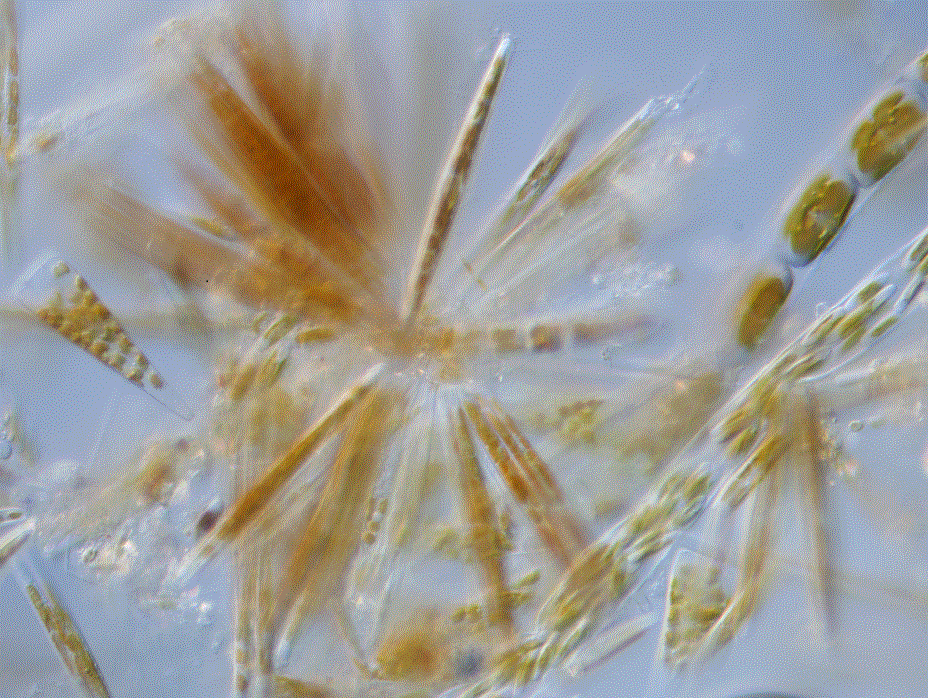
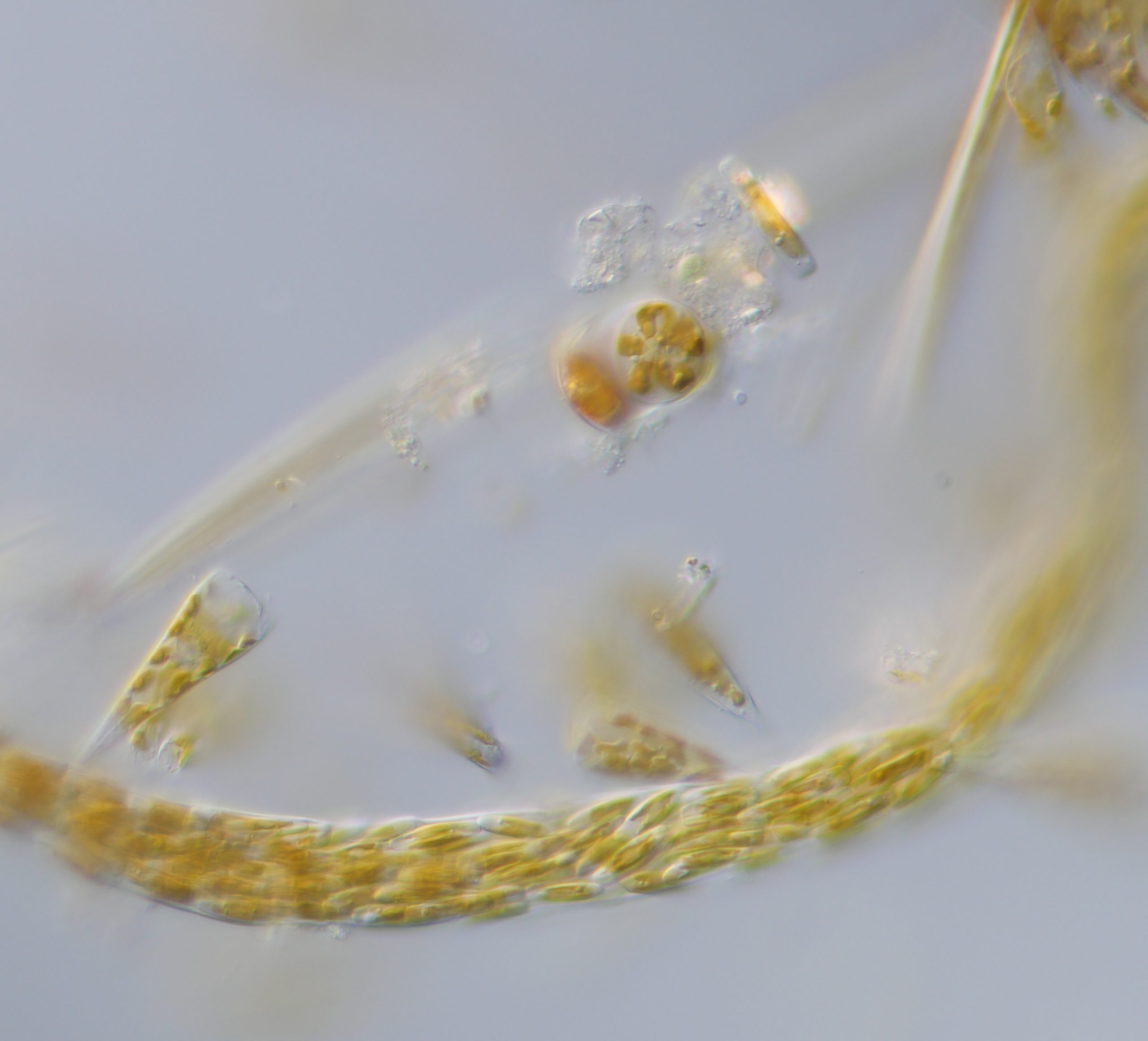
A lot has happened in the meantime: I became an Associate Professor at the University of Southern Denmark, we all lived through the Corona period, then slowly adjusted to the post‑pandemic stability, only to find ourselves again in turbulent political times. I am now affiliated with the Marine Research Center in Kerteminde, a beautiful coastal town on the island of Fyn. My plan is to share small updates on my research and activities every now and then. So let’s start with yesterday’s sampling trip for benthic phytoplankton, carried out by my colleague, Prof. Kazumasa Oguri. The sampling will help prepare for the first‑semester bachelor students who will join his small but fascinating project. This project is all about the benthic diatoms that form dense, photosynthetic communities on tidal‑flat sediments. Their daytime oxygen production enriches the sediment surface and allows oxygen to penetrate deeper, supporting diverse organisms that rely on aerobic respiration. The project will explore how oxygen distribution and oxygen production/consumption in sediments change under different light conditions (day, night, sunrise/sunset). The team will incubate benthic diatom communities in jars and measure oxygen profiles using an oxygen imaging system under controlled light regimes.
Yesterday, we visited several potential sampling sites where students can carry out their fieldwork. I encourage all PIs in our group to define at least one small project related to Kerteminde Fjord, where our laboratories are located. Over time, I hope we can build a more integrated dataset describing the marine and coastal ecosystems of the area.
Another activity currently in preparation is a project on marine invasive species in Kerteminde, which will feed into a course I will run in July and a master’s thesis project. More will come later.
Let’s hope for a more continuous blog from here on, keeping track of our activities, with or without jellyfish!



-
Climate Change8 months ago
Guest post: Why China is still building new coal – and when it might stop
-
Greenhouse Gases8 months ago
Guest post: Why China is still building new coal – and when it might stop
-

 Greenhouse Gases2 years ago
嘉宾来稿:满足中国增长的用电需求 光伏加储能“比新建煤电更实惠”
-
Climate Change2 years ago
Bill Discounting Climate Change in Florida’s Energy Policy Awaits DeSantis’ Approval
-

 Climate Change2 years ago
嘉宾来稿:满足中国增长的用电需求 光伏加储能“比新建煤电更实惠”
-
Climate Change Videos2 years ago
The toxic gas flares fuelling Nigeria’s climate change – BBC News
-

 Renewable Energy6 months ago
Sending Progressive Philanthropist George Soros to Prison?
-

 Carbon Footprint2 years ago
US SEC’s Climate Disclosure Rules Spur Renewed Interest in Carbon Credits