

When it comes to roles at sea that bridge deck operations and the science team, every ship needs a Flo. Meet Florian Evers, the marine core technician in the geology division at Geomar Kiel. Originally a sport-boat technician, Flo took a leap a decade ago to apply for a position as a marine equipment technician without knowing what to expect. He got thrown into the deep end, as there was no one to train him on the job. Flo remembers his first research expedition on a trial voyage, where the gravity core and core handling system were not compatible, and consequently, he couldn’t extract any cores. Luckily, he had packed some books.
On subsequent voyages, he picked up various aspects of the job, learned about the equipment’s perks and safe handling. “Well, it’s not rocket science”, he says, followed by his unmistakable laugh. Yet, some of the equipment he operates to sample the seafloor looks like a rocket – the piston core, for example, or the CTD profiler, which bears some resemblance to a moon lander. At Geomar, there are two pieces of equipment that go to sea, and where Flo goes along automatically: the metal-free CTD and the piston corer. On average, he joins 2 voyages per year, totalling around 6 weeks at sea. CYRTACI is his 17th voyage and has taken him to his favourite sea: the Mediterranean, on his favourite ship: the METEOR. The bonuses here include a gentle swell, a short transit to land, and a short-haul flight to get home, along with the ship’s size and authentic atmosphere.
On the CYRTACI voyage, our team used the multi-corer, CTD profiler, and the gravity and box corers. When asked about the best part of the job, he quickly says, “logistics and explaining to users how the equipment works and then sending it off for deployment.” The hardest part of the job for Flo is seafaring itself – the waiting between sites and having to kill time. His remedies include table tennis, kicker, books, and spending time with shipmates. At home, he enjoys the outdoors, riding motorbikes, and going to festivals. Flo values science communication and is interested in the science behind the expeditions, especially when they are close to his hometown Kiel. At the end of the day, he occasionally pulls out one of his five (!) pairs of colourful and quirky glasses to look over the shoulders of the scientists as they analyse the data.
Auf See mit Flo: die Abenteuer eines Kerntechnikers auf der METEOR
Wenn es darum geht, den Deckbetrieb und die Wünsche der Wissenschaftler abzustimmen, braucht jedes Schiff einen Flo. Florian Evers ist mariner Kerntechniker in der Geologieabteilung des Geomar in Kiel. Ursprünglich Sportboottechniker, wagte Flo vor einem Jahrzehnt den Schritt, sich auf eine Stelle als Gerätetechniker zu bewerben, ohne genau zu wissen, was ihn erwarten würde. Er wurde ins kalte Wasser geworfen, da es damals niemanden gab, der ihn vor Ort schulen konnte. Flo erinnert sich an seine erste Forschungsexpedition auf einer Testreise, bei der das Kolbenlot und das Kernabsatzgestell nicht kompatibel waren. Somit konnte er keine Kerne ziehen. Zum Glück hatte er Bücher dabei.
Auf darauffolgenden Expeditionen hat er verschiedene Aspekte des Jobs aufgegriffen und meistert nun den Umgang mit der Ausrüstung. “Es ist ja keine Raketenwissenschaft”, sagt er, gefolgt von seinem unverwechselbaren Lachen. Doch einige der Geräte, mit denen er den Meeresboden beprobt, sehen tatsächlich aus wie Raumfahrzeuge – das Kolbenlot zum Beispiel oder der CTD-Profiler, der einer Mondlandefähre ähnelt. Am Geomar gibt es zwei Geräte, die auf See gehen, und wohin Flo automatisch geht: der metallfreie CTD-Logger und das Kolbenlot. Im Durchschnitt nimmt er an 2 Reisen pro Jahr teil, was etwa 6 Wochen auf See entspricht. CYRTACI ist seine 17. Reise und hat ihn zu seinem Lieblingsmeer gebracht: dem Mittelmeer, auf seinem Lieblingsschiff: der METEOR. Die Vorteile hier sind der vergleichsmäßig ruhige Seegang, die Nähe zur Küste und dass es nur ein Kurzstreckenflug nach Hause ist. Dazu kommt die übersichtliche Größe des Schiffs und die authentische Atmosphäre.
Auf der CYRTACI-Reise haben wir den Multicorer, den CTD-Profiler, das Schwere- und das Kastenlot verwendet. Auf die Frage, was das Beste an seinem Job sei, sagt er spontan: “Die Planung des Geräteeinsatzes, die Einweisung der Wissenschaftler in die richtige Verwendung der Geräte, und die Logistik.” Der schwierigste Teil des Jobs für Flo ist die Seefahrt selbst – vor allem das lange Warten zwischen den Standorten und dabei die Zeit totzuschlagen. Er verbtreibt sich die Zeit mit Tischtennis, Kicker, Büchern und in geselliger Runde nach getaner Arbeit. Zu Hause genießt Flo Campingausflüge und schraubt gerne an alten Autos und Motorrädern herum. Er schätzt die Wissenschaftskommunikation und interessiert sich für die Wissenschaft hinter den Expeditionen, besonders wenn sie in der Nähe seiner Heimatstadt Kiel sind. Am Ende des Tages zieht er gelegentlich eine seiner fünf (!) Paar farbenfrohen und markanten Brillen heraus, um den Wissenschaftlern bei der Auswertung der Daten über die Schulter zu schauen.

Unsere CYRTACI-Expedition auf dem Forschungsschiff METEOR wurden von Ulrich Kotthoff auf den Stationsbögen dargestellt, wobei die Einzelheiten jedes Geräteeinsatzes festgehalten wurden.
Credit: Ulrich Kotthoff / OceanBlogs


Ocean Acidification
Dr Heidarzadeh’s TV interview with SkyNews on the massive M7.7 Panama earthquake on 9 October 2026
Dr Heidarzadeh’s TV interview with SkyNews on the massive M7.7 Panama earthquake on 9 October 2026. Click here for the full story.

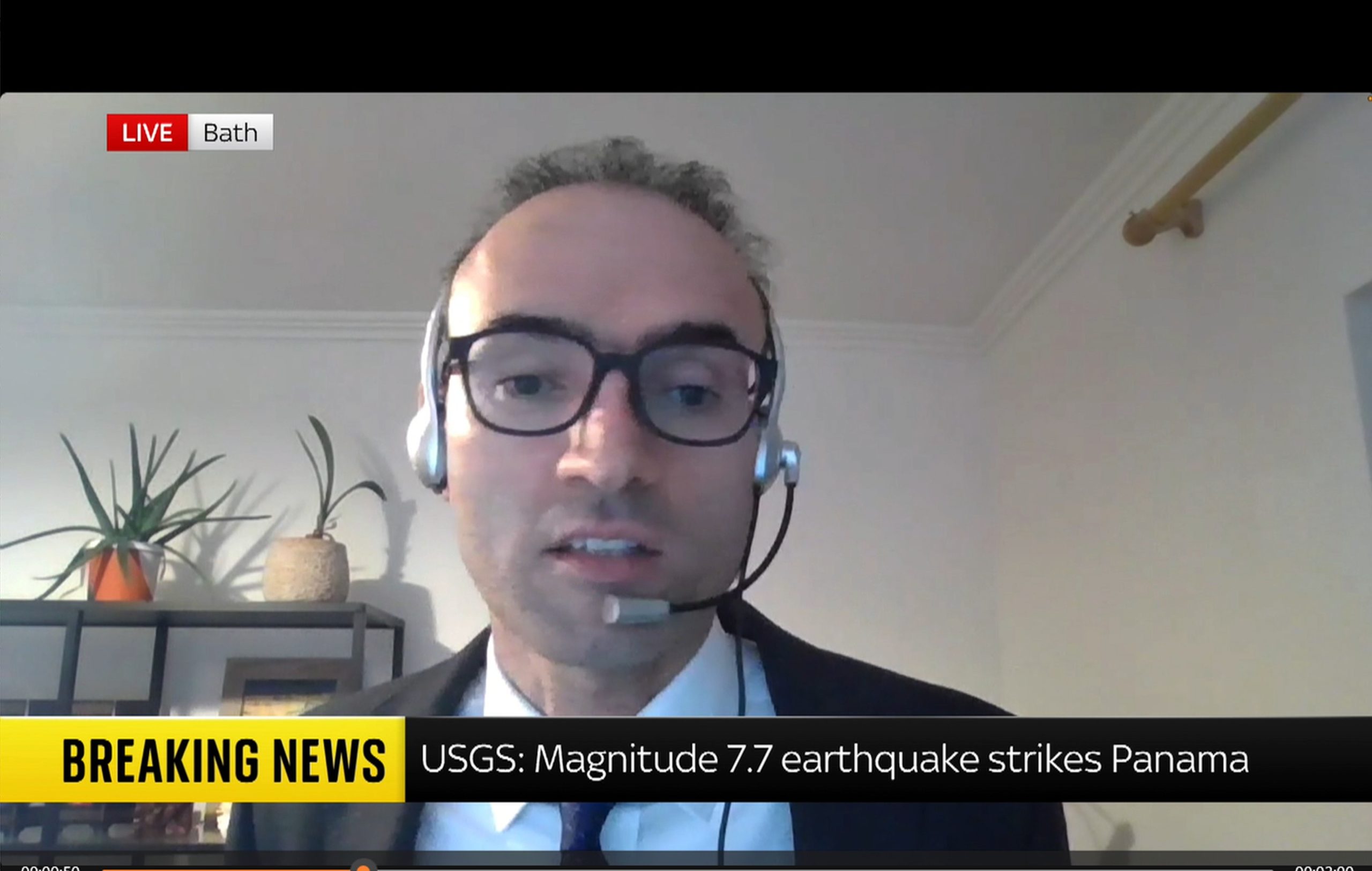
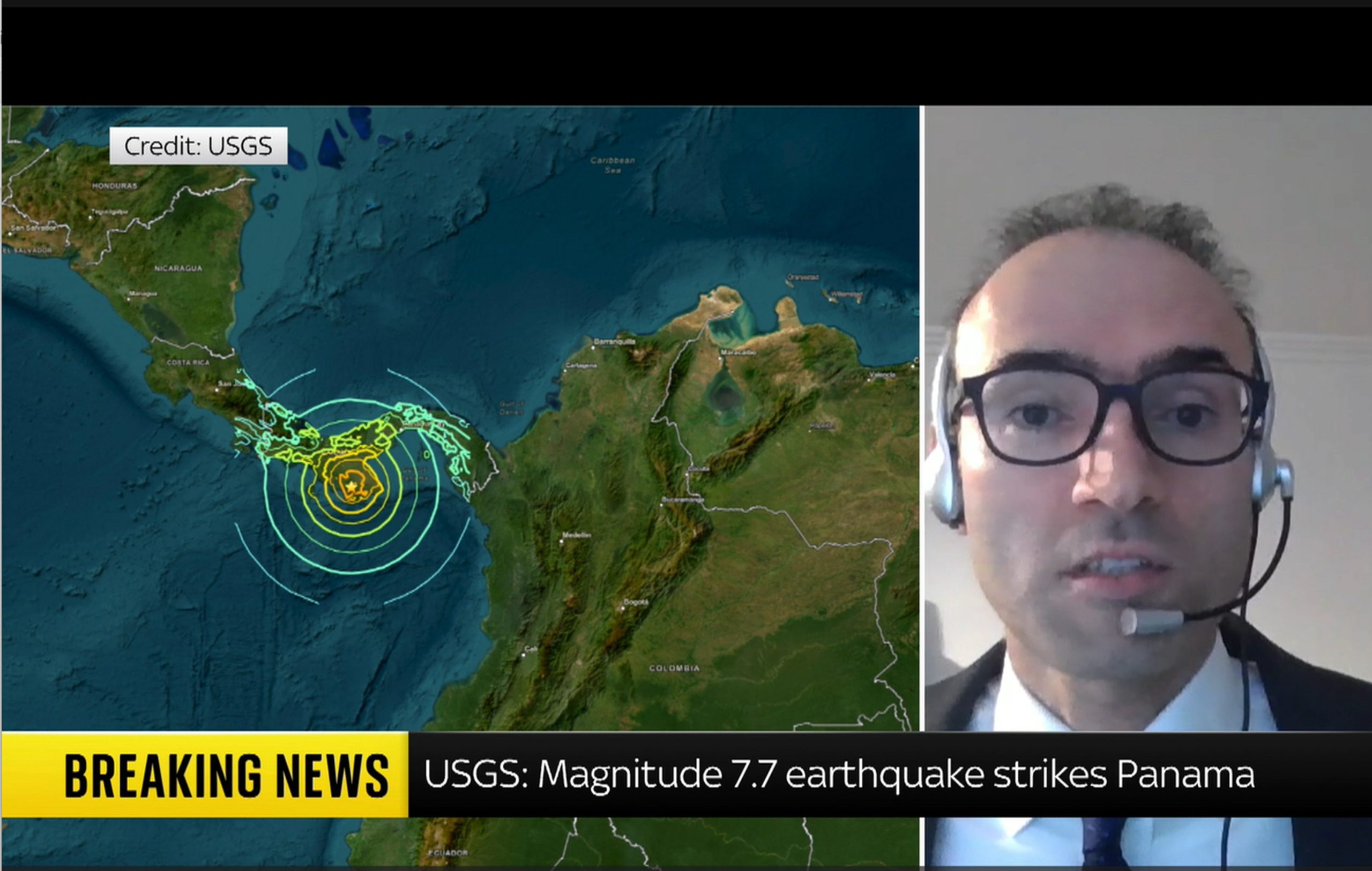
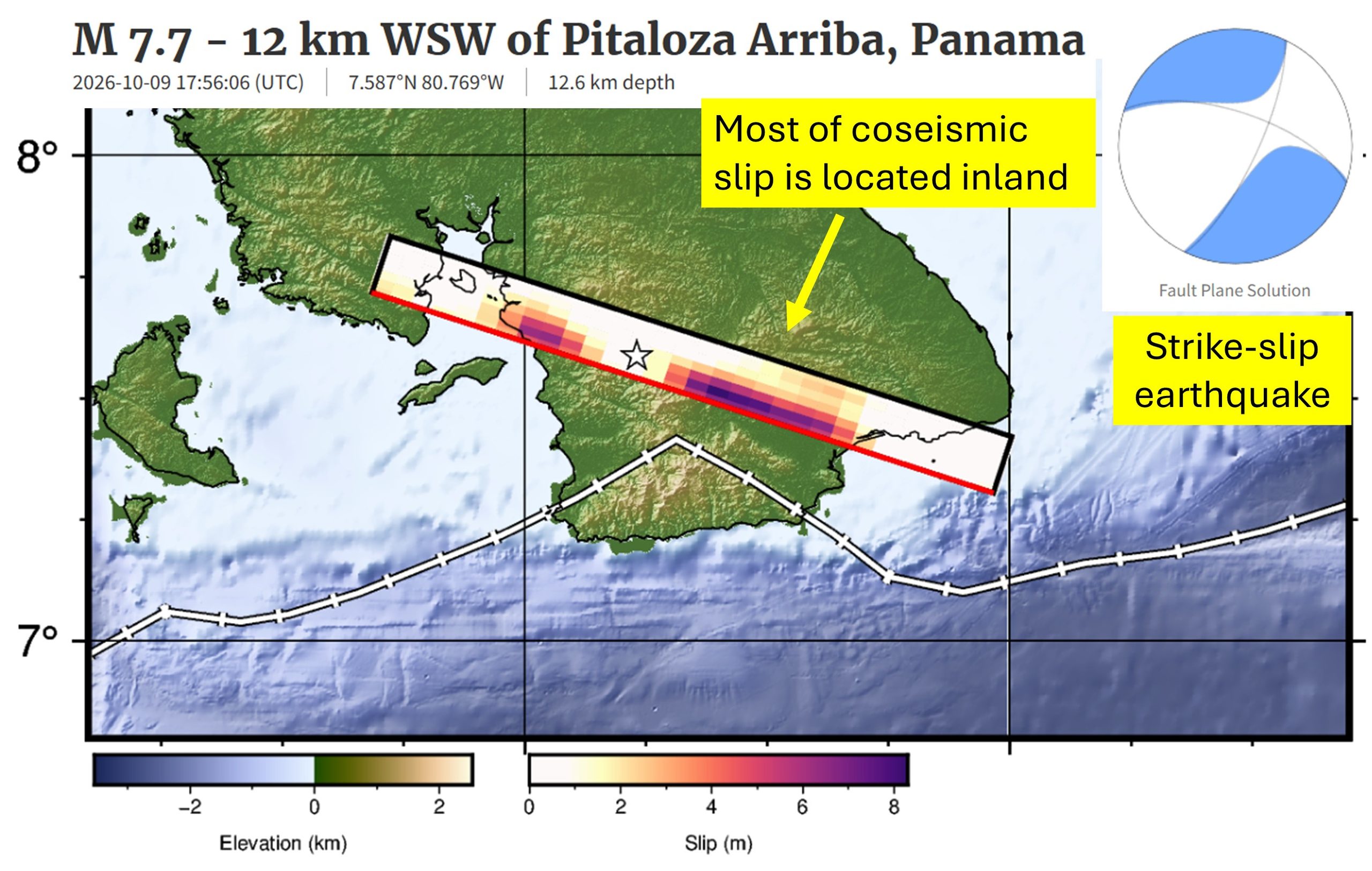
Dr Heidarzadeh’s TV interview with SkyNews on the massive M7.7 Panama earthquake on 9 October 2026
Our ocean is an incredibly vast and mysterious place. And there is no place where that is more evident than the deepest ocean area in the world: the legendary Mariana Trench. Located east of the Philippines, the Mariana Trench lies in the Mariana Archipelago in the western portion of the North Pacific. The greater area of the Mariana Trench Marine National Monument is made up of more than 95,000 square miles of ocean. Beneath these waters lie incredibly complex aggregations of submerged islands and volcanoes … and of course, an astoundingly massive trench.
Dive in with us to have your biggest questions answered about the famed Mariana Trench.
How deep is the Mariana Trench?
The deepest part of the Mariana Trench, known as Challenger Deep, is almost 36,000 feet below the ocean’s surface. For context, Mount Everest is about 29,000 feet above sea level, so the Mariana Trench is about 7,000 feet deeper than Mount Everest is tall. For one more comparison, the RMS Titanic lies at a depth of about 12,500 feet below sea level. The Challenger Deep is in waters nearly three times deeper than this ship’s final resting place.
Due to its enormous size, the Mariana Trench has at times been affectionately nicknamed the Grand Canyon of the ocean. This is certainly a picturesque image, but don’t let the mammoth size of this U.S. national terrestrial park fool you into thinking the Mariana Trench matches its size. The trench’s footprint is estimated to be 120 times larger than the Grand Canyon’s, and to reach the bottom of Challenger Deep, you’d need to descend through almost six Grand Canyons stacked on top of each other before you’d reach the seafloor.
Oh … and did we mention it’s five times wider than it is deep? It’s about 43 miles wide!
What is Challenger Deep, and how long would it take to reach it?
Challenger Deep is the deepest point of the Mariana Trench. Fewer than 30 people have ever journeyed to this area. The trek below the surface is long, dark and time-consuming, and it’s not an expedition considered lightly by scientists and explorers.
The first people to descend into the depths of this area in 1960 were oceanographers Jacques Piccard and Don Walsh, and it took them close to five hours to reach Challenger Deep. Since then, more advanced submersibles have been created, but it still takes two to four hours for modern vessels to reach such depths. For example, explorer and filmmaker James Cameron reached the seafloor in a little more than 2.5 hours in the first documented solo submarine dive to the area, and it took oceanographer Dr. Dawn Wright about four hours in 2022. It is crucial that these submersibles descend slowly and steadily beneath the surface, as the immense water pressure compounds with every mile a submersible descends. Speaking of pressure …
Get Ocean Updates in Your Inbox
Sign up with your email and never miss an update.
What is the water pressure at the bottom of the Mariana Trench?
If you thought the depth of the Mariana Trench was its only jaw-dropping feature, think again. Water pressure is one of the most important factors affecting deep-sea life. In the ocean, pressure increases by one atmosphere for every 33 feet (10 meters) of depth. One atmosphere (a unit of measurement for pressure equivalent to average air pressure at sea level) is equal to about 14.7 pounds per square inch (PSI), which is the approximate standard atmospheric pressure at sea level. If you were to convert atmospheric pressure into weight, one atmosphere is about the weight of a bowling ball. Stay with me, friends.
If a vessel were to dive 2,000 feet below the surface, the pressure would equal that of 60 bowling balls stacked atop every square inch of that submersible. But 60 bowling balls is simply nothing compared to the pressure in the Mariana Trench. The atmospheric pressure at the depths of Challenger Deep is equal to about 16,000 PSI. That pressure is about the same as the weight of an entire full-grown elephant on every square inch of a submersible!
Need a more extreme comparison? If a human were to be placed at the bottom of the Mariana Trench, the pressure would be equal to that of 50 jumbo jets piled on top of a person!
Do any animals live in the Mariana Trench?
The depths of the Mariana Trench come with immense pressure and extreme darkness, but somehow, life finds a way to survive. Organisms that live at an extreme depth, like that of Challenger Deep, have to be highly adapted to low temperatures (typically just above freezing), high pressure and virtually no light at all.
Species found in the depths of the Mariana Trench might look vastly different from animals from other ocean depths because their anatomy has been refined to thrive in harsh conditions. At such great depths, these animals typically depend on chemosynthesis (using nutrient-rich waters being pumped out of hydrothermal vents) or descending detritus (dead matter that has fallen from higher parts of the ocean) for food, such as whale falls. Just a handful of these animals include species of octopuses and squids, sea cucumbers, amphipods, sea jellies, shrimp, sea worms and some wild-looking fish!
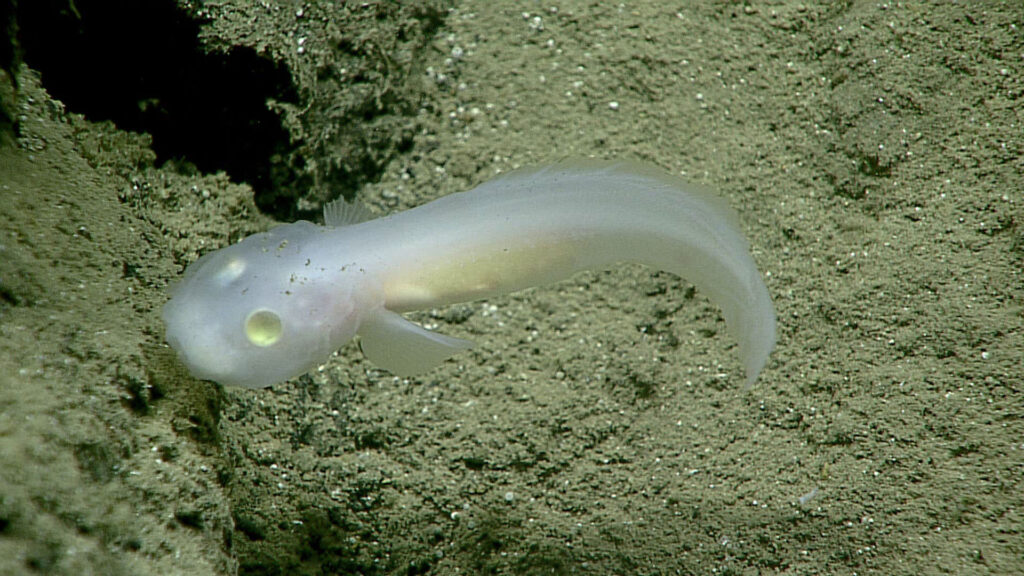
In 2025, more than 7,000 new species were discovered in the Mariana Trench, including the hadal snailfish (Pseudoliparis swirei). This is the deepest-dwelling fish currently known to science. Now, the fish has been dubbed “the Mariana snailfish.”
How was the Mariana Trench formed?
The process by which the Mariana Trench was created is a geologically fascinating one known as subduction. On the Earth’s surface, there are thin plates that cover the planet’s mantle, which is made of molten rock. If two of these plates collide, one pushes down into the Earth’s mantle while the other is pushed over the bottom plate. When this happens, a trench is formed from the drag of the bottom plate. This process can sometimes create incredibly strong earthquakes. The plates that forged the Mariana Trench’s creation are estimated to be up to approximately 180 million years old.
This trench was unknown to scientists until 1875. It was then that a team of explorers on the HMS Challenger measured the depth of the sea by simply lowering a weighted rope into the water. They were baffled when they measured that first portion of the seafloor to be five miles below the surface. And so was born the origin of some of the most daring deep-sea explorations known to mankind to date.
Is the Mariana Trench protected?
The Mariana Trench is in waters off Guam and the Mariana Islands. The region is protected from some human activities under its status as a marine monument. The creation of the Mariana Trench Marine National Monument signified that international, national and local leaders all recognize the importance of protecting this area.
However, just because the region is protected does not mean it’s not vulnerable to modern threats to ocean health. Plastic bags have been spotted in the Mariana Trench during several expeditions, highlighting the far-reaching impact of the marine debris problem. No corner of our ocean is safe from the ever-present threat of plastic pollution. The reality of a changing climate makes the future well-being of wondrous places like the Mariana Trench uncertain. What’s more: More than 70% of the global ocean has yet to be mapped. And what we don’t yet know about, we cannot wisely work to protect.
It’s up to us to work together to defend our ocean, from the sandy shores of our favorite beaches to the deepest, darkest parts of the sea. Together, we can work to protect our ocean as a whole, which ultimately helps protect treasured places like Challenger Deep.
Find out how you can join Ocean Conservancy’s wave of momentum to secure a healthy ocean and a thriving planet, forever and for everyone!
The post The Mysteries of the Mariana Trench appeared first on Ocean Conservancy.