

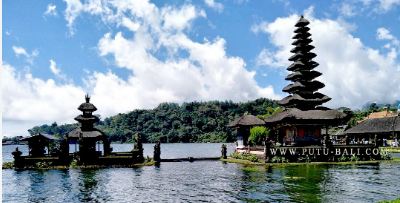
Get to know Denpasar City
Denpasar City is the capital city of Bali Province, Indonesia. This city is located in the southern part of Bali Island and has an area of around 127.78 km² with a population of around 895,000 (based on 2020 data).
Denpasar City has many interesting tourist attractions such as Jagatnatha Temple, Bali Museum, Bali Cultural Park, Bajra Sandhi Monument, as well as beautiful beaches such as Sanur Beach and Kuta Beach. Besides that, the city of Denpasar is also famous for its culinary specialties such as Babi Guling, Lawar and Sate Lilit.
Denpasar City is also the center of government, trade and industry on the island of Bali. There are various shopping centers and traditional markets that sell a variety of products, such as Badung Market and Kumbasari Market which are the largest traditional markets in Denpasar City.
However, like many cities in Indonesia, Denpasar City also suffers from various problems such as traffic jams, air pollution, and poor waste management. Even so, the city of Denpasar remains one of the interesting cities to visit and explore on the island of Bali.
Application of Environmentally Friendly Energy in Denpasar City, Bali
Denpasar City, Bali, has adopted various initiatives and programs to implement the use of environmentally friendly energy. Some of the efforts made are:
Construction of PLTS (Solar Power Plants) in several public facilities such as office buildings and city parks. This aims to reduce dependence on fossil energy and reduce greenhouse gas emissions.
The “Denpasar Goes Green” program aims to encourage greening and reduce air pollution in cities. This program involves community participation in tree planting and waste management.
The use of environmentally friendly transportation such as bicycles and electric-based public transportation. The local government is also encouraging the use of electric cars by building battery charging infrastructure in several strategic places.
The “Energy Smart Denpasar” program invites the public to save energy through education and provision of energy efficient equipment such as LED lights and household appliances labeled energy A.
With the adoption of these programs, it is hoped that the City of Denpasar can become a city that is cleaner, healthier and more sustainable in energy use. This can also help reduce the negative impact on the environment and improve the quality of life for people in the city.
Application of Environmentally Friendly Energy within the Denpasar City Government
Denpasar City Government has implemented various programs and initiatives to become a more environmentally friendly and sustainable government environment in energy use.
Some of the efforts made are:
Construction of office buildings with green building standards, using environmentally friendly technology and building materials. This includes the use of renewable energy, increased energy efficiency, waste water management, and more effective air conditioning systems.
Use of energy-saving lamps such as LEDs and automatic settings for building and street lighting systems. This helps reduce energy consumption and operating costs.
The “Green Office” program encourages the use of recycled paper, energy savings, and waste reduction in office environments.
The “Green Area” program aims to increase greening in government environments. This program involves community participation in tree planting and urban park management.
Use of environmentally friendly vehicles such as electric cars and bicycles, as well as development of infrastructure that supports sustainable transportation such as bicycle lanes and pedestrian roads.
With the adoption of these programs, the Denpasar City Government hopes to reduce the negative impact on the environment and increase efficiency in energy use within the government environment. It can also serve as an example for the community and private sector in implementing green and sustainable practices throughout the city.
Application of Environmentally Friendly Energy in the Tourism Sector of Denpasar City
Denpasar City Government has also implemented programs to increase the use of environmentally friendly energy in the tourism sector, which is one of the main economic sectors in this city.
Some of the efforts made are:
Promotion of sustainable and environmentally friendly tourism, which provides opportunities for tourists to participate in environmental conservation and management programs. This includes education on waste reduction, energy saving, and water management.
Use of renewable energy such as solar panels to generate electricity for hotels, restaurants and tourist attractions. This helps reduce energy consumption and the resulting greenhouse gas emissions.
Application of more efficient and energy-efficient technology in tourism equipment and facilities such as water pumps, air conditioners and lighting.
Development of sustainable transportation such as the use of bicycles, electric cars, and development of more environmentally friendly public transportation infrastructure such as electric buses.
The “Green Hotel” program encourages hotels to adopt environmentally friendly practices such as the use of renewable energy, energy saving, waste reduction and water management.
With the adoption of these programs, the Denpasar City Government hopes to increase sustainability and environmental friendliness in the tourism sector. This can also increase the attractiveness of tourism in this city and have a positive impact on the community and the surrounding environment.
Environmentally Friendly Energy Project in Denpasar City
There are several environmentally friendly energy projects that have been implemented in the City of Denpasar, including:
Construction of a Solar Power Network (PLTS) at the Denpasar Mayor’s Office:
This project includes the installation of solar panels with a capacity of 30 kWp and aims to supply electricity to the Denpasar Mayor’s office. This project can reduce the use of energy from fossil sources and reduce greenhouse gas emissions.
Integrated Waste Management Program
This program includes environmentally friendly waste management by separating organic and inorganic waste and recycling recyclable materials. This can reduce the volume of waste and reduce its negative impact on the environment.
Air Quality Improvement Program
This program aims to reduce air pollution by reducing the use of motorized vehicles and improving air quality through planting trees and vegetation around the city.
Energy Saving Program for Public Street Lighting
This program includes the use of energy-efficient LED lights in public street lighting to reduce electricity use and reduce greenhouse gas emissions.
Green Open Space Program
This program aims to improve the quality of parks and green open areas in Denpasar City by using environmentally friendly concepts. This includes planting appropriate trees and vegetation and using efficient technology in their management.
Application of Environmentally Friendly Energy at I Gusti Ngurah Rai airport
I Gusti Ngurah Rai Airport in Bali has also implemented various efforts to become an airport that is more environmentally friendly and sustainable in energy use.
Some of the efforts made are:
Utilization of solar energy through the installation of solar panels to generate electricity. These solar panels are installed on the roof of the passenger terminal and are used to generate energy which is used for lighting and equipment within the airport.
LED lighting is more energy efficient and lasts longer than conventional incandescent bulbs. This helps reduce energy consumption and airport operating costs.
Use of energy storage systems with batteries to optimize energy use from solar panels. This helps maintain a stable and consistent power supply, especially during inclement weather or emergencies.
The use of electric vehicles for transportation within the airport such as tractors and golf cars. This helps reduce exhaust emissions and improves air quality around the airport.
With the adoption of these programs, I Gusti Ngurah Rai airport in Bali has succeeded in achieving a reduction in energy consumption of up to 5-10% per year, reducing carbon emissions and increasing overall energy efficiency. This helps create a cleaner, healthier and more sustainable environment around the airport and throughout Bali.
Companies Contributing to the Application of Environmentally Friendly Energy in the City of Denpasar
There are several companies in Denpasar City that have contributed to the application of environmentally friendly energy, including:
Bali Green Life, a company that produces and sells organic and environmentally friendly products such as laundry soap, fragrances and detergents that are not harmful to the environment.
Bali Ecobrick, a company that produces ecobrick or blocks of building materials from plastic waste. The production process uses efficient energy and reduces consumption of fossil fuels.
Green School Bali, an educational institution that teaches students the principles of sustainability and the environment. The school also uses renewable energy such as solar panels and water turbines to generate electricity.
Bali Buda, a restaurant that serves organic food and has an environmentally friendly concept. This restaurant reduces the use of plastic bags and encourages customers to bring their own containers.
Greenbike Bali, a bicycle rental company based in Denpasar City. This company encourages the use of bicycles as environmentally friendly transportation.
With the contributions from these companies, the City Government of Denpasar can more easily promote environmentally friendly programs and encourage the development of sustainable initiatives throughout the city. This can help create cities that are more environmentally friendly and sustainable for the people and the environment around them.
Conclusion on the Implementation of Environmentally Friendly Energy in Denpasar City, Bali
From the various programs and projects that have been carried out, it can be concluded that the City of Denpasar has taken significant steps in implementing environmentally friendly energy.
Denpasar City Government has introduced various programs and projects aimed at reducing the use of fossil energy and reducing the negative impact on the environment. Some of the programs that have been carried out include using renewable energy such as solar panels and water turbines, improving air quality by reforesting and planting gardens, and improving environmentally friendly waste management.
Not only the government, but companies and the community also contribute in implementing environmentally friendly energy in the City of Denpasar. Several companies have produced environmentally friendly products such as laundry soap, detergents, and building materials from plastic waste. Meanwhile, the community also applies environmentally friendly living behaviors by using bicycles as a means of transportation and reducing the use of plastic bags.
It is hoped that the implementation of this environmentally friendly energy can continue to be improved and developed in the future so that Denpasar City can become an example for other cities in implementing environmentally friendly sustainable practices. This will help maintain environmental sustainability and have a positive impact on people’s welfare.
https://www.exaputra.com/2023/03/implementation-of-environmentally.html


 Sad that it came to this, but not nearly as sad as I would if he gets away with all this criminality, and the rest of the world writes us of as avid supporters of crime and apathetic to rule of law.
 At left we see illustrated the core problem with the world’s theistic religions, i.e., that adherents are so certain of the rightness of their beliefs that they have no problem destroying the world.
FWIW, I have a friend who takes this even further: he is actively rooting for the apocalypse, and the prospect that all believers in God’s son Jesus will be raptured up to heaven to sit at the right hand of God.
He knows that I don’t believe any of this, but he remains confident that I’ll come around. As he told me, “God melts even the hardest of hearts.” He thinks I’m doing the devil’s work with my compassion for others and the effort I put out to achieve a peaceful and sustainable civilization.
We’d be living in tough times even without these fanatics, but religious dogma, especially of this sort, makes it all that much more difficult.
 We read a great deal about people who think that repairing the damage caused by Trump is going to be quick and easy.
Others are not nearly so sanguine, pointing out that many nations have gone to great lengths to create new trade relationships in their effort to cut the United States off without a penny.
Another question is how the people in other countries have come to regard Americans, as people of extremely low moral character–as crackpots, as racists, as gullible morons, as people incapable of critical thinking. That’s not going to change overnight, if it changes at all.



-
Climate Change1 year ago
Guest post: Why China is still building new coal – and when it might stop
-
Greenhouse Gases1 year ago
Guest post: Why China is still building new coal – and when it might stop
-

 Greenhouse Gases2 years ago
嘉宾来稿:满足中国增长的用电需求 光伏加储能“比新建煤电更实惠”
-

 Climate Change2 years ago
嘉宾来稿:满足中国增长的用电需求 光伏加储能“比新建煤电更实惠”
-

 Renewable Energy10 months ago
Sending Progressive Philanthropist George Soros to Prison?
-
Climate Change2 years ago
Bill Discounting Climate Change in Florida’s Energy Policy Awaits DeSantis’ Approval
-
Greenhouse Gases1 year ago
嘉宾来稿:探究火山喷发如何影响气候预测
-

 Carbon Footprint2 years ago
US SEC’s Climate Disclosure Rules Spur Renewed Interest in Carbon Credits