Renewable energy in Zimbabwe
Zimbabwe, like many other African countries, faces the challenge of meeting its growing energy demand while minimizing its carbon footprint.
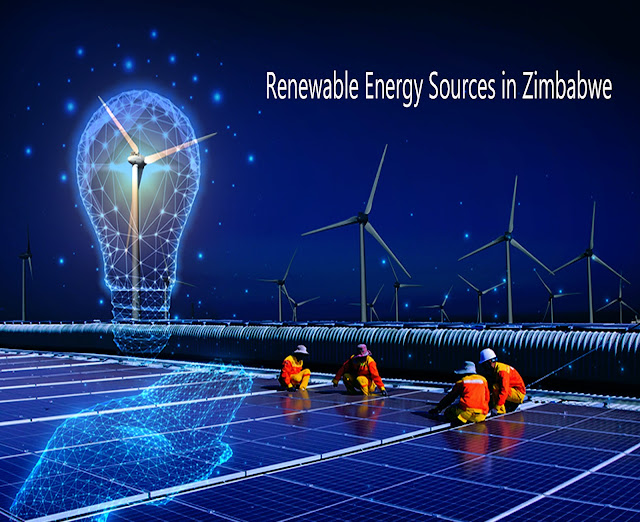
To address this challenge, Zimbabwe has turned to renewable energy sources, such as solar, wind, and hydropower. Renewable energy sources in Zimbabwe have the potential to not only meet the country’s energy needs but also to create new economic opportunities and contribute to sustainable development.
Zimbabwe is blessed with abundant solar resources, with an average of 3,000 hours of sunshine per year. The government has recognized the potential of solar energy and is promoting the deployment of solar systems across the country. The country has implemented several initiatives to support the development of solar energy, including the Rural Electrification Fund and the Solar Water Heating Program.
In addition to solar energy, Zimbabwe is also developing its wind energy potential. The country has several sites with good wind resources, particularly in the northern and eastern regions. The government has identified wind energy as a priority area for development and is implementing policies to promote the deployment of wind turbines.
Hydropower is another important source of renewable energy in Zimbabwe. The country has several large rivers and waterfalls, such as the Victoria Falls, that offer significant potential for hydropower generation. The government has implemented several initiatives to promote the development of hydropower, including the rehabilitation and expansion of existing hydropower plants and the construction of new plants.
The development of renewable energy sources in Zimbabwe is a positive step towards achieving a more sustainable and resilient energy system, reducing the country’s dependence on imported fossil fuels, and mitigating the impacts of climate change. The government’s commitment to promoting renewable energy, coupled with private sector investment, is expected to drive the growth of the renewable energy sector in Zimbabwe and contribute to the country’s economic development.
Government support for Renewable energy sources in Zimbabwe
The Zimbabwean government has shown a strong commitment to promoting the development of renewable energy sources in the country. The government’s support for renewable energy sources is reflected in various policies, initiatives, and programs aimed at promoting the deployment of renewable energy systems.
One of the most notable government initiatives is the Renewable Energy Policy of 2019, which provides a comprehensive framework for the development of renewable energy in Zimbabwe. The policy aims to increase the share of renewable energy in the country’s energy mix to at least 16% by 2025 and 25% by 2030. The policy also provides for the establishment of a Renewable Energy Fund to finance renewable energy projects.
The government has also established the Rural Electrification Agency (REA) to promote the provision of electricity in rural areas through the use of renewable energy sources. The REA has implemented several initiatives to support the deployment of solar systems in rural areas, including the installation of solar-powered mini-grids and the provision of solar home systems.
Another important government initiative is the National Solar Water Heating Program, which aims to promote the use of solar water heaters in households and commercial buildings. The program provides financial incentives to households and businesses that install solar water heaters, making it more affordable for people to switch to renewable energy sources.
To these initiatives, the government has also provided tax incentives and duty exemptions for renewable energy equipment and components to reduce the cost of renewable energy systems and encourage private sector investment in the renewable energy sector.
The Zimbabwean government’s support for renewable energy sources is expected to create an enabling environment for the growth of the renewable energy sector, increase energy access, and contribute to the country’s economic development.
Renewable energy sources development program in Zimbabwe
Zimbabwe has implemented several programs aimed at promoting the development of renewable energy sources in the country. These programs are aimed at increasing the deployment of renewable energy systems, reducing the country’s dependence on imported fossil fuels, and mitigating the impacts of climate change.
One of the most notable programs is the Rural Electrification Program, which aims to provide electricity to rural communities through the use of renewable energy sources. The program has installed solar mini-grids in remote areas, providing clean and reliable electricity to households, schools, and health centers. The program has also provided solar home systems to households, enabling them to access electricity for lighting and powering small appliances.
Another important program is the Scaling Solar Program, which aims to facilitate the development of utility-scale solar projects. The program provides support to developers in the pre-development phase, including feasibility studies, site identification, and land acquisition. The program also provides a competitive tendering process for the selection of developers, ensuring that projects are developed at the lowest possible cost.
The Zimbabwean government has also implemented the Zimbabwe Energy Regulatory Authority (ZERA) Renewable Energy Feed-in Tariff (REFIT) program. This program provides a guaranteed payment for renewable energy generated by small-scale renewable energy projects, providing an incentive for private sector investment in the renewable energy sector.
The government has also implemented the Solar Water Heating Program, which aims to promote the use of solar water heaters in households and commercial buildings. The program provides financial incentives to households and businesses that install solar water heaters, making it more affordable for people to switch to renewable energy sources.
These programs are expected to promote the development of renewable energy sources in Zimbabwe and contribute to the country’s economic development. By increasing the deployment of renewable energy systems, Zimbabwe can reduce its dependence on imported fossil fuels, increase energy access, and mitigate the impacts of climate change.
Conclusion Renewable energy sources in Zimbabwe
Zimbabwe has made significant progress in promoting the development and deployment of renewable energy sources in recent years. The government’s commitment to renewable energy sources is reflected in various policies, initiatives, and programs aimed at increasing the share of renewable energy in the country’s energy mix.
The Rural Electrification Program, the Scaling Solar Program, the Zimbabwe Energy Regulatory Authority Renewable Energy Feed-in Tariff program, and the Solar Water Heating Program are some of the most notable government initiatives aimed at promoting the development of renewable energy sources in Zimbabwe.
These programs have led to the deployment of solar mini-grids in remote areas, provided solar home systems to households, facilitated the development of utility-scale solar projects, and promoted the use of solar water heaters. These initiatives have contributed to the increase in energy access, reduced the dependence on imported fossil fuels, and mitigated the impacts of climate change.
However, there is still much work to be done to achieve the government’s target of 16% of renewable energy in the energy mix by 2025 and 25% by 2030. To achieve this, Zimbabwe needs to continue promoting the deployment of renewable energy systems and implementing policies and initiatives that encourage private sector investment in the renewable energy sector.
The development of renewable energy sources in Zimbabwe has the potential to not only increase energy access and mitigate the impacts of climate change but also contribute to the country’s economic development by reducing the dependence on imported fossil fuels and creating job opportunities in the renewable energy sector.
https://www.exaputra.com/2023/03/renewable-energy-sources-in-zimbabwe.html




 Virtually all top-ranking retired military brass view Trump as shown at left. On top of that, Hegseth has publicly fired all current generals and admirals who are not loyal to Trump, as the entire world watched the purge.
 Keep in mind that “removing Trump from office” and “stop talking about Trump” are two different events.


 Greenhouse Gases2 years ago
 Climate Change2 years ago
 Renewable Energy12 months ago
 Climate Change2 years ago