


Hydroelectric Power in Africa: Potential, Progress, and Challenges
Africa boasts the world’s largest untapped hydropower potential, offering a clean and reliable source of energy for a continent grappling with development and electrification challenges.
This article delves into the current state of hydroelectric power in Africa, exploring its potential, ongoing projects, and the key challenges and opportunities this renewable energy source presents.
Untapped Potential:
- Africa holds 17% of the world’s theoretical hydropower potential, with a capacity estimated at 600 GW.
- Only 13% of this potential is currently exploited, generating around 160 GW of electricity.
- This underutilization highlights the vast room for growth in the sector.
Current Landscape:
- Hydropower is the leading source of renewable energy in Africa, accounting for over 60% of the continent’s total renewable energy generation.
- The largest hydropower producers are Ethiopia, South Africa, the Democratic Republic of Congo, Egypt, and Mozambique.
- Several large-scale projects are underway, including the Grand Ethiopian Renaissance Dam (GERD), the Batoka Gorge Hydroelectric Project, and the Caculo Cabaca Dam.
Benefits:
- Clean and Renewable: Hydropower offers a clean and sustainable source of energy, contributing to a reduction in greenhouse gas emissions and mitigating climate change.
- Reliable and Baseload: Unlike solar and wind energy, hydropower provides baseload power, offering a more stable and reliable source of electricity.
- Economic Development: Hydropower projects can stimulate economic growth by creating jobs, boosting tourism, and providing irrigation for agriculture.
Challenges:
- High Investment Costs: Building large-scale hydropower dams requires significant upfront investment, often hindering development in resource-limited countries.
- Environmental and Social Impacts: Dam construction can cause displacement of communities, disrupt ecosystems, and affect downstream water flow.
- Climate Change: Droughts and erratic rainfall patterns due to climate change can impact hydropower generation, threatening its reliability.

Data and Table:
Here’s a table summarizing the hydropower situation in some key African countries:
| Country | Installed Capacity (GW) | Potential Capacity (GW) | % of Electricity from Hydro | Largest Hydropower Plant |
|---|---|---|---|---|
| Ethiopia | 4.2 | 45 | 93% | Grand Ethiopian Renaissance Dam (6,000 MW) |
| South Africa | 13.7 | 15 | 11% | Cahora Bassa Hydroelectric Power Station (2,075 MW) |
| Democratic Republic of Congo | 2.6 | 100 | 90% | Inga I & II Hydroelectric Power Stations (3,548 MW combined) |
| Egypt | 2.8 | 30 | 77% | Aswan High Dam (2,100 MW) |
| Mozambique | 2.0 | 2,400 | 80% | Cahora Bassa Hydroelectric Power Station (2,075 MW) |
The Future of Hydropower in Africa:
Despite the challenges, hydropower remains a crucial aspect of Africa’s energy future. Sustainable development of this resource requires:
- Focus on smaller, run-of-the-river projects: These projects have lower environmental and social impacts and can be implemented faster and at lower costs.
- Prioritizing public-private partnerships: Collaboration between governments, private investors, and communities can ensure project viability and share benefits equitably.
- Implementing robust environmental and social safeguards: Mitigating negative impacts and ensuring community involvement are crucial for long-term project success.
- Addressing climate change challenges: Adapting dam infrastructure and operations to cope with changing weather patterns is essential for sustainability.
By responsibly unlocking its hydropower potential, Africa can secure clean, reliable energy for its growing population, fostering economic development and achieving its climate goals.
Additional Notes:
- This article provides a general overview of the topic. Further research is recommended for specific details and analysis of individual projects or countries.
- The table only includes a limited selection of countries. Several other African nations have significant hydropower potential and ongoing projects.
- The data presented is based on publicly available sources and may not be entirely up-to-date.
https://www.exaputra.com/2024/02/hydroelectric-power-in-africa-potential.html


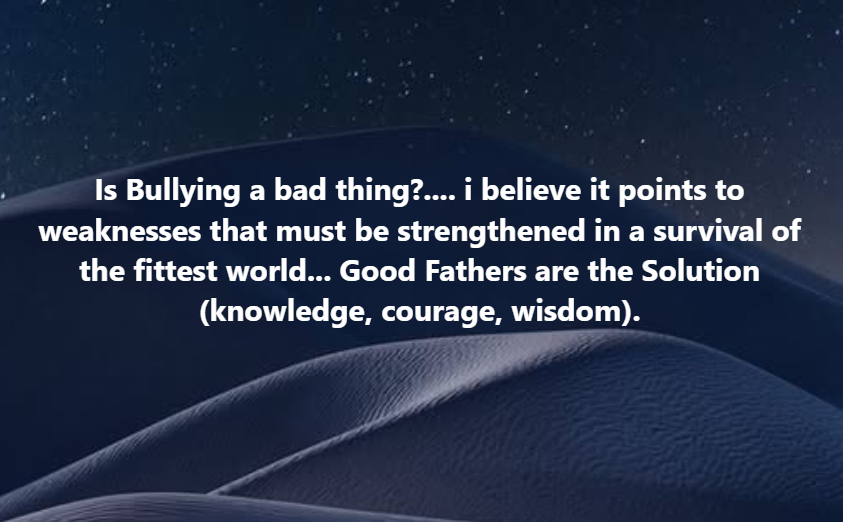 Does this guy have a solid point?
Is war a bad thing? What about rape and torture?
Do they point to weaknesses that must be strengthened?
Is Bullying a Bad Thing? Not if We Want a Society of Brutality
 Maybe the protestors are less concerned about length of time in office, and more with criminal authoritarianism.
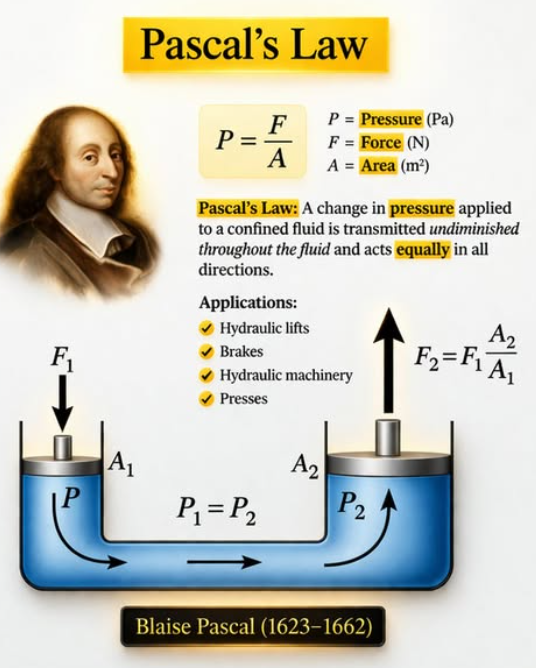 I have such respect for Pascal that I considered naming our son after him. (My wife wasn’t having it. Maybe if we lived in France?)
Pascal made important contributions to both math and physics but he’s perhaps best known for his philosophic “wager,” that it makes sense to believe in God, since if He exists, you’ll be very glad you did, and if He doesn’t, you haven’t lost anything. I counter that this is not how we accept or reject religious tenets.



-
Greenhouse Gases8 months ago
Guest post: Why China is still building new coal – and when it might stop
-
Climate Change8 months ago
Guest post: Why China is still building new coal – and when it might stop
-

 Greenhouse Gases2 years ago
嘉宾来稿:满足中国增长的用电需求 光伏加储能“比新建煤电更实惠”
-
Climate Change2 years ago
Bill Discounting Climate Change in Florida’s Energy Policy Awaits DeSantis’ Approval
-

 Climate Change2 years ago
嘉宾来稿:满足中国增长的用电需求 光伏加储能“比新建煤电更实惠”
-
Climate Change Videos2 years ago
The toxic gas flares fuelling Nigeria’s climate change – BBC News
-

 Carbon Footprint2 years ago
US SEC’s Climate Disclosure Rules Spur Renewed Interest in Carbon Credits
-

 Renewable Energy5 months ago
Sending Progressive Philanthropist George Soros to Prison?