

.JPG "Energy Transition Commission (ETC) Review")
Organization
Energy Transition Commission (ETC)
The Energy Transition Commission (ETC) is a global coalition of leaders from across the energy industry, governments, and other stakeholders committed to accelerating the transition to a low-carbon economy.
The commission was launched in 2015 and is chaired by Lord Adair Turner, a former chairman of the UK Financial Services Authority.
The Mission of the ETC is to drive change in the global energy system by catalyzing action on three fronts:
Decarbonizing electricity supply: The ETC aims to increase the share of renewable energy sources in the electricity mix and support the development of new low-carbon technologies.
Electrifying energy demand: The ETC believes that electrification is key to reducing carbon emissions across the economy, from transportation to industry and buildings.
Energy productivity: The ETC aims to improve energy efficiency in all sectors of the economy and promote the adoption of sustainable energy practices.
The ETC has published a number of reports and recommendations on how to achieve a low-carbon economy, including the landmark report “Better Energy, Greater Prosperity,” which outlines a roadmap for achieving a net-zero carbon economy by 2060. The commission also engages in dialogue with policymakers and stakeholders to advance the energy transition agenda at national and international levels.
Energy Transition Commission (ETC) History
The Energy Transition Commission (ETC) was launched in 2015 by a group of leaders from across the energy industry, including investors, researchers, and policymakers. The commission was formed in recognition of the urgent need to address climate change and accelerate the transition to a low-carbon economy.
The idea for the ETC was first proposed by Lord Adair Turner, a former chairman of the UK Financial Services Authority, who served as the commission’s first chair. Other founding members included Gérard Mestrallet, the former CEO of Engie, and Caio Koch-Weser, the former vice chairman of Deutsche Bank.
Since its inception, the ETC has grown to include a diverse group of leaders from around the world, representing a wide range of sectors and disciplines. The commission is now supported by a team of experts based in Europe, North America, and Asia, who provide research and analysis on key issues related to the energy transition.
Over the years, the ETC has published a number of reports and recommendations on how to accelerate the energy transition, including “Better Energy, Greater Prosperity,” which outlines a roadmap for achieving a net-zero carbon economy by 2060. The commission has also engaged in dialogue with policymakers and stakeholders at national and international levels, advocating for policies and investments that support the transition to a low-carbon economy.
Energy Transition Commission (ETC) Profile Data
The Energy Transition Commission (ETC) is a global coalition of leaders from across the energy industry, governments, and other stakeholders committed to accelerating the transition to a low-carbon economy.
Here is some profile data about the ETC:
Founded: 2015
Chair: Lord Adair Turner
Members: Over 45 leaders from across the energy industry, including investors, researchers, and policymakers.
Mission: To drive change in the global energy system by catalyzing action on decarbonizing electricity supply, electrifying energy demand, and improving energy productivity.
Reports: The ETC has published a number of reports and recommendations on how to achieve a low-carbon economy, including “Better Energy, Greater Prosperity,” which outlines a roadmap for achieving a net-zero carbon economy by 2060.
Staff: The commission is supported by a team of experts based in Europe, North America, and Asia.
Headquarters: London, United Kingdom
Website: https://www.energy-transitions.org/
Energy Transition Commission (ETC) Director Board and Membership
The Energy Transition Commission (ETC) is led by a Director Board made up of the following members:
Lord Adair Turner (Chair)
Ajay Mathur (Co-Chair)
Brinda Benjamin
Michael Liebreich
Maria van der Hoeven
Wu Gang
The ETC also has over 45 members from across the energy industry, governments, and other stakeholders.
Some of the current members include:
Ana Toni, Co-founder and Executive Director, iCS (Institute for Climate and Society)
Helena Helmersson, CEO, H&M Group
Josu Jon Imaz, CEO, Repsol
Kandeh Yumkella, Founder and CEO, Energy for Sustainable Development
Mark Carney, UN Special Envoy for Climate Action and Finance
Rachel Kyte, Dean, The Fletcher School, Tufts University
The full list of members can be found on the ETC’s website.
Energy Transition Commission (ETC) Project
The Energy Transition Commission (ETC) works on a range of projects aimed at accelerating the transition to a low-carbon economy. Some of the key projects and initiatives that the ETC has undertaken include:
Net-Zero by 2050: The ETC has developed a roadmap for achieving a net-zero carbon economy by 2050. The roadmap outlines the key actions and investments needed in different sectors, such as power generation, transport, and buildings, to achieve this goal.
Energy Productivity: The ETC has called for a major push on energy productivity, which involves improving energy efficiency in all sectors of the economy and promoting the adoption of sustainable energy practices.
Electrification of Energy Demand: The ETC believes that electrification is key to reducing carbon emissions across the economy, from transportation to industry and buildings. The commission advocates for policies and investments that support the widespread adoption of electric vehicles, heat pumps, and other electric technologies.
Hydrogen: The ETC has published a report on the role of hydrogen in the energy transition, which outlines the potential for hydrogen to play a key role in decarbonizing hard-to-abate sectors such as heavy industry and shipping.
Carbon Pricing: The ETC supports the use of carbon pricing as a tool to drive the transition to a low-carbon economy. The commission advocates for the implementation of effective carbon pricing mechanisms at the national and international level.
These are just a few examples of the projects and initiatives that the ETC is involved in. The commission is constantly working to advance the energy transition agenda and promote a sustainable and prosperous future for all.
Conclusion for Energy Transition Commission (ETC)
The Energy Transition Commission (ETC) is a global coalition of leaders from across the energy industry, governments, and other stakeholders committed to accelerating the transition to a low-carbon economy.
The ETC was founded in 2015 and is led by a Director Board made up of prominent leaders in the energy sector.
The commission has published several reports and recommendations on how to achieve a low-carbon economy, including a roadmap for achieving net-zero carbon emissions by 2050. The ETC advocates for policies and investments that support the decarbonization of electricity supply, electrification of energy demand, and improvement of energy productivity. The commission is constantly working on a range of projects and initiatives aimed at driving change in the global energy system and promoting a sustainable and prosperous future for all.
https://www.exaputra.com/2023/04/energy-transition-commission-etc-review.html

 Does this guy have a solid point?
Is war a bad thing? What about rape and torture?
Do they point to weaknesses that must be strengthened?
Is Bullying a Bad Thing? Not if We Want a Society of Brutality
 Maybe the protestors are less concerned about length of time in office, and more with criminal authoritarianism.
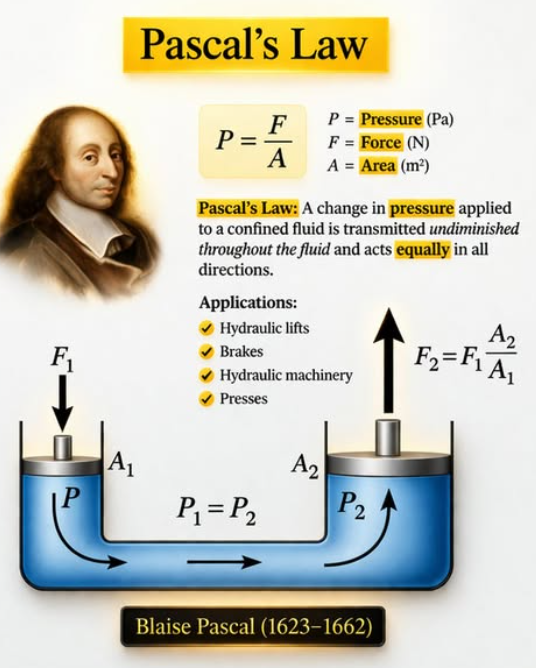 I have such respect for Pascal that I considered naming our son after him. (My wife wasn’t having it. Maybe if we lived in France?)
Pascal made important contributions to both math and physics but he’s perhaps best known for his philosophic “wager,” that it makes sense to believe in God, since if He exists, you’ll be very glad you did, and if He doesn’t, you haven’t lost anything. I counter that this is not how we accept or reject religious tenets.



-
Greenhouse Gases8 months ago
Guest post: Why China is still building new coal – and when it might stop
-
Climate Change8 months ago
Guest post: Why China is still building new coal – and when it might stop
-

 Greenhouse Gases2 years ago
嘉宾来稿:满足中国增长的用电需求 光伏加储能“比新建煤电更实惠”
-
Climate Change2 years ago
Bill Discounting Climate Change in Florida’s Energy Policy Awaits DeSantis’ Approval
-

 Climate Change2 years ago
嘉宾来稿:满足中国增长的用电需求 光伏加储能“比新建煤电更实惠”
-
Climate Change Videos2 years ago
The toxic gas flares fuelling Nigeria’s climate change – BBC News
-

 Carbon Footprint2 years ago
US SEC’s Climate Disclosure Rules Spur Renewed Interest in Carbon Credits
-

 Renewable Energy5 months ago
Sending Progressive Philanthropist George Soros to Prison?