

.JPG "Center for Resource Solutions (CRS)")
Organization
Center for Resource Solutions (CRS)
The Center for Resource Solutions (CRS) is a non-profit organization based in San Francisco, California, that promotes renewable energy and sustainability. CRS works with utilities, corporations, and individuals to create and implement sustainable energy solutions.
The organization is best known for its Green-e certification program, which certifies renewable energy and carbon offset products that meet strict environmental and consumer protection standards.
CRS also provides consulting services and policy guidance to help businesses and governments develop sustainable energy strategies. Additionally, the organization conducts research and analysis to help inform energy policy and promote best practices in the field of renewable energy.
Center for Resource Solutions (CRS) History
The Center for Resource Solutions (CRS) was founded in 1997 with the goal of promoting sustainable energy and environmental practices. The organization was initially created as a project of the Renewable Energy Action Project, a non-profit organization focused on promoting renewable energy in California.
CRS gained recognition early on for its Green-e certification program, which was launched in 1998. The Green-e program certifies renewable energy and carbon offset products that meet strict environmental and consumer protection standards, and it has since become one of the leading certification programs in the renewable energy industry.
Over the years, CRS has expanded its scope to include a wide range of programs and services aimed at promoting sustainability and renewable energy. The organization works with utilities, corporations, and individuals to develop sustainable energy strategies and implement renewable energy solutions. CRS also conducts research and analysis to inform energy policy and promote best practices in the field of renewable energy.
Today, CRS is a well-respected non-profit organization based in San Francisco, California, with a mission to accelerate the transition to a sustainable energy future.
Center for Resource Solutions (CRS) Profile Data
The Center for Resource Solutions (CRS) is a nonprofit organization based in San Francisco, California, that promotes sustainable energy use and helps companies and organizations transition to renewable energy sources. The organization was founded in 1997 and has since developed a range of programs and initiatives aimed at advancing renewable energy and reducing greenhouse gas emissions.
Some key programs and initiatives offered by CRS include:
Green-e certification: This program provides independent certification for renewable energy and carbon offset products. The Green-e logo on a product signifies that it meets strict environmental and consumer protection standards.
Renewable Energy Markets (REM) conference: This annual conference brings together industry leaders, policymakers, and stakeholders to discuss the latest trends and developments in renewable energy markets.
Clean Energy Leadership Awards: These awards recognize organizations and individuals who have demonstrated exceptional leadership in advancing renewable energy and reducing carbon emissions.
Buy Clean Energy campaign: This campaign encourages individuals and businesses to switch to renewable energy sources by highlighting the environmental and economic benefits of clean energy.
CRS plays an important role in promoting sustainable energy use and reducing greenhouse gas emissions. Its programs and initiatives help to educate and inform individuals and businesses about the benefits of renewable energy, while also promoting transparency and accountability in the clean energy industry.
Center for Resource Solutions (CRS) Headquarter, Web, Email phone
Headquarters: Center for Resource Solutions (CRS) 1012 Torney Ave. San Francisco, CA 94129 USA
Website: https://www.resource-solutions.org/
Email:i nfo@resource-solutions.org
Phone: +1 (415) 561-2100
Center for Resource Solutions (CRS) Projects
The Center for Resource Solutions (CRS) has been involved in a variety of projects related to promoting sustainable energy use and reducing greenhouse gas emissions.
Some examples of CRS projects include:
Renewable Energy Certificate (REC) Standard: CRS developed the Green-e Energy National Standard, which provides a framework for verifying and certifying renewable energy certificates (RECs) in the United States. This program helps to promote the use of renewable energy and provides a way for individuals and businesses to support clean energy sources.
Clean Energy Standards: CRS has worked with states and utilities to develop clean energy standards and renewable portfolio standards (RPS), which require a certain percentage of electricity to come from renewable sources. These standards help to promote the development of clean energy sources and reduce carbon emissions.
Carbon Offsets: CRS has developed the Green-e Climate certification program, which provides independent certification for carbon offsets. The program verifies that carbon offsets are real, additional, permanent, and verifiable, and helps to ensure that businesses and individuals can trust that their carbon offsets are making a real difference in reducing carbon emissions.
Renewable Energy Procurement: CRS has worked with companies and organizations to develop renewable energy procurement strategies, including power purchase agreements (PPAs) and virtual power purchase agreements (VPPAs). These strategies help to increase the demand for renewable energy and accelerate the transition to a clean energy future.
CRS has been involved in a range of projects aimed at promoting sustainable energy use and reducing greenhouse gas emissions. Its programs and initiatives help to promote transparency and accountability in the clean energy industry, while also providing a way for individuals and businesses to support clean energy sources.
Conclusion for Center for Resource Solutions (CRS) Review
The Center for Resource Solutions (CRS) is a nonprofit organization based in San Francisco that promotes sustainable energy use and helps companies and organizations transition to renewable energy sources.
CRS has developed a range of programs and initiatives aimed at advancing renewable energy and reducing greenhouse gas emissions. Some key programs and initiatives offered by CRS include Green-e certification, the Renewable Energy Markets (REM) conference, Clean Energy Leadership Awards, and the Buy Clean Energy campaign.
CRS has been involved in a variety of projects related to promoting sustainable energy use, including developing clean energy standards and renewable portfolio standards, promoting the use of renewable energy certificates, providing independent certification for carbon offsets, and working with companies and organizations to develop renewable energy procurement strategies.
CRS plays an important role in promoting sustainable energy use and reducing greenhouse gas emissions. Its programs and initiatives help to educate and inform individuals and businesses about the benefits of renewable energy, while also promoting transparency and accountability in the clean energy industry.
https://www.exaputra.com/2023/04/center-for-resource-solutions-crs-review.html

Weather Guard Lightning Tech
Trump Targets Revolution Wind, Nordex Q3 EBITDA Doubles
Allen covers the Trump administration’s bid to reopen Revolution Wind’s permit, a bipartisan Senate permitting deal, Nordex’s doubled third-quarter profit, and GE Vernova’s new wind chief.
The Uptime Wind Energy Podcast is brought to you by Weather Guard Lightning Tech, creators of the StrikeTape Ultra LPS retrofit. Subscribe to Uptime’s Substack newsletter. And check out Rosemary’s “Engineering with Rosie” Youtube channel. Have a question we can answer on the show? Email us!
 Have you ever wondered why every dictator in human history follows the exact same playbook? Check this out
Plato nailed this 2400 years ago, and it’s been on “rinse/repeat” ever since.
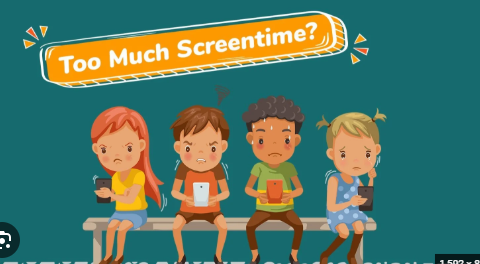 On average, I meet perhaps 50 K-12 teachers each year, and I often ask them: What is the biggest challenge you face that impacts your ability to connect with and educate your students?
Here’s a rough tabulation:
Screen time, how it robs kids of their ability to pay attention, impedes social interaction, and makes parenting more difficult: 80%
Everything else combined: 20%
Maybe this is a cynical viewpoint, but it seems like that world of today revolves around the mega-corporations profiting by punishing their customers.
In this case, we have the tech giants ruining the lives of our children. Elsewhere, we have healthcare industry driving people into bankruptcy, Big Oil ruining our planet, the gun lobby murdering our kids, and, of course, an ultra-corrupt government looting our treasury to pay off billionaire donors.
Note that this wasn’t the case when we boomers were growing up 60 years ago. This is a distinctive shift from the 1960s when corporate America was focused on things like color TVs and the Ford Mustang.


Sustainability In Your Ear: XPRIZE’s David Babson on Why Climate Grand Challenges Need Buyers, Too
Trump Targets Revolution Wind, Nordex Q3 EBITDA Doubles

Protecting nature is a public duty, not a Wall Street profit opportunity
-
Climate Change1 year ago
Guest post: Why China is still building new coal – and when it might stop
-

 Greenhouse Gases2 years ago
嘉宾来稿:满足中国增长的用电需求 光伏加储能“比新建煤电更实惠”
-
Greenhouse Gases1 year ago
Guest post: Why China is still building new coal – and when it might stop
-

 Climate Change2 years ago
嘉宾来稿:满足中国增长的用电需求 光伏加储能“比新建煤电更实惠”
-

 Renewable Energy12 months ago
Sending Progressive Philanthropist George Soros to Prison?
-
Climate Change2 years ago
Bill Discounting Climate Change in Florida’s Energy Policy Awaits DeSantis’ Approval
-
Greenhouse Gases1 year ago
嘉宾来稿:探究火山喷发如何影响气候预测
-

 Climate Change2 years ago
Analysis: China’s CO2 falls 1% in Q2 2024 in first quarterly drop since Covid-19