

von Isabell Schlangen
Willkommen zurück auf unserem Ozean-Wissenschafts-Blog! Heute tauchen wir in die faszinierende Welt des Kohlenstoff- und Stickstoff-Kreislaufs im Golf von Bengalen. Uns beschäftigt vor allen Dingen, die folgenden Fragen: Wie eng sind diese Prozesse miteinander verbunden? Wie hat sich die Biogeochemie dieser Region geformt? Und wie wirkt die Sauerstoffminimumzone (OMZ) auf beide Kreisläufe?
Gut zwei Wochen nach unserer Abreise aus Colombo haben wir uns nicht nur mit dem Schiff und seiner Besatzung vertraut gemacht, sondern gleichsam mit dem Probenentnahmeverfahren. Das Ergebnis sind bereits mehrere Kisten voller Proben und zwei erfolgreiche Inkubations-Experimente! Auch wenn das nicht das erste Mal für Lubrina, Victor, Mats und Isabell auf einem wissenschaftlichen Schiff ist, bringt jede Reise ihre ganz eigenen Herausforderungen mit sich. Unsere Mission ist das Sammeln von Proben für molekulare Analysen und dazu ein hochauflösendes Profil über den Golf von Bengalen zu erstellen. Wenn die CTD in die Tiefen taucht, wird von ihr eine Momentaufnahme der chemischen Zusammensetzung des Ozeans erfasst und und präzise Parameter wie Temperatur, Salinität, Fluoreszenz und Sauerstoffgehalt gemessen. Das resultierende Profil ist maßgeblich für die Strategie der Probenentnahme verantwortlich. Zum Beispiel, wie weit die Sauerstoffminimumzone reicht, in Abhängigkeit der Tiefe des Ozeans.


Sobald die CTD wieder die Oberfläche erreicht, müssen die Proben sofort entnommen und verarbeitet werden. Die Filtration des Wassers und das Schockgefrieren in flüssigem Stickstoff erhalten die Integrität der Proben für weitere Analysen. Zusätzlich führen wir große Inkubations-Experimente in verschiedenen Tiefen durch, die enorme Wassermengen erfordern. Typischerweise benötigen wir eine gesamte CTD, sprich ungefähr 200 Liter. Im weiteren Verlauf der Inkubationen beobachten wir, wie sich die Proben durch unterschiedliche Behandlungen und die Zugabe von markierten Stickstoff- und Kohlenstoff-Isotop-Substraten verhalten. Die Isotope dienen als Tracer und ermöglichen die Umwandlung von Stickstoff- und Kohlenstoffmolekülen zu verfolgen.
Während der Inkubationsphase werden die Proben der Wasseroberfläche in speziell konstruierten Tanks inkubiert, die die In-situ-Bedingungen des Ozeans simulieren. Hier an Deck, unter der Wärme der Sonne und dem rhythmischen Schaukeln durch die Wellen, beginnen mikrobielle Gemeinschaften mit der wichtigen Aufgabe, Kohlenstoff und Stickstoff aus dem umgebenden Meerwasser umzuwandeln. Proben aus tieferen Wasserschichten werden dagegen sorgfältig ins Labor transportiert, wo sie unter kontrollierten Bedingungen inkubiert werden. Die Inkubations-Experimente helfen uns zu verstehen, wie sich der Kohlenstoff- und Stickstoff-Kreislauf mit zunehmender Tiefe und wechselnden Umwelt-Parametern verändert.
Doch warum der Schwerpunkt auf Kohlenstoff- und Stickstoff-Umsetzung? Ganz einfach: Diese Prozesse sind essenziell für das Lebensnetzes im Golf von Bengalen. Die Kohlenstoff-Fixierung durch Phytoplankton bildet die Grundlage der marinen Nahrungskette, während der Stickstoff das Wachstum primärer Produzenten fördert und die Nährstoff-Dynamik beeinflusst. Lachgas (N2O), welches ein sehr potentes Klimagas darstellt, wird ebenfalls produziert und teilweise an die Atmosphäre abgegeben.
In der Sauerstoffminimumzone, wo der Sauerstoffgehalt gen null strebt, bekommt die Kohlenstoff- und Stickstoff-Zirkulation ein neues Level an Komplexität. Mikrobielle Gemeinschaften passen sich den Bedingungen mit niedrigem Sauerstoffgehalt an und treiben einzigartige biogeochemische Prozesse voran. Mit weitreichenden Auswirkungen auf das marine Ökosysteme und die globale Nährstoffkreisläufe.


By studying carbon and nitrogen conversion through ocean incubations, we gain insights into the different workings of the oceanic engine. From surface waters, to the mysterious depths beneath. This journey reveals the hidden connections between carbon and nitrogen and sheds light on the complex processes that sustain life in the Bay of Bengal and beyond.
Da die Sauerstoffverarmung des Ozeans durch den Klimawandel keine statische Situation ist, sondern durch die Erwärmung immer weiter zunimmt, ist das Verstehen der Prozessen innerhalb der OMZs von besonderem Interesse. Der Golf von Bengalen, an der Schwelle zur Sauerstoffarmut, dient als ideale Laborumgebung, um zu erforschen, wie sich das marine Leben an das sinkende Sauerstoff-Niveau anpasst.
Das Ziel unseres Projekts ist den ersten hochauflösenden Datensatz über die biogeochemischen Prozesse und die Biodiversität dieser Region zu liefern. Nicht, weil wir als Wissenschaftler:innen Daten so lieben. Sondern vielmehr, weil diese Informationen dazu beitragen die Zukunft unserer Ozeane besser zu verstehen. Wodurch im besten Fall Strategien entwickelt werden können, die zur Bekämpfung der negativen Auswirkungen des Klimawandels dienlich sind.
Mit dem übergreifenden Ziel, die marine Biodiversität und die Funktionalität der Ökosysteme zu erhalten, werden die Erkenntnisse unseres Teams entscheidend sein, um die Ziele voranzutreiben, die von globalen ozeanographischen Initiativen festgelegt wurden.


Also denken Sie beim nächsten Blick über die Weiten des Ozeans vielleicht mal kurz an die winzigen Mikroben und ihre mächtige Rolle bei der Gestaltung der Meere und der Atmosphäre darüber.
Bleiben Sie dran, für weitere ozeanische Abenteuer hier auf unserem Ozean-Wissenschafts-Blog!
Die Geheimnisse von Kohlenstoff und Stickstoff im Golf von Bengalen


Ocean Acidification
Humans Just Flew Around the Moon This Week. But Would Babies Born There Ever Truly Feel Gravity? Ask Jellyfish Babies.
This week, NASA’s Artemis II crew made history by flying around the Moon and returning safely to Earth, the first human journey to the Moon’s vicinity in more than 50 years. It was a stunning reminder that humanity is no longer just dreaming about living beyond Earth. We are actively rehearsing for it.
And that leads to a much stranger, deeper question: even if one day we build skyscrapers on the Moon, raise families there, and turn space into a place to live, will babies born away from Earth develop a normal sense of gravity? Or will their bodies learn the universe differently?
To explore that question, NASA once turned to an unexpected stand-in for human babies: jellyfish babies. On the STS-40 mission, scientists sent thousands of tiny jellyfish polyps into space because jellyfish, like humans, rely on gravity-sensing structures to orient themselves. The experiment asked a simple but profound question: if a living body develops in microgravity, will it still know how to handle gravity later?
The answer was both fascinating and unsettling. The jellyfish developed in space in large numbers, but once back under Earth’s gravity, the ones that had developed in microgravity showed far more pulsing abnormalities than the Earth-grown controls. In other words, their bodies formed, but their sense of balance did not seem to work quite the same way.
That is why this old jellyfish experiment still matters today. Before we imagine lunar cities, schools, nurseries, and generations born off-world, we need to ask not only whether humans can survive in space, but whether developing there changes how the body understands something as basic as up, down, and movement. Jellyfish babies cannot tell us everything about human children, but they may have given us one of the first clues that life born beyond Earth might not come home unchanged.
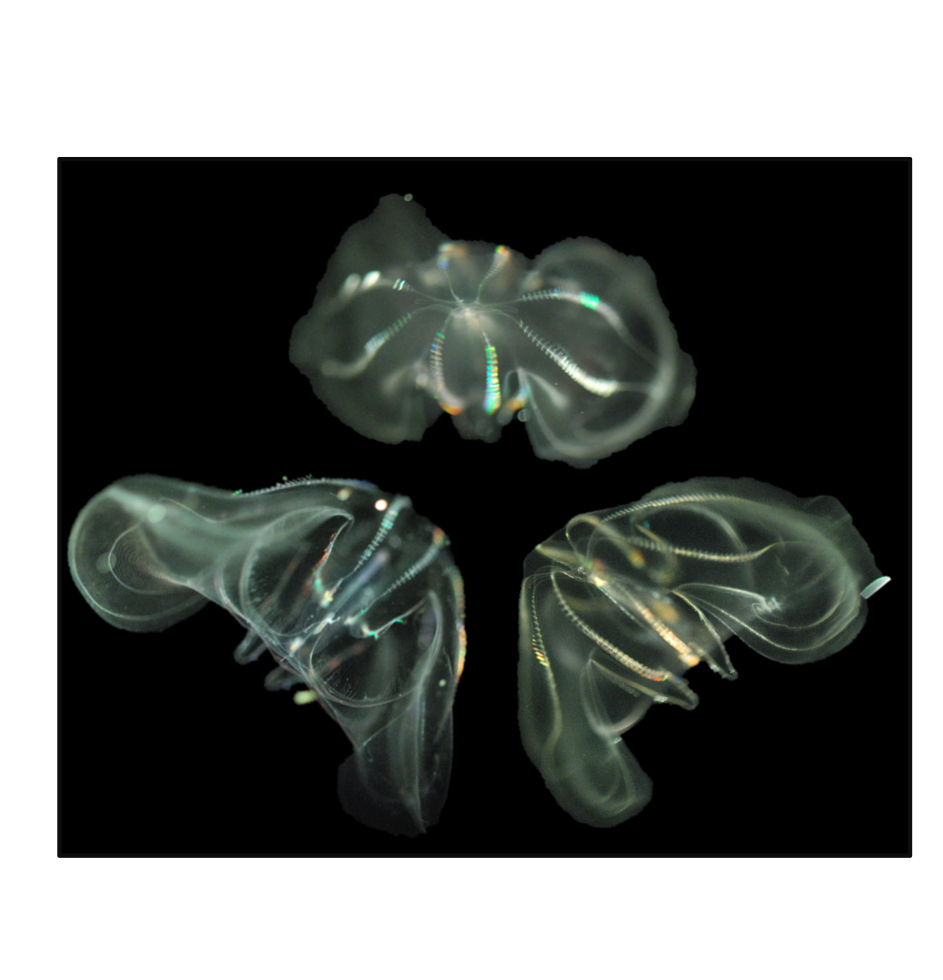
Reference: https://nlsp.nasa.gov/view/lsdapub/lsda_experiment/0c10d660-6b12-573d-8c3b-e20e071aed3b
Image: GEOMAR, Sarah Uphoff
After a slight delay of the Maria S. Merian caused by late-arriving containers our research cruise MSM142 finally got underway. By last Tuesday (24.03.2026), the full scientific team had arrived in Nuuk, the capital of Greenland, and the ship reached port on Wednesday (25.03.2026) morning. That same day, scientists and technicians moved on board and immediately began preparations, assembling and testing our instruments. Although the mornings on Wednesday and Thursday were grey and overcast, the afternoons cleared up beautifully. This gave us valuable time to organize equipment on deck and store empty boxes back into the containers before departure.
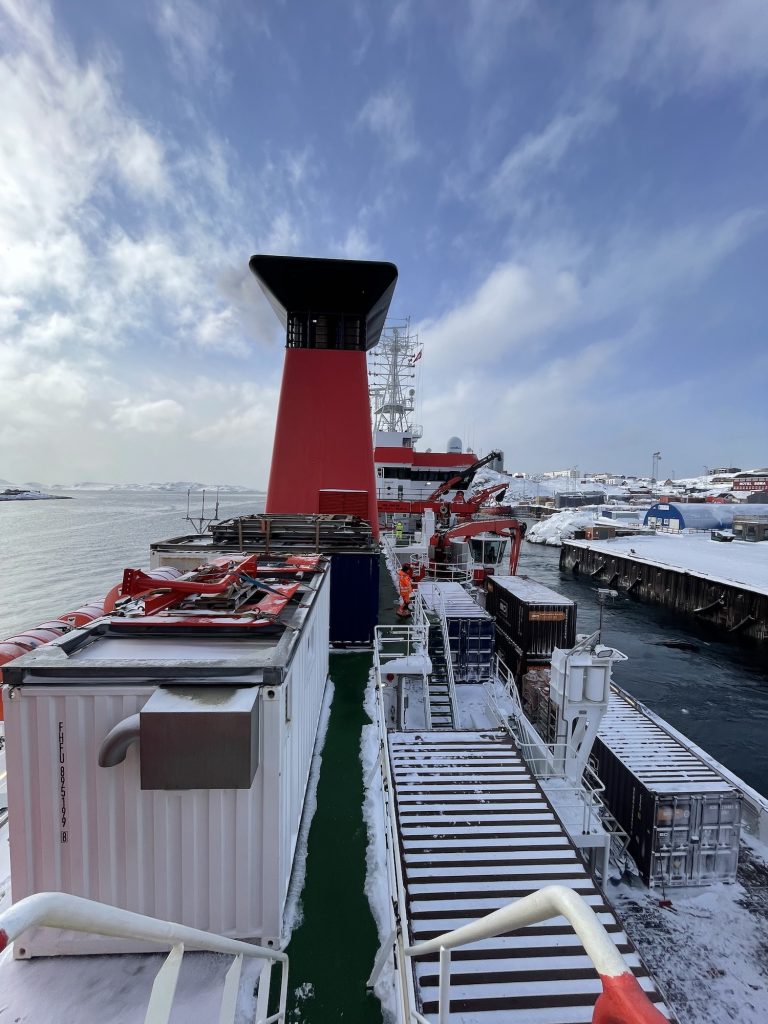
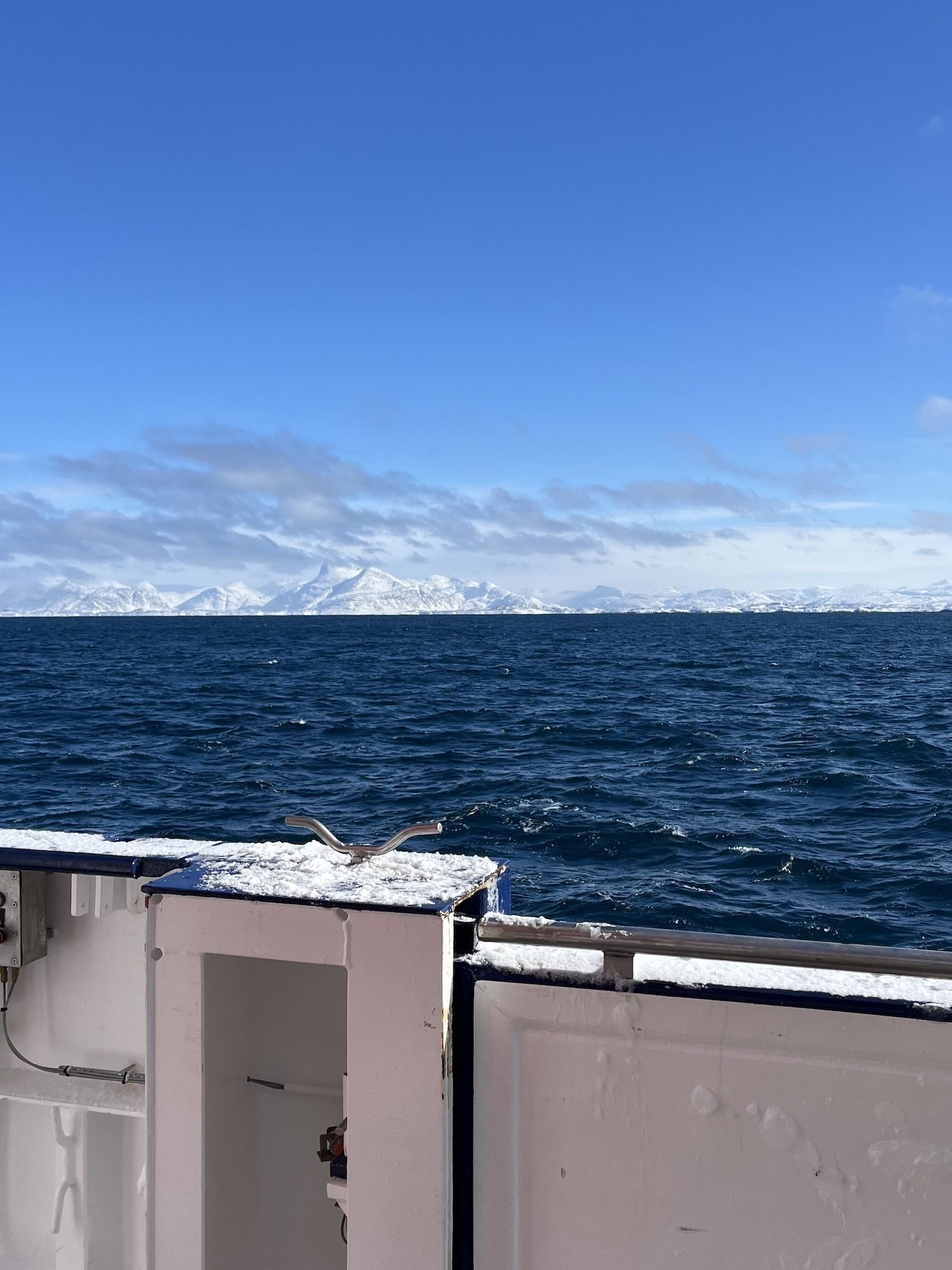
Given the forecast of harsh conditions outside the fjord, we carried out the mandatory safety drill while still in harbour. This included practicing emergency procedures and boarding the lifeboat. After completing border control, we were finally ready to leave Nuuk. We set sail on March 27th, heading into the Labrador Sea to begin our mission. Even before starting scientific operations, we tested the setup for deploying our gliders without releasing them during the transit out of the fjord. Once we reached open waters, we were met by high waves the following morning. For some on board, this was their first experience under such rough sea conditions. Seasickness quickly became a challenge for a few, while scientific work had to be temporarily postponed due to the strong winds and sea conditions. Together with the crew, we discussed how best to adapt our measurement plans to the given weather conditions. On March 29th, we were finally able to begin our scientific program with the first CTD deployment. A CTD is an instrument used to measure conductivity, temperature, and depth, which are key parameters for understanding ocean structure.
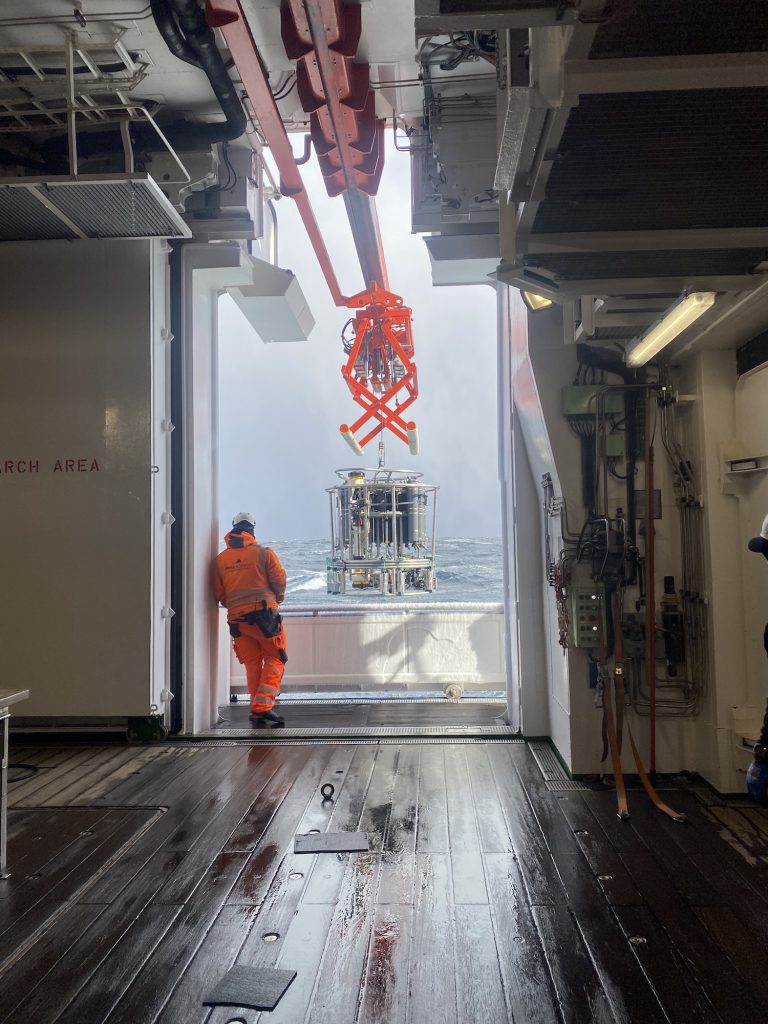
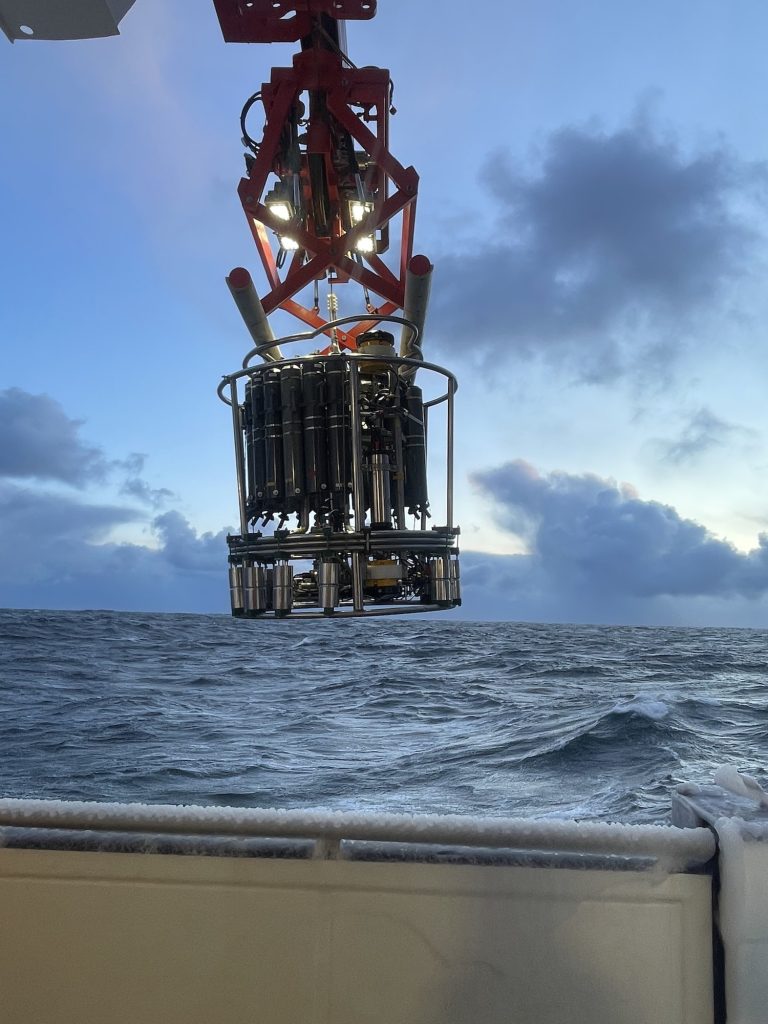
During the following night, we continued with additional CTD stations and successfully recovered two moorings: DSOW 3 and DSOW 4, located south of Greenland. These moorings carry instruments at various depths that measure velocity, temperature, and salinity. DSOW 4 was redeployed on the same day, while DSOW 3 followed the next day. In addition, the bottles attached to the CTD’s rosette can be used to collect water samples from any desired depth. These samples can be used, for example, to determine the oxygen content, nutrient levels, and organic matter.
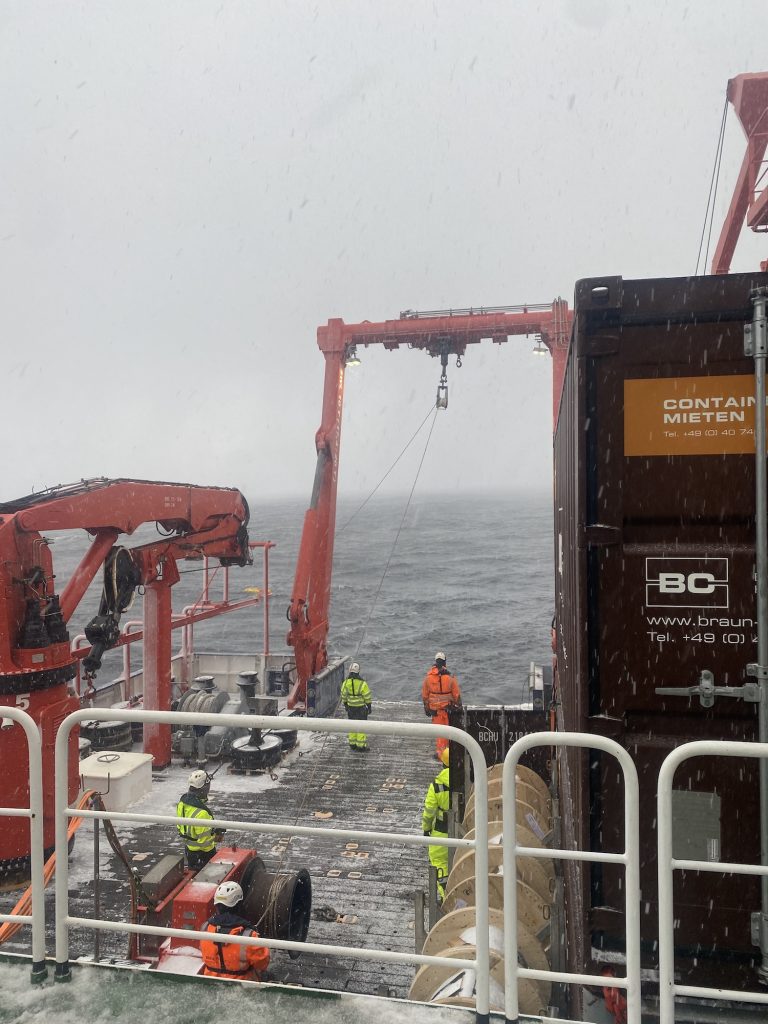
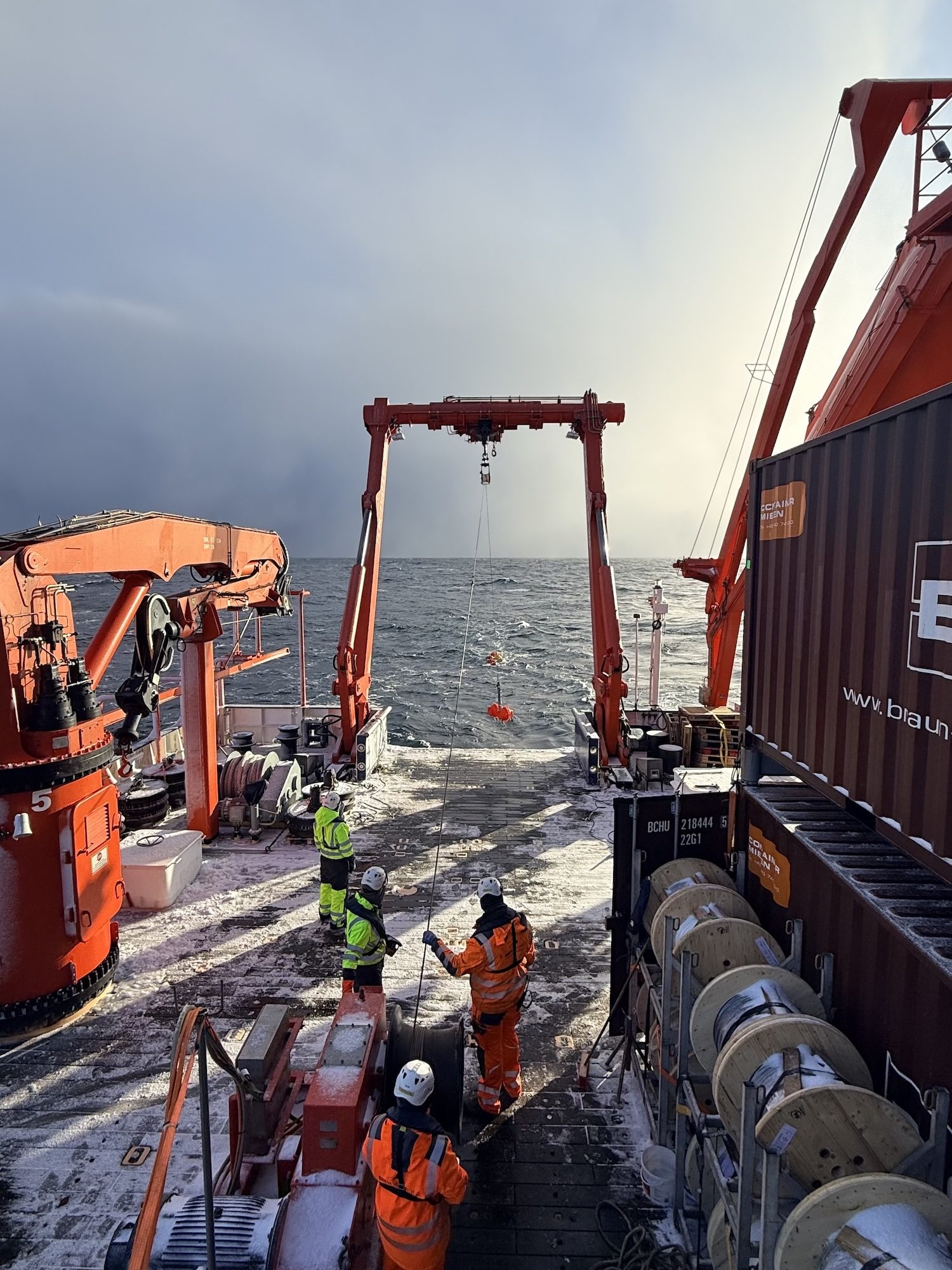
Both are part of the OSNAP array, a network of moorings spanning the subpolar North Atlantic. On these moorings are a few instruments, for example microcats which measure temperature, pressure and salinity.
We then conducted around 25 CTD stations spaced approximately 3 nautical miles apart across an Irminger ring identified from satellite data. This high-resolution sampling was necessary to capture the structure of an Irminger Ring, which had a radius of about 12 km wide.
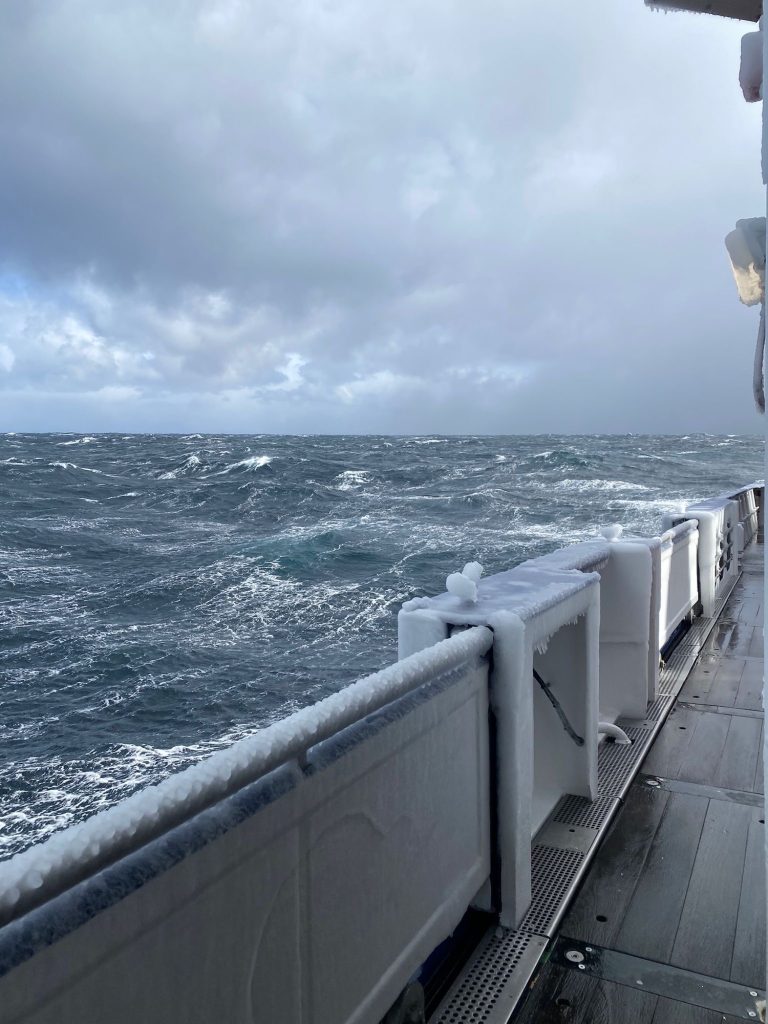
The days leading up to April 2nd were marked by very rough weather conditions. Life on board became both challenging and, at times, unintentionally entertaining sliding chairs were not uncommon. During the night from April 1st to April 2nd, winds reached 11 Beaufort with gusts up to 65 knots, forcing us to pause our measurements. Fortunately, conditions improved by morning, allowing us to resume our work. As well as with the help of the crew we had to adapt to the harsh weather conditions to continue our scientific work. On the 3rd of April, we were able to deploy a few gliders and one float. An ocean glider is an autonomous underwater Vehicle, which you can steer remotely and send to different locations, while it is measuring oceanographic key parameters.
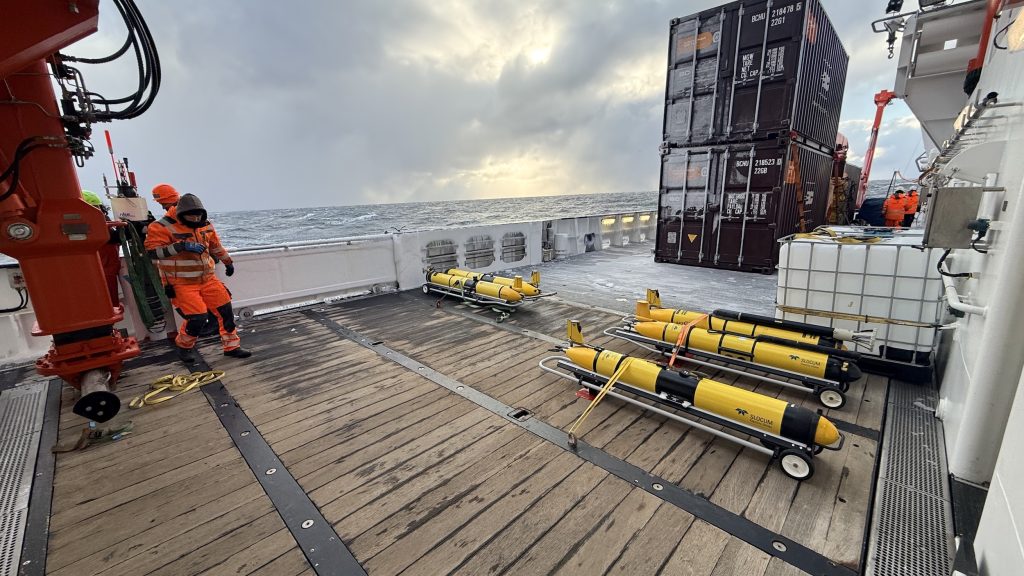
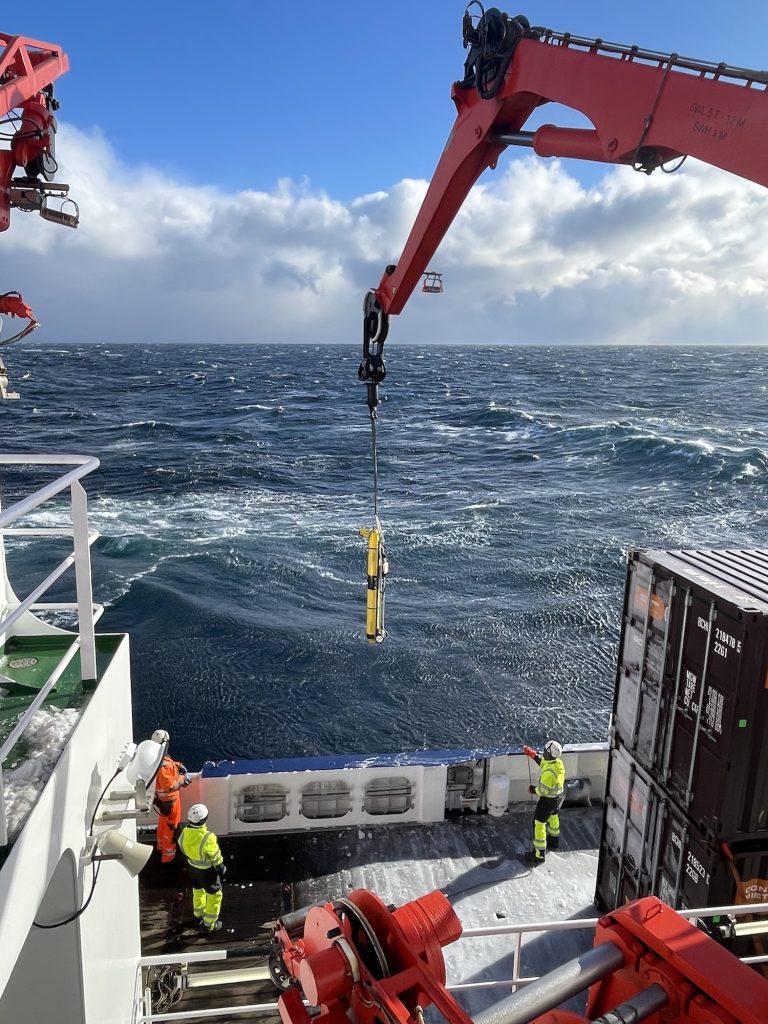
This research cruise focuses on understanding small-scale processes in the ocean and their connection to the spring bloom, an essential phase in marine ecosystem in subpolar regions. Despite the challenging start, we have already gathered valuable data and look forward to the weeks ahead in the Labrador Sea.
Despite their dramatic name, false killer whales aren’t an orca species. These animals are dolphins—members of the same extended family as the iconic “killer whale” (Orcinus orca). Compared to their namesake counterparts, these marine mammals are far less well-known than our ocean’s iconic orcas.
Let’s dive in and take a closer look at false killer whales—one of the ocean’s most social, yet lesser-known dolphin species.
Appearance and anatomy
False killer whales (Pseudorca crassidens) are among the largest members of the dolphin family (Delphinidae). Adults can grow up to 20 feet long and weigh between 1,500 and 3,000 pounds, though some individuals have been recorded weighing even more. For comparison, that’s roughly double the size of a bottlenose dolphin—and slightly larger than a typical sedan.
These animals are incredibly powerful swimmers with long, torpedo-shaped bodies that help them move efficiently through the open ocean in search of prey. Their skull structure is what earned them their name, as their head shape closely resembles that of orcas. With broad, rounded heads, muscular jaws and large cone-shaped teeth, early scientists were fascinated by the similarities between these two marine mammal species.
Although their heads may look somewhat like those of orcas, there are several ways to distinguish false killer whales from their larger namesake counterparts.
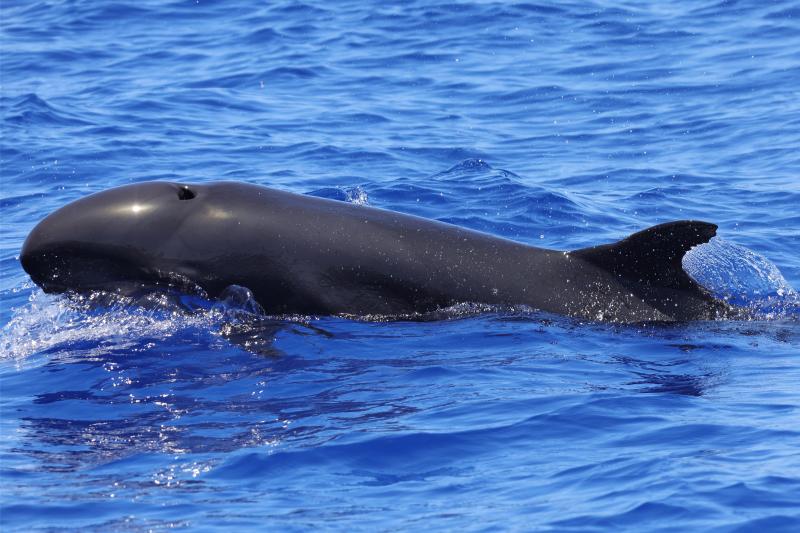
One of the most noticeable differences has to do with their coloration. While orcas are known for their iconic black-and-white pattern with paler underbellies, alternatively, false killer whales are typically a uniform dark gray to black in color—almost as if a small orca decided to roll around in the dirt. If you’ve ever seen the animated Disney classic 101 Dalmatians, the difference is a bit like when the puppies roll in soot to disguise themselves as labradors instead of showing their usual black-and-white spots.
Their teeth also present a differentiator. The scientific name Pseudorca crassidens translates almost literally to “thick-toothed false orca,” a nod to their sturdy, cone-shaped teeth that help these animals capture prey. Orcas tend to have more robust, bulbous heads, while false killer whales appear slightly narrower and more streamlined.
Behavior and diet
False killer whales are both highly efficient hunters and deeply social animals. It’s not unusual to see them hunting together both in small pods and larger groups as they pursue prey like fish and squid.
Scientists have even observed false killer whales sharing food with each other, a behavior that is very unusual for marine mammals. While some dolphin and whale species work together to pursue prey, they rarely actively share food. The sharing of food among false killer whales spotlights the strong social bonds within their pods. Researchers believe these tight-knit social connections help false killer whales thrive in offshore environments where they’re always on the move.
Maintaining these close bonds and coordinating successful hunts requires constant effective communication, and this is where false killer whales excel. Like other dolphins, they produce a variety of sounds like whistles and clicks to stay connected with their pod and locate prey using echolocation. In the deep offshore waters where they live, sound often becomes more important than sight, since sound travels much farther underwater than light.
Where they live
False killer whales are highly migratory and travel long distances throughout tropical and subtropical waters around the world. They prefer deeper waters far offshore, and this pelagic lifestyle can make them more difficult for scientists to study than many coastal dolphin species.
However, there are a few places where researchers have been able to learn more about them—including the waters surrounding the Hawaiian Islands.
Scientists have identified three distinct groups of false killer whales in and around Hawaii, but one well-studied group stays close to the main Hawaiian Islands year-round. Unfortunately, researchers estimate that only about 140 individuals remained in 2022, with populations expected to decline without action to protect them. This is exactly why this group is listed as endangered under the U.S. Endangered Species Act and is considered one of the most vulnerable marine mammal populations in U.S. waters.
Never Miss An Update
Sign up for Ocean Conservancy text messages today.
Current threats to survival
False killer whales are currently listed as Near Threatened on the IUCN Red List. From climate change-induced ocean acidification and harmful algal blooms to marine debris and fishing bycatch, false killer whales face the same mounting pressures that are impacting marine ecosystems around the world. As their prey becomes scarce due to increasing threats, populations of top predators like these decline, serving as a powerful signal that the ocean’s overall health is in critical need of protection.
Here at Ocean Conservancy, we’re working daily to confront these threats head-on and protect the ecosystems and wildlife we all cherish so dearly. But we can’t do it without you. Support from ocean lovers is what powers our work to protect our ocean, and right now, our planet needs all the help it can get. Visit Ocean Conservancy’s Action Center today and join our movement to create a better future for our ocean, forever and for everyone.
The post All About False Killer Whales appeared first on Ocean Conservancy.
https://oceanconservancy.org/blog/2026/03/31/false-killer-whales/

Iowa Moves to Shield Farmers, Ethanol Plants, From Lawsuits Over Emissions
IEA slashes pre-war oil demand forecast by nearly a billion barrels per day

Humans Just Flew Around the Moon This Week. But Would Babies Born There Ever Truly Feel Gravity? Ask Jellyfish Babies.
-
Climate Change8 months ago
Guest post: Why China is still building new coal – and when it might stop
-
Greenhouse Gases8 months ago
Guest post: Why China is still building new coal – and when it might stop
-

 Greenhouse Gases2 years ago
嘉宾来稿:满足中国增长的用电需求 光伏加储能“比新建煤电更实惠”
-
Climate Change2 years ago
Bill Discounting Climate Change in Florida’s Energy Policy Awaits DeSantis’ Approval
-

 Climate Change2 years ago
嘉宾来稿:满足中国增长的用电需求 光伏加储能“比新建煤电更实惠”
-
Climate Change Videos2 years ago
The toxic gas flares fuelling Nigeria’s climate change – BBC News
-

 Renewable Energy6 months ago
Sending Progressive Philanthropist George Soros to Prison?
-

 Carbon Footprint2 years ago
US SEC’s Climate Disclosure Rules Spur Renewed Interest in Carbon Credits