

Weather Guard Lightning Tech

CICNDT Brings Advanced Blade Inspections to Wind Energy
Allen and Joel are joined by Jeremy Heinks of CICNDT to discuss the critical need for pre-installation blade inspections, especially as safe-harbored blades from years past are rushed into service. They cover advanced NDT technologies including robotic CT scanning, blade bolt inspection for cracking issues, and how operators can extend turbine life beyond the typical 10-year repower cycle.
Sign up now for Uptime Tech News, our weekly email update on all things wind technology. This episode is sponsored by Weather Guard Lightning Tech. Learn more about Weather Guard’s StrikeTape Wind Turbine LPS retrofit. Follow the show on Facebook, YouTube, Twitter, Linkedin and visit Weather Guard on the web. And subscribe to Rosemary Barnes’ YouTube channel here. Have a question we can answer on the show? Email us!
Welcome to Uptime Spotlight, shining Light on Wind. Energy’s brightest innovators. This is the Progress Powering Tomorrow.
Allen Hall: Jeremy, welcome back to the show. Thanks for having me. Well, the recent changes in the IRA bill are. Pushing a lot of projects forward very quickly at the moment, and as we’re learning, there’s a number of safe harbor blades sitting in yards and a rush to manufacture blades to get them up and meet the, uh, treasury department’s criteria for, for being started, whatever that means.
At the moment, I think we’re gonna see a big question about the quality of the blades, and it seems to me. The cheapest time to quickly [00:01:00] look at your blaze before you start to hang them is while they’re still on the ground. And to get some n DT experience out there to make sure that what you’re hanging is appropriate.
Are you starting to see that push quite yet? No, not not at
Jeremy Heinks: the level we’d like to see it. Um, as far as getting the inspections in, yeah, we have been seeing the push to get the, get these blades out. Uh, but, uh, the, the, the few that we have been able to get our eyes on aren’t looking good. The quality definitely down.
And we’ve just had a customer site come back with some, some findings that were surprising for a brand new blade that hasn’t been the up tower yet and in use. So, um, it is much easier for us to get the, uh, technology and the personnel to a blade that’s on the ground. It’s cheaper, it’s quicker. We can go through many, many more blades, uh, with inspections.
Uh, it’s just access is just easier. Always comes down to access.
Joel Saxum: That customer that you had there, like what was their [00:02:00]driver? Right? Did they feel the pain at some point in time? Did they, did they have suspicions of something not right? New factory? Like, I don’t know. Why would some, why is someone picking that over someone?
Not because like you said, overwhelmingly. The industry doesn’t really do this. You know, even just getting visual inspections of blades on the ground before they get hung is tough sometimes with construction schedules and all these different things, moving parts. So you had someone that actually said, Hey, we want to NDT these blades.
What was their driver behind that?
Jeremy Heinks: So we, uh, we had done a previous, uh, route of inspections on some older ative of theirs that were,
Speaker 5: um,
Jeremy Heinks: getting. Kinda along in the tooth, if you will. Uh, so they’ve added some experience. They saw what we could bring to the table as far as results and, and, and information and data on those blades.
Uh, and it all turned out to be, um, pretty reliable. So, um, you know, we educated them on, you know, if you have new blades coming in or even use the blades coming in for replacement, that it’s not a bad idea to get at least a, a sample it. And, uh, [00:03:00] basically that’s what they call us in to do. They had some brand new blades come in.
For some new turbines they’re putting up. And, uh, they wanted the sampling. We did a sampling and the sample showed that, uh, they have an issue of these, these brand new blades.
Joel Saxum: So, okay, so what happens then? Right? Because I’ve been a part of some of these factory audits and stuff, and when you catch these things in the factory, you’re like, Hey, where we got these 30 defects?
And then the factory goes back against their form, their form, you know, their forms and they go, okay, material checklist is a, we’ll fix 24 of ’em. The other six are on you or whatever that may be. What happens when you find these things in the field at a construction site right? Then does that kick off a battle between the, the new operator and that OEM or, or what’s the action there?
Jeremy Heinks: Yeah, so we’ve been on the OEM side and been through what you just explained, um, multiple times and helped a bunch of the OEMs on that stuff, that stuff. But unfortunately, when you’re in the field and you find the same thing, it’s, it’s a whole different ball game. Um, they typically. We won’t see any of that.
We don’t, we won’t be able to [00:04:00] see what the OEM actually does unless we have informa, you know, information or channels that, that are a little bit different, uh, than normal to, uh, get that information. So, um, but yeah, so we, we’ll give this information over to the customer. Uh, they’ll go to their supplier and then that’ll turn into a.
To a dance and, uh, where everybody’s trying to pass the buck, basically, right? So, um, unfortunately that’s the way it’s been. We will see how this one turns out. It, it all depends on, on the relationship between that OEM and the customer and the end user.
Joel Saxum: So, so this is my, my last question about this and, and then I want to, of course, jump topics we have a lot of talk about here today.
But the question being, okay, so say they do repairs. Is it then a good idea to bring you guys back in after those repairs are done to say NDT? Everything looks good here. Um, basically clear to fly.
Jeremy Heinks: Yeah. [00:05:00] So, uh, post inspection on repairs is always a good idea. Um, the aviation side is, it’s commonplace to, uh, post in inspect repair.
So yeah, definitely, uh, we’d wanna come back. Um, you know, and that’s something we’re working on too in-house as a, uh, working on a new training. Syllabus to where we can give some of the basic NDT tools to, uh, end users so that if a repair company would come in, they would be able to have their technicians do a quick, you know, quick test.
Uh, it’s what we used to call like an operator level inspection. And then if they saw some of the stuff we trained ’em to that we could come back and, and bring in a level three or a level two and look at their information and then maybe do a reinspection if they thought they saw something that was bad.
Allen Hall 2025: Joel, you and I had discussed a couple of months ago with an operator in the United States and the Midwest that was gonna be building a repowering, a wind farm with turbines, uh, that were a couple of years old. Remember that discussion about what version of [00:06:00] the blade are those? And it was an early version.
I was surprised how long those blades had been sitting in the yard, and we said, well, it’s gonna have a B and C problem. You need to get somebody out there to inspect those blades before you hang them. That’s the perfect case for NDT to get out there and look because it wasn’t like every blade had a serial defect.
It was just kind of a random thing that was happening. Do you remember that situation?
Joel Saxum: Yeah, and it was really interesting too because you know, we’re on like that specific blade. We’re on like version nine of it out in the field right now. But since I think those were like in 20 19, 20 20, they had been safe harbored from they, those blades have the advantage of now having 3, 4, 5, 6 years of.
History within the market of all of the issues that pop up. So we were able to tell that operator, Hey, since these things haven’t flown yet, we know it’s this, this, this, and this. You should have NDT come out here and do this. You should do this. This basically preemptive repair, this proactive measure before you fly these [00:07:00] things.
Um, and I think what we see right now, Alan, like you said, just to open the episode with IRA bill changes and. And these new legislation coming up, there’s a lot of stuff coming out of Safe Harbor that’s gonna get flown.
Allen Hall 2025: Oh, it’s gonna have a huge, uh, amount of blades that have been sitting there for a couple of years.
And, but if you, the operator haven’t used those blades or don’t know the service history of those blades, it’s kind of a mystery and you better be calling other operators that are using them. But ultimately, when it gets down to it, before you hang those blades, and I know everybody’s in a rush to hang blades.
You better take a look at ’em with NDT, especially if there are known issues with those blades. And the the problem is you can’t just do a walk down, which is what I think a lot of operators are doing right now. Send a technician down to make a look. Make sure the blade’s all in one piece, like I guess that’s where they’re at.
Or we’ll walk inside and kick the tires and make sure all the bond lines are there. It’s a lot more complicated than that, and particularly if you know there’s a source of problem on a particular [00:08:00] blade, you can’t see it. It can be buried deep inside. How are you gonna know without having somebody with NDT experience?
Joel Saxum: This is the interesting thing too, here with that specific case that that developer will call ’em. They said, I talked with the OEM. They said there’s nothing wrong with these blades. And they like, that was like, they’re like, they’re like, yeah, we checked with them. They said, there’s no issues. I said, you must have been talking to a sales guy because anybody from that engineering team is gonna tell you that.
Or maybe they don’t want to, right? They, of course they don’t want to come clean with this, but that’s why we, that’s why we have the, like the uptime network and people that you can talk to and things of these sort out there and experts like Jeremy, right? The C-I-C-N-D-T guys, because they’ve seen the worst of the worst,
Jeremy Heinks: right?
We typically only get called in when it’s the worst of the worst, but to, uh, toss ’em with more wrinkle. Toss one more wrinkle into the whole storage thing. Uh, we got a project a few years back where the storage site, like, ’cause the blades had been stored for like 15 years, like seven years prior. The storage [00:09:00]site was underwater for like three weeks, like 20 feet.
Like it was a massive flood, 20 feet of water or 10 feet of water, whatever it was. So the, it was a lot of water anyway. The bottom two thirds of these blades were. Rotted because of water logs being sitting in the water. And of course over the last seven years they got cleaned up. They looked good ’cause of the rain and everything and it looked bad.
So we get out there, we’re scanning laminates and you get like halfway down the blade and it just with the, you know, terrible signal. And so we look back on the history and sure enough there was floods in the area. So those are things you gotta look at too. These blades are coming out of these long-term storage.
I mean, how were they stored? How what has gone, what weather has been through that storage area in the last whatever years? Uh, because all that affects these blades when they’re on the ground. I mean, they’re, they’re, they’re fairly secure when they’re up tur up turbine and they’re meant to be in that environment.
They’re not really meant to be getting just hit hard with weather when they’re on the ground. ’cause they’re [00:10:00] not sealed up. They’re not, you know, you know, a lot of different things there.
Joel Saxum: Another ground issue, and I, I’ve, I’ve heard of this one through my insurance connections and stuff like that, is, um, when blades are on the ground, there’s, this is not an abnormal thing.
It happens quite regularly that it shouldn’t, but it does. That heavy, strong winds will come through and can blow the blades over when they’re sitting in their chairs, right at the, or they’ll start, yeah, they’ll start fluttering in ways that they’re not designed to flutter. Right? They’re designed to take the gravity loads and take the force loads the way they are up tower when they’re sitting on the ground, it’s a completely different game.
So if they’ve been there, if they’ve experienced an extreme weather event or something of that sort, NDT is the only way you’re gonna figure out if something is really wrong with ’em.
Jeremy Heinks: Right. And that rolls into handling as well. So shipping, handling at the plant, handling from, you know, in between.
Different movements. Uh, like you said, they, they’re designed to be in an environment that’s hung from a turbine and, uh, get those types of, you know, elements and the winds and everything on. That’s not everything we do to when on [00:11:00] the ground. So
Allen Hall 2025: turbines, a lot of times, even at the blades are in storage.
They get moved around a good bit. And what we’re finding, talking to operators is that a lot of the damage we’re seeing later on in some of these blades. Was most likely due to transportation. So maybe it was on the ship on the way over, or maybe when they got trucked to the, uh, storage site or they got bumped into.
It does seem to be a lot more of that. And the lift points seem to be another area where, you know, you know, I think there’s some, uh, need to be taken a deeper look at. Obviously the root bushings are a problem area for almost everybody at the moment, but also further out on the blade. There seems to be.
Uh, repeatable damage areas that you see that you wouldn’t be able to detect until you got the blade spin. And, and then you see these cracks develop. But a lot of that can be sussed out on the ground, especially with knowledgeable people.
Jeremy Heinks: Yeah. So that’s just another reason for, you know, pre-installation inspection.
Um, you know, a lot [00:12:00] of places you’ve got experts moving these things, you know, experts lifting ’em, whatnot. But when they’re in a, they’re on a ship or they’re in a yard. A lot of times the guys that are professionals at moving them aren’t there. So it’s gonna get moved by somebody and they’re not gonna know exactly what they’re doing, even if they’re trying their best to be, make sure they’re following procedure or whatnot.
But, um, you never know who’s moving on, who’s, you know, what, what, what kind of skills or the experience they have.
Joel Saxum: So, so that brings me into another question here, Jeremy. Right? We’re talking about skills and tools and these kind of things in the industry. When we say NDT, I would like everybody listening to know that when we say NDT, we’re talking about a wide gamut of technologies, of solutions, of products, of, uh, you know, methodologies for inspection here.
NDT is just a broad scheme for non-destructive testing. We wanna see inside of something without cutting it, breaking it, whatever we have to do. [00:13:00]So, can you, can you walk us through the approach that kind of CIC will use? So, hey, customer comes to me, we have this issue. Okay. You guys have, I don’t know, 20, 30, 40, 50 different ways of doing things.
Um, but how does that conversation usually start? What does that process look like for an operation?
Jeremy Heinks: So it, I mean, it all depends on it’s case by case with what kind of issue they’re looking for. But, uh, we recently had our. Our, our lab opened up in, in Ogden, Utah, where we’ve got, um, a lot of in-house technologies now, like robotic ct, uh, laser ultrasound, um, and then urography, all the normal stuff.
We typically throw out these things, but deposit focus, but we’re able to do just about anything. A lot of advanced materials, and of course a lot of that came from us servicing the DOD, the defense and the, the aviation, it’s space side of the house. But now that we have them all in one place. If a wind customer has an, let’s say they have, um, a root issue or they have a bottom line issue, or they’ve got, um, you know, or these, uh, carbon fiber [00:14:00] main spars, you know, you’ve got some new types of defects to out of these.
Typically what would happen was you cut into these things to see what’s wrong. And of course, we’ve all seen what cutting composites does it, you know, it can be kind of messy and it can damage a defect that’s existing so you don’t have a good look at it. With these technologies we have in house now, especially with the CT part of it, we can do a inspection.
We can see everything of a area that is unmolested, right? So we can, let’s say you find something and you’re scanning, let’s say you are an OEM and you’re doing ultrasonic inspection or thermography, and you find something in house, well, you can cut around that, send it to us, we can scan it and get a 3D image, you know, of the full material thickness.
Really break that down without having the damage, the defect. Uh, and this is stuff that hasn’t been really gone into on the wind side yet. We do it on aviation and space all the time, um, for defect characterization. And then, you know, we have a really good picture of what’s going on there. [00:15:00] Uh, we characterize defects that way and we can also come up with better inspection solutions that way.
Allen Hall 2025: Well, that’s interesting because I’ve seen it in aviation all the time. I assume they were doing it in wind. You have to have a way to understand what the defects are and when you see one, or especially if you don’t understand what is causing it, you just can’t cross section that you want to take a large section out and then scan it.
Understand what is likely the source of that problem that’s not being done. And when, too much at the moment, I think it is, but it’s,
Jeremy Heinks: it’s finally getting cheap enough that, uh, it’s. It’s an option, right? So it’s, it’s always been kind of expensive, but the equipment has come, is coming down in cost and we have a very unique system in-house.
It’s not typical to your normal CT system. So we use, uh, a robotic system, a cobots, so we can, we do very large, very large parts, uh, and, uh, composites of course are typically lower energy. So [00:16:00] it’s, um, pretty much tailored for that type of part. Where other CT systems may, might be tailored to other, other types of parts.
Allen Hall 2025: So then you can actually take some significantly large size pieces. Then what’s the, what’s the biggest size part you can take and, and get some data out of?
Jeremy Heinks: I mean, again, comes outta the time and money. Uh, right now our largest piece is probably, um. Probably like a 10 foot by six foot section.
Allen Hall 2025: Whoa.
Jeremy Heinks: I mean, in theory we could do a, we could do a whole wing in theory, you know, um, which could be a, you know, a decent sized blade even.
But, uh, that would require specialized bay, um, and some extra tooling. But, uh, right now in-house, yeah, we could do, uh, fairly large sample.
Joel Saxum: The first time I ran into you, uh, Jeremy in the wind industry was probably three, four years ago. I think, and you may not even have known this, but it was on an, it was on an RCA case for an insurance company, and they’re like, we, [00:17:00] we did the, our, our initial, where the team I was with at the time, our initial RFI, Hey, we need this data, this data, this data.
And they sent, they sent us this just library of stuff and they were like. Can you use this? What is this? And it was all NDT data from, from the issue that we were inspecting. It was like, this is the most amazing batch of data we have ever received on an RCA. Who are these people? Where did this come from?
Um, and I think that, that, that was my first, ’cause, you know, from the oil and gas side, NDT, that’s just regular. You’re doing it all offshore platforms, like you’re always doing NDT. It’s just, it’s just an accepted thing. Uh, you know, and the, the, of course the offshore technicians for NDT, the, the rates are a lot different.
Um, and so I was like, okay, yeah, we we’re using nd this is when I first was really getting going and win. I was like, oh, great, we’re using NDT and Win. But since then, it’s still, it’s been. Very specialized use, you know, RCAs or like a special repair or something like that. You just don’t see it very widespread.
And, and it’s, it’s frustrating because, you know, from, I guess from my past, like you can see the value of this [00:18:00] tool and you see some tertiary kind of things out there where people are doing little NDT with robotics and this and that, but like, it’s like the industry hasn’t grasped onto it. Like, I don’t know if the engineers just don’t, just don’t know that it’s available or know the value of it or why they’re missing it.
Because you go back to the idea of, um. You go to your general practitioner or the doctor and say like, okay, yeah, you got your knee hurts. Okay. Yeah. Shake it around a little bit. Like, okay, we’re gonna, we need to prob maybe do surgery here and before we do that, let’s go get an X-ray or a MRI. So we know exactly what we’re supposed to do.
When we get in there, we make it efficient. We make bang, bang, bang, clean cut and all, and we’re done. That’s the same thing as like, uh, to me, a really deep lightning repair. You know what I mean? We hear these war stories all the time of people saying like, oh yeah, they quoted us 20,000. And this team quoted us 50,000, and then the $20,000 team, we gave the project to them, they got in there and it ended up being a hundred thousand.
Well, if you would’ve spent 15 grand or 10 grand, or five grand or whatever it may be to get some NDT work done on this thing before [00:19:00] you opened it all up, you might know what you were getting into and be more efficient. Come with the right kit, less standby time, the right technicians on the job, all this stuff, just like your surgery on your knee.
I mean, have you seen anybody picking up that idea in the wind industry?
Jeremy Heinks: Not as, not as much as I’d like. Um, there’s been a coup, there’s some of the OEMs have tried to automate, tried to bring it in. Um, most of ’em do some inspection. Um, and it really is the plant by plant, depending on what kind of support they have.
We all know whenever things are times are tight or, uh, or you need to have the cycle time as the most important thing. You know, quality is the first one to get cut. So, you know, that’s, that makes it a tough. A tough sell in a lot of people’s books ’cause we add cycle time and we add costs, uh, at the manufacturer.
Um, but, um, you know, the other thing I’ve seen is, you know, when they do try and implement something where, let’s say some automation where they could do this stuff quickly and, [00:20:00] you know, over the mass produced parts that they have, um, you know, they, they go to an automation company that doesn’t know much about NDT.
If they do know about NDT, it’s, it’s not wind. NDT. So. Um, you know, the, they would be better off if they would contact, you know, a company like ours or there’s a few of us out there where all we, like a majority of our work is in the wind industry. Um, there’s a, there’s a couple in Europe, there’s a couple over here.
Get those guys in first. It doesn’t have to be us. Um, but get somebody with practical Yeah. You know, experience and that practical part is the most important part, and have them help you with a practical approach. To the inspection with automation. I mean, that’s, there’s simple and easy ways to do this that just haven’t been done yet.
Allen Hall 2025: Um,
Jeremy Heinks: not gonna say it’s gonna be cheap, but it should be, um, usable. It’s not gonna end up on a shelf. Like I always keep telling everybody, all these systems, just they, I’ve seen millions of dollars spent and it just sits on a shelf [00:21:00] collecting dust. Happens all the time. Um, and that’s in the field as well.
Uh, we see a lot of really cool robotics sink coming out. A lot of, uh, drone. Interior drone stuff, exterior, drone stuff, uh, and just looking for a practical approach. You know, these guys, a lot of ’em come at it with, um, really good intentions, but, uh, they don’t have the experience needed to, uh, know what they’re gonna run into when they do these, these types of applications and therefore, kind of missed the mark.
Allen Hall 2025: Jeremy, I’ve been to a site recently and noticed up on the whiteboard. Blade bolts were their particular issue. And I saw a couple of the blade bolts sitting in the shop there and they had cracks, big cracks and broken blade bolts. And I thought, man, that’s a huge problem. And the number of turbines that were listed was incredible.
It’s not technicians and mechanics are out there all day fixing these blade bolts ’cause there’s so many bolts per blade. You just multiply the numbers like wow, they have a huge [00:22:00] problem. The issue is you can’t really tell which Blade Bolt has a crack in it while it’s installed, unless it falls out, and they were having that problem too.
How can you attack that problem from an NDT standpoint? Can you suss out what bolts are likely to fail or, or in the process of failing?
Jeremy Heinks: Yeah, so in bolt inspection is isn’t new. Um, it’s gonna, sounds kind of new to the wind industry, but uh, oil and gas aviation. We’ve all done, we’ve been doing bolt inspection on those for quite a long time.
So even in, uh, on marine with the, you know, sail sailing vessels with the mask bolts. Uh, so, uh, these are things that we can do ultrasonically, um, you know, whether it’s stalled and look for cracks at different, uh, lengths. Um, of course we need a little bit of information about the bolt itself, the material, um, design length, all that stuff.
But, uh, no, we can definitely do a, a, uh, inspection. Whether it installed or not installed on the bolts? Uh, you mean it wouldn’t even be a [00:23:00] bad idea to get the bolts inspected before they get used for installation? You know, that could be done with, uh, a few different methods that are pretty quick. Uh, but, uh, the other thing we’re working on, uh, actively is a monitoring system also where, uh, we’ll be able to attach the sensors to the end of the bolt and, uh, it’ll be able to, uh.
Monitor the, the health of the individual bolts over time.
Allen Hall 2025: Can you see inclusions, or what is the defect that’s causing these bolts to start to crack? Is it something in the casting of the bolts themselves or the machining? Are they overheating them when they’re getting machined or not tempering them correctly?
All the
Jeremy Heinks: above. So we can definitely see that, um, you know, on new bolts you’ll, you’ll be able to see if there’s manufacturing defects or if there’s material defects, um, that maybe didn’t get caught during manufacturing. Or, um, you know, receiving inspection.
Allen Hall 2025: I have one of these bolts that’s like two and a half feet long you can actually see inside and tell me where that defect lies.
’cause you cannot see it on the outside when they’re all [00:24:00] finished.
Jeremy Heinks: Right. Typically we use ultrasound, uh, for, uh, quick inspection on that. Um, I mean, if it’s out of the, the turbine, you know, first year x-ray and make particle, that kind of trend, you know, everything gets your to outta, but the ut seems to be pretty, pretty straightforward on those.
We’d even signed the cracks that are in the threads if we had the right, um, bit jangle to the, uh, the beam.
Allen Hall 2025: Okay. So if you just received a whole truckload of these bolts, which is sort of the quality that you’re coming in right now, you could ut inspect each one of those before you took ’em up tower and, and spent all the money to install ’em and make sure that the manufacturer actually is delivering a proper product.
Are
Joel Saxum: they doing that at the factory? Why are they not doing that at the factory?
Jeremy Heinks: Because
Allen Hall 2025: they’re told they’re
Jeremy Heinks: good when they get ’em from a supplier.
Allen Hall 2025: That seems like a huge, if I’m the attorney at Blade Bulk Company, China Limited, I would want to make sure that I won’t gonna kill somebody because, ’cause those things are falling out and they’re just gonna [00:25:00] lawn daughter it underneath the turbine.
Joel Saxum: And a hard hat’s not gonna save you from a bolt coming down.
Allen Hall 2025: Well, you could tell by the number of problems that they were having that they had replaced some of these bolts. The new bolts had also had problems. So as a, a sequence of replacements, at some point you have to stop that process. You have to validate the part.
You’re putting in the turbine is correct, right? I mean, when you have to do that
Jeremy Heinks: on my side, you, you get what you pay for. And if you’re gonna go for cheap, you should probably spend a little bit to make sure what you’re getting is
Allen Hall 2025: somewhat decent. So how, what would that entail to check them in the o and m building and say, you got a hundred bolts show up on site.
What are we talking about in terms of time to make sure that at least the, the sanity check is being done before you spend the money to install these bolts? I mean, if we put together something, it could be done a few minutes per bolt. Throw me a, throw me a time and a dollar amount. Are we talking about millions of dollars or thousands of dollars for this?
Thousands of dollars [00:26:00] Strong.
Jeremy Heinks: We could probably get a system together that would be extremely cheap and effective. So I mean, if there’s, if that’s something that needs to exist in the industry, then we can definitely put together something that we can sell.
Allen Hall 2025: I think people don’t realize that that is a thing.
They don’t know that that’s possible. You can’t go to Amazon and buy a blade, bolt checker that’s not there. You can buy a lot of things on
Joel Saxum: Amazon though.
Allen Hall 2025: Let me ask you about the thing. I’ve seen the sort of the unscientific blade bolt check. Where they, have you seen this Jeremy, where they hang the bolt on one end and they tap it in the other and it, and it rings right?
It makes this kind of a bell noise and they think they can hear if there’s a defect inside of there. Can you hear if there’s an inclusion or some sort of crystalline defect inside this blade bolt by tapping it? That’s, it’s a resonance test and
Jeremy Heinks: I, I think you could definitely tell, you can definitely tell if there’s something going on.
I think you would have to have a good control though. So if you, you have to have, you’d have to have one bid [00:27:00] vote. To balance against, I would imagine, and someone with good hearing. Yeah, I, it’s tap testing with anything is always subject to so many things. So it’s, uh, it’s better than,
Allen Hall 2025: better than nothing probably.
But, uh, how much better than nothing? Is it just slightly better or is it like, well you get, at least you’re getting the worst ones out of the lot. Uh, would it even do that? Unless I had it announced to, to try it, um, I would wanna. Say either way, but you see the little tap hammers, I’ve been on site and seen the little tap hammers sitting on guys’ desks that are the, you know, the, uh, calibrated tap test tool to see for DAS, that is not an easy tool to use.
And it’s not even right for all the applications because it only, it’ll see something on the surface, but where, what can’t it see?
Jeremy Heinks: So there is a regulated. Way to do tap tests. There’s, [00:28:00]it’s, as you have a certified tap test that you have to have, uh, noise levels and the environment have to be at below a certain amount, your, your guy doing, the person doing the test has to have a hearing check annually, and it has to be at a certain level.
Um, the tap hammer has to be, is proportional to the thickness of material you’re looking at. ’cause if you’re looking at some, I mean, it’s only good for so, so thick. Like if you’re looking at. 10 millimeters, 15 millimeters fine. But once you get past 20, you’re gonna use a heavy hammer. And I’ve seen hammers in some plants that were probably causing damage, you know, ’cause they were so heavy, like, and they’re just, it was a piece of rebar with a ball bearing welded on the end of it, and they’re just hammering away.
And it was so loud in the bay that even when they got lucky, when it crossed the dry glass area, they didn’t hear it. They just kept on rolling.
Joel Saxum: Man, I thought, I thought a tap test was literally like a technician with a, with a, like a one euro coin in their hand or something. Just like ding ding [00:29:00] d ding, ding, ding.
Like, that’s my tap test. Like you got a quarter.
Jeremy Heinks: I have done a lot of tap tests, but it was like on radars where you had like two layers of carbon fiber and it was super thin and you could really hear, it works sometimes, but you just have, it’s got limitations just like any other method of inspection. So, and if people just.
Allen Hall 2025: Don’t abide
Jeremy Heinks: by
Allen Hall 2025: this. If you have a technician roll into the o and m building, listen to Def Leppard on 11, then you’re probably not picking the right guy to do the tap test because it does take a lot of sensitivity to hear these minor changes. It’s not easy. Or the Lake Green, Ozzy Osborne. Yeah, right. If you see a, an Ozzy sticker on the guy’s pickup truck, probably not the right choice for the uh, tap test expert.
The funniest thing ever.
Jeremy Heinks: On the aviation side, we’ve gone to so many aviation or space group areas that use tap test and it’s always the oldest guy that has the hardest hearing, that’s doing the test every time, every
Allen Hall 2025: time [00:30:00] they pass the most stuff. That’s why production doesn’t slow down. You said it, not me.
I wanna expand the scope just for a minute. Uh, there’s gonna be a lot of, a lot of sites right now because of the changes in the IRA bill that are not going to be able to. Uh, get their next round of production tax credits and reapply because they’re gonna miss this window, right? So you have blades that are seven and eight years old, or turbines eight, seven, or eight years old.
You’re not gonna be in that window of opportunity pretty much depending on what happens with the treasury rules. That thing is like it’s going to force operators into taking a deeper look at the health status of their turbines, maybe more than they have in the past to know, am I good for another 10 years, or if I do a little bit of preemptive maintenance on my existing fleet, can I get ’em 10 years, maybe 15 years?
That’s the look I think that everybody’s trying to evaluate right now, and I think the [00:31:00] key to all of that is to actually have some NDT data. To actually look inside and to see, do I have a blade root issue that’s still early, that it’s gonna pop up at year 12? Do I have a cracking issue that I need to go take a look at?
How does that factor into the planning over the next year, 18 months? For me, it was a little eyeopening when we went
Jeremy Heinks: down that and visited our friends in Australia, and that’s kind of how they live, right? With their, their wind farms. They, they have to make ’em last. And it was, it was eye-opening and I, I just had a conversation with one last week.
One of the people we met down there and they were looking into, uh, main bearings, a pitch bearing, and they’re cracking, right? So these are things that can be inspected with ultrasound or other things, and we can find these cracks internally. Like this is stuff that we don’t get to see much in the US or, or, you know, markets like ours because they get replaced, right?
Everything gets just, we have a throwaway attitude when it comes to blades because of, you know, repowering and other things. Um, [00:32:00] where. Places like Australia or like in the islands where we’ve got a customer, that’s not how they look at it. These things have to last 30 years, you know, or longer, you know. So, uh, inspection and preventive maintenance is, is is, uh, the way to look, way to go.
It. I mean, again, oil and gas, the stuff they have has to last a long damn time. A lot. You know, they do preventative maintenance. They have repair schedules or replacement schedules, all this stuff. And maybe we gotta start looking at that stuff a little more smartly on our side. Um, and, uh, budget for more inspection on these things that we know will go bad over time.
And it’s not necessarily just the blade, but other parts of the turbine as well. You know, we’ve got a a yup. Bearing we’re looking at too. And that’s, that’s a pretty large. Part you have a crack in it, but
Joel Saxum: ha bearing.
Jeremy Heinks: Yeah. So these are things that didn’t crack. So we’re looking at, uh, with different inspection methods as well.
[00:33:00] So,
Allen Hall 2025: so do you think the roles of reversing that the Australian European methodology to keep turbines up and running is going to be applied to the states, and how is that going to transfer that knowledge transfer gonna work because it. The staffs in. A lot of us operators are set up for that 10 year period.
Like they, they don’t really think about year 11 anymore. They haven’t for a number of years. How do they get spooled up on that and what resources are they going to need to get to year 15 and 20? If I was them, I would be reaching out to
Jeremy Heinks: our partners in Australia or Europe and ask those questions. And a lot of these comp, a lot of these large energy companies are not just us.
They’re. Multiple, you know, areas of the world that they, they brought in. So they have, they should have the knowledge and the leverage in house. They’re just gonna have to connect those people or, you know, people, people, people like you guys are gonna be able to, you know, bring that knowledge and connect those people.
’cause I mean, you guys are great at connecting people for [00:34:00] sure.
Joel Saxum: That’s what we, we try to say that to everybody though, too. Every time we go to, like, Hamburg is next year, right? The, the Hamburg is to me is the best wind show in the world. Hamburgers next year. Wind Europe is coming up. Like if you’re a US operator, if you, if you’re, you name it, one of the big conglomerates that has people on both sides of the pond.
Yeah. Connect up internally. Come on. Get your act together. But the other side of it is, is there’s a lot of people here that aren’t, they just don’t know. You know, there’s a lot of operators that are very large here. They don’t have anything else anywhere else. Go to Hamburg, go to Wind Europe, go, go over there, just go to the conference, see the technology, see the innovations, talk to the people, have some conversations because it will be eye-opening and you know, and, and there is another one too that I think is a very important, um, there’s some ISPs that go across the pond, back and forth, and some of these good ISPs have a lot of really good knowledge about what goes on back and forth because there’s a different operating model over there as well.
There’s a lot of the. Financial asset owners that [00:35:00] just have the plants and they entrust someone later on in life to manage it for ’em. Where these ISPs have 20 vestas engineers and 20 Siemens engineers and 20 SGRE engineer or you know, all these people there. So there’s, there is a way to get this information back and forth, but you’re a hundred percent correct here in this conversation.
I guess the, all the three of us here. We’re staring at, uh, a cliff that we need to figure out how to get wings on before we, we don’t want it to be like the red, the red Bull thing, where every, just into the water. We don’t wanna do that. We wanna fly up the cliff.
Jeremy Heinks: But we’ve seen, we’ve seen this too, at some of the, the o and m focused, you know, show or conferences or gatherings.
The ISPs aren’t, aren’t brought in ’cause they’re scared. It turns into a sales pitch. Um, but again, I like the one we had in Australia last year. That was great. It was, hey. This isn’t a sales pitch, just tell ’em. I mean, most of us know, I mean, I, I’m gonna be up there speaking. I’m not, I don’t have to do a sales pitch.
If I, if what I’m saying is valuable to somebody, they’re gonna come find me, [00:36:00] which is what happened after that. You know, people reach out, you know that they’re gonna be like, oh, that I have that issue. I’m gonna go talk to this guy. You don’t have to do a sales pitch, just say, Hey, this is what we, what we found.
These are the things we ran into as we do these things. And just keep it about the, uh, about the, about the problems. That we’re facing?
Allen Hall 2025: Well, yeah, that’s gonna be the key for the next couple of years, just because a lot of the engineers and staff on the United States, uh, have not been to a lot of conferences and talk to technical people because they haven’t needed to.
It’s more of, Hey, I need to keep the blade running a couple more months and then we’re gonna move on to the next project. We got a Repowering project going on. It’s been in that sort of build mode for a number of years, and that whole. Logistics, uh, internal workflow is going to change where they need to be bringing outside resources in to help them understand what they’re missing or what key components do they have over in Denmark or Germany or France that we don’t have on staff at the minute, and why do [00:37:00] they have it?
One of those is going to be NDT and a lot of it, I think just because of the age of the turbines and the. I would say the era in which they were built, it’s gonna lead themselves into more inspection. That’s, I think, an avenue for C-I-C-N-D-T to explore, obviously. But I think the key is to get the engineers and the sort of the maintenance staff out into the world again, and to come to some of these conferences.
Like j when Jeremy speaks, you should be there listening because he’s gonna give you all the answers in about 30 minutes of what you need to go do. That’s the key. Right?
Jeremy Heinks: Right, right. And I mean, not just myself, but anybody in a position where you’ve got knowledge and experience that would benefit the whole industry, um, you know, certain volunteering, get, get out there and uh, and pass the, you know, pass the word out.
You know, it’s like, you know, we had this thing in the NDT industry where. A certain generation of the, the older guys that had all this experience, all our senior level threes, you know, back then it was, you [00:38:00] wanted to hold everything in because that was your key, that was your ticket to getting a payday.
Right. But ended up is when those feasible people all retired or, or worse. Um, then though that knowledge got passed down and uh, it was all kept up. And you look at, look at the aviation industry, the fumbles they’ve had lately with quality. And that’s because of that. ’cause they don’t talk to each other, none of that.
They, they this year, all these problems they’re having right now in aviation stuff that they took care of in the fifties, right. And they just forgot. So now we get, have a chance to try and not do that in the wind industry. Um, you know, if you’re an expert in something, get out there. And, I mean, it’s tough.
Like I don’t like talking in front of big crowds or anything, but. It’s, uh, once you get rolling and people get engaged and with guys like you to help out, you know, it’s, it’s not a bad type. Just set the ball in the tee and let you take a whack at it. But you could be in the difference between somebody having a whole farm, uh, a wind farm, go, go down, or they have a, like we’ve come across people that have had [00:39:00] blades or turbines offline for weeks, if not months, because they have an issue they don’t know they can do anything about.
And then they bring us in and like, Hey, we did the inspection. This is repairable. Or we did the inspection. You should just get rid of this blade or, or whatever. It’s just they’ve been paralyzed and that, I don’t think that’s, you know, something that needs to happen
Allen Hall 2025: either. Well, they shouldn’t be paralyzed.
They should be calling C-I-C-N-D-T or going to the website, cic ndt.com. Get ahold of Jeremy, get ahold of the staff because they have a, a tremendous amount of knowledge about blades, about how to inspect them and how to keep the turbines running. Quickly, yes, it costs a little bit of money, but it’s well worth it when you have these turbines down for months on end, and I’ve seen that this year.
It’s insane. They should have called. C-I-C-N-D-T and gotten their turbines back up and running. Jeremy, how can people reach you directly? Can they get ahold of you on LinkedIn?
Jeremy Heinks: Yeah, get on uh LinkedIn and just search Jeremy Hikes or you can go to our website, uh, ct.com and [00:40:00] we’ve
Allen Hall 2025: got links to uh, get ahold of us there and go to some of the wind conferences because Jeremy’s gonna be there laying down the knowledge on NDT and you won’t want to miss it.
So, Jeremy, thank you so much for being on the podcast. We love having you. Thanks for having me.

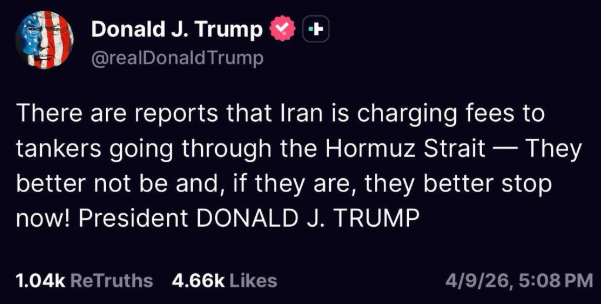 At left see we what it’s like when a formerly great country is being led be a moron.
Will “they better stop now!” lay this issue, the precursor to World War III, to rest?
https://www.2greenenergy.com/2026/04/10/there-are-costs-for-a-world-superpower-to-be-led-by-a-spoiled-child/
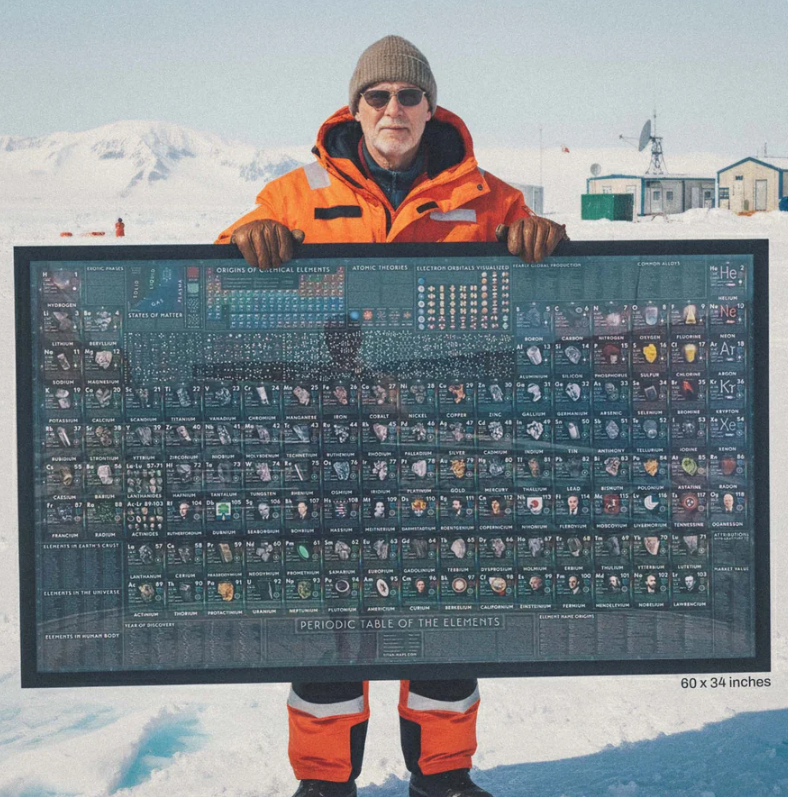
 In their ad, the folks offering “The Most Complete Periodic Table Ever” claim that, if your kid is struggling with chemistry, she can improve with this product, which is essentially tons of useless information.
Who discovered molybdenum? In what year? What is its market value?
We are a society in which our facility with science is now in free-fall. If you think that blunting whatever may remain of your child’s natural curiosity with crap like this a good idea, here’s where to shop.
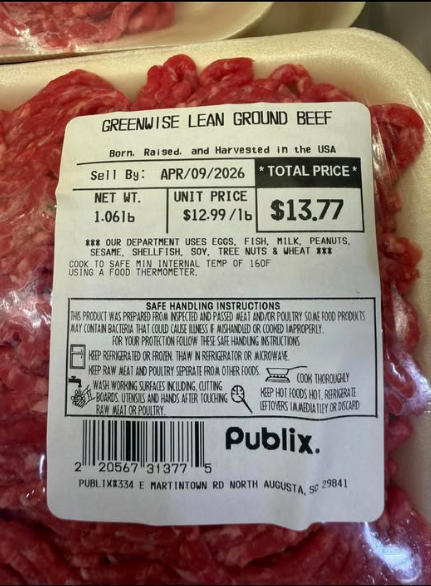 Poor and working-class Americans are struggling with the current economy.
The MAGA base must be going insane. Trump’s telling them that the economy is great while they’re paying $6/gallon of gas and $12.99 for a pound of hamburger.



-
Climate Change8 months ago
Guest post: Why China is still building new coal – and when it might stop
-
Greenhouse Gases8 months ago
Guest post: Why China is still building new coal – and when it might stop
-

 Greenhouse Gases2 years ago
嘉宾来稿:满足中国增长的用电需求 光伏加储能“比新建煤电更实惠”
-
Climate Change2 years ago
Bill Discounting Climate Change in Florida’s Energy Policy Awaits DeSantis’ Approval
-

 Climate Change2 years ago
嘉宾来稿:满足中国增长的用电需求 光伏加储能“比新建煤电更实惠”
-
Climate Change Videos2 years ago
The toxic gas flares fuelling Nigeria’s climate change – BBC News
-

 Renewable Energy6 months ago
Sending Progressive Philanthropist George Soros to Prison?
-

 Carbon Footprint2 years ago
US SEC’s Climate Disclosure Rules Spur Renewed Interest in Carbon Credits