

Last Updated on August 19, 2025
Reusing your items is one of the best things you can do for the environment. As well as simply using what you have!
Before buying new, I’ll borrow from a loved one first. If that doesn’t work, getting it secondhand is second best. And, as a last resort, I’ll buy it new – but support small businesses where applicable.
Some of the links in this post are affiliate links; for more information please see my disclosure policy.
There’s already so many items on this planet – and our resources aren’t infinite. Did you know every single piece of plastic ever made still exists today? Considering most items are made from plastic nowadays, we should make the effort to buy less and choose well.
If you’re looking for a list of items that you can reuse over and over again, here’s what I love to use.
This post is divided into sections to make it easier to navigate, so feel free to jump around where you need to. I also tried to link to small businesses whenever possible in place of Amazon.
kitchen
The kitchen is one of the most wasteful rooms of the home. And I spend a good chunk of time in it whipping up scrappy recipes (check them out in my new book, 101 Tips For a Zero Waste Kitchen)!
1. reusable water bottle
Almost everyone has a reusable water bottle nowadays, which is great! But I’ve noticed that sometimes people feel pressured to buy these to be trendy (ahem, Stanley cups anyone?).
Now those very Stanley cups are littering thrift stores. My best advice? Stick to what you have.
And if you are in need of a new reusable water bottle, I’ve had my Klean Kanteen for 6 years and couldn’t be happier with it!
2. tumbler
If you love hitting up cafes for tea or coffee, consider bringing a reusable tumbler with you! I’ve even been known to bring a coffee mug from home in the past if I plan to stay for a bit.
Of course, double check the cafe doesn’t offer their own mugs if you order it to stay. Many small, local cafes will!
3. french press
I cannot say enough about my French press – yes, it can make coffee. But it also can make loose leaf tea! And we love a versatile, reusable product that eliminates the need for single-use K-cups or plastic tea bags.
4. stasher bags
To replace plastic ziplock bags, I recommend silicone bags that seal shut. Stasher bags are a good option to consider. You can use them in the microwave, freezer, or even the oven.
5. metal lunch box
A metal lunch box totally beats wrapping a sandwich in plastic wrap or aluminum foil. They even have tiered ones which are great when you want to pack more than one thing but don’t want the foods touching. You can wash and reuse it for years to come.
6. snapware
Glass snapware is perfect for storing leftovers, cut produce, and transporting homemade goodies! You don’t have to worry about plastic leaching into your food either. And it can be frozen too, if need be.
7. silicone baking mat
I love lining my pans with a silicone baking mat – I use it in place of parchment paper or tin foil and it works like a charm. Just clean and repeat! Use some baking soda and a wooden scrubber to get off burnt-on grime.
8. silicone covers
Silicone bowl covers work great at covering bowls with leftovers instead of using plastic wrap. I don’t prefer beeswax wraps (though that is another option).
9. long handled wood dish brush
Instead of a sponge, which can get grody very fast, consider switching to a long handle wooden dish brush! Not only will it make cleaning easier, it helps reduce plastic waste.
And, you only have to change out the top part of it periodically – which can be composted. I like to use it in tandem with a dish soap block, but refillable liquid soap is a great option too.
10. rechargeable candle lighter
Instead of single-use matches, try switching to a reusable candle lighter. You can recharge it, so it can be reused indefinitely! Saves you money in the long run. Pair it with some sustainable, non-toxic candles!
11. cloth napkins
I’m never purchasing single-use napkins again. Reusable cloth napkins save SO much money, and when you’re done, just chuck them in the washing machine! There are so many cute ones you can invest in with a multitude of patterns to fit any vibe.

cleaning
There’s a lot of waste that comes with cleaning (paper towels, wipes, harsh chemicals etc.). But there doesn’t have to be!
12. reusable cloth towels
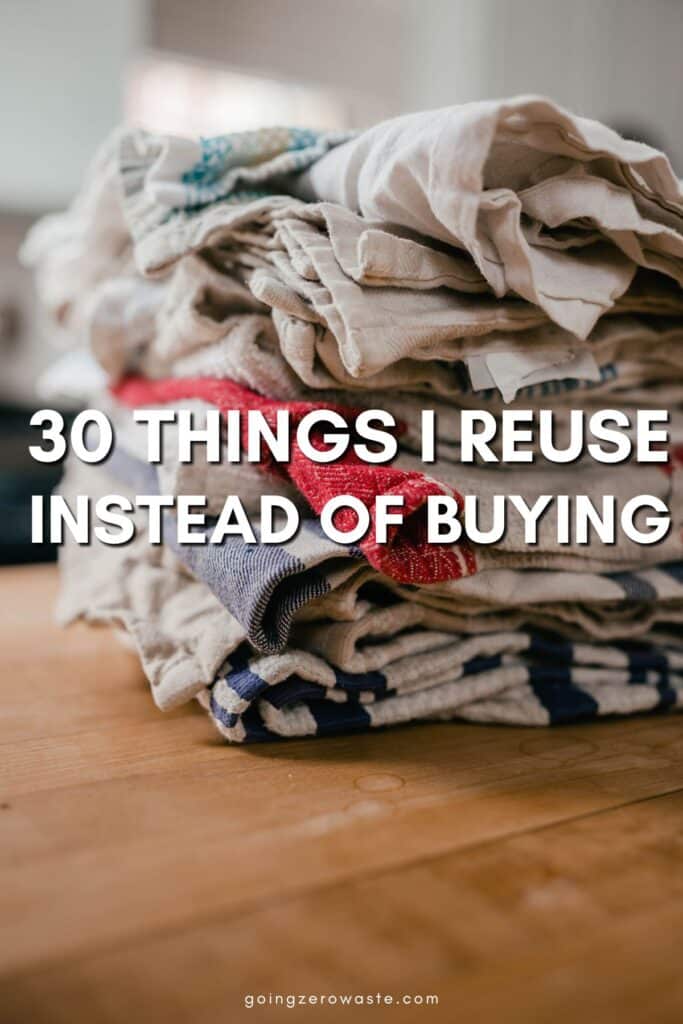
Instead of paper towels, try using reusable cloth towels to clean messes. This can be rags (from old t-shirts or sheets) or microfiber cloths.
Just chuck them into the laundry bin when you’re done. And yes – you can use these to clean toilets too! Make sure to keep a color coded system going.
13. swedish dish cloths
Swedish dish cloths are great for cleaning countertops – and they’re reusable for a long time. Think of them like a reusable paper towel. Just add water, some soap, and you can use them to clean surfaces. Or soak up spills.
They can even be washed (just air dry them). When they reach the end of their life, just cut them up and add them to your compost!
14. reusable swiffer pads
If you still have a swiffer pad, don’t toss it. Just get reusable swiffer pads! When yours starts to look grimy, toss it in the wash. No waste needed! If you’re good at sewing, you can probably even make your own.
15. washable duster
I have a plastic-free feather duster I purchased secondhand made from ostrich feathers and a wooden handle. It gets the job done and I don’t need to waste any disposable wipes or paper towels.
16. refillable cleaning products
Instead of buying a new bottle of cleaner every month, why not reuse the same container and just refill it? Many sustainable cleaning companies offer refills that reduce so much plastic waste.
Blueland is a good example of this – nab their spray bottles once, then refill it using their condensed, water-activated refills. Here are some more sustainable cleaning options. And I also love DIY cleaning products too – as long as it’s not laundry detergent!
bathroom and personal care
The bathroom is an area where a lot of waste gets generated. It’s probably the second most wasteful room in the home after the kitchen.
Makeup, skincare, and haircare products can also be extremely wasteful. Especially if you like to keep up with trends, or get those ‘restock’ videos on your feed.
FYI – those videos aren’t normal and are usually beauty influencers who receive tons of PR (no average person could go through THAT much product, even in one year’s time).
17. reusable cotton rounds
Instead of disposable cotton rounds, I made my own reusable cotton rounds from scrap fabric! I had a flannel shirt that shrunk and didn’t want to toss it – so I upcycled it instead. I can reuse these cotton rounds over and over, which I love. I use them to remove makeup or apply toner to my skin.
18. bidet attachment
I don’t use toilet paper wrapped in plastic (I’ve switched to Who Gives a Crap), but I barely even need TP because of my bidet! It’s easy to install a bidet on your toilet (yes, they even have ones for renters).
Tushy is one option, but there are many bidet brands out there worth checking out. Bidets can be used to clean more than just number two – they’re great for post-sex and workouts, and that time of the month (ladies, just lean forward a little bit). They’ll keep you clean in so many ways!
19. refillable soap
Instead of using hand soap you dispose of after it empties, consider switching to a container you can refill. Head to a local refillery (if you have one), or buy from a brand that offers refillable hand soap options.
The same applies to shampoo, conditioner, and body wash soap too! There are several brands that make refillable products you can use in the bathroom. Plaine Products, Public Goods, and Blueland are just a few options to consider. You can also use bar soap.
20. handkerchiefs
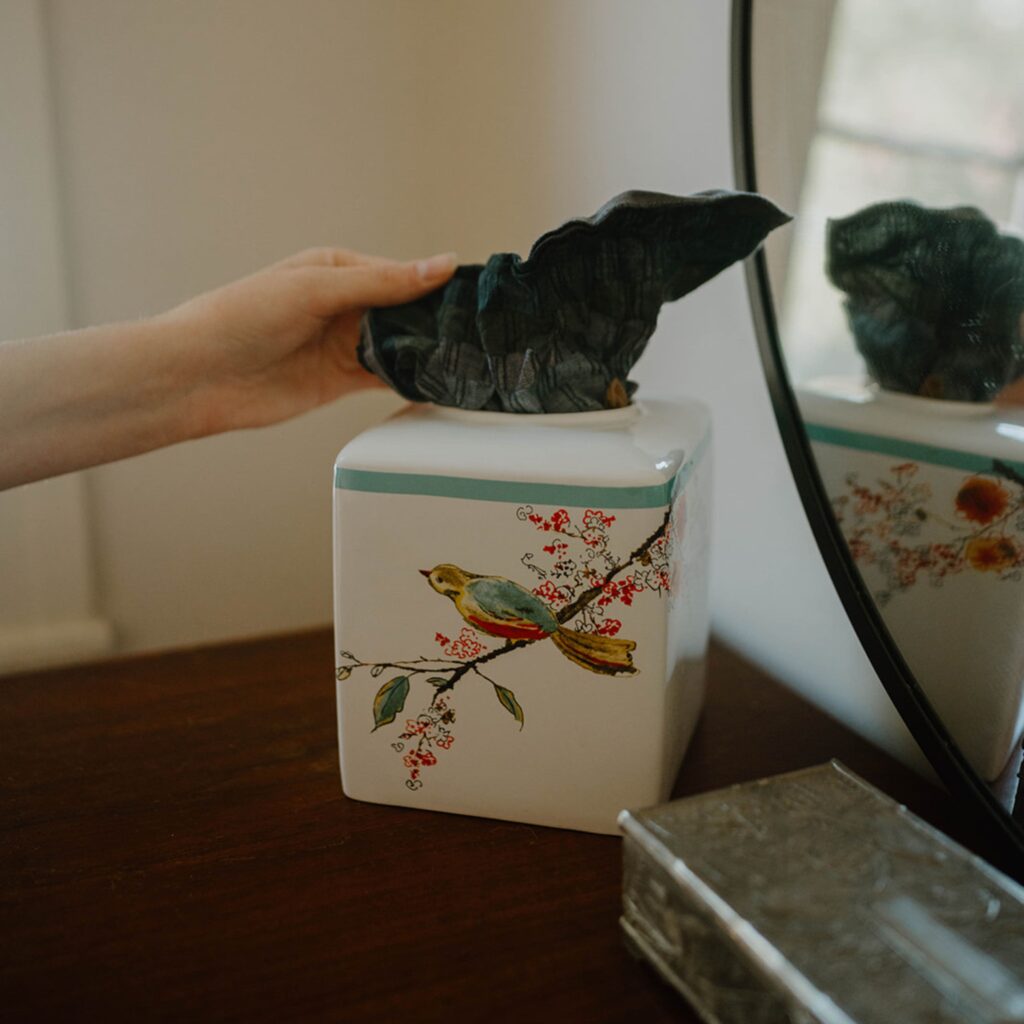
I’ve stopped using tissues and switched over to handkerchiefs instead, which can be washed after use. I fold them in an accordion pattern so when you pull one, it’ll automatically pull the next one out.
I store them in an old porcelain cover box. Many of them are from my grandmother and great grandmother, which is a lovely way of keeping them with me.
21. reusable period products
In the U.S. alone, around 12 billion pads and 7 billion tampons are thrown out every year. Switching to reusable period underwear is a great way to reduce period waste.
I co-founded a period underwear company (Kayaness) with my best friend, Shelby, so I’m a little biased!
But period underwear are wonderful for those irritated by period pads and tampons and want to feel like they’re wearing nothing. Use the discount code kay10 for $10 off your first order!
But reusable pads and menstrual cups are also options for those who prefer extra coverage. Menstrual cups may take some trial and error to find the right fit – but once you do, it will keep for hours!
22. safety razor
Disposable razors don’t work well and rack up in cash. But when you buy a safety razor, it’s not something you’ll have to replace for years (if ever).
All you’ll need to do is replace the razor blades – but those can be recycled. And honestly, I bought a pack of refills back in 2017 that I’m still using – it will probably last me for several more years, seeing as they don’t have to be replaced frequently.
23. glass nail file
Most nail files are flimsy and break after a few uses. However, I absolutely love my reusable glass nail file because I can just wash it clean when I’m done and reuse it without worrying it will break!
24. refillable makeup products
There are so many amazing eco makeup brands making a conscious effort to package their products thoughtfully. I am a huge fan of Kjaer Weis and Zao because they are refillable and made using natural ingredients.

parties and events
Parties can create a large amount of waste, from the food to the decor. But with a little planning, you can prevent this (and still have fun!).
25. reusable plates and cups
Having a stash of plates you keep just for parties is a great idea. Hitting up a thrift shop will deliver affordable results. At the end of the night, ask your friends for help to load up the dishwasher!
For drinks, obviously you can just use glass cups if it’s a dinner party. But if you know guests will be wandering around and may be drinking alcohol, investing in stainless steel pint cups might be for the best. Another option is asking friends to bring their own reusable tumblers!
26. reusable silicone baking cups
If you’re planning on baking for a gathering, especially muffins or cupcakes, consider investing in reusable silicone baking cups! They will save you money, plus you can just wash them for next time (they’re freezer and dishwasher safe too – a plus!).
27. fabric gift wrap
I love wrapping gifts with furoshiki wrap (aka cloth/fabric). You can thrift pretty scarves, sheets and handkerchiefs you use as wraps but make a second gift!
But you can also upcycle gift bags and tissue paper, reusing them over and over again. Reusing packaging paper to wrap your gifts is also charming (keep it plastic-free by tying it together using twine).

office and stationary
28. refillable fountain pen
If you work an office job, you probably go through a lot of pens. But switching to a refillable fountain pen will save you money in the long run! I draw the ink from an ink well.
And if you’re worried you might lose it – when you know an item is valuable, you’re going to treat it a lot better. Plus there are lots of carrying cases you can nab for it on the go.
29. wooden highlighters
Are you constantly highlighting things in college textbooks or in books? Consider switching to wooden highlighters. They don’t bleed through the paper and are completely plastic-free. And yes, reusable, to the last point! They won’t dry out on you either.
30. rechargeable batteries
Switching to rechargeable batteries is such a great way to reduce e-waste, but also saves money in the long run. You won’t constantly be tossing out batteries and can just put them on a charging dock when their juice runs low.
What do you think of these reusable products? Which is your favorite, or what would you add to this list? Let me know in the comments!
The post 30 Things I Reuse Instead of Buying New appeared first on Going Zero Waste.

When the temperatures go up, all I want to reach for is natural fibers — specifically, my linen clothing. There’s nothing quite as breathable or breezy as linen. So in this guide I break down what to know about this quintessential summer fiber, and share my top selections for linen clothing brands. They’re all small to mid-sized brands, mostly women-led!
Some Background on Linen
Where does linen come from?
Linen fiber is extracted from the stalks of flax plants. This plant is also known for providing us with nutritious flaxseeds and linseed oil — talk about an overachiever!
In fact, linen is one of the oldest fibers known to man, dating back to the prehistoric era. Archaeologists and paleobiologists have discovered flax fibers during excavations that were twisted, indicating they were used to make ropes or strings among many proposed applications that must have been a great advantage to the hunter-gatherer society. In fact, linen wrappings were even used for mummification in ancient Egypt.
Linen fabric is then created by obtaining its fibers from the inner bark (or stalks) of the flax plant.
How is the linen cloth made?
Before the fibers are spun into the breezy linen you know and love, its fibers are loosened and separated from the rest of the stalk through a process known as “retting”. At that point, the fibers are still straw-like and coarse in texture.
To soften it, the fibers are broken up into small, short bits, while the actual fiber is left unharmed, and then “scutched”, where the straw is scraped off the fiber. After which they are then pulled through “hackles”, that comb the straw out of the fiber to finally prepare flax for spinning into linen fabric.
And linen clothing is, of course, garments comprised of linen fiber in its entirety or blended with other fibers. For this guide, I tried to select brands that only used 100% linen or at the minimum blended linen with other natural fibers like cotton.
The Benefits of Linen Clothing
Why wear linen? Known for being ideal during the summers, clothing made from linen will allow heat to escape from the body while absorbing moisture and drying relatively quickly. While linen may have a notorious reputation for wrinkling rather quickly, when blended with other fibers, the creases aren’t as discernible as they would be with pure linens.
While linen may be notorious for its high energy consumption owing to its need to be ironed more, linen clothing’s pros easily outweigh its cons.
Flax plants can be grown in the harshest of climate conditions that require minimum water. What’s more impressive is the plant’s ability to absorb carbon. The European Confederation of Flax and Hemp (CELC) states that one hectare of flax absorbs 3.7 tons of CO2 every year.
Is Linen More Sustainable Than Cotton?
While there are benefits and drawbacks to every fiber when it comes to environmental sustainability, there are a few points where linen stands out when compared to cotton.
First, we know that durability is a key aspect of sustainability, because it means our clothes will last, enabling us to keep our clothes longer and buy new clothing less frequently.
So how long does linen clothing last in comparison to cotton? Linen clothing is up to 12 times stronger than cotton, helping increase its longevity and taking away the need to be replaced so often.
Another question might be about flax’s water usage. While the irrigation needs of the crop are dependent on the region’s climate (just as with cotton), 450–750 mm of water per season is sufficient for flaxseed. In fact, some studies even indicate that flax could be regarded as a drought-tolerant crop.
How to Care for Linen Clothing
When it comes to caring for linen clothing, linen can be washed on a gentle machine cycle with a mild detergent. (Check out these low waste low-impact detergent options.)
In case you’re curious whether linen stretches or shrinks, then there isn’t much to worry about. Linen is mostly pre-shrunk during the manufacturing stages but pure linens may show about 4% shrinkage.
And when it comes to stretch, linens aren’t known to stretch out over time but can show some level of elasticity when blended with other fibers.
Finally, it’s no secret that linen clothing tends to wrinkle easily! You may choose to embrace the natural characteristics of linen and wear your linen clothing as is, or if you want a crisper look, you may either want to look for a linen blended fabric, or be prepared to steam and/or iron your garments relatively frequently.
Note: This guide includes partners and/or affiliates. As always, brands must meet high standards for sustainability and ethics — and I only share brands that I believe in.
How to Find Sustainable Linen Clothing
So of course, I’m a big advocate for “secondhand first” when it comes to all fashion, including linen clothing. While your local thrift store might not be filled with 100% linen clothes, online secondhand shops can be a great resource. For luxury and premium brands, Vestiaire Collective and The RealReal. For more affordable options, my favorite pick is ThredUp because you can filter by natural fibers only. To be clear: the listings aren’t always accurate, so I still double check the descriptions of any product that shows up with that filter, but it does save some time to start there.
When looking for new linen clothing, I always prioritize small to mid-size women-led businesses. And I check the product details to see if they use 100% linen or if they’re deceptively saying “linen blend” and then it’s actually 50% polyester!
And while not perfect you can also look for certifications. These are the ones most relevant to linen clothing and linen fashion brands.
OEKO-TEX Standard 100 certifies that the finished textile product has been tested for harmful substances (heavy metals, formaldehyde, pesticide residue). This is a chemical-safety certification, not a guarantee of fair labor or environmental practices. So it tells you the linen has been tested for potentially toxic chemicals, but it doesn’t tell you who made it or how. Note that some brands just say “OEKO-TEX certified” — that virtually always refers to OEKO-TEX Standard 100, the most common certification from OEKO-TEX.
GOTS (Global Organic Textile Standard) certifies that a textile contains a minimum percentage of certified organic fiber and meets environmental and social criteria through processing. It’s the standard for verifying a fabric is genuinely “organic,” not just marketed that way.
B Corp certifies the company as a whole against social and environmental performance standards (labor, governance, environmental impact). This is a business-level cert, not a product-level one, so it doesn’t speak to any single garment’s materials.
Fair Trade Certified verifies that the specific factory/facility producing the item meets standards for labor conditions, wages, and worker safety, and that a Community Development Premium is paid to workers. It’s a labor and production-facility certification. It doesn’t certify the fabric’s environmental footprint or chemical content (that’s what OEKO-TEX covers), so a garment can carry both certifications and they’re speaking to different things.
Where to Find Eco-Friendly Linen Clothing
I scoured through dozens of brands to find my top picks for brands with sustainably-crafted linen clothing for women (some have men’s clothing too). I’ve included their conscious qualities, what they’re best for, and any caveats so you can make the best decision for yourself. Keep in mind while shopping that 100% linen garments won’t have any stretch — so if you run between sizes, I’d default to sizing up. But of course, check the size chart and reviews for each brand!
1. Linen Handmade Studio
Best for: tailored, elevated linen clothing
A lot of linen clothing can feel quite casual. And while Linen Handmade studio does have relaxed-fit options, what differentiates the brand in my opinion is their tailored options. I often hear from conscious readers that they want to wear natural fibers to work, but they can’t find something nice enough. Enter in: Linen Handmade Studio’s tailored pieces.
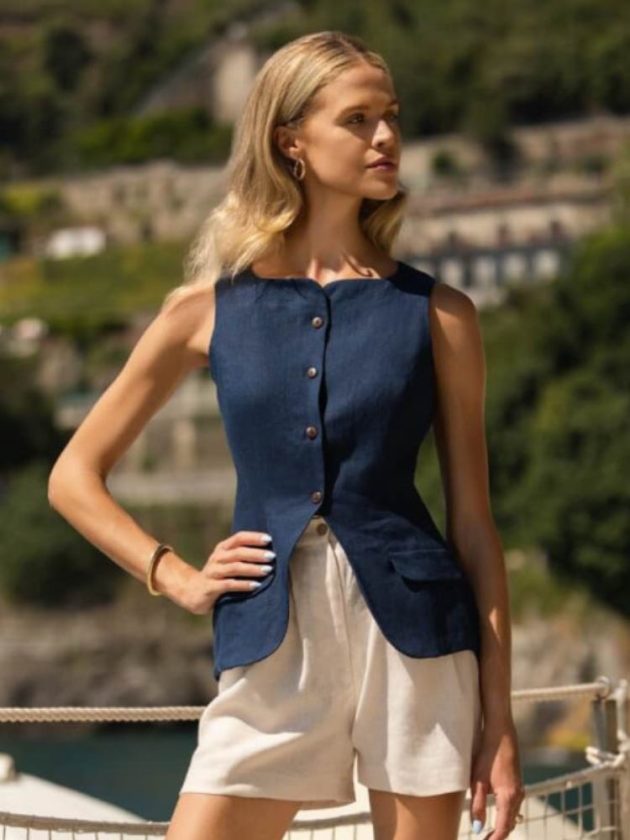
The brand has linen blazers and jackets, linen vests, and linen pants elevated enough for work or an evening out. (They even have bridesmaid dresses.) I’ve been wearing their Evelyn Longline Linen Vest in red clay on repeat and gotten so many compliments on it.
Price Range: $68 – $305
Size Range: US 2-18 (runs slightly small, I’d size up!)
Based in: Lithuania | Ships: Internationally; free U.S. shipping on orders $300+
2. MATE
Best for: casual GOTS-certified organic linen clothing
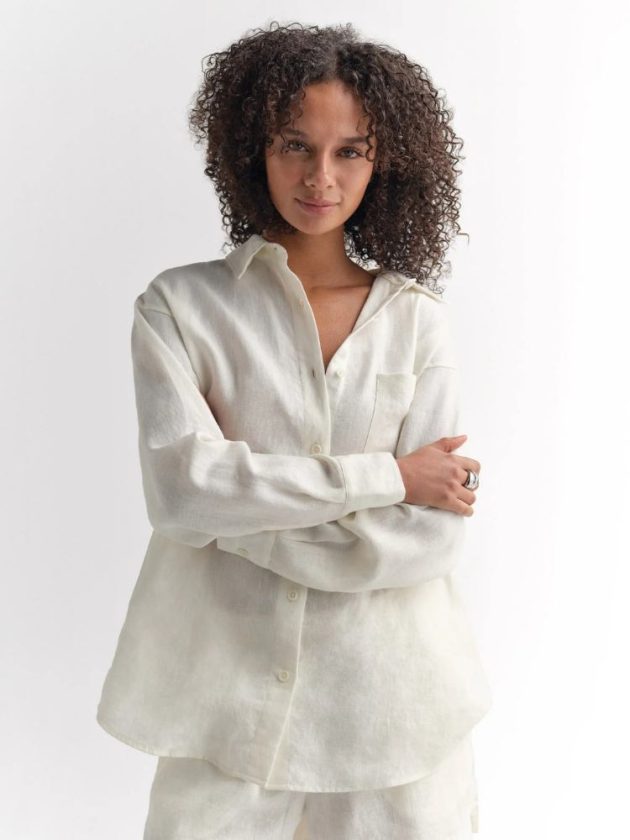
Prioritizing natural non-toxic materials, MATE has a collection of effortless linen shorts, button-downs, and pants made from GOTS-certified organic linen and colored with low-impact dyes.
That means that the color options at MATE are a bit more limited than you might see at other brands. They carry white, black, and “dune” — a soft beige.
I have their organic linen button-down in white and it’s been a reliable staple for me the past two years that’s held up beautifully.
Price Range: $88 – $178
Size Range: XS – XL
Based in: U.S. | Ships: Internationally
3. Linen Fox
Best for: romantic pastoral clothing in trend-forward colors and prints
Linen Fox is a Lithuanian small independent fashion brand — their team of 16 people make all of their linen clothing — including womenswear, menswear, and kids clothes.
The brand’s garments are made from OEKO-TEX Standard 100 certified linen fabric. The label follows fair trade principles to production and reduces fabric waste by selling their fabric scraps as samples, and crafting accessories like scrunchies. They also ship in 98% plastic-free packaging.
Price Range: $74 – $187
Size Range: XS – XL (several products fit oversized; check each description!)
Based in: Lithuania | Ships: Internationally
4. Magic Linen
Best for: linen separates plus matching home linens
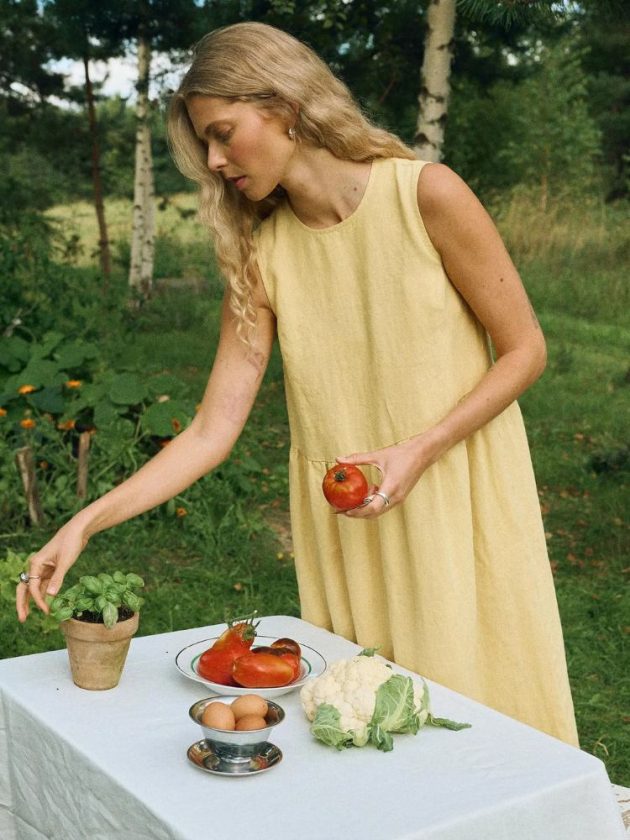
From classic linen shirts to linen aprons and linen pajamas, Magic Linen is your destination for finding summer-ready sustainable linen clothing for men or women.
The small business’ linen clothing is made with European flax linen certified by OEKO-TEX Standard 100.
The Etsy shop also has plenty of linen home goods — I have linen curtains and bedsheets from Magic Linen and the quality of the fabric has been fantastic, with the sheets holding up well even after years of washing.
Price Range: $93 – $298
Size Range: XS – XXL
Based in: Lithuania | Ships: Internationally
5. Beaumont Organic
Best for: European-made linen clothing with full factory transparency
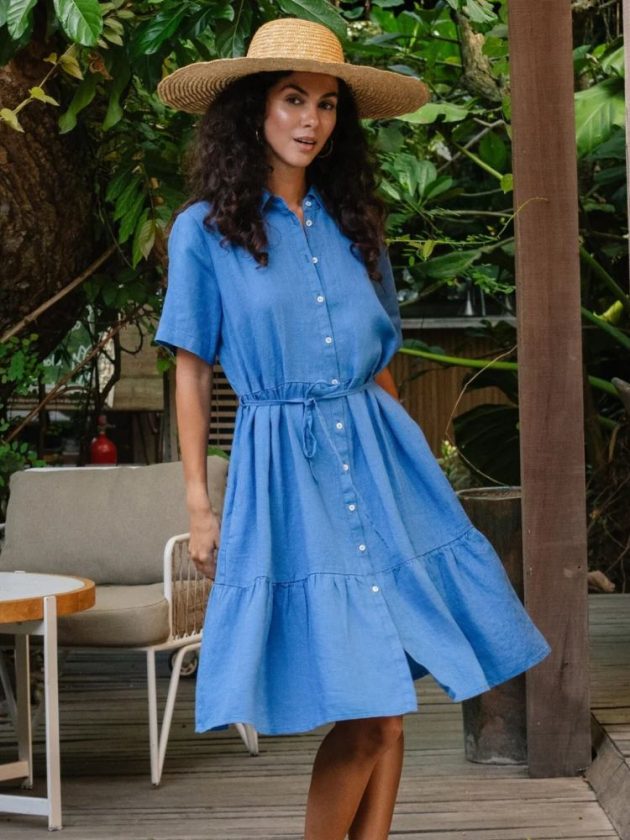
Looking for breathable garments perfect for your summer getaway to the English countryside or sea? Look no further than Beaumont Organic.
Beaumont Organic is a UK slow fashion brand with garments made from natural fabrics, like flax linen clothing! The brand publishes a directory of the factories they source from — 97% of production takes place in Northern Portugal.
They also have a repair program and are launching a resale program (currently available within the UK only).
Price Range: $211 – $300
Size Range: XS – L
Based in: UK | Ships: Internationally
6. LoveAndConfuse
Best for: feminine style linen clothing
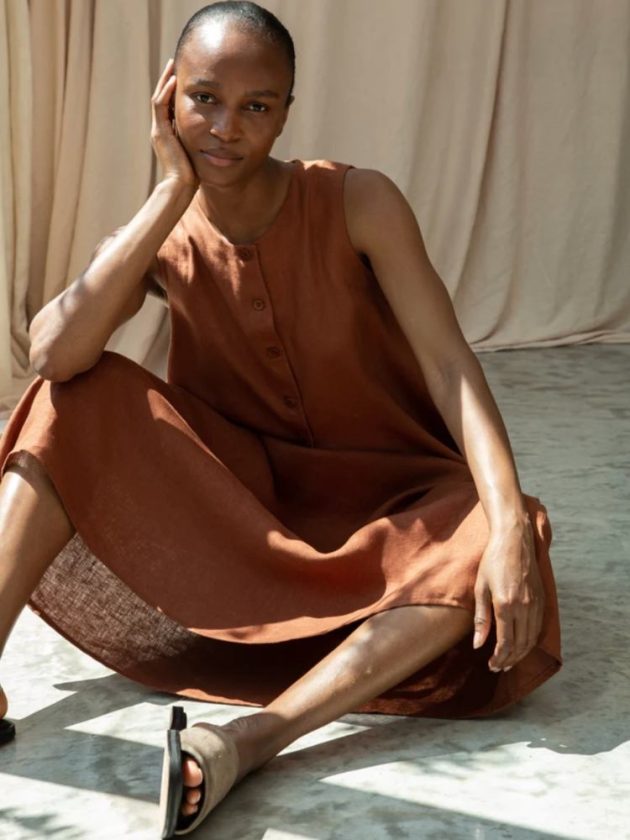
The linen clothing from this lovely small Lithuanian brand on Etsy are truly swoon-worthy!
From wrap dresses to ruffled midi’s to high-waisted linen shorts and linen crop tops, their collection of linen fashion will have you dreaming of a slow travel escape to somewhere warm and sunny.
Price Range: $116 – $225
Size Range: XS – XL
Based in: Lithuania | Ships: Internationally
7. Neu Nomads
Best for: classic linen garments and resortwear
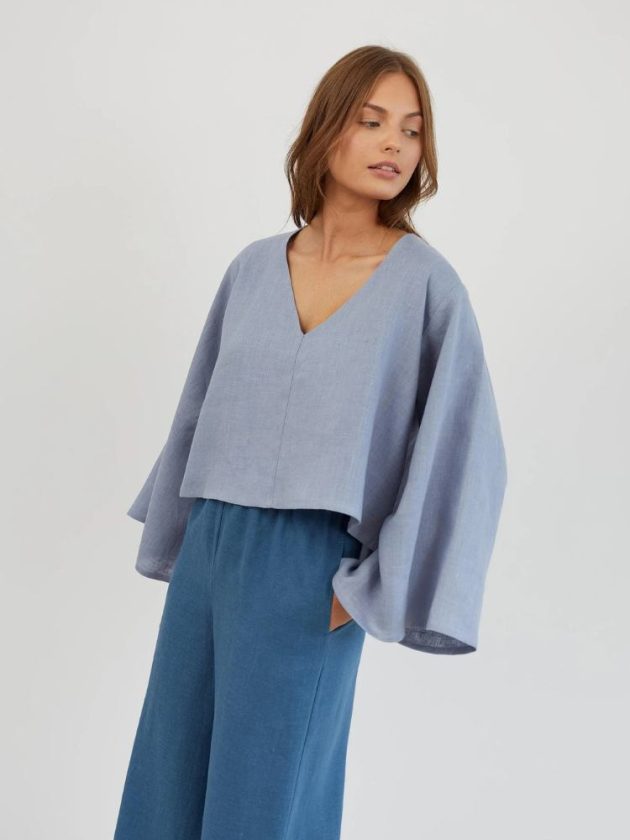
With a mission to create simple, sustainable luxury, Neu Nomads offers quality classics made from earth-minded materials, including 100% OEKO-TEX Standard 100-certified linen.
You’ll find linen trousers, effortless shirts, resort-ready kaftans, and tailored linen blazers in classic colors like white, black, olive, and bright coral.
Price Range: $159 – $359
Size Range: XXS – XXL
Based in: U.S. | Ships: Internationally
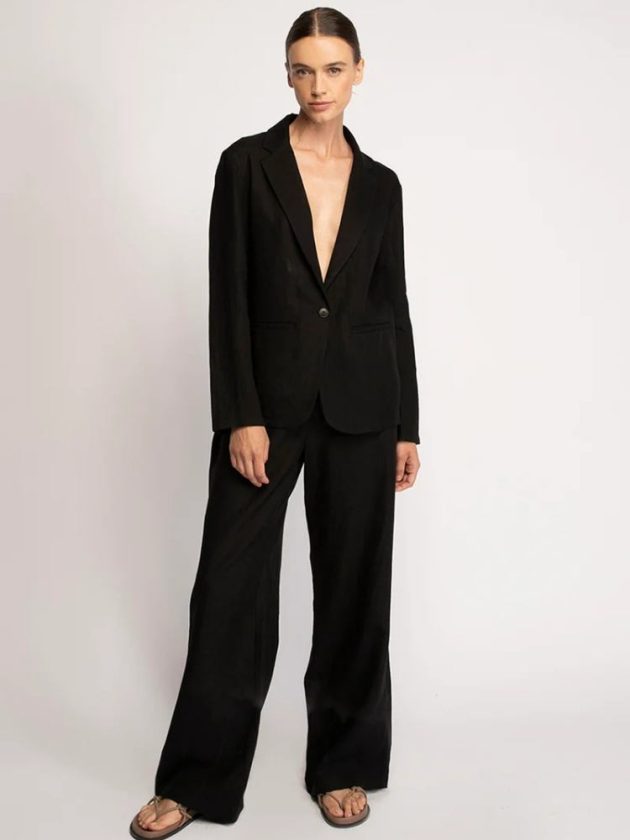
8. EILEEN FISHER
Best for: classic linen clothing with circularity programs
Slow fashion brand EILEEN FISHER has elegant, minimalistic garments made from eco-minded fabrics including organic linen. Several of the pieces are made in Fair Trade Certified factories.
This is the largest company on the list, but still considered a medium-sized enterprise — and, of course, this namesake label is woman-founded.
EILEEN FISHER’s organic linen clothing is timeless and made with quality, as part of their circularity efforts. In addition to ensuring their pieces last, the brand also has a resale program called Renew and a “third life” program that repurposes unwearable garments into unique artwork and other goods.
Price Range: $98 – $268
Size Range: XXS – XL
Based in: U.S. | Ships: Within U.S.
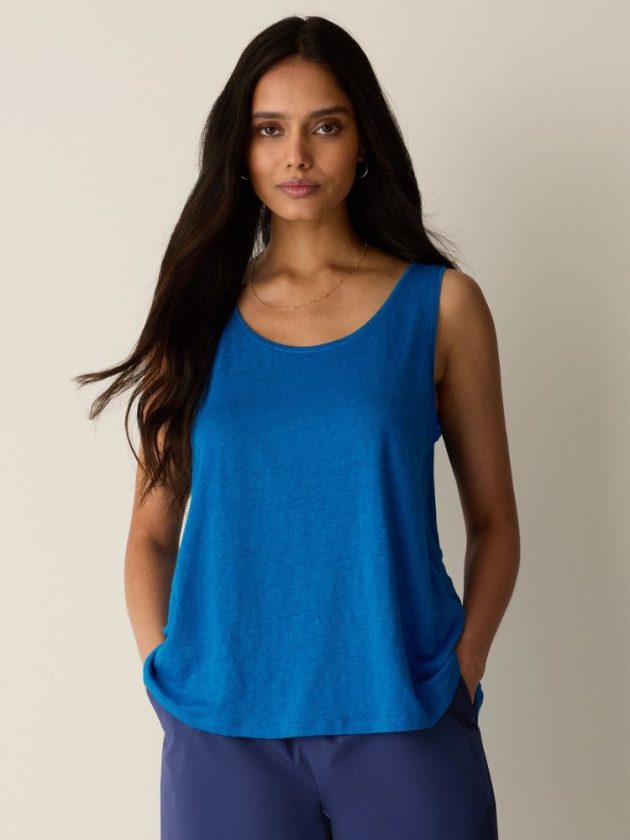
Your Questions, Answered:
What about Quince’s linen clothing?
While Quince offers more affordable linen clothing, in my experience their linen clothing is ok quality, but does not compare with the quality of some of the other brands on this list. Also, I personally want to prioritize women-led small businesses for my guides, not venture-backed billion-dollar companies.
Should I look for organic linen clothing?
While organic linen is wonderful, it is quite rare. Only two brands on this list use certified organic linen. Note that OEKO-TEX Standard 100 linen is not “organic” linen, but rather linen clothing that has been tested against common harmful substances. The most common certification for organic fiber clothing is Global Organic Textile Standard, or GOTS.
Is there any linen clothing that’s work-appropriate?
This one depends on your work place’s dress code, but there are a few options on this list with linen blazers, trousers, and other more tailored pieces like Linen Handmade Studio and Neu Nomads.
More Sustainable Clothing Guides:
The Best Organic Cotton Fashion Brands
Actually Fashionable Hemp Clothing Brands
The post 8 Best Linen Clothing Brands With Easy Breezy, Beautiful Pieces appeared first on Conscious Life & Style.
9 Best Linen Clothing Brands With Easy Breezy, Beautiful Pieces
Breezy, light, and breathable, we take a deep dive into how one of the best summer fabrics fares when it comes to sustainability while discovering these brands that are doing right by linen.
Some Background on Linen
Where does linen come from?
Linen fiber is extracted from the stalks of flax plants. This plant is also known for providing us with nutritious flaxseeds and linseed oil — talk about an overachiever!
In fact, linen is one of the oldest fibers known to man, dating back to the prehistoric era. Archaeologists and paleobiologists have discovered flax fibers during excavations that were twisted, indicating they were used to make ropes or strings among many proposed applications that must have been a great advantage to the hunter-gatherer society. In fact, linen wrappings were even used for mummification in ancient Egypt.
Linen fabric is then created by obtaining its fibers from the inner bark (or stalks) of the flax plant.
How is the linen cloth made?
Before the fibers are spun into the breezy linen you know and love, its fibers are loosened and separated from the rest of the stalk through a process known as “retting”. At that point, the fibers are still straw-like and coarse in texture.
To soften it, the fibers are broken up into small, short bits, while the actual fiber is left unharmed, and then “scutched”, where the straw is scraped off the fiber. After which they are then pulled through “hackles”, that comb the straw out of the fiber to finally prepare flax for spinning into linen fabric.
And linen clothing is, of course, garments comprised of linen fiber in its entirety or blended with other fibers. For this guide, I tried to select brands that only used 100% linen or at the minimum blended linen with other natural fibers like cotton.
The Benefits of Linen Clothing
Why wear linen? Known for being ideal during the summers, clothing made from linen will allow heat to escape from the body while absorbing moisture and drying relatively quickly. While linen may have a notorious reputation for wrinkling rather quickly, when blended with other fibers, the creases aren’t as discernible as they would be with pure linens.
While linen may be notorious for its high energy consumption owing to its need to be ironed more, linen clothing’s pros easily outweigh its cons.
Flax plants can be grown in the harshest of climate conditions that require minimum water. What’s more impressive is the plant’s ability to absorb carbon. The European Confederation of Flax and Hemp (CELC) states that one hectare of flax absorbs 3.7 tons of CO2 every year.
Is Linen More Sustainable Than Cotton?
While there are benefits and drawbacks to every fiber when it comes to environmental sustainability, there are a few points where linen stands out when compared to cotton.
First, we know that durability is a key aspect of sustainability, because it means our clothes will last, enabling us to keep our clothes longer and buy new clothing less frequently.
So how long does linen clothing last in comparison to cotton? Linen clothing is up to 12 times stronger than cotton, helping increase its longevity and taking away the need to be replaced so often.
Another question might be about flax’s water usage. While the irrigation needs of the crop are dependent on the region’s climate (just as with cotton), 450–750 mm of water per season is sufficient for flaxseed. In fact, some studies even indicate that flax could be regarded as a drought-tolerant crop.
How to Care for Linen Clothing
When it comes to caring for linen clothing, linen can be washed on a gentle machine cycle with a mild detergent. (Check out these low waste low-impact detergent options.)
In case you’re curious whether linen stretches or shrinks, then there isn’t much to worry about. Linen is mostly pre-shrunk during the manufacturing stages but pure linens may show about 4% shrinkage.
And when it comes to stretch, linens aren’t known to stretch out over time but can show some level of elasticity when blended with other fibers.
Finally, it’s no secret that linen clothing tends to wrinkle easily! You may choose to embrace the natural characteristics of linen and wear your linen clothing as is, or if you want a crisper look, you may either want to look for a linen blended fabric, or be prepared to steam and/or iron your garments relatively frequently.
Note: This guide includes partners and/or affiliates. As always, brands must meet high standards for sustainability and ethics — and I only share brands that I believe in.
How to Find Sustainable Linen Clothing
So of course, I’m a big advocate for “secondhand first” when it comes to all fashion, including linen clothing. While your local thrift store might not be filled with 100% linen clothes, online secondhand shops can be a great resource. For luxury and premium brands, Vestiaire Collective and The RealReal. For more affordable options, my favorite pick is ThredUp because you can filter by natural fibers only. To be clear: the listings aren’t always accurate, so I still double check the descriptions of any product that shows up with that filter, but it does save some time to start there.
When looking for new linen clothing, I always prioritize small to mid-size women-led businesses. And I check the product details to see if they use 100% linen or if they’re deceptively saying “linen blend” and then it’s actually 50% polyester!
And while not perfect you can also look for certifications. These are the ones most relevant to linen clothing and linen fashion brands.
OEKO-TEX Standard 100 certifies that the finished textile product has been tested for harmful substances (heavy metals, formaldehyde, pesticide residue). This is a chemical-safety certification, not a guarantee of fair labor or environmental practices. So it tells you the linen has been tested for potentially toxic chemicals, but it doesn’t tell you who made it or how. Note that some brands just say “OEKO-TEX certified” — that virtually always refers to OEKO-TEX Standard 100, the most common certification from OEKO-TEX.
B Corp certifies the company as a whole against social and environmental performance standards (labor, governance, environmental impact). This is a business-level cert, not a product-level one, so it doesn’t speak to any single garment’s materials.
Fair Trade Certified verifies that the specific factory/facility producing the item meets standards for labor conditions, wages, and worker safety, and that a Community Development Premium is paid to workers. It’s a labor and production-facility certification. It doesn’t certify the fabric’s environmental footprint or chemical content (that’s what OEKO-TEX covers), so a garment can carry both certifications and they’re speaking to different things.
Where to Find Eco-Friendly Linen Clothing
I scoured through dozens of brands to find my top picks for brands with sustainably-crafted linen clothing for women (some have men’s clothing too). I’ve included their conscious qualities, what they’re best for, and any caveats so you can make the best decision for yourself. Keep in mind while shopping that 100% linen garments won’t have any stretch — so if you run between sizes, I’d default to sizing up. But of course, check the size chart and reviews for each brand!
1. Linen Handmade Studio
Best for: tailored, elevated linen clothing
A lot of linen clothing can feel quite casual. And while Linen Handmade studio does have relaxed-fit options, what differentiates the brand in my opinion is their tailored options. I often hear from conscious readers that they want to wear natural fibers to work, but they can’t find something nice enough. Enter in: Linen Handmade Studio’s tailored pieces.
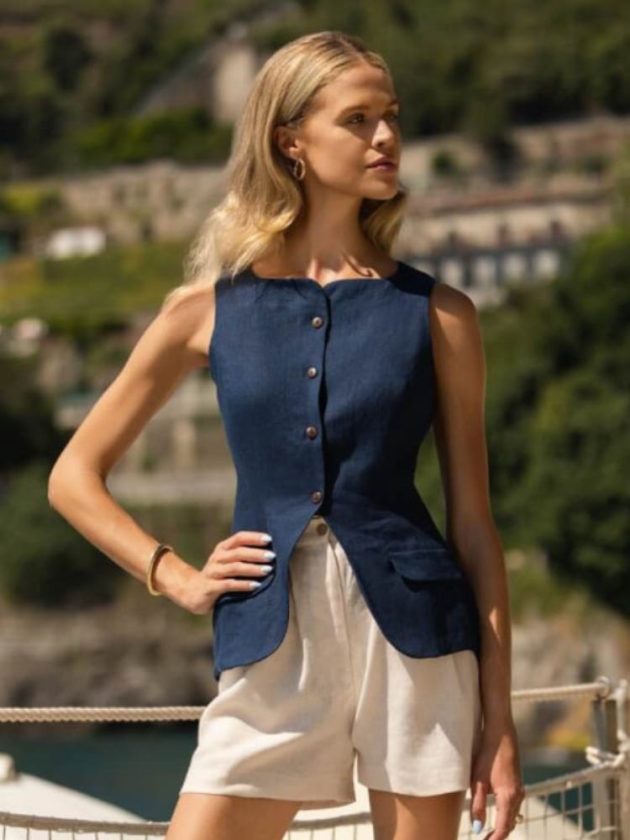
The brand has linen blazers and jackets, linen vests, and linen pants elevated enough for work or an evening out. (They even have bridesmaid dresses.) I’ve been wearing their Evelyn Longline Linen Vest in red clay on repeat and gotten so many compliments on it.
Price Range: $68 – $305
Size Range: US 2-18 (runs slightly small, I’d size up!)
Based in: Lithuania | Ships: Internationally; free U.S. shipping on orders $300+
2. MATE
Best for: casual GOTS-certified organic linen clothing
Prioritizing natural non-toxic materials, MATE has a collection of effortless linen shorts, button-downs, and pants made from GOTS-certified organic linen and colored with low-impact dyes.
That means that the color options at MATE are a bit more limited than you might see at other brands. They carry white, black, and “dune” — a soft beige.
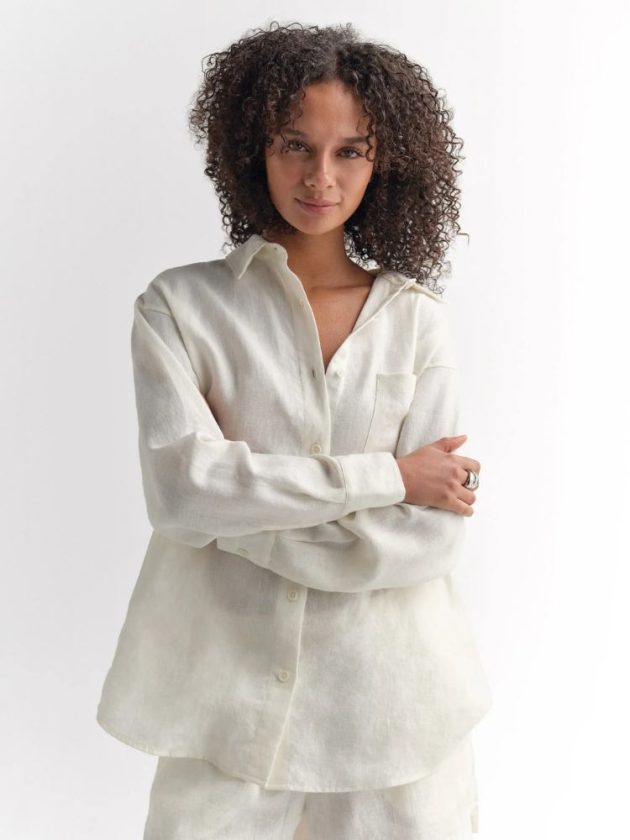
I have their organic linen button-down in white and it’s been a reliable staple for me the past two years that’s held up beautifully.
Price Range: $88 – $178
Size Range: XS – XL
Based in: U.S. | Ships: Internationally
3. Linen Fox
Best for: romantic pastoral clothing in trend-forward colors and prints
Linen Fox is a Lithuanian small independent fashion brand — their team of 16 people make all of their linen clothing — including womenswear, menswear, and kids clothes.
The brand’s garments are made from OEKO-TEX Standard 100 certified linen fabric. The label follows fair trade principles to production and reduces fabric waste by selling their fabric scraps as samples, and crafting accessories like scrunchies. They also ship in 98% plastic-free packaging.
Price Range: $74 – $187
Size Range: XS – XL (several products fit oversized; check each description!)
Based in: Lithuania | Ships: Internationally
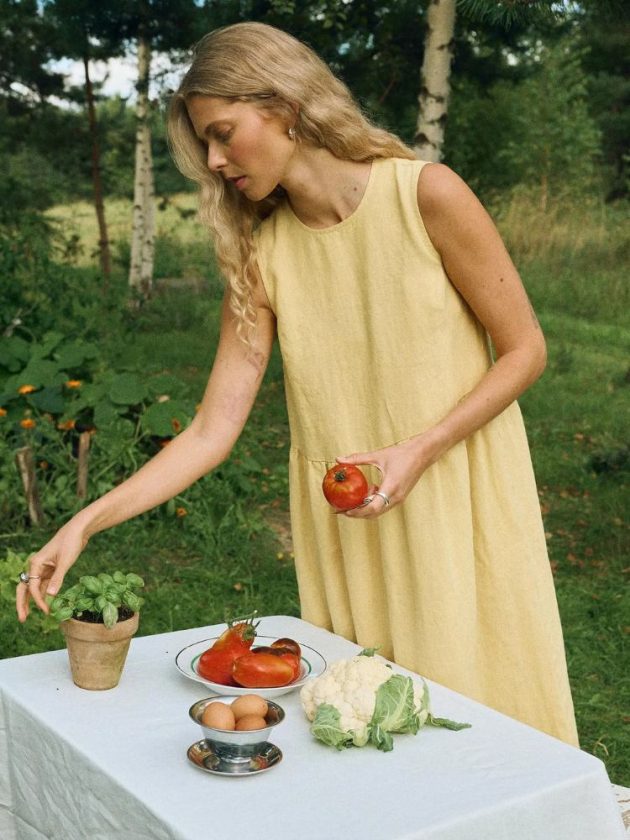
4. OhSevenDays
Best for: deadstock linen with custom sizing available
OhSevenDays was founded by Megan Mummery after seeing the vast supply of surplus fabrics (i.e. deadstock) in Istanbul, Turkey.
While originally sourcing their deadstock fabric from middleman sellers, OhSevenDays now sources their surplus fabrics (including linen) directly from OEKO-TEX fabric mills for better transparency.
Price Range: $$
Size Range: XS-XL + custom sizing options
Based in: Turkey | Ships: Internationally
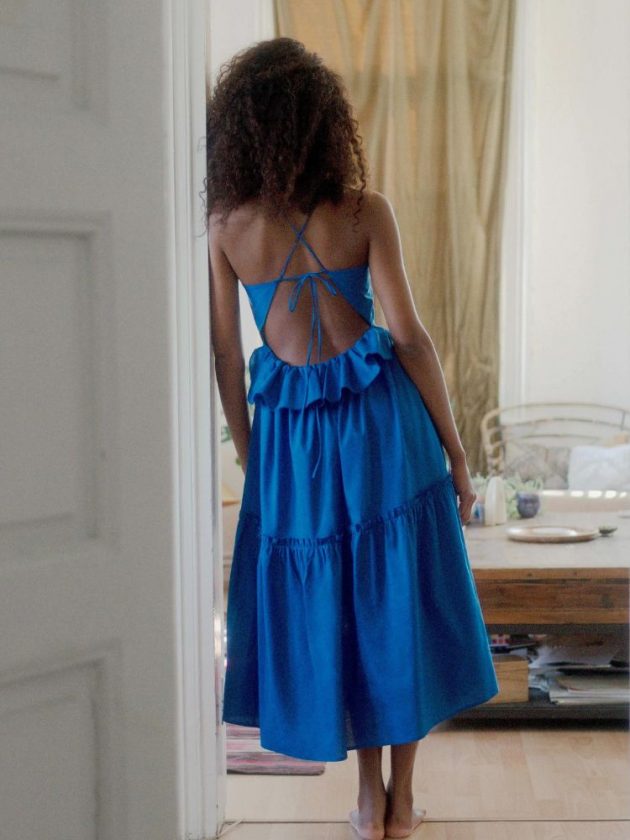
5. Magic Linen
Best for: linen separates plus matching home linens
From classic linen shirts to linen aprons and linen pajamas, Magic Linen is your destination for finding summer-ready sustainable linen clothing for men or women.
The small business’ linen clothing is made with European flax that means the pre-certification guidelines of OEKO-TEX Standard 100.
The Etsy shop also has plenty of linen home goods — I have linen curtains and bedsheets from Magic Linen and the quality of the fabric has been fantastic, with the sheets holding up well even after years of washing.
Price Range: $-$$
Size Range: XS – XXL
Based in: Lithuania | Ships: Internationally

6. Beaumont Organic
Best for: UK-made linen with full factory transparency
Looking for breathable garments perfect for your summer getaway to the English countryside or sea? Look no further than Beaumont Organic.
Beaumont Organic is a UK slow fashion brand with garments made from natural fabrics, like flax linen clothing! The brand publishes a directory of the factories they source from — 97% of production takes place in Northern Portugal.
They also have a repair program and are launching a resale program (currently available within the UK only).
Price Range: ££ – £££
Size Range: XS – L
Based in: UK | Ships: Internationally; covers EU customs & fees

7. LoveAndConfuse
Best for: ultra feminine style linen clothing
The linen clothing from this lovely small Lithuanian brand on Etsy are truly swoon-worthy!
From wrap dresses to ruffled midi’s to high-waisted linen shorts and linen crop tops, their collection of linen fashion will have you dreaming of a slow travel escape to somewhere warm and sunny.
Price Range: $ – $$
Size Range: XS – XL
Based in: Lithuania | Ships: Internationally

8. Neu Nomads
Best for: affordable linen garments
With a mission to create simple, sustainable luxury at affordable prices, Neu Nomads offers quality classics made from earth-minded materials, including organic linen.
You’ll find linen trousers, effortless shirts, chic blouses, summer dresses, and even linen blazers in a range of colors among Neu Nomad’s consciously crafted selection.
Price Range: $ – $$
Size Range: XS – XL
Based in: U.S. | Ships: Internationally

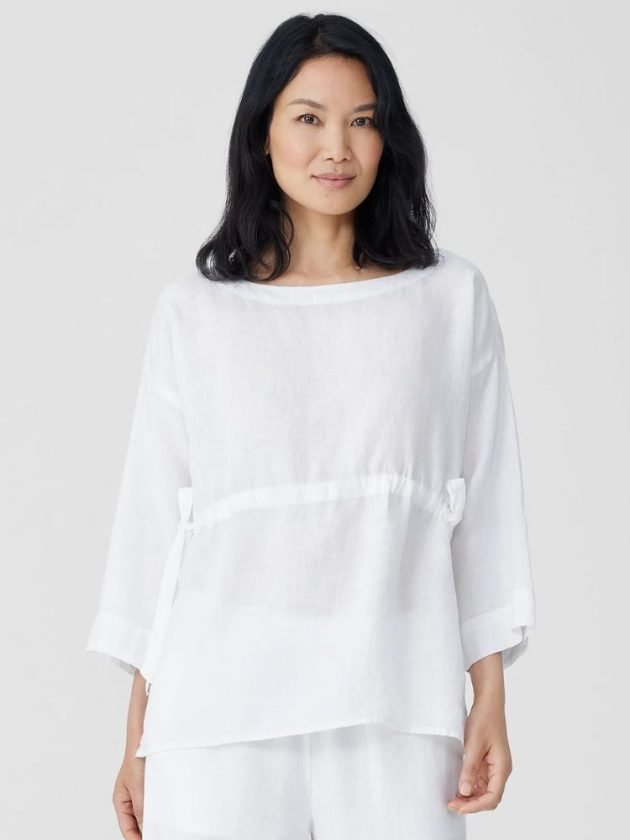
9. EILEEN FISHER
Best for: investment-piece linen with a circularity program
Slow fashion label EILEEN FISHER has elegant, minimalistic garments made from eco-minded fabrics including organic linen.
EILEEN FISHER’s organic linen clothing is timeless and made with quality, as part of their circularity efforts. In addition to ensuring their pieces last, the brand also has a resale program called Renew and a “third life” program called Waste No More that repurposes unwearable garments into unique items.
Price Range: $$$
Size Range: XXS – XL
Based in: U.S. | Ships: Within U.S.
Your Questions, Answered:
What about Quince’s linen clothing?
While Quince offers more affordable linen clothing, in my experience their linen clothing is ok quality, but does not compare with the quality of some of the other brands on this list. Also, I personally want to prioritize women-led small businesses for my guides, not venture-backed billion-dollar companies.
Should I look for organic linen clothing?
While organic linen is wonderful, it is quite rare. Only two brands on this list use certified organic linen. Note that OEKO-TEX Standard 100 linen is not “organic” linen, but rather linen clothing that has been tested against common harmful substances. The most common certification for organic fiber clothing is Global Organic Textile Standard, or GOTS.
More Sustainable Clothing Guides:
The Best Organic Cotton Fashion Brands
Actually Fashionable Hemp Clothing Brands
The post 9 Best Linen Clothing Brands With Easy Breezy, Beautiful Pieces appeared first on Conscious Life & Style.
9 Best Linen Clothing Brands With Easy Breezy, Beautiful Pieces
Today’s Earth911 inspiration is from Pulitzer-prize-winning journalist and science writer, Natalie Angier: “The beauty of the natural world lies in the details.”
Earth911 inspirations. Post them and share your desire to help people think of the planet first, every day. Click the poster to get a larger image.

The post Earth911 Inspiration: The Beauty of the Natural World appeared first on Earth911.
https://earth911.com/inspire/earth911-inspiration-the-beauty-of-the-natural-world/



-
Climate Change1 year ago
Guest post: Why China is still building new coal – and when it might stop
-
Greenhouse Gases1 year ago
Guest post: Why China is still building new coal – and when it might stop
-

 Greenhouse Gases2 years ago
嘉宾来稿:满足中国增长的用电需求 光伏加储能“比新建煤电更实惠”
-

 Climate Change2 years ago
嘉宾来稿:满足中国增长的用电需求 光伏加储能“比新建煤电更实惠”
-
Climate Change2 years ago
Bill Discounting Climate Change in Florida’s Energy Policy Awaits DeSantis’ Approval
-

 Renewable Energy10 months ago
Sending Progressive Philanthropist George Soros to Prison?
-
Greenhouse Gases1 year ago
嘉宾来稿:探究火山喷发如何影响气候预测
-

 Carbon Footprint2 years ago
US SEC’s Climate Disclosure Rules Spur Renewed Interest in Carbon Credits