


What Is ILO Means?
ILO stands for the International Labour Organization. It is a specialized agency of the United Nations that was founded in 1919 with the aim of promoting social justice and promoting decent working conditions worldwide.
The ILO’s mandate is to set and promote international labor standards, develop policies and programs that improve working conditions and promote decent employment opportunities, and support social and economic progress.
The ILO is responsible for the development and promotion of international labor standards, which are non-binding guidelines, conventions, and recommendations that set minimum standards for working conditions, social protection, and labor rights. These standards cover a wide range of issues, including child labor, forced labor, discrimination, freedom of association and collective bargaining, occupational safety and health, and social protection.
The ILO also provides technical assistance and capacity-building support to its member states to help them implement these standards and improve their labor policies and practices. The organization works closely with employers’ and workers’ organizations to promote social dialogue and engage in tripartite consultations, where all parties have an equal voice and participate in decision-making processes.
ILO Profile
The International Labour Organization (ILO) has its headquarters in Geneva, Switzerland. The address of the ILO headquarters is:
International Labour Organization addresse : 4, route des Morillons CH-1211 Geneva 22 Switzerland
The phone number for the ILO headquarters is: +41 22 799 6111
The email address for the ILO headquarters is: ilo@ilo.org
ILO has a “Contact Us” page on its website (www.ilo.org) where you can find contact information for specific offices and departments, as well as a form to submit general inquiries or feedback.
When was the ILO founded and by who
The International Labour Organization (ILO) was founded in 1919.
ILO was created by the Treaty of Versailles, which ended World War I, as one of the principal bodies of the newly established League of Nations. The ILO was founded by representatives from governments, employers’ organizations, and workers’ organizations who recognized the need for an international organization to promote social justice, improve working conditions, and promote decent employment opportunities worldwide.
The idea of creating an international organization focused on labor issues was proposed by the American Federation of Labor and the British Trades Union Congress during the Paris Peace Conference in 1919. The idea was supported by several other countries and was included in the Treaty of Versailles, which established the League of Nations and recognized the importance of improving working conditions and protecting the rights of workers worldwide.
The ILO held its first meeting in October 1919 in Washington D.C., USA, and adopted its first international labor convention on hours of work in industry. Since then, the ILO has continued to develop and promote international labor standards and work towards its mandate of promoting social justice and decent working conditions for all.
Purpose of the establishment of the ILO
The International Labour Organization (ILO) was established with the purpose of promoting social justice and improving working conditions worldwide. The ILO was founded on the belief that social and economic progress can only be achieved if it is based on principles of social justice and respect for the rights of workers.
The main purpose of the ILO is to set and promote international labor standards that protect the rights of workers, improve working conditions, and promote decent employment opportunities. These standards cover a wide range of issues, including child labor, forced labor, discrimination, freedom of association and collective bargaining, occupational safety and health, and social protection.
Another important purpose of the ILO is to provide technical assistance and capacity-building support to its member states to help them implement these standards and improve their labor policies and practices. The organization works closely with employers’ and workers’ organizations to promote social dialogue and engage in tripartite consultations, where all parties have an equal voice and participate in decision-making processes.
Overall, the establishment of the ILO was a response to the social and economic challenges faced by the world in the aftermath of World War I. The founders of the ILO recognized the importance of improving working conditions and protecting the rights of workers as a means of promoting social and economic progress and achieving peace and stability in the world.
ILO Mission and Vission
ILO Mission
The International Labour Organization’s (ILO) vision is to promote social justice and decent work opportunities for all men and women.
The ILO aims to achieve this by promoting rights at work, encouraging decent employment opportunities, enhancing social protection, and strengthening social dialogue to create an inclusive, fair, and equitable society.
The ILO believes that economic growth and social progress are mutually reinforcing and that decent work is an essential component of sustainable development. The organization works towards the goal of ensuring that all workers, regardless of their location or job status, have access to safe and healthy working conditions, a living wage, and the freedom to organize and collectively bargain for better conditions.
Ultimately, the ILO’s vision is to create a world in which all people can enjoy fundamental human rights, including the right to work with dignity and security.
ILO Vision
The International Labour Organization (ILO) visions a world in which all men and women have access to decent work opportunities, social protection, and social justice.
The ILO’s vision is centered on the belief that social progress and economic growth are interdependent and that decent work is a fundamental human right.
The ILO aims to promote social justice through its work, which involves creating policies and programs that protect workers’ rights, promote job creation, and foster inclusive economic growth. The organization’s vision is based on its core values, which include promoting freedom of association and collective bargaining, eliminating forced labor and child labor, and promoting gender equality and non-discrimination in the workplace.
Ultimately, the ILO’s vision is to ensure that all people, regardless of their social or economic status, have access to decent work opportunities, social protection, and the ability to participate fully in the economic and social life of their communities. By promoting these values and working towards this vision, the ILO aims to contribute to a world in which everyone can live and work with dignity and respect.
ILO General Secretariat
The International Labour Organization (ILO) General Secretariat is the administrative and executive body of the ILO. It is responsible for the day-to-day operations of the organization, including the implementation of policies and programs, the management of finances and resources, and the coordination of activities among ILO offices and member states.
The ILO General Secretariat is headed by the Director-General, who is appointed by the organization’s governing body, the International Labour Conference, for a term of five years. The Director-General is responsible for providing leadership and direction to the organization, and for ensuring that its policies and programs are aligned with its mandate of promoting social justice and decent work for all.
To the Director-General, the ILO General Secretariat includes several departments and offices, such as the Employment Policy Department, the Social Protection Department, and the Bureau for Workers’ Activities. These departments and offices are responsible for implementing the various programs and activities of the ILO, and for providing technical assistance and support to member states.
The ILO General Secretariat plays a critical role in advancing the mission of the ILO, working to promote social justice, decent work, and inclusive economic growth around the world
Member of ILO
The International Labour Organization (ILO) has 187 member states, including 186 of the 193 member states of the United Nations (UN) plus the Cook Islands, which is a self-governing territory in free association with New Zealand. The ILO’s membership includes countries from all regions of the world, representing a diverse range of political, social, and economic systems.
The ILO’s membership is made up of governments, employers’ organizations, and workers’ organizations, each of which has an equal voice in the organization’s decision-making processes. The governments of member states are represented by delegations that attend the annual International Labour Conference, which is the ILO’s highest decision-making body. Employers’ organizations and workers’ organizations are also represented at the Conference, where they participate in the discussion and negotiation of international labor standards and policies.
The ILO’s membership includes some of the world’s largest and most influential economies, as well as many smaller, developing countries. Together, the organization’s members work to promote social justice and decent work opportunities for all men and women, and to create a fair and inclusive global economy.
ILOs Implementation of Environmentally Friendly Energy
The International Labour Organization (ILO) recognizes the important role that environmentally friendly energy can play in promoting sustainable development and creating decent work opportunities.
To support the adoption of sustainable energy practices, the ILO has implemented a number of initiatives aimed at promoting the transition to green energy.
One such initiative is the ILO’s Green Jobs Programme, which aims to promote the creation of decent work opportunities in environmentally sustainable sectors. The programme works to identify and support initiatives that can help promote the adoption of sustainable energy practices, such as renewable energy and energy efficiency.
The ILO also works to promote the adoption of environmentally friendly energy practices through its engagement with employers’ and workers’ organizations. Through capacity-building initiatives, the organization aims to help these groups develop the knowledge and skills needed to promote the adoption of sustainable energy practices in their workplaces.
Additionally, the ILO has established partnerships with a range of organizations, including UN agencies, governments, and civil society organizations, to promote the adoption of sustainable energy practices. Through these partnerships, the ILO is able to leverage the expertise and resources of a wide range of stakeholders to promote the adoption of sustainable energy practices and to support the creation of decent work opportunities in the green economy.
ILO recognizes the important role that environmentally friendly energy can play in promoting sustainable development and creating decent work opportunities, and is committed to promoting the adoption of sustainable energy practices through a range of initiatives and partnerships.
Does the ILO implement Environmentally Friendly Energy in their organization
As an organization, the International Labour Organization (ILO) recognizes the importance of reducing its environmental footprint and promoting environmentally friendly energy practices. To this end, the ILO has implemented a number of initiatives aimed at reducing its carbon footprint and promoting sustainable energy practices within the organization.
One of the key initiatives undertaken by the ILO is the implementation of energy efficiency measures in its buildings and facilities. This includes measures such as energy-efficient lighting, improved insulation, and the use of renewable energy sources such as solar and geothermal energy. The organization also encourages the use of public transportation and telecommuting to reduce greenhouse gas emissions associated with commuting.
The ILO has also implemented a green procurement policy, which requires the organization to prioritize the procurement of environmentally sustainable products and services. This includes the procurement of products with reduced packaging, environmentally friendly cleaning products, and energy-efficient office equipment.
ILO promotes environmentally friendly practices among its staff and encourages the adoption of sustainable energy practices in the workplace. The organization provides training and awareness-raising activities on energy efficiency and sustainable practices, and encourages staff to reduce their energy consumption and waste generation.
ILO recognizes the important role that environmentally friendly energy can play in promoting sustainable development and is committed to promoting sustainable energy practices within the organization. Through a range of initiatives aimed at reducing its environmental footprint and promoting sustainable energy practices, the ILO is working to create a more sustainable and environmentally friendly workplace.
ILO eco-friendly project
The International Labour Organization (ILO) has implemented a number of eco-friendly projects aimed at promoting sustainable development and creating decent work opportunities.
Some examples of these projects include:
Green Jobs Programme
The ILO’s Green Jobs Programme aims to promote the creation of decent work opportunities in environmentally sustainable sectors. The programme supports the adoption of sustainable energy practices, such as renewable energy and energy efficiency, and helps to identify and support initiatives that can help promote the adoption of these practices.
The Green Jobs Programme is an initiative of the International Labour Organization (ILO) aimed at promoting the creation of decent work opportunities in environmentally sustainable sectors. The programme recognizes that the transition to a green economy can create significant opportunities for job creation, while also promoting sustainable development and mitigating the impacts of climate change.
The Green Jobs Programme focuses on four main areas:
Greening enterprises: The programme supports the adoption of sustainable production practices and the development of green businesses. This includes initiatives aimed at promoting renewable energy, energy efficiency, sustainable agriculture, and sustainable tourism.
Decent work in greener economies: The programme promotes the creation of decent work opportunities in environmentally sustainable sectors. This includes initiatives aimed at promoting the adoption of sustainable energy practices, the development of green skills, and the promotion of social dialogue and labor rights in the green economy.
Greening the world of work: The programme supports the adoption of environmentally friendly practices in the workplace. This includes initiatives aimed at promoting the adoption of energy efficiency measures, reducing waste generation, and promoting sustainable transportation.
Green jobs and skills for youth: The programme recognizes the important role that young people can play in promoting sustainable development and supports the development of green skills and the creation of decent work opportunities for youth in the green economy.
Through a range of initiatives aimed at promoting green jobs and sustainable development, the Green Jobs Programme is working to create a more sustainable and inclusive global economy. The programme works closely with governments, employers’ and workers’ organizations, civil society organizations, and other stakeholders to promote the adoption of environmentally sustainable practices and the creation of decent work opportunities in the green economy.
ILO Green Jobs Programme in Worldwide
The Green Jobs Programme is a global initiative of the International Labour Organization (ILO) aimed at promoting the creation of decent work opportunities in environmentally sustainable sectors. The programme has been implemented in various regions around the world, including Europe, the US, Asia, Australia, and Africa.
Europe
In Europe, the Green Jobs Programme has been implemented in various countries, including Denmark, Germany, and Spain. The programme has supported the adoption of sustainable energy practices, such as the use of renewable energy, and the development of green businesses.
United States
In the US, the Green Jobs Programme has supported the development of green businesses and the adoption of sustainable energy practices. The programme has also focused on promoting green skills and the creation of decent work opportunities in the green economy.
Asia
In Asia, the Green Jobs Programme has been implemented in various countries, including India and Indonesia. The programme has supported the adoption of sustainable agriculture practices, the development of green businesses, and the promotion of green skills.
Australia
In Australia, the Green Jobs Programme has focused on promoting the adoption of sustainable energy practices and the creation of decent work opportunities in the renewable energy sector. The programme has also supported the development of green skills and the promotion of social dialogue and labor rights in the green economy.
Africa
In Africa, the Green Jobs Programme has been implemented in various countries, including Kenya and South Africa. The programme has supported the adoption of sustainable agriculture practices, the development of green businesses, and the promotion of green skills and decent work opportunities in the renewable energy sector.
Green Jobs Programme has been implemented in various regions around the world, with a focus on promoting sustainable development and the creation of decent work opportunities in environmentally sustainable sectors. The programme has worked closely with governments, employers’ and workers’ organizations, civil society organizations, and other stakeholders to promote the adoption of environmentally sustainable practices and the creation of decent work opportunities in the green economy.

ILO Just Transition Centre
The ILO’s Just Transition Centre promotes the adoption of environmentally friendly practices and a just transition to a low-carbon economy. The centre provides technical assistance and capacity-building support to governments, employers, and workers to ensure that the transition to a low-carbon economy is just and inclusive, and that it creates decent work opportunities.
The Just Transition Centre is a program that was established by the International Labour Organization (ILO) and the United Nations Framework Convention on Climate Change (UNFCCC) in 2020 to support countries and regions in achieving a just transition to a low-carbon and climate-resilient economy. The program provides technical assistance, capacity building, and knowledge sharing to help ensure that the transition to a sustainable future is equitable and inclusive, particularly for workers and communities that are most affected by the shift away from fossil fuels.
The Just Transition Centre operates in various regions around the world, including:
Europe
The European Union (EU) is one of the key regions where the Just Transition Centre operates, particularly in countries and regions that have committed to a just transition to a low-carbon economy, such as Poland, Romania, Greece, and Bulgaria. The program supports these countries in developing transition plans, implementing policies and measures, and building stakeholder engagement.
United States
The Just Transition Centre has a presence in the United States, particularly in regions that are heavily dependent on coal, oil, and gas, such as Appalachia, the Rocky Mountains, and the Gulf Coast. The program provides technical assistance and capacity building to help these regions transition to a more sustainable economy, including support for retraining and reskilling workers, developing new industries, and building community resilience.
Asia
The Just Transition Centre also operates in various Asian countries, including China, India, and Indonesia, where there is a growing demand for clean energy and a need for a just transition to a low-carbon economy. The program provides technical assistance and capacity building to support the development of transition plans, the implementation of policies and measures, and the engagement of stakeholders, particularly workers and communities that are most affected by the transition.
Australia
In Australia, the Just Transition Centre is working with the government, unions, and industry stakeholders to support the country’s transition to a low-carbon economy. The program provides technical assistance and capacity building to help develop transition plans, implement policies and measures, and build stakeholder engagement, particularly with workers and communities in regions that are heavily dependent on coal.
Africa
The Just Transition Centre also has a presence in Africa, particularly in countries that are heavily dependent on fossil fuels, such as South Africa and Nigeria. The program provides technical assistance and capacity building to support the development of transition plans, the implementation of policies and measures, and the engagement of stakeholders, particularly workers and communities that are most affected by the transition.

ILO Green Enterprising and Sustainable Tourism Programme
The ILO’s Green Enterprising and Sustainable Tourism Programme aims to promote the adoption of sustainable tourism practices in the Caribbean region. The programme works to identify and support initiatives that can help promote the adoption of sustainable tourism practices, such as the use of renewable energy and the reduction of waste generation.
The Green Enterprising and Sustainable Tourism Programme is a program that aims to promote sustainable tourism development and green entrepreneurship in various regions around the world. The program provides technical assistance, capacity building, and knowledge sharing to help tourism stakeholders and entrepreneurs to adopt sustainable practices and to create green businesses that support local communities and protect the environment.
The Green Enterprising and Sustainable Tourism Programme operates in various regions around the world, including:
Europe
The program operates in various European countries, particularly those that are popular tourism destinations, such as Spain, Italy, Greece, and Croatia. The program provides technical assistance and capacity building to help tourism stakeholders adopt sustainable practices, such as reducing energy and water consumption, minimizing waste, and promoting local products and services.
United States
The program also operates in the United States, particularly in regions that are popular tourism destinations, such as Hawaii, California, and Florida. The program provides technical assistance and capacity building to help tourism stakeholders adopt sustainable practices, such as reducing energy and water consumption, minimizing waste, and promoting local products and services.
Asia
The Green Enterprising and Sustainable Tourism Programme also operates in various Asian countries, such as Thailand, Indonesia, and the Philippines, where tourism is a significant contributor to the local economy. The program provides technical assistance and capacity building to help tourism stakeholders and entrepreneurs adopt sustainable practices, such as reducing energy and water consumption, minimizing waste, and promoting local products and services.
Australia
In Australia, the program focuses on supporting sustainable tourism development in regions such as the Great Barrier Reef and the Kimberley. The program provides technical assistance and capacity building to help tourism stakeholders adopt sustainable practices, such as reducing energy and water consumption, minimizing waste, and promoting local products and services.
Africa
The Green Enterprising and Sustainable Tourism Programme also operates in various African countries, such as Kenya, Tanzania, and South Africa, where tourism is a significant contributor to the local economy. The program provides technical assistance and capacity building to help tourism stakeholders and entrepreneurs adopt sustainable practices, such as reducing energy and water consumption, minimizing waste, and promoting local products and services.
ILO Waste-to-Wealth Programme
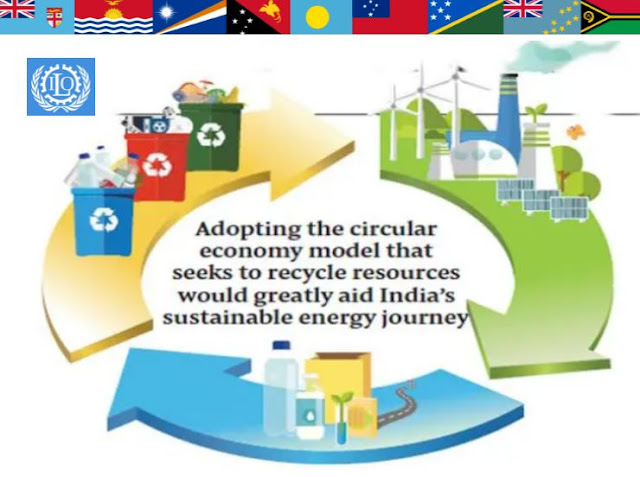
The ILO’s Waste-to-Wealth Programme promotes the adoption of sustainable waste management practices and the creation of decent work opportunities in the waste management sector. The programme works to identify and support initiatives that can help promote the adoption of sustainable waste management practices, such as recycling and composting.
The Waste-to-Wealth Programme is a program that aims to promote the conversion of waste into valuable resources and products, thus promoting sustainable waste management and circular economy practices. The program provides technical assistance, capacity building, and knowledge sharing to help businesses, entrepreneurs, and local communities to adopt sustainable waste management practices and to create economic opportunities from waste.
The Waste-to-Wealth Programme operates in various regions around the world, including:
Europe
The program operates in various European countries, such as Germany, the Netherlands, and Sweden, where there is a strong focus on circular economy practices and sustainable waste management. The program provides technical assistance and capacity building to help businesses and communities to adopt sustainable waste management practices, such as recycling and upcycling, composting, and waste-to-energy technologies.
United States
The program also operates in the United States, particularly in regions where there is a significant waste generation, such as New York, California, and Texas. The program provides technical assistance and capacity building to help businesses and communities to adopt sustainable waste management practices, such as recycling and upcycling, composting, and waste-to-energy technologies.
Asia
The Waste-to-Wealth Programme also operates in various Asian countries, such as China, India, and Indonesia, where there is a significant waste generation and a need for sustainable waste management practices. The program provides technical assistance and capacity building to help businesses and communities to adopt sustainable waste management practices, such as recycling and upcycling, composting, and waste-to-energy technologies.
Australia
In Australia, the program focuses on promoting sustainable waste management practices in regions such as Sydney and Melbourne. The program provides technical assistance and capacity building to help businesses and communities to adopt sustainable waste management practices, such as recycling and upcycling, composting, and waste-to-energy technologies.
Africa
The Waste-to-Wealth Programme also operates in various African countries, such as Nigeria, South Africa, and Kenya, where there is a significant waste generation and a need for sustainable waste management practices. The program provides technical assistance and capacity building to help businesses and communities to adopt sustainable waste management practices, such as recycling and upcycling, composting, and waste-to-energy technologies.
ILO Climate Smart Agriculture Programme
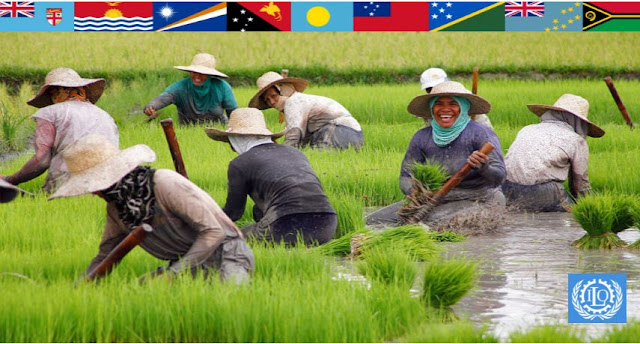
The ILO’s Climate Smart Agriculture Programme aims to promote the adoption of sustainable agriculture practices that can help mitigate the impacts of climate change. The programme supports the adoption of sustainable land use practices, such as conservation agriculture and agroforestry, and helps to identify and support initiatives that can help promote the adoption of these practices.
ILO’s eco-friendly projects are aimed at promoting sustainable development, creating decent work opportunities, and mitigating the impacts of climate change. Through a range of initiatives aimed at promoting environmentally friendly practices, the ILO is working to create a more sustainable and inclusive global economy.
The Climate Smart Agriculture Programme is a program that aims to promote sustainable and resilient agriculture practices that contribute to climate change mitigation and adaptation. The program provides technical assistance, capacity building, and knowledge sharing to help farmers, rural communities, and agriculture stakeholders to adopt climate-smart agriculture practices.
The Climate Smart Agriculture Programme operates in various regions around the world, including:
Europe
The program operates in various European countries, such as France, Spain, and Germany, where agriculture is an important sector of the economy. The program provides technical assistance and capacity building to help farmers and agriculture stakeholders to adopt climate-smart agriculture practices, such as agroforestry, conservation agriculture, and precision farming.
United States
The program also operates in the United States, particularly in regions where there is a significant agricultural activity, such as the Midwest and California. The program provides technical assistance and capacity building to help farmers and agriculture stakeholders to adopt climate-smart agriculture practices, such as agroforestry, conservation agriculture, and precision farming.
Asia
The Climate Smart Agriculture Programme also operates in various Asian countries, such as Vietnam, Indonesia, and Thailand, where agriculture is a significant contributor to the local economy. The program provides technical assistance and capacity building to help farmers and agriculture stakeholders to adopt climate-smart agriculture practices, such as agroforestry, conservation agriculture, and precision farming.
Australia
In Australia, the program focuses on promoting climate-smart agriculture practices in regions such as the Murray-Darling Basin and the Great Barrier Reef catchment. The program provides technical assistance and capacity building to help farmers and agriculture stakeholders to adopt climate-smart agriculture practices, such as agroforestry, conservation agriculture, and precision farming.
Africa
The Climate Smart Agriculture Programme also operates in various African countries, such as Ethiopia, Kenya, and Tanzania, where agriculture is a significant contributor to the local economy. The program provides technical assistance and capacity building to help farmers and agriculture stakeholders to adopt climate-smart agriculture practices, such as agroforestry, conservation agriculture, and precision farming
ILO Schollarship
The International Labour Organization (ILO) offers scholarships to support the education and training of individuals from developing countries. The ILO’s scholarship programs are aimed at promoting social justice, decent work, and sustainable development by empowering individuals to acquire the knowledge, skills, and competencies needed to contribute to these goals in their home countries.
The ILO offers various scholarship programs that are designed to meet different needs and priorities. These programs may focus on specific fields of study, such as labor law or occupational safety and health, or they may target specific groups, such as women or young professionals. In addition, the ILO offers both short-term and long-term scholarship opportunities, depending on the individual’s needs and goals.
The ILO scholarship programs are highly competitive, and applicants are required to meet certain eligibility criteria, including academic qualifications, work experience, and language proficiency. Successful applicants are typically awarded a scholarship that covers tuition fees, travel expenses, and living costs, depending on the program and the individual’s circumstances.
ILO scholarship programs are an important opportunity for individuals from developing countries to gain access to quality education and training and to contribute to the achievement of the ILO’s mission of promoting social justice and decent work for all.
%20%E2%80%93%20Kenya.JPG "The Kenya Youth Empowerment Project (KYEP) – Kenya")
ILO Community Program
The International Labour Organization (ILO) Community Programme is a development initiative that focuses on creating decent work and livelihood opportunities in disadvantaged communities around the world. The program aims to empower individuals, groups, and communities to improve their economic and social conditions by providing them with the necessary tools and resources to create sustainable livelihoods and promote social inclusion.
The ILO Community Programme operates in various regions around the world, including:
Africa
In Africa, the program works to create sustainable livelihoods and promote social inclusion in disadvantaged communities. The program provides technical assistance and capacity building to help communities to develop and implement their own solutions to economic and social challenges. The program also supports the development of local enterprises, cooperatives, and social enterprises.
The ILO Community Programme operates in several countries in Africa under different names, depending on the specific country or region.
Here are some examples:
In Kenya, the program is called “Kenya Youth Employment and Skills Program” (K-YES) and aims to promote youth employment and skills development in the country.
In Liberia, the program is called “Enterprise Development and Job Creation for Youth and Women in Rural Areas” and focuses on promoting entrepreneurship and job creation in rural areas.
In Nigeria, the program is called “Support to Rural Youth Employment” (RYE) and aims to promote youth employment and entrepreneurship in rural areas.
In Tanzania, the program is called “Supporting the Informal Economy in Tanzania” (SIET) and focuses on promoting decent work and social protection for informal workers.
These are just a few examples of the ILO Community Programme in Africa. The program may have different names and focus areas in other countries or regions within Africa.
Asia
In Asia, the program works to create decent work and livelihood opportunities for vulnerable groups, such as women, youth, and people with disabilities. The program provides technical assistance and capacity building to help communities to develop and implement their own solutions to economic and social challenges. The program also supports the development of local enterprises, cooperatives, and social enterprises.
The ILO Community Programme operates in several countries in Asia under different names, depending on the specific country or region.
Here are some examples:
In Cambodia, the program is called “Local Economic Development through Enhanced Governance and Grassroots Empowerment” (LED).
In Indonesia, the program is called “Sustainable Enterprises for Economic Development” (SEED).
In Nepal, the program is called “Local Economic Development for Employment and Income Generation” (LED-EIG).
In the Philippines, the program is called “Jobs Fit for Women” and focuses on promoting decent work opportunities for women in the country.
In Thailand, the program is called “Decent Work and Inclusive Growth in ASEAN” and aims to promote decent work and social inclusion in the ASEAN region.
These are just a few examples of the ILO Community Programme in Asia. The program may have different names and focus areas in other countries or regions within Asia.
Latin America and the Caribbean
In Latin America and the Caribbean, the program works to create decent work and livelihood opportunities for vulnerable groups, such as women, youth, and people in rural areas. The program provides technical assistance and capacity building to help communities to develop and implement their own solutions to economic and social challenges. The program also supports the development of local enterprises, cooperatives, and social enterprises.
The ILO Community Programme operates in several countries in Latin America and the Caribbean under different names, depending on the specific country or region.
Here are some examples:
In Haiti, the program is called “Strengthening the System of Technical and Vocational Education and Training in Haiti” (PROVET) and aims to improve technical and vocational education and training opportunities in the country.
In Jamaica, the program is called “Local Economic Development Initiative” (LEDI) and focuses on promoting local economic development and employment opportunities.
In Peru, the program is called “Promotion of Formal Employment in Peru” (PROMOCIONA) and aims to promote formal employment and social protection for workers.
In the Dominican Republic, the program is called “Strengthening the National Technical and Vocational Education and Training System” (PROFUTURO) and focuses on improving technical and vocational education and training in the country.
These are just a few examples of the ILO Community Programme in Latin America and the Caribbean. The program may have different names and focus areas in other countries or regions within the region.
Middle East
In the Middle East, the program works to create decent work and livelihood opportunities for vulnerable groups, such as refugees and displaced persons. The program provides technical assistance and capacity building to help communities to develop and implement their own solutions to economic and social challenges. The program also supports the development of local enterprises, cooperatives, and social enterprises.
The ILO Community Programme operates in several countries in the Middle East under different names, depending on the specific country or region.
Here are some examples:
In Egypt, the program is called “Promoting Decent Work in Egypt’s Informal Economy” and focuses on promoting decent work and social protection for informal workers.
In Iraq, the program is called “Strengthening Labour Market Access for Displaced Iraqis and Host Communities in Iraq” and aims to improve employment opportunities for displaced persons and host communities in the country.
In Jordan, the program is called “Better Work Jordan” and focuses on improving working conditions and productivity in the country’s garment sector.
In Lebanon, the program is called “Enhancing Decent Work in the Informal Economy” and aims to promote decent work and social protection for informal workers.
These are just a few examples of the ILO Community Programme in the Middle East. The program may have different names and focus areas in other countries or regions within the Middle East.
Europe
In Europe, the program works to create decent work and livelihood opportunities for vulnerable groups, such as migrants and refugees. The program provides technical assistance and capacity building to help communities to develop and implement their own solutions to economic and social challenges. The program also supports the development of local enterprises, cooperatives, and social enterprises.
The ILO Community Programme operates in several countries in Europe under different names, depending on the specific country or region.
Here are some examples:
In Bosnia and Herzegovina, the program is called “Local Employment Partnerships” (LEP) and aims to promote local economic development and employment opportunities.
In Kosovo, the program is called “Promoting Decent Work through Local Economic Development” (PROLED) and aims to promote decent work and economic development in the country.
In Moldova, the program is called “Local Employment Partnership for Sustainable Development” (LEPSD) and focuses on promoting sustainable development and employment opportunities in the country.
In Serbia, the program is called “Promotion of the Decent Work Agenda in the Western Balkans” (DWAB) and aims to promote decent work and social justice in the Western Balkans region.
These are just a few examples of the ILO Community Programme in Europe. The program may have different names and focus areas in other countries or regions within Europe.

Conclusion
Conclusion of IILO Implementation of Environmentally Friendly Energy
The International Labour Organization (ILO) has implemented various initiatives to promote environmentally friendly energy, recognizing the importance of addressing climate change and ensuring sustainable economic development.
These initiatives have included programs such as the Green Jobs Programme, which aims to promote job creation and decent work in the green economy, and the Waste-to-Wealth Programme, which focuses on converting waste into energy and promoting sustainable waste management practices.
Through these programs, the ILO has worked with governments, employers, workers, and other stakeholders to promote the adoption of environmentally friendly energy technologies and practices. This has helped to create new job opportunities in sectors such as renewable energy, energy efficiency, and waste management, while also contributing to the reduction of greenhouse gas emissions and the mitigation of climate change.
ILO’s implementation of environmentally friendly energy initiatives has been an important step towards a more sustainable and inclusive future, promoting economic growth, social equity, and environmental protection. However, there is still much work to be done, and continued efforts and collaborations will be necessary to achieve the goals of sustainable development and climate action.
https://www.exaputra.com/2023/04/ilo-environmentally-friendly-energy-and.html


 Have we hit the tipping point on climate change? For example, has the melting permafrost in the Arctic released so much methane that a runaway feedback loop has been established?
As suggested at left, an analogous question could be asked about the level corruption in the U.S. government.
Weather Guard Lightning Tech

Nordex Outsells Vestas, GE Vernova Rebuilds Wind Team
Nordex closes in on Vestas in onshore orders, GE Vernova rebuilds its wind team, Nexxis buys BladeBug, and wooden blades draw doubts.
The Uptime Wind Energy Podcast is brought to you by Weather Guard Lightning Tech, creators of the StrikeTape Ultra LPS retrofit. Subscribe to Uptime’s Substack newsletter. And check out Rosemary’s “Engineering with Rosie” Youtube channel. Have a question we can answer on the show? Email us!
Weather Guard Lightning Tech

Siemens Gamesa Builds Hornsea Blades, NEMS Invests in Perth
Siemens Gamesa starts Hornsea 3 blade production in Hull, Germany approves an Offshore Wind Act amendment, and Nexxis buys BladeBUG.
The Uptime Wind Energy Podcast is brought to you by Weather Guard Lightning Tech, creators of the StrikeTape Ultra LPS retrofit. Subscribe to Uptime’s Substack newsletter. And check out Rosemary’s “Engineering with Rosie” Youtube channel. Have a question we can answer on the show? Email us!
Episode Transcript
Uptime News Flash
September 7, 2026
Happy Monday, everyone. Well, let’s talk about the biggest wind farm on earth. It doesn’t exist yet, but its blades are being built right now. Over in Hull, England, Siemens Gamesa just started making blades for Ørsted’s Hornsea 3 offshore wind farm. That’s two point nine gigawatts, one hundred and ninety-seven turbines. Each blade is longer than a football pitch. Fourteen hundred workers build blades in that factory, turning raw materials into finished product. When complete, Hornsea 3 will power more than three million British homes. It’s the single largest offshore wind farm in the world.
And if we slide over to Germany for a moment, the German cabinet just approved an amendment to the Offshore Wind Act, the WindSeeG. It’s headed to the Bundestag next. The goal? New rules by January first, twenty twenty-seven. But the Offshore Wind Energy Foundation says the draft does not go far enough. Sixteen gigawatts of awarded projects are still waiting on final investment decisions. Sixteen — that’s quite a few. The foundation wants a new way for developers to hand back sites they can’t build, so those sites can be re-tendered quickly under conditions that actually work. Sort of a use-it-or-lose-it approach. That’s the idea.
We’ll head a little further east to India. India ranks fourth in the world for installed wind power, but probably not for long. A government official said this week that India will overtake Germany and become the world’s third-largest wind energy nation by twenty thirty — one hundred seven gigawatts of installed capacity. India added a record six gigawatts last year alone, shattering their previous record of a little over four gigawatts. And twenty-eight more gigawatts are under construction right now. Impressive.
Let’s head down to Western Australia, because a company called National Electric Motor Services, NEMS for short, is building a one million dollar facility in Perth to test and repair wind turbine generators. Right now, Australian wind farm operators ship their broken generators overseas for repairs, and that takes months. NEMS is the only authorized service center for ELIN Motoren in all of Western Australia. This is the fifth project funded through Australia’s Wind Energy Manufacturing Co-investment program. Local repair, faster turnaround, and homegrown capability — that’s all good.
And staying in Australia, Perth-based Nexxis Technology just bought a British robotics company, BladeBUG. BladeBUG is a robot that uses suction cups to crawl across wind turbine blades. Nexxis already has a robot called Magneto that uses electromagnetic adhesion to climb steel structures. If you put the two together, you can inspect almost any surface on a turbine, or about anything else. Add AI and machine vision, and you have robots that can see what human eyes might miss, from places human hands shouldn’t have to reach. It’s safer, faster, and it’s going to be a lot smarter.
One more story before we finish today. Siemens Gamesa has now installed more than 300 recyclable blades in six countries. The secret is a new resin. Unlike conventional resins, this one lets you separate the blade components at end of life, so you can separate the fabric from the resin. Cool stuff. Jonas Pagh Jensen, head of sustainability at Siemens Gamesa, says the technology is ready for full-scale use. And Siemens Gamesa has already installed 36 GreenerTower units — steel towers with 63% lower carbon emissions. So although sustainability may have faded from the headlines, it’s still in tender documents, and it’s showing up more than ever. In Denmark, the Netherlands, and France, buyers are all asking about recyclability and decarbonization before they award contracts.
So what should you be watching this week? Recyclability is no longer a nice-to-have — it’s a must-have, and it’s showing up in tender scoring. If your blades can’t be recycled at end of life, you may not win the contract to begin with. And a lot of supply chains are going local. Australia doesn’t want to ship generators overseas anymore. India is building its own turbine factories. The countries buying wind power want it built at home. For professionals in the wind industry, the competitive edge is shifting — it’s not just who can build the best turbine, it’s who can build it locally, recycle it fully, and inspect it without putting a person in a harness.



-
Climate Change1 year ago
Guest post: Why China is still building new coal – and when it might stop
-

 Greenhouse Gases2 years ago
嘉宾来稿:满足中国增长的用电需求 光伏加储能“比新建煤电更实惠”
-
Greenhouse Gases1 year ago
Guest post: Why China is still building new coal – and when it might stop
-

 Climate Change2 years ago
嘉宾来稿:满足中国增长的用电需求 光伏加储能“比新建煤电更实惠”
-

 Renewable Energy11 months ago
Sending Progressive Philanthropist George Soros to Prison?
-
Climate Change2 years ago
Bill Discounting Climate Change in Florida’s Energy Policy Awaits DeSantis’ Approval
-
Greenhouse Gases1 year ago
嘉宾来稿:探究火山喷发如何影响气候预测
-

 Carbon Footprint2 years ago
US SEC’s Climate Disclosure Rules Spur Renewed Interest in Carbon Credits