

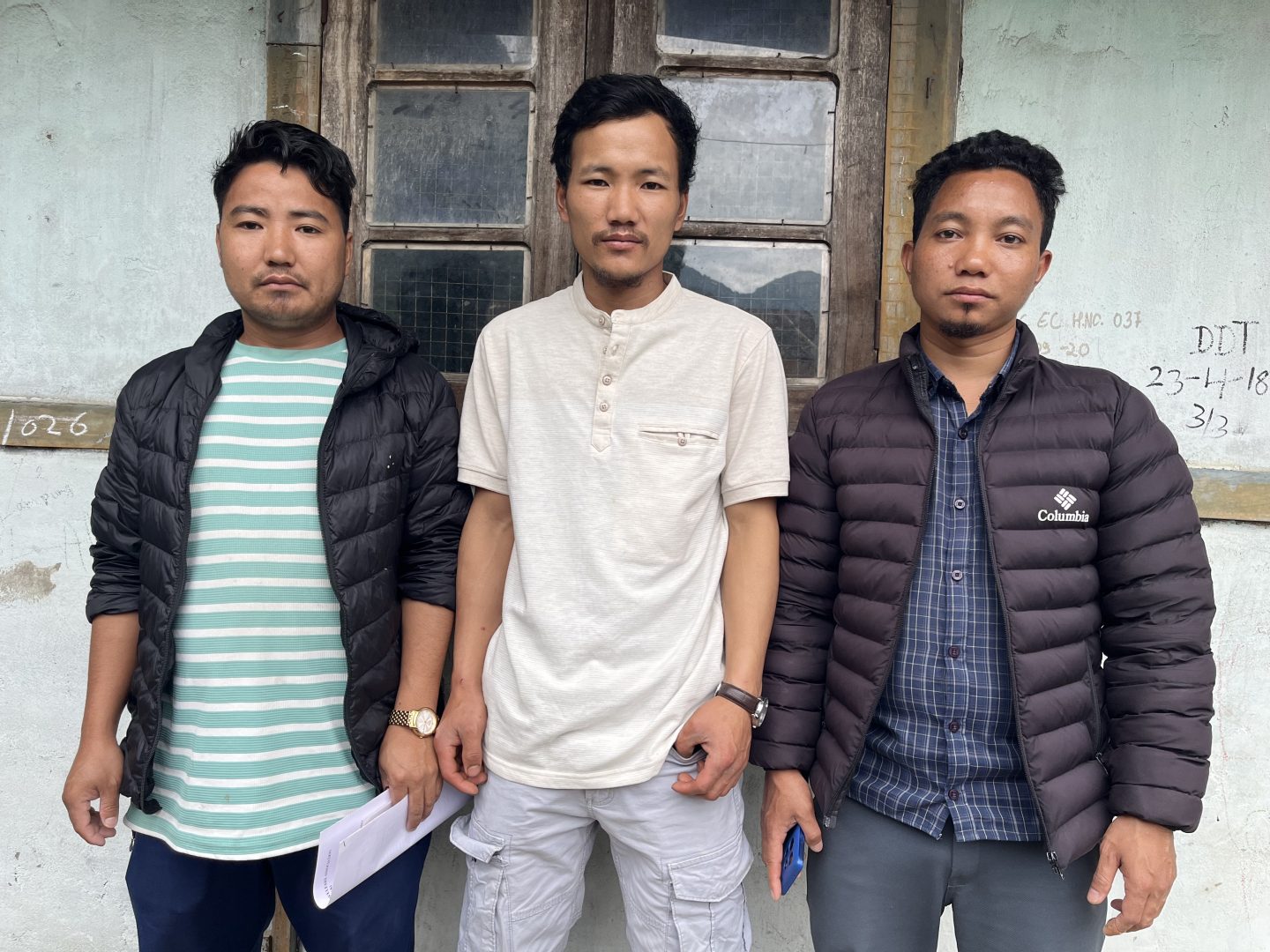
Tucked among forested slopes and pristine valleys in a corner of northeastern India, young villagers have been busy knocking on doors – hoping to convince sceptical elders that graphite mining would bring much-needed jobs to their distant region.
“The youth in our village migrate to cities for work. What’s better than to have jobs near home?” Gollo Doni, a farmer and secretary of the local youth association, told Climate Home News as he and other members in their 20s discussed the latest meetings between locals and representatives of Oil India Limited (OIL), a state company exploring graphite and vanadium reserves in Arunachal Pradesh.
The mining plans in the state, which is home to more than one-third of India’s graphite reserves and the subject of a sovereignty dispute with China, reflect a push by the Indian government to position itself as a leading producer of battery-grade graphite as the mass rollout of batteries for electric vehicles (EVs) and power storage drives demand for the mineral.
-
Warning against ‘consumer club’ as G7 forms critical minerals alliance
G7 countries want to reduce their reliance on China for minerals and protect supplies from geopolitical interests but experts see few benefits for developing nations -
Brazil jostles for rare earths share as US-China rivalry heats up
With the world’s second-largest reserves of rare earths after China, Brazil is catching the eye of US and Chinese companies – spurring the government’s critical minerals policy push -
After another battery startup bankruptcy, can Europe ever cut reliance on China?
Norway’s Morrow Batteries set out to challenge Chinese producers, but a cash crunch forced it to file for bankruptcy in a setback for European ambitions for clean energy sovereignty


An average electric car contains about 60 kg of graphite anode materials, according to the International Energy Agency, and the graphite supply chain is heavily dominated by China, which produces about 80% of the world’s natural graphite and controls more than 90% of global refining.
As Western countries seek to reduce their dependency on China, India’s reserves of graphite and other minerals vital for the switch to clean energy have caught governments’ attention, with Germany signing a critical minerals partnership agreement in January.
Ambitious plans
But hurdles remain to India’s ambitious plans to ramp up critical minerals output, both to position itself as an alternative to China and to meet its own fast-growing needs.
India has a target for 30% of new vehicle sales to be electric by 2030, and demand for EV lithium batteries looks set to surge close to 35-fold between 2023 and 2035, according to S&P Global Mobility, driven by growth in two- and three-wheelers in the country of 1.4 billion people.
Although domestic manufacturing of EV batteries is expanding, the sector remains at an early stage and India depends heavily on imports from China, South Korea and Japan.
At the same time, it wants to get graphite processing off the ground, aiming to turn its reserves of the mineral – which rank among the world’s 10 biggest – into higher value battery-grade supplies.
The energy transition has a rare earth problem: These startups are solving it
With exploration already underway, the next step should be starting discussions about developing processing facilities – including support from foreign partners, said Kaira Rakheja, South Asia energy analyst at the Institute for Energy Economics and Financial Analysis (IEEFA).
“These exploration and extraction projects have a long gestation period. So even if discussions on processing start now, it will still take a while,” she said, noting India’s simultaneous push to create “rare earth corridors” encompassing every step of production.
Hurdles ahead
India’s graphite reserves are mainly of a lower grade, however, making processing for use in battery anodes more complex, while the country is a late entrant.
“We are not a big player in the market and have missed the bus,” said Aditya Ramji, director of the Global South Clean Transportation Centre at the University of California, Davis.
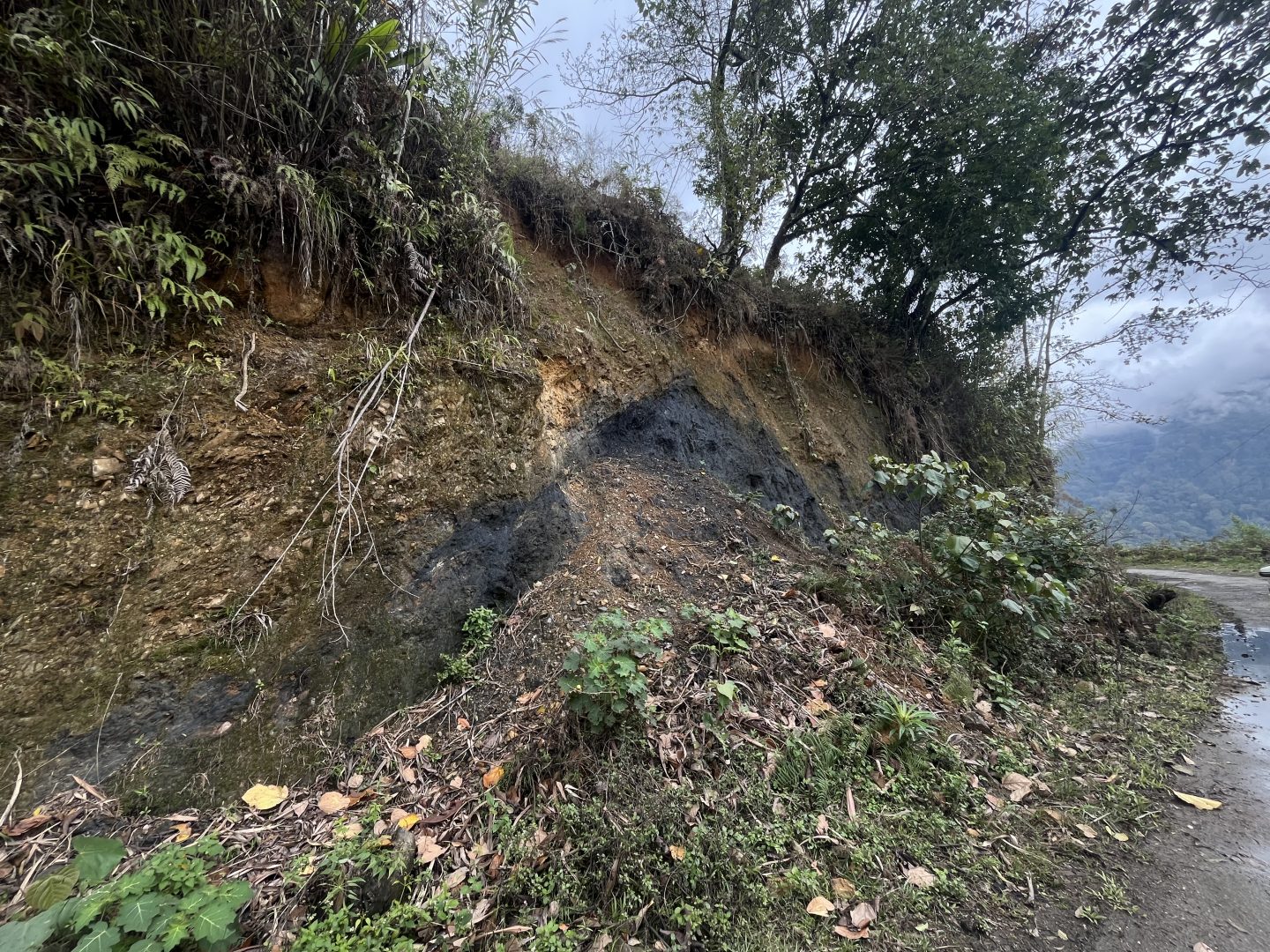
While exploration work is already underway at several sites in Arunachal Pradesh, and at some places in eastern and southern India, production will take at least two years to start, said Tana Tage, director at the Centre for the Earth Sciences and Himalayan Studies, OIL’s local partner and holder of a 10% stake in the Phop project.
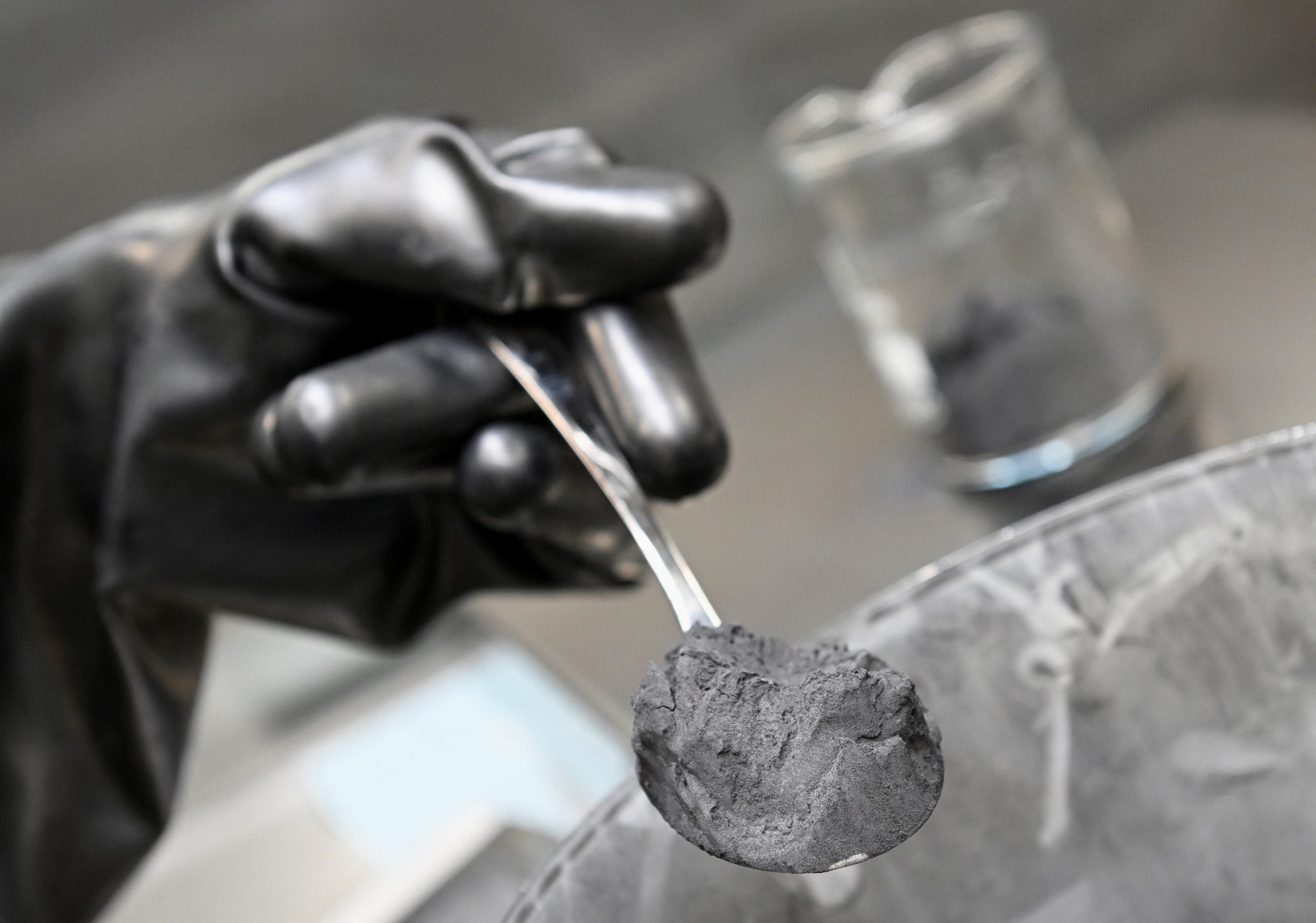
A mine would create about 300 jobs and the project’s partners are discussing options for processing the site’s medium- to high-grade graphite locally, Tage added, despite voicing concern about a lack of technological know-how.
“India does not have the large-scale, advanced processing capabilities to achieve the ultra-high purity levels required for EV batteries and clean technologies,” he told Climate Home News.
Diversification drive
Despite such challenges, industry experts say India could benefit from the push to find sources of battery graphite other than China.
“We can’t beat China in this space, but we can still create a space for ourselves in buying and selling, as everyone is looking for a space to diversify,” said Rishabh Jain, fellow at the Council on Energy, Environment and Water, a New Delhi-based think-tank.
India’s government hopes the bilateral memorandum of understanding (MoU) signed with Germany could help.
As well as pledging cooperation on critical minerals exploration, the declaration envisions the exchange of know-how to add value through processing and recycling, facilitating investment and building the supply chain resilience of both countries. That could include identifying joint research projects and facilitating cooperation between industry players.
-
The scramble to stockpile critical minerals could drive up energy transition costs
Researchers warn that uncoordinated stockpiling could push up prices of minerals needed for clean energy technologies and delay their roll out -
Chinese EV brands woo Yemen’s wealthy elite as war prompts solar boom
For the well-off few, buying an EV is the next step in a solar revolution that has helped Yemenis weather years of power outages and high fuel prices -
Recycling could meet half of Europe’s critical mineral needs by 2050
A new report by an EU-funded research project says the bloc could harness its “urban mines” to reduce its dependence on China for energy transition minerals


“India and Germany will work together to mutually strengthen supply chains in the field of critical minerals,” a spokesperson for the German government’s energy strategy said. “We will encourage companies to build strong ties in terms of knowledge sharing, offtake agreements and investments.”
Germany is already supporting several domestic projects focused on converting graphite into battery anode material – valuable experience that could potentially be shared with India, said Rakheja. In return for shared technical expertise, India offers a strong pool of workforce talent and a big market.
“This way, both partners can look beyond China,” she said.
India sets achievable green electricity and emissions intensity targets
The MoU, which is non-binding, is “a good start”, said Svenja Schöneich, a senior advisor at the NGO Germanwatch, adding that it was thin on details, including on how to add value to India’s critical mineral resources.
“The partnership document should figure out the problem of local value creation. It should also consider that it can’t really skip processing through China,” Schöneich said.
An official at India’s Mining Ministry did not respond to requests for comment.
Trade deals and tax breaks
Beyond the five-year German accord, India has implemented numerous policy measures aimed at securing its own supplies of critical minerals and adding value to its mineral exports, for example by signing favourable trade deals. Last year, India’s graphite was granted zero-duty access to the US, just as the tariffs on Chinese graphite imports climbed to a high 160%.
When the government announced the national budget in February, it included a raft of financial measures aimed at kickstarting a plan to process minerals domestically – the details of which are expected to be announced in the coming months.
They included zero customs duty on critical mineral inputs and enhanced tax deductions for exploration, while the government’s production-linked incentive (PLI) scheme allocated the equivalent of $1.87 billion to build domestic battery cell manufacturing.
Before that can happen, progress on new mining – such as the Arunachal Pradesh graphite projects – is vital, Jain said.
“We are in 2026, and looking to move towards a cleaner world. This is the future,” he said.
The state government in Arunachal Pradesh agrees. It called last year for fast-tracked environmental permitting for graphite projects, new infrastructure around mine sites and reforms to avoid legal disputes that could hold the sector back.
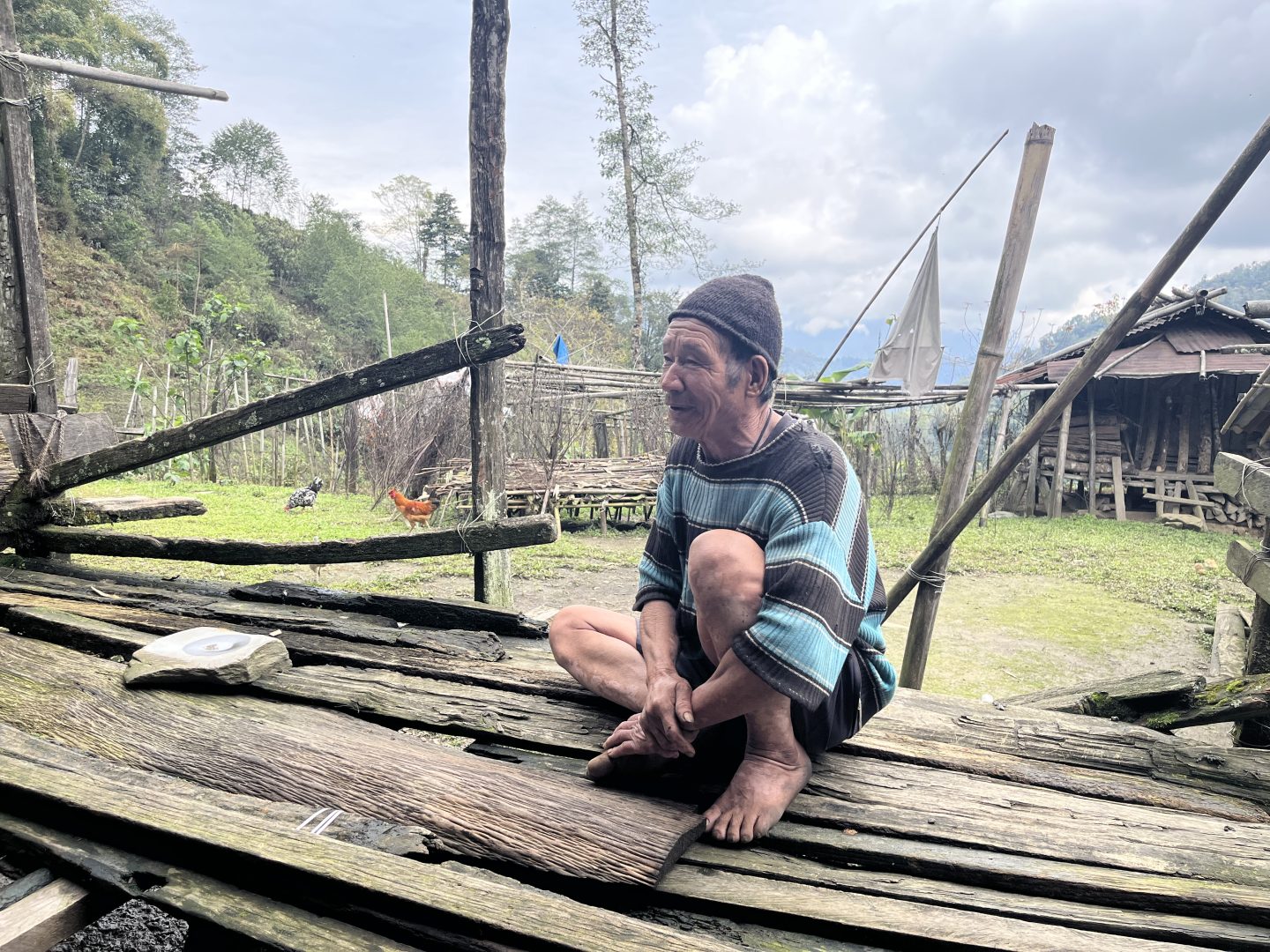
Back in the village of Phop, youth association secretary Doni said that while reluctant residents did not raise an objection to OIL’s preliminary exploration licence, he fears a bigger fight ahead.
Tage said up to 3,000 people could ultimately be displaced if the project proceeds, raising questions about whether economic benefits would outweigh the social and environmental costs.
“It has been difficult to make the elders agree to actual mining,” Doni said, as he and other young villagers sipped on sweet tea in a thatched mountain house. “We are trying to convince our elders that mining will not only bring resources for the nation, but bring us jobs here.”
The post India looks to untapped graphite riches for slice of critical minerals boom appeared first on Climate Home News.
India looks to untapped graphite riches for slice of critical minerals boom

Three countries have been named by the Paris Agreement’s compliance committee for failing to submit a nationally determined contribution (NDC) and repeatedly snubbing offers of help with their climate plans.
After months of internal debate over whether to identify serial non-responders, the Paris Agreement’s Implementation and Compliance Committee (PAICC) named the three countries which have failed to engage with it over their NDCs on Friday.
It named Democratic Republic of Congo, Senegal and North Korea in a footnote of its annual report, adding that it decided to name them “with a view to facilitating engagement”, adding that representatives of the three nations had been invited to its meeting in early 2027 “with the purpose of identifying any challenges and constraints”.
“The Committee noted the importance of Parties engaging with the Committee in a timely manner, while noting that some delays may be due to the national capabilities and circumstances of the Parties”, the report said.
-
Under US pressure, World Bank says it will back gas “where appropriate”
The US wants the World Bank to expand its gas support while climate campaigners are pushing for it to end – its head spoke this week of limited backing for the fossil fuel -
IPCC scientists vow to press on with climate reports despite political deadlock
After governments again failed to agree a timeline, nearly 120 IPCC authors pledged to complete their assessment on time and with full scientific rigour -
Paris Agreement committee snubbed over missing NDC climate plans
Many governments have still not submitted a nationally determined contribution to the UN, breaching a key requirement of the Paris Agreement

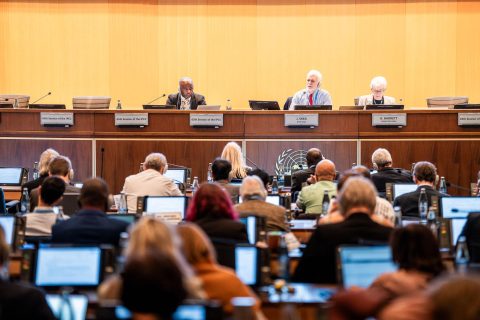

In July, PAICC said 12 countries had ignored its repeated attempts to discuss why they had not published an NDC as required every five years under the 2015 Paris accord.
Members of the committee had been divided over whether to name them, but at a September meeting decided to do so in their annual report to the annual climate COP summit.
By the time the report was published on Friday, only Congo, Senegal and North Korea “had not communicated an NDC or submitted a [Biennial Transparency Report] and had not yet responded to any of the Committee’s notifications, despite several reminders issued by the Committee in this regard”.
Rainforest and renewable energy ambitions
The silence from Congo and Senegal is notable because the former is home to much of the Congo Basin rainforest while the latter has sought billions of dollars in climate finance to support its renewable energy ambitions.
After Brazil, Congo has more rainforest than any country in the world. This forest, and the country’s peatlands, absorb huge amounts of greenhouse gas but are fast being lost to expanding farmland, charcoal production, logging and mining.
Senegal signed a Just Energy Transition Partnership with Canada and wealthy European nations in 2023, to help it meet its renewable energy targets under the-then government of Macky Sall. It was chair of the Least Developed Countries group between January 2022 and December 2023.

Tejas Rao, who is researching the PAICC as part of a doctoral thesis at Cambridge University, said the governments of the three countries should engage with the committee.
“Engagement costs these governments very little and the committee has shown it will listen,” he said.
“Silence leaves the committee with no basis to help, and it leaves the [governments] exposed to the narrative that they are simply disengaged,” he told Climate Home News.
Paris Agreement requirement
The 2015 Paris Agreement requires all parties to publish an NDC every five years outlining their emissions reduction targets, with each plan meant to be more ambitious than the country’s last NDC.
The latest set – the third round of plans, with new targets for 2035 – was due in February 2025. While most countries missed this deadline, all but around 30 – mostly small emitters but including Egypt, Vietnam and Argentina – have now submitted them.
Over the year, the PAICC – which is made up of government climate officials from developed and developing countries – has been communicating with governments that have not submitted NDCs and trying to overcome barriers to them doing so.
Some nations have cited exceptional circumstances as the reason for not submitting an NDC, a process that requires a significant amount of work in tracking emissions and consulting on how to curb them across the economy. For example, a letter from a Sudanese official to the PAICC, seen by Climate Home News, said that the country’s civil war had led to the suspension of its NDC preparation.