


Goldman Sachs Asset Management (GSAM) has launched its new Emerging Markets Green and Social Bond Active UCITS ETF, known as GEMS. This ETF focuses on green and social bonds issued by both governments and companies in emerging markets. It has an expense ratio of 0.55%. This gives investors a cost-effective way to back environmental and social projects. At the same time, they can aim for solid financial returns.
GEMS is now on major European stock exchanges. This shows GSAM’s strong move into sustainable investment solutions. Hilary Lopez at Goldman Sachs Asset Management stated:
“Our clients are showing continued demand for access to leading active capabilities, combined with the control and convenience of ETFs. Following the launch of our core active Fixed Income and Equity building blocks, we are leveraging the leading capabilities and expertise of our Green, Sustainable, Social & Impact Bonds Team to help investors diversify their fixed income exposure and drive impact across emerging markets.”
Green Gold Mines: Why Emerging Markets Are ESG Hotspots
Emerging markets face serious issues like limited infrastructure, poverty, and pollution. That’s why they are a strong focus for investors looking to make a difference. These markets often offer high-impact opportunities where green and social projects—such as clean energy or affordable housing—can create immediate change.
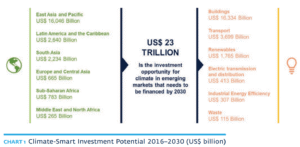
According to the International Finance Corporation, emerging markets could see up to $23 trillion in climate-focused investments by 2030. These investments not only help reduce environmental harm but also offer strong growth potential. GEMS helps investors make a real impact by focusing on these regions. This way, they can support change and enjoy long-term financial growth.
Many investors now prefer funds that consider Environmental, Social, and Governance (ESG) factors. Globally, ESG-focused investments already exceed $17 trillion. As this trend continues, products like GEMS are appealing to investors. They seek both returns and impact.
How Do Green and Social Bonds Work?
Green bonds raise funds for projects that protect the environment. These may include wind farms, solar panels, or clean transport systems. Social bonds support efforts like building schools, improving access to clean water, and offering affordable health services.

The GEMS ETF invests in both types. This approach helps the fund tackle environmental and social issues at the same time. The green bond market alone has surpassed $2 trillion, showing strong investor interest. Social bonds are also growing quickly as governments and businesses seek to address social problems more directly.
GEMS takes an active management approach, unlike many passive ETFs. The fund’s team picks and adjusts the bond portfolio. They focus on sustainability goals and future expectations. This strategy helps avoid weak projects and gives the ETF the flexibility to focus on high-quality investments.
Carbon Cuts and Climate Gains: GEMS’ Impact Strategy
Emerging markets often have large carbon footprints because of their heavy use of fossil fuels and rapid development. GEMS helps fight this by investing in clean energy, energy savings, and other projects that lower emissions. These green projects can make a big difference in reducing global carbon levels.
Goldman Sachs uses strict screening methods to make sure the bonds they include actually help the environment. This reduces the risk of “greenwashing,” where projects claim to be green without real proof.
Social investments also have climate benefits. For example, housing projects in the fund might use energy-saving designs. Better healthcare and education help communities handle extreme weather and other climate-related stresses.
Global Trends in ESG Bond Markets
As climate finance needs reach an estimated $1.3 trillion a year, markets are searching for greater accountability and measurable impact. Sustainable bond markets are expected to play a key role. Emerging markets are taking steps, like ASEAN and Latin American green taxonomies. These initiatives create new chances for different issuers.
GEMS now joins a growing asset class. It helps meet the demand for strong, impact-focused bond investments in high-growth markets. Moreover, the GEMS ETF enters the market at a time when sustainable bonds are quickly becoming mainstream investment tools.
Analysts expect that by 2025, about 30% of global bond sales may be green or social. That’s a large shift toward combining financial growth with responsibility.
In emerging markets in 2023, green bond issuance grew 45% year-over-year, totalling $135 billion. Meanwhile, broader GSSS issuance exceeded $1 trillion, reaching 2.5% of global bond issuance.

Amundi forecasts GSSS bond issuance in emerging markets to grow around 7% annually through 2025. Globally, green bonds outperformed traditional bonds by about 2% in 2024 and reached a record issuance of $447 billion, reaching another milestone in 2024.
What Sets GEMS ETF Apart
GEMS fits this trend by offering diverse exposure to sustainable bonds in fast-growing economies, backed by GSAM’s decade-long ESG and emerging market bond expertise.
GSAM brings over a decade of experience in fixed income and ESG investing. Their skilled team can spot strong projects in places that may carry more risk, such as developing countries. This gives them an edge in finding value while managing potential problems like currency shifts or political changes.
Also, GEMS being listed on major European exchanges—like the London Stock Exchange, Borsa Italiana, and Deutsche Börse—makes it easy to access. It works for both institutional investors and individuals seeking access to emerging markets and sustainable finance.
Why Active ESG Investing Matters
Emerging markets can be unpredictable. Governments may change policies quickly, and local currencies can be unstable. By using an active management strategy, GSAM’s team responds to these shifts and adjusts the fund accordingly.
This hands-on approach is vital for maintaining a strong mix of bonds that aim for both social impact and solid returns. It helps avoid poor-performing investments and directs funds into projects that truly meet ESG standards.
For investors looking for growth, social impact, and environmental gain all in one, GEMS may be worth considering. The ETF balances risk by spreading investments across different countries and sectors in the emerging world. It’s also competitive from a cost point of view, helping make sustainable investing more accessible.
As more money shifts to ESG goals, sustainability is becoming mainstream in finance. Tools like GEMS will probably have a bigger impact. Investors now have an efficient option for putting their money into the areas of the world that need it most, helping build a more sustainable future while also seeking steady financial performance.
- READ MORE: The Rise of Sustainable Investing: Why It Is Winning Over Young Investors (and Big Money)
The post Goldman Sachs Launches Green Bonds ETF for Emerging Markets appeared first on Carbon Credits.

EU carbon credit claims changed on 27 September 2026, the day the Directive (EU) 2024/825 began to apply across the European Union. The change is narrow. It changes how a company can talk about the credits it buys. A product can no longer be called neutral on the strength of compensation alone; however, every specific, evidenced statement about what a company measured, reduced, and funded stays fully available.

The post Promoting Improved Cooking Practices in Nigeria appeared first on Terrapass.



-
Climate Change1 year ago
Guest post: Why China is still building new coal – and when it might stop
-

 Greenhouse Gases2 years ago
嘉宾来稿:满足中国增长的用电需求 光伏加储能“比新建煤电更实惠”
-
Greenhouse Gases1 year ago
Guest post: Why China is still building new coal – and when it might stop
-

 Climate Change2 years ago
嘉宾来稿:满足中国增长的用电需求 光伏加储能“比新建煤电更实惠”
-

 Renewable Energy12 months ago
Sending Progressive Philanthropist George Soros to Prison?
-
Climate Change2 years ago
Bill Discounting Climate Change in Florida’s Energy Policy Awaits DeSantis’ Approval
-
Greenhouse Gases1 year ago
嘉宾来稿:探究火山喷发如何影响气候预测
-

 Climate Change2 years ago
Analysis: China’s CO2 falls 1% in Q2 2024 in first quarterly drop since Covid-19