

For those who have never heard of GAME: the acronym stands for Global Approach by Modular Experiments, an internationally oriented research and training program in marine ecology that is in existence for over two decades now. Every year, young researchers from around the world – from Finland to Malaysia, from Japan to Chile – work together on a common research question. Identical experiments are conducted at eight different locations so that the results, which are obtained within six months, can be compared across latitudes, climatic conditions, and biogeographical zones.
In a time that confronts us with global environmental crises, such as climate change and the massive loss of biodiversity, we need precisely such large-scale, coordinated research approaches. Because only by understanding how the reaction of ecological processes to anthropogenic pressures is shaped by environmental conditions, we can make well-founded statements about their stability, vulnerability, or adaptability – and ultimately develop better conservation measures.
And who is GAME 2025? We are 16 master’s students from various countries—Japan, Malaysia, the Philippines, Cape Verde, Wales, Finland, Chile, and Germany—who, after a one-month long preparation course at GEOMAR in Kiel travelled in teams of two persons to eight countries to collect data. Everything is coordinated by Mark Lenz. Since 2004, the Kiel native has been the scientific coordinator of the international research and training program GAME at GEOMAR.
And who are we?
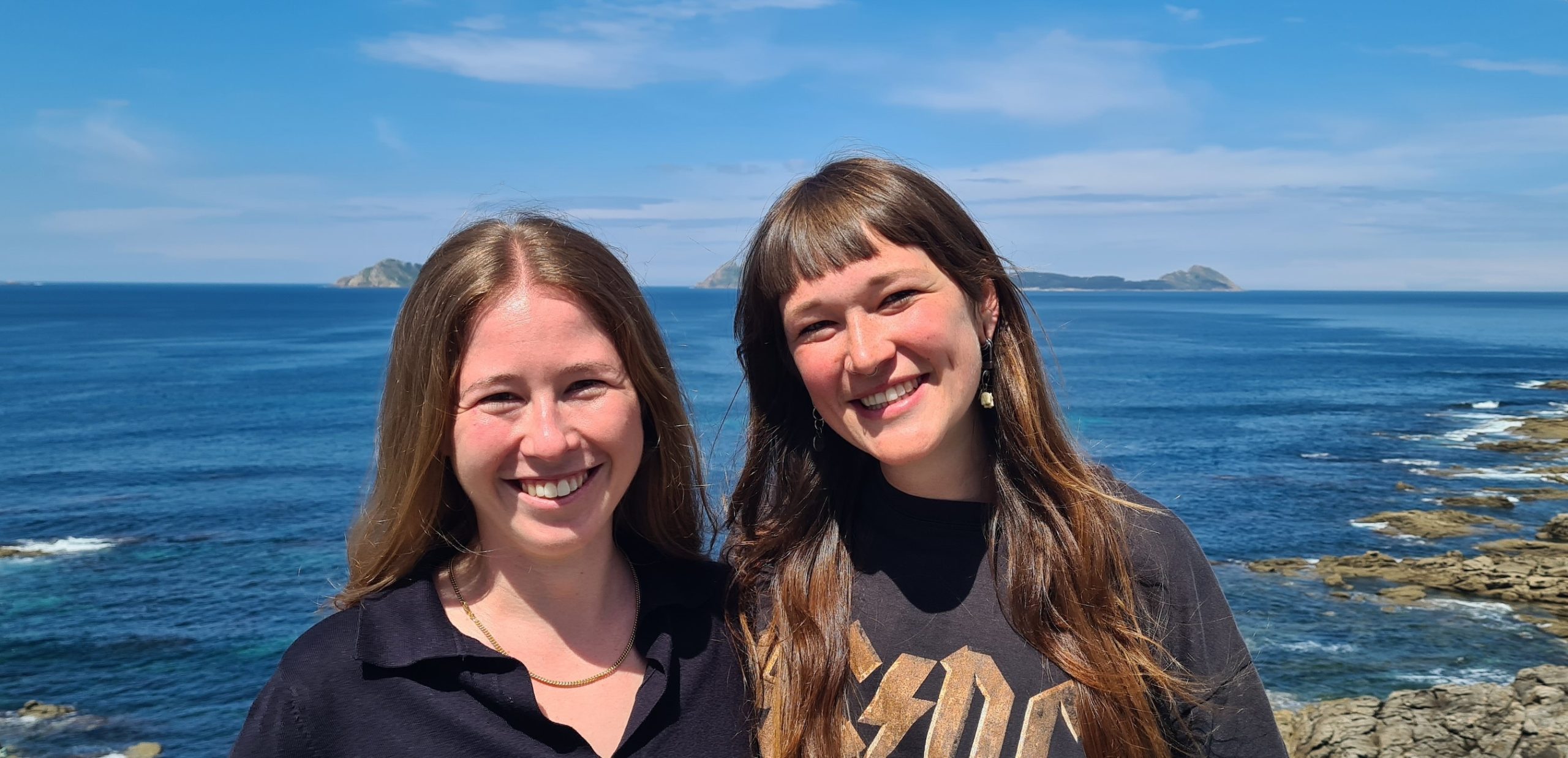
Hola from Spain!
Anna [27] from Osnabrück and Verena [27] from Potsdam are Team Spain 2025.
Anna
I began my biological career in Osnabrück with a Bachelor’s degree in Biosciences. I continued within the Master’s program, “From Molecule to Organism,” also in Osnabrück. During my studies, I had the opportunity to explore many different fields and build a broad knowledge base. Two marine biology excursions, in particular, captured my enthusiasm: one to the Biologische Anstalt Helgoland, and another to the Station Biologique de Roscoff on France’s north-western coast. Working in marine biology was so rewarding that I wanted to write my master’s thesis in this field. Since there is unfortunately no sea in Osnabrück, I looked for alternatives and discovered GAME. What fascinates me about the program is its global character and excellent training, which prepares you for a career in science—on top of that, the research topic of 2025 itself is truly captivating.
Verena
Originally, I come from the southwest, from the beautiful and most sunny place in Germany – Freiburg – but started studying biology in Tübingen. For my Bachelor thesis, I already worked with aquatic organisms and investigated the behaviour and personalities of weakly-electric fish (Apteronotus leporhynchus). After the time in the south of Germany, I wanted a change. Change in place and change in study and this brought me to Potsdam and to Geoecology. Through my studies, I already had a lot to do with global concepts and that was one of the reasons why I wanted to be part in an international program like GAME.
And now? We are in Spain. More precisely….
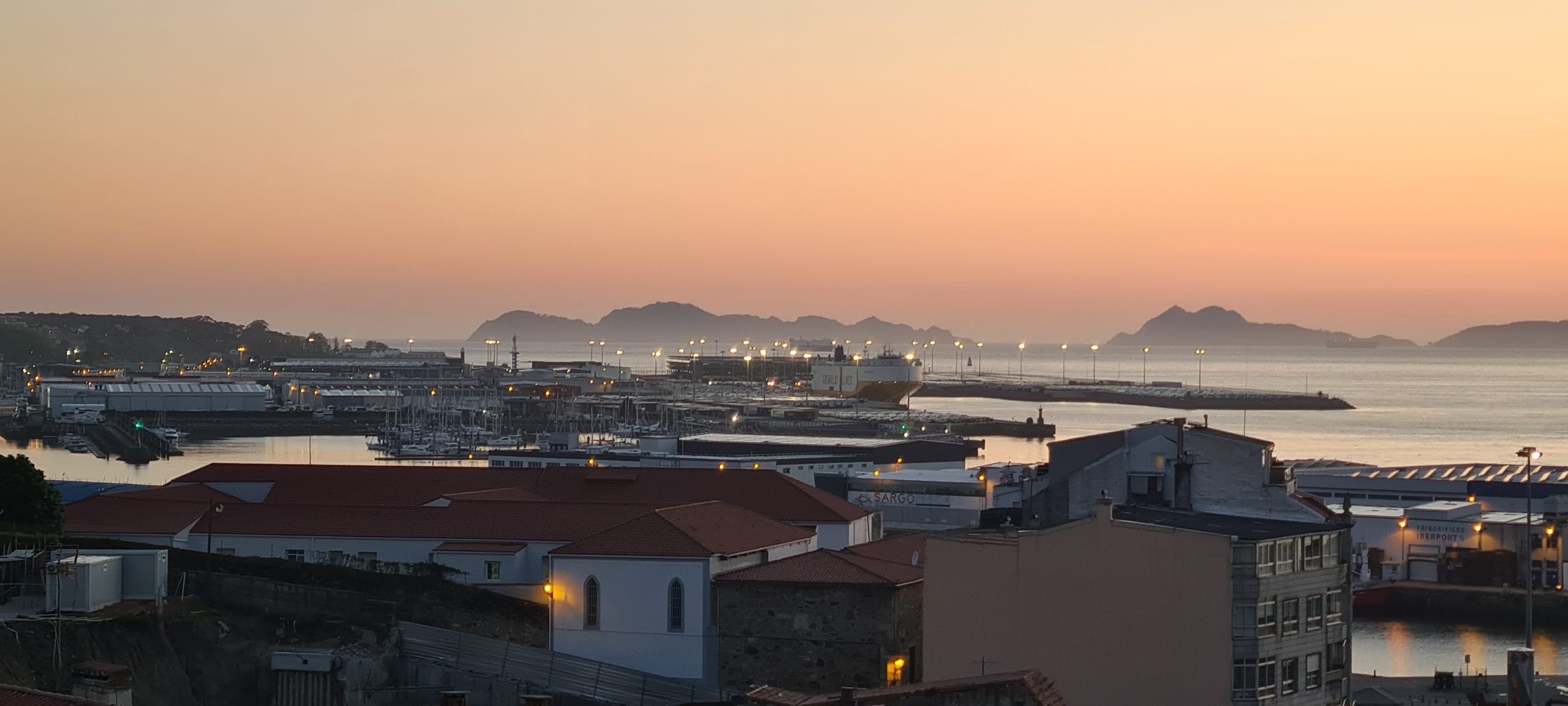
…in Vigo. For many, it may be just a tiny dot on the map in the far northwest of Spain—if they even know it at all. Nestled between dense pine forests, the rough Atlantic Ocean, an impressive mountain backdrop, and a view on the Cíes Islands (part of the Islas Atlántica de Galicia National Park), Vigo will be our new home and workplace for the next six months.
The name might suggests that Vigo is a small town. The name comes from the Latin vicus spacorum, it means “small village.” However, it is the largest city in Galicia, located in northwest Spain on the Ría de Vigo, a bay that extends 15 km inland to Arcade (Santiago).
The proximity to the Atlantic Ocean and the surrounding mountains not only offers a breathtaking panorama, which can be admired from many viewpoints (Mirador) in and around Vigo, but also means that this region is blessed with very high rainfall. Vigo records an annual rainfall of 1787 mm, compared to only 750 mm in Kiel.
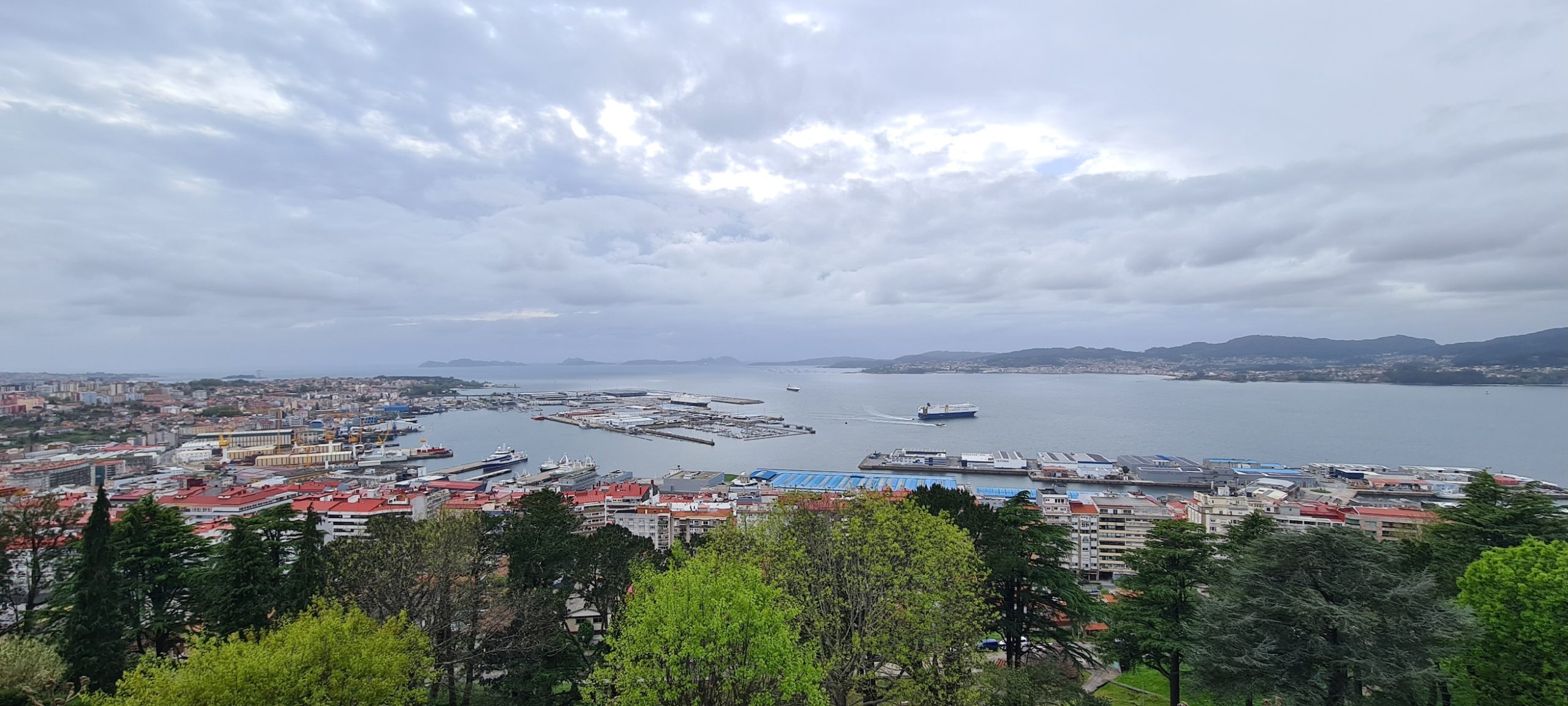
Due to the city’s hilly location, numerous escalators and elevators make everyday life and our initial exploration of the city easier.
One of our first destinations was the Monte O Castro fortress, which towers 130 meters above Vigo and offered us a first magnificent view of the city, the other shore, and the offshore islands.
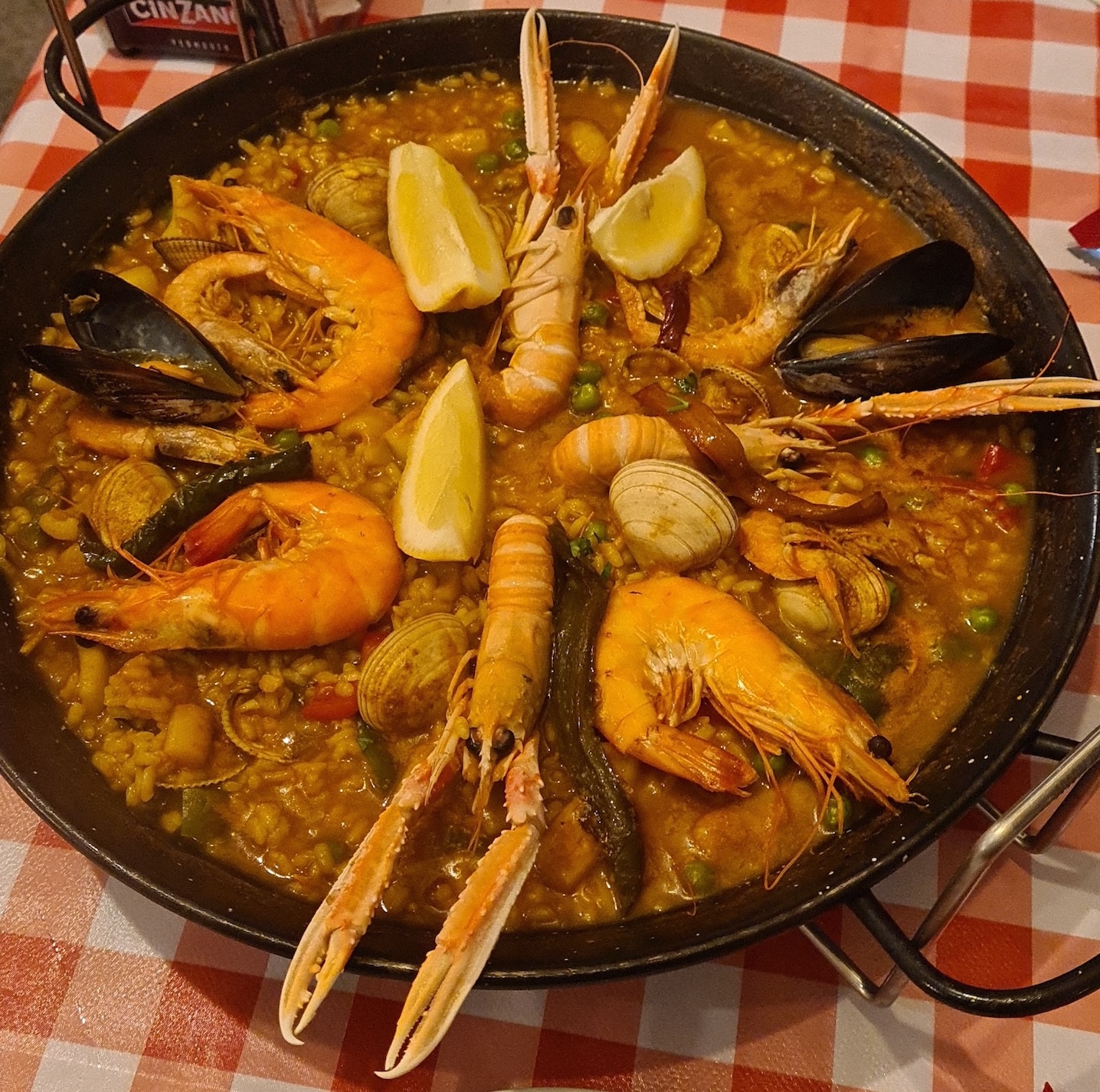
On the way back to the harbour, we passed through the old town, among other places. Numerous restaurants, taverns, and tapas bars invite you to sample the many delicacies of the region. Vigo is particularly known for its seafood, especially oysters, which are cultivated in the numerous oyster farms in the bay. The wide Rua do Príncipe, which is perfect for a shopping trip, leads to the waterfront promenade. But we’re not the only ones who’ll be heading for the main shopping street. Another thing we quickly noticed: Every day, many pilgrims walk through the city on their way to Santiago de Compostela. The end point of the Way of St. James is only about 80 km from our port city. A destination that’s definitely on our bucket list.
Down at the port, instead of beaches and sand, there are numerous ships to admire. From cruise ships to industrial vessels to yachts, there is something for every ship enthusiast. Vigo’s harbours have not only a Mediterranean flair but also a strong industrial port city character.
In a few weeks, one of these ports, in the Bouzas district, will host our field experiment.
But first, we headed west, about 20 minutes from the center, along the coast, past beautiful beaches and scenery, to the Centro Oceanográfico de Vigo.
There, we were warmly welcomed by our two team supervisors, Eva Cacabelos and Paplo Otero. First on the agenda, of course, was a tour of the institute – beautifully situated, right on the rugged Atlantic coast. Up on the roof terrace, with coffee in hand and a sea breeze around us, we turned to the real reason for our stay: our master’s thesis and this year’s GAME project, which is themed “ALAN.” You’ll find out exactly what’s behind it and what initial difficulties we encountered in a moment.
But first, a moment to take it all in and enjoying the view of the Cíes Islands.
Before the hustle and bustle of summer begins, we should definitely take the ferry across and ideally camp there for a night. Not only do the paradisiacal beaches and crystal-clear water attract hundreds of visitors every year, the nature reserve also serves as a refuge for countless bird species.
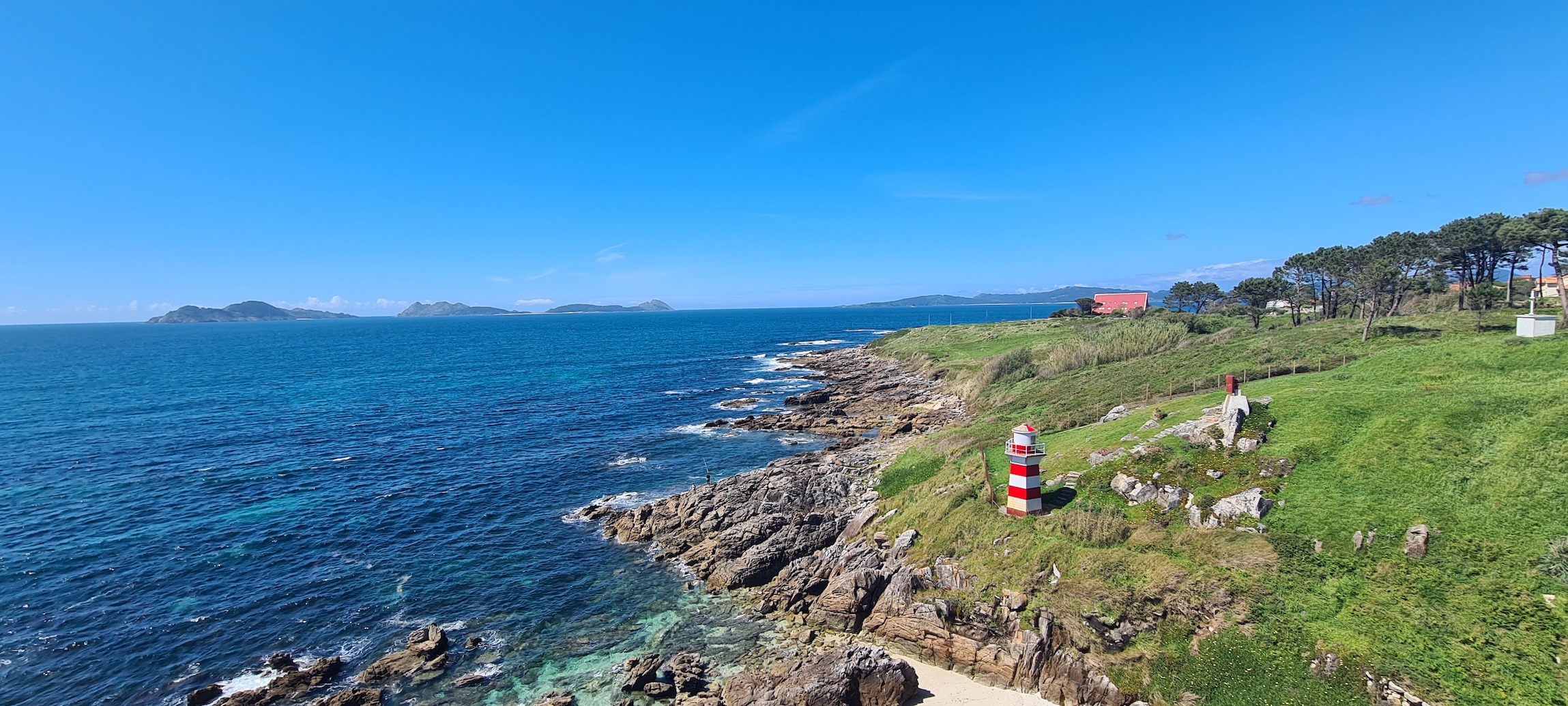
The Centro Oceanográfico de Vigo has been conducting marine research since 1917 and is part of the IEO (Instituto Español de Oceanografía). This, in turn, was founded in 1914 and is now part of the Spanish Ministry of Science, Innovation and Universities. The IEO consists of nine centers: Madrid (headquarters), Vigo, A Coruña, Cádiz, Málaga, Gijón, Murcia, Palma de Mallorca, and Santa Cruz de Tenerife. The research conducted at the Centro Oceanográfico de Vigo supports government advice and focuses on three core areas: aquaculture, marine and environmental protection, and fisheries.
Here, we will also investigate a current but little-researched environmental topic: How does artificial light at night (ALAN) affect the growth of epiphytes on macroalgae? Our experiment will take place directly at the coast, where urban light and natural darkness collide—an exciting setting for a question whose relevance grows with every illuminated city.
But why light – and why at night? Artificial light has become an integral part of our everyday lives. This is especially true along the coasts – where cities are growing, streetlights illuminate the night sky, and industrial plants operate around the clock. A look at satellite images of the Earth at night clearly shows it: Our coasts are glowing. And with each year, there are more lights – and they are getting brighter.
The impact of this constant lighting is well documented scientifically. ALAN – Artificial Light at Night – disrupts our natural day-night rhythms and influences the behaviour of numerous animal species. A classic example: newly hatched sea turtles. Instead of being guided by the moonlight towards the ocean, they often follow streetlights – and thus fatally end up on roads instead of in the water. Other species, however, seem to benefit from nighttime lighting: Certain sharks hunt more successfully under artificial light, because their prey is easier to spot.
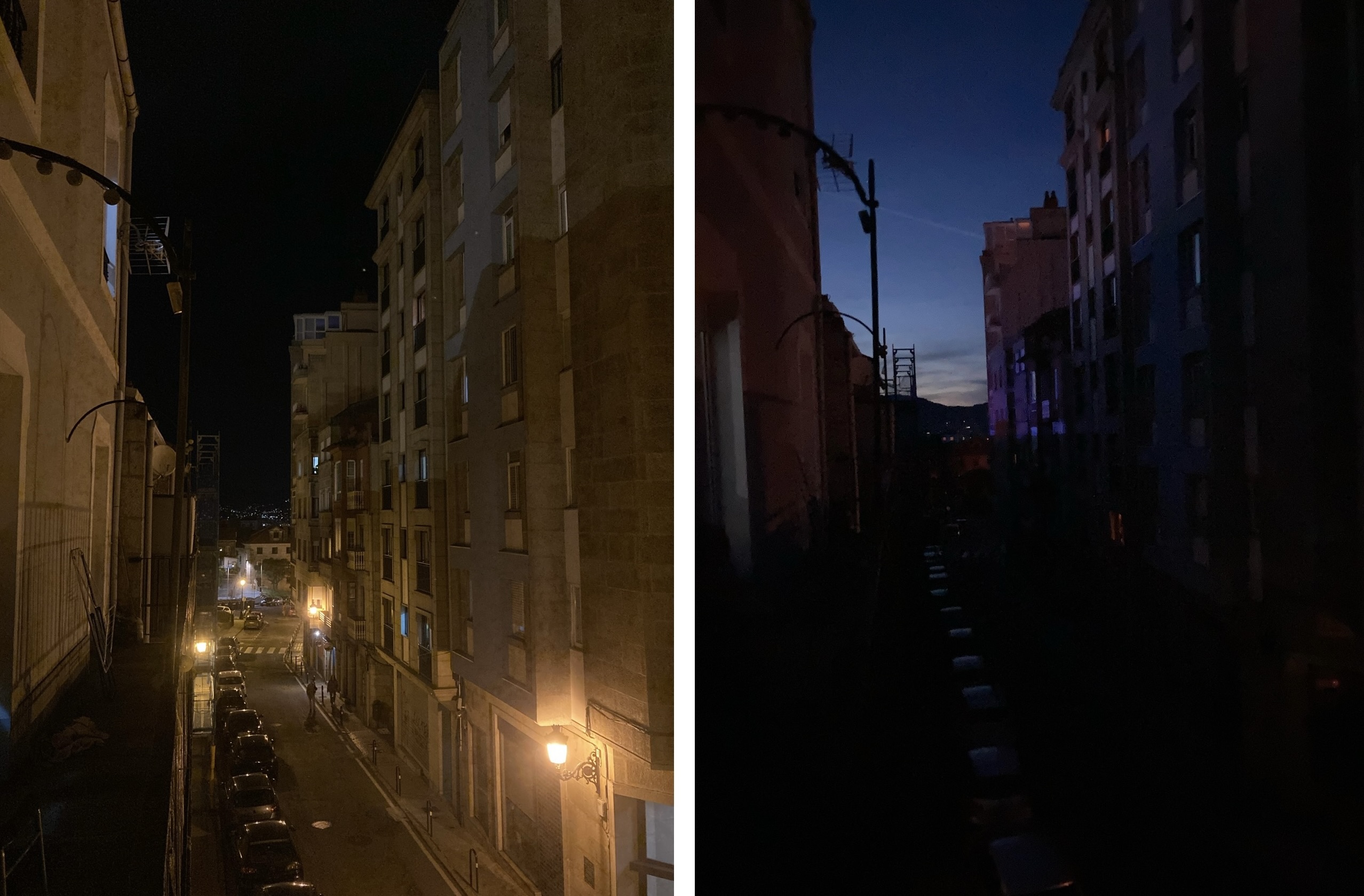
And us humans? We, too, feel the effects. Not just through studies, but through personal experience. During our first few weeks in Vigo, there was a widespread power outage – across Spain, Portugal, and parts of France. It was 12:30 p.m. – and without a generator, suddenly nothing worked. Metro stations came to a standstill, traffic lights failed, and supermarkets could no longer refrigerate frozen goods. And at night? Suddenly, it was – really – dark. An event that made us reflect and reminded us once again how important light is—and how much we take it for granted. As beautiful as the starry sky above Vigo was that evening, the total darkness felt almost surreal. For us, it was an unusual experience—but for many organisms, this natural darkness is vital and is becoming increasingly rare. What seemed like an exception to us is a disappearing norm for a lot of animals and plants.
Species that are not so charismatic are quickly forgotten in this context. For example, the inconspicuous epiphytes – small growing photoautotropic organisms like unicellular microalgae or small filamentous macroalgae that colonize larger macroalgae and other solid surfaces. They make significant contributions to the services of marine benthic ecosystems by binding CO₂, stabilizing communities and providing food. At the same time, they also impair the performance of their hosts by reducing their access to light, CO2 and nutrients. Hence, a change in their abundances can have far-reaching consequences for benthic ecosystems. Yet, little is known about how they respond to artificial light at night.
There was already a GAME project in Vigo during which field experiments were conducted, but with a different scientific focus for which artificial light at night was not relevant. They were situated at the same location for which we had also received approval. Thus, we were relatively quickly confronted with the first hurdles in scientific field research – which many people don’t even realize!
The problem is that Marina Davila is located directly next to an industrial port, or rather, a large car transfer point, which is illuminated all night long with gigantic lights. It’s probably the brightest place in all of Galicia. Bad for our experimental control group, which was supposed to be in complete darkness at night. So, we spent the first week wandering around various harbor areas in the area at night, measuring the background illumination in order to find a better place for our experiments.
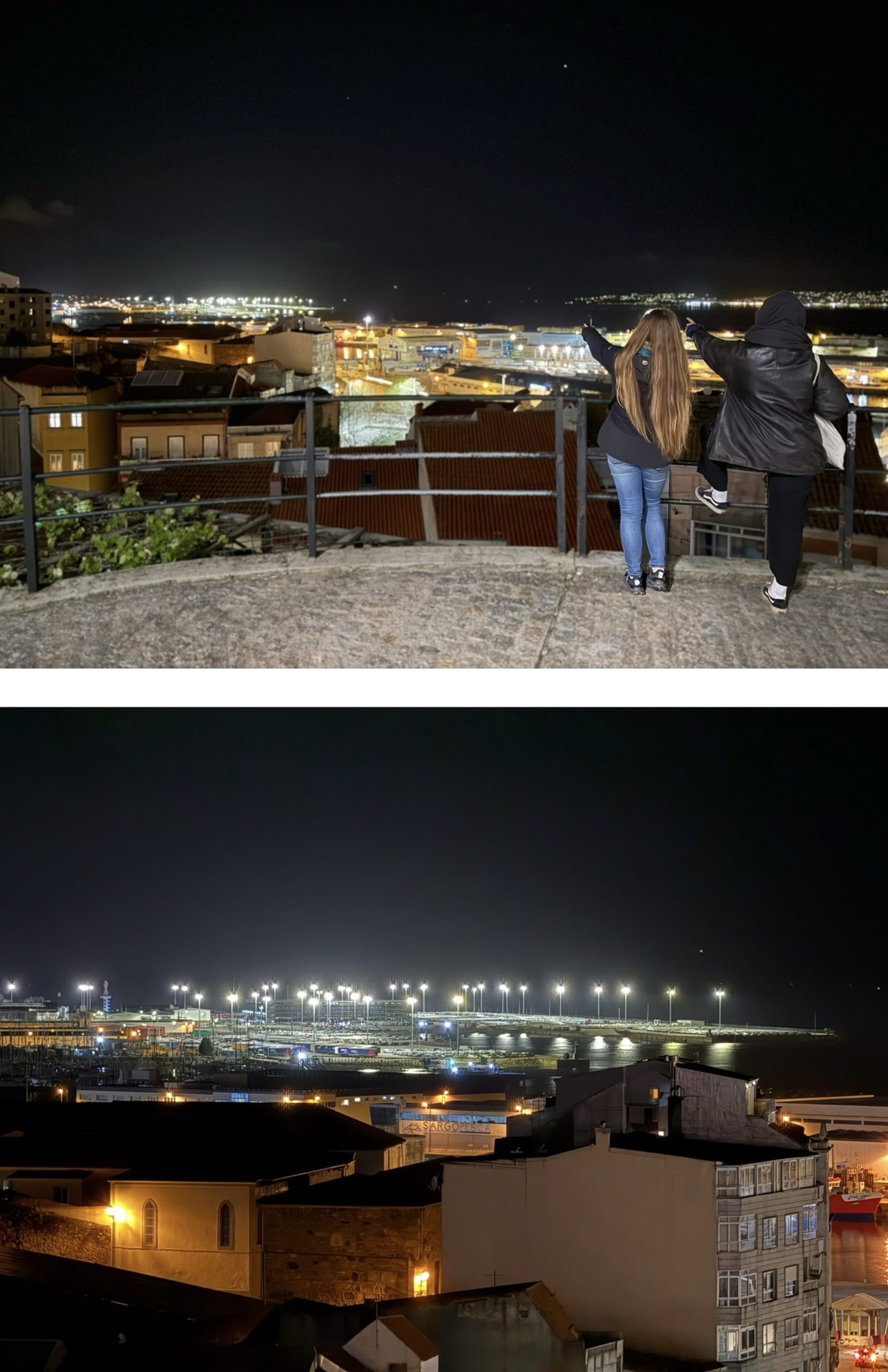
Fig. 10: Where was our study site supposed to be? We can show you! Right there (upper picture)! The brightest spot in the port. At a closer look all the cars that will be transported around the world are visible as well (lower picture). Photo: Anna 2025.
Thanks to the friendly harbourmaster at Marina Davila, we found a darker spot with even less wave exposure. However, we’re dealing with a tidal range of 4 meters, which could be tricky and is something we should keep in mind while planning our experimental setup.
Great! That was the first trick – and the second will follow quick.
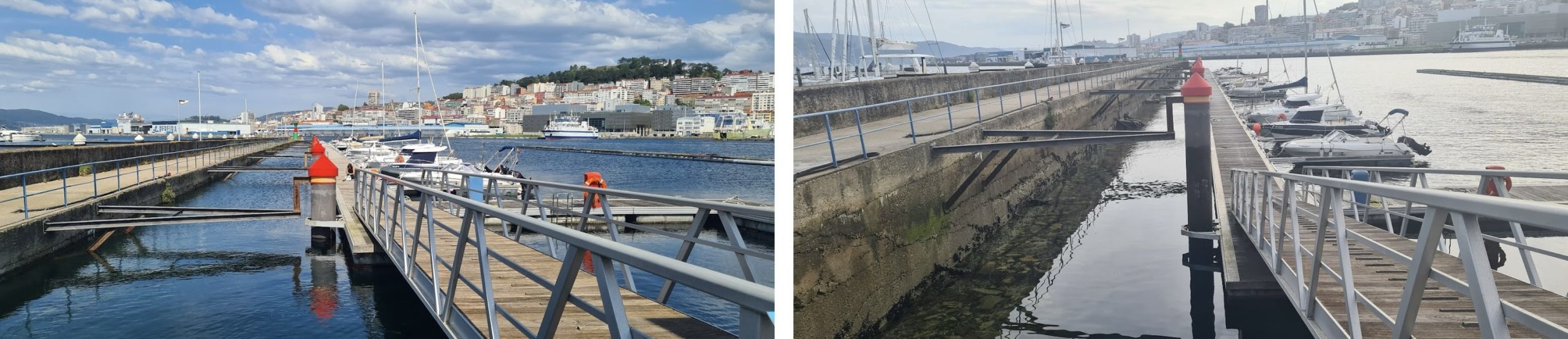
Next, we need to find a suitable algae species and conduct initial trials – so-called pilot studies. This will allow us to determine the best options for our location and get a feel for the handling of the organisms, materials, and analytical methods.
Eva supports us wherever she can. As part of her own research, which focuses on plastic pollution in the ocean, we are able to accompany her one morning to the rocky bay near the institute. We were able to find different species of algae and marine organisms at low tide and also collect potential macroalgae for our project. However, the two more common Laminaria species here – Laminaria hyperborea or Laminaria ochroleuca – are difficult to distinguish from each other at a young age.
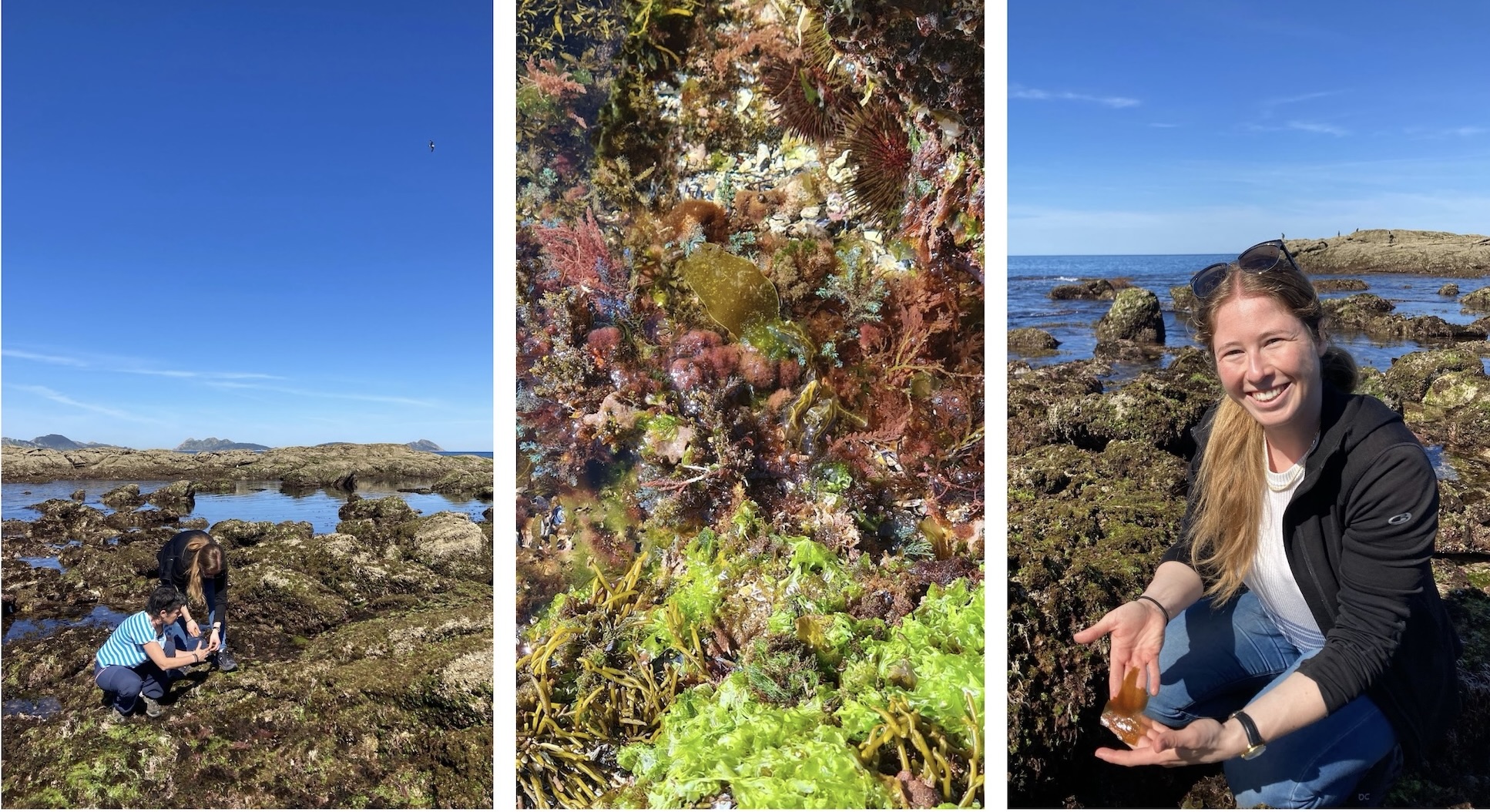
These were deployed the next day, along with other algae fragments, at our harbour site in a preliminary test. Now we just have to keep our fingers crossed that our setup holds and that it doesn’t get washed away… or even eaten by fish or invertebrate grazers.
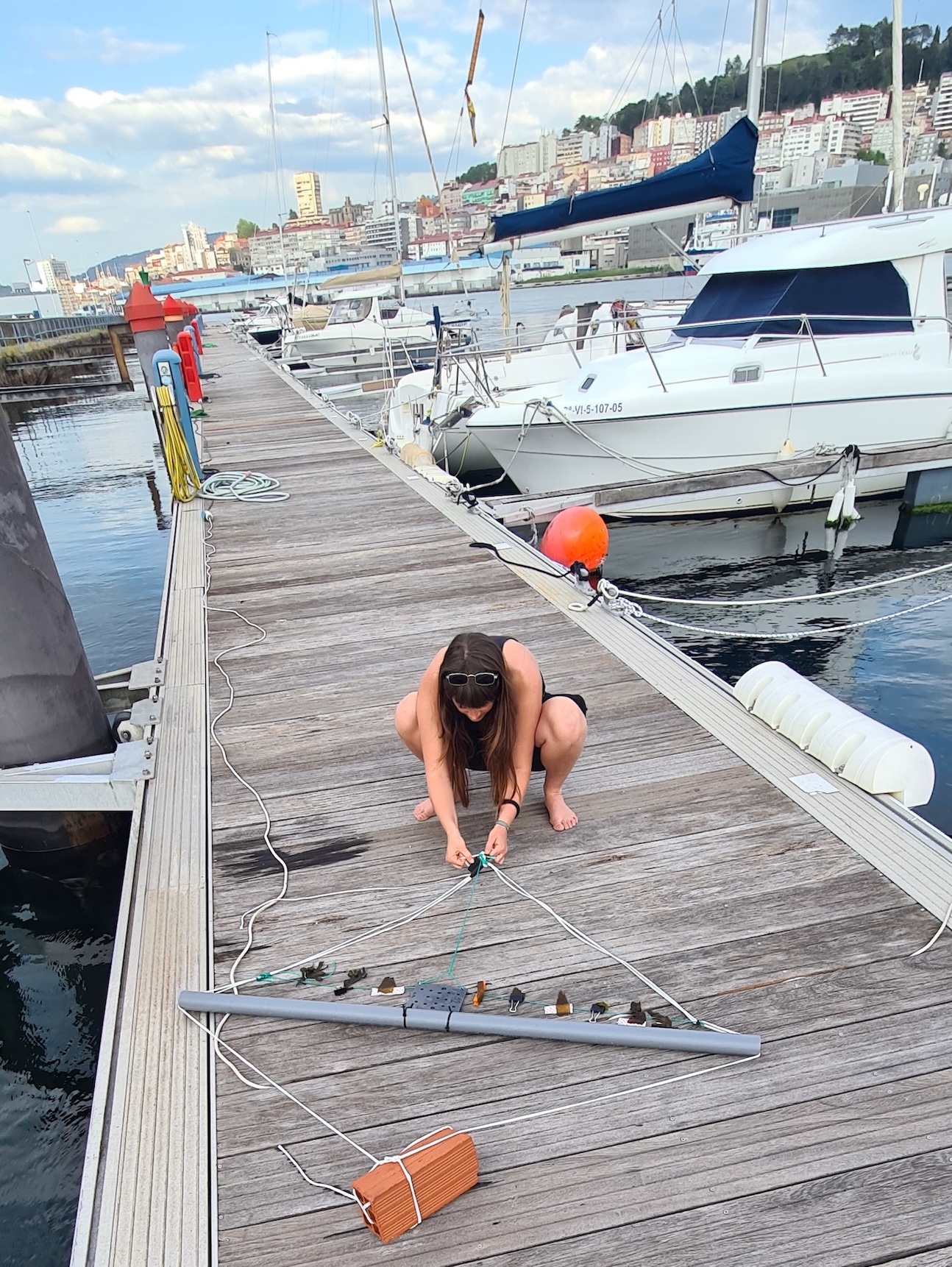
So, everything remains exciting.
In any case, we’re ready to diligently tinker and by this solve any problems that arise in the coming weeks.
Anna & Verena

By Naomi Krauzig (GEOMAR)
One of the most rewarding aspects of M219 has been contributing to the maintenance of the long-term GEOMAR mooring arrays that quietly monitor the tropical Atlantic year after year.
While CTD/LADCP casts and other shipboard measurements provide invaluable snapshots of the ocean, these anchored instruments provide something that cannot be obtained otherwise: continuous observations spanning minutes, days, seasons, years, and even decades. As an observational oceanographer, it is difficult not to appreciate the value of these datasets. They form the foundation for understanding ocean variability in regions that are critical for Atlantic climate variability and allow us to detect and quantify long-term changes that would otherwise remain hidden within the ocean’s natural variability.
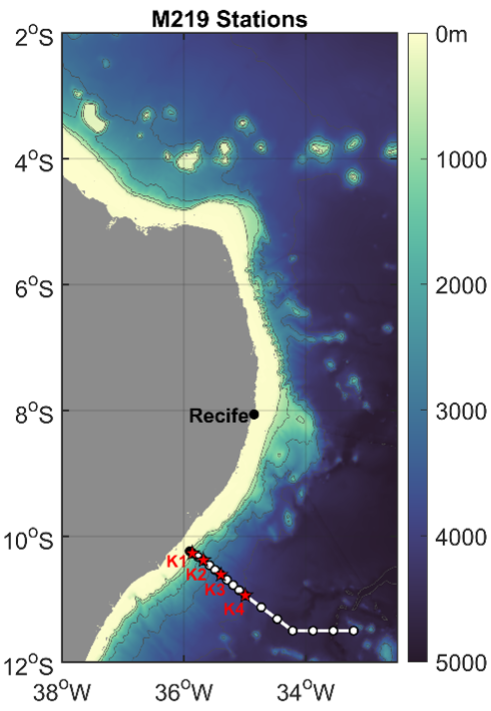
Our first major operations took place off the Brazilian coast at 11°S, where the K1 to K4 moorings form part of a long-term observing system monitoring the western boundary current system and the Atlantic Meridional Overturning Circulation (AMOC). Within just a few days, the four deep-sea moorings were successfully recovered, assessed, serviced, and redeployed.
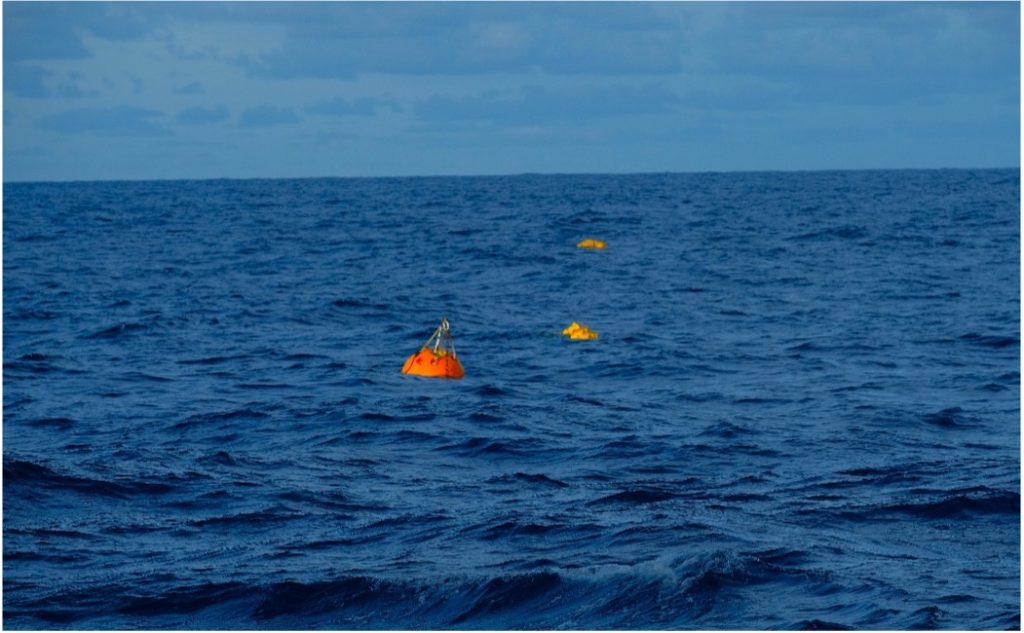
Every recovery felt a bit like opening a treasure chest. After spending a year or more beneath the ocean surface, these instruments returned carrying an invaluable record of currents, temperature, salinity, oxygen, and other key ocean properties. It was incredibly rewarding to see how well they had performed. Nearly all instruments operated successfully throughout the entire deployment period, delivering high-quality datasets with remarkably few gaps.
From Brazil, we continued north to the equator at 23°W, home to another key long-term mooring at exactly 0°N. Since 2006, this mooring has been monitoring the Equatorial Undercurrent and the deep equatorial circulation from the surface to nearly 4,000 m depth. Its successful recovery and redeployment mean that this unique 20-year time series will continue, helping us better understand how the tropical Atlantic influences climate, oxygen and nutrient transport, and marine ecosystems across the basin.
Our final mooring destination brought us to the Cape Verde Ocean Observatory (CVOO), one of the flagship long-term ocean observatories in the eastern tropical Atlantic. Here, physical, biogeochemical, and ecological observations come together to track how the ocean stores heat and carbon and how marine ecosystems respond to environmental change. Like the moorings at 11°S and the equator, the value of CVOO lies not in a single measurement, but in the continuity of the multi-decadal record.
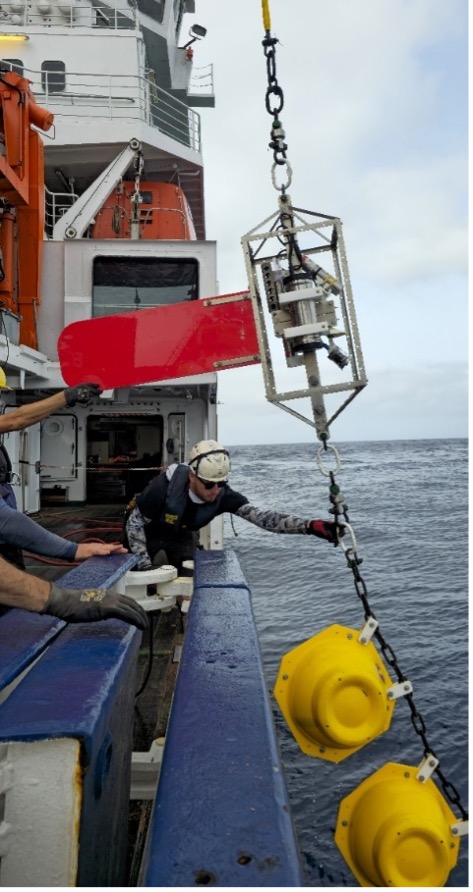
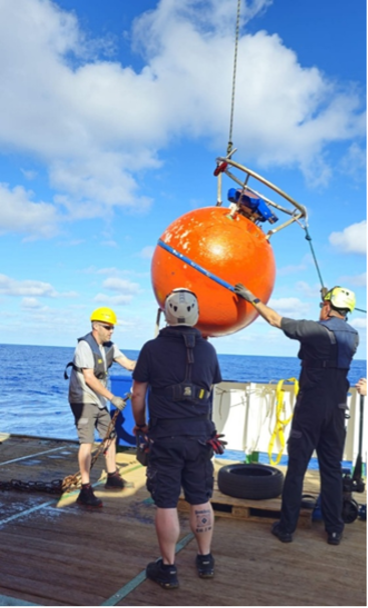
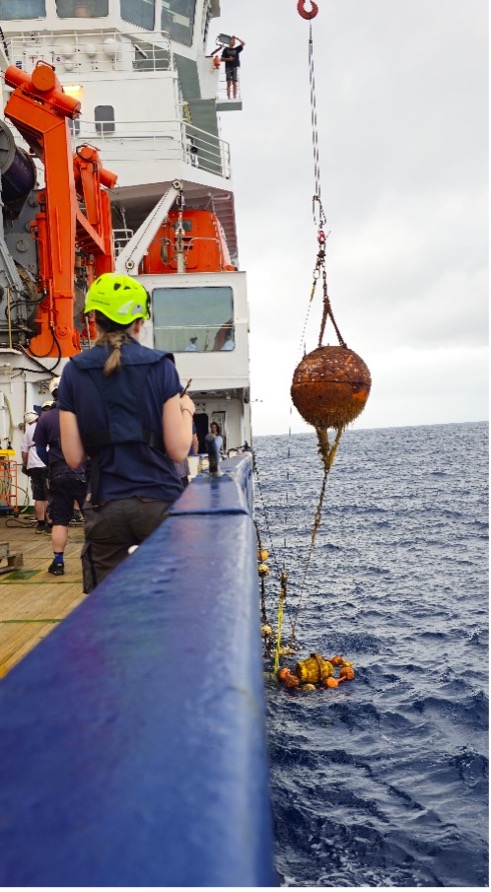
For me, one of the most memorable aspects was seeing how many people contributed to the success of the mooring operations. Careful planning laid the foundation, while having a dedicated person keeping track of every step ensured that everything ran smoothly (kudos to Anna Christina Hans, aka Tina!). On deck, crew, technicians, and scientists worked together like a well-oiled machine, stepping in where needed and solving problems on the fly.
The teamwork extended all the way back home to GEOMAR. Thanks to Rebecca Hummels’ mooring toolbox, data from several instruments could already be processed and checked while parts of the moorings were still in the water, providing an early look at the quality of the observations. On top of that, mooring experts were available around the clock to provide information, advice, and troubleshooting whenever needed. I believe the high success rate of the recoveries and redeployments is a testament to the experience, teamwork, and dedication of everyone involved.
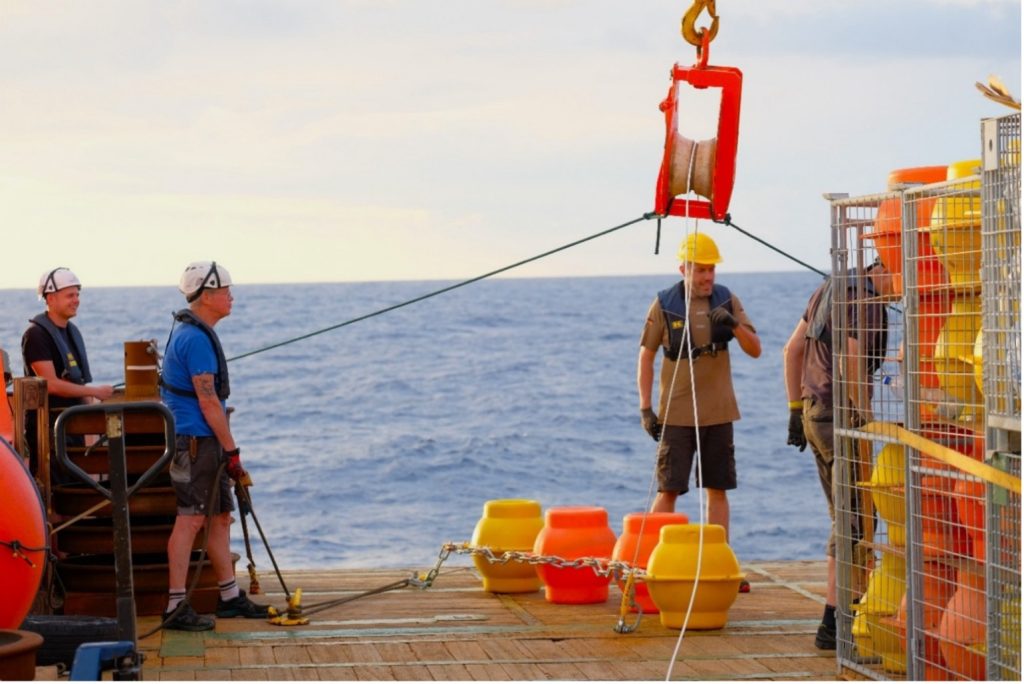
With the major milestone of the successful mooring work behind us, another exciting operation was still ahead. Waiting in Mindelo was a brand-new surface buoy, ready to begin its own contribution to these invaluable long-term observations. Stay tuned to learn more about that deployment in a future blog post.
Keeping the Record Alive: Long-Term Ocean Observations in the Tropical Atlantic
By Joelle Habib (Laboratoire d’Océanographie Villefranche)
When you go on a scientific cruise, you always think about the instruments you’re going to deploy, the great data you’re going to acquire, or the experiments you’ll conduct. What you almost always forget is the small thing that isn’t actually small at all: food. And how are you going to eat it!
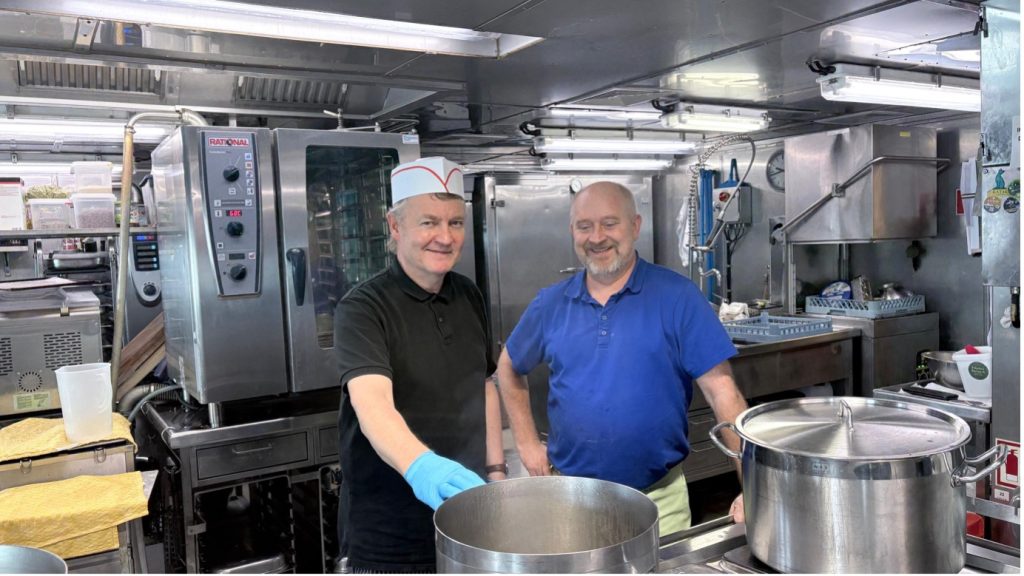
For those not familiar with scientific cruises: once you’re on board, most of your time goes to the science. You don’t really have time for food or food preparation. But there are always hidden heroes preparing your breakfast, lunch, and dinner, and, most importantly, the dessert for the dessert break. Today, instead of shedding light on the science, we’re going to talk about people, starting with the two chefs our lives basically depend on.
Rainer Götze and Peter Wernitz are the chefs of the last METEOR cruise. Rainer has been cooking on this ship for over 23 years, while Peter has been doing it for 13. Together they cook for 60 people on board, seamen and scientists alike. You’re probably wondering, like I was, how they pull it off. I had the chance to talk to them, and here are some of the ship’s secrets.
Let’s start with the planning. They don’t prepare the whole month’s menu before going on board, they plan it day by day. That said, a few dishes are practically law: fish on Tuesday and Friday, stew on Saturday (the stews are good, but it’s still my least favorite food day), and roasted meat on Sunday. Ice cream shows up for dessert on Sunday and Thursday lunches. And no matter the day, there’s always a vegetarian option on the table, nobody on board goes without something to eat.
So, all this cooking, but how many ingredients does it actually take? Let’s start with numbers. Every morning for breakfast there’s a choice of eggs (scrambled, boiled, fried…), pancakes, and more. So how many eggs are on this ship? For a one-month cruise, there are 3,000 eggs in storage, and the cooks go through around 90 of them a day. They also bake fresh bread every single day, about 3kg of flour goes into roughly 60 loaves. Coffee breaks happen all day, every day, there’s about 60kg of coffee on board. And since we’re on a German ship, and Germans do love their potatoes, there are 300kg of potatoes stored in a refrigerated, dark room so they don’t go bad.
You might be wondering why I’m talking so much about potatoes. Well, my dear reader, lunch has plenty of variety, but the one constant is potatoes. We’re on day 20 of the cruise, and I think we’ve worked through most of the varieties by now: fried, baked, soufflé, mashed, boiled and more still to come.
Another question I had was what happens if one of them gets sick. Rainer is a tough seaman who doesn’t get seasick anymore; Peter still does, occasionally. But either way, they’re always there, cooking through good conditions and bad. People generally love the food, though the chefs did tell me the one thing that never goes down well is old-school dishes like veal liver. (I can confirm.)
I think the message I’m trying to convey here is: a scientific cruise wouldn’t really be possible without Peter and Rainer. Science at sea is not only the science, but it’s also the work and effort of everyone on board. Especially the chefs!
By Leonie Jaeger (ICBM Oldenburg)
The ocean is the dominant climate regulator of our Earth. I am on board the RV Meteor to conduct measurements that helps us better understand the critical processes at the interface between the atmosphere and the ocean. The focus of these measurements is heat and freshwater fluxes, two key drivers that both influence and regulate Earth’s climate.
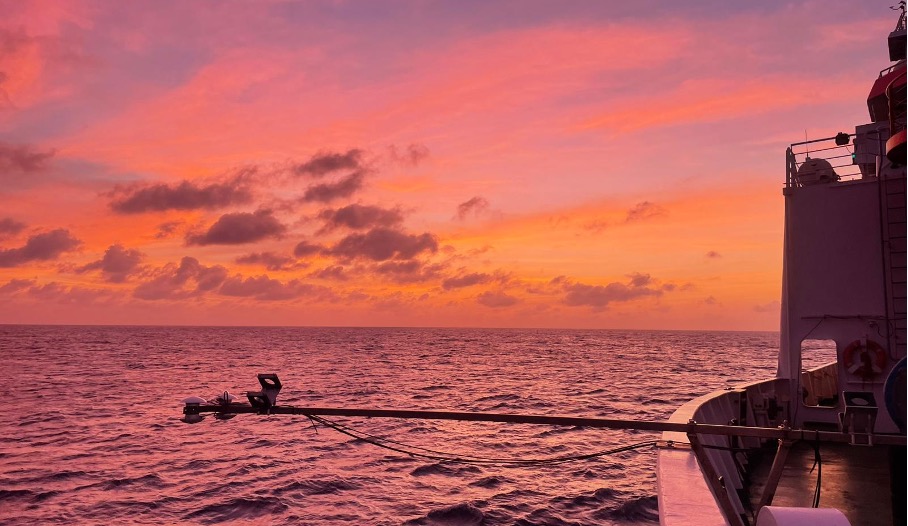
The ocean stores and transports vast amounts of heat across the whole globe. The exchange of heat between the atmosphere and the ocean is controlled by different surface heat fluxes. The sun emits shortwave radiation, which warms the surface ocean, though part of this radiation is reflected at the water surface. At the same time, the ocean emits longwave radiation towards the sky due to its temperature, some of which is reflected and absorbed by water vapor and clouds. To quantify these fluxes, I use radiometers: sets of upward- and downward-looking sensors that measure radiation coming from the sky and from the ocean. Specifically, pyranometers measure shortwave radiation, while pyrgeometers measure longwave radiation.
Over the open ocean, freshwater fluxes result from two processes: evaporation and precipitation. Approximately 80% of the global freshwater flux occurs over the ocean, underscoring the ocean’s dominance in the global water cycle and its influence on climate over land. In a warming climate, evaporation is expected to intensify as temperatures rise and the atmosphere’s capacity to hold moisture increases. That makes is very important to better understand these fluxes. However, high-quality measurements of precipitation and evaporation using remote techniques remain challenging. On this cruise, I am using a disdrometer, an instrument that measures rain in high resolution. It allows us to investigate not only the total amount of rain but also the velocity and size of individual raindrops, enabling a detailed characterization of rain events.
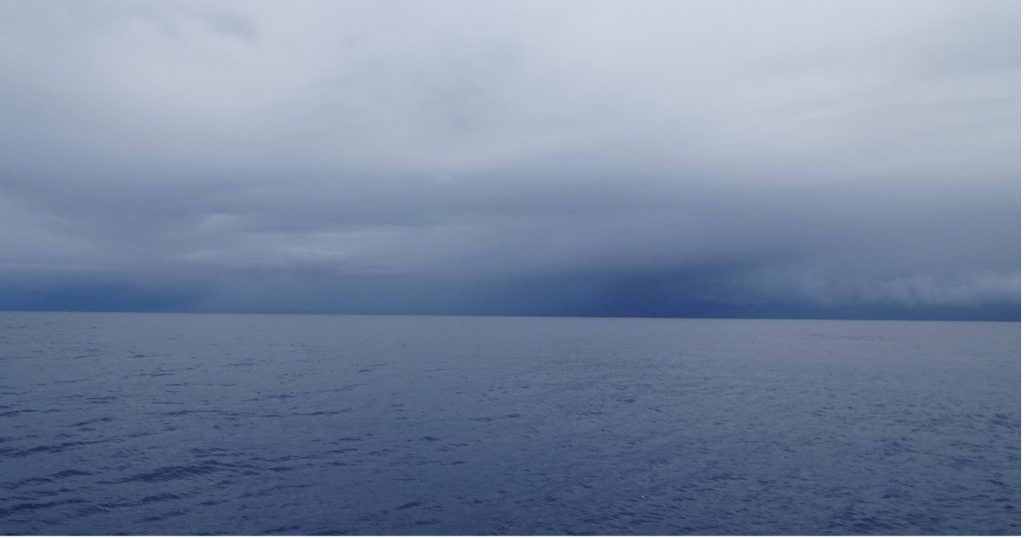
Our cruise track crosses the Atlantic Ocean from South to North, passing the equator. This transect will provide a valuable dataset. Importantly, we will cross the Inter-Tropical Convergence Zone (ITCZ), a region near the equator characterized by heavy rain and thunderstorms. These storms originate from warm, moist air that rises continuously. As the air rises, it cools and condenses, forming thick clouds and intense precipitation. Because the ITCZ is driven by the convergence of trade winds from both hemispheres, it maintains persistent bands of convection. In this zone, these convective systems can trigger even more convection in the atmosphere driving the tropical climate. Together with warm surface temperatures, these high-energy processes can lead to the genesis of tropical cyclones. Thus, the atmosphere influences the ocean, and the ocean influences the atmosphere. Direct measurements at their interface are essential to better understand these processes shaping our climate. My responsibilities include installing and maintaining the measurements systems, as well as data validation and data storage. Maintaining sensors close to the ocean requires frequent cleaning, because sea spray leaves salt deposits everywhere, leading to corrosion. Together with ship-based measurements such as air temperature, wind speed and humidity, and oceanographic underway measurements including continuous observation of the water temperature, salinity, turbidity and chlorophyll, our data will provide a comprehensive dataset to study fresh and heat water fluxes between the ocean and the atmosphere.


The Best Sustainable Brands — for Any Budget (2026)

DeBriefed 19 June 2026: Bonn talks end in ‘gridlock’ | Energy’s ‘new era’ | Oceans in climate negotiations
Planning For Life After Coal Cost a Montana County Commissioner His Seat
-
Climate Change10 months ago
Guest post: Why China is still building new coal – and when it might stop
-
Greenhouse Gases10 months ago
Guest post: Why China is still building new coal – and when it might stop
-

 Greenhouse Gases2 years ago
嘉宾来稿:满足中国增长的用电需求 光伏加储能“比新建煤电更实惠”
-

 Climate Change2 years ago
嘉宾来稿:满足中国增长的用电需求 光伏加储能“比新建煤电更实惠”
-
Climate Change2 years ago
Bill Discounting Climate Change in Florida’s Energy Policy Awaits DeSantis’ Approval
-

 Renewable Energy8 months ago
Sending Progressive Philanthropist George Soros to Prison?
-

 Carbon Footprint2 years ago
US SEC’s Climate Disclosure Rules Spur Renewed Interest in Carbon Credits
-
Greenhouse Gases11 months ago
嘉宾来稿:探究火山喷发如何影响气候预测