

Quick Key Facts
- Roughly 20 to 25 percent of fish, molluscs and crustaceans in developing countries come from coral reefs.
- Corals grow an estimated 0.39 inches per year — one of the slowest growth rates of any animal on Earth.
- A few square kilometers of coral reef takes roughly a million years to grow.
- At nearly 135,136 square miles, Australia’s Great Barrier Reef is the largest structure in the world made by living organisms, and can be seen from outer space.
- The Great Barrier Reef is actually made up of nearly 3,000 separate reefs.
- Corals like strong currents because they circulate seawater quickly, keeping the temperature — especially at the surface — cooler and more stable.
- Scientists have predicted that by 2055, 90 percent of coral reefs worldwide will experience severe annual bleaching.
What Are ‘Coral Reefs’?

Coral reefs consist of hundreds of thousands of coral polyps — marine animal invertebrates with hard calcium carbonate exoskeletons. Different species grow to form a variety of measurements and shapes — from the size of a pinhead to as large as a foot in diameter.
Coral colonies are habitats and breeding grounds for many marine species, including sharks, manatees, dugongs, fish, sea urchins, molluscs and sea sponges.
Types of Coral Reefs
Fringing

There are three main types of coral reefs: fringing, barrier and atoll, the most common of which is the fringing reef. A fringing reef extends from the shore out into the ocean, forming a border along the coastline and nearby islands.
Fringing reefs grow more successfully on rising or stable shorelines. They consist of the reef flat, also known as the “back reef,” and the reef slope, or “fore reef.” The fore reef is the part closest to the sea, while the back reef makes up the widest portion of the reef. Corals in a fringing reef grow upward toward the ocean’s surface or outward in the direction of the sea.
The planet’s largest fringing reef is the Ningaloo Reef, which extends 155 miles along Australia’s western coast. It is home to 300 coral species, 500 fish species, 600 species of mollusks and a host of other sea life and marine invertebrates.
Barrier

The largest type of coral reef, barrier reefs border the continental shelf like fringing reefs, but grow further out in a linear fashion, separated by a frequently deep lagoon of water. Shallow parts of the reef sometimes touch the surface, forming a “barrier” that can impede boat traffic.
Barrier reefs can be hundreds of miles long and several miles wide, but are not nearly as common as the two other main types of reefs.
Probably the best known barrier reef in the world, the Great Barrier Reef is located off the coast of Australia in the Coral Sea. The Great Barrier Reef is Earth’s largest coral reef system — rather than one reef, it is actually made up of nearly 3,000 separate reefs. It extends 1,429 miles over an area of nearly 135,136 square miles. The Great Barrier Reef is so extensive, it can be spotted from space.
Atoll

Small islands on the Three Brothers group on the western Great Chagos Bank. Brian W. Bowen
An atoll is actually a fringing reef that once surrounded a volcano, but as the volcano sank below sea-level, the corals continued to grow, becoming the only thing visible from the surface.
Atolls are typically circular, oval or shaped like a horseshoe and have a sandy, shallow lagoon in the middle. The coral rim of an atoll may or may not entirely surround the lagoon, but if it does, little or no sea water will move in and out.
The 4,881 square-mile Great Chagos Bank, located in the Indian Ocean, is the largest atoll on the planet. It consists of the protected Eagle Islands, Danger Island, Nelson Island and the Three Brothers islands.
Why Are Coral Reefs Important? Why Do They Matter?
Support One-Quarter of All Marine Species

It is estimated that a quarter of marine species are supported by coral reef ecosystems, though reefs do not even comprise one percent of the seafloor.
These cradles of biodiversity act as habitat, feeding, reproduction and nursery grounds for more than a million marine species.
According to the International Union for Conservation of Nature (IUCN), many of the species living within the coral reef ecosystem have been listed under the IUCN Red List of Threatened Species, including one-third of reef-building coral species, whale sharks, the giant clam and the hawksbill sea turtle.

Protect Coastlines From Storms, Flooding and Erosion
Coral reefs act as natural barriers that protect coastlines from erosion. Corals grow laterally across the seabed and up between the seafloor and the water’s surface. This stabilizes the seabed and absorbs wave energy and elements from the open ocean. Some coral reefs are capable of absorbing more than 95 percent of wave energy.
The buffer of a reef also reduces storm damage from cyclones, as well as some of the energy of tsunamis.
Reefs not only protect the shoreline and its human developments, but the ecosystems — like lagoons containing seagrass meadows — that lie between the coast and the reefs themselves.
Clean the Water
A great number of corals and sponges consume nutrients from particulate matter through the process of filter feeding. This helps prevent harmful particles from settling on the ocean floor and keeps waters clear.
Act as Cultural Heritage Sites

Corals have cultural importance for many of the world’s coastal communities, such as the Torres Strait Islanders with the Great Barrier Reef, and Hawaiians, for whom the coral polyp holds significance in traditional stories.
Even for those who don’t live close to the sea, coral reefs are associated with the vast and colorful scope of marine biodiversity on our planet. Visits to coral reefs result in millions of trips each year and billions in tourism dollars for local communities.
Provide Food, Income and Recreation for Humans
Roughly six million fishers count on coral reefs for the economic goods and services they provide. In the U.S., their annual commercial value is estimated to be more than $100 million, while the estimated economic value globally is $375 billion.
Hundreds of millions of people rely on coral reefs for their resources, protection and tourism. Many of the people who depend on the reefs are from island nations and developing countries and take food directly from the reef’s waters.
Roughly 20 to 25 percent of fish, molluscs and crustaceans in developing countries come from coral reefs, 70 to 90 percent in Southeast Asian nations and 10 percent worldwide.
Snorkelers and divers flock to coral reefs to admire the stunning array of colorful species, with more than 100 countries reaping the benefits of reef tourism.

For many small island nations, coral reefs are responsible for most of their new economic development.
Responsibly managed reefs that limit pollution and harm from tourists can help provide sources of income for developing coastal countries.
A Source of Medicine
Corals spend their lives fixed to one spot. In order to protect themselves, they have evolved chemicals to defend against other organisms threatening their space. Some of the chemicals have been studied by scientists for their medicinal benefits related to cell aging and certain types of cancer. The skeleton of a coral is similar to human bones, and has been used for bone grafts for decades.
Only a small number of reef organisms have been tested and analyzed, so there may be undiscovered pharmaceutical remedies hiding in coral reef waters.
Challenges Facing Coral Reefs
Ocean Warming & Acidification
The greatest threats to coral reefs worldwide are increasing ocean temperatures due to climate change and the resulting changes in ocean chemistry. Warmer temperatures are causing oceans to heat up, while atmospheric carbon gas dissolves into the water, causing acidification.
Atmospheric and oceanic carbon dioxide are in equilibrium with each other, so when carbon concentrations in the atmosphere increase, so do those in seawater. When carbon enters the ocean, it forms carbonic acid — a compound of carbon, hydrogen and oxygen — increasing the water’s acidity.
Roughly a quarter of the carbon emitted from humans burning fossil fuels is absorbed by the ocean. The acidity of the ocean has increased about 30 percent since the Industrial Revolution — the fastest rate in millions of years. By the end of the century, ocean acidity levels are predicted to be 40 percent higher than they are now.

When ocean acidity increases, the amount of ions and salts corals need to form calcium carbonate are reduced, leading to slower coral growth. The decrease in coral growth affects species to differing degrees, but severe acidification can cause some coral skeletons to dissolve.
Runoff can lead to nutrient enrichment, increasing the acidity of coastal waters in local areas and worsening ocean acidification.
Bleaching
Microscopic algae grow on corals in a symbiotic relationship, providing the corals with food. The algae are expelled by their coral hosts when they become stressed due to increased ocean temperatures. This puts further strain on the corals and exposes their white calcium carbonate structure — a process called coral bleaching.
Prolonged or severe bleaching can leave coral colonies vulnerable to additional threats like infectious diseases.
Research has shown that when corals are exposed to high carbon dioxide levels, their bleaching risk increases by as much as 50 percent.
Scientists have predicted that by 2055, 90 percent of coral reefs worldwide will experience severe annual bleaching.

Human Activities
Since most coral reefs are near the shoreline in shallow water, they face numerous threats and are especially vulnerable to human activities. Many human actions that degrade corals are indirect — like pollutants, nutrients and microplastics — while others such as overfishing and coral harvesting are more direct.
Overfishing
Nature is about balance, so anything that involves the adding or subtracting of too many nutrients or resources disrupts its equilibrium — not just in the present, but it can lead to cascading effects and change the structure of the ecosystem.
Overfishing depletes populations of grazing fish who help keep corals from becoming overgrown with algae. An overabundance of algae is food for microbes and encourages their growth. The microbes then deplete corals’ oxygen and introduce diseases into their environment. Less corals mean more algae, which further endanger the remaining corals.
The use of explosives to kill fish — blast fishing — is an especially destructive practice that can physically damage not only fish, but corals too.
Pathogens
Stormwater and sewage that has not been treated properly, as well as livestock runoff, can result in pathogens ending up in the ocean. Parasites and bacteria from fecal contamination — though rare — can infect corals, particularly if they are already experiencing environmental stressors.
Healthy ecosystems do sometimes experience outbreaks of coral disease, but the addition of pollution containing pathogens can make the intensity and frequency worse.
Nutrients

Excessive amounts of nutrients — such as phosphorus and nitrogen from sewage discharge, animal waste and residential and agricultural fertilizer and pesticides — can cause algal growth that takes away from corals’ oxygen supply, occludes sunlight and can lead to bleaching. This can cause an imbalance in the ecosystem as well as the growth of fungi and bacteria that can be unhealthy for corals.
Toxic Substances
Toxic substances like chemicals and metals — such as lead, mercury, oxybenzone, dioxin and polychlorobiphenyls (PCBs) — that come from sunscreens, industrial discharge and mining can affect the growth rate, feeding, reproduction and defense responses of corals.
Trash and Microplastics

Microplastics can end up in waterways and the ocean from many sources, including old fishing gear, plastic bags, plastic bottles and the microbeads used in personal care products and cosmetics.
This marine debris can get caught on corals and damage or break them, block sunlight and kill or entangle reef organisms. Microplastics and beads can be eaten by corals, sea turtles, fish and other marine life, poisoning them with toxins and blocking their digestive tracts.
Habitat Destruction
Coastal development, ship groundings and anchors, quarrying, dredging, harmful fishing practices and the touching or removing of corals during recreation or harvesting can all lead to physical damage and destruction of coral habitat.
Sedimentation
Agriculture, coastal development, forestry and urban stormwater runoff can cause the deposit of sediments onto reefs. This sedimentation can smother corals, as well as disrupt their ability to grow, feed and reproduce.
Coral Harvesting
Collecting live corals to be used to make jewelry and curios and for use in aquariums can result in the overharvesting of certain species, as well as the destruction of coral reef habitat.
What Can We Do to Support Coral Reefs?
As a Society?

The most important thing society can do to help corals and reef ecosystems is to reduce the use of fossil fuels, as they are the cause of global heating and ocean warming, which leads to ocean acidification and coral bleaching.
The U.S. Environmental Protection Agency is in charge of implementing Clean Water Act programs to reduce the pollution that degrades coastal waters and coral habitat. The natural resilience of sensitive reef systems will be enhanced by people reducing stressors to reefs in their local communities.
Another societal practice that is essential to coral reefs is to strictly manage coastal development, as it can erode the shoreline, lead to sediment deposits and encourage the overvisitation of coral reefs. It is also important that mining and agricultural runoff be limited or prohibited, as metals and chemicals from their processes can make their way into waterways and the ocean, causing damage to corals.

Overfishing must cease and sustainable fisheries be supported to ensure marine life and the balance of the coral reef ecosystem are not disrupted. Managing tourism is necessary to limit overexposure and damage to reefs. At the same time, laws prohibiting sunscreens that are toxic to corals and reef animals need to be passed and enforced.
In Our Own Lives?
There are many things individuals can do to support the health of coral reefs. When visiting reefs, be sure not to touch corals or any marine life and don’t take anything away from the reef system when diving or snorkeling in the area. Reduce your use of sunscreen by wearing a rash guard or long-sleeved shirt to prevent sunburn — if you do use sunscreen, always make sure it’s reef safe.
In your everyday life, save as much energy as possible by turning off lights and using energy-efficient appliances; eat sustainable seafood; use environmentally-friendly forms of transportation; reduce stormwater runoff and use green alternatives to pesticides and toxic fertilizers, since they can be washed into the sewer system and end up in rivers and the ocean; reduce your use of plastic — microplastics have become ubiquitous in every environment on Earth and can damage corals and other reef life; when buying fish for an aquarium, be sure they have been collected sustainably and don’t purchase living coral; and recycle as much as possible and dispose of trash properly so it does not make its way into waterways and the ocean.
Takeaway

Coral reefs are some of the most beautiful ecosystems on Earth. Their vast array of marine life of all colors, shapes and sizes is an incredible testament to our planet’s biodiversity. Global heating has led to ocean warming, which affects sensitive corals and has increased detrimental bleaching. Coastal development, sedimentation and toxic chemicals are all threats to reef ecosystems and must be limited or prohibited to protect them.
Everyone has a part to play in the protection of coral reefs — the decisions we make in how we travel, eat, buy, garden and conduct ourselves when visiting reef habitats all affect these unique ecosystems. Working together to protect coral reefs is the best chance they have of surviving the global climate crisis.

The post Coral Reefs 101: Everything You Need to Know appeared first on EcoWatch.
https://www.ecowatch.com/coral-reefs-facts-ecowatch.html

Last winter, we kept our house at 60 degrees and our electric bill was STILL $280. I’ve been interested in solar for a long time, but on the long list of house projects (especially when you’re restoring a 200 year old house on the historic registry) some are more pressing than others.
But with a few of those major projects wrapping up, and a daunting bill before me, I figured now was the time for a quick google search on solar panels, and let me tell you….. It can be very overwhelming.
Figuring out the rules (cough, cough, historic society), incentives or rebates if applicable, how much it would cost, how much we could save, etc. felt a little like a part-time job. But, one website made it really easy to compare things, and I am happy to be partnering with Aurora Solar to share that site with you.
Because I think you should be able to easily run the numbers on your house without a lot of hassle!

This post is sponsored by Aurora Solar, but all thoughts and opinions are my own.
If you’ve ever gotten a solar quote, there’s a good chance that Aurora Solar was involved. Aurora was founded in 2013 after its co-founders spent seven months trying to design a solar energy system using a patchwork of different tools.
Afterall, designing a solar system shouldn’t be harder than actually installing one. So they built software specifically for solar professionals. Today, more than 7,000 solar organizations use Aurora, and more than 20 million solar projects have been designed using the platform. They are also the largest solar software provider in the world. Their software is used by roughly 80% of the top 75 residential solar companies in the U.S.
All of this tech has been primarily used by professional installers to map your roof and then create a proposal, but now Aurora is offering this tech to us to help compare quotes.
So instead of having to call a bunch of different installers, I could use the Aurora Solar Marketplace to understand my solar potential, compare estimates, understand my possible savings, look into battery storage and other home electrification incentives, and map out different financing options.
1. know how much electricity the system will actually produce
Before you even get into the price, make sure you understand what you’re actually being quoted.
Two solar systems can have very different prices because they may not be the same size or produce the same amount of electricity. A cheaper system might simply have fewer panels and offset less of your electric bill.
With Aurora, you can compare solar estimates and see the system size, energy production, and how much electricity the system should offset.
You can also upload your utility bill to get a solar estimate based more closely on your actual energy usage, to make the quote accurate for you instead of a ‘generic household’.
2. understand the solar payback period
Aurora calculates things like payback period and lifetime savings, which makes it much easier to understand the long-term finances.
The solar payback period is basically how long it takes for your estimated savings to make up for what you spent on the system, and this is the number that surprised me most!
One estimate had a payback period of around 7 years, and another was closer to 11 years! Over 25 years, two of the estimates I looked at had almost a $13,000 difference in projected savings.
Of course, these are still projections as electricity rates can change (HELLO 2026) but when you’re trying to compare two options for the same house, knowing that one is projected to pay for itself four years sooner is pretty useful information.
3. look beyond the monthly payment
Depending on the installer, you may be looking at a cash purchase, solar loan, lease, or power purchase agreement.
But thankfully with Aurora you can compare the different financing options side-by-side which makes it a lot easier to see the trade-offs. One option may have a lower upfront cost, another may have a lower monthly payment, and another may give you better long-term savings.
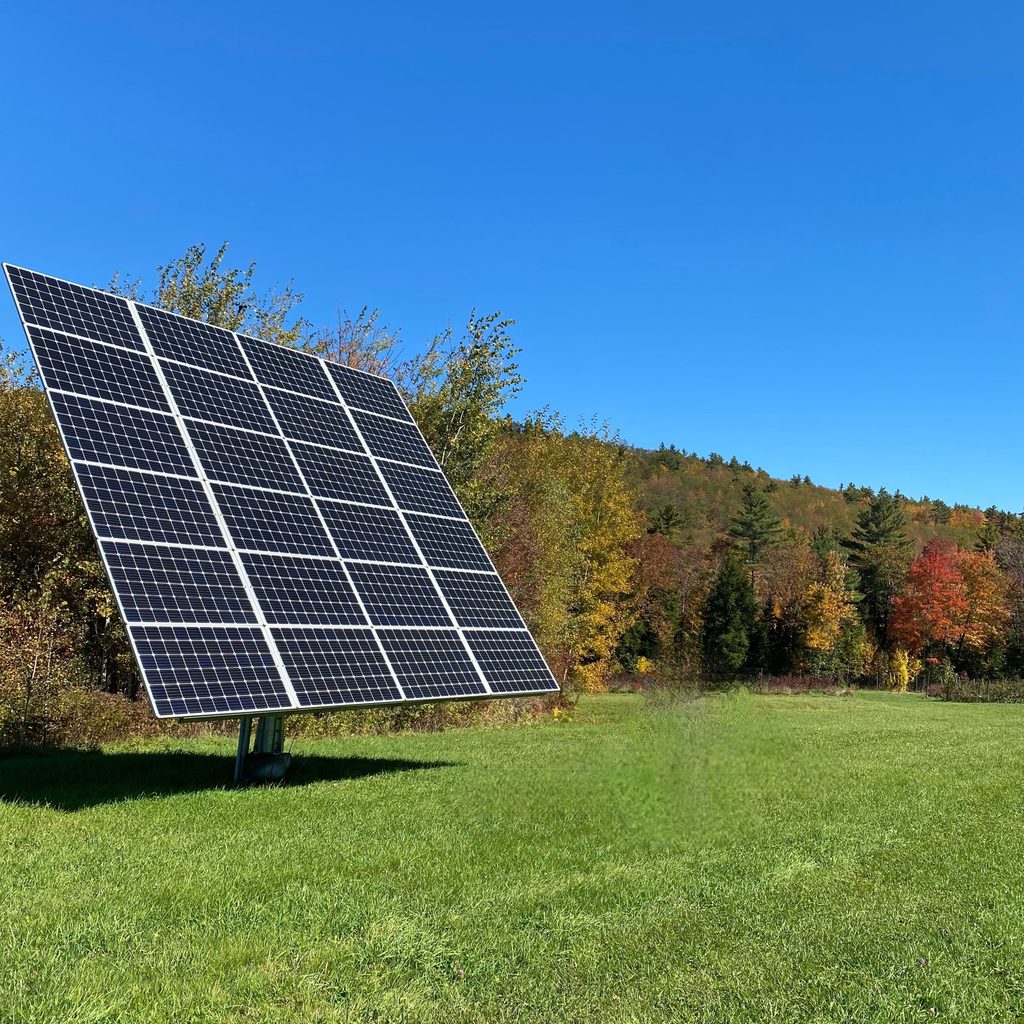
4. find out which solar incentives actually apply to you
The minute you start Googling solar, you can find federal incentives, state incentives, utility programs, rebates, net metering, and a whole bunch of information that may or may not even apply to where you live.
And some of the articles ranking at the top of Google are several years old! (RIP to the federal incentives canceled at the end of 2025.) But, Aurora can account for solar incentives when calculating the cost and savings of a system, including state, local, and utility-specific programs.
I would still double check any incentive or tax benefit you’re planning to use before signing a contract, especially because programs and eligibility can change, but having all the relevant information in the same place makes the research process much less overwhelming.
5. research the installer, equipment, and warranties
Aurora lets you compare solar installers based on things like reviews, reputation, pricing, and financing options, which I think is just as important as the actual quote.
I’d also look closely at what equipment is included. What panels are they using? What kind of inverter? How long are the equipment warranties? Is there also a workmanship warranty from the installer? Who handles repairs if something goes wrong five or ten years from now?
And, I know I’ve said it a million times, but it’s nice to see it side-by-side without having to fill out a bunch of forms and be hounded on the phone just to get an idea of what solar may look like.
The post How to Compare Solar Quotes: What to Look For Before You Choose appeared first on Going Zero Waste.
How to Compare Solar Quotes: What to Look For Before You Choose
Green Living
Sustainability In Your Ear: XPRIZE’s David Babson on Why Climate Grand Challenges Need Buyers, Too
Buyers contracted nearly 30 million tons of durable carbon removal in 2025, more than triple the 2024 total, according to CDR.fyi data reported by Heatmap. About 90% of those purchases came from a single company, Microsoft, and suppliers delivered only about 450,000 tons during the year. That is a sliver of the six to 10 billion tons of removal a year that climate scenarios suggest the world will need by 2050. The technology to pull carbon out of the air works, but the customers needed to scale it remain scarce.
Our guest today, David Babson, is executive vice president of the Energy, Climate, and Nature domain at the XPRIZE Foundation. He calls the slow progress a market failure, because the technology is progressing faster than it is being adopted. Babson previously led MIT’s Climate Grand Challenges initiative and was a program director at the U.S. Department of Energy’s ARPA-E. His portfolio includes XPRIZE Carbon Removal, which drew 1,334 teams and whose participants have raised more than $3.3 billion. In April 2025, Mati Carbon won its $50 million grand prize for spreading crushed basalt on smallholder farms in India, where the rock locks away carbon dioxide. “If people could make money taking carbon out of the air and putting it underground, as opposed to only being able to make money taking it from underground and putting it in the air, we would be in a better place,” Babson says. Mati is weathering the slump in part because its rock dust also improves soil health and crop yields, giving farmers a reason to participate that doesn’t depend on carbon credit prices.

XPRIZE’s answer is to change what winners receive. Babson describes “mixed purses” that pair a cash award with a guaranteed buyer through an advance market commitment, a power purchase agreement, or an of