

Ameresco has partnered with the Roseburg Urban Sanitary Authority (RUSA), with the aim of bolstering the resilience, sustainability and cost-effectiveness of RUSA’s key facilities, including its main office, Wastewater Treatment Plant (WWTP) and Natural Treatment System (NTS).
Under the collaboration, Ameresco will oversee the design, construction and integration of solar PV systems across RUSA’s facilities, building on a comprehensive Technical Energy Audit conducted to identify energy-saving opportunities.
The project will include the development of renewable energy solutions, focusing on solar PV technology and battery energy storage systems. Guided by an Energy Savings Performance Contract, Ameresco guarantees both energy savings and optimal system performance. These projects are made possible through the Oregon Department of Energy Community Renewable Energy Program grants.
The Oregon Department of Energy selected 34 recipients to receive $18 million in Community Renewable Energy Grant Program funds. With the assistance of Ameresco, the RUSA team applied for three grants and received all three, with a total $2.9 million award, allowing these projects to kick off together:
- A grant of $1,000,000 toward the installation of 800 kW solar PV designed to generate 1.2 MWh annually to offset 44% of the WWTP’s energy usage and supporting RUSA’s goal to be a sustainable community partner.
- A grant of $870,870 toward the installation of a 50 kW solar PV array designed to generate 51,580 kWh annually to offset 100% of the energy usage, with 186 kW battery storage system at RUSA’s administrative offices.
- A grant of $1,000,000 toward the installation of a 400 kW floating solar PV system designed to generate 536,074 kWh annually to offset 64% of the NTS energy usage.
“As wastewater treatment plants are among the most energy-intensive public services, RUSA’s projects represent a critical step forward in reducing carbon footprints and promoting sustainability,” says Lou Maltezos, executive vice president at Ameresco.
“This collaboration is a great model for how public entities can implement innovative solutions to address modern energy challenges while advancing community welfare.”
The post RUSA, Ameresco Partner on Solar Adoption for Public Utilities appeared first on Solar Industry.
RUSA, Ameresco Partner on Solar Adoption for Public Utilities

 Some people may be, but, to a person, the foreigners I’ve met are deeply saddened, and terrified of the consequences of the Trump regime.
Their feeling is simply that America re-elected a convicted felon, rapist, and traitor who attempted to overthrow the U.S. federal government. If we’re willing to do that, we’re capable of anything, regardless of how depraved.
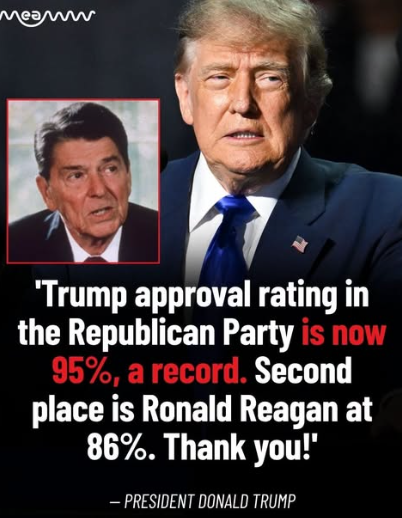 I’ve never understood why those who compose total bullshit like this don’t go for the gusto. Why 95% and not 99% or 100%?
Trump’s actual approval rating among Republicans is somewhere between 75% and 80%, as can be easily verified by anyone on Earth with a cell phone or computer. That number continues to dwindle, as he faces more pressure regarding the war, gas prices, child rape, etc.
Obviously, the president’s supporters are suckers for his lies, but isn’t this a bit over the top?
 I get a call every week or so from someone working for a start-up in oil exploration, hoping that I’ll invest. I guess my name and cell number got collected somehow from various online searches I’ve made.
I’m always quick to explain, “Oh, sorry, I don’t support wrecking the planet, even if I can profit from it. Neither should you. Bye now.”



-

 Greenhouse Gases2 years ago
嘉宾来稿:满足中国增长的用电需求 光伏加储能“比新建煤电更实惠”
-
Climate Change1 year ago
Guest post: Why China is still building new coal – and when it might stop
-
Greenhouse Gases1 year ago
Guest post: Why China is still building new coal – and when it might stop
-

 Climate Change2 years ago
嘉宾来稿:满足中国增长的用电需求 光伏加储能“比新建煤电更实惠”
-

 Renewable Energy11 months ago
Sending Progressive Philanthropist George Soros to Prison?
-
Climate Change2 years ago
Bill Discounting Climate Change in Florida’s Energy Policy Awaits DeSantis’ Approval
-
Greenhouse Gases1 year ago
嘉宾来稿:探究火山喷发如何影响气候预测
-

 Carbon Footprint2 years ago
US SEC’s Climate Disclosure Rules Spur Renewed Interest in Carbon Credits