

Your bedroom is a sanctuary but there are toxic chemicals lurking in our furniture that can keep it from being a true safe haven. This guide to sustainable and non-toxic nightstands is here to help you check one to-do off of your list in creating a toxin-free bedroom.
Note that this guide contains affiliate links. As always we only feature companies that might rigorous standards for sustainability that we love, and that we think you’ll love too!
What is a Non-Toxic Nightstand?
There’s a lot to look out for with non-toxic furniture, which I’ve covered in detail in that article. For this guide we’re focusing on nightstands, which are primarily made with wood or engineered wood. So I will focus on what to watch out for with wood furniture.
Solid Wood Nightstands
When possible, prioritize solid wood for a non-toxic nightstand because many composite woods (though not all) are made with adhesives that contain formaldehyde, a known carcinogen.
With nightstands, even if the nightstand is solid wood, the drawers are frequently made with composite wood. If this is the case, ensure that it is free of formaldehyde and other toxic substances.
Zero VOC or Low VOC Finishes
Volatile organic compounds, or VOCs, include a variety of chemicals (such as formaldehyde). Some of these VOCs can be extremely toxic and harmful to our health, including another known human carcinogen, benzene. The EPA reports that VOCs are up to 10x higher indoors than outdoors, due to products we bring into our homes such as paints, building and furniture materials, and wood preservatives.
When it comes to wood products like nightstands, pay special attention to the finishes used on these pieces. Although wood is a natural material, it can still be finished with toxic chemicals.
Pure linseed oil — an oil made from flaxseeds — is a commonly used non-toxic finish.
What is a Sustainable Nightstand?
Again we’ll focus on wood here since most nightstands are made with wood (or composite wood) and typically do not contain any cushioning or fabrics.
Responsibly Sourced Wood
While wood is a natural renewable material, deforestation is a driver of climate change and biodiversity loss. Plus forests can help stem the effects of the third element in our triple planetary crisis, pollution.
When looking for sustainable wood nightstands, look for:
- Upcycled and repurposed wood
- Wood from reforestation projects
- Traceable, local (or at least domestic) wood
- FSC-Certified wood (though I would be remiss not to note that the FSC is far from perfect as a certifier)
Locally Made
When it comes to bulky, heavy objects like furniture, domestic production is a higher priority on my list when determining sustainability. Transportation is one of the largest sources of greenhouse gas emissions so the less a piece of furniture has to travel to get to me, the better.
In my case, this means made in the US. (I only know of one furniture company made in my state.)
Many sustainable American-made furniture companies even have their own furniture workshops, for maximum traceability, high social standards, and quality assurance.
Secondhand Nightstands
When it comes to sustainability, it’s hard to beat secondhand. This is furniture that already exists and may even be otherwise headed to a landfill. I’ve written in depth about my top picks for buying and selling secondhand furniture.
I’ll summarize it though as:
- Apps like OfferUp and Facebook Marketplace (I’ve had the most luck with those two)
- In-person options like furniture resale stores and at estate sales (the former is more curated, the latter might have better deals)
- Online secondhand furniture marketplaces like AptDeco and Kaiyo
Are secondhand nightstands non-toxic? Typically, no, given that the majority of furniture in general is not made with healthy materials. However if furniture is used it has likely off-gassed significantly already so there will be fewer fumes compared with buying that same piece new.
Be sure to check that the secondhand nightstand has come from a smoke-free home (and pet-free if you have allergies).
Where to Find Sustainable and Non-Toxic Nightstands
Feeling overwhelmed by everything there is to look for in a non-toxic or eco-friendly bedside table? I feel ya! That’s why I’ve done the hours of research and digging for you to curate the best of the best in non-toxic and sustainable nightstands.
You’ll find highlights of each company as well as other important information alongside each brand or retailer.
1. Medley
Crafted in the US by a production team with over 170 years of combined experience, Medley’s sustainable nightstands are built to last — the furniture frames even come with a lifetime warranty.
Medley’s expert team of furniture craftspeople make each of their bedside tables with FSC-certified solid walnut or maple for the tops, sides, and drawer(s). For the rest, Medley uses low-VOC CARB 2 compliant maple or walnut hardwood plywood to keep the nightstands light but sturdy.
Conscious Qualities: Zero and Low VOC Finishes, FSC-Certified Wood, USA-Made
Price: $745 – $1295

2. Copeland @ Urban Natural
Copeland crafts transitional furniture made with exceptional attention to quality in Vermont from hardwood sourced from the American Northern Forest. The company also uses renewable electricity from their own on-site solar array.
And Copeland’s standard finish for their products is a GREENGUARD Certified for low chemical emissions.
Conscious Qualities: Locally Sourced Solid Wood, GREENGUARD Certified Finish, Heirloom Quality, USA-Made
Price: $240 – $2205

3. Thuma
Modern, simple, and available in four different finishes, Thuma’s upcycled rubberwood nightstands are versatile storage furnishings that complement a range of interior design styles.
These sophisticated nightstands can be available to ship in just 1-3 days and arrive fully constructed, no assembly required.
Conscious Qualities: Upcycled Solid Wood, GREENGUARD Gold Certified
Price: $445

4. Avocado
Made with solid maple or walnut in their own FSC-certified woodshop in Los Angeles, Avocado’s nightstands are sustainably made to last. The nightstands even come with a 10-year warranty.
Avocado seals the nightstands with a zero-VOC stain and while plywood is used for the drawers, the maple wood option is formaldehyde-free verified by UL Environment.
Conscious Qualities: Zero VOC Stain, GREENGUARD Gold Certified, FSC-Certified, In-House Production
Price: from $249

5. Healthier Homes
Founded by “healthy home builders” Rusty and Jen, Healthier Homes curates furnishings without the toxins rampant in modern-day mass produced furniture.
Choose from the solid mango wood Playa End Table (pictured here) finished with a low VOC finish or the solid wood Mindi Wood Bedside Table finished with a water-based low VOC finish.
Conscious Qualities: Solid Wood, Low VOC Finishes, Sustainable Furnishings Council Member
Price: $695 – $869

6. GRAYN @ Urban Natural
GRAYN brings timeless design and expert craftsmanship to sustainable furniture. Handcrafted in Bradford, Vermont, GRAYN’s nightstands embody the brand’s mission to create purposeful, long-lasting pieces.
Crafted from ethically-sourced solid oak, GRAYN’s furniture showcases natural variations in wood color and pattern, celebrating its unique character. Each piece is finished with a GREENGUARD certified clear coating for non-toxic durability.
Conscious Qualities: Ethically-Sourced Solid Oak, GREENGUARD Certified Finishes, USA Made
Price: $1589 – $2179

7. Maple Corner Woodworks @ Urban Natural
Building quality furniture with classic designs, Maple Corner Woodworks furniture is built to the highest standards.
MCW’s solid wood nightstands are made in Vermont by skilled woodworkers using responsibly-harvested cherry, maple, or walnut hardwood.
Conscious Qualities: Solid Wood, USA-Made, Exceptional Craftsmanship
Price: $1629+

More Furniture Guides:
11 Best Eco-Friendly and Non-Toxic Beds for a Sound Sleep
15 Non-Toxic Furniture Companies for a Healthier Home
Top 10 American-Made Furniture Brands Prioritizing Quality Over Quantity
The post 7 Best Places for Sustainable and Non-Toxic Nightstands (2025) appeared first on .
7 Best Places for Sustainable and Non-Toxic Nightstands (2025)

Last winter, we kept our house at 60 degrees and our electric bill was STILL $280. I’ve been interested in solar for a long time, but on the long list of house projects (especially when you’re restoring a 200 year old house on the historic registry) some are more pressing than others.
But with a few of those major projects wrapping up, and a daunting bill before me, I figured now was the time for a quick google search on solar panels, and let me tell you….. It can be very overwhelming.
Figuring out the rules (cough, cough, historic society), incentives or rebates if applicable, how much it would cost, how much we could save, etc. felt a little like a part-time job. But, one website made it really easy to compare things, and I am happy to be partnering with Aurora Solar to share that site with you.
Because I think you should be able to easily run the numbers on your house without a lot of hassle!
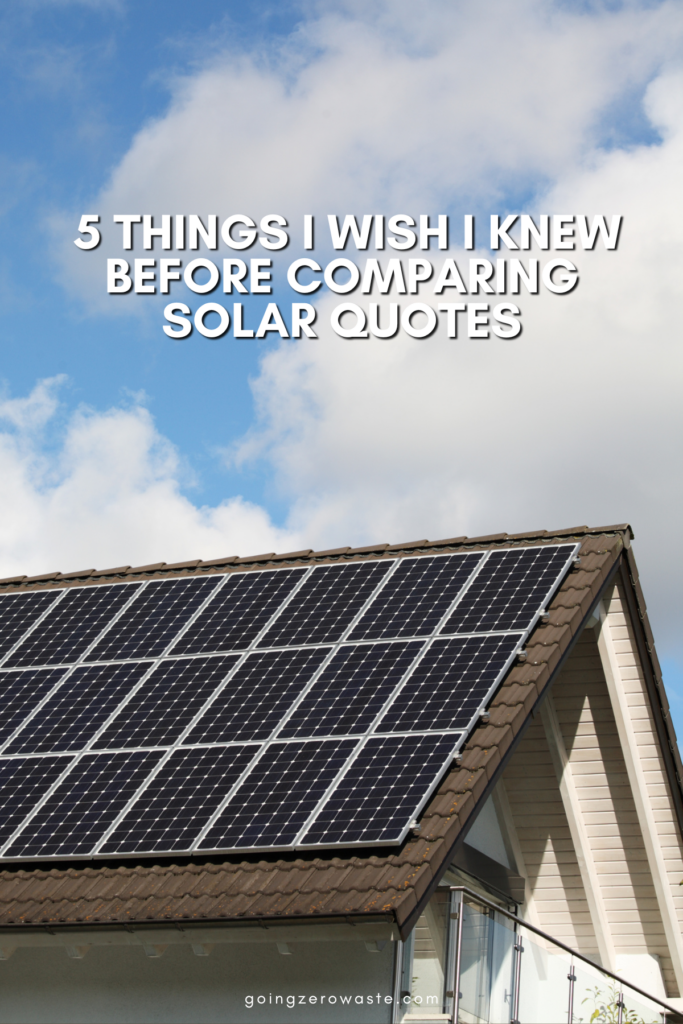
This post is sponsored by Aurora Solar, but all thoughts and opinions are my own.
If you’ve ever gotten a solar quote, there’s a good chance that Aurora Solar was involved. Aurora was founded in 2013 after its co-founders spent seven months trying to design a solar energy system using a patchwork of different tools.
Afterall, designing a solar system shouldn’t be harder than actually installing one. So they built software specifically for solar professionals. Today, more than 7,000 solar organizations use Aurora, and more than 20 million solar projects have been designed using the platform. They are also the largest solar software provider in the world. Their software is used by roughly 80% of the top 75 residential solar companies in the U.S.
All of this tech has been primarily used by professional installers to map your roof and then create a proposal, but now Aurora is offering this tech to us to help compare quotes.
So instead of having to call a bunch of different installers, I could use the Aurora Solar Marketplace to understand my solar potential, compare estimates, understand my possible savings, look into battery storage and other home electrification incentives, and map out different financing options.
1. know how much electricity the system will actually produce
Before you even get into the price, make sure you understand what you’re actually being quoted.
Two solar systems can have very different prices because they may not be the same size or produce the same amount of electricity. A cheaper system might simply have fewer panels and offset less of your electric bill.
With Aurora, you can compare solar estimates and see the system size, energy production, and how much electricity the system should offset.
You can also upload your utility bill to get a solar estimate based more closely on your actual energy usage, to make the quote accurate for you instead of a ‘generic household’.
2. understand the solar payback period
Aurora calculates things like payback period and lifetime savings, which makes it much easier to understand the long-term finances.
The solar payback period is basically how long it takes for your estimated savings to make up for what you spent on the system, and this is the number that surprised me most!
One estimate had a payback period of around 7 years, and another was closer to 11 years! Over 25 years, two of the estimates I looked at had almost a $13,000 difference in projected savings.
Of course, these are still projections as electricity rates can change (HELLO 2026) but when you’re trying to compare two options for the same house, knowing that one is projected to pay for itself four years sooner is pretty useful information.
3. look beyond the monthly payment
Depending on the installer, you may be looking at a cash purchase, solar loan, lease, or power purchase agreement.
But thankfully with Aurora you can compare the different financing options side-by-side which makes it a lot easier to see the trade-offs. One option may have a lower upfront cost, another may have a lower monthly payment, and another may give you better long-term savings.
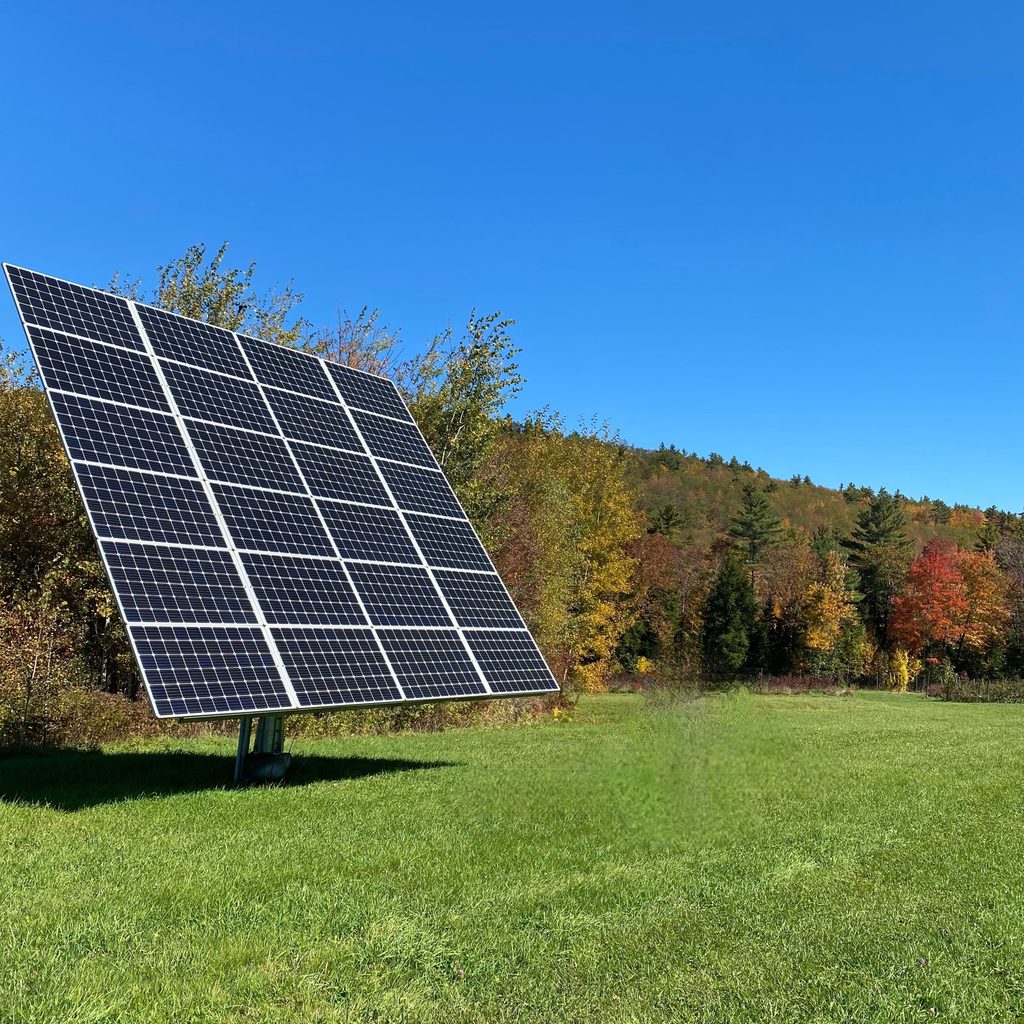
4. find out which solar incentives actually apply to you
The minute you start Googling solar, you can find federal incentives, state incentives, utility programs, rebates, net metering, and a whole bunch of information that may or may not even apply to where you live.
And some of the articles ranking at the top of Google are several years old! (RIP to the federal incentives canceled at the end of 2025.) But, Aurora can account for solar incentives when calculating the cost and savings of a system, including state, local, and utility-specific programs.
I would still double check any incentive or tax benefit you’re planning to use before signing a contract, especially because programs and eligibility can change, but having all the relevant information in the same place makes the research process much less overwhelming.
5. research the installer, equipment, and warranties
Aurora lets you compare solar installers based on things like reviews, reputation, pricing, and financing options, which I think is just as important as the actual quote.
I’d also look closely at what equipment is included. What panels are they using? What kind of inverter? How long are the equipment warranties? Is there also a workmanship warranty from the installer? Who handles repairs if something goes wrong five or ten years from now?
And, I know I’ve said it a million times, but it’s nice to see it side-by-side without having to fill out a bunch of forms and be hounded on the phone just to get an idea of what solar may look like.
The post How to Compare Solar Quotes: What to Look For Before You Choose appeared first on Going Zero Waste.
How to Compare Solar Quotes: What to Look For Before You Choose
Green Living
Sustainability In Your Ear: XPRIZE’s David Babson on Why Climate Grand Challenges Need Buyers, Too
Buyers contracted nearly 30 million tons of durable carbon removal in 2025, more than triple the 2024 total, according to CDR.fyi data reported by Heatmap. About 90% of those purchases came from a single company, Microsoft, and suppliers delivered only about 450,000 tons during the year. That is a sliver of the six to 10 billion tons of removal a year that climate scenarios suggest the world will need by 2050. The technology to pull carbon out of the air works, but the customers needed to scale it remain scarce.
Our guest today, David Babson, is executive vice president of the Energy, Climate, and Nature domain at the XPRIZE Foundation. He calls the slow progress a market failure, because the technology is progressing faster than it is being adopted. Babson previously led MIT’s Climate Grand Challenges initiative and was a program director at the U.S. Department of Energy’s ARPA-E. His portfolio includes XPRIZE Carbon Removal, which drew 1,334 teams and whose participants have raised more than $3.3 billion. In April 2025, Mati Carbon won its $50 million grand prize for spreading crushed basalt on smallholder farms in India, where the rock locks away carbon dioxide. “If people could make money taking carbon out of the air and putting it underground, as opposed to only being able to make money taking it from underground and putting it in the air, we would be in a better place,” Babson says. Mati is weathering the slump in part because its rock dust also improves soil health and crop yields, giving farmers a reason to participate that doesn’t depend on carbon credit prices.

XPRIZE’s answer is to change what winners receive. Babson describes “mixed purses” that pair a cash award with a guaranteed buyer through an advance market commitment, a power purchase agreement, or an offtake contract. In one thought experiment, a carbon removal prize would come with a separate $1 billion fund raised from credit buyers, which qualified teams could draw on as they deliver verified tons. XPRIZE is applying the same thinking to a planned series of fusion energy prizes, pairing technical milestones with market mechanisms to build the supply chain that commercial fusion will require. The same gap between invention and adoption shows up in other XPRIZE competitions. On September 23, XPRIZE Wildfire awarded about $4.55 million from its $11 million purse, with defense contractor Anduril Industries taking first place in autonomous fire response along with a $1 million Lockheed Martin bonus. Babson expects costs to fall as fire agencies adopt the tools and as startups license individual components into cheaper platforms, though underfunded agencies will need a way to buy the first systems. He also notes that the competition left fuel management and ground-based autonomy for future prizes. Earlier this year, program director Andrea Santy told us that field testing had moved ahead of drone regulations. In biodiversity, Limelight Rainforest won $5 million for surveying 100 hectares of tropical forest in under 24 hours and identifying more than 250 species. Biodiversity still lacks a price, but Babson argues that once ecosystems can be measured, slow-walking policy becomes “a dereliction of what they should be doing.”
We also discuss the tension inside XPRIZE’s vision of “equitable abundance,” including a $101 million Healthspan prize that could add years of consumption to longer lives. Babson argues that abundant, cheap clean energy would let society move beyond efficiency as its organizing principle, powering uses such as indoor vertical farms that could return millions of acres of farmland to nature. You can follow XPRIZE’s new competitions and get involved in its prize ideation workshops at xprize.org.
- Subscribe to Sustainability In Your Ear on iTunes
- Follow Sustainability In Your Ear on Spreaker, iHeartRadio, or YouTube
Interview Transcript
Mitch Ratcliffe 00:36
Hello. Good morning, good afternoon, or good evening, wherever you are on this beautiful planet of ours. Welcome to Sustainability In Your Ear. This is the podcast conversation about accelerating the transition to a sustainable, carbon-neutral society, and I’m your host, Mitch Ratcliffe. Thanks for joining the conversation today.
Let’s talk about the power and the uses of grand challenge programs to kickstart low-carbon industries and respond to the changing environment. Over the past several years, we’ve talked on the show with leaders of grand challenge programs designed to accelerate progress on humanity’s most difficult challenges, from pulling carbon out of the atmosphere to fighting rapidly growing wildfire threats in cities and rural communities. Many of these competitions have been launched by XPRIZE, whose leaders have shared on the show the stories of these competitions as they launched and unfolded.
Today is a chance to take stock, to look back and think about how climate markets, technology, and politics are changing fast, and how that makes this a good moment to ask the question: Are these programs designed to accelerate progress actually delivering that progress?
Our guest today designs XPRIZE’s climate bets. David Babson is executive vice president of the Energy, Climate, and Nature domain at the XPRIZE Foundation. Before XPRIZE, he was the executive director of MIT’s Climate Grand Challenges initiative and a program director at the U.S. Energy Department’s ARPA-E energy technology research agency.
His portfolio includes the largest incentive in prize history. In 2025, Mati Carbon received a $50 million grand prize for their enhanced rock weathering solution for capturing and drawing down carbon, and XPRIZE now reports that companies participating in its programs have raised $3.3 billion. That carbon removal win arrived just as the removal market hit serious turbulence, and as XPRIZE’s wildfire competition wrapped up with its top prize still unclaimed.
So we’re going to discuss what grand challenges can really accomplish, which winners continue to build and which stall, and what the reasons are, as well as the tensions inside a portfolio that funds both climate solutions and longer human lifespans. We’ll get to the conversation right after this brief commercial break. Stay tuned.
[COMMERCIAL BREAK]
Welcome back to Sustainability In Your Ear, and welcome, David Babson, to Sustainability In Your Ear. How are you doing today?
David Babson 03:10
I’m doing well.
Mitch Ratcliffe 03:11
I’m glad to have you here. You’ve run research portfolios at ARPA-E and MIT. What can a prize purse accomplish that a well-funded grant program can’t, or are they complementary?
David Babson 03:22
They’re absolutely complementary. The way that I think about it is that the value of these different mechanisms for promoting innovation is at different parts of the innovation supply chain, if you will. A prize is not a substitute for the very necessary investments that places like governments make into basic, applied, and advanced research. In fact, those types of investments are really valuable for establishing the innovation ecosystems and the technical capacities to eventually win prizes.
Where the prize is very valuable is somewhat downstream: translating technologies, ideas, and innovations that are coming out of academia and labs to market for scale. It challenges the innovators to imagine those technical capacities as solutions to global challenges, and then the visibility that the prize brings to those translations of technologies de-risks funding to flow to those innovators so they can imagine their uses in practice.
So I actually see them as very complementary, particularly when it comes to solutions in the energy and climate space that require rapid adoption of technologies in markets to have impact. Just having an energy solution or a climate solution is not